Pakistan

News related to Pakistan in Pakistan and around the world.

Pakistan

Cabinet Committee Evaluates Muharram Security in Lahore

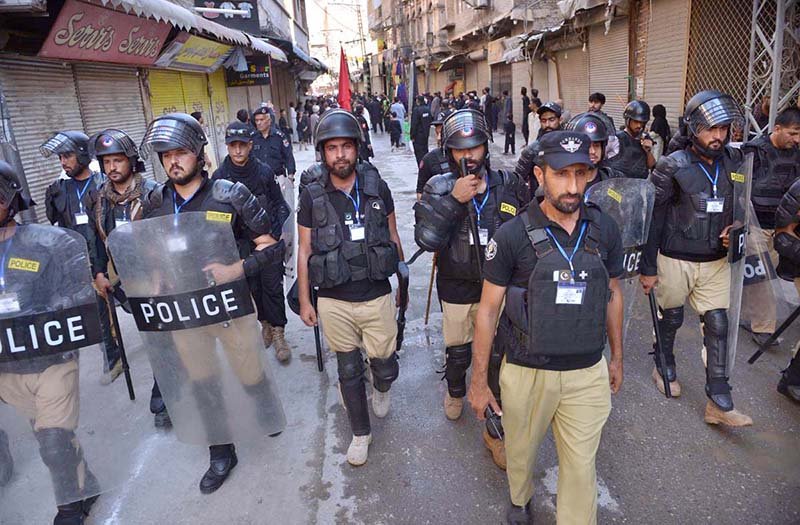
LAHORE — The Cabinet Committee on Law and Order thoroughly reviewed the security and administrative preparations for the upcoming Muharram events along Lahore’s central procession route on Tuesday. Provincial Minister and Committee Chairman Khawaja Salman Rafique led the inspection, focusing on key locations like Nisar Haveli and Karbala Gamay Shah. Inspection of Security Measures The Cabinet Committee on Law and Order, tasked with ensuring the safety and smooth conduct of Muharram processions, visited vital sites along Lahore’s central route. This visit aimed to assess the preparedness of security arrangements and address any potential issues before the Muharram observances, which are expected to attract large crowds. Khawaja Salman Rafique and other committee members evaluated security measures, including law enforcement personnel deployment and surveillance systems installation. The committee stressed maintaining a peaceful environment during these significant cultural and religious events for the Shia community in Pakistan. Administrative Arrangements The committee also assessed administrative preparations like traffic management and emergency response plans. These steps are crucial to ensure that processions run smoothly without incidents, minimizing disruptions to daily life in Lahore while respecting the participants’ religious practices. Background on Muharram Events Muharram, the first month of the Islamic lunar calendar, is a mourning period for Shia Muslims. It commemorates the martyrdom of Imam Hussain, Prophet Muhammad’s grandson, at the Battle of Karbala. Lahore’s central procession is a significant event, drawing thousands and requiring extensive security and logistical planning. Historically, Muharram processions in Pakistan have been vulnerable to sectarian violence, necessitating strict security measures. The government typically augments police and paramilitary forces, sets up checkpoints, and implements traffic diversions to ensure participant safety and maintain order. Importance of These Arrangements Security and administrative arrangements for Muharram processions are vital due to potential sectarian tensions and the large participant numbers. Their safety is crucial for communal harmony and violence prevention. A smoothly conducted Muharram can economically impact local businesses and daily activities in Lahore. Planning inadequacies or security incidents could lead to economic losses and inconvenience for residents. Political implications arise from the government’s capability to manage these events, showcasing its commitment to protecting religious freedoms and public order. Successful observances can enhance public confidence in the government’s capabilities and instill a sense of security among the populace. Internationally, how Pakistan handles religious events like Muharram is closely observed, reflecting its management approach to sectarian diversity and religious rights. Effective management can enhance Pakistan’s image as a nation that respects and safeguards its citizens’ religious practices. Key Takeaways The Cabinet Committee on Law and Order reviewed Muharram security and administrative preparations in Lahore. Key locations such as Nisar Haveli and Karbala Gamay Shah were inspected for readiness. Muharram processions are significant cultural and religious events requiring substantial security measures. Effective management is crucial for maintaining communal harmony and public confidence in the government.

Pakistan

PSCA Boosts Muharram Security with Advanced Surveillance Technology

LAHORE — The Punjab Safe Cities Authority (PSCA) has implemented advanced surveillance technology to improve security during Muharram. This effort involves equipping police officers with state-of-the-art digital tools to uphold public safety and maintain order throughout the religious observance. Innovations in Surveillance The PSCA has enhanced its LTE Smart Communication System, enabling police officers to view real-time camera feeds on their LTE handsets. This new capability supports a broader strategy to leverage technology for managing security during Muharram, a time characterized by large assemblies and processions. A PSCA spokesperson stated that these innovations provide officers with immediate surveillance data access, improving their response capabilities. The LTE handsets function as mobile command centers, allowing for real-time situation monitoring and coordinated action. This upgrade is anticipated to significantly bolster operational efficiency, facilitating better crowd management and quicker incident resolution. The initiative underlines PSCA’s dedication to utilizing modern technology to tackle security challenges, especially during high-risk periods such as Muharram. Understanding Muharram Muharram, the first month of the Islamic calendar, holds profound religious significance for Muslims, especially the Shia community. It commemorates Imam Hussain’s martyrdom at the Battle of Karbala. The period involves numerous gatherings and processions, necessitating stringent security measures to avert untoward incidents. The Punjab Safe Cities Authority aims to enhance urban security through technological advancements. It leads in deploying sophisticated surveillance systems across Punjab’s major cities. Recent efforts have concentrated on integrating digital tools to assist law enforcement in ensuring public safety and order. Technological Impact Deploying advanced surveillance technology during Muharram is pivotal for enhancing security during this historically sensitive time. It equips police officers with real-time surveillance data, allowing the PSCA to swiftly identify and mitigate potential risks. The growing necessity of technological adoption in law enforcement is evident in urban settings. Real-time monitoring and communication enhance resource allocation and response times, which are crucial for managing crowds and preventing incidents. Broader Implications Beyond immediate security improvements, this initiative marks a step towards the digital transformation of public safety in Pakistan. By investing in technology-driven solutions, the PSCA sets an example for other regions, possibly leading to nationwide enhancements in security practices. The implications extend to modernizing Pakistan’s law enforcement abilities and aligning them with global standards. It builds public confidence in authorities’ capacity to ensure safety during significant events.

Pakistan

Training Empowers Women To Turn Kitchen Waste Into Organic Compost

QUETTA — On June 23, a training session was held in Quetta to empower women by converting kitchen waste into organic compost. This initiative, organized with the World Food Programme (WFP) and ACT International, used vegetable and fruit waste from the WFP School Meal Program to create high-quality compost for agriculture. Empowering Women in Waste Management The session was chaired by Dr. Qasim Kakar, Director General of the Agriculture Research Institute (ARI) in Balochistan. It aimed to educate women on sustainable practices for turning kitchen waste into valuable compost. This effort is part of a larger initiative to promote environmental sustainability and boost agriculture in Balochistan. Participants learned methods to transform vegetable and fruit waste into compost. This not only reduces waste but equips women with skills that foster economic empowerment. The training featured practical demonstrations and discussions led by experts from WFP and ACT International. Significance of the Initiative A WFP Team Leader highlighted the initiative’s impact, stating, “Empowering women with these skills aids in waste management and contributes to food security and economic stability in communities.” The session underscored women’s roles in sustainable agriculture and how their involvement strengthens food systems. Challenges and Opportunities in Balochistan Balochistan, the largest province in Pakistan, faces severe waste management and agricultural output challenges. Given the arid climate and limited resources, sustainable agriculture is vital. The WFP School Meal Program generates much organic waste, and this training seeks to recycle it into compost as part of a broader strategy. Historically, organic waste has been a significant issue, often ending up in landfills. Initiatives like this aim to change that by viewing organic waste as a resource instead of a burden. Economic and Social Impact This training session proves crucial for various reasons. Economically, it provides women with skills that open up new income opportunities. By producing and selling organic compost, women can enhance their household income and social standing. Socially, the initiative empowers women to take part in community development and environmental efforts. It acknowledges their vital role in agriculture and waste management, giving them a meaningful platform for community contribution. Environmentally, the project encourages sustainable waste practices, reducing landfill contributions. Converting waste into compost results in healthier soil and more robust agricultural practices, key to local food security. On an international level, the project aligns with global goals like the UN’s Sustainable Development Goals, particularly concerning responsible consumption, production, and climate action. It highlights Pakistan’s dedication to innovative community-driven environmental solutions. Key Takeaways Training in Quetta focused on turning kitchen waste into organic compost. Women gained skills for sustainable waste management and economic empowerment. The initiative supports both environmental sustainability and economic growth.

Pakistan

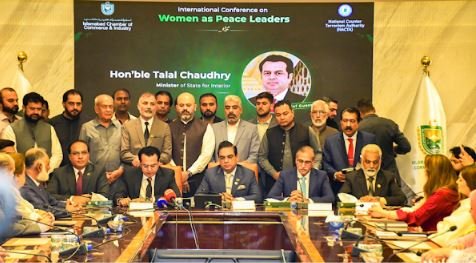
Pakistan Reaffirms Commitment to Women’s Empowerment, Says Talal Chaudhry

ISLAMABAD — Minister of State for Interior Talal Chaudhry affirmed on Monday that Pakistan’s government is resolute in its commitment to women’s empowerment. He highlighted the essential role of women in national progress, economic growth, social cohesion, and sustainable peace during his public address. Chaudhry emphasized the government’s dedication to ensuring meaningful participation of women in all spheres of national life. Ongoing Efforts and Policies On June 23, 2023, during a public address, Chaudhry spotlighted the government’s ongoing efforts to boost women’s empowerment in Pakistan. He stressed that empowering women is fundamental for social justice, economic development, and national stability. Chaudhry stated, “Empowering women is essential for national progress, economic growth, social cohesion, and sustainable peace.” His remarks indicate the government’s broader strategy to integrate women into various sectors. The current initiatives by the government include: Increasing women’s participation in the workforce Enhancing access to education and politics Implementing legislative measures and educational reforms Providing economic incentives These efforts aim to create a more inclusive environment for women, supporting Pakistan’s bid to enhance its global standing in gender equality. Challenges and Resolutions Chaudhry acknowledged existing challenges such as cultural barriers and systemic inequalities. However, he reaffirmed the government’s resolution to overcome these obstacles through sustained policy efforts and collaboration with civil society organizations. Historical Context and Importance Pakistan has long faced significant challenges in achieving gender equality. The Global Gender Gap Report 2022 places Pakistan among the lowest in terms of gender parity. Nonetheless, various initiatives like the Benazir Income Support Programme and the Women’s Protection Bill have been implemented to empower women. Recognizing the importance of women’s contributions to the economy and society, the government continues advocating for women’s rights. This includes aligning with international commitments such as the United Nations Sustainable Development Goals (SDGs), emphasizing gender equality as a key target. Impact on Society and Economy The empowerment of women holds far-reaching implications for Pakistan’s social and economic development. Women’s workforce participation significantly boosts economic growth, increasing household incomes and reducing poverty levels. On a social level, it promotes greater social cohesion and stability, breaking down gender stereotypes and encouraging an inclusive society. This empowerment helps reduce gender-based violence and discrimination, leading to a harmonious community. Politically, women’s empowerment is crucial for a more representative democracy. More women in decision-making roles can lead to balanced, inclusive policymaking, addressing the needs of the entire population. This inclusivity is vital for Pakistan’s progress.

Pakistan

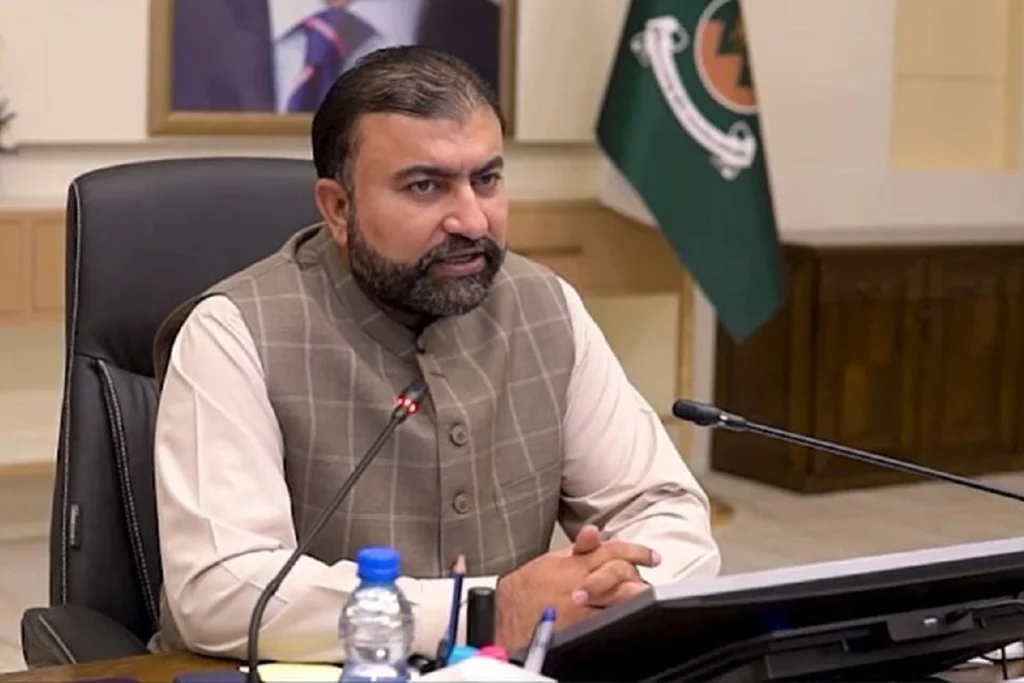
Sarfraz Bugti Emphasizes Merit-Based Reforms and Educational Excellence

QUETTA — Chief Minister Balochistan Mir Sarfraz Bugti reaffirmed the provincial government’s commitment to merit-based reforms on Tuesday, June 23. In meetings with provincial ministers, parliamentary secretaries, and assembly members, Bugti highlighted the role of transparency and equal opportunities in empowering the youth through education and competitive exams. Initiatives for Educational Reform During the discussions in Quetta, Chief Minister Sarfraz Bugti emphasized the ongoing efforts to implement merit-based reforms. These reforms are crucial for ensuring transparency and providing equal opportunities, focusing particularly on the youth of Balochistan. Bugti underscored the government’s commitment to practical measures designed to harness the potential of young individuals by encouraging excellence in education and competitive examinations. Discussions with government officials and political figures focused on strategies to enhance the educational framework in the province. Bugti stressed the need for a robust educational system as a foundation for youth to compete nationally and internationally. He stated, “Our focus remains on creating an environment where merit prevails, allowing every young person the opportunity to succeed based on their abilities and hard work.” The Chief Minister also called for collaborative efforts among government departments to ensure effective implementation of reforms. He urged officials to eliminate barriers hindering deserving students’ progress and to facilitate access to quality education and resources. Challenges and Government Efforts Balochistan, Pakistan’s largest province by area, has historically faced challenges in educational development due to its remote geography and limited infrastructure. Successive governments have attempted to address these issues through educational reforms and initiatives aimed at improving literacy rates and educational outcomes. Under Chief Minister Sarfraz Bugti, the current administration prioritizes educational reforms to uplift the socio-economic status of the province. Emphasizing merit-based systems is part of a broader strategy to combat nepotism and favoritism, persistent issues in regional governance and public sector employment. Significance of Reforms The focus on merit-based reforms in Balochistan holds significance for several reasons. It addresses the issue of unequal access to education and employment opportunities, contributing to socio-economic disparities in the province. By promoting a merit-based system, the government aims for a more equitable society. Economically, these reforms could lead to a skilled and competitive workforce, attracting investment and fostering regional development. Education is a key driver of economic growth, and improved educational outcomes could enhance productivity and innovation in Balochistan. Socially, empowering youth through education can lead to increased civic engagement and stability. Educated individuals are more likely to participate in democratic processes and contribute positively to their communities. This could result in a more vibrant and participatory society in Balochistan. Politically, emphasizing transparency and merit can strengthen public trust in the government. A demonstrated commitment to fairness and accountability may build confidence among citizens, crucial for effective governance and policy implementation. Key Takeaways Chief Minister Sarfraz Bugti reaffirms commitment to merit-based reforms in Balochistan. Efforts focus on enhancing educational frameworks and youth empowerment. Merit-based reforms aim to address socio-economic disparities. Collaborative government efforts are crucial for reform success. Reforms could lead to a skilled, competitive workforce in Balochistan.

Pakistan

Minister Bilal Akbar Oversees Muharram Security Preparations in Jhang

FAISALABAD — On June 23, 2023, Provincial Transport Minister Bilal Akbar Khan, joined by Advisor to Chief Minister on Political Affairs Zeeshan Malik, conducted a thorough review of security and administrative arrangements for Muharram-ul-Haram processions in Jhang district. Security Arrangements During their visit, Minister Bilal Akbar Khan and Advisor Zeeshan Malik were updated on security measures for Muharram processions. They held discussions with key officials including Divisional Commissioner Musarrat Jabeen, Regional Police Officer (RPO) Sohail Akhtar Sukhera, Deputy Commissioner (DC) Jhang Ali Akbar Bhinder, and District Police Officer (DPO) Jhang. Minister Akbar emphasized maintaining law and order during Muharram, a crucial religious observance for the Shia community. He stated, “The safety of our citizens is paramount, ensuring peaceful Muharram processions is our commitment.” Coordination among police, health services, and local administration is necessary to manage potential challenges. Security Measures The security plan involves deploying additional police personnel, setting up checkpoints, and monitoring routes through CCTV. Authorities also plan for emergency medical services along procession paths. Minister Akbar noted these steps are essential in preventing incidents and ensuring peaceful observance. Understanding Muharram Muharram, the first month of the Islamic lunar calendar, holds profound significance for the Shia Muslim community. It commemorates Imam Hussain, Prophet Muhammad’s grandson, martyred at the Battle of Karbala. Major processions occur on the 9th and 10th days, known as Tasu’a and Ashura. In Pakistan, processions attract large crowds nationwide. Due to historical sectarian tensions, the government’s enhanced security measures during Muharram aim to prevent violence and maintain order. Importance of Security The security arrangements for Muharram processions are crucial due to the risk of sectarian violence. Protecting participants ensures lives and upholds religious freedoms and social harmony. Effective measures prevent the escalation of sectarian tensions, essential for peace in Pakistan’s diverse society. Additionally, the government’s proactive measures in Jhang, a district with sectarian strife history, show its commitment to fostering unity. The involvement of high-level officials reflects the gravity with which these potential threats are addressed. Minister Bilal Akbar Khan reviewed Muharram security plans in Jhang. Emphasized coordination among police, health, and local administration for safety. Muharram requires heightened security due to potential sectarian tensions. The government’s proactive approach is key to preventing unrest and fostering unity.

Pakistan

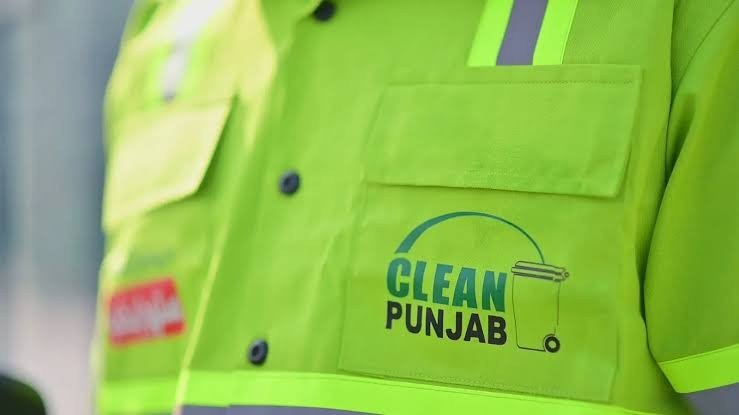
SPAL Conducts Zero Waste Initiative in Lahore’s Gulberg Town

LAHORE — The Suthra Punjab Agency Lahore (SPAL) launched a comprehensive zero-waste initiative in Gulberg Town on Tuesday. This effort aligns with Punjab Chief Minister Maryam Nawaz Sharif’s environmental vision. Over 1,000 sanitation workers and 134 operational vehicles were employed to thoroughly clean the area. Operation Overview The zero-waste operation in Gulberg Town is part of SPAL’s broader strategy to boost cleanliness and environmental sustainability throughout Lahore. Conducted on June 23, the initiative engaged a large workforce assigned to street cleaning, waste collection, and proper disposal. A fleet of 134 vehicles facilitated efficient waste collection and transport to designated sites. Directed by Chief Minister Maryam Nawaz Sharif, this initiative underscores sustainable waste management practices in urban areas. These efforts are part of a series aimed at transforming Lahore into a cleaner, more eco-friendly city. Target Areas SPAL focused on key areas in Gulberg Town, covering public spaces, residential zones, and commercial areas. The extensive cleanup aimed to address immediate waste concerns and establish a model for ongoing waste management practices in the region. Background of SPAL The Suthra Punjab Agency Lahore (SPAL) was created as part of the provincial government’s initiative to tackle urban waste management challenges. Lahore, as one of Pakistan’s largest cities, struggles with waste management due to its dense population and rapid urban growth. In recent years, the Punjab government has launched several projects to improve waste management and environmental sustainability. These include modern waste systems, public awareness campaigns, and policies to reduce waste generation. Importance of the Initiative The zero-waste initiative in Gulberg Town holds significance for various reasons. Firstly, it meets the urgent need for effective waste management in a crucial urban area of Lahore. Through large-scale workforce mobilization and vehicle deployment, SPAL shows commitment to resolving waste issues directly. Economically, proper waste management can cut city costs by decreasing the need for frequent cleanups and minimizing environmental impact. Socially, cleaner urban areas lead to better public health and enhance residents’ quality of life by cutting down disease transmission risks. Politically, this operation echoes the Punjab government’s dedication to environmental sustainability, especially pertinent amid global climate concerns. By prioritizing such initiatives, the government positions itself as a pioneer in sustainable urban development, potentially attracting international investment and support focused on environmental issues. Key Takeaways SPAL executed a zero-waste operation in Lahore’s Gulberg Town, deploying more than 1,000 workers and 134 vehicles. The cleanup aligns with the environmental vision of Punjab Chief Minister Maryam Nawaz Sharif. Efforts addressed immediate waste issues and set a precedent for future waste management practices.

Pakistan

Parliamentary Ban on Criticism of National Institutions Announced

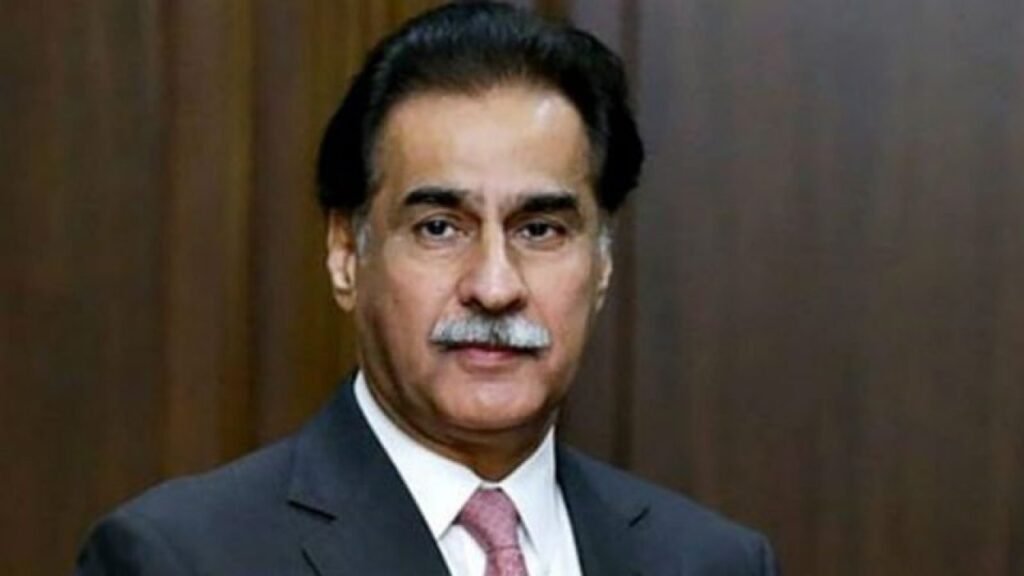
ISLAMABAD — National Assembly Speaker Sardar Ayaz Sadiq announced on Tuesday that Parliament members are prohibited from making critical remarks about national institutions during sessions. This move came in response to concerns raised by Opposition Leader Mehmood Khan Achakzai. Parliamentary Session Details During the June 23 parliamentary session, Speaker Sardar Ayaz Sadiq emphasized the importance of maintaining respect for national institutions. He clearly stated that derogatory or critical statements against these bodies would not be tolerated. This stance followed points raised by Mehmood Khan Achakzai regarding freedom of speech within Parliament. Sadiq’s remarks aim to ensure that the House’s decorum is preserved, warning lawmakers about making unacceptable statements outside Parliament. He asserted that no one would be allowed to speak against national institutions within its confines. Historical Context Criticism of national institutions within Pakistan’s Parliament has long been contentious. Historically, lawmakers have faced backlash for comments about national bodies such as the military and judiciary. Parliamentary procedures mandate that discussions should not undermine the country’s institutions. Recent years have seen debates about freedom of speech in Parliament, with some emphasizing democratic discourse’s necessity and others citing respect and decorum. Speaker Sadiq’s directive is part of an effort to navigate these dynamics, ensuring debates do not harm national interests. Implications of the Ban Speaker Sadiq’s directive has significant implications for Pakistan’s parliamentary sessions. It highlights the tension between open debate and protecting national institutions from criticism that could undermine credibility. This balance is crucial in a country where institutions like the military and judiciary are pivotal. National institutions’ stability is vital for maintaining investor confidence and government operations’ smooth functioning. Politically, the move could curb dissent within the legislative process, potentially stifling opposition voices. Internationally, the decision might attract scrutiny from human rights organizations and democratic watchdogs concerned with free speech in Pakistan. The country’s democratic credentials could be questioned if these measures limit legitimate parliamentary debate. Key Takeaways National Assembly Speaker Sardar Ayaz Sadiq has prohibited criticism of national institutions in Parliament. The directive addresses concerns about respect and decorum in parliamentary discussions. It raises tensions between freedom of speech and national institutions’ protection. The decision may impact political discourse and democratic processes in Pakistan.

Pakistan

Pak-Russian Joint Group Addresses Terrorism Threat from Afghanistan

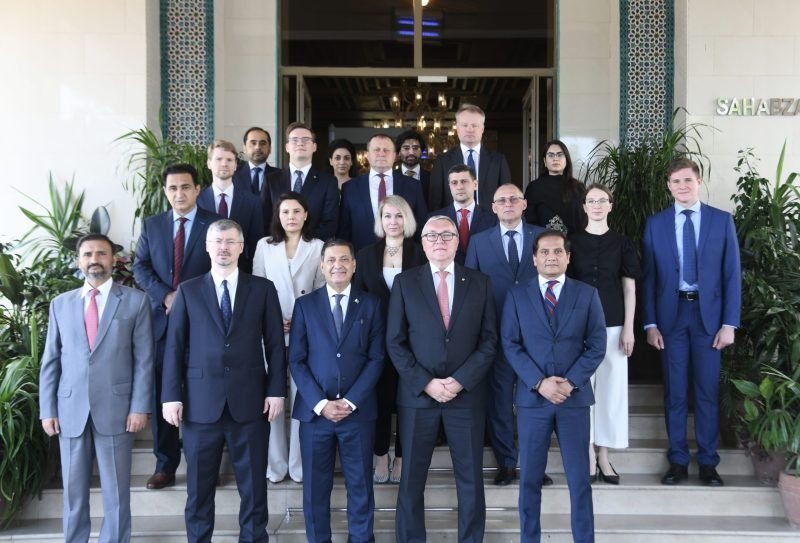
ISLAMABAD — The Pakistan-Russia Joint Working Group (JWG) on Countering International Terrorism convened on Tuesday in Islamabad. The meeting addressed the escalating terrorism threat originating from Afghanistan affecting regional security. Key officials from both nations participated in the 12th session. Focus of the Meeting The primary focus was on assessing the current terrorism threat landscape, particularly challenges from Afghanistan. Senior officials, including the Additional Secretary from Pakistan’s Ministry of Foreign Affairs, attended the session. Discussions aimed at enhancing bilateral cooperation and developing strategies to mitigate risks from Afghan-based terrorism. Concerns and Strategies The instability in Afghanistan, considered a breeding ground for terrorism, raised concerns on both sides. These discussions underscored potential threats to regional stability and the need for a coordinated response. A Ministry of Foreign Affairs spokesperson emphasized the shared concern over the Afghan terrorism threat, insisting on collaborative action between Pakistan and Russia. The meeting underlined the necessity of intelligence sharing and joint counter-terrorism operations. It also explored the potential for strengthening regional security frameworks and collaboration with other neighboring countries, ensuring a comprehensive counter-terrorism approach. Background The Pakistan-Russia Joint Working Group was established to foster cooperation in countering international terrorism. This partnership aims to tackle regional security challenges, particularly the instability in Afghanistan. Afghanistan is a focal point of international concern due to the presence of terrorist groups threatening regional and global security. Historical Context Both Pakistan and Russia have historically faced terrorism, driving them to seek cooperative solutions. The JWG platform enables dialogue, intelligence sharing, strategy coordination, and joint anti-terrorism actions. Significance of the Collaboration The Pakistan-Russia discussions are vital for regional security. The Afghan-origin terrorism threat has broad implications for Pakistan, Russia, and neighboring countries. Afghanistan’s instability risks regional destabilization, violence, refugee flows, and economic disruption. Pakistan’s Specific Concerns For Pakistan, the threat from Afghanistan is acute due to shared borders and historical ties. The presence of terrorist groups presents a direct threat to Pakistan’s security and economic stability. Collaborating with Russia enhances Pakistan’s counter-terrorism strategies and regional security cooperation. This collaboration reflects evolving geopolitical alliances, strengthening bilateral relations. It contributes to regional stability, essential for international peace and security. Key Takeaways The Pakistan-Russia Joint Working Group convened in Islamabad to discuss terrorism threats from Afghanistan. The meeting focused on enhancing bilateral cooperation and developing comprehensive counter-terrorism strategies. Both nations emphasized intelligence sharing and joint operations to tackle terrorism effectively.

Pakistan

KP Government and UNICEF Enhance Child Protection Efforts

PESHAWAR — The Khyber Pakhtunkhwa (KP) Government and UNICEF have announced a strengthened partnership to advance child protection initiatives across the province. This collaboration focuses on improving welfare services for vulnerable children and communities, addressing urgent needs in child welfare and protection. Formalizing the Partnership On Thursday, officials from the KP Government and the United Nations International Children’s Emergency Fund (UNICEF) solidified their commitment to enhancing child protection measures. The agreement emphasizes expanding strategic initiatives targeting the welfare of vulnerable children. It plans to implement comprehensive programs tackling issues such as child labor, abuse, and neglect, alongside promoting education and health services. Leveraging Expertise The provincial government stated that the collaboration would harness UNICEF’s expertise and resources to strengthen existing child protection frameworks. “This partnership is a significant step towards ensuring every child in Khyber Pakhtunkhwa can access necessary protection and services,” said a government spokesperson. UNICEF representatives echoed the importance of a coordinated approach to tackle children’s complex challenges in the region. Capacity-building initiatives will also be involved, targeting local institutions and stakeholders in child welfare. This includes training programs for social workers, educators, and law enforcement personnel to better handle child protection cases effectively. Regional Challenges Khyber Pakhtunkhwa, located in northwestern Pakistan, faces significant child protection challenges due to socio-economic factors, ongoing conflicts, and natural disasters. Historically, the region has struggled with high child labor rates and limited access to quality education and healthcare services. The provincial government, with international organizations like UNICEF, has been working to address these issues through various policies and initiatives. UNICEF’s Role UNICEF has been active in Pakistan for decades, focusing on enhancing children’s rights and welfare nationally. In Khyber Pakhtunkhwa, their programs have included increasing school enrollment, improving healthcare access, and providing psychosocial support to children affected by conflict and displacement. Significance of the Partnership The enhanced partnership between the KP Government and UNICEF is vital for multiple reasons. Economically, improving child welfare can lead to a more educated and healthier workforce, aiding the province’s long-term development. Socially, protecting vulnerable children helps break the cycle of poverty and abuse, empowering them to contribute positively to their communities. Politically, this collaboration underscores the government’s dedication to upholding children’s rights and aligning with international standards. It elevates Pakistan’s reputation globally as a nation taking significant steps to address child protection issues. Summary of Key Points The KP Government and UNICEF have fortified their partnership to boost child protection initiatives in the province. The collaboration focuses on improving welfare services and protecting vulnerable children across Khyber Pakhtunkhwa. The partnership involves capacity-building initiatives for local institutions and stakeholders in child welfare.

Scroll to Top