Pakistan

News related to Pakistan in Pakistan and around the world.

Pakistan

IGP Rizvi Evaluates Muharram Security at Islamabad’s G-9 Imambargah

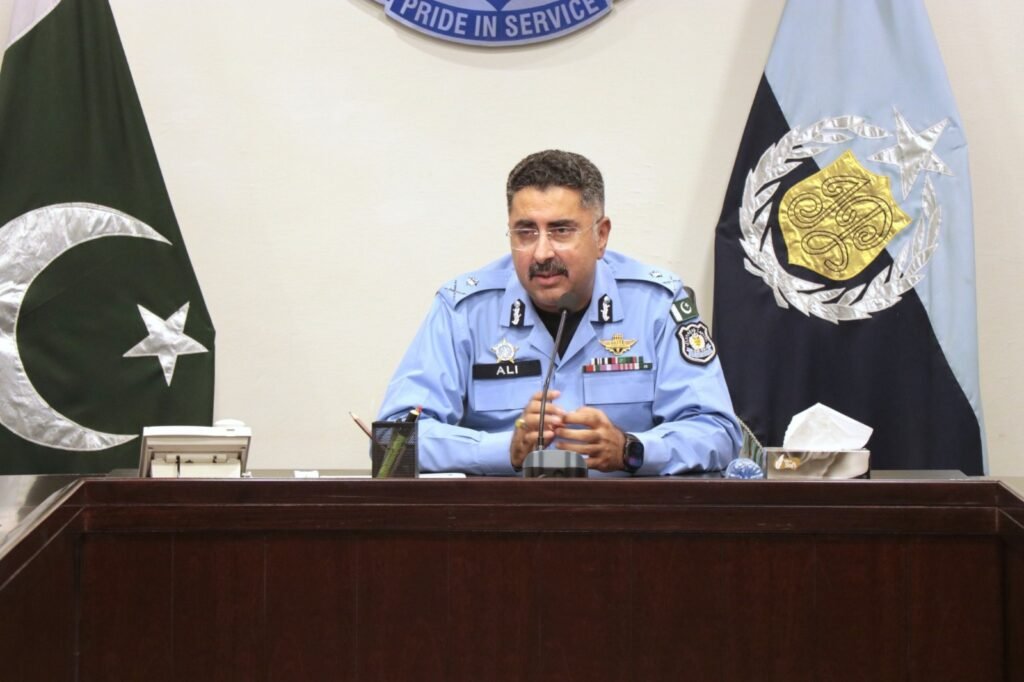
ISLAMABAD — Inspector General of Police (IGP) Islamabad, Syed Ali Nasir Rizvi, conducted an in-depth assessment of security arrangements at the G-9/4 Imambargah and on designated procession routes in the federal capital on Wednesday. This inspection is crucial for ongoing efforts to ensure safety during the Muharram-ul-Haram observances. IGP Rizvi’s Security Review Accompanied by Deputy Inspector General (DIG) Islamabad, Muhammad Jawad, IGP Rizvi visited the G-9/4 Imambargah to evaluate security measures for the upcoming Muharram processions. The visit aimed to ensure all necessary precautions are in place to maintain law and order during these processions. IGP Rizvi inspected the deployment of police personnel, security camera installations, and overall readiness of security forces. He stressed the importance of vigilance and coordination among security agencies to avert any incident. Local police officers and security staff received instructions to stay alert and responsive to potential threats. Enhanced Security Measures An official from the Islamabad Police highlighted to APP that security arrangements include additional police forces, establishing checkpoints, and utilizing modern surveillance technology. These measures aim to safeguard participants and the public during the Muharram processions. Significance of Muharram Muharram, the first month of the Islamic lunar calendar, holds immense religious significance for Muslims, especially the Shia community. It commemorates the martyrdom of Imam Hussain, the Prophet Muhammad’s grandson, at the Battle of Karbala. Mourning rituals, processions, and gatherings at Imambargahs characterize this period. In Pakistan, the government enacts heightened security measures due to potential sectarian tensions. Law enforcement agencies annually develop detailed security plans to ensure the peaceful observance of these rituals. Importance of Security Measures Security arrangements during Muharram are vital for maintaining peace and preventing sectarian violence in Pakistan. The government and law enforcement must ensure safe religious practices for all communities. Measures taken by IGP Rizvi and his team are part of broader strategies to protect public safety and boost confidence in security systems. The proactive approach in deploying additional forces and using technology is crucial, especially in Islamabad, the capital, where any security breach could have national consequences. Successfully implementing these security measures during Muharram can serve as a model for future events, fostering a stable and secure environment in Pakistan. Key Takeaways IGP Rizvi conducted a security review at G-9/4 Imambargah and processions routes in Islamabad. The inspection contributes to ongoing efforts to ensure safety during Muharram-ul-Haram. Security measures include additional police deployment and modern surveillance technology. Muharram requires enhanced security due to its religious significance and potential sectarian tensions. Successful security management during Muharram can boost public confidence and serve as a model for future events. Source Attribution The information in this article is based on a report from the Associated Press of Pakistan (APP). The report provided details of IGP Rizvi’s visit and the coordination of security measures.

Pakistan

IHC Schedules Hearing for Imran Khan and Bushra Bibi Appeals in £190 Million Case

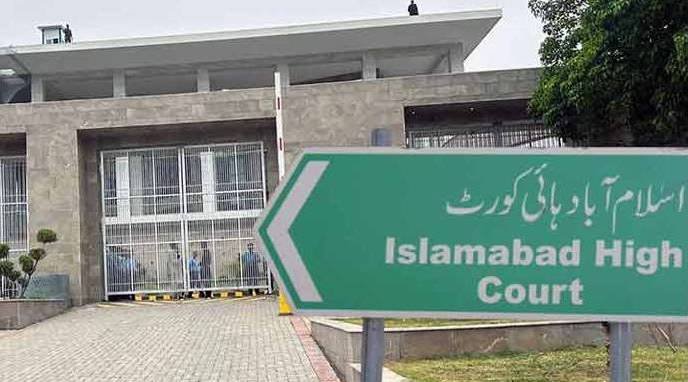
ISLAMABAD — The Islamabad High Court (IHC) has scheduled June 29 to hear appeals by Pakistan Tehreek-e-Insaaf (PTI) founder Imran Khan and his wife, Bushra Bibi, regarding their convictions in a £190 million case. This decision was announced on June 24, per the IHC Registrar’s official cause list. What Happened Imran Khan, former Prime Minister of Pakistan, and Bushra Bibi are appealing their convictions in a high-profile case involving £190 million. This case has captured major public and media interest, with implications for Khan’s political future. The case will be heard by an IHC division bench. These legal proceedings are highly watched, given the political stakes for Khan and the PTI. The legal team for Imran Khan and Bushra Bibi plans to contest the court’s earlier decisions. Although the specifics of the convictions remain undisclosed, the financial magnitude of the case underscores its importance. Background The £190 million case stems from a series of financial transactions examined by Pakistani authorities. It’s part of larger governmental efforts to combat financial irregularities and corruption. Imran Khan, who was Pakistan’s Prime Minister from August 2018 to April 2022, has been pivotal in advocating transparency and anti-corruption initiatives in the political sphere. Legal challenges against Khan and his spouse are part of a broader pattern of cases post his prime ministerial term, prompting debates on political and legal accountability in Pakistan. Why It Matters This hearing holds significant relevance. Firstly, it marks a decisive moment for Imran Khan, whose influence remains substantial. The appeals’ outcomes could impact his future electoral prospects and position within the PTI. The case is critical for the PTI as it defines its role in Pakistan’s political landscape. Party leaders and supporters expect that the proceedings could affect public perception and confidence in the PTI’s corruption stance. On a national level, this case underscores Pakistan’s anti-corruption efforts, focusing on accountability for public officials. It adds to ongoing narratives about governance and the rule of law in the country. Key Takeaways The IHC will hear Imran Khan and Bushra Bibi’s appeals on June 29 regarding the £190 million conviction. The case involves significant financial activities, carrying both legal and political ramifications for Khan and the PTI. The decision could influence Khan’s future political role and the PTI’s public image. This scenario is part of broader anti-corruption measures in Pakistan, affecting governance and accountability perceptions. The hearing is under close scrutiny from political analysts and the public, reflecting on its potential impact on Pakistan’s political dynamics.

Pakistan

Senator Highlights Karbala’s Enduring Legacy of Truth and Justice

QUETTA — Senator Abdul Qadir, Chairman of the Senate Standing Committee on Defence Production, emphasized Karbala’s enduring significance. He described the martyrdom of Imam Hussain (RA) as a guiding light for truth, justice, and perseverance. On June 24, 2023, Senator Qadir highlighted the timeless lessons Karbala imparts in the fight against oppression. Enduring Impact of Karbala Speaking from Quetta, Senator Abdul Qadir articulated the profound impact of Imam Hussain’s (RA) martyrdom and the Battle of Karbala in 680 AD. He described their sacrifice as an enduring symbol of resistance against tyranny and injustice. “The legacy of Imam Hussain (RA) is a beacon illuminating righteousness and courage,” he stated. The Battle of Karbala, observed annually by millions worldwide, especially during Ashura, commemorates profound spiritual and moral lessons. It serves as a reminder of the struggle for justice and standing against oppression, even at great personal cost. Historical Significance The Battle of Karbala holds a significant place in Shia Islamic history. It marks the confrontation between Yazid I’s forces and Imam Hussain (RA), who refused allegiance to Yazid’s unjust rule. The battle resulted in the martyrdom of Imam Hussain (RA) and his followers, all facing severe hardships. This event has been commemorated for centuries as a pivotal moment in Islamic history, symbolizing the struggle against tyranny and the pursuit of justice. It underscores principles of sacrifice, steadfastness, and resisting unjust authority. Lessons for Today Karbala’s message transcends religious boundaries, serving as a powerful reminder to stand firm against injustice and oppression. Its themes of sacrifice and perseverance resonate deeply in today’s world, where social justice and human rights are pressing concerns. For Pakistan, a nation facing challenges in governance and social justice, Karbala’s lessons offer a framework for ethical leadership and civic responsibility. These commemorations encourage individuals and leaders to reflect on promoting justice and equity within communities. Key Takeaways Senator Abdul Qadir emphasized Karbala’s enduring legacy as a symbol of truth and justice. The Battle of Karbala is commemorated annually, highlighting themes of sacrifice and resistance. Karbala serves as a universal reminder of standing against oppression. In Pakistan, Karbala’s lessons are relevant to contemporary issues of justice and governance. Internationally, Karbala inspires movements advocating human rights and dignity.

Pakistan

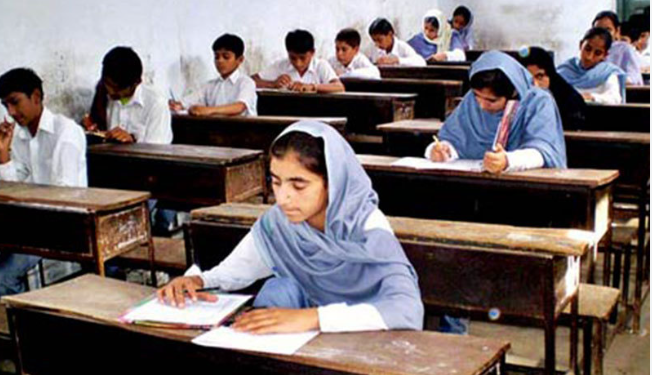
96% of Pakistani Higher Secondary Schools Equipped with Basic Facilities

ISLAMABAD — A recent report by the Associated Press of Pakistan (APP) reveals that 96% of higher secondary schools in Pakistan now possess essential facilities like drinking water and boundary walls. This marks a significant boost in the infrastructure of public schools nationwide. What Happened The report states that essential infrastructure availability in higher secondary schools has reached 96%, a substantial increase from previous years. This development reflects efforts by the government and educational authorities to enhance education quality by ensuring students have necessary amenities. Priorities include providing clean drinking water and secure boundary walls. Data suggests this initiative addresses longstanding challenges the education sector in Pakistan faces. Historically, a lack of basic amenities in schools has been a barrier to student attendance and retention, especially in rural and underprivileged areas. By overcoming these issues, the government aims to create a more conducive learning environment and improve educational outcomes. An official from the Ministry of Education emphasized these improvements’ importance, stating, “Ensuring our schools have the necessary infrastructure is crucial for providing quality education to all students. We are committed to continuing this progress and addressing any remaining gaps in our educational facilities.” Background Pakistan’s education sector has faced numerous challenges, including inadequate infrastructure, teacher shortages, and low enrollment rates. Many public schools, particularly in rural areas, historically lacked basic facilities like clean drinking water, toilets, and boundary walls, essential for a safe, healthy learning environment. The government has worked to improve this situation through various initiatives and policies aiming to increase education funding and enhance school infrastructure. The latest data showing 96% of higher secondary schools with basic facilities demonstrates these efforts’ success. This progress aligns with broader objectives in Pakistan’s education policy, which seeks to increase access to quality education and improve literacy rates nationwide. Why It Matters Improving school infrastructure directly impacts the education quality students receive. Access to basic facilities such as clean drinking water and secure premises is vital for maintaining student health and safety, which affects their learning ability. Furthermore, these facilities’ availability influences school attendance and retention rates. Students are more likely to attend and remain in school when they have access to a safe, supportive learning environment. This is particularly crucial in rural and underserved areas, where educational opportunities are often limited. From an economic perspective, enhancing educational infrastructure is key to Pakistan’s long-term development. A well-educated population is better equipped to contribute to the country’s economic growth and development. By investing in education, the government is laying the groundwork for a more prosperous and equitable society. Internationally, these advancements can boost Pakistan’s reputation as a country committed to advancing education and achieving global educational standards. This can positively impact international partnerships and collaborations in the education sector. Key Takeaways A recent APP report indicates 96% of higher secondary schools in Pakistan now have basic facilities. The initiative addresses longstanding education sector challenges, particularly in rural areas. Improved school infrastructure can enhance educational quality and student retention. Economic and international benefits include a better-educated workforce and improved global reputation.

Pakistan

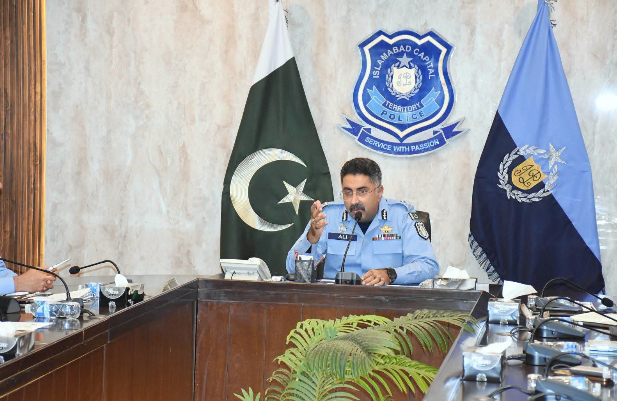
IGP Rizvi Emphasizes Merit in Islamabad Police Recruitment Process

ISLAMABAD — Inspector General of Police (IGP) Islamabad, Syed Ali Nasir Rizvi, convened a meeting on Wednesday to evaluate preparations for the upcoming recruitment drive in the Islamabad Police. He highlighted the necessity of a transparent, merit-based, and efficient process. Meeting Highlights At the Islamabad Police Headquarters, IGP Rizvi examined the detailed plans and logistical arrangements for recruitment. Senior police officials, including Deputy Inspectors General, attended. The IGP stressed adherence to merit and transparency to maintain recruitment integrity. “We must ensure that the recruitment process is free from biases and upholds the highest standards of transparency,” IGP Rizvi stated. He instructed officers to implement robust measures to prevent malpractice or favoritism, including rigorous application scrutiny, transparent examinations, and impartial candidate evaluations. The meeting also outlined the recruitment timeline, set to begin in the coming weeks. The drive will fill various roles, addressing the need for increased manpower to boost law enforcement capabilities in Islamabad. Reform Initiatives The Islamabad Police are undergoing reforms to improve efficiency and public trust. Previous recruitment faced criticism over nepotism and transparency issues. In response, strategies now focus on merit-based selection to attract qualified individuals. Historically, the Islamabad Police play a crucial role in maintaining law and order in the capital, facing challenges from resource constraints and a growing population. This recruitment is part of a broader initiative to modernize and enhance operational effectiveness. Importance of Merit and Transparency The emphasis on merit and transparency is crucial. It addresses public concerns about fair hiring practices, aiming to restore confidence and demonstrate accountability. Economically, selecting qualified candidates improves police efficiency and public safety, fostering a stable environment for economic activities. Politically, it aligns with governmental reforms promoting transparency and meritocracy across public institutions in Pakistan. Internationally, these efforts enhance Pakistan’s image as a reform-driven country, potentially attracting foreign investment and fostering international cooperation in security and law enforcement. Key Takeaways IGP Rizvi emphasized a transparent, merit-based recruitment process. The drive aims to fill positions to enhance law enforcement capabilities. Reforms address past criticisms, promoting transparency. The initiative is part of broader governmental efforts to promote public sector transparency.

Pakistan

Rescue 1122 Implements Emergency Plan for Youm-e-Ashura

RAWALPINDI — Rescue 1122 Rawalpindi has finalized a comprehensive emergency response plan to ensure the safety and well-being of participants during Youm-e-Ashura processions and gatherings. This plan is designed to provide timely emergency services on the 10th of Muharram, a significant day in the Islamic calendar observed by Shia Muslims worldwide. Proactive Measures by Rescue 1122 Rescue 1122, a leading emergency service in Pakistan, has implemented proactive measures to address potential emergencies during Youm-e-Ashura in Rawalpindi. The plan involves deploying ambulances, fire tenders, and rescue vehicles strategically along procession routes and major gathering points. This initiative ensures an immediate response to medical emergencies or incidents during the events. The plan includes over 500 personnel, comprising paramedics, firefighters, and rescue workers on standby to provide first aid, medical assistance, and firefighting services when needed. Rescue 1122 has coordinated with local hospitals to ensure additional medical staff and resources can handle any surge in patients during the observance. Real-Time Monitoring and Coordination A central control room has been set up by Rescue 1122 to monitor the situation in real-time. This control room is crucial for communication and coordination with law enforcement and security agencies, ensuring incidents are managed effectively. Citizens are urged to cooperate with authorities and adhere to safety guidelines for a peaceful Youm-e-Ashura observance. Significance of Youm-e-Ashura Youm-e-Ashura on the 10th of Muharram marks the martyrdom of Imam Hussain at the Battle of Karbala. It holds immense religious significance for Shia Muslims, commemorated through processions and gatherings. In Pakistan, these events attract large crowds, requiring robust security and emergency measures for public safety. Youm-e-Ashura processions have historically faced security challenges, including sectarian violence and terrorist attacks. Authorities across Pakistan, including Rescue 1122, consistently implement comprehensive security and emergency plans to safeguard participants and maintain public order. Importance of the Emergency Plan The special emergency plan by Rescue 1122 underscores preparedness in managing large-scale public events of religious and cultural significance. By ensuring swift responses to emergencies, Rescue 1122 aims to minimize potential risks and enhance participant safety. Additionally, the plan reflects the broader efforts by Pakistani authorities to maintain peace and security during religious observances. Amid sectarian tensions and security threats, the proactive measures by Rescue 1122 foster public security and help prevent disruptions. Furthermore, successful implementation of such plans can serve as a model for future events. It demonstrates the effectiveness of coordinated emergency response strategies, protecting lives and reinforcing public trust in emergency services and government institutions.

Pakistan

Punjab Food Authority Fines Rs 1.15 Million for Food Safety Violations

LAHORE — The Punjab Food Authority (PFA) has imposed fines totaling Rs 1.15 million on various food production units for breaching food safety standards and standard operating procedures (SOPs). This crackdown, led by the Director General of PFA, targeted 14 locations across the province. Inspection Details In a dedicated effort to safeguard public health, the PFA conducted inspections at multiple food production sites. These checks were part of an ongoing campaign to eliminate substandard and unsafe food products from the market. The inspection teams uncovered numerous breaches of food safety regulations across 14 sites. Reported violations included using expired ingredients, maintaining unsanitary production environments, and neglecting essential hygiene practices. Consequently, several production units were sealed, and fines worth Rs 1.15 million were issued to these establishments. The Director General of PFA affirmed the authority’s commitment to strict food safety measures: “Our teams remain vigilant and will continue to take decisive action against food safety breaches.” This operation is part of PFA’s broader strategy to protect consumer health by ensuring food products adhere to mandated standards. The PFA actively monitors food production and distribution channels to prevent the circulation of substandard products. PFA’s Mandate and Achievements Established under the Punjab Food Authority Act 2011, the PFA oversees the regulation and monitoring of the food industry in Punjab. Its objectives include ensuring that food is safe, hygienic, and fit for consumption. Through regular inspections, public awareness initiatives, and strict enforcement of laws, the PFA has enhanced food safety over the years. Previous enforcement efforts have significantly improved food safety standards across Punjab, with the PFA playing a key role in shutting down illegal food operations and penalizing non-compliant businesses. Importance of PFA Actions The PFA’s efforts are crucial for several reasons: They protect consumers from health risks associated with unsafe and substandard food, such as foodborne illnesses, which can lead to hospitalizations and fatalities. Economically, ensuring high food safety standards increases consumer confidence in local food products, essential for the food industry’s growth. Trusted products encourage consumer spending and support local businesses. Politically, the PFA’s decisive actions affirm the government’s commitment to public health and safety, reinforcing its role as a protector of citizen welfare and enhancing public trust in state institutions. The adherence to food safety standards also carries international significance. Countries that strictly regulate food safety have better access to global markets, contributing to broader economic growth and development.

Pakistan

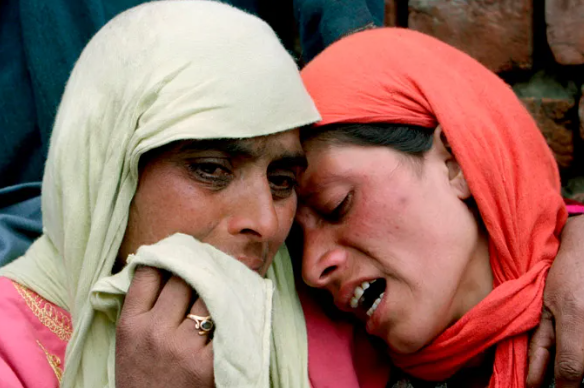
Kashmiri Widows Face Ongoing Hardship Amid Conflict

SRINAGAR — Kashmiri widows and half-widows suffer profound hardship amid the ongoing conflict in Indian Illegally Occupied Jammu and Kashmir (IIOJK). Over the past 37 years, the number of women who have lost their spouses to confirmed death or disappearance has surged. This has left thousands grappling with grief and economic uncertainty. The Impact of Conflict The prolonged Kashmir conflict has considerably increased the number of widows and half-widows. These women face economic hardship, social stigma, and psychological trauma. The term ‘half-widows’ describes women whose husbands have vanished without confirmation of their status, increasing their distress and uncertainty. Without formal support or recognition from authorities, these women fend for themselves and their families. The absence of a legal framework addressing their situation exacerbates their plight. Consequently, they struggle to access basic necessities, living in poverty and insecurity. “The pain of not knowing what happened to my husband is unbearable,” said one anonymous half-widow. “Every day is a struggle to survive and provide for my children.” Historical Background The Kashmir conflict traces back to the partition of India and Pakistan in 1947. Both nations claim the region in full but control only parts, resulting in several wars and ongoing skirmishes. This conflict has caused thousands of deaths and disappearances, profoundly impacting civilians. Kashmiri widows and half-widows remain a neglected demographic, with scant attention from local and international spheres. Despite their numbers, no comprehensive policy exists to support or address their needs. This lack of institutional support leaves many vulnerable to exploitation and further marginalization. Humanitarian Concerns The situation for widows and half-widows in Kashmir is a critical humanitarian issue, mirroring broader socio-political challenges. While the conflict leads to loss of life, it also perpetuates poverty and instability cycles. These women’s struggles underscore the urgent need for resolving the Kashmir conflict, affecting millions. Economically, the absence of a male breadwinner forces many to seek work in a region with few opportunities. Often this means taking low-paying, insecure jobs, affecting their families’ future prospects, especially children’s education. Socially, they face stigma and isolation as widowhood is often stigmatized. This societal prejudice can lead to mental health issues, compounding their challenges. At the international level, Kashmir remains contentious between India and Pakistan, with significant regional stability and security implications. Addressing the widows’ needs could aid peace-building efforts. Key Takeaways The prolonged conflict has significantly increased Kashmiri widows and half-widows’ numbers. These women encounter economic hardship, social stigma, and trauma. They lack formal support and legal recognition for their situation. Their plight underscores the need for resolution to the Kashmir conflict. Meeting their needs could support regional peace-building efforts.

Pakistan

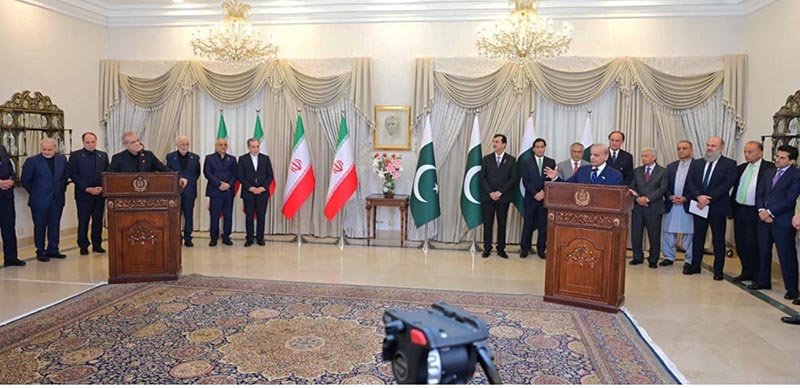
Iranian President and Pakistani Prime Minister Hold Joint Press Conference

ISLAMABAD — Iranian President Dr. Masoud Pezeshkian and Pakistani Prime Minister Muhammad Shehbaz Sharif held a joint press conference on June 23, 2023, in Islamabad. The leaders discussed bilateral relations and regional cooperation, emphasizing strengthening ties between the two neighboring countries. Highlights of the Press Conference During the conference, President Pezeshkian and Prime Minister Sharif outlined areas of mutual interest, focusing on economic collaboration, energy projects, and regional security. These discussions were part of a broader agenda aimed at enhancing cooperation between Iran and Pakistan. Both leaders committed to fostering a stable and prosperous region. Prime Minister Sharif stated, “Pakistan and Iran share deep historical and cultural ties, and it is imperative that we work together to address common challenges.” He also stressed the need for continued dialogue in trade, investment, and infrastructure development. Energy and Security Focus President Pezeshkian emphasized Iran’s eagerness to expand its relationship with Pakistan, especially in the energy sector, where significant collaboration potential exists. He underscored the importance of regional stability and the role both countries can play in achieving it. Following delegation-level talks, both countries discussed specific initiatives to boost bilateral trade and investment. The leaders addressed border security issues and agreed on enhancing cooperation to combat terrorism and smuggling. Historical Background Pakistan and Iran have a long history of diplomatic relations since Pakistan’s independence. Both nations have engaged in collaboration, particularly in trade and energy. However, geopolitical tensions have occasionally strained their relationship. Recently, both countries have made efforts to strengthen ties, realizing mutual cooperation benefits. The Iran-Pakistan gas pipeline project, despite delays, remains a focal point as both countries seek to address energy shortages and boost economic growth. Significance of the Cooperation The press conference signifies the commitment of both countries to address regional challenges. Strengthening bilateral relations could boost economic opportunities, especially in the energy sector, which is crucial for Pakistan’s development. Iran-Pakistan cooperation could also enhance regional stability as both countries play key roles in South Asia and the Middle East. By tackling issues such as border security and terrorism, the nations aim to create a secure environment conducive to growth. Key Takeaways President Pezeshkian and Prime Minister Sharif held a joint press conference in Islamabad. Leaders discussed strengthening bilateral relations, with a focus on economic collaboration, energy projects, and regional security. Efforts are underway to enhance cooperation in trade, investment, and infrastructure development. Delegation-level talks addressed border security and terrorism. Strengthened cooperation can lead to regional stability and economic growth.

Pakistan

RCCI Calls for Extension of Punjab’s New Land Record System Deadline

RAWALPINDI — The Rawalpindi Chamber of Commerce and Industry (RCCI) has appealed to the Punjab Government to postpone the implementation of the new land record transaction system, originally due on July 1, 2026. RCCI President Usman Shaukat raised concerns on Tuesday about stakeholders’ readiness to adapt to the new system in the allotted time. RCCI’s Concerns In a formal statement, Usman Shaukat urged the Punjab Government to reconsider the timeline for the new land record system. Scheduled to start on July 1, 2026, the system is designed to streamline and digitize land transactions across the province. Shaukat believes the current deadline doesn’t provide businesses and stakeholders sufficient time to adapt. Shaukat emphasized that transitioning to a digital system requires comprehensive training and infrastructure which aren’t fully in place yet. “The business community is worried about potential disruptions if implemented without adequate preparation,” Shaukat stated. He stressed a phased approach is needed for a smoother transition and to minimize business disruptions. Challenges for SMEs The RCCI President highlighted that many stakeholders, especially small and medium enterprises (SMEs), might struggle due to limited resources and technical expertise. He called on the government to collaborate with the business community to address these issues and ensure a seamless transition. Background on the System The new system is part of the Punjab Government’s broader initiative to modernize land administration and improve transparency. It aims to digitize land records, making them more accessible and reducing fraud and corruption. This initiative aligns with the national agenda for digital transformation and governance reform. Land record management in Punjab has historically been challenging due to manual processes prone to errors. A digital system is expected to resolve these issues, offering efficient and reliable land transaction management. However, moving from manual to digital systems requires significant workflow changes and new capabilities among stakeholders. Economic Implications Implementing the digital land records system has significant economic impacts for Punjab. The government aims to enhance transparency and efficiency, boosting investor confidence and economic growth. However, success hinges on stakeholders’ readiness to adapt. For the business community and SMEs, digital transition offers opportunities and challenges. Streamlined processes could reduce costs and improve land information access. However, the demand for technical expertise and infrastructure could present adoption barriers, particularly for businesses with limited resources. An abrupt transition without adequate preparation could disrupt business operations and regional economic activity. Therefore, RCCI’s call for an extension reflects the need for a balanced approach, considering stakeholder readiness to ensure the full benefits of digital transformation are realized. Key Takeaways RCCI requests the Punjab Government to extend the deadline for the new land record system. Concerns arise about stakeholder readiness to transition to a digital system. A phased approach is suggested to minimize disruptions for businesses, especially SMEs. The digital system aims to enhance transparency and efficiency.

Scroll to Top