
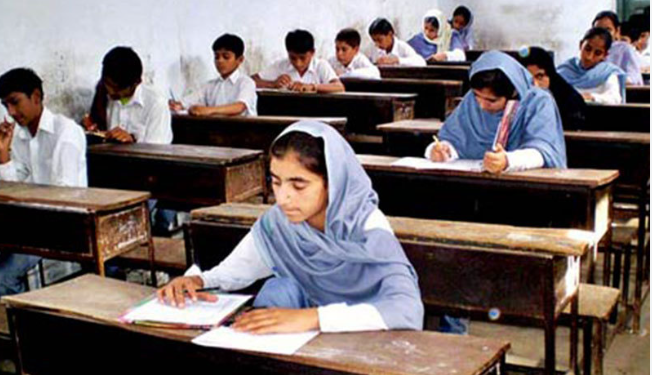
ISLAMABAD — A recent report by the Associated Press of Pakistan (APP) reveals that 96% of higher secondary schools in Pakistan now possess essential facilities like drinking water and boundary walls. This marks a significant boost in the infrastructure of public schools nationwide.
What Happened
The report states that essential infrastructure availability in higher secondary schools has reached 96%, a substantial increase from previous years. This development reflects efforts by the government and educational authorities to enhance education quality by ensuring students have necessary amenities. Priorities include providing clean drinking water and secure boundary walls.
Data suggests this initiative addresses longstanding challenges the education sector in Pakistan faces. Historically, a lack of basic amenities in schools has been a barrier to student attendance and retention, especially in rural and underprivileged areas. By overcoming these issues, the government aims to create a more conducive learning environment and improve educational outcomes.
An official from the Ministry of Education emphasized these improvements’ importance, stating, “Ensuring our schools have the necessary infrastructure is crucial for providing quality education to all students. We are committed to continuing this progress and addressing any remaining gaps in our educational facilities.”
Background
Pakistan’s education sector has faced numerous challenges, including inadequate infrastructure, teacher shortages, and low enrollment rates. Many public schools, particularly in rural areas, historically lacked basic facilities like clean drinking water, toilets, and boundary walls, essential for a safe, healthy learning environment.
The government has worked to improve this situation through various initiatives and policies aiming to increase education funding and enhance school infrastructure. The latest data showing 96% of higher secondary schools with basic facilities demonstrates these efforts’ success. This progress aligns with broader objectives in Pakistan’s education policy, which seeks to increase access to quality education and improve literacy rates nationwide.
Why It Matters
Improving school infrastructure directly impacts the education quality students receive. Access to basic facilities such as clean drinking water and secure premises is vital for maintaining student health and safety, which affects their learning ability.
Furthermore, these facilities’ availability influences school attendance and retention rates. Students are more likely to attend and remain in school when they have access to a safe, supportive learning environment. This is particularly crucial in rural and underserved areas, where educational opportunities are often limited.
From an economic perspective, enhancing educational infrastructure is key to Pakistan’s long-term development. A well-educated population is better equipped to contribute to the country’s economic growth and development. By investing in education, the government is laying the groundwork for a more prosperous and equitable society.
Internationally, these advancements can boost Pakistan’s reputation as a country committed to advancing education and achieving global educational standards. This can positively impact international partnerships and collaborations in the education sector.
Key Takeaways
- A recent APP report indicates 96% of higher secondary schools in Pakistan now have basic facilities.
- The initiative addresses longstanding education sector challenges, particularly in rural areas.
- Improved school infrastructure can enhance educational quality and student retention.
- Economic and international benefits include a better-educated workforce and improved global reputation.














