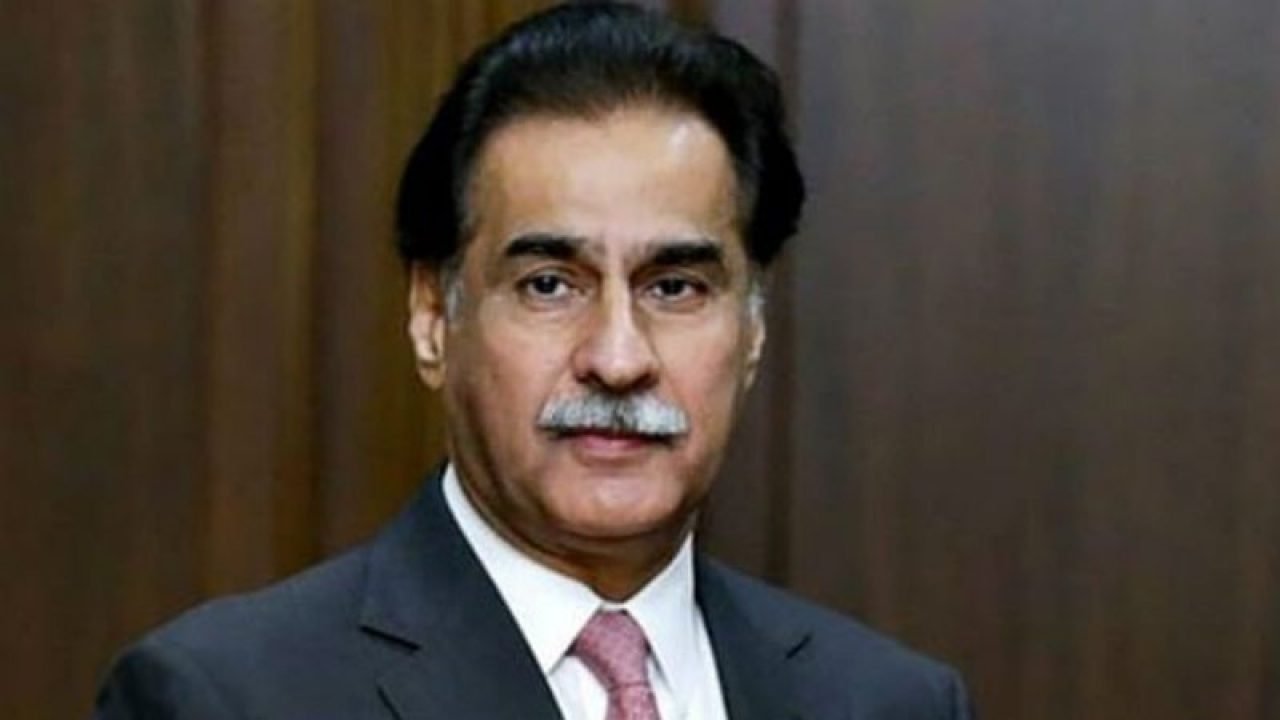
ISLAMABAD — National Assembly Speaker Sardar Ayaz Sadiq announced on Tuesday that Parliament members are prohibited from making critical remarks about national institutions during sessions. This move came in response to concerns raised by Opposition Leader Mehmood Khan Achakzai.
Parliamentary Session Details
During the June 23 parliamentary session, Speaker Sardar Ayaz Sadiq emphasized the importance of maintaining respect for national institutions. He clearly stated that derogatory or critical statements against these bodies would not be tolerated. This stance followed points raised by Mehmood Khan Achakzai regarding freedom of speech within Parliament.
Sadiq’s remarks aim to ensure that the House’s decorum is preserved, warning lawmakers about making unacceptable statements outside Parliament. He asserted that no one would be allowed to speak against national institutions within its confines.
Historical Context
Criticism of national institutions within Pakistan’s Parliament has long been contentious. Historically, lawmakers have faced backlash for comments about national bodies such as the military and judiciary. Parliamentary procedures mandate that discussions should not undermine the country’s institutions.
Recent years have seen debates about freedom of speech in Parliament, with some emphasizing democratic discourse’s necessity and others citing respect and decorum. Speaker Sadiq’s directive is part of an effort to navigate these dynamics, ensuring debates do not harm national interests.
Implications of the Ban
Speaker Sadiq’s directive has significant implications for Pakistan’s parliamentary sessions. It highlights the tension between open debate and protecting national institutions from criticism that could undermine credibility. This balance is crucial in a country where institutions like the military and judiciary are pivotal.
National institutions’ stability is vital for maintaining investor confidence and government operations’ smooth functioning. Politically, the move could curb dissent within the legislative process, potentially stifling opposition voices.
Internationally, the decision might attract scrutiny from human rights organizations and democratic watchdogs concerned with free speech in Pakistan. The country’s democratic credentials could be questioned if these measures limit legitimate parliamentary debate.
Key Takeaways
- National Assembly Speaker Sardar Ayaz Sadiq has prohibited criticism of national institutions in Parliament.
- The directive addresses concerns about respect and decorum in parliamentary discussions.
- It raises tensions between freedom of speech and national institutions’ protection.
- The decision may impact political discourse and democratic processes in Pakistan.