

Pakistan

News related to Pakistan in Pakistan and around the world.

Pakistan

Ayat Noor Case: Investigation Report Expected Within 15 Days

ISLAMABAD — The investigation team probing the case of four-year-old Ayat Noor from Haripur is expected to submit its report within 15 days, as per discussions held with the Deputy Inspector General (DIG) of Hazara. Members of the National Assembly Standing Committee on Human Rights recently convened to address the family’s concerns and assess the progress of the investigation. What Happened The tragic case of Ayat Noor, a four-year-old girl from Haripur, has garnered significant attention from both the public and lawmakers. The National Assembly Standing Committee on Human Rights met with DIG Hazara to discuss the ongoing investigation. The meeting aimed to ensure that the investigation proceeds efficiently and addresses the family’s concerns. During the meeting, the committee emphasized the need for a thorough and timely investigation. The DIG assured the committee members that the investigation team is working diligently to uncover the facts surrounding Ayat Noor’s case. The team is expected to submit a comprehensive report within the next 15 days, which will detail the findings and any actions taken. Representatives from the Human Rights Committee expressed their commitment to monitoring the case closely. They reiterated their support for the family and stressed the importance of justice being served swiftly. The committee’s involvement underscores the significance of the case and the need for transparency in the investigation process. Background The case of Ayat Noor has been a focal point of concern in the region. Ayat Noor, a young girl from Haripur, was reported missing under suspicious circumstances. Her disappearance prompted widespread concern and led to calls for a comprehensive investigation. The local authorities, under the direction of the DIG Hazara, initiated an investigation to determine the circumstances surrounding her disappearance. The involvement of the National Assembly Standing Committee on Human Rights highlights the case’s importance and the need for a thorough and transparent investigation. Historically, cases involving minors have prompted national attention, leading to policy discussions and, in some instances, legislative changes aimed at improving child protection measures in Pakistan. Why It Matters The case of Ayat Noor is not just a local issue; it resonates with the broader national discourse on child safety and human rights in Pakistan. The involvement of the National Assembly Standing Committee on Human Rights signifies the gravity of the situation and the need for systemic improvements in handling such cases. Economically, unresolved cases can lead to increased public expenditure on prolonged investigations and legal proceedings. Socially, they can erode public trust in law enforcement agencies and the judicial system, highlighting the need for reforms and accountability. Politically, the case has the potential to influence policy changes, particularly in the realm of child protection laws and the efficiency of law enforcement agencies. The National Assembly’s active role indicates a push towards ensuring that such incidents are handled with the utmost seriousness and urgency. Internationally, Pakistan’s handling of human rights cases, especially those involving children, is closely watched by global human rights organizations. The outcome of this case could impact Pakistan’s international standing and its commitments to child protection under various international treaties. Key Takeaways The investigation team is expected to submit a report on the Ayat Noor case within 15 days. The National Assembly Standing Committee on Human Rights is actively monitoring the case. The case highlights the need for improvements in child protection measures in Pakistan. There are potential economic, social, and political implications associated with the case. International attention on Pakistan’s human rights practices could be influenced by the case outcome. Source Attribution This article is based on official government statements, press releases, and public communications from relevant authorities. Author: NEN Editorial Desk | Editor: NEN Newsroom | Fact Checked By: NEN Editorial Team Author: NEN Editorial Desk  |  Editor: NEN Newsroom  |  Last Updated: September 12, 2026  |  Source: NEN Reporter This article was produced by the NEN Editorial Desk in accordance with NEN Agency’s Editorial Policy and Fact-Checking Policy.
Pakistan

Modern Farming Techniques Crucial for Climate Resilience in Agriculture

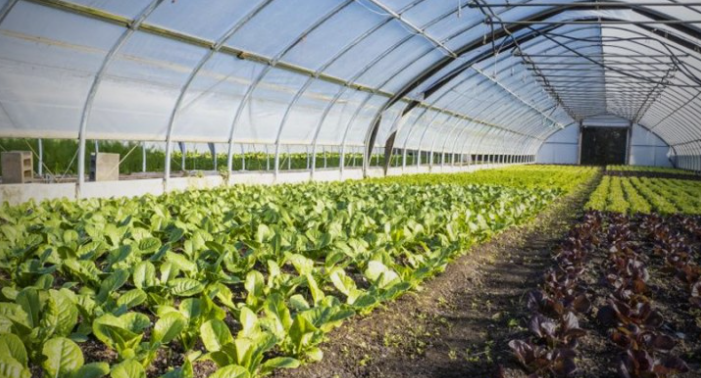
ABBOTTABAD — Experts at a recent event emphasized the importance of adopting modern and environmentally friendly farming practices, including tunnel farming, to safeguard agriculture against the impacts of climate change. The event, aimed at raising awareness, brought together agricultural specialists, farmers, and policymakers to discuss strategies for enhancing crop resilience and boosting production. What Happened The awareness event held in Abbottabad highlighted the urgent need for innovative agricultural practices in the face of climate change. Speakers at the event underscored the role of modern farming techniques, particularly tunnel farming, in protecting crops from extreme weather conditions and improving yield. Tunnel farming involves the use of polyethylene tunnels to create a controlled environment, which can mitigate the effects of unpredictable weather patterns. Dr. Ahmed Khan, an agricultural scientist, stated, “Climate change poses a significant threat to our traditional farming practices. By adopting tunnel technology, we can create microclimates that protect crops from harsh weather, thus ensuring food security.” The event also featured demonstrations of tunnel farming techniques, showcasing their effectiveness in maintaining consistent crop production despite climatic challenges. Farmers attending the event expressed interest in integrating these methods into their practices. One local farmer, Muhammad Ali, shared, “I’ve seen the benefits of tunnel farming in terms of both yield and quality. It’s an investment that pays off by reducing crop losses due to unexpected weather.” Background Pakistan’s agricultural sector is a critical component of its economy, contributing significantly to GDP and employing a large portion of the population. However, the sector is increasingly vulnerable to climate change, which manifests as erratic rainfall, rising temperatures, and increased frequency of extreme weather events. These changes threaten crop yields and, consequently, the livelihoods of millions of farmers. Historically, Pakistan has relied on traditional farming methods, which are less adaptable to the rapid changes in climate. In recent years, there has been a push towards modernizing agriculture through technology and sustainable practices. Tunnel farming, already popular in some regions, is part of this broader strategy to enhance agricultural resilience. Why It Matters The adoption of modern farming techniques like tunnel technology is crucial for Pakistan’s agricultural sustainability. As climate change continues to disrupt traditional farming cycles, these methods offer a viable solution to maintain and even increase agricultural output. This is particularly important for ensuring food security in a country where a significant portion of the population relies on agriculture for their livelihood. Economically, improving agricultural resilience can stabilize food prices and reduce the economic shocks associated with crop failures. Socially, it empowers farmers by providing them with tools and knowledge to adapt to changing environmental conditions. Politically, a robust agricultural sector can contribute to national stability by reducing dependency on food imports and enhancing rural development. Internationally, Pakistan’s efforts to modernize its agriculture in response to climate change can serve as a model for other countries facing similar challenges. By investing in sustainable practices, Pakistan not only addresses its own food security concerns but also contributes to global efforts to combat climate change. Key Takeaways Modern farming practices, including tunnel farming, are essential for climate resilience in agriculture. The Abbottabad event highlighted the need for innovative agricultural strategies to protect crops from climate change. Tunnel farming creates controlled environments that can mitigate the effects of extreme weather. Adopting these techniques can ensure food security and stabilize the agricultural economy. Pakistan’s agricultural modernization efforts can serve as a model for other nations. Source Attribution This article is based on official government statements, press releases, and public communications from relevant authorities. Author: NEN Editorial Desk | Editor: NEN Newsroom | Fact Checked By: NEN Editorial Team Author: NEN Editorial Desk  |  Editor: NEN Newsroom  |  Last Updated: September 12, 2026  |  Source: NEN Reporter This article was produced by the NEN Editorial Desk in accordance with NEN Agency’s Editorial Policy and Fact-Checking Policy.
Pakistan

Pakistan And Sri Lanka Discuss Trade And Technological Cooperation

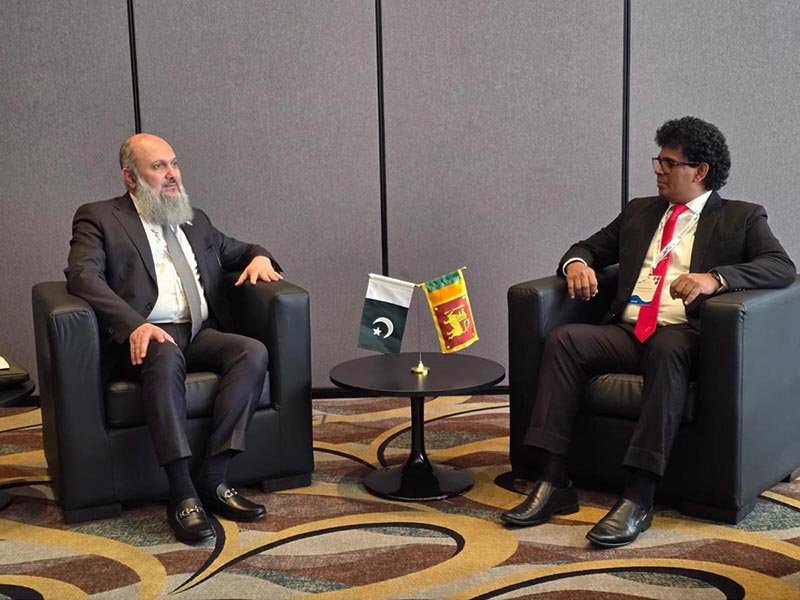
ISLAMABAD — Federal Minister for Commerce Jam Kamal Khan held a meeting with Sri Lanka’s Minister for Trade, Commerce, Food Security and Development, Wasantha Samarasinghe, to discuss enhancing bilateral trade, connectivity, food security, and technological cooperation. The meeting took place on Friday in Islamabad, aiming to strengthen economic ties between the two South Asian nations. What Happened The discussions between Minister Jam Kamal Khan and Minister Wasantha Samarasinghe focused on exploring avenues for increasing trade volume and diversifying the range of goods exchanged between Pakistan and Sri Lanka. Both ministers expressed a mutual interest in leveraging technological advancements to boost agricultural productivity and ensure food security, which remains a critical concern for both countries. Minister Khan highlighted Pakistan’s potential in exporting agricultural products and textiles, while Minister Samarasinghe emphasized Sri Lanka’s interest in importing these goods to meet domestic demand. “We see great potential in expanding our trade relations, especially in the sectors of agriculture and textiles,” said Minister Khan. The meeting also addressed the importance of enhancing connectivity through improved transportation links and digital infrastructure. Minister Samarasinghe noted, “Strengthening our connectivity will not only facilitate trade but also foster greater cultural and technological exchanges.” In addition to trade and connectivity, the ministers discussed collaborative efforts in technological innovation, particularly in the fields of information technology and renewable energy. Both sides agreed to explore joint ventures and partnerships that could benefit from shared expertise and resources. Background Pakistan and Sri Lanka have a history of diplomatic and trade relations dating back to the 1950s. The two countries have signed several agreements over the years, including a Free Trade Agreement (FTA) in 2005, which was designed to enhance bilateral trade by reducing tariffs on a wide range of goods. Despite these agreements, trade between the two nations has remained below potential, with both countries seeking to address this through renewed dialogue and cooperation. The recent meeting between the commerce ministers is part of ongoing efforts to revitalize these economic ties and explore new areas of collaboration. Why It Matters The discussions between Pakistan and Sri Lanka are significant as they reflect a broader regional effort to enhance economic integration in South Asia. By focusing on trade, food security, and technological cooperation, both countries aim to address pressing economic challenges and improve the livelihoods of their populations. For Pakistan, strengthening trade ties with Sri Lanka could lead to increased exports, particularly in the agricultural and textile sectors, which are vital components of its economy. Enhanced trade relations could also provide a boost to Pakistan’s efforts to diversify its export markets amid global economic uncertainties. For Sri Lanka, the partnership offers an opportunity to secure essential imports and collaborate on technological innovations that could support its development goals. The focus on food security is particularly crucial as both nations face challenges related to climate change and resource management. Furthermore, the emphasis on technological cooperation aligns with global trends towards digital transformation and sustainable development. By working together, Pakistan and Sri Lanka can harness technological advancements to drive economic growth and improve resilience against future challenges. Key Takeaways Pakistan and Sri Lanka are exploring ways to enhance trade, focusing on agriculture and textiles. Both countries aim to improve connectivity through better transportation and digital infrastructure. The meeting highlighted the importance of technological cooperation in IT and renewable energy. Strengthening bilateral ties could help address food security concerns in both nations. The discussions are part of a broader effort to enhance regional economic integration in South Asia. Source Attribution This article is based on official government statements and public communications from the relevant authorities. Author: NEN Editorial Desk | Editor: NEN Newsroom | Fact Checked By: NEN Editorial Team Author: NEN Editorial Desk  |  Editor: NEN Newsroom  |  Last Updated: September 12, 2026  |  Source: Press Release from Government of Pakistan This article was produced by the NEN Editorial Desk in accordance with NEN Agency’s Editorial Policy and Fact-Checking Policy.
Pakistan

Textiles and Apparel Central to Pakistan’s Exports and Employment, Says Ambassador

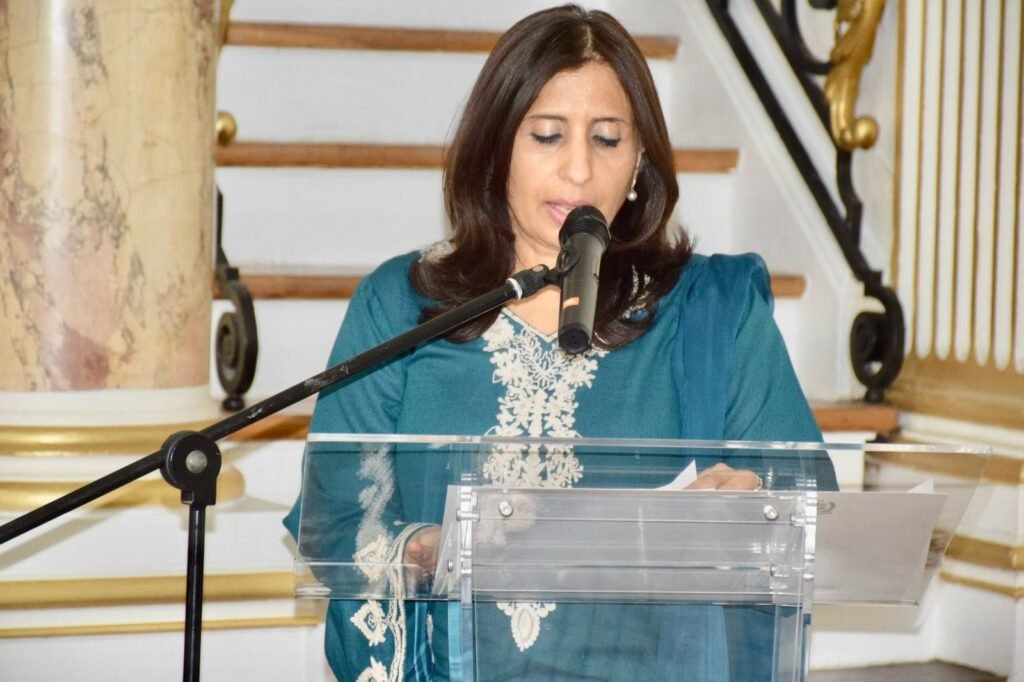
ISLAMABAD — Textiles and apparel continue to be pivotal to Pakistan’s export economy and industrial employment, according to Ambassador Mumtaz Zahra Baloch. Speaking at a conference in France on September 12, Baloch highlighted the sector’s critical role in sustaining the country’s manufacturing base and generating jobs across major cities like Faisalabad, Karachi, and Lahore. What Happened Ambassador Mumtaz Zahra Baloch addressed a gathering in France, emphasizing the significance of Pakistan’s textiles and apparel industry. She noted that this sector remains integral to the nation’s manufacturing and export activities, employing a substantial portion of the industrial workforce. The ambassador underscored the importance of cities like Faisalabad, known for its spinning mills, and Karachi and Lahore, which host numerous export houses. Baloch’s remarks came during a conference aimed at promoting Pakistan’s economic interests abroad. She elaborated on how the textile and apparel industry not only contributes to the country’s GDP but also plays a crucial role in stabilizing the economic framework by providing millions of jobs. “Our textile sector is the backbone of our economy, supporting millions of families and driving our export revenues,” she stated. The conference also served as a platform for discussing potential collaborations and investments from European markets, with Baloch encouraging foreign investors to explore opportunities within Pakistan’s textile sector. She highlighted the competitive advantages Pakistan offers, such as a skilled labor force and favorable trade agreements. Background The textile and apparel industry has historically been a cornerstone of Pakistan’s economy. It accounts for a significant portion of the country’s exports, contributing approximately 60% to the total export revenue. The industry is deeply rooted in the economic fabric of cities like Faisalabad, often referred to as the Manchester of Pakistan due to its extensive textile production capabilities. Over the years, the sector has faced numerous challenges, including energy shortages, outdated technology, and fluctuating global demand. Despite these hurdles, it has remained resilient, adapting to changing market conditions and maintaining its status as a key economic driver. Government policies have frequently aimed to bolster this sector through various incentives, including tax rebates and subsidies, to enhance competitiveness on the global stage. The industry also benefits from trade agreements such as the Generalized Scheme of Preferences (GSP) with the European Union, which allows for reduced tariffs on Pakistani goods. Why It Matters The textile and apparel industry is not just an economic pillar but also a social stabilizer in Pakistan. It provides employment to millions, directly impacting the livelihoods of countless families. The sector’s health is closely tied to the nation’s overall economic well-being, influencing everything from GDP growth to foreign exchange reserves. In the international arena, Pakistan’s textile exports help maintain trade balances and foster diplomatic relations, particularly with countries in the European Union and North America. The industry’s growth potential is significant, offering opportunities for increased foreign investment and technological advancements. Moreover, the sector’s resilience amid global economic fluctuations underscores its strategic importance. As Pakistan continues to navigate economic challenges, strengthening the textile and apparel industry could provide a pathway to greater economic stability and growth. Key Takeaways Textiles and apparel are central to Pakistan’s export economy and industrial employment. The sector contributes approximately 60% to Pakistan’s total export revenue. Ambassador Mumtaz Zahra Baloch highlighted the industry’s significance at a conference in France. Challenges include energy shortages and outdated technology, yet the sector remains resilient. Government incentives and trade agreements bolster the industry’s global competitiveness. Source Attribution This article is based on official government statements, press releases, and public communications from relevant authorities. Author: NEN Editorial Desk | Editor: NEN Newsroom | Fact Checked By: NEN Editorial Team Author: NEN Editorial Desk  |  Editor: NEN Newsroom  |  Last Updated: September 12, 2026  |  Source: NEN Reporter This article was produced by the NEN Editorial Desk in accordance with NEN Agency’s Editorial Policy and Fact-Checking Policy.
Pakistan

Commerce Minister Engages Regional Leaders at BRI Summit

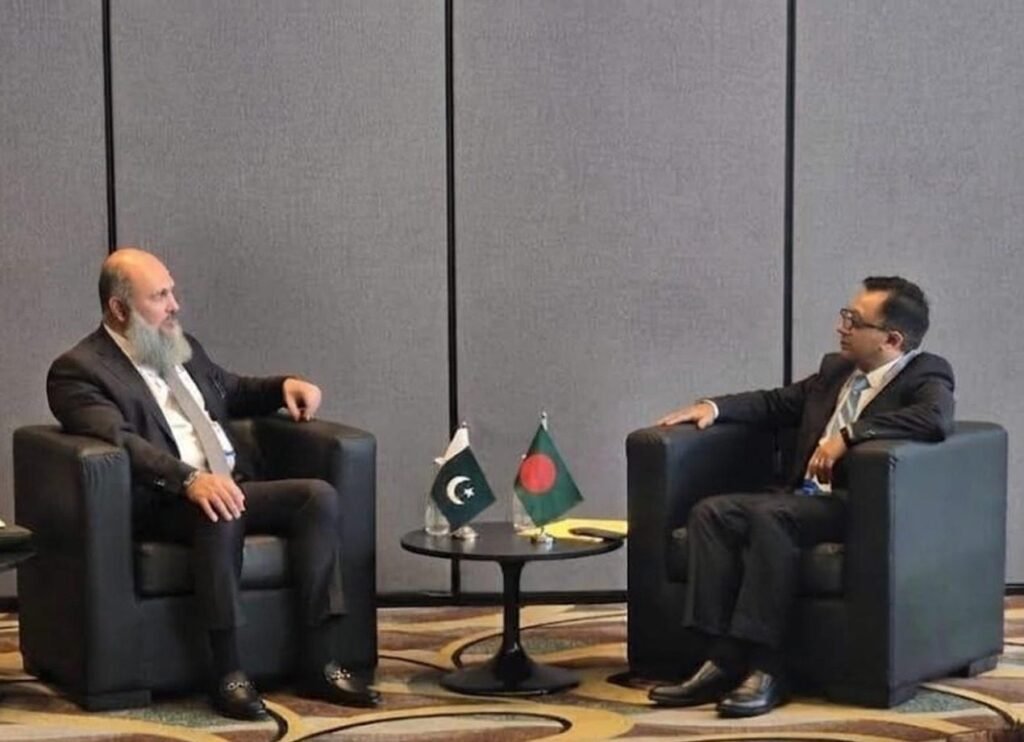
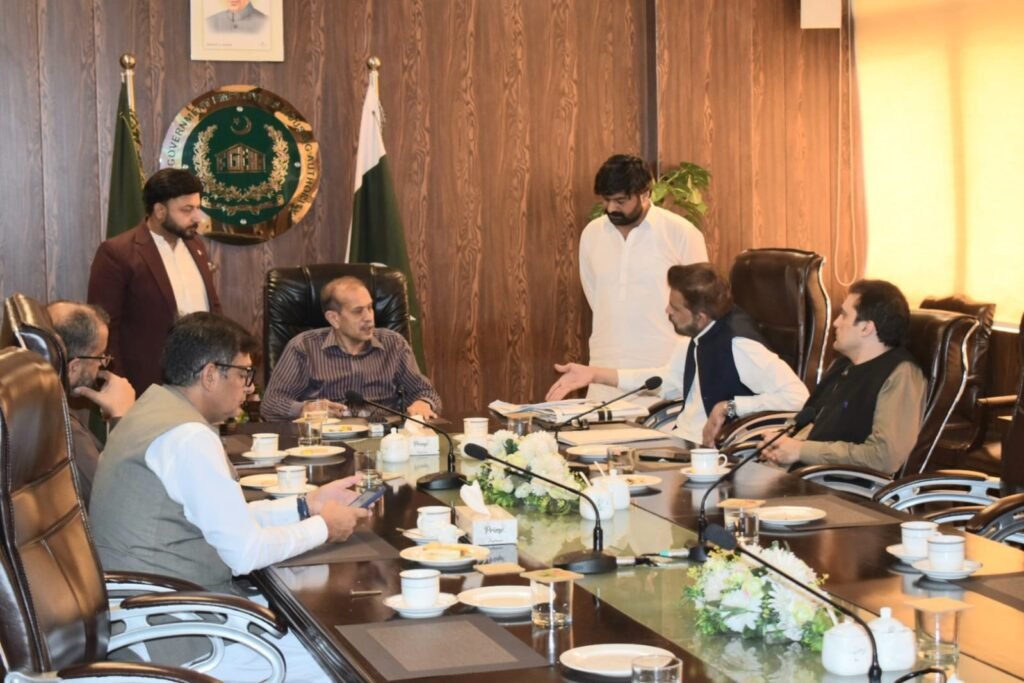
ISLAMABAD — Federal Minister for Commerce Jam Kamal Khan recently engaged in a series of high-level bilateral meetings with regional counterparts during the Belt and Road Initiative (BRI) Summit. The discussions, held on the summit’s sidelines, centered on enhancing trade, improving connectivity, ensuring food security, and leveraging emerging technologies. What Happened During the BRI Summit, held in Beijing, Minister Jam Kamal Khan met with several regional leaders to discuss mutual interests and potential collaborations. The meetings aimed to strengthen economic ties and explore opportunities for cooperation in various sectors. The BRI Summit, an initiative led by China, seeks to enhance global trade and infrastructure development through a network of trade routes. Minister Khan’s discussions with his counterparts focused on the need for improved trade routes and connectivity to facilitate smoother and more efficient commerce between participating nations. “Our discussions were productive, and we explored various avenues to enhance our trade relations,” said Minister Khan. He emphasized the importance of regional cooperation in achieving sustainable economic growth. Food security was another critical topic addressed during the meetings. With the global population on the rise and climate change impacting agricultural productivity, ensuring a stable food supply is a priority for many nations. Minister Khan highlighted Pakistan’s potential as an agricultural hub and discussed strategies to enhance food security through collaborative efforts. Emerging technologies also featured prominently in the discussions. The minister and his counterparts examined ways to integrate technological advancements into their economies to boost productivity and innovation. “Harnessing the power of technology is essential for our future growth,” Minister Khan noted. Background The Belt and Road Initiative, launched by China in 2013, aims to connect Asia with Africa and Europe via land and maritime networks to improve trade and stimulate economic growth. Pakistan has been a significant participant in the BRI, with the China-Pakistan Economic Corridor (CPEC) being a flagship project under the initiative. CPEC has brought substantial investments in infrastructure, energy, and transportation sectors in Pakistan. Historically, Pakistan has sought to enhance its trade relations with regional partners to boost its economy. The BRI Summit provides a platform for Pakistan to engage with other nations and explore new opportunities for collaboration. Why It Matters The meetings held by Minister Khan are crucial for Pakistan’s economic and strategic interests. Strengthening trade relations with regional partners can lead to increased exports, creating jobs and boosting economic growth. Improved connectivity through enhanced trade routes can reduce transportation costs and increase efficiency, benefiting businesses and consumers alike. Food security is a pressing concern for many countries, including Pakistan. By collaborating with regional partners, Pakistan can leverage shared resources and expertise to enhance agricultural productivity and ensure a stable food supply. This collaboration can also lead to the development of new technologies and practices that can improve crop yields and reduce waste. Embracing emerging technologies is vital for Pakistan’s future economic development. By integrating technology into various sectors, Pakistan can increase productivity, foster innovation, and remain competitive in the global market. The discussions at the BRI Summit provide a foundation for future collaborations in technology and innovation. Key Takeaways Commerce Minister Jam Kamal Khan held bilateral meetings at the BRI Summit to discuss trade, connectivity, food security, and technology. The BRI Summit is a platform for enhancing global trade and infrastructure development. Pakistan aims to strengthen trade relations and improve connectivity with regional partners. Food security and emerging technologies were key topics in the discussions. These engagements are crucial for Pakistan’s economic growth and strategic interests. Source Attribution This article is based on official government statements, press releases, and public communications from relevant authorities. Author: NEN Editorial Desk | Editor: NEN Newsroom | Fact Checked By: NEN Editorial Team Author: NEN Editorial Desk  |  Editor: NEN Newsroom  |  Last Updated: September 12, 2026  |  Source: Press Release from Government of Pakistan This article was produced by the NEN Editorial Desk in accordance with NEN Agency’s Editorial Policy and Fact-Checking Policy.

Pakistan

FGEHA Finalizes Preparations for Commercial Plots Auction in Islamabad

ISLAMABAD — The Federal Government Employees Housing Authority (FGEHA) is in the final stages of preparation for its upcoming auction of commercial plots, set to take place on September 15 and 16 in Islamabad. An important meeting of the FGEHA Auction Management Committee was recently convened to review the arrangements and assess the progress of decisions made in previous sessions. What Happened The FGEHA is gearing up for a significant auction event, where several commercial plots will be available for bidding. The auction, scheduled for mid-September, is part of the authority’s ongoing efforts to manage and allocate land resources effectively. The Auction Management Committee, responsible for overseeing the event, held a meeting to ensure all logistical and procedural aspects are in place. During the meeting, the committee reviewed the status of preparations, including the finalization of the auction venue, security arrangements, and the dissemination of information to potential bidders. The committee also discussed the implementation of transparent bidding procedures to ensure a fair and competitive auction process. FGEHA officials emphasized the importance of adhering to the timelines and ensuring that all necessary measures are in place to facilitate a smooth auction. “We are committed to conducting a transparent and efficient auction process that meets the expectations of all stakeholders,” an FGEHA spokesperson stated. Background The Federal Government Employees Housing Authority is tasked with providing housing solutions for federal employees across Pakistan. Over the years, the FGEHA has been involved in various projects aimed at addressing the housing needs of government employees, including the allocation of residential and commercial plots. The auction of commercial plots is a regular activity for the FGEHA, aimed at generating revenue and optimizing land use. Previous auctions have seen significant interest from investors and developers, contributing to the growth of commercial infrastructure in key areas. Historically, the FGEHA has faced challenges in managing land resources due to bureaucratic hurdles and regulatory constraints. However, recent reforms have streamlined processes, allowing for more efficient land allocation and management. Why It Matters The upcoming auction is significant for several reasons. Economically, it represents an opportunity for the government to generate substantial revenue through the sale of commercial plots. This revenue can be reinvested into housing projects and infrastructure development, benefiting federal employees and the broader community. Socially, the auction is expected to stimulate economic activity in the region, attracting investors and developers who will contribute to the commercial landscape. The development of commercial plots can lead to job creation and increased business opportunities, thereby enhancing the local economy. Politically, the successful execution of the auction could bolster the FGEHA’s reputation as an effective and transparent government body. It underscores the authority’s commitment to managing resources efficiently and fulfilling its mandate to provide housing solutions for federal employees. Internationally, the auction may attract foreign investors looking to capitalize on Pakistan’s growing real estate market. Such investments can lead to increased foreign direct investment (FDI), contributing to the country’s economic growth and development. Key Takeaways The FGEHA is finalizing preparations for a commercial plots auction on September 15 and 16 in Islamabad. The Auction Management Committee is ensuring all logistical and procedural aspects are in place for a successful event. The auction is expected to generate significant revenue and stimulate economic activity in the region. Successful execution of the auction could enhance the FGEHA’s reputation for transparency and efficiency. The event may attract both local and international investors, boosting Pakistan’s real estate market. Source Attribution This article is based on official government statements, press releases, and public communications from relevant authorities. Author: NEN Editorial Desk | Editor: NEN Newsroom | Fact Checked By: NEN Editorial Team Author: NEN Editorial Desk  |  Editor: NEN Newsroom  |  Last Updated: September 12, 2026  |  Source: NEN Reporter This article was produced by the NEN Editorial Desk in accordance with NEN Agency’s Editorial Policy and Fact-Checking Policy.

Pakistan

Pakistan Confirms Fourth Polio Case of 2026 in Khyber Pakhtunkhwa

ISLAMABAD — The National Emergency Operations Center for Polio Eradication (NEOC) announced on Friday the confirmation of a new polio case in Bannu District, Khyber Pakhtunkhwa. This marks the fourth polio case reported in Pakistan in 2026, highlighting ongoing challenges in the country’s polio eradication efforts. What Happened The NEOC confirmed that a child in Bannu District, located in the southern part of Khyber Pakhtunkhwa, has been diagnosed with polio. This development raises the total number of polio cases in Pakistan this year to four. The government-led Polio Eradication Initiative has called on parents and caregivers to ensure that their children receive the necessary vaccinations to prevent further spread of the virus. Polio, a highly infectious viral disease, primarily affects children under the age of five. It can cause paralysis and, in some cases, be fatal. The virus is transmitted from person to person, mainly through the fecal-oral route or, less frequently, through contaminated water or food. The NEOC, in collaboration with international partners such as the World Health Organization (WHO) and UNICEF, has been working tirelessly to eliminate polio from Pakistan. Despite significant progress in recent years, challenges remain, particularly in regions with security concerns and hard-to-reach populations. Dr. Shahzad Baig, the National Coordinator for the Polio Eradication Program, emphasized the importance of vaccination campaigns. “Every child in Pakistan must receive the polio vaccine to ensure we can stop the transmission of the virus,” he stated. He also urged communities to cooperate with health workers during vaccination drives. Background Pakistan, along with Afghanistan, is one of the last two countries where polio remains endemic. The country has been striving to eradicate the disease for decades, with significant investments in public health infrastructure and vaccination campaigns. However, challenges such as misinformation, vaccine hesitancy, and logistical hurdles in remote areas have hindered complete eradication. In recent years, Pakistan has made considerable strides in reducing the number of polio cases. In 2014, the country reported 306 cases, but by 2021, the number had dropped to just one. However, maintaining this progress requires continuous efforts and vigilance, especially in areas where vaccination campaigns face resistance. The government has implemented several strategies to combat polio, including door-to-door vaccination campaigns, public awareness initiatives, and the establishment of health camps in underserved regions. These efforts are supported by international organizations that provide technical and financial assistance. Why It Matters The resurgence of polio cases in Pakistan poses a significant public health challenge. Polio not only affects the health and well-being of children but also has broader social and economic implications. An outbreak can strain healthcare resources, disrupt education, and hinder economic productivity due to increased healthcare costs and loss of workforce. Furthermore, the presence of polio in Pakistan has international ramifications. As a member of the global community, Pakistan’s efforts to eradicate polio are crucial to achieving worldwide polio eradication. The continued transmission of the virus within its borders poses a risk of cross-border spread, potentially affecting neighboring countries and undermining global health security. For Pakistan, eradicating polio is not just a public health priority but also a matter of national pride and international responsibility. Success in this endeavor would demonstrate the country’s commitment to safeguarding the health of its citizens and contributing to global health initiatives. Key Takeaways Pakistan has reported its fourth polio case of 2026 in Bannu District, Khyber Pakhtunkhwa. The National Emergency Operations Center urges parents to vaccinate their children against polio. Polio remains endemic in Pakistan and Afghanistan, posing global health risks. Efforts to eradicate polio face challenges such as misinformation and logistical barriers. Eradicating polio is crucial for Pakistan’s public health and international standing. Source Attribution This article is based on official government statements, press releases, and public communications from relevant authorities. Author: NEN Editorial Desk | Editor: NEN Newsroom | Fact Checked By: NEN Editorial Team Author: NEN Editorial Desk  |  Editor: NEN Newsroom  |  Last Updated: September 12, 2026  |  Source: NEN Reporter This article was produced by the NEN Editorial Desk in accordance with NEN Agency’s Editorial Policy and Fact-Checking Policy.

Pakistan

President Zardari Honors Major Raja Aziz Bhatti On 61st Martyrdom Anniversary

ISLAMABAD — President Asif Ali Zardari honored Major Raja Aziz Bhatti Shaheed on the 61st anniversary of his martyrdom, recognizing his bravery and sacrifice during the 1965 Indo-Pak war. President Zardari emphasized the enduring legacy of Major Bhatti, who was posthumously awarded the Nishan-e-Haider, Pakistan’s highest military honor. What Happened On September 11, President Zardari issued a statement commemorating Major Raja Aziz Bhatti Shaheed, who laid down his life in defense of Pakistan during the 1965 war with India. Major Bhatti, serving as a company commander in the Burki sector near Lahore, played a pivotal role in resisting the enemy’s advance, ultimately sacrificing his life for the nation. His actions during the war have been celebrated as a testament to his courage and dedication to his country. President Zardari remarked, “Major Raja Aziz Bhatti’s bravery and selflessness have immortalized his name in the annals of history. His sacrifice serves as a guiding light for our armed forces and the entire nation.” The President’s message was part of a broader effort to acknowledge the sacrifices of Pakistan’s military personnel who have laid down their lives in service to the nation. Background Major Raja Aziz Bhatti was born in Hong Kong in 1928 and moved to Pakistan after the partition. He joined the Pakistan Military Academy in 1950 and was commissioned into the Punjab Regiment. During the 1965 war, Major Bhatti was stationed in the Lahore sector, where he demonstrated exceptional leadership and valor. Despite being under continuous enemy fire for five days, he held his position, inspiring his troops to repel the advancing forces. His actions during this critical period earned him the Nishan-e-Haider, awarded posthumously for his gallantry. The 1965 Indo-Pak war was a significant conflict between India and Pakistan, primarily over the disputed region of Kashmir. The war saw extensive battles along the border, with both nations suffering substantial casualties. The conflict ended with a ceasefire brokered by the United Nations, but it left a lasting impact on the region’s geopolitical landscape. Why It Matters Major Raja Aziz Bhatti’s legacy is a symbol of national pride and resilience for Pakistan. His story is taught in military academies and schools across the country, serving as an inspiration for future generations. The commemoration of his martyrdom anniversary by President Zardari underscores the importance of remembering and honoring those who have made the ultimate sacrifice for their country. The recognition of Major Bhatti’s bravery also highlights the ongoing commitment of Pakistan’s leadership to support and honor its military personnel. It serves as a reminder of the sacrifices made by soldiers in the defense of national sovereignty and territorial integrity. This acknowledgment is crucial in fostering a sense of unity and patriotism among the citizens, especially in times of national challenges. Furthermore, the anniversary serves as a moment of reflection on the broader historical context of the 1965 war and its implications for Pakistan’s military strategy and regional security policies. It reinforces the narrative of resilience and determination that has been a hallmark of Pakistan’s armed forces. Key Takeaways President Zardari paid tribute to Major Raja Aziz Bhatti on his 61st martyrdom anniversary. Major Bhatti was awarded the Nishan-e-Haider for his bravery during the 1965 Indo-Pak war. His actions during the war remain a source of inspiration for Pakistan’s military and citizens. The commemoration highlights the importance of honoring military sacrifices in Pakistan. The 1965 war significantly impacted Pakistan’s military history and regional security dynamics. Source Attribution This article is based on official government statements and public communications from relevant authorities. Author: NEN Editorial Desk | Editor: NEN Newsroom | Fact Checked By: NEN Editorial Team Author: NEN Editorial Desk  |  Editor: NEN Newsroom  |  Last Updated: September 12, 2026  |  Source: Press Release from Government of Pakistan This article was produced by the NEN Editorial Desk in accordance with NEN Agency’s Editorial Policy and Fact-Checking Policy.

Pakistan

IHC Demands Responses on Encroachments from CDA and Climate Ministry

ISLAMABAD — The Islamabad High Court (IHC) has called for responses from the Capital Development Authority (CDA), the Chief Commissioner of Islamabad, and the Ministry of Climate Change regarding alleged encroachments on natural waterways in the federal capital. Justice Inaam Ameen Minhas issued notices to the concerned authorities on Friday during a hearing of a public interest petition. What Happened The IHC’s directive came amid growing concerns over the encroachment of natural streams, drains, and waterways in Islamabad, which are reportedly being obstructed by unauthorized constructions and developments. The petition, filed by concerned citizens, highlights the environmental and infrastructural risks posed by such encroachments, particularly in the context of increasing urbanization and climate change impacts. During the hearing, Justice Inaam Ameen Minhas emphasized the importance of preserving natural waterways, which play a crucial role in managing urban flooding and maintaining ecological balance. The court has asked the CDA, the Chief Commissioner, and the Ministry of Climate Change to submit detailed reports on the current status of these waterways and the measures being taken to address the encroachment issues. The court’s intervention is seen as a response to public outcry over the degradation of natural resources in Islamabad. The petitioners argue that unchecked urban development has led to the obstruction of natural water channels, resulting in increased flooding risks and environmental degradation. Background Islamabad, known for its planned development and natural beauty, has been facing challenges related to rapid urbanization. The city’s master plan, which was designed to ensure sustainable development, has been under strain due to population growth and infrastructure demands. Encroachments on natural waterways have been a persistent issue, with various administrations attempting to tackle the problem through policy and enforcement measures. The Capital Development Authority, responsible for the city’s planning and development, has faced criticism for its handling of encroachments. Previous efforts to clear illegal structures have met with limited success, often due to legal challenges and political pressures. The Ministry of Climate Change, tasked with overseeing environmental policies, has also been involved in efforts to protect natural resources. However, the ministry’s initiatives have often been hampered by overlapping jurisdictions and resource constraints. Why It Matters The encroachment on natural waterways in Islamabad has significant implications for the city’s sustainability and resilience. Natural streams and drains serve as critical infrastructure for managing stormwater and preventing urban flooding. Their obstruction can lead to severe flooding, causing damage to property, infrastructure, and potentially endangering lives. From an environmental perspective, the degradation of natural waterways disrupts local ecosystems, affecting biodiversity and contributing to the loss of green spaces. This is particularly concerning in the context of climate change, which is expected to increase the frequency and intensity of extreme weather events. Economically, the costs associated with flood damage and environmental degradation can be substantial. Addressing these issues requires coordinated efforts from multiple government agencies, as well as the involvement of local communities and stakeholders. Politically, the issue of encroachments highlights the challenges of governance and urban planning in rapidly growing cities. The IHC’s intervention underscores the need for accountability and transparency in addressing public concerns. Key Takeaways The Islamabad High Court has demanded responses from the CDA, Chief Commissioner, and Climate Ministry on encroachments. Encroachments on natural waterways pose environmental and flooding risks in Islamabad. Rapid urbanization and inadequate enforcement have exacerbated the encroachment issue. Preserving natural waterways is crucial for managing urban flooding and maintaining ecological balance. The IHC’s intervention highlights the need for coordinated government action and accountability. Source Attribution This article is based on official government statements, press releases, and public communications from relevant authorities. Author: NEN Editorial Desk | Editor: NEN Newsroom | Fact Checked By: NEN Editorial Team Author: NEN Editorial Desk  |  Editor: NEN Newsroom  |  Last Updated: September 12, 2026  |  Source: Press Release from Ministry of Climate Change This article was produced by the NEN Editorial Desk in accordance with NEN Agency’s Editorial Policy and Fact-Checking Policy.

Pakistan

PSX Surges as KSE-100 Index Gains Over 1,646 Points

ISLAMABAD — The Pakistan Stock Exchange (PSX) experienced a robust upswing on Friday as the benchmark KSE-100 Index surged by 1,646.82 points. This represents a positive change of 0.98 percent, closing at 170,511.86 points compared to the previous session’s 168,865.04 points. What Happened The PSX witnessed a significant boost on Friday, marking a bullish trend as the KSE-100 Index climbed by 1,646.82 points. This increase brought the index to a close at 170,511.86 points, up from the prior close of 168,865.04 points. The trading session was characterized by a vibrant ready market, which recorded a trading volume of 687.467 million shares. Market analysts attributed this upward trend to a combination of factors, including investor optimism and favorable economic indicators. The surge in the index is seen as a reflection of renewed confidence among investors, buoyed by positive developments in the economic sector. “The market’s performance today is a testament to the growing confidence in the economic policies and the stability they bring,” noted a senior market analyst. Sector-wise, the market saw gains across various industries, with significant contributions from the banking, cement, and oil and gas sectors. These sectors have been pivotal in driving the index upwards, supported by strong earnings reports and positive future outlooks. Background The Pakistan Stock Exchange has been on a rollercoaster ride over the past few months, with fluctuations driven by both domestic and international factors. Historically, the KSE-100 Index serves as a barometer of the country’s economic health, often reflecting the broader economic environment. In recent months, the PSX has faced challenges, including political instability and global economic pressures. However, recent government measures aimed at stabilizing the economy and fostering growth have started to bear fruit, as evidenced by the latest bullish trend in the stock market. The government’s focus on economic reforms, coupled with efforts to improve the business climate, has been instrumental in restoring investor confidence. These reforms have included initiatives to attract foreign investment, improve tax collection, and enhance the ease of doing business in Pakistan. Why It Matters The recent surge in the KSE-100 Index is significant for several reasons. Economically, it signals a potential turnaround in investor sentiment, which could lead to increased investment flows into the country. This is crucial for Pakistan’s economy, which has been striving to overcome challenges such as high inflation, fiscal deficits, and currency depreciation. Socially, a thriving stock market can have positive ripple effects on the broader economy, potentially leading to job creation and improved livelihoods. As companies perform well and expand, they are likely to hire more employees, thereby reducing unemployment rates and boosting consumer spending. Politically, the stock market’s performance can influence government policy and public perception. A strong market can bolster the government’s standing, providing it with the political capital needed to implement further economic reforms. Conversely, a weak market could exacerbate political challenges, particularly in a country where economic stability is closely tied to political stability. Internationally, a bullish PSX can enhance Pakistan’s image as an attractive investment destination. This could lead to increased foreign direct investment, which is vital for the country’s long-term economic growth and development. Moreover, a strong stock market can improve Pakistan’s credit ratings, making it easier for the country to access international financial markets. Key Takeaways The KSE-100 Index of the Pakistan Stock Exchange gained 1,646.82 points, closing at 170,511.86. The bullish trend reflects renewed investor confidence and favorable economic indicators. Sectoral gains were led by banking, cement, and oil and gas industries. The surge is significant for economic, social, political, and international reasons. Government reforms and economic stability have contributed to the positive market performance. Source Attribution This article is based on official government statements, press releases, and public communications from relevant authorities. Author: NEN Editorial Desk | Editor: NEN Newsroom | Fact Checked By: NEN Editorial Team Author: NEN Editorial Desk  |  Editor: NEN Newsroom  |  Last Updated: September 11, 2026  |  Source: NEN Reporter This article was produced by the NEN Editorial Desk in accordance with NEN Agency’s Editorial Policy and Fact-Checking Policy.

Scroll to Top