
Pakistan

News related to Pakistan in Pakistan and around the world.

Pakistan

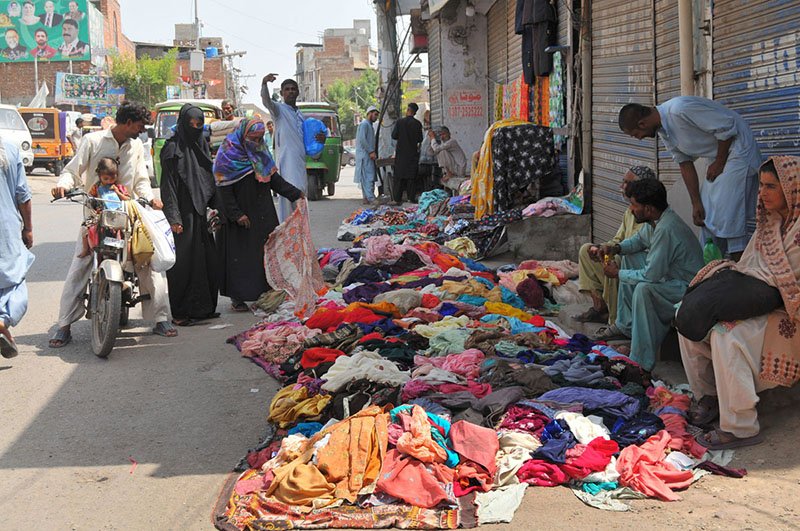
Vibrant Garment Displays Attract Shoppers in Multan’s Bustling Markets

MULTAN — Vendors in Multan have set up vibrant displays of colorful garments along the roadsides, drawing in a steady stream of shoppers eager to explore the offerings at the city’s bustling markets. The lively scene is a testament to the enduring appeal of street markets in Pakistan, where customers can find a wide array of clothing options at competitive prices. What Happened In the heart of Multan, vendors have strategically positioned their stalls along the roadsides, showcasing an array of colorful garments to attract potential buyers. These displays are not only eye-catching but also serve as a beacon for shoppers navigating the busy market streets. The vendors, adept at marketing their wares, have created a dynamic shopping environment that caters to a diverse clientele. Shoppers, ranging from local residents to tourists, are seen browsing through the collections, which include traditional attire, casual wear, and more contemporary fashion pieces. The market’s atmosphere is vibrant, with the hustle and bustle of bargaining and the exchange of goods creating a lively backdrop. One vendor remarked, “Our aim is to provide quality garments at prices that everyone can afford. The roadside setup allows us to reach more customers.” The market scene in Multan is not just about commerce; it is a cultural experience. The interaction between vendors and shoppers is a dance of negotiation and mutual respect, with each party seeking the best deal. This dynamic is part of what makes street markets an enduring feature of Pakistani urban life. Background Street markets have long been a staple of Pakistani cities, offering a wide range of goods from fresh produce to textiles. In Multan, these markets are particularly renowned for their vibrant displays and the variety of goods available. Historically, markets have served as community hubs, where people not only shop but also socialize and exchange news. In recent years, the rise of shopping malls and online retail has posed challenges to traditional markets. However, the unique experience offered by street markets, with their personal interactions and the opportunity to physically inspect goods, continues to draw customers. In Multan, the tradition of street vending remains strong, supported by a local economy that values both affordability and variety. Why It Matters The vibrant garment displays in Multan’s markets are more than just a commercial activity; they are a reflection of the city’s cultural and economic vitality. For many vendors, these markets are a primary source of income, supporting families and contributing to the local economy. The affordability of goods ensures that a wide demographic can access quality clothing, which is particularly important in a country where income disparity remains a significant issue. Moreover, these markets play a crucial role in preserving cultural traditions. The garments on display often include traditional Pakistani attire, which helps keep cultural heritage alive in an increasingly globalized world. For shoppers, the market experience offers a connection to their cultural roots and a sense of community. On a broader scale, the success of street markets in cities like Multan highlights the resilience of traditional commerce in the face of modern retail challenges. It underscores the importance of supporting local economies and the small businesses that are their backbone. As Pakistan continues to develop, balancing modernity with tradition will be key to ensuring sustainable economic growth. Key Takeaways Vendors in Multan attract shoppers with vibrant roadside garment displays. Street markets remain a vital part of Pakistan’s cultural and economic landscape. These markets provide affordable clothing options for a diverse clientele. Street markets support local economies and preserve cultural traditions. The resilience of traditional markets highlights the importance of balancing modern retail with cultural heritage. Source Attribution This article is based on official government statements, press releases, and public communications from relevant authorities. Author: NEN Editorial Desk | Editor: NEN Newsroom | Fact Checked By: NEN Editorial Team Author: NEN Editorial Desk  |  Editor: NEN Newsroom  |  Last Updated: September 13, 2026  |  Source: NEN Reporter This article was produced by the NEN Editorial Desk in accordance with NEN Agency’s Editorial Policy and Fact-Checking Policy.
Pakistan

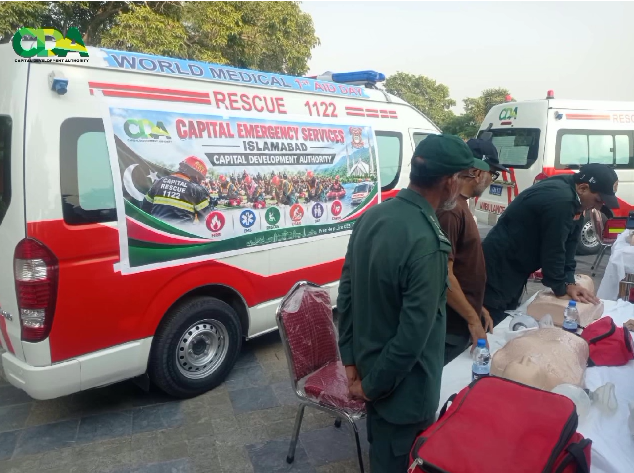
CDA Hosts First Aid Awareness Event at Islamabad’s Lake View Park

ISLAMABAD — The Capital Development Authority (CDA)’s Capital Emergency Services Islamabad organized a first aid awareness event at Lake View Park on Saturday. The event aimed to educate citizens on the importance of timely response during medical emergencies, coinciding with World First Aid Day. What Happened The first aid awareness event, held at one of Islamabad’s most popular recreational spots, Lake View Park, was organized by the CDA’s Capital Emergency Services. The event featured a series of awareness sessions and practical demonstrations conducted by trained professionals. These sessions were designed to equip citizens with the necessary skills to respond effectively to medical emergencies, potentially saving lives. Participants were engaged in hands-on activities, learning essential first aid techniques such as cardiopulmonary resuscitation (CPR), wound management, and the Heimlich maneuver for choking. The event also included interactive discussions on how to handle various emergency scenarios, emphasizing the importance of remaining calm and acting quickly. According to a press release from the CDA, the initiative was part of a broader effort to enhance public safety and preparedness in Islamabad. The event attracted a diverse group of attendees, including families, students, and local community leaders, all eager to learn and improve their first aid skills. The CDA officials highlighted the significance of first aid knowledge in everyday life, noting that immediate and appropriate response can significantly reduce the severity of injuries and increase the chances of survival in critical situations. Background World First Aid Day is observed annually on the second Saturday of September. It was established by the International Federation of Red Cross and Red Crescent Societies (IFRC) in 2000 to promote the importance of first aid training and awareness. The day serves as a reminder that first aid is a crucial humanitarian act that can save lives and prevent injuries. The CDA’s Capital Emergency Services has been actively involved in various public safety and awareness campaigns. Their efforts are part of a larger framework aimed at building a resilient community capable of responding effectively to emergencies. The authority regularly conducts training sessions and drills to ensure that both its personnel and the general public are well-prepared for unforeseen situations. Why It Matters The importance of first aid training cannot be overstated, particularly in a country like Pakistan, where emergency medical services may not always be immediately accessible. By equipping citizens with first aid skills, the CDA is empowering individuals to act as first responders in their communities, potentially bridging the gap until professional medical help arrives. This initiative is especially significant in light of Pakistan’s diverse geography and the varying accessibility of healthcare services. In rural and remote areas, where medical facilities are sparse, first aid knowledge can make a critical difference in emergency situations. Moreover, in urban centers like Islamabad, where traffic congestion can delay ambulance services, having a population trained in first aid can mitigate the impact of such delays. Economically, the initiative could lead to reduced healthcare costs by preventing minor injuries from escalating into more serious conditions that require extensive medical intervention. Socially, it fosters a culture of care and responsibility, encouraging citizens to look out for one another in times of need. Politically, the CDA’s efforts align with national objectives to improve public health and safety standards. By promoting first aid awareness, the authority is contributing to the government’s broader agenda of enhancing the quality of life for its citizens. Key Takeaways The CDA organized a first aid awareness event at Lake View Park in Islamabad. The event coincided with World First Aid Day, aiming to educate citizens on emergency response. Participants learned essential first aid skills through practical demonstrations and interactive sessions. First aid training is crucial in Pakistan, where immediate medical services may not always be accessible. The initiative supports national efforts to improve public health and safety standards. Source Attribution This article is based on official government statements, press releases, and public communications from relevant authorities. Author: NEN Editorial Desk | Editor: NEN Newsroom | Fact Checked By: NEN Editorial Team Author: NEN Editorial Desk  |  Editor: NEN Newsroom  |  Last Updated: September 13, 2026  |  Source: NEN Reporter This article was produced by the NEN Editorial Desk in accordance with NEN Agency’s Editorial Policy and Fact-Checking Policy.

Pakistan

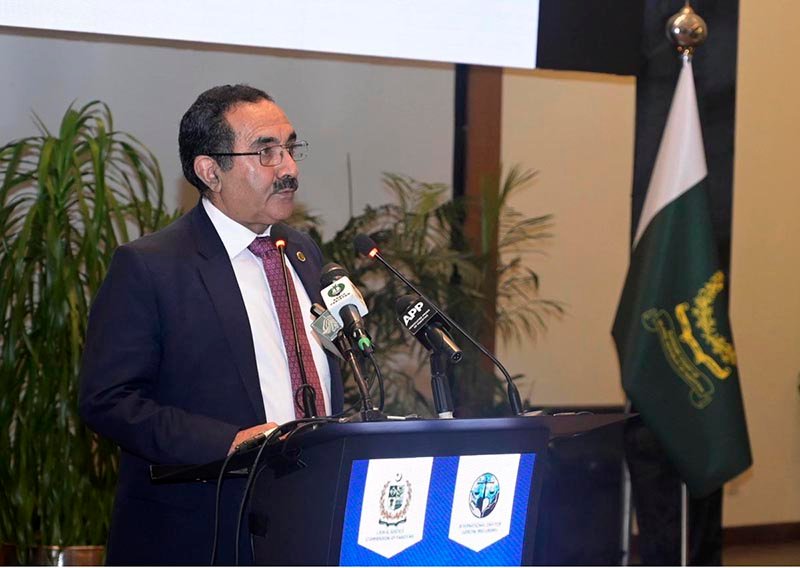
Chief Justice Ali Baig Addresses Judicial Wellbeing Conference in Islamabad

ISLAMABAD — Honorable Chief Justice Ali Baig of the Gilgit-Baltistan Chief Court addressed the National Conference on Judicial Wellbeing, held at the Supreme Court of Pakistan. The event, titled “From Reform to Recognition: Building a Responsive District Judiciary,” took place on Thursday, focusing on enhancing the efficiency and responsiveness of the district judiciary. What Happened The conference gathered legal luminaries, judges, and stakeholders from across Pakistan to discuss the pressing need for judicial reforms. Chief Justice Ali Baig emphasized the importance of a responsive judiciary in ensuring justice delivery. In his address, he stated, “The judiciary must evolve to meet the challenges of the modern era, ensuring timely and fair justice for all citizens.” The event featured a series of panel discussions and workshops aimed at identifying key areas for reform within the district judiciary. Participants explored topics such as case management, judicial training, and the integration of technology to improve court efficiency. Justice Baig highlighted the role of judicial wellbeing in enhancing the overall performance of the judiciary, noting that a well-supported judiciary is essential for maintaining public trust and upholding the rule of law. In addition to the speeches and discussions, the conference provided a platform for sharing best practices and successful reform initiatives from various regions. Legal experts shared insights on how to address systemic challenges and implement reforms that can adapt to the unique needs of different judicial districts. Background The conference is part of ongoing efforts to reform Pakistan’s judiciary, which has faced criticism for delays and inefficiencies. The district judiciary, being the first point of contact for most citizens seeking justice, plays a crucial role in the legal system. Historically, the judiciary in Pakistan has struggled with a backlog of cases, limited resources, and outdated procedural practices. Efforts to reform the judiciary have been ongoing for several years, with various initiatives aimed at reducing case backlogs, improving judicial infrastructure, and enhancing the training and capacity of judges and court staff. The focus on judicial wellbeing is a relatively new aspect of these reforms, recognizing the impact of judges’ working conditions on their ability to deliver justice effectively. Why It Matters The conference’s focus on judicial wellbeing and reform is significant for several reasons. Firstly, it addresses the chronic issue of case backlogs, which have long hindered the judiciary’s ability to function effectively. By improving case management and integrating technology, the judiciary can become more efficient, reducing delays and ensuring timely justice for citizens. Secondly, the emphasis on judicial wellbeing highlights the need to support judges and court staff in their roles. A judiciary that is well-resourced and supported is better equipped to handle the demands of the justice system, leading to higher morale and improved performance. This, in turn, can enhance public confidence in the judiciary and the rule of law. Finally, the conference underscores the importance of continuous reform and adaptation within the judiciary. As societal needs and challenges evolve, the judiciary must also evolve to remain relevant and effective. By fostering a culture of innovation and responsiveness, the judiciary can better serve the public and uphold its constitutional mandate. Key Takeaways Chief Justice Ali Baig emphasized the need for a responsive judiciary to ensure timely justice. The conference focused on judicial wellbeing as a key component of judicial reform. Participants discussed integrating technology and improving case management to enhance efficiency. Judicial wellbeing is recognized as essential for maintaining public trust in the judiciary. The event highlighted the importance of continuous reform to address evolving societal needs. Source Attribution This article is based on official government statements, press releases, and public communications from relevant authorities. Author: NEN Editorial Desk | Editor: NEN Newsroom | Fact Checked By: NEN Editorial Team Author: NEN Editorial Desk  |  Editor: NEN Newsroom  |  Last Updated: September 13, 2026  |  Source: Press Release from Government of Pakistan This article was produced by the NEN Editorial Desk in accordance with NEN Agency’s Editorial Policy and Fact-Checking Policy.
Pakistan

ICCI President Advocates for Enhanced Pakistan-Africa Economic Ties

ISLAMABAD — The President of the Islamabad Chamber of Commerce and Industry (ICCI), Sardar Tahir Mehmood, has urged for a transformative shift in the relationship between Pakistan and African nations, emphasizing the need to develop a robust economic partnership. This call for change was made during a recent address in Islamabad, highlighting the potential for increased trade, investment, and collaboration in various sectors. What Happened Sardar Tahir Mehmood, President of the ICCI, has advocated for a significant transformation in the nature of Pakistan-Africa relations. Speaking at a gathering in Islamabad, Mehmood emphasized the necessity of moving beyond traditional diplomatic interactions to cultivate a comprehensive economic partnership. The proposed partnership aims to focus on trade, investment, joint ventures, technology transfer, and job creation. Mehmood highlighted the untapped potential in African markets and the opportunities for Pakistani businesses to expand their reach. He stated, “It is imperative that we explore new avenues for economic collaboration with African countries. This will not only enhance our trade volumes but also lead to mutual benefits in terms of technology sharing and employment opportunities.” The ICCI President also pointed out the need for structured dialogues and agreements that can facilitate smoother trade relations and investment flows. He suggested that both Pakistan and African countries could benefit from joint ventures in sectors such as agriculture, technology, and manufacturing. Background Historically, Pakistan’s engagement with African nations has been primarily diplomatic, with limited economic interaction. The trade volume between Pakistan and Africa has remained relatively low compared to other regions. However, recent years have seen a growing interest in strengthening these ties, with several initiatives aimed at increasing bilateral trade and investment. Pakistan has been part of various international forums and agreements that seek to enhance economic cooperation with African nations. Despite these efforts, the full potential of these relationships has yet to be realized. The ICCI’s call for a shift towards a dynamic economic partnership reflects a broader trend of recognizing Africa as a continent of emerging opportunities. Why It Matters The push for a stronger economic partnership with Africa is significant for several reasons. Economically, Africa represents a vast and largely untapped market for Pakistani goods and services. By forging closer economic ties, Pakistan can diversify its export markets, reducing dependency on traditional partners and potentially increasing its trade surplus. Socially, enhanced economic relations could lead to job creation and technology transfer, benefiting both Pakistani and African societies. Joint ventures in sectors like agriculture and technology could lead to innovations that improve productivity and sustainability, addressing local challenges in both regions. Politically, strengthening ties with African nations could enhance Pakistan’s influence on the international stage, aligning with its foreign policy goals of fostering South-South cooperation. It also provides an opportunity to counterbalance the influence of other major powers in Africa, positioning Pakistan as a key partner in the continent’s development. Internationally, this initiative aligns with global trends of increased South-South cooperation, where developing countries seek to build mutually beneficial partnerships. By actively engaging with Africa, Pakistan can contribute to this global movement, enhancing its standing as a proactive and forward-looking nation. Key Takeaways Sardar Tahir Mehmood, ICCI President, calls for transforming Pakistan-Africa relations into a dynamic economic partnership. The focus is on enhancing trade, investment, joint ventures, technology transfer, and job creation. Historically, Pakistan’s engagement with Africa has been primarily diplomatic, with limited economic interaction. Strengthening economic ties with Africa could diversify Pakistan’s export markets and increase trade surplus. Closer relations could enhance Pakistan’s international influence and align with global South-South cooperation trends. Source Attribution This article is based on official statements and public communications from the Islamabad Chamber of Commerce and Industry. Author: NEN Editorial Desk | Editor: NEN Newsroom | Fact Checked By: NEN Editorial Team Author: NEN Editorial Desk  |  Editor: NEN Newsroom  |  Last Updated: September 12, 2026  |  Source: Press Release from Government of Pakistan This article was produced by the NEN Editorial Desk in accordance with NEN Agency’s Editorial Policy and Fact-Checking Policy.
Pakistan

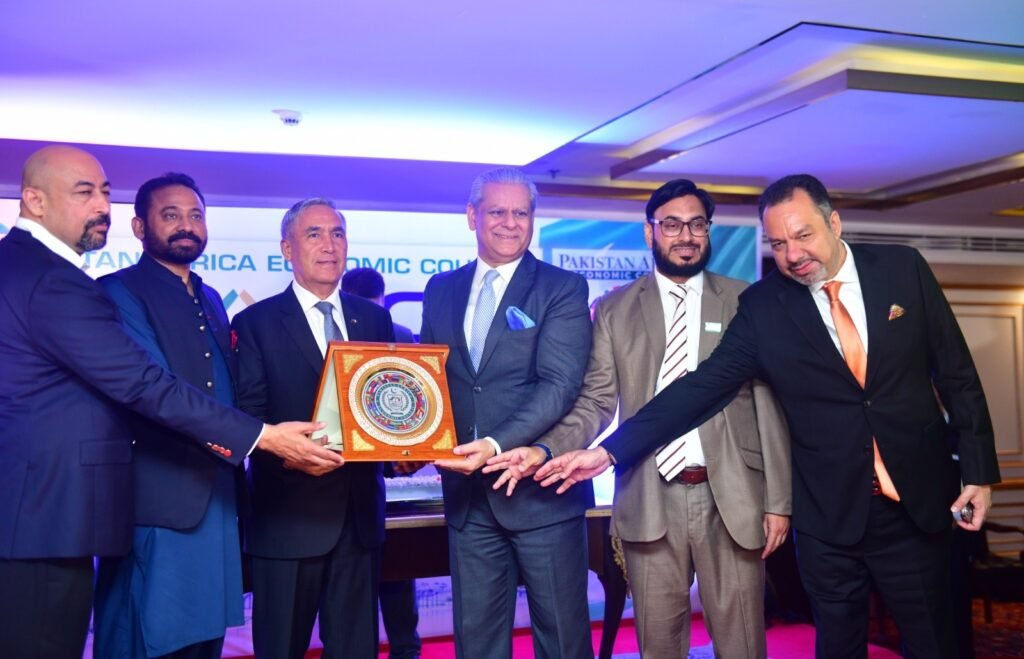
Pakistan-Africa Economic Council Aims to Boost Trade to $15 Billion by 2030

ISLAMABAD — Pakistan and African countries have inaugurated the Pakistan-Africa Economic Council (PAEC) with an ambitious goal to elevate bilateral trade to $15 billion by 2030. The ceremony, held on September 12, underscored a mutual commitment to diversify economic relations and strengthen ties between private sectors, including chambers of commerce from both regions. What Happened The launch of the Pakistan-Africa Economic Council marks a significant step towards enhancing trade relations between Pakistan and African nations. During the inaugural ceremony, representatives from both sides expressed a unified vision to boost economic interactions and explore new avenues for cooperation. The PAEC is designed to be a platform that facilitates dialogue and collaboration, aiming to unlock the potential of untapped markets and foster a conducive environment for business growth. Officials at the event highlighted the importance of diversifying trade relations beyond traditional sectors. “We are committed to exploring new sectors and opportunities that can significantly contribute to our economies,” stated a senior official present at the ceremony. The council aims to bring together private sector stakeholders, including chambers of commerce, to create synergies and promote mutual growth. In addition to trade, the PAEC is expected to serve as a catalyst for cultural and educational exchanges, thereby strengthening people-to-people connections. The council’s formation is seen as a strategic move to leverage the economic potential of both regions, which have historically been underrepresented in each other’s trade portfolios. Background Pakistan’s interest in strengthening ties with Africa is not new. Over the past few years, the country has been actively seeking to expand its trade footprint on the continent, recognizing Africa’s growing economic significance. The African Continental Free Trade Area (AfCFTA), launched in 2021, has created a single market for goods and services across 54 countries, making Africa an attractive destination for international trade. Historically, Pakistan’s trade with African nations has been limited, focusing primarily on a few key sectors such as textiles and agricultural products. However, with the establishment of the PAEC, there is a renewed focus on broadening the scope of trade to include sectors like technology, pharmaceuticals, and infrastructure development. Why It Matters The establishment of the Pakistan-Africa Economic Council is a strategic initiative that could have far-reaching implications for both regions. Economically, the council’s goal to increase trade to $15 billion by 2030 represents a significant leap from current levels. This expansion could create jobs, stimulate economic growth, and reduce trade imbalances. Politically, the move strengthens Pakistan’s diplomatic ties with African nations, potentially leading to greater cooperation in international forums. It also aligns with Pakistan’s broader foreign policy objectives of diversifying its economic partnerships and reducing reliance on traditional trade partners. For African countries, increased trade with Pakistan offers access to a new market for their goods and services, which can drive economic diversification and resilience. The collaboration could also lead to technology transfer and capacity building, benefiting various sectors across the continent. On a social level, the PAEC’s emphasis on cultural and educational exchanges could foster greater understanding and cooperation between the peoples of Pakistan and Africa, laying the groundwork for a more integrated global community. Key Takeaways The Pakistan-Africa Economic Council aims to boost bilateral trade to $15 billion by 2030. The council will focus on diversifying trade relations and engaging private sectors from both regions. Historically limited trade between Pakistan and Africa is set to expand into new sectors. The PAEC could enhance diplomatic ties and economic cooperation between the regions. Cultural and educational exchanges are also part of the council’s broader objectives. Source Attribution This article is based on official government statements, press releases, and public communications from relevant authorities. Author: NEN Editorial Desk | Editor: NEN Newsroom | Fact Checked By: NEN Editorial Team Author: NEN Editorial Desk  |  Editor: NEN Newsroom  |  Last Updated: September 12, 2026  |  Source: NEN Reporter This article was produced by the NEN Editorial Desk in accordance with NEN Agency’s Editorial Policy and Fact-Checking Policy.
Pakistan

50 Young Leaders from Climate-Affected Districts Join National Initiative

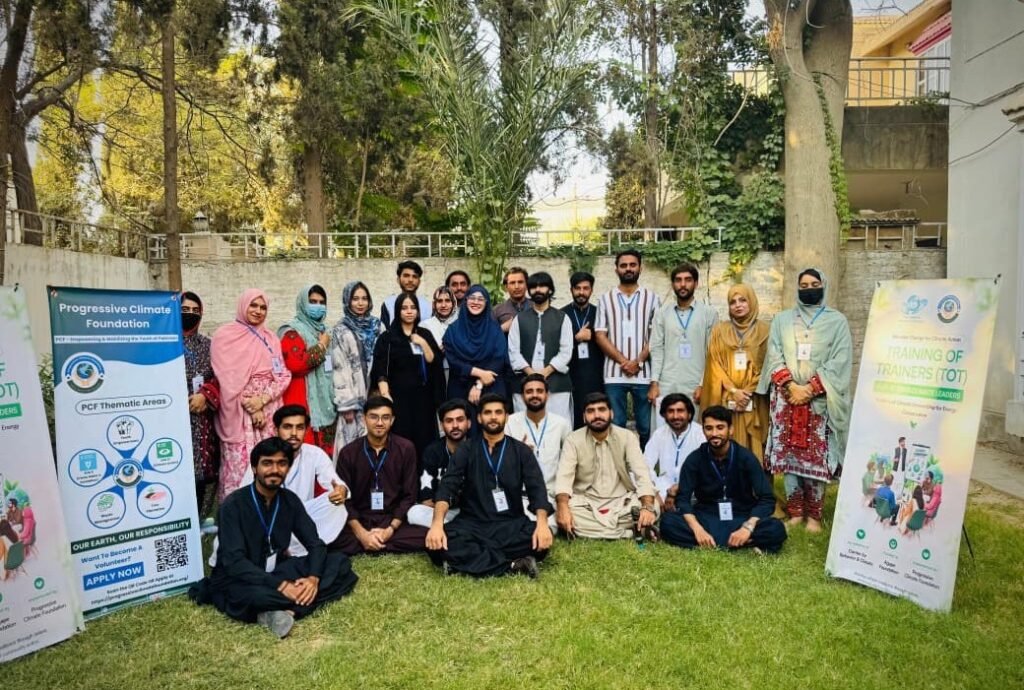
ISLAMABAD — Fifty young climate leaders from 25 districts severely impacted by climate change across Pakistan have been selected to participate in a nationwide initiative focused on transforming climate awareness into actionable strategies. This initiative, organized by the Progressive Climate Foundation (PCF) Pakistan, aims to equip these leaders with the necessary skills and knowledge to drive climate action in their respective regions. What Happened The Progressive Climate Foundation, through its Balochistan Chapter, has launched a Training of Trainers (ToT) program in Quetta, targeting the development of behavioral change strategies among young climate leaders. The program is designed to empower these individuals to become effective advocates for climate action within their communities. The initiative includes 25 leaders from Balochistan who are currently undergoing training in Quetta, with plans to extend similar training sessions to other provinces. The training sessions focus on enhancing the participants’ understanding of climate science, policy advocacy, and community engagement. The PCF aims to create a ripple effect where these trained leaders will return to their districts and implement localized climate action plans. This approach is intended to foster grassroots-level change, leveraging the unique insights and experiences of local leaders to address specific climate challenges faced by their communities. According to a spokesperson from the PCF, the initiative is a response to the urgent need for localized climate action in Pakistan, a country that ranks among the most vulnerable to climate change impacts. “We are committed to empowering young leaders who can drive change and inspire others to take action,” the spokesperson stated. Background Pakistan has been grappling with the severe impacts of climate change, including extreme weather events, rising temperatures, and shifting rainfall patterns. The country is listed among the top ten nations most affected by climate-related disasters, according to the Global Climate Risk Index. In recent years, Pakistan has experienced devastating floods, prolonged droughts, and heatwaves, severely affecting agriculture, water resources, and public health. The government’s response to these challenges has included the formulation of the National Climate Change Policy and the establishment of the Climate Change Ministry. However, implementation at the grassroots level remains a significant challenge due to limited resources and capacity. Initiatives like the one led by PCF are crucial in bridging this gap by mobilizing local communities and building their capacity to respond effectively to climate challenges. Why It Matters The involvement of young leaders in climate action is critical for several reasons. Firstly, young people represent a significant portion of Pakistan’s population and have the potential to drive long-term change. By equipping them with the necessary skills and knowledge, initiatives like this can harness their energy and creativity to tackle climate issues more effectively. Secondly, localized climate action is essential for addressing the specific needs and challenges of different regions. Pakistan’s diverse geography means that climate impacts vary significantly across the country. By training leaders from various districts, the initiative ensures that climate strategies are tailored to local contexts, increasing their effectiveness and sustainability. Furthermore, this initiative contributes to Pakistan’s broader climate goals by fostering a culture of environmental stewardship and responsibility. As these young leaders implement their training, they can influence policy at local levels, advocate for sustainable practices, and engage communities in climate resilience efforts. Key Takeaways Fifty young leaders from 25 climate-affected districts in Pakistan are participating in a national climate action initiative. The initiative, organized by the Progressive Climate Foundation, includes a Training of Trainers program in Quetta. The program aims to empower young leaders with skills in climate science, policy advocacy, and community engagement. Localized climate action is crucial for addressing region-specific climate challenges in Pakistan. This initiative supports Pakistan’s national climate goals by promoting grassroots-level environmental stewardship. Source Attribution This article is based on official statements and public communications from the Progressive Climate Foundation and relevant authorities. Author: NEN Editorial Desk | Editor: NEN Newsroom | Fact Checked By: NEN Editorial Team Author: NEN Editorial Desk  |  Editor: NEN Newsroom  |  Last Updated: September 12, 2026  |  Source: NEN Reporter This article was produced by the NEN Editorial Desk in accordance with NEN Agency’s Editorial Policy and Fact-Checking Policy.
Pakistan

Pakistan Seeks to Strengthen Economic Ties with African Nations

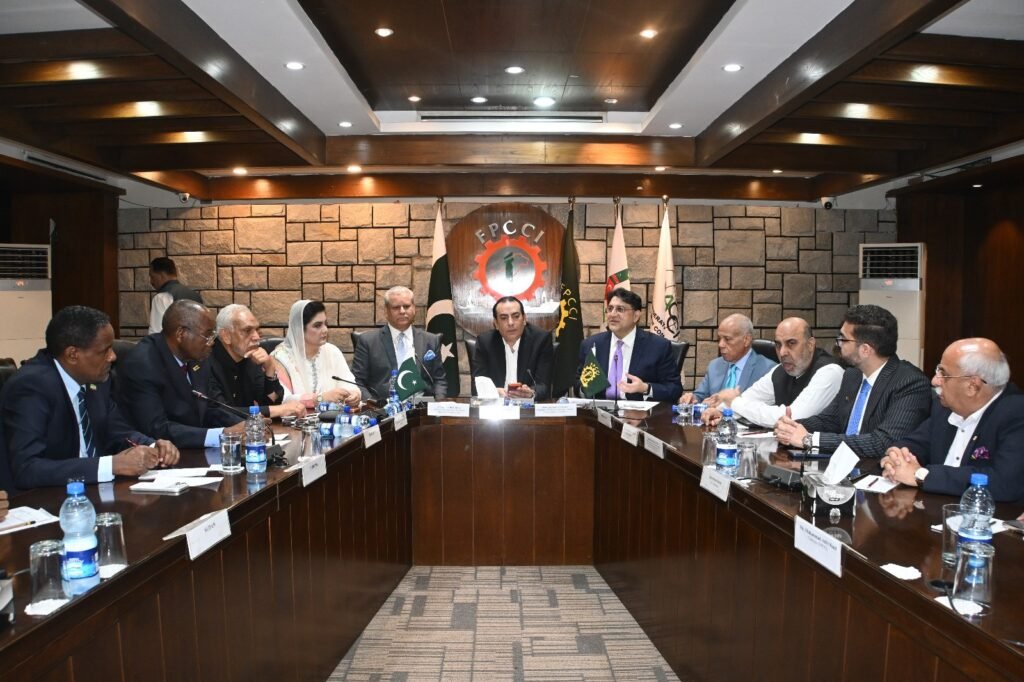
ISLAMABAD — Pakistan is taking steps to bolster its economic relationships with African countries, as highlighted during the first Pak-Africa Roundtable Conference held in Islamabad on September 12. The event was organized by the Federation of Pakistan Chambers of Commerce and Industry (FPCCI) and chaired by FPCCI President Atif Ikram Sheikh. The conference aimed to explore avenues for enhancing trade, investment, and economic cooperation between Pakistan and African nations. What Happened The Pak-Africa Roundtable Conference brought together a diverse group of stakeholders, including ambassadors, high commissioners, and consuls general from various African countries. The discussions focused on identifying potential sectors for collaboration and addressing barriers to trade and investment. FPCCI President Atif Ikram Sheikh emphasized the importance of diversifying Pakistan’s trade partners and tapping into the African market, which he described as having significant untapped potential. Hamid Asghar Khan, Pakistan’s Additional Secretary for Africa, highlighted the government’s commitment to strengthening economic ties with Africa. He stated, “Pakistan is keen to expand its economic partnership with African nations, recognizing the immense opportunities that exist for mutual growth and development.” The conference served as a platform for participants to share insights and strategies for overcoming challenges in bilateral trade. Representatives from African countries expressed their interest in collaborating with Pakistan in sectors such as agriculture, textiles, pharmaceuticals, and technology. They also discussed the potential for joint ventures and investments that could benefit both regions. The conference concluded with a consensus on the need for continued dialogue and cooperation to achieve tangible outcomes. Background Pakistan’s interest in expanding its economic ties with Africa is part of a broader strategy to diversify its trade relationships beyond traditional partners. Historically, Pakistan’s trade has been concentrated with countries in Asia, Europe, and North America. However, the African continent, with its rapidly growing economies and young population, presents new opportunities for trade and investment. In recent years, Pakistan has taken steps to engage more actively with African nations. This includes participating in trade exhibitions, sending trade delegations, and signing bilateral agreements aimed at facilitating trade and investment. The government has also been working to improve diplomatic relations with African countries to support these economic initiatives. Why It Matters Strengthening economic ties with Africa holds significant implications for Pakistan’s economy. By expanding its trade partnerships, Pakistan can reduce its reliance on traditional markets and create new opportunities for its exporters. The African market, with its demand for goods and services, offers a promising avenue for Pakistani businesses looking to expand their reach. Economically, this initiative could lead to increased exports, job creation, and economic growth in Pakistan. It also aligns with the government’s broader economic diversification strategy, which aims to make the economy more resilient to external shocks. Socially, enhanced trade relations could lead to cultural exchanges and stronger people-to-people connections between Pakistan and African nations. Politically, engaging with Africa can help Pakistan strengthen its diplomatic ties and increase its influence on the international stage. By building partnerships with African countries, Pakistan can also garner support in international forums and enhance its global standing. Key Takeaways Pakistan hosted the first Pak-Africa Roundtable Conference to explore economic partnerships with African nations. The conference focused on trade, investment, and economic cooperation, with participation from African diplomats. Pakistan aims to diversify its trade partners and tap into the African market’s potential. Strengthening ties with Africa could lead to economic growth, job creation, and enhanced diplomatic relations. The initiative aligns with Pakistan’s broader strategy to diversify its economy and reduce reliance on traditional markets. Source Attribution This article is based on official government statements, press releases, and public communications from relevant authorities. Author: NEN Editorial Desk | Editor: NEN Newsroom | Fact Checked By: NEN Editorial Team Author: NEN Editorial Desk  |  Editor: NEN Newsroom  |  Last Updated: September 12, 2026  |  Source: NEN Reporter This article was produced by the NEN Editorial Desk in accordance with NEN Agency’s Editorial Policy and Fact-Checking Policy.
Pakistan

CDA Conducts First-Aid Awareness Event at Islamabad’s Lake View Park

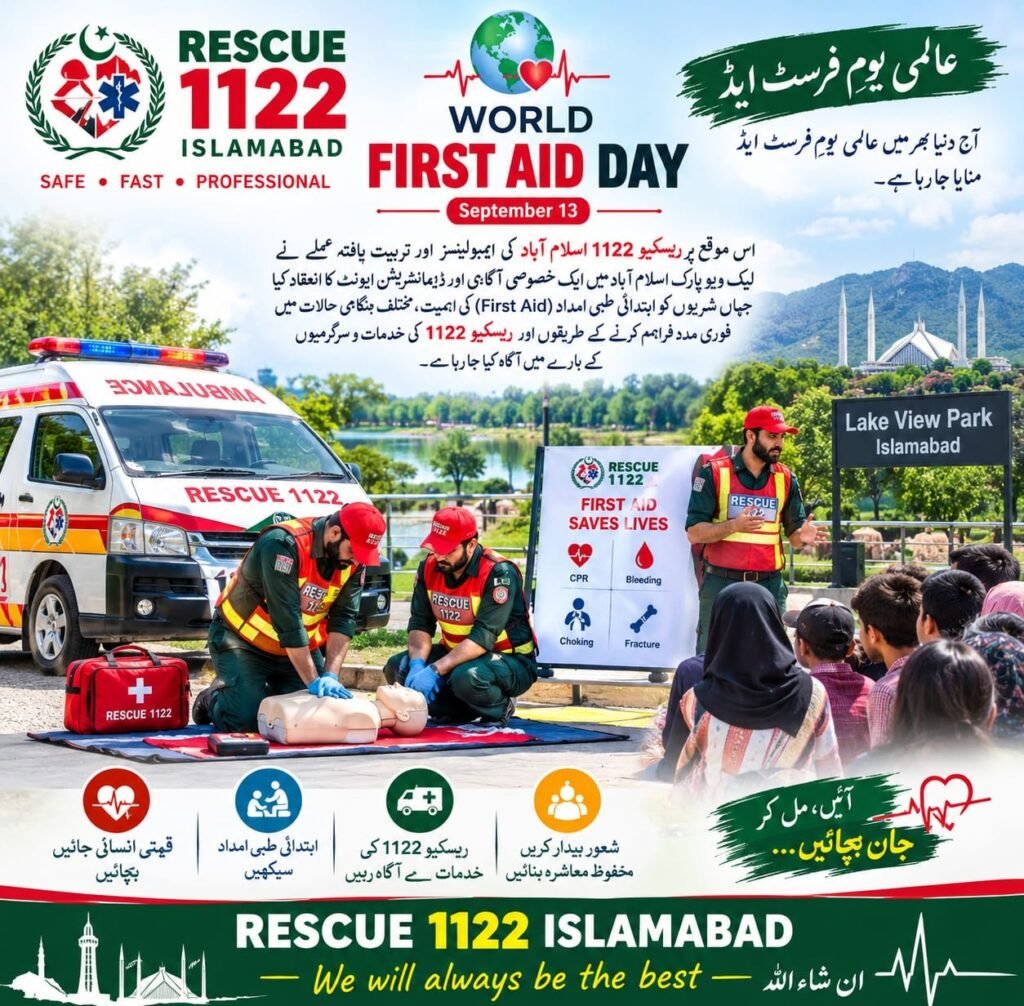
ISLAMABAD — The Capital Development Authority (CDA) organized a first-aid awareness and practical demonstration event at Lake View Park on Saturday, aligning with World First Aid Day. The event, facilitated by the Capital Emergency Services, aimed to educate the public on basic first-aid techniques and emergency response measures. What Happened The event at Lake View Park saw participation from Rescue 1122 personnel who, along with emergency ambulances, engaged with visitors and families. They provided demonstrations on essential first-aid techniques, equipping attendees with the knowledge to handle medical emergencies effectively. The personnel focused on techniques such as CPR, wound management, and handling fractures, ensuring that participants left with a practical understanding of these life-saving skills. Rescue 1122 officials emphasized the importance of immediate response in medical emergencies, stating, “Timely first-aid can significantly improve outcomes in medical emergencies. Our goal is to empower citizens with the skills necessary to act confidently and effectively in critical situations.” The interactive sessions allowed attendees to practice these techniques under the guidance of trained professionals, fostering a hands-on learning environment. The event was part of a broader initiative to enhance public safety awareness and preparedness. The CDA’s commitment to public health and safety was evident in the comprehensive approach taken during the event, which included not only demonstrations but also informational sessions on emergency preparedness and response strategies. Background World First Aid Day is observed globally to promote the importance of first-aid knowledge and skills. Established by the International Federation of Red Cross and Red Crescent Societies (IFRC), the day serves as a reminder of the critical role first-aid plays in saving lives and reducing injuries. In Pakistan, first-aid training and awareness have gained momentum, with organizations like Rescue 1122 playing a pivotal role in educating the public. The Capital Development Authority, responsible for municipal services in Islamabad, has been proactive in organizing such events to enhance community resilience. The collaboration with Rescue 1122, a leading emergency service in Pakistan, underscores the importance of strategic partnerships in promoting public health and safety. Why It Matters The significance of first-aid awareness cannot be overstated, particularly in a country like Pakistan, where access to immediate medical care can be challenging in certain regions. By equipping citizens with first-aid skills, the CDA and Rescue 1122 are contributing to a more resilient society capable of responding to emergencies effectively. This initiative also reflects a broader trend of increasing public engagement in health and safety matters. As urban areas like Islamabad continue to grow, the demand for emergency services and public safety education rises. Events like the one at Lake View Park not only educate but also empower citizens, fostering a culture of preparedness and proactive health management. Moreover, the event highlights the importance of community involvement in public health initiatives. By engaging directly with the public, the CDA and Rescue 1122 are building trust and encouraging a collaborative approach to emergency preparedness. This is crucial in ensuring that first-aid knowledge is widespread and accessible to all segments of society. Key Takeaways The CDA organized a first-aid awareness event at Lake View Park to mark World First Aid Day. Rescue 1122 personnel provided demonstrations on essential first-aid techniques, including CPR and wound management. The event aimed to enhance public safety awareness and empower citizens with life-saving skills. World First Aid Day emphasizes the importance of first-aid knowledge globally, with increasing relevance in Pakistan. Community engagement in health and safety initiatives is crucial for building a resilient society. Source Attribution This article is based on official statements and public communications from the Capital Development Authority and Rescue 1122. Author: NEN Editorial Desk | Editor: NEN Newsroom | Fact Checked By: NEN Editorial Team Author: NEN Editorial Desk  |  Editor: NEN Newsroom  |  Last Updated: September 12, 2026  |  Source: NEN Reporter This article was produced by the NEN Editorial Desk in accordance with NEN Agency’s Editorial Policy and Fact-Checking Policy.

Pakistan

Young Vendors Thrive with Traditional Snacks at City Food Stall

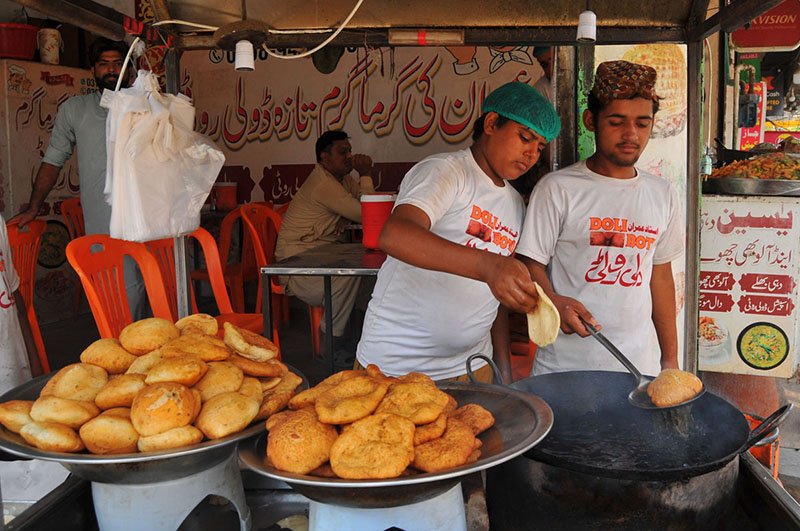
LAHORE — Young entrepreneurs in Lahore are making waves by preparing and serving freshly fried traditional snacks at a bustling roadside food stall. This initiative, which has gained popularity among locals, is contributing to the vibrant street food culture in the city. What Happened A group of young vendors has set up a food stall in one of Lahore’s busy streets, offering a variety of freshly fried traditional snacks. These vendors, primarily in their early 20s, have taken the initiative to cater to the growing demand for quick, affordable, and tasty street food options. The stall offers an array of snacks, including samosas, pakoras, and jalebis, which are prepared on-site to ensure freshness. According to one of the vendors, the idea was born out of a desire to provide quality food at reasonable prices while maintaining the rich culinary traditions of Pakistan. “We wanted to bring something authentic to the streets, something that reminds people of home-cooked meals,” said Ali, one of the young entrepreneurs. The stall has quickly become a popular spot for locals, drawing crowds throughout the day, especially during lunch and evening hours. The vendors have also embraced social media to promote their stall, sharing pictures and videos of their cooking process and engaging with customers online. This digital presence has helped them attract a wider audience, including food enthusiasts and bloggers who are keen to explore local flavors. Background Street food has long been an integral part of Pakistan’s culinary landscape, offering a wide range of flavors and dishes that reflect the country’s diverse culture. In cities like Lahore, Karachi, and Islamabad, street food stalls are a common sight, serving everything from spicy chaat to sweet desserts. The tradition of street vending in Pakistan dates back several decades, with vendors often passing down their recipes and techniques through generations. These stalls not only provide affordable meals but also serve as a platform for social interaction and community bonding. In recent years, there has been a resurgence of interest in traditional Pakistani street food, driven by a growing middle class and an increasing number of food festivals and events celebrating local cuisine. Why It Matters The success of these young vendors is significant for several reasons. Economically, it highlights the potential for small-scale entrepreneurship in Pakistan, particularly among the youth. With limited job opportunities in the formal sector, many young people are turning to entrepreneurial ventures to secure their livelihoods. Socially, the initiative supports the preservation and promotion of traditional Pakistani cuisine, ensuring that these culinary practices are passed on to future generations. By offering authentic flavors at accessible prices, the vendors are helping to keep cultural heritage alive in an ever-globalizing world. Moreover, the popularity of the food stall underscores the importance of street food as a vital part of urban life in Pakistan. It provides an affordable dining option for many citizens, fostering a sense of community and belonging. Internationally, the rise of such ventures can enhance Pakistan’s image as a country rich in culinary diversity, potentially attracting tourists interested in exploring the nation’s food culture. Key Takeaways Young vendors in Lahore are successfully running a food stall offering traditional snacks. The stall has become popular for its fresh, affordable, and authentic street food options. This initiative highlights the potential for youth entrepreneurship in Pakistan. Preserving traditional cuisine is crucial for maintaining cultural heritage. Street food plays a significant role in urban life and community building in Pakistan. Source Attribution This article is based on official government statements, press releases, and public communications from relevant authorities. Author: NEN Editorial Desk | Editor: NEN Newsroom | Fact Checked By: NEN Editorial Team Author: NEN Editorial Desk  |  Editor: NEN Newsroom  |  Last Updated: September 12, 2026  |  Source: NEN Reporter This article was produced by the NEN Editorial Desk in accordance with NEN Agency’s Editorial Policy and Fact-Checking Policy.

Pakistan

Gold Prices Drop By Rs5,600 Per Tola In Pakistan

ISLAMABAD — The price of gold in Pakistan experienced a significant decline on Saturday, with the rate of 24-karat gold per tola dropping by Rs5,600 to settle at Rs456,736. This change was reported by the All Pakistan Sarafa Gems and Jewellers Association, reflecting fluctuations in the local market. What Happened The All Pakistan Sarafa Gems and Jewellers Association announced a notable decrease in gold prices across the country. On Saturday, the rate for 24-karat gold fell by Rs5,600 per tola, bringing the price down to Rs456,736. This adjustment comes amid ongoing volatility in the global precious metals market, which has seen varying trends due to economic uncertainties and changing investor sentiments. Gold prices are influenced by a variety of factors, including international market trends, currency exchange rates, and domestic demand. The recent decline in local gold prices can be attributed to shifts in these areas, particularly the strengthening of the Pakistani rupee against the US dollar, which can impact the cost of imported commodities, including gold. According to the association, the price of 10 grams of 24-karat gold also saw a reduction, falling by Rs4,800 to reach Rs391,520. The price of 22-karat gold, commonly used in jewellery making, was similarly affected, decreasing to Rs359,000 per tola. Background Gold has historically been a popular investment and a hedge against inflation in Pakistan. The country’s gold market is heavily influenced by international prices, which are determined by global economic conditions, geopolitical tensions, and changes in demand and supply dynamics. In recent years, gold prices have seen significant fluctuations due to various factors, including the COVID-19 pandemic, which disrupted global supply chains and altered investor behavior. The economic recovery efforts, inflation concerns, and monetary policy changes in major economies have also contributed to the volatility in gold prices. The All Pakistan Sarafa Gems and Jewellers Association regularly provides updates on gold prices, which serve as a benchmark for local traders and consumers. These prices are crucial for jewellers and investors who rely on accurate and timely information to make informed decisions. Why It Matters The decline in gold prices holds significant implications for various stakeholders in Pakistan. For consumers, particularly those planning weddings or other events that traditionally involve gold purchases, the decrease in prices may present an opportunity to buy gold at more affordable rates. This could potentially boost demand in the local market. For investors, the drop in gold prices might signal a shift in investment strategies. Gold is often considered a safe-haven asset, and changes in its price can influence investment portfolios. Investors may need to reassess their holdings and consider the broader economic context, including inflation rates and currency fluctuations, when making decisions. On a macroeconomic level, the decrease in gold prices can affect the country’s trade balance. As a significant importer of gold, Pakistan’s foreign exchange reserves are impacted by the cost of gold imports. Lower prices could reduce the import bill, potentially improving the trade deficit. Additionally, the gold market’s performance can reflect broader economic trends. A decline in prices might indicate reduced investor confidence in gold as a hedge against economic instability, suggesting a shift towards other investment avenues or a response to changing economic conditions. Key Takeaways The price of 24-karat gold per tola in Pakistan fell by Rs5,600 to Rs456,736. The decline is influenced by global market trends and domestic currency fluctuations. Gold remains a popular investment and hedge against inflation in Pakistan. Consumers may benefit from lower prices, potentially boosting local demand. The decrease in gold prices could positively impact Pakistan’s trade balance. Source Attribution This article is based on official statements and public communications from the All Pakistan Sarafa Gems and Jewellers Association. Author: NEN Editorial Desk | Editor: NEN Newsroom | Fact Checked By: NEN Editorial Team Author: NEN Editorial Desk  |  Editor: NEN Newsroom  |  Last Updated: September 12, 2026  |  Source: NEN Reporter This article was produced by the NEN Editorial Desk in accordance with NEN Agency’s Editorial Policy and Fact-Checking Policy.

Scroll to Top