
Pakistan

News related to Pakistan in Pakistan and around the world.

Pakistan

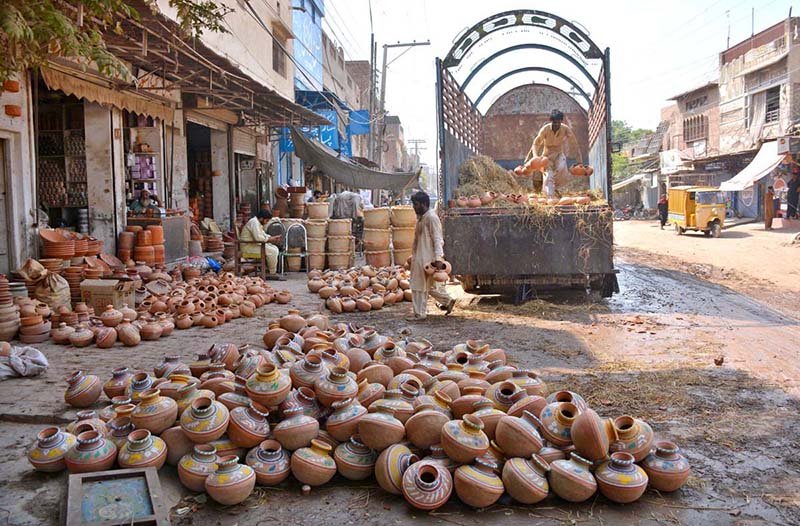
Labourers Unload Clay Pots at Daulat Gate Pottery Market

MULTAN — Labourers were observed diligently unloading clay pots from a delivery truck at the bustling pottery market located at Daulat Gate on Tuesday. This activity marks a routine yet vital aspect of the traditional pottery trade in the region, where local artisans and traders gather to exchange goods. What Happened On a typical day at the Daulat Gate pottery market, a scene unfolded that is emblematic of the vibrant local economy. Labourers, clad in simple attire, worked tirelessly to unload a large consignment of clay pots from a delivery truck. The pots, crafted with precision and care, are destined for sale in the market, which is a hub for pottery enthusiasts and traders alike. According to market traders, the arrival of these clay pots is a regular occurrence, reflecting the steady demand for traditional pottery in the area. One trader, Ahmed Khan, noted, “These pots are not just items of utility but also represent our cultural heritage. Each piece is crafted with skill and tells a story of our artisans’ dedication.” The process of unloading and arranging the pots is labor-intensive, requiring careful handling to prevent breakage. The labourers, who are often employed on a daily wage basis, play a crucial role in ensuring that the products reach the market safely and are displayed attractively for potential buyers. Background Daulat Gate, situated in Multan, is renowned for its pottery market, which has been a cornerstone of the local economy for decades. The city of Multan itself has a rich history of pottery-making, with techniques passed down through generations. The market serves as a central point for artisans to showcase their work, ranging from everyday kitchenware to decorative pieces. Historically, pottery in Multan has been influenced by various cultures, including Persian and Mughal, which is evident in the intricate designs and vibrant colors of the products. The market at Daulat Gate is not only a place of commerce but also a cultural landmark, attracting tourists and locals who appreciate the artistry involved in pottery-making. Why It Matters The unloading of clay pots at Daulat Gate is more than a mere logistical activity; it signifies the ongoing vitality of traditional crafts in Pakistan. In an era where industrial products dominate, the persistence of handmade pottery highlights the importance of preserving cultural heritage and supporting local artisans. Economically, the pottery market contributes significantly to the livelihoods of numerous families in Multan. Artisans, traders, and labourers alike depend on the trade for their income, making it a vital sector of the local economy. The market’s operation supports a network of supply chains, from clay extraction to the final sale, each step providing employment opportunities. Socially, the market fosters community interactions and cultural exchange. It serves as a meeting point for people from various backgrounds, united by their appreciation for pottery. This cultural exchange enriches the community and promotes a sense of identity and pride among the locals. Internationally, Pakistani pottery is gaining recognition for its quality and craftsmanship. Markets like Daulat Gate play a crucial role in maintaining the standards and reputation of Pakistani pottery on the global stage, potentially opening up export opportunities that could further boost the economy. Key Takeaways Labourers at Daulat Gate are actively involved in unloading clay pots, a routine yet essential task for the local pottery trade. The pottery market in Multan is a cultural and economic hub, reflecting the rich heritage of the region. The trade supports numerous families, providing employment and sustaining traditional craftsmanship. Preserving traditional pottery practices is crucial for cultural heritage and economic sustainability. Pakistani pottery is recognized internationally, with markets like Daulat Gate playing a key role in its promotion. Source Attribution This article is based on official government statements, press releases, and public communications from relevant authorities. Author: NEN Editorial Desk | Editor: NEN Newsroom | Fact Checked By: NEN Editorial Team Author: NEN Editorial Desk  |  Editor: NEN Newsroom  |  Last Updated: September 13, 2026  |  Source: NEN Reporter This article was produced by the NEN Editorial Desk in accordance with NEN Agency’s Editorial Policy and Fact-Checking Policy.

Pakistan

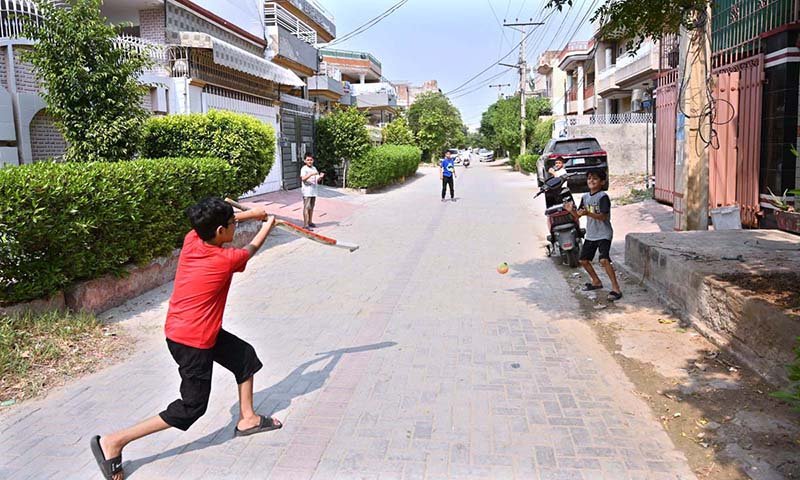
Street Cricket Enthralls Children in Sargodha’s Canal Park

SARGODHA — A group of children were seen enthusiastically playing cricket on a street in Canal Park, Sargodha, on Wednesday, highlighting the enduring popularity of the sport among Pakistan’s youth. The impromptu match drew the attention of passersby, illustrating the communal spirit and love for cricket that transcends formal settings. What Happened In the heart of Sargodha, children took to the streets of Canal Park to engage in a spirited game of cricket. The street, usually bustling with daily activities, transformed into an impromptu cricket pitch. The makeshift game saw children using a variety of improvised equipment, including wooden planks for bats and a tennis ball as a substitute for the traditional cricket ball. Eyewitnesses reported that the children, ranging from ages six to 12, displayed remarkable enthusiasm and skill. The match, which lasted for several hours, attracted a small crowd of onlookers who cheered and encouraged the young players. Local resident Ahmed Khan noted, “It’s wonderful to see the children enjoying themselves and engaging in healthy outdoor activities. Cricket is a passion in Pakistan, and it’s heartening to see it thriving in our streets.” The informal nature of the game allowed the children to play without the constraints of formal rules, fostering creativity and teamwork. This spontaneous activity underscores the role of cricket as a unifying force in Pakistan, where it is not just a sport but a cultural phenomenon. Background Cricket has a storied history in Pakistan, dating back to the British colonial era. It has since evolved into the country’s most popular sport, with a rich legacy of producing world-class players. The Pakistan Cricket Board (PCB) governs the sport at the national level, and cricket is played at various levels, from professional leagues to informal street matches. Street cricket, in particular, has been a staple of Pakistani culture, especially in urban areas where open spaces are limited. It provides an accessible platform for children to engage in physical activity and develop their skills. Over the years, many of Pakistan’s cricketing legends, including Wasim Akram and Shahid Afridi, have credited street cricket as a foundational part of their early development in the sport. Why It Matters The sight of children playing cricket in Canal Park is emblematic of the sport’s deep-rooted significance in Pakistani society. Cricket serves as a vital outlet for youth, offering opportunities for physical exercise, social interaction, and skill development. In a country where access to formal sports facilities can be limited, street cricket provides an inclusive environment for children to participate in the national pastime. Beyond its recreational value, cricket has economic and social implications. The sport has the potential to unite communities, foster national pride, and even serve as a vehicle for social change. Initiatives to promote cricket at the grassroots level can contribute to youth development and community cohesion, addressing broader societal challenges such as youth unemployment and social inequality. Moreover, the informal nature of street cricket allows for the nurturing of raw talent, which can be channeled into professional avenues. The PCB and other organizations have recognized the importance of tapping into this talent pool, with programs aimed at identifying and nurturing young players from diverse backgrounds. Key Takeaways Children in Sargodha’s Canal Park engaged in an impromptu game of street cricket, showcasing the sport’s popularity. Street cricket serves as an accessible platform for youth engagement and skill development. The sport has deep cultural roots in Pakistan, contributing to social cohesion and national pride. Grassroots cricket initiatives can address broader societal challenges and nurture future talent. Cricket remains a unifying force in Pakistan, transcending formal settings and fostering community spirit. Source Attribution This article is based on official government statements, press releases, and public communications from relevant authorities. Author: NEN Editorial Desk | Editor: NEN Newsroom | Fact Checked By: NEN Editorial Team Author: NEN Editorial Desk  |  Editor: NEN Newsroom  |  Last Updated: September 13, 2026  |  Source: NEN Reporter This article was produced by the NEN Editorial Desk in accordance with NEN Agency’s Editorial Policy and Fact-Checking Policy.
Pakistan

Garhi Chandan Plantation Grows From 3 Million to 30 Million Trees in 12 Years

PESHAWAR — The Garhi Chandan plantation, initiated in 2014 as part of the Billion Tree Tsunami project, has witnessed a remarkable transformation, evolving from a mere three million saplings to an expansive forest of approximately 30 million trees over the span of 12 years. What Happened The Garhi Chandan plantation, located near Peshawar, was launched in 2014 under the Billion Tree Tsunami project, an ambitious initiative aimed at combating deforestation and climate change in Pakistan. Over the years, the plantation has transformed a previously barren landscape into a lush, green forest. Initially planted with around three million saplings, the forest now boasts an estimated 30 million trees, marking a tenfold increase in its tree population. The project, spearheaded by the provincial government of Khyber Pakhtunkhwa, has been lauded for its success in increasing forest cover and contributing to environmental sustainability. The plantation’s growth is attributed to effective management practices, community involvement, and favorable climatic conditions that have facilitated the rapid expansion of tree cover. Officials involved in the project have highlighted the importance of continued maintenance and protection of the forest to ensure its long-term sustainability. “The success of the Garhi Chandan plantation is a testament to the commitment and hard work of all stakeholders involved,” said a government official overseeing the project. “It serves as a model for similar afforestation efforts across the country.” Background The Billion Tree Tsunami project was launched by the Khyber Pakhtunkhwa government in 2014 as a response to the alarming rate of deforestation in the region. The initiative aimed to plant one billion trees across the province to restore degraded landscapes, enhance biodiversity, and mitigate the impacts of climate change. The project received international recognition and was later expanded into the Ten Billion Tree Tsunami Programme at the national level. Historically, Pakistan has faced significant challenges related to deforestation and environmental degradation. Rapid urbanization, agricultural expansion, and illegal logging have contributed to the loss of forest cover, exacerbating the effects of climate change and increasing the vulnerability of local communities to natural disasters. Why It Matters The transformation of the Garhi Chandan plantation holds significant implications for Pakistan’s environmental and socio-economic landscape. By increasing forest cover, the project contributes to carbon sequestration, helping to mitigate the impacts of climate change. Forests play a crucial role in absorbing carbon dioxide, a major greenhouse gas, thus reducing the overall carbon footprint of the region. Furthermore, the plantation serves as a vital habitat for local wildlife, promoting biodiversity and supporting ecological balance. The presence of a thriving forest ecosystem enhances the resilience of the region to climate-related challenges, such as floods and droughts, by regulating water cycles and preventing soil erosion. Economically, the project has generated employment opportunities for local communities, particularly in tree planting and maintenance activities. This has contributed to poverty alleviation and improved livelihoods, fostering a sense of ownership and responsibility among community members towards environmental conservation. On an international level, the success of the Garhi Chandan plantation underscores Pakistan’s commitment to global environmental goals, such as the United Nations’ Sustainable Development Goals (SDGs) and the Paris Agreement on climate change. It positions Pakistan as a proactive participant in global efforts to combat climate change and preserve natural resources for future generations. Key Takeaways The Garhi Chandan plantation has grown from three million to 30 million trees in 12 years. Initiated under the Billion Tree Tsunami project, it aims to combat deforestation and climate change. The project has enhanced biodiversity, supported local wildlife, and improved ecological balance. It has generated employment opportunities, contributing to poverty alleviation in the region. The initiative aligns with global environmental goals, showcasing Pakistan’s commitment to sustainability. Source Attribution This article is based on official government statements, press releases, and public communications from relevant authorities. Author: NEN Editorial Desk | Editor: NEN Newsroom | Fact Checked By: NEN Editorial Team Author: NEN Editorial Desk  |  Editor: NEN Newsroom  |  Last Updated: September 13, 2026  |  Source: NEN Reporter This article was produced by the NEN Editorial Desk in accordance with NEN Agency’s Editorial Policy and Fact-Checking Policy.
Pakistan

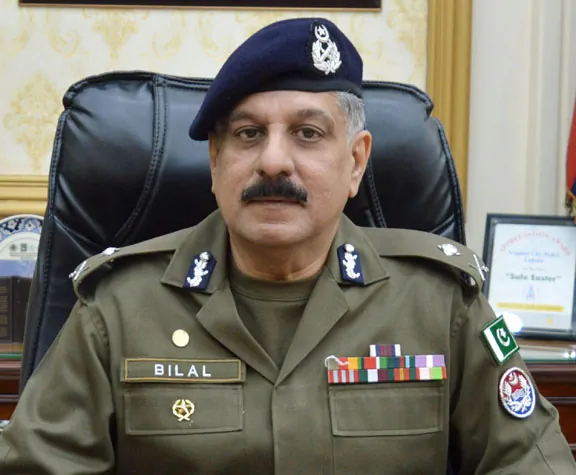
Peshawar Police Launches WhatsApp Line to Expedite Complaint Resolution

PESHAWAR — Capital City Police Officer (CCPO) Mian Saeed Ahmad announced the introduction of a dedicated WhatsApp complaint line aimed at expediting the resolution of public grievances. This initiative, unveiled on Sunday, seeks to streamline the process of lodging complaints by allowing citizens to bypass traditional station delays. What Happened In a video message broadcast across social media platforms, CCPO Mian Saeed Ahmad urged the public to utilize the newly established WhatsApp number, 0346-1117639, to report their grievances directly. The CCPO emphasized that this line would be operational around the clock, ensuring that complaints are addressed promptly and efficiently. He stated that his availability on this platform would facilitate a more direct and immediate response to public concerns. The decision to introduce a WhatsApp line comes as part of broader efforts by the Peshawar police to enhance accessibility and responsiveness. By leveraging digital communication tools, the police aim to reduce the bureaucratic hurdles often encountered at police stations, thereby increasing public trust and cooperation. The initiative is expected to particularly benefit those who face difficulties in reaching police stations due to geographical constraints or other barriers. The use of WhatsApp, a widely used messaging platform, ensures that the service is accessible to a broad segment of the population. Background The introduction of digital platforms for public service delivery is not new in Pakistan. Over the past few years, various government departments have adopted similar measures to improve efficiency and transparency. The police force, in particular, has been under pressure to reform and modernize its operations to better serve the public. Historically, citizens have faced numerous challenges when attempting to file complaints at police stations, ranging from long wait times to bureaucratic inefficiencies. These challenges have often led to public dissatisfaction and a lack of trust in law enforcement agencies. The Peshawar police’s move to introduce a WhatsApp line is a step towards addressing these longstanding issues. Why It Matters The launch of the WhatsApp complaint line is significant for several reasons. Firstly, it represents a shift towards more citizen-centric policing, where the needs and convenience of the public are prioritized. By reducing the need for physical visits to police stations, the initiative can potentially lead to faster resolution of complaints, thereby improving public satisfaction. Economically, the initiative could save citizens time and resources that would otherwise be spent traveling to and from police stations. This is particularly important in a city like Peshawar, where traffic congestion and transportation costs can be significant barriers to accessing public services. Socially, the move is likely to enhance trust between the police and the community. By providing a direct line of communication, the police can demonstrate their commitment to transparency and accountability. This could lead to increased cooperation from the public, which is essential for effective law enforcement. On a broader scale, the initiative aligns with Pakistan’s digital transformation goals, which aim to integrate technology into various aspects of governance and public service delivery. As other regions observe the outcomes of this initiative, it could serve as a model for similar reforms across the country. Key Takeaways Peshawar police introduced a dedicated WhatsApp line for public complaints to expedite resolution. The initiative aims to bypass traditional station delays and enhance police accessibility. CCPO Mian Saeed Ahmad emphasized 24/7 availability to address public grievances directly. This move is part of broader efforts to modernize and reform police operations in Pakistan. The initiative aligns with national digital transformation goals and could serve as a model for other regions. Source Attribution This article is based on official statements and public communications from the Capital City Police Officer of Peshawar. Author: NEN Editorial Desk | Editor: NEN Newsroom | Fact Checked By: NEN Editorial Team Author: NEN Editorial Desk  |  Editor: NEN Newsroom  |  Last Updated: September 13, 2026  |  Source: NEN Reporter This article was produced by the NEN Editorial Desk in accordance with NEN Agency’s Editorial Policy and Fact-Checking Policy.

Pakistan

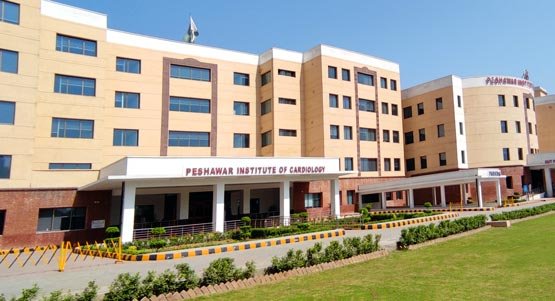
Over 2,200 Patients Await Open-Heart Surgery at Multan Cardiology Institute

MULTAN — Over 2,200 patients are currently on the waiting list for open-heart surgery at the Cardiology Institute in Multan, according to official sources. The institute is performing approximately 10 such surgeries daily, highlighting the significant backlog and demand for cardiac procedures. What Happened The Cardiology Institute in Multan is facing a substantial backlog, with over 2,200 patients awaiting open-heart surgery. According to official sources, the institute is conducting about 10 surgeries each day. The patients have been categorized based on the urgency of their medical conditions, with some requiring immediate attention due to the critical nature of their heart issues. The waiting list includes patients with varying degrees of urgency, from those needing immediate surgery to others who can afford to wait longer. This categorization is crucial for managing the limited resources and surgical capacity of the institute. Despite the daily surgeries, the number of patients awaiting treatment continues to grow, indicating a significant challenge for the healthcare facility. The institute’s staff is reportedly working tirelessly to address the backlog, but the demand far exceeds the current operational capacity. This situation underscores the pressing need for increased resources and potentially expanded facilities to accommodate the growing number of cardiac patients in the region. Background The Cardiology Institute in Multan is one of the key healthcare facilities in the region, providing specialized cardiac care to patients from Multan and surrounding areas. Open-heart surgery is a critical procedure for patients with severe heart conditions, often involving complex operations that require skilled surgeons and specialized equipment. Historically, the demand for cardiac surgeries in Pakistan has been on the rise due to an increase in heart-related ailments, attributed to factors such as unhealthy lifestyles, lack of awareness, and limited access to preventive healthcare. The institute has been striving to meet these demands, but resource constraints have led to significant waiting times for patients. Why It Matters The backlog of over 2,200 patients awaiting open-heart surgery at the Cardiology Institute in Multan has significant implications for public health in the region. Delays in receiving necessary cardiac care can lead to deteriorating health conditions and, in severe cases, increased mortality rates among patients. This situation highlights the urgent need for healthcare system reforms, including increased funding, better resource allocation, and expansion of facilities to meet the growing demand for cardiac care. The current backlog also stresses the importance of preventive healthcare measures to reduce the incidence of heart diseases, which could alleviate some of the pressure on surgical services. From an economic perspective, the inability to provide timely cardiac care can lead to increased healthcare costs in the long term, as untreated heart conditions often result in more severe health issues that require extensive treatment. Additionally, the backlog affects patients’ quality of life and productivity, impacting their families and the broader community. Internationally, this situation may reflect on Pakistan’s healthcare system’s capacity to handle complex medical needs, potentially influencing foreign aid and investment in the country’s health sector. Addressing these challenges is crucial for improving health outcomes and enhancing the overall healthcare infrastructure in Pakistan. Key Takeaways Over 2,200 patients are awaiting open-heart surgery at the Multan Cardiology Institute. The institute performs approximately 10 surgeries daily, indicating a significant backlog. Patients are categorized based on the urgency of their medical conditions. The backlog underscores the need for increased resources and expanded facilities. Delays in cardiac care can lead to deteriorating health and increased healthcare costs. Source Attribution This article is based on official government statements, press releases, and public communications from relevant authorities. Author: NEN Editorial Desk | Editor: NEN Newsroom | Fact Checked By: NEN Editorial Team Author: NEN Editorial Desk  |  Editor: NEN Newsroom  |  Last Updated: September 13, 2026  |  Source: NEN Reporter This article was produced by the NEN Editorial Desk in accordance with NEN Agency’s Editorial Policy and Fact-Checking Policy.
Pakistan

Tank Police Arrest Five Suspects in Crackdown on Illegal Activities

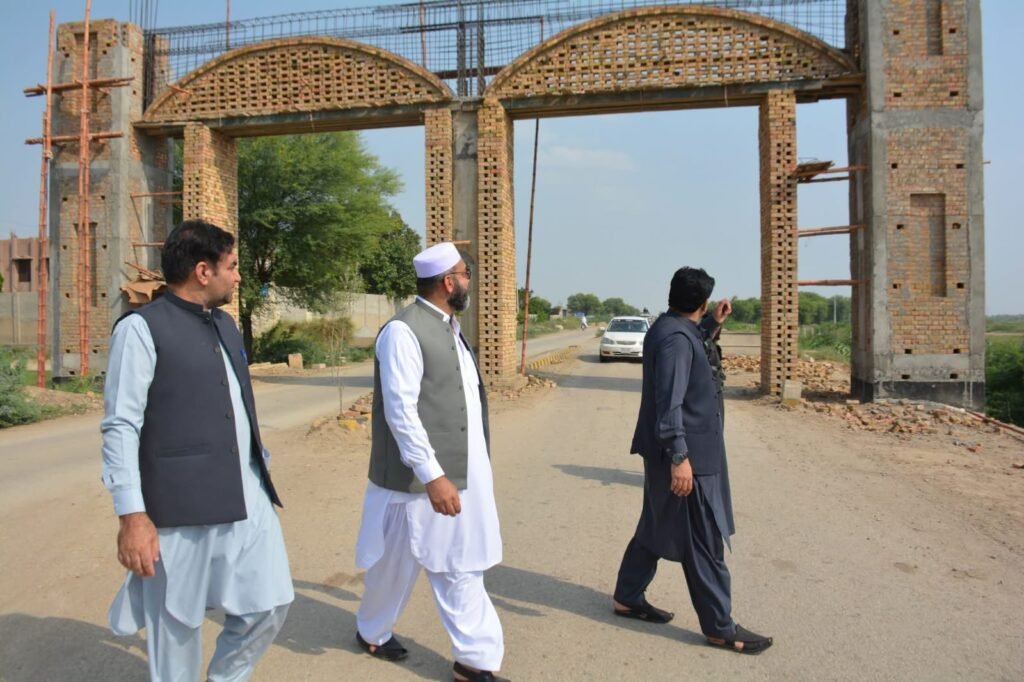
TANK — The Tank police have arrested five individuals, including two alleged moneylenders, as part of an intensified crackdown on criminal activities and law violations. The operation, conducted on the directives of District Police Officer Abdul Samad Khan, aligns with the broader vision of Regional Police Officer Dera Ismail Khan Ghulam Mubashir Maken to curb illegal activities in the region. What Happened On a recent operation led by the Tank police, authorities apprehended five suspects involved in various illegal activities, including two individuals accused of illegal money lending. This initiative is part of a larger effort to address the rising concerns over unlawful financial practices and other criminal activities that have been affecting the community. District Police Officer Abdul Samad Khan stated, “The arrests are part of our ongoing efforts to eliminate illegal money lending and other criminal activities in the region. We are committed to ensuring the safety and security of our citizens.” The police operation was carried out following intelligence reports and community complaints about the growing menace of illegal moneylending, which has been exploiting vulnerable individuals in the area. The suspects were detained after a series of coordinated raids across different locations in Tank. The police have also seized documents and other evidence that suggest the involvement of the arrested individuals in illegal financial transactions. These arrests are expected to lead to further investigations and potentially more arrests as the police continue to dismantle networks of illegal moneylenders and other criminal elements. Background Illegal money lending has been a persistent issue in various parts of Pakistan, including Tank. Such activities often exploit individuals in financial distress, leading to exorbitant interest rates and sometimes violent debt collection practices. The police, under the guidance of regional authorities, have been working to address these issues through targeted operations and community engagement. The crackdown in Tank is part of a broader strategy employed by law enforcement agencies across Khyber Pakhtunkhwa to tackle illegal activities. Previous efforts have included public awareness campaigns and the establishment of special task forces dedicated to identifying and prosecuting those involved in illegal money lending and other criminal enterprises. Why It Matters The arrests in Tank are significant for several reasons. Economically, illegal money lending can have devastating effects on individuals and families, trapping them in cycles of debt and poverty. By addressing these practices, the police are working to protect vulnerable citizens from financial exploitation. Socially, the crackdown on illegal activities helps to restore public confidence in law enforcement and the justice system. It sends a clear message that criminal activities will not be tolerated and that the authorities are committed to maintaining law and order. Politically, these actions demonstrate the government’s commitment to upholding the rule of law and ensuring that all citizens have access to fair and legal financial services. This is particularly important in regions like Tank, where illegal activities can undermine local governance and community stability. Internationally, Pakistan’s efforts to combat illegal money lending and other criminal activities contribute to its image as a country committed to legal and economic reforms. These actions align with global standards for financial transparency and the protection of human rights. Key Takeaways Tank police arrested five individuals, including two alleged illegal moneylenders, in a crackdown on criminal activities. The operation was directed by District Police Officer Abdul Samad Khan, under the vision of Regional Police Officer Ghulam Mubashir Maken. Illegal money lending is a significant issue in Pakistan, often exploiting financially vulnerable individuals. The crackdown aims to protect citizens from financial exploitation and restore public confidence in law enforcement. These efforts are part of broader regional and national strategies to uphold the rule of law and economic stability. Source Attribution This article is based on official government statements, press releases, and public communications from relevant authorities. Author: NEN Editorial Desk | Editor: NEN Newsroom | Fact Checked By: NEN Editorial Team Author: NEN Editorial Desk  |  Editor: NEN Newsroom  |  Last Updated: September 13, 2026  |  Source: NEN Reporter This article was produced by the NEN Editorial Desk in accordance with NEN Agency’s Editorial Policy and Fact-Checking Policy.
Pakistan

Tank District Enhances Education, Infrastructure, and Public Services

ISLAMABAD — The administration of Tank district has launched a comprehensive initiative to address key public issues, with a focus on education, infrastructure, and cleanliness. Deputy Commissioner Jamshed Khan is leading efforts to resolve education-related complaints, restore mobile network services, and improve civic infrastructure. What Happened Deputy Commissioner Jamshed Khan has ramped up administrative activities in Tank district, targeting several critical areas that impact daily life. The district administration is actively working on resolving complaints related to the education sector, which have been a persistent concern for residents. Efforts are underway to ensure that educational institutions are functioning optimally and that any grievances from students, parents, or staff are promptly addressed. In addition to education, the district administration is focused on restoring mobile network services, which have been disrupted in some areas. This restoration is crucial for ensuring that residents have access to communication services, which are vital for both personal and professional purposes. The improvement of civic infrastructure is also a priority. The administration is working on upgrading roads and public facilities to enhance the quality of life for residents. This includes the removal of encroachments that have hindered access to public spaces and the cleanliness of these areas. By addressing these issues, the administration aims to create a more organized and hygienic environment for the community. Deputy Commissioner Khan stated, “Our goal is to ensure that the people of Tank district have access to the services they need and that their concerns are heard and addressed promptly.” Background Tank district, located in the Khyber Pakhtunkhwa province, has faced numerous challenges over the years, particularly in terms of infrastructure and public service delivery. The region’s education sector has struggled with inadequate facilities and resources, leading to frequent complaints from the community. Additionally, the disruption of mobile network services has been a recurring issue, affecting communication and access to information. Encroachments and poor cleanliness have further compounded the district’s problems, making it difficult for residents to navigate public spaces and maintain a healthy living environment. These issues have prompted the district administration to take decisive action to improve conditions and meet the needs of the population. Why It Matters The initiatives undertaken by the Tank district administration are significant for several reasons. First, addressing education-related complaints is crucial for the future of the region. By ensuring that educational institutions are well-equipped and responsive to the needs of students and teachers, the administration is laying the groundwork for a more educated and skilled population. This, in turn, can lead to greater economic opportunities and development for the district. Restoring mobile network services is another critical aspect of the administration’s efforts. In today’s digital age, reliable communication services are essential for personal, educational, and business activities. By prioritizing the restoration of these services, the administration is helping residents stay connected and informed, which is vital for their overall well-being and economic productivity. Improving civic infrastructure and cleanliness has a direct impact on the quality of life for Tank district residents. Well-maintained roads and public spaces facilitate easier movement and access to essential services. Removing encroachments and ensuring cleanliness also contribute to a healthier environment, reducing the risk of disease and promoting public health. Overall, these efforts reflect a commitment to addressing the immediate needs of the community while also planning for long-term development and sustainability. The actions taken by the district administration are likely to have a positive ripple effect, improving the socio-economic conditions of the region and enhancing the overall quality of life for its residents. Key Takeaways Tank district administration is actively addressing education-related complaints and infrastructure issues. Restoration of mobile network services is a priority to improve communication access. Efforts are being made to enhance civic infrastructure and remove encroachments. Cleanliness initiatives aim to create a healthier environment for residents. These actions are expected to improve the socio-economic conditions in the district. Source Attribution This article is based on official government statements and public communications from relevant authorities. Author: NEN Editorial Desk | Editor: NEN Newsroom | Fact Checked By: NEN Editorial Team Author: NEN Editorial Desk  |  Editor: NEN Newsroom  |  Last Updated: September 13, 2026  |  Source: NEN Reporter This article was produced by the NEN Editorial Desk in accordance with NEN Agency’s Editorial Policy and Fact-Checking Policy.
Pakistan

Traditional Mud Houses Disappear from South Punjab’s Landscape

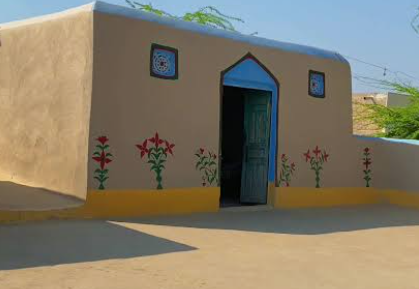
LAHORE — The traditional mud houses that once dotted the villages of South Punjab are rapidly disappearing, marking the end of an era for the region’s architectural heritage. These structures, constructed from clay and timber, have been integral to the rural lifestyle for generations, reflecting a deep connection with the land and its resources. What Happened The gradual shift away from mud houses in South Punjab is attributed to several factors, including modernization, changing lifestyle preferences, and the availability of new construction materials. In recent years, residents have increasingly opted for brick and concrete structures, which are perceived as more durable and requiring less maintenance. This transition is particularly evident in districts such as Multan, Bahawalpur, and Dera Ghazi Khan, where modern housing developments are replacing traditional settlements. Local craftsmen who once specialized in building mud houses are witnessing a decline in demand for their skills. “The art of constructing mud houses is fading,” said Muhammad Aslam, a craftsman from Multan. “People now prefer concrete houses because they are stronger and can withstand harsh weather conditions better than mud houses.” Despite the practical advantages of modern materials, the cultural and historical significance of mud houses is not lost on the community. These homes were not just shelters; they were a testament to the region’s rich cultural heritage and a way of life that was closely tied to the natural environment. The construction of mud houses was a community effort, often involving family and neighbors, which fostered a sense of unity and shared tradition. Background Mud houses have been a staple of rural architecture in South Punjab for centuries. The use of locally sourced materials such as clay and timber made them an economical choice for villagers. Their design was well-suited to the local climate, providing natural insulation against the heat in summer and the cold in winter. The construction technique, passed down through generations, was a skillful blend of art and practicality. Historically, these houses were more than just living spaces; they were integral to the social fabric of rural communities. The communal nature of their construction and maintenance fostered strong social bonds and a sense of belonging among villagers. Why It Matters The disappearance of mud houses in South Punjab has broader implications beyond the loss of architectural heritage. It signifies a shift in cultural identity and lifestyle for the region’s rural communities. As modern housing becomes more prevalent, traditional skills and crafts associated with mud house construction are at risk of being lost forever. Economically, the transition to modern housing materials has implications for local economies. The demand for new materials and construction methods can stimulate economic activity and create jobs in the construction sector. However, it also means that traditional craftsmen may need to adapt or face unemployment as their skills become obsolete. Socially, the move away from mud houses could alter community dynamics. The communal effort involved in building and maintaining mud houses fostered a sense of cooperation and interdependence among villagers. Modern housing, while offering practical benefits, may not encourage the same level of community engagement. On a broader scale, the loss of traditional mud houses reflects the global trend of modernization and urbanization, which often comes at the expense of cultural heritage and traditional ways of life. For South Punjab, preserving the knowledge and techniques associated with mud house construction could serve as a valuable cultural resource for future generations. Key Takeaways The traditional mud houses of South Punjab are rapidly being replaced by modern brick and concrete structures. This shift is driven by the perceived durability and lower maintenance of modern materials. The decline of mud houses marks a loss of cultural heritage and traditional craftsmanship. The transition has economic implications, affecting local craftsmen and potentially altering community dynamics. Preserving the knowledge of mud house construction could benefit future generations as a cultural resource. Source Attribution This article is based on official government statements, press releases, and public communications from relevant authorities. Author: NEN Editorial Desk | Editor: NEN Newsroom | Fact Checked By: NEN Editorial Team Author: NEN Editorial Desk  |  Editor: NEN Newsroom  |  Last Updated: September 13, 2026  |  Source: NEN Reporter This article was produced by the NEN Editorial Desk in accordance with NEN Agency’s Editorial Policy and Fact-Checking Policy.
Pakistan

Captain Sohail Chaudhry Appointed IGP Islamabad, Rizvi to Lead NCCIA

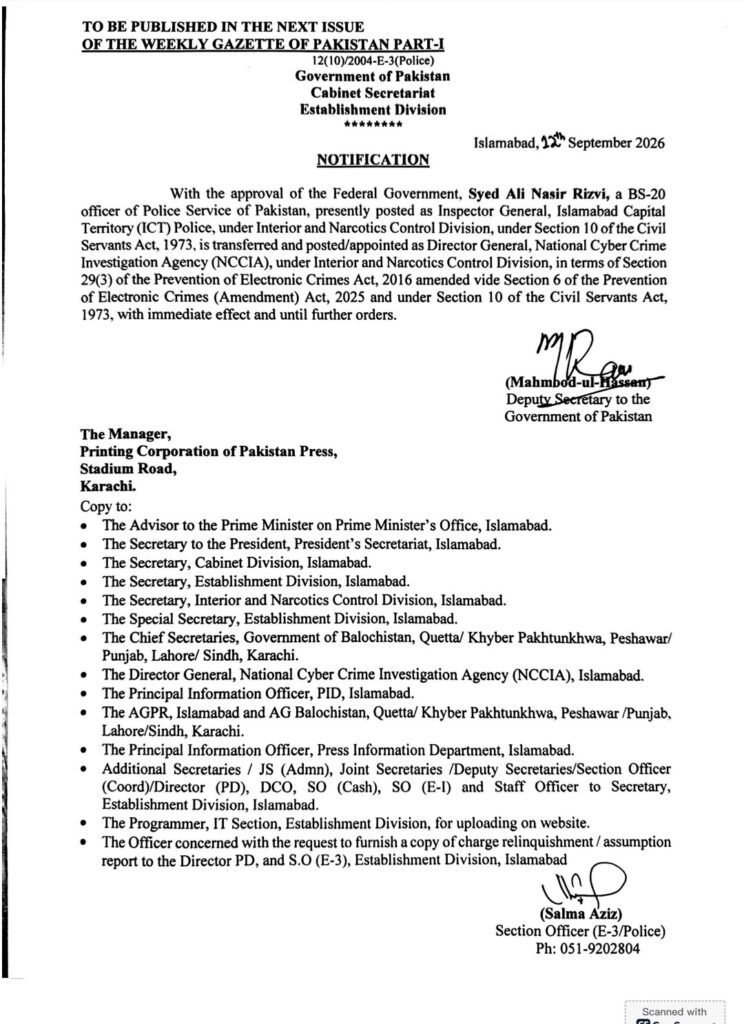
ISLAMABAD — The federal government has appointed Captain (Retired) Muhammad Sohail Chaudhry as the new Inspector General of Police (IGP) for Islamabad Capital Territory (ICT), effective immediately. This decision, announced on September 12, 2023, follows the transfer of Syed Ali Nasir Rizvi, who has been reassigned as the Director General of the National Counter-Corruption and Intelligence Agency (NCCIA). What Happened Captain (Retd) Muhammad Sohail Chaudhry, a BS-20 officer from the Police Service of Pakistan (PSP), has been appointed as the Inspector General of Police for Islamabad. Previously serving in the Government of Punjab, Chaudhry’s appointment comes as part of a broader reshuffle within the federal police structure. The transfer was confirmed through official notifications issued by the Ministry of Interior. Syed Ali Nasir Rizvi, who previously held the position of IGP Islamabad, has been appointed as the Director General of the NCCIA, a role that underscores his expertise in handling complex intelligence and anti-corruption operations. Rizvi’s tenure as IGP was marked by several initiatives aimed at improving public safety and police accountability in the capital. Speaking on his new appointment, Captain Chaudhry expressed his commitment to enhancing the security framework of Islamabad, stating, “My focus will be on maintaining law and order, ensuring the safety of citizens, and implementing modern policing techniques.” His experience in various law enforcement capacities is expected to bring a fresh perspective to the ICT Police. Background The appointment of a new IGP comes at a time when Islamabad is facing increased security challenges. The capital city, being the political and administrative hub of Pakistan, requires a robust policing strategy to manage both routine law enforcement and high-profile security concerns. The position of IGP Islamabad has traditionally been pivotal in coordinating security operations, especially during political events and international visits. Captain Chaudhry’s career in the Police Service of Pakistan has been distinguished by his strategic roles in various provinces, notably in Punjab, where he was involved in key operations against organized crime and terrorism. His predecessor, Syed Ali Nasir Rizvi, has been recognized for his efforts in modernizing the police force and fostering community policing initiatives during his tenure as IGP. Why It Matters The appointment of Captain Chaudhry as IGP Islamabad is significant for several reasons. Firstly, it reflects the government’s ongoing efforts to strengthen the leadership within the police force, ensuring that experienced officers are placed in critical roles. This move is expected to enhance the operational efficiency of the ICT Police, which is crucial given the city’s unique security needs. Secondly, the reassignment of Syed Ali Nasir Rizvi to the NCCIA highlights the importance the government places on combating corruption and improving intelligence operations. The NCCIA plays a vital role in identifying and addressing corruption within public institutions, and Rizvi’s leadership is anticipated to bolster these efforts. For the citizens of Islamabad, these appointments are likely to impact public safety positively. With Captain Chaudhry’s focus on modern policing and Rizvi’s expertise in intelligence, the capital is poised for improvements in both security and governance. These changes also align with Pakistan’s broader objectives of enhancing law enforcement capabilities and reducing corruption at the national level. Key Takeaways Captain (Retd) Muhammad Sohail Chaudhry appointed as IGP Islamabad, replacing Syed Ali Nasir Rizvi. Syed Ali Nasir Rizvi reassigned as Director General of the National Counter-Corruption and Intelligence Agency. Chaudhry’s appointment is part of a strategic reshuffle to enhance Islamabad’s security framework. Rizvi’s new role underscores the government’s focus on combating corruption and improving intelligence operations. The changes are expected to positively impact public safety and governance in Islamabad. Source Attribution This article is based on official government statements and public communications from relevant authorities. Author: NEN Editorial Desk | Editor: NEN Newsroom | Fact Checked By: NEN Editorial Team Author: NEN Editorial Desk  |  Editor: NEN Newsroom  |  Last Updated: September 13, 2026  |  Source: NEN Reporter This article was produced by the NEN Editorial Desk in accordance with NEN Agency’s Editorial Policy and Fact-Checking Policy.

Pakistan

ICCI President Advocates for Economic Partnership with Africa

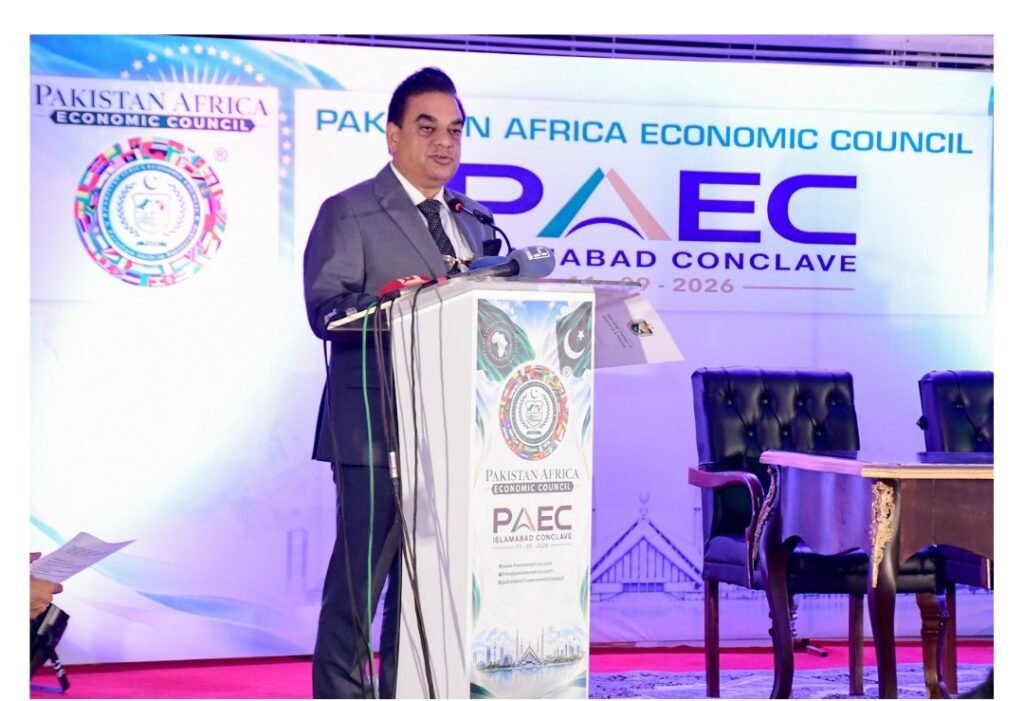
ISLAMABAD — The President of the Islamabad Chamber of Commerce and Industry (ICCI), Sardar Tahir Mehmood, has emphasized the need for a strategic transformation in Pakistan-Africa relations. Speaking at the Pakistan-Africa Economic Council (PAEC) Conclave, held in Islamabad on September 12, Mehmood called for a shift from traditional diplomatic engagements to a robust economic partnership that prioritizes trade, investment, and technology transfer. What Happened During his address at the PAEC Conclave, Sardar Tahir Mehmood highlighted the untapped potential in Pakistan-Africa relations, urging stakeholders to move beyond conventional diplomacy. He advocated for a comprehensive economic partnership that could lead to significant economic growth for both regions. Mehmood stated, “It is imperative that we explore new avenues of cooperation, focusing on trade, investment, joint ventures, technology transfer, and job creation.” The event, which gathered business leaders, policymakers, and diplomats, served as a platform to discuss the future of Pakistan-Africa economic ties. Mehmood underscored the importance of creating joint ventures and facilitating technology transfer to foster economic development. He pointed out that Africa’s emerging markets present lucrative opportunities for Pakistani businesses, especially in sectors such as agriculture, textiles, pharmaceuticals, and information technology. Mehmood also emphasized the role of the private sector in driving this transformation, suggesting that businesses should take the lead in forging new partnerships. He noted that the ICCI is committed to supporting initiatives that promote economic collaboration between Pakistan and African nations. Background Historically, Pakistan’s engagement with African countries has been limited to diplomatic and cultural exchanges, with economic ties remaining relatively underdeveloped. The continent of Africa, with its vast resources and growing economies, offers significant opportunities for trade and investment. However, Pakistan’s trade volume with African countries has been modest compared to its dealings with other regions. In recent years, there has been a growing recognition of the need to enhance economic cooperation with Africa. Various initiatives have been launched to boost trade and investment, including the establishment of the Pakistan-Africa Trade Development Conference and the Pakistan-Africa Business Forum. These efforts aim to create a more conducive environment for economic partnerships and to tap into the potential of the African market. Why It Matters The call for a dynamic economic partnership with Africa is of considerable significance for Pakistan’s economic strategy. Africa represents a vast, largely untapped market with a population exceeding 1.2 billion and a collective GDP of over $2.6 trillion. By strengthening economic ties with African nations, Pakistan could diversify its export markets, reduce its trade deficit, and stimulate economic growth. Moreover, fostering economic relations with Africa aligns with Pakistan’s broader foreign policy objectives of expanding its global trade footprint and enhancing its economic resilience. The potential for joint ventures and technology transfer could lead to job creation and skill development in both regions, contributing to sustainable economic development. For African countries, increased engagement with Pakistan could provide access to affordable goods and services, as well as opportunities for investment in key sectors. This mutual economic benefit underscores the importance of Mehmood’s call for a strategic shift in Pakistan-Africa relations. Key Takeaways Sardar Tahir Mehmood, ICCI President, advocates for a shift towards an economic partnership with Africa. Focus areas include trade, investment, joint ventures, and technology transfer. Pakistan-Africa relations have historically been limited to diplomatic engagements. Strengthening economic ties could diversify Pakistan’s export markets and stimulate growth. Africa offers a vast market with a population of over 1.2 billion and a GDP exceeding $2.6 trillion. Source Attribution This article is based on official statements and public communications from the Islamabad Chamber of Commerce and Industry. Author: NEN Editorial Desk | Editor: NEN Newsroom | Fact Checked By: NEN Editorial Team Author: NEN Editorial Desk  |  Editor: NEN Newsroom  |  Last Updated: September 13, 2026  |  Source: Press Release from Government of Pakistan This article was produced by the NEN Editorial Desk in accordance with NEN Agency’s Editorial Policy and Fact-Checking Policy.

Scroll to Top