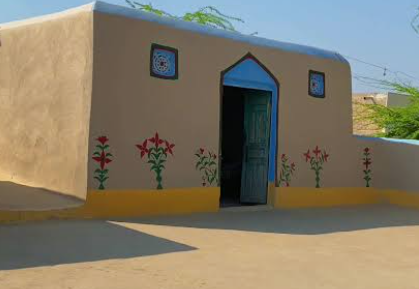
LAHORE — The traditional mud houses that once dotted the villages of South Punjab are rapidly disappearing, marking the end of an era for the region’s architectural heritage. These structures, constructed from clay and timber, have been integral to the rural lifestyle for generations, reflecting a deep connection with the land and its resources.
What Happened
The gradual shift away from mud houses in South Punjab is attributed to several factors, including modernization, changing lifestyle preferences, and the availability of new construction materials. In recent years, residents have increasingly opted for brick and concrete structures, which are perceived as more durable and requiring less maintenance. This transition is particularly evident in districts such as Multan, Bahawalpur, and Dera Ghazi Khan, where modern housing developments are replacing traditional settlements.
Local craftsmen who once specialized in building mud houses are witnessing a decline in demand for their skills. “The art of constructing mud houses is fading,” said Muhammad Aslam, a craftsman from Multan. “People now prefer concrete houses because they are stronger and can withstand harsh weather conditions better than mud houses.”
Despite the practical advantages of modern materials, the cultural and historical significance of mud houses is not lost on the community. These homes were not just shelters; they were a testament to the region’s rich cultural heritage and a way of life that was closely tied to the natural environment. The construction of mud houses was a community effort, often involving family and neighbors, which fostered a sense of unity and shared tradition.
Background
Mud houses have been a staple of rural architecture in South Punjab for centuries. The use of locally sourced materials such as clay and timber made them an economical choice for villagers. Their design was well-suited to the local climate, providing natural insulation against the heat in summer and the cold in winter. The construction technique, passed down through generations, was a skillful blend of art and practicality.
Historically, these houses were more than just living spaces; they were integral to the social fabric of rural communities. The communal nature of their construction and maintenance fostered strong social bonds and a sense of belonging among villagers.
Why It Matters
The disappearance of mud houses in South Punjab has broader implications beyond the loss of architectural heritage. It signifies a shift in cultural identity and lifestyle for the region’s rural communities. As modern housing becomes more prevalent, traditional skills and crafts associated with mud house construction are at risk of being lost forever.
Economically, the transition to modern housing materials has implications for local economies. The demand for new materials and construction methods can stimulate economic activity and create jobs in the construction sector. However, it also means that traditional craftsmen may need to adapt or face unemployment as their skills become obsolete.
Socially, the move away from mud houses could alter community dynamics. The communal effort involved in building and maintaining mud houses fostered a sense of cooperation and interdependence among villagers. Modern housing, while offering practical benefits, may not encourage the same level of community engagement.
On a broader scale, the loss of traditional mud houses reflects the global trend of modernization and urbanization, which often comes at the expense of cultural heritage and traditional ways of life. For South Punjab, preserving the knowledge and techniques associated with mud house construction could serve as a valuable cultural resource for future generations.
Key Takeaways
- The traditional mud houses of South Punjab are rapidly being replaced by modern brick and concrete structures.
- This shift is driven by the perceived durability and lower maintenance of modern materials.
- The decline of mud houses marks a loss of cultural heritage and traditional craftsmanship.
- The transition has economic implications, affecting local craftsmen and potentially altering community dynamics.
- Preserving the knowledge of mud house construction could benefit future generations as a cultural resource.
Source Attribution
This article is based on official government statements, press releases, and public communications from relevant authorities.