

Pakistan

News related to Pakistan in Pakistan and around the world.

Pakistan

Lahore Chamber Intervenes to Reopen Factory in Saggian Industrial Area

LAHORE — The Lahore Chamber of Commerce and Industry (LCCI) successfully facilitated the reopening of a factory in the Saggian Industrial Area on Tuesday. LCCI President Faheem Ur Rehman Saigol visited the site to engage with industrialists and address various challenges impacting business operations in the region. What Happened The factory in question had been sealed due to regulatory compliance issues, which had halted its operations and affected the livelihoods of numerous workers. During his visit, LCCI President Faheem Ur Rehman Saigol met with local industrialists to discuss the obstacles they face, including the sudden closure of businesses due to regulatory actions. Saigol emphasized the importance of maintaining a balance between regulatory compliance and the uninterrupted functioning of industries. “We are committed to ensuring that industrial operations continue smoothly while adhering to necessary regulations,” Saigol stated during his visit. The LCCI played a pivotal role in negotiating with the relevant authorities to resolve the issues that led to the factory’s closure. This intervention not only led to the reopening of the factory but also set a precedent for addressing similar issues in the future. The reopening was welcomed by the factory’s management and employees, who expressed relief at being able to resume work. The factory’s closure had disrupted production schedules and threatened the financial stability of its workforce. By facilitating dialogue between the factory management and regulatory bodies, the LCCI helped to expedite the resolution process. Background The Saggian Industrial Area is a significant hub for manufacturing and industrial activities in Lahore. It hosts a variety of businesses ranging from small-scale enterprises to large manufacturing units. The area has faced challenges related to infrastructure, regulatory compliance, and environmental concerns, which have occasionally led to the sealing of factories by regulatory authorities. The LCCI, as a representative body of the business community, has historically played a crucial role in mediating between industrialists and government authorities. Its efforts aim to ensure a conducive environment for business operations while advocating for policy reforms that support industrial growth. Why It Matters The reopening of the factory in the Saggian Industrial Area is significant for several reasons. Economically, it ensures the continuation of production activities, which contributes to the local economy and supports the livelihoods of workers. The intervention by the LCCI highlights the importance of dialogue and negotiation in resolving industrial disputes, which can otherwise lead to prolonged disruptions. Socially, the reopening alleviates the financial strain on workers and their families, who rely on the factory for their income. It underscores the role of industry bodies like the LCCI in safeguarding the interests of both businesses and employees. Politically, it reflects the need for regulatory frameworks that are both effective and flexible, allowing industries to operate without unnecessary hindrances while ensuring compliance with laws. On a broader scale, the incident draws attention to the challenges faced by industrial areas in Pakistan, such as infrastructure inadequacies and regulatory bottlenecks. Addressing these issues is essential for fostering a business-friendly environment that can attract investment and spur economic growth. Key Takeaways The LCCI successfully facilitated the reopening of a sealed factory in the Saggian Industrial Area. President Faheem Ur Rehman Saigol engaged with industrialists to address operational challenges. The factory’s reopening ensures the continuation of production and supports worker livelihoods. The incident highlights the importance of dialogue between industry bodies and regulatory authorities. Addressing regulatory and infrastructure challenges is crucial for industrial growth in Pakistan. Source Attribution This article is based on official government statements, press releases, and public communications from relevant authorities. Author: NEN Editorial Desk | Editor: NEN Newsroom | Fact Checked By: NEN Editorial Team Author: NEN Editorial Desk  |  Editor: NEN Newsroom  |  Last Updated: August 18, 2026  |  Source: NEN Reporter This article was produced by the NEN Editorial Desk in accordance with NEN Agency’s Editorial Policy and Fact-Checking Policy.


Pakistan

PM Shehbaz Welcomes Google’s New Office in Pakistan

ISLAMABAD — Prime Minister Shehbaz Sharif inaugurated Google’s new office in Pakistan on Tuesday, marking a pivotal step in the country’s digital transformation. The Prime Minister emphasized the importance of this development during a ceremony at the Prime Minister’s Office, highlighting its potential to enhance the digital landscape of Pakistan. What Happened Prime Minister Shehbaz Sharif officially opened Google’s office in Pakistan on August 18, 2023, marking a significant occasion for the country’s tech industry. The inauguration ceremony, held at the Prime Minister’s Office, was attended by a delegation from Google, making their first official visit to Pakistan. During his address, the Prime Minister acknowledged the establishment of Google’s office as a key milestone in Pakistan’s ongoing digital transformation efforts. Prime Minister Shehbaz Sharif expressed optimism about the collaboration with Google, stating, “This is a momentous occasion for Pakistan’s digital journey. The establishment of Google’s office here is a testament to our commitment to fostering a robust digital ecosystem.” He further noted that this development would not only create job opportunities but also enhance the skills of the local workforce, thereby contributing to the country’s economic growth. The Prime Minister also highlighted the potential benefits of Google’s presence in Pakistan, including increased access to digital tools and resources for businesses and individuals. He emphasized the importance of leveraging technology to drive innovation and economic development, particularly in the context of the global digital economy. Background Pakistan has been making concerted efforts to bolster its digital infrastructure and attract international tech companies to invest in the country. The government’s Digital Pakistan initiative aims to enhance connectivity, promote digital literacy, and encourage the growth of the tech industry. The establishment of Google’s office aligns with these objectives and represents a significant step forward in achieving them. In recent years, Pakistan has witnessed a surge in internet penetration and smartphone usage, creating a fertile ground for digital innovation. The government has been actively working to improve internet access and digital services across the country, recognizing the potential of technology to drive economic growth and improve the quality of life for its citizens. Why It Matters The opening of Google’s office in Pakistan holds considerable significance for the country’s economic and technological landscape. By establishing a physical presence, Google is signaling its confidence in Pakistan’s potential as a growing market for digital services. This move is likely to attract further investment from other international tech companies, thereby boosting the country’s digital economy. From an economic perspective, the presence of a global tech giant like Google can lead to job creation and skill development opportunities for the local workforce. As Google expands its operations in Pakistan, it is expected to collaborate with local businesses and educational institutions to develop talent and foster innovation. Socially, the increased access to digital tools and resources can empower individuals and communities, enabling them to participate more actively in the digital economy. This can lead to greater inclusivity and access to information, ultimately contributing to improved socio-economic outcomes for the population. Internationally, the establishment of Google’s office enhances Pakistan’s reputation as a viable destination for tech investment. It underscores the country’s commitment to creating a conducive environment for digital businesses and highlights its potential as a regional hub for technology and innovation. Key Takeaways Prime Minister Shehbaz Sharif inaugurated Google’s new office in Pakistan, marking a significant step in the country’s digital transformation. The establishment of the office is expected to create job opportunities and enhance digital skills in Pakistan. Google’s presence in Pakistan aligns with the government’s Digital Pakistan initiative, aimed at boosting connectivity and digital literacy. The move is likely to attract further investment from international tech companies, bolstering Pakistan’s digital economy. The increased access to digital tools and resources can empower individuals and contribute to socio-economic development. Source Attribution This article is based on official government statements, press releases, and public communications from relevant authorities. Author: NEN Editorial Desk | Editor: NEN Newsroom | Fact Checked By: NEN Editorial Team Author: NEN Editorial Desk  |  Editor: NEN Newsroom  |  Last Updated: August 18, 2026  |  Source: NEN Reporter This article was produced by the NEN Editorial Desk in accordance with NEN Agency’s Editorial Policy and Fact-Checking Policy.
Pakistan

WPC Urges Stronger Laws, Safer Environments for Women and Girls

ISLAMABAD — The Women’s Parliamentary Caucus (WPC) has called for the implementation of stronger laws and more effective prosecution measures to combat honour killings and gender-based violence in Pakistan. During its 13th General Assembly meeting held at Parliament House in Islamabad, the WPC also urged the government to establish safe and affordable hostels for girls and working women. What Happened The meeting, which took place on August 18, brought together members of the WPC to address critical issues affecting women and girls across the country. The caucus emphasized the urgent need for legislative reforms to tackle the persistent problem of honour killings, which continue to claim numerous lives each year despite existing laws. The WPC highlighted the importance of not only enacting stringent laws but also ensuring their effective implementation through robust prosecution mechanisms. In addition to legal reforms, the WPC advocated for the creation of safe spaces for women, particularly in the form of hostels that are both secure and affordable. These facilities are deemed essential for the empowerment of women, enabling them to pursue education and employment opportunities without fear of violence or harassment. The caucus expressed concern over the lack of such facilities, which hampers the ability of women to contribute fully to society. During the meeting, WPC members discussed various strategies to promote gender equality and protect the rights of women and girls. They underscored the need for a collaborative approach involving government agencies, civil society, and the private sector to create a safer and more equitable environment for women. Background Honour killings and gender-based violence have been longstanding issues in Pakistan, with numerous cases reported annually. Despite the enactment of laws such as the Anti-Honour Killing Laws (Criminal Amendment Bill) 2016, which mandates harsher penalties for perpetrators, the implementation of these laws remains inconsistent. Cultural norms and societal pressures often hinder the effective prosecution of offenders, allowing many to escape justice. The WPC, established to promote women’s rights and gender equality within the legislative framework, has been actively advocating for policy changes and legal reforms. The caucus aims to address systemic barriers that prevent women from achieving equal status in society. Why It Matters The call for stronger laws and safer environments for women and girls is crucial in a country where gender-based violence remains a pervasive issue. Honour killings, in particular, reflect deep-rooted cultural practices that undermine women’s rights and perpetuate inequality. Strengthening legal frameworks and ensuring their effective implementation can significantly reduce such crimes and provide justice to victims. Furthermore, the establishment of safe and affordable hostels for women is vital for their empowerment. Access to secure housing allows women to pursue education and career opportunities, contributing to their economic independence and overall societal progress. By addressing these issues, Pakistan can make significant strides towards achieving gender equality and improving the quality of life for women and girls. On a broader scale, these measures have the potential to enhance Pakistan’s international standing as a nation committed to upholding human rights and gender equality. This can attract international support and partnerships, furthering the country’s development goals. Key Takeaways The WPC has called for stronger laws and effective prosecution to combat honour killings and gender-based violence. The caucus emphasized the need for safe and affordable hostels for girls and working women. Existing laws against honour killings require more consistent implementation to be effective. Creating secure environments for women is essential for their empowerment and societal contribution. Addressing these issues can improve Pakistan’s international reputation and development prospects. Source Attribution This article is based on official government statements, press releases, and public communications from relevant authorities. Author: NEN Editorial Desk | Editor: NEN Newsroom | Fact Checked By: NEN Editorial Team Author: NEN Editorial Desk  |  Editor: NEN Newsroom  |  Last Updated: August 18, 2026  |  Source: NEN Reporter This article was produced by the NEN Editorial Desk in accordance with NEN Agency’s Editorial Policy and Fact-Checking Policy.

Pakistan

SECP Approves Public Offering for Naya Nazimabad Apartment REIT

ISLAMABAD — The Securities and Exchange Commission of Pakistan (SECP) has given the green light for the public offering of the Naya Nazimabad Apartments Real Estate Investment Trust (REIT), marking a significant development in Pakistan’s capital market. The approval paves the way for the listing of this REIT on the Pakistan Stock Exchange (PSX), a move expected to invigorate investor interest in the real estate sector. What Happened The SECP’s approval of the Offer for Sale prospectus for the Naya Nazimabad Apartments REIT (NNAR) represents a crucial step in expanding investment opportunities within the real estate sector. This REIT is set to be listed on the PSX, providing investors with a new avenue to participate in the real estate market without direct property ownership. The Naya Nazimabad project, located in Karachi, is a prominent residential development that has garnered attention for its comprehensive urban planning and modern amenities. According to the SECP, the approval process involved a thorough review of the prospectus to ensure compliance with regulatory standards and to protect investor interests. The NNAR aims to attract a diverse range of investors, including institutional and retail participants, by offering a structured investment vehicle that promises potential returns through real estate income and capital appreciation. In a statement, the SECP highlighted the importance of this approval in fostering a more dynamic capital market. “The introduction of REITs in the Pakistani market is a testament to our commitment to broadening investment horizons and providing more diversified investment options to the public,” an SECP official stated. Background Real Estate Investment Trusts (REITs) were introduced in Pakistan as a means to stimulate the real estate sector and provide investors with a regulated and transparent investment option. The SECP has been instrumental in developing the regulatory framework for REITs, which allows investors to pool their resources into a trust that owns, operates, or finances income-generating real estate. The Naya Nazimabad project, part of the Javedan Corporation, has been a significant development in Karachi, offering residential units, commercial spaces, and recreational facilities. The project is designed to cater to the growing housing demand in Karachi, one of Pakistan’s largest cities. Why It Matters The approval of the NNAR public offering is a pivotal moment for Pakistan’s real estate and capital markets. By facilitating the listing of REITs on the PSX, the SECP is enhancing market liquidity and providing investors with an opportunity to diversify their portfolios. This move is expected to attract both local and foreign investment, thereby boosting economic growth. For investors, REITs offer a more accessible and less capital-intensive way to invest in real estate. They provide regular income streams through dividends and the potential for capital gains, making them an attractive option for those looking to hedge against inflation and diversify their investment portfolios. Economically, the successful listing of REITs can lead to increased construction activity, job creation, and urban development. It aligns with the government’s broader objectives of economic revitalization and infrastructure development, contributing to the overall growth trajectory of the country. Internationally, the development of a robust REIT market in Pakistan can enhance the country’s appeal as an investment destination, showcasing its commitment to modern financial instruments and regulatory practices. Key Takeaways The SECP has approved the public offering of the Naya Nazimabad Apartments REIT for listing on the PSX. This approval is expected to boost investor interest in the real estate sector. REITs provide a regulated and transparent investment option for investors. The listing is anticipated to attract both local and international investment. The development aligns with Pakistan’s economic growth and urban development goals. Source Attribution This article is based on official government statements, press releases, and public communications from relevant authorities. Author: NEN Editorial Desk | Editor: NEN Newsroom | Fact Checked By: NEN Editorial Team Author: NEN Editorial Desk  |  Editor: NEN Newsroom  |  Last Updated: August 18, 2026  |  Source: NEN Reporter This article was produced by the NEN Editorial Desk in accordance with NEN Agency’s Editorial Policy and Fact-Checking Policy.

Pakistan

Abbottabad District Enhances Flood Precautions with Red Flags Along Harno Stream

ABBOTTABAD — The district administration of Abbottabad has stepped up its flood safety measures in response to forecasts of heavy rainfall and rising water levels, aiming to protect residents and visitors from potential flooding hazards. What Happened On Tuesday, the Abbottabad district administration intensified its precautionary measures to mitigate the risks associated with potential flooding. This action was taken following forecasts predicting heavy rainfall that could lead to rising water levels in the region. Deputy Commissioner Abbottabad, Sarmad Saleem Akram, directed the implementation of these measures, which included the installation of red flags along the Harno stream. This initiative serves as a visual warning to residents, tourists, and visitors about the heightened risk of flooding in the area. Additional Assistant Commissioner Galiyat, Muhammad Tariq, took charge of inspecting the enforcement of the ban imposed under Section 144, which restricts entry into streams and water channels. This legal measure is part of a broader strategy to prevent accidents and ensure public safety during adverse weather conditions. In addition to physical warnings, the administration has launched an awareness campaign that advises tourists and residents to avoid entering the water and to steer clear of areas prone to flooding. Officials have emphasized the importance of these precautions, stating that they are crucial for ensuring timely public warnings and safeguarding human lives and property in the event of an emergency. Background Abbottabad, located in the Khyber Pakhtunkhwa province of Pakistan, is known for its picturesque landscapes and attracts numerous tourists, especially during the monsoon season. However, the region is also susceptible to flooding due to its topography and the intensity of seasonal rains. In the past, heavy rains have led to significant flooding, causing damage to infrastructure and posing threats to both residents and visitors. The use of Section 144 to restrict access to potentially dangerous areas is a common practice in Pakistan during times of natural disasters. This legal provision allows authorities to implement temporary bans to prevent public access to areas deemed hazardous, thereby reducing the risk of accidents and ensuring public safety. Why It Matters The enhanced flood safety measures in Abbottabad are critical for several reasons. Economically, the region relies heavily on tourism, and ensuring the safety of visitors is paramount to maintaining its reputation as a safe destination. By proactively addressing flood risks, the district administration aims to minimize disruptions to the local economy and protect the livelihoods of those dependent on tourism. Socially, the safety measures reflect a commitment to protecting the lives and property of residents. The installation of red flags and the enforcement of Section 144 demonstrate a proactive approach to disaster management, which is essential for building public trust in local governance. Such measures also highlight the importance of community awareness and participation in disaster preparedness efforts. On a broader scale, the actions taken by the Abbottabad district administration align with national efforts to improve disaster management and response capabilities. Pakistan has faced numerous natural disasters in recent years, prompting authorities to enhance their preparedness and response strategies. The steps taken in Abbottabad serve as a model for other regions prone to similar risks, showcasing the effectiveness of combining legal measures, public awareness, and physical warnings to mitigate disaster impacts. Key Takeaways The Abbottabad district administration has installed red flags along the Harno stream to warn of flood risks. Section 144 has been enforced to restrict access to streams and water channels. An awareness campaign has been launched to advise residents and tourists to avoid flood-prone areas. These measures are part of a broader strategy to protect lives and property during heavy rainfall. The initiative aligns with national efforts to enhance disaster management and response capabilities. Source Attribution This article is based on official government statements, press releases, and public communications from relevant authorities. Author: NEN Editorial Desk | Editor: NEN Newsroom | Fact Checked By: NEN Editorial Team Author: NEN Editorial Desk  |  Editor: NEN Newsroom  |  Last Updated: August 18, 2026  |  Source: NEN Reporter This article was produced by the NEN Editorial Desk in accordance with NEN Agency’s Editorial Policy and Fact-Checking Policy.

Pakistan

NA Committee Urges Swift Execution of Privatization Recommendations

ISLAMABAD — The National Assembly Standing Committee on Privatization has underscored the necessity for the timely and effective execution of its recommendations. During a meeting held on Tuesday, the committee directed relevant authorities to ensure the prompt provision of complete, accurate, and updated information, alongside necessary follow-up actions. What Happened The National Assembly Standing Committee on Privatization convened to discuss the progress and challenges related to the privatization of state-owned enterprises. The committee, chaired by Syed Mustafa Mahmud, emphasized the importance of implementing its recommendations in a timely manner to enhance the efficiency and transparency of the privatization process. Members of the committee expressed concerns over delays in the provision of necessary information and the lack of follow-up actions on previous directives. Syed Mustafa Mahmud highlighted the need for a coordinated approach among various departments to streamline the privatization efforts. He stated, “The timely execution of recommendations is crucial for the success of the privatization process, which aims to improve the financial health of state-owned enterprises and reduce the fiscal burden on the government.” The committee also stressed the importance of maintaining transparency and accountability throughout the process to ensure public trust and confidence. Officials from the Ministry of Privatization briefed the committee on the current status of various privatization projects. They assured the committee that efforts are underway to address the issues of delay and to enhance inter-departmental coordination. The committee directed the ministry to expedite the process and present a detailed report on the progress made in the next meeting. Background Privatization in Pakistan has been a contentious issue, with debates centered around its impact on the economy and employment. The government has been pursuing privatization as a strategy to improve the efficiency of state-owned enterprises, reduce fiscal deficits, and attract foreign investment. Over the years, several attempts have been made to privatize key sectors, including banking, energy, and telecommunications. However, the process has often been marred by political opposition, legal challenges, and bureaucratic hurdles. The National Assembly Standing Committee on Privatization plays a pivotal role in overseeing the privatization process, ensuring that it aligns with national interests and is conducted transparently. Why It Matters The effective implementation of privatization recommendations is crucial for Pakistan’s economic stability and growth. State-owned enterprises have historically been a significant drain on the national exchequer, contributing to fiscal deficits and limiting the government’s ability to invest in critical sectors such as health, education, and infrastructure. By privatizing these entities, the government aims to improve their operational efficiency, reduce losses, and generate revenue. Furthermore, successful privatization can attract foreign investment, which is vital for economic growth and development. It can also lead to job creation and technological advancements as private entities often bring in expertise and innovation. However, the process must be managed carefully to mitigate potential negative impacts, such as job losses and reduced public services. The committee’s emphasis on transparency and accountability is significant in building public trust in the privatization process. Ensuring that the process is conducted fairly and openly can prevent allegations of corruption and mismanagement, which have plagued past privatization efforts. Key Takeaways The NA Committee on Privatization stresses the need for timely execution of its recommendations. Delays in information provision and follow-up actions have been highlighted as key concerns. Privatization aims to improve the efficiency of state-owned enterprises and reduce fiscal burdens. Transparency and accountability are crucial for public trust in the privatization process. Successful privatization can attract foreign investment and foster economic growth. Source Attribution This article is based on official government statements, press releases, and public communications from relevant authorities. Author: NEN Editorial Desk | Editor: NEN Newsroom | Fact Checked By: NEN Editorial Team Author: NEN Editorial Desk  |  Editor: NEN Newsroom  |  Last Updated: August 18, 2026  |  Source: NEN Reporter This article was produced by the NEN Editorial Desk in accordance with NEN Agency’s Editorial Policy and Fact-Checking Policy.

Pakistan

PESCO Welcomes New Chief Supply Chain and Internal Audit Officers

PESHAWAR — The Peshawar Electric Supply Company (PESCO) on Tuesday hosted a reception to welcome its newly appointed Chief Supply Chain Management Officer and Chief Internal Audit Officer. The event marked a significant step in the company’s ongoing efforts to enhance its operational efficiency and institutional capacity. What Happened The reception, held at PESCO’s headquarters, was attended by senior officials and staff members. PESCO Chief Akhtar Hameed Khan, along with other senior officers, extended a warm welcome to the new appointees, Saeedullah Khan Khattak and Zahida Rafiq. Saeedullah Khan Khattak takes on the role of Chief Supply Chain Management Officer, while Zahida Rafiq assumes the position of Chief Internal Audit Officer. According to a PESCO spokesperson, the appointments were made on merit, following a rigorous selection process conducted by the PESCO Board of Directors and Chief Executive Officer. The spokesperson emphasized that these appointments are part of a broader strategy to strengthen the company’s performance and institutional capacity. During the reception, PESCO Chief Akhtar Hameed Khan expressed optimism that the new officers would contribute significantly to improving the organization’s efficiency and overall performance. “We are confident that with their expertise and dedication, PESCO will achieve new heights in operational excellence,” he stated. The newly appointed officers were presented with honorary shields and bouquets as a gesture of welcome and appreciation. Background PESCO, one of Pakistan’s leading electricity distribution companies, has been undergoing a series of reforms aimed at improving its service delivery and operational efficiency. The company serves a large area in Khyber Pakhtunkhwa, providing electricity to millions of consumers. Over the years, PESCO has faced challenges related to power theft, line losses, and billing inefficiencies, prompting the need for strategic appointments and reforms. The positions of Chief Supply Chain Management Officer and Chief Internal Audit Officer are critical to PESCO’s operations. The supply chain management role involves overseeing the procurement and logistics functions, ensuring that the company has the necessary resources to operate effectively. Meanwhile, the internal audit officer is responsible for evaluating the company’s financial operations and ensuring compliance with regulatory standards. Why It Matters The appointments of Saeedullah Khan Khattak and Zahida Rafiq are significant for several reasons. Firstly, they represent a strategic move by PESCO to enhance its operational capabilities and address longstanding issues such as inefficiencies and financial mismanagement. By appointing experienced professionals to these key positions, PESCO aims to improve its service delivery and customer satisfaction. Economically, the strengthening of PESCO’s supply chain and internal audit functions can lead to cost savings and more efficient resource utilization. This, in turn, could result in more stable electricity supply and potentially lower tariffs for consumers, benefiting the broader economy of Khyber Pakhtunkhwa. Socially, improved performance by PESCO can enhance public trust in the company, which has been criticized in the past for service disruptions and billing issues. Effective internal audits can also ensure transparency and accountability, reducing the risk of corruption and fostering a culture of integrity within the organization. On a broader scale, the success of PESCO’s reforms could serve as a model for other electricity distribution companies in Pakistan, contributing to the overall improvement of the country’s power sector. This aligns with national goals of achieving energy security and sustainability. Key Takeaways PESCO has appointed Saeedullah Khan Khattak as Chief Supply Chain Management Officer and Zahida Rafiq as Chief Internal Audit Officer. The appointments were made on merit and aim to enhance PESCO’s operational efficiency and institutional capacity. PESCO Chief Akhtar Hameed Khan expressed confidence in the new officers’ ability to improve the company’s performance. The roles are crucial for addressing issues related to supply chain management and financial compliance. These appointments are part of PESCO’s broader strategy to reform and improve its service delivery in Khyber Pakhtunkhwa. Source Attribution This article is based on official government statements, press releases, and public communications from relevant authorities. Author: NEN Editorial Desk | Editor: NEN Newsroom | Fact Checked By: NEN Editorial Team Author: NEN Editorial Desk  |  Editor: NEN Newsroom  |  Last Updated: August 18, 2026  |  Source: Press Release from Government of Pakistan This article was produced by the NEN Editorial Desk in accordance with NEN Agency’s Editorial Policy and Fact-Checking Policy.
Pakistan

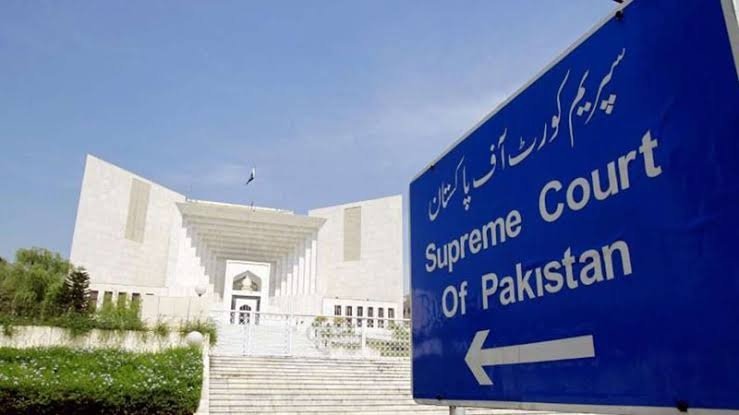
Supreme Court Allows Contract Service to Count Towards Pension

ISLAMABAD — The Supreme Court of Pakistan has issued a ruling allowing employees who were initially appointed on a contract basis and later regularised to have their prior contract service counted towards their pension and other financial benefits. This decision, announced on [insert date], provides clarity and potential financial relief to numerous public sector employees across the country. What Happened The Supreme Court’s decision addresses a long-standing issue faced by many government employees who began their careers on a contractual basis before being regularised. The court ruled that the continuous service of these employees, even while on contract, should be recognized when calculating pension and other related benefits. This ruling comes after several appeals and legal challenges from employees who argued that their contractual service should not be disregarded. In delivering the verdict, the court emphasized the principle of equity and fairness, highlighting that employees who have dedicated years of service should not be deprived of their rightful benefits due to the nature of their initial employment terms. The ruling is expected to impact a significant number of employees who were regularised after serving on contract positions, particularly in sectors where contractual appointments are common. The decision was welcomed by various employee unions and associations, who have long advocated for the recognition of contract service in pension calculations. “This is a landmark judgment that acknowledges the contributions of employees who have served diligently, regardless of their initial employment status,” said a representative from a public sector union. Background The issue of counting contract service towards pension has been a contentious topic in Pakistan’s public sector employment landscape. Historically, employees appointed on a contract basis were not considered eligible for pension benefits until they were regularised. This often led to disputes and legal challenges, as many employees argued that their years of service should not be ignored simply because they were initially hired on a contractual basis. The legal framework governing public sector employment in Pakistan has seen various amendments over the years, with contract appointments becoming increasingly common due to budgetary constraints and administrative policies. However, the lack of clear guidelines on the treatment of contract service in pension calculations has resulted in inconsistencies and grievances among employees. Why It Matters This ruling by the Supreme Court holds significant implications for the public sector workforce in Pakistan. By recognizing contract service in pension calculations, the court has set a precedent that could lead to increased financial security for many employees upon retirement. This decision is particularly important in a country where pension benefits constitute a crucial part of post-retirement financial planning for government employees. Economically, the ruling could lead to increased financial liabilities for the government, as it may need to allocate additional resources to cover the enhanced pension benefits for affected employees. However, it also underscores the importance of fair employment practices and the recognition of employees’ contributions, regardless of their contractual status. Socially, the decision may boost morale among public sector employees, fostering a sense of fairness and justice within the workforce. It also aligns with broader efforts to improve the working conditions and rights of employees in Pakistan, potentially influencing future policy decisions regarding employment terms and benefits. Key Takeaways The Supreme Court has ruled that contract service before regularisation counts towards pension. This decision affects numerous public sector employees in Pakistan. The ruling addresses a long-standing issue of fairness in employment benefits. It may lead to increased financial liabilities for the government. The verdict is expected to improve employee morale and contribute to fair employment practices. Source Attribution This article is based on official government statements, press releases, and public communications from relevant authorities. Author: NEN Editorial Desk | Editor: NEN Newsroom | Fact Checked By: NEN Editorial Team Author: NEN Editorial Desk  |  Editor: NEN Newsroom  |  Last Updated: August 18, 2026  |  Source: NEN Reporter This article was produced by the NEN Editorial Desk in accordance with NEN Agency’s Editorial Policy and Fact-Checking Policy.

Pakistan

Supreme Court: Pending Case No Reason to Halt Trial Without Stay Order

ISLAMABAD — The Supreme Court of Pakistan has clarified that the mere presence of a pending case in a higher court does not constitute sufficient grounds to halt or delay proceedings in a trial court unless an explicit stay order has been issued. This ruling emphasizes the necessity for remanded cases to be resolved promptly and without unwarranted postponements. What Happened The Supreme Court’s recent decision addresses a critical procedural issue in the judicial process, underscoring that the pendency of a case in a higher court should not automatically impede the progress of related proceedings in a trial court. The Court highlighted that only a formal stay order from the higher court can justify such a halt. This ruling was made to ensure that the judicial process remains efficient and that cases are adjudicated within a reasonable timeframe. In its detailed judgment, the Supreme Court noted, “The mere pendency of a case before a higher court cannot justify stopping or delaying proceedings before a trial court in the absence of an explicit stay order.” The Court further stressed the importance of resolving remanded cases without unnecessary adjournments, thereby promoting judicial efficiency and reducing backlog. This decision comes in the wake of numerous instances where trial courts have delayed proceedings due to pending appeals or related cases in higher courts, often leading to prolonged litigation and justice delayed for the parties involved. Background The judicial system in Pakistan, like in many other countries, operates on a hierarchical structure where higher courts have the authority to review decisions made by lower courts. Historically, the pendency of a case in a higher court has often been used as a rationale to delay proceedings in trial courts, contributing to significant backlogs and delays in the judicial process. In recent years, the Supreme Court has taken several steps to address these delays, including the issuance of directives aimed at expediting the resolution of cases and reducing the number of pending cases. This latest ruling is part of a broader effort to streamline judicial procedures and enhance the efficiency of the court system. Why It Matters The Supreme Court’s ruling is significant for several reasons. Firstly, it reinforces the principle that justice delayed is justice denied, and aims to ensure that cases are resolved in a timely manner. This is crucial in a country like Pakistan, where the judicial system is often criticized for its slow pace and inefficiencies. Economically, prolonged legal proceedings can be costly for individuals and businesses, leading to increased legal fees and uncertainty. By ensuring that trial courts proceed with cases unless a stay order is issued, the Supreme Court’s decision can help reduce these costs and provide more predictable legal outcomes. Socially, the ruling has implications for the public’s trust in the judicial system. When cases are resolved efficiently, it enhances the perception of the judiciary as a fair and effective arbiter of justice. This can lead to greater public confidence in legal institutions, which is essential for maintaining the rule of law. Politically, the decision may also have implications for high-profile cases involving political figures, where delays are often perceived as tactics to avoid accountability. By clarifying that proceedings should not be halted without a stay order, the Supreme Court is sending a message that the judicial process should not be manipulated for political gain. Key Takeaways The Supreme Court ruled that pending cases in higher courts do not justify halting trial court proceedings without a stay order. This decision aims to reduce judicial delays and ensure timely resolution of cases. The ruling is part of broader efforts to improve efficiency and reduce backlogs in the judicial system. It has significant economic, social, and political implications, enhancing trust in the judiciary. The decision reinforces the principle that justice delayed is justice denied. Source Attribution This article is based on official government statements, press releases, and public communications from relevant authorities. Author: NEN Editorial Desk | Editor: NEN Newsroom | Fact Checked By: NEN Editorial Team Author: NEN Editorial Desk  |  Editor: NEN Newsroom  |  Last Updated: August 18, 2026  |  Source: NEN Reporter This article was produced by the NEN Editorial Desk in accordance with NEN Agency’s Editorial Policy and Fact-Checking Policy.

Pakistan

FBR Engages KTBA on Enhancing Income Tax Return Design

ISLAMABAD — The Federal Board of Revenue (FBR) conducted an online meeting with the Karachi Tax Bar Association (KTBA) on Monday to discuss improvements to the income tax return design and enhance the taxpayer experience. This meeting is part of FBR’s ongoing efforts to engage stakeholders in refining tax processes. What Happened The FBR’s Domain Team met with KTBA leadership and members to explore potential enhancements to the income tax return framework. The discussion focused on identifying areas for improvement in the current design and processes, aiming to streamline the filing experience for taxpayers across Pakistan. The meeting underscored FBR’s commitment to incorporating feedback from key stakeholders to make tax compliance more efficient and user-friendly. During the session, various suggestions were put forward to simplify the tax return forms, making them more accessible to the general public. The KTBA, representing a significant body of tax professionals, provided insights based on their experiences and challenges faced by taxpayers. An FBR official stated, “Our goal is to make the tax system more transparent and easier to navigate for all taxpayers.” This consultation is part of a broader initiative by the FBR to ensure that tax policy and administration are aligned with the needs of taxpayers, thereby increasing compliance and reducing the burden of tax filing. The FBR has been actively seeking input from various stakeholders, including tax professionals, businesses, and individual taxpayers, to achieve these objectives. Background The Federal Board of Revenue is Pakistan’s premier tax collection agency, tasked with enforcing tax laws and collecting revenue for the government. Over the years, the FBR has faced criticism for its complex tax filing procedures, which many believe contribute to low compliance rates. In response, the FBR has launched several initiatives aimed at reforming the tax system, including digitalization and stakeholder consultations. The Karachi Tax Bar Association, a professional body of tax lawyers and consultants, plays a pivotal role in advising on tax policy and representing taxpayer interests. The KTBA has been actively involved in discussions with the FBR to address systemic issues and improve the overall tax environment in Pakistan. Why It Matters The collaboration between the FBR and KTBA is crucial for several reasons. Firstly, simplifying the income tax return process can significantly increase the compliance rate among taxpayers, which is essential for boosting national revenue. A more straightforward tax system encourages voluntary compliance and reduces the administrative burden on both taxpayers and the FBR. Moreover, improving the taxpayer experience is likely to foster a more positive relationship between the government and citizens. When taxpayers find the process less cumbersome, it can lead to greater trust in the tax system and, by extension, the government. This trust is vital for the socio-economic stability of the country, as it ensures a steady flow of revenue necessary for public services and infrastructure development. On an economic level, a more efficient tax system can enhance Pakistan’s business environment, making it more attractive to investors. By reducing bureaucratic hurdles and ensuring transparency, the country can improve its standing in global ease-of-doing-business rankings, potentially leading to increased foreign investment. Key Takeaways The FBR and KTBA are collaborating to improve the income tax return design. The meeting focused on simplifying tax forms to enhance taxpayer experience. This initiative is part of FBR’s broader effort to reform the tax system. Improved tax processes can boost compliance and national revenue. A more efficient tax system can enhance Pakistan’s business environment. Source Attribution This article is based on official government statements, press releases, and public communications from relevant authorities. Author: NEN Editorial Desk | Editor: NEN Newsroom | Fact Checked By: NEN Editorial Team Author: NEN Editorial Desk  |  Editor: NEN Newsroom  |  Last Updated: August 18, 2026  |  Source: NEN Reporter This article was produced by the NEN Editorial Desk in accordance with NEN Agency’s Editorial Policy and Fact-Checking Policy.

Scroll to Top