
Pakistan

News related to Pakistan in Pakistan and around the world.

Pakistan

ECC Approves Increased Dealers’ Margins on Petroleum Products

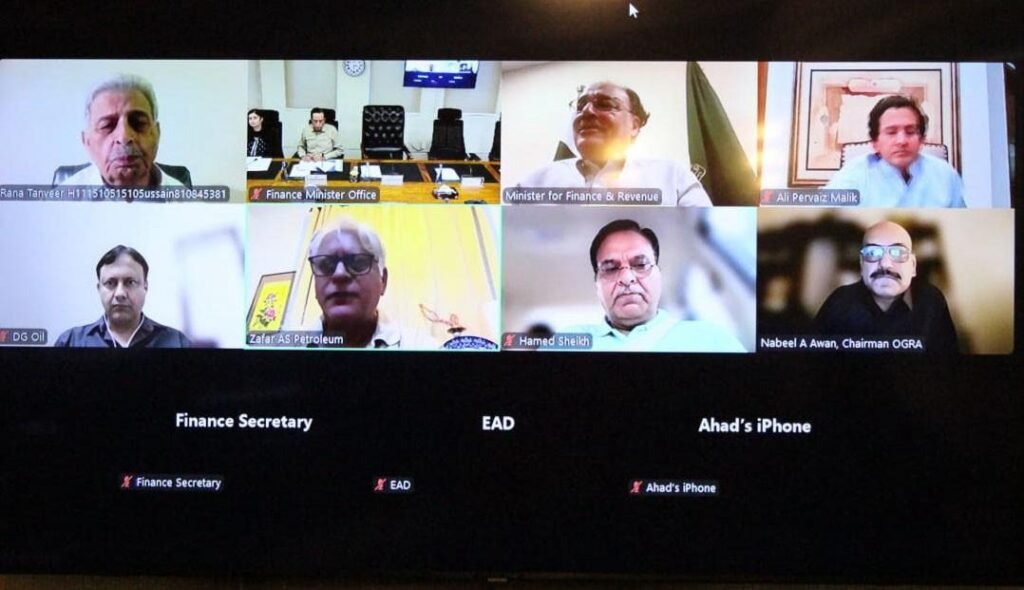
ISLAMABAD — The Economic Coordination Committee (ECC) on Friday approved a revision in the margins for dealers on Motor Spirit (MS) and High-Speed Diesel (HSD). The decision follows a detailed review of a proposal submitted by the Petroleum Division, aimed at adjusting the financial incentives for fuel dealers across Pakistan. What Happened The ECC, chaired by Finance Minister Ishaq Dar, convened to deliberate on the proposed adjustments to the dealers’ margins on petroleum products. The Petroleum Division presented a comprehensive summary highlighting the need for revising the margins, which have remained unchanged for a significant period despite fluctuating operational costs. The approved revision will see an increase in the per-litre margin for dealers, a move intended to align their earnings with current market conditions and operational expenses. The decision is expected to provide relief to fuel dealers who have been facing financial strain due to rising costs and inflationary pressures. In the meeting, Finance Minister Ishaq Dar emphasized the importance of maintaining a balance between consumer interests and the viability of the petroleum distribution network. “The revision in margins is necessary to ensure that dealers can continue to operate sustainably while providing essential services to the public,” he stated. The ECC’s approval is part of a broader strategy to stabilize the petroleum sector, which is critical to Pakistan’s economy. The revised margins will be implemented immediately, ensuring that dealers can adjust their operations accordingly. Background The margins for dealers on petroleum products have been a point of contention for several years. Historically, these margins have been set by the government to ensure affordability for consumers while attempting to provide a reasonable profit margin for dealers. However, with rising operational costs, including transportation, labor, and infrastructure maintenance, dealers have been lobbying for an increase. Previous attempts to revise these margins have been met with mixed reactions, balancing the need to keep fuel prices stable for consumers against the financial sustainability of the dealers. The ECC’s decision reflects a shift towards addressing the concerns of the petroleum distribution network, which plays a vital role in the country’s energy supply chain. Why It Matters The revision of dealers’ margins on petroleum products has significant implications for Pakistan’s economy and energy sector. By adjusting these margins, the government aims to ensure the continued viability of fuel dealers, who are crucial for maintaining an efficient supply chain across the country. Economically, the decision could help stabilize the petroleum sector by preventing potential disruptions in fuel distribution. Dealers, who have been operating under tight margins, will now have more financial flexibility to manage their operations, potentially leading to improved service delivery and investment in infrastructure. Socially, this move may help prevent fuel shortages and ensure that consumers continue to have access to essential energy resources. By supporting the dealers financially, the government is indirectly safeguarding consumer interests, as stable operations are less likely to lead to abrupt price hikes or supply interruptions. Politically, the decision underscores the government’s commitment to addressing sector-specific challenges and maintaining economic stability. It reflects a proactive approach to managing the complexities of the energy market, which is often subject to global fluctuations and domestic pressures. Key Takeaways The ECC approved an increase in dealers’ margins on Motor Spirit and High-Speed Diesel. The revision aims to align dealers’ earnings with current market conditions and operational costs. This decision is part of a broader strategy to stabilize Pakistan’s petroleum sector. The move is expected to prevent disruptions in fuel distribution and ensure consumer access to energy. The government aims to balance consumer interests with the financial sustainability of fuel dealers. Source Attribution This article is based on official government statements, press releases, and public communications from relevant authorities. Author: NEN Editorial Desk | Editor: NEN Newsroom | Fact Checked By: NEN Editorial Team Author: NEN Editorial Desk  |  Editor: NEN Newsroom  |  Last Updated: August 14, 2026  |  Source: NEN Reporter This article was produced by the NEN Editorial Desk in accordance with NEN Agency’s Editorial Policy and Fact-Checking Policy.
Pakistan

Pakistan Navy Commemorates 80th Independence Day with Ceremonial Tribute

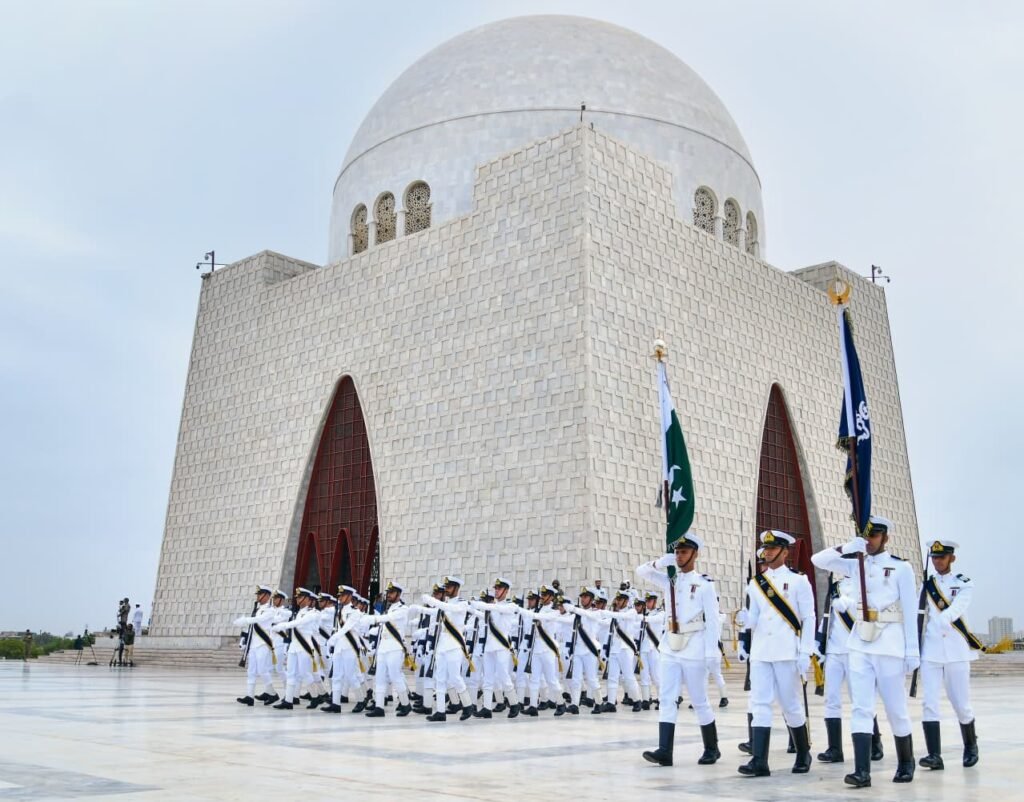
KARACHI — The Pakistan Navy marked the 80th Independence Day of Pakistan with a series of ceremonial events that underscored national pride and military tradition. The celebrations took place on August 14, 2023, with a notable Change of Guard ceremony at the mausoleum of Quaid-e-Azam Muhammad Ali Jinnah, the founder of Pakistan. What Happened The day began with a solemn Change of Guard ceremony at Mazar-e-Quaid, where a contingent of cadets from the Pakistan Naval Academy and sailors assumed guard duties. The event was characterized by the traditional enthusiasm and discipline that the Pakistan Navy is known for. Rear Admiral Muhammad Umair, Commandant of the Pakistan Naval Academy, served as the Chief Guest at the ceremony. During the event, Rear Admiral Umair presented the Qaumi Salam to the Father of the Nation and laid a floral wreath on behalf of the Chief of the Naval Staff. He also offered Fatiha and inscribed his reflections in the Visitors’ Book, paying homage to Quaid-e-Azam Muhammad Ali Jinnah’s visionary leadership and his pivotal role in the creation of Pakistan. The celebrations were not confined to Karachi alone. Across various naval units and establishments in Islamabad, Lahore, Karachi, Petaro, Sujawal, Sanghar, Gwadar, and Ormara, flag hoisting ceremonies were conducted. The day also featured a 21 Guns Salute at naval units and thanksgiving prayers in mosques, seeking peace, prosperity, and unity for the nation. In a press release, the Pakistan Navy reiterated its unwavering commitment to safeguarding the sovereignty and territorial integrity of Pakistan. The statement emphasized the Navy’s dedication to maintaining the highest standards of operational readiness to address any challenges to national security. Background The tradition of celebrating Independence Day with military ceremonies dates back to the early years of Pakistan’s establishment. The mausoleum of Quaid-e-Azam, also known as Mazar-e-Quaid, is a focal point for national celebrations, symbolizing the enduring legacy of Muhammad Ali Jinnah. The Change of Guard ceremony is a significant event that highlights the discipline and dedication of the armed forces. Independence Day in Pakistan is a time of reflection and celebration, marking the country’s emergence as a sovereign state in 1947. The day is observed with various events across the nation, including parades, cultural shows, and public gatherings, reflecting the diverse heritage and unity of the country. Why It Matters The Pakistan Navy’s celebration of Independence Day is a poignant reminder of the armed forces’ role in national security and unity. By honoring the legacy of Quaid-e-Azam, the Navy not only pays tribute to the past but also reinforces its commitment to the future of Pakistan. Such ceremonies foster a sense of national pride and solidarity among citizens, crucial for maintaining social cohesion and morale. Moreover, the Navy’s emphasis on operational readiness is particularly significant in the context of regional security dynamics. Pakistan’s strategic location and geopolitical challenges necessitate a robust defense posture, and the Navy’s preparedness is integral to safeguarding national interests. The celebrations also serve as a platform to project Pakistan’s commitment to peace and stability, both domestically and internationally. By showcasing military discipline and national spirit, the Navy contributes to a positive image of Pakistan on the global stage. Key Takeaways The Pakistan Navy celebrated the 80th Independence Day with a Change of Guard ceremony at Mazar-e-Quaid. Rear Admiral Muhammad Umair, Commandant of the Pakistan Naval Academy, was the Chief Guest. Flag hoisting ceremonies and a 21 Guns Salute were conducted across various naval units. The Navy reiterated its commitment to national security and operational readiness. These celebrations highlight the role of the armed forces in fostering national unity and pride. Source Attribution This article is based on official government statements, press releases, and public communications from relevant authorities. Author: NEN Editorial Desk | Editor: NEN Newsroom | Fact Checked By: NEN Editorial Team Author: NEN Editorial Desk  |  Editor: NEN Newsroom  |  Last Updated: August 14, 2026  |  Source: Press Release from Pakistan Navy This article was produced by the NEN Editorial Desk in accordance with NEN Agency’s Editorial Policy and Fact-Checking Policy.
Pakistan

PIO Raisa Adil Honors Sacrifices on Pakistan Independence Day

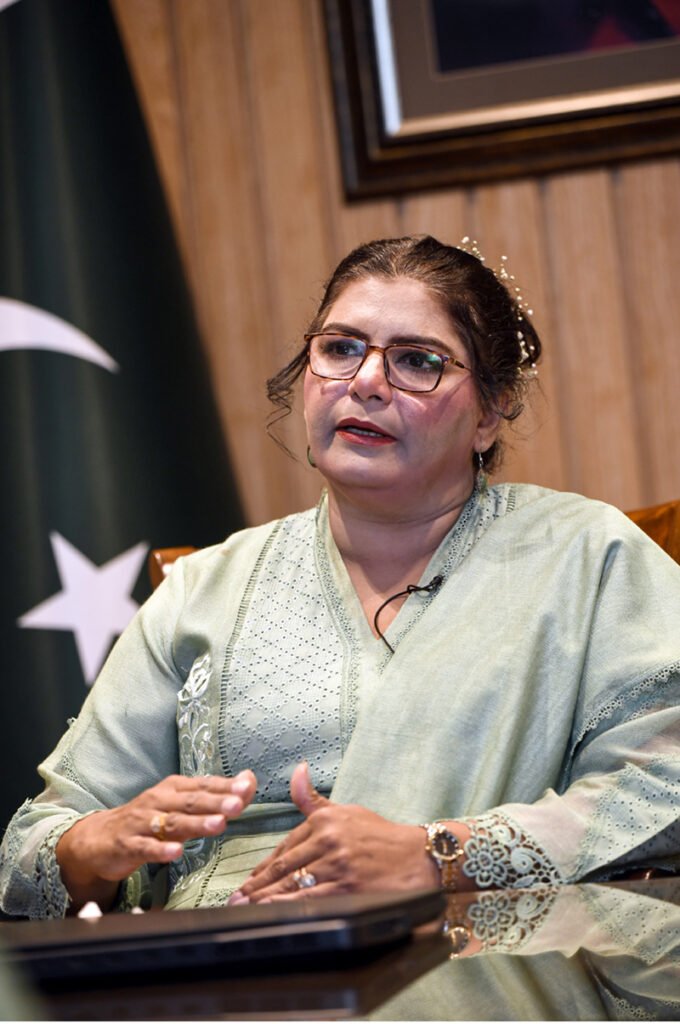
ISLAMABAD — Principal Information Officer Raisa Adil extended heartfelt greetings to the nation on the occasion of Pakistan’s Independence Day, paying tribute to the martyrs and elders whose sacrifices laid the foundation for the country’s freedom, security, and sovereignty. What Happened In her Independence Day message, Principal Information Officer Raisa Adil emphasized the significance of the sacrifices made by the founders of Pakistan, as well as the martyrs and generations of elders who played a pivotal role in the country’s creation and security. She remarked, “Independence Day is a reminder of the immense sacrifices made by the founders of Pakistan, martyrs, and generations of elders who struggled for the country’s creation and security.” Her message was a poignant reminder of the historical struggles that led to the establishment of Pakistan as an independent nation. Adil’s message was disseminated to the public through various media channels, aiming to instill a sense of pride and gratitude among the citizens of Pakistan. The Principal Information Officer highlighted the enduring legacy of those who fought for the country’s independence and underscored the importance of remembering their contributions as Pakistan continues to navigate its path forward. Background Pakistan’s Independence Day, celebrated annually on August 14, marks the day in 1947 when the country gained independence from British rule. The partition of British India led to the creation of two independent dominions, India and Pakistan. The day is commemorated with nationalistic fervor, featuring flag hoisting ceremonies, parades, and cultural events across the country. The struggle for independence was marked by significant sacrifices from various leaders and ordinary citizens alike. Figures such as Muhammad Ali Jinnah, Allama Iqbal, and Liaquat Ali Khan are revered for their leadership roles in the movement. The sacrifices of countless individuals who endured hardships and laid down their lives for the cause of freedom are remembered and honored each year on this day. Why It Matters The message from Principal Information Officer Raisa Adil serves as a reminder of the foundational values upon which Pakistan was built. In a time of political and economic challenges, acknowledging the sacrifices of the past can inspire unity and resilience among the populace. The remembrance of historical struggles is crucial for fostering a sense of national identity and pride, which can contribute to the country’s stability and progress. Moreover, the tribute to martyrs and elders highlights the importance of preserving the sovereignty and security of Pakistan. As the nation faces contemporary challenges, including economic pressures and regional security concerns, reflecting on the sacrifices that secured its independence can motivate current and future generations to work towards a prosperous and secure Pakistan. Internationally, Pakistan’s Independence Day is an opportunity to showcase the country’s rich history and cultural heritage. It serves as a platform for strengthening diplomatic ties and promoting a positive image of Pakistan on the global stage. The acknowledgment of the sacrifices made for independence also resonates with other nations that have undergone similar struggles for freedom, fostering a sense of solidarity and shared history. Key Takeaways Principal Information Officer Raisa Adil extended greetings and paid tribute to martyrs and elders on Independence Day. Her message emphasized the sacrifices made for Pakistan’s freedom, security, and sovereignty. Independence Day commemorates Pakistan’s liberation from British rule on August 14, 1947. The remembrance of sacrifices is crucial for national unity and identity amid current challenges. Pakistan’s Independence Day also serves to enhance its international image and diplomatic relations. Source Attribution This article is based on official government statements, press releases, and public communications from relevant authorities. Author: NEN Editorial Desk | Editor: NEN Newsroom | Fact Checked By: NEN Editorial Team Author: NEN Editorial Desk  |  Editor: NEN Newsroom  |  Last Updated: August 14, 2026  |  Source: NEN Reporter This article was produced by the NEN Editorial Desk in accordance with NEN Agency’s Editorial Policy and Fact-Checking Policy.
Pakistan

Governor Sindh Joins Special Meeting with Sindh Assembly and Children’s Parliament

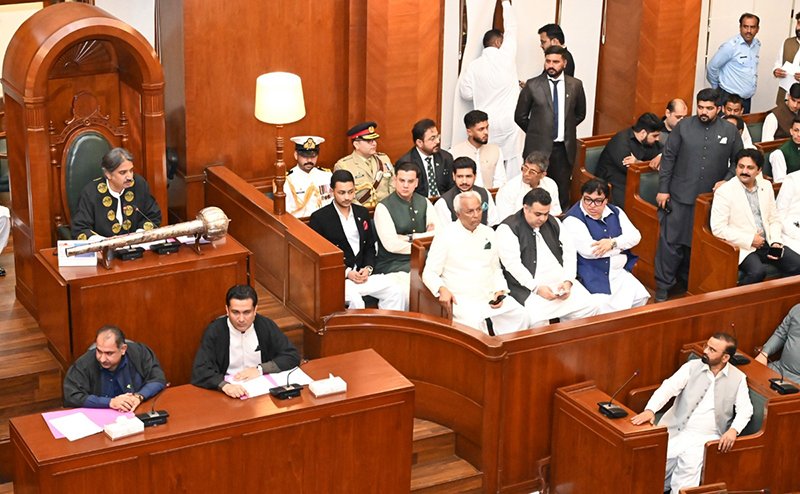
KARACHI — Governor Sindh Syed Muhammad Nehal Hashmi participated in a special meeting at the Sindh Assembly on Monday, where members of the Sindh Assembly and the Children’s Parliament convened. The meeting was also attended by Federal Minister of State for Sports Das Kohistani, Special Assistant to the Prime Minister and Minister of State Fahad Haroon, Raja Ansari, and other notable figures. What Happened The special meeting held at the Sindh Assembly was a significant gathering aimed at fostering dialogue between elected officials and the youth represented by the Children’s Parliament. Governor Sindh Syed Muhammad Nehal Hashmi emphasized the importance of engaging young minds in legislative processes. “The future of our province and country lies in the hands of our youth, and it is imperative that we include them in discussions that shape their future,” he stated. Federal Minister of State for Sports Das Kohistani underscored the role of sports in youth development, highlighting government initiatives aimed at increasing youth participation in sports. “Sports not only promote physical health but also instill discipline and teamwork among young individuals,” Kohistani remarked. Special Assistant to the Prime Minister Fahad Haroon discussed the government’s commitment to empowering youth through various educational and skill development programs. He noted, “Our government is dedicated to providing the youth with the necessary tools and opportunities to excel in their chosen fields.” The Children’s Parliament, a platform for young individuals to voice their opinions and engage with policymakers, presented several proposals aimed at improving educational standards and youth engagement in governance. Raja Ansari, a prominent figure in youth advocacy, supported these initiatives, emphasizing the need for continuous dialogue between youth and government officials. Background The concept of a Children’s Parliament is not new in Pakistan. It was established as a means to provide a formal platform for young voices to be heard in legislative discussions. Historically, the Sindh Assembly has been proactive in involving youth in its proceedings, recognizing the potential impact of their contributions to policy-making. The Sindh Assembly has previously hosted similar events, reflecting its commitment to integrating youth perspectives into governance. These initiatives align with Pakistan’s broader youth policy framework, which aims to harness the demographic dividend by investing in youth education, employment, and civic engagement. Why It Matters The inclusion of youth in legislative processes is crucial for Pakistan, where a significant portion of the population is under 30 years old. Engaging young people in governance not only empowers them but also ensures that policies are reflective of the needs and aspirations of the younger generation. This meeting highlights the government’s recognition of the importance of youth participation in shaping the future of the province and the country. By involving the Children’s Parliament, the Sindh Assembly is setting a precedent for other provincial assemblies to follow, potentially leading to more inclusive and representative governance. Economically, empowering youth through education and skill development can lead to a more productive workforce, driving economic growth. Socially, it fosters a sense of belonging and responsibility among young citizens, encouraging them to contribute positively to society. Politically, such initiatives can enhance democratic processes by cultivating informed and engaged future leaders. The meeting serves as a reminder of the critical role that young people play in the nation’s development and the need for continuous efforts to integrate their voices into the political discourse. Key Takeaways Governor Sindh Syed Muhammad Nehal Hashmi participated in a special meeting with the Sindh Assembly and Children’s Parliament. The meeting emphasized the importance of youth engagement in legislative processes. Federal Minister of State for Sports Das Kohistani highlighted government initiatives in sports to promote youth development. The Children’s Parliament presented proposals for improving education and youth engagement. The event underscores the significance of including youth perspectives in governance for Pakistan’s future. Source Attribution This article is based on official government statements, press releases, and public communications from relevant authorities. Author: NEN Editorial Desk | Editor: NEN Newsroom | Fact Checked By: NEN Editorial Team Author: NEN Editorial Desk  |  Editor: NEN Newsroom  |  Last Updated: August 14, 2026  |  Source: Press Release from Government of Pakistan This article was produced by the NEN Editorial Desk in accordance with NEN Agency’s Editorial Policy and Fact-Checking Policy.

Pakistan

Arid University Commemorates Independence Day with Enthusiastic Celebrations

RAWALPINDI — Pir Mehr Ali Shah Arid Agriculture University Rawalpindi (PMAS-AAUR) marked Pakistan’s 80th Independence Day with a vibrant celebration on campus, reflecting high national spirit and enthusiasm. The event, held on August 14, included a series of activities designed to honor the country’s rich history and promote patriotism among students and faculty. What Happened The Independence Day celebrations at PMAS-AAUR were a testament to the university’s commitment to fostering national pride and unity. The event commenced with a flag-hoisting ceremony, which was attended by the university’s vice-chancellor, faculty members, students, and staff. The national anthem was played, and the campus echoed with patriotic songs, creating an atmosphere of unity and pride. Following the flag-hoisting, a series of speeches were delivered by prominent faculty members and students, highlighting the significance of Independence Day and the sacrifices made by the nation’s forefathers. The vice-chancellor, in his address, emphasized the importance of education in nation-building and urged students to contribute positively to Pakistan’s development. Various cultural performances, including traditional dances and musical renditions, were also part of the celebrations. These performances aimed to showcase Pakistan’s diverse cultural heritage and instill a sense of pride in the country’s rich traditions. The university also organized a special exhibition featuring historical photographs and documents related to the independence movement, providing attendees with a glimpse into the past struggles and achievements that led to the creation of Pakistan. Background Pakistan’s Independence Day, celebrated annually on August 14, marks the country’s liberation from British rule in 1947. It is a day of national pride and reflection, commemorating the efforts and sacrifices of those who fought for the country’s freedom. Educational institutions across Pakistan often play a significant role in these celebrations, using the occasion to educate students about the nation’s history and the importance of unity and patriotism. PMAS-AAUR, established in 1994, has a long-standing tradition of celebrating national events with enthusiasm. The university is known for its focus on agricultural education and research, contributing significantly to Pakistan’s agricultural sector. Independence Day celebrations at the university are seen as an opportunity to reinforce national values and inspire the younger generation to contribute to the country’s progress. Why It Matters The celebrations at PMAS-AAUR hold significant importance in the context of Pakistan’s current socio-political landscape. As the country faces various challenges, including economic instability and political tensions, events like these serve as a reminder of the nation’s resilience and unity. They provide a platform for educational institutions to engage students in discussions about national issues and encourage them to play an active role in shaping the country’s future. Moreover, such events help in promoting cultural awareness and appreciation among the younger generation. By showcasing Pakistan’s diverse cultural heritage, the university fosters a sense of belonging and pride among students, which is crucial for maintaining social cohesion in a diverse society. On a broader scale, Independence Day celebrations contribute to the strengthening of national identity. They remind citizens of their shared history and values, reinforcing the importance of unity and cooperation in overcoming challenges. For educational institutions like PMAS-AAUR, these celebrations are an opportunity to instill a sense of responsibility and patriotism in students, preparing them to become future leaders and contributors to Pakistan’s development. Key Takeaways PMAS-AAUR celebrated Pakistan’s 80th Independence Day with a series of patriotic events. The celebrations included a flag-hoisting ceremony, speeches, cultural performances, and an exhibition. Independence Day serves as a reminder of Pakistan’s history and the sacrifices made for freedom. Such events help foster national pride and cultural awareness among students. Educational institutions play a crucial role in promoting unity and patriotism in Pakistan. Source Attribution This article is based on official statements and public communications from relevant authorities. Author: NEN Editorial Desk | Editor: NEN Newsroom | Fact Checked By: NEN Editorial Team Author: NEN Editorial Desk  |  Editor: NEN Newsroom  |  Last Updated: August 14, 2026  |  Source: NEN Reporter This article was produced by the NEN Editorial Desk in accordance with NEN Agency’s Editorial Policy and Fact-Checking Policy.
Pakistan

E-Cluster Initiative Launched to Boost Clean Energy Manufacturing in Pakistan

ISLAMABAD — Pakistan has launched an ambitious initiative to establish local manufacturing bases for clean energy through an ‘E-Cluster’ model. This initiative aims to develop an integrated clean-energy manufacturing ecosystem nationwide, marking a significant step towards enhancing the country’s renewable energy capabilities. What Happened The government of Pakistan has introduced the E-Cluster model, a strategic framework designed to bolster the local production of clean energy technologies. This initiative seeks to create a comprehensive ecosystem that supports the manufacturing of renewable energy components, thereby reducing reliance on imports and fostering domestic innovation. The E-Cluster model is expected to facilitate collaboration between various stakeholders, including government agencies, private sector companies, and research institutions. According to official statements, the E-Cluster will focus on key areas such as solar panels, wind turbines, and energy storage solutions. By localizing the production of these technologies, Pakistan aims to not only meet its growing energy demands but also contribute to global efforts in combating climate change. The initiative is part of a broader strategy to increase the share of renewable energy in the national energy mix, aligning with international commitments to sustainable development. An official from the Ministry of Energy stated, “The E-Cluster model represents a transformative approach to energy production in Pakistan. By fostering local manufacturing, we are not only creating jobs but also positioning Pakistan as a leader in clean energy technology in the region.” Background Pakistan has long faced challenges in meeting its energy needs, with a significant portion of its energy derived from fossil fuels. In recent years, the government has made concerted efforts to diversify its energy sources, with a particular focus on renewable energy. The introduction of the E-Cluster model is a continuation of these efforts, building on previous initiatives such as the Alternative and Renewable Energy Policy 2019, which set ambitious targets for increasing the share of renewable energy in the national grid. Historically, Pakistan has relied heavily on imported energy technologies, which has posed economic and logistical challenges. The E-Cluster initiative aims to address these issues by developing local manufacturing capabilities, thereby reducing dependency on foreign imports and enhancing energy security. Why It Matters The launch of the E-Cluster model is a pivotal development for Pakistan’s energy sector. By establishing local manufacturing bases for clean energy technologies, the country is taking a significant step towards achieving energy independence. This initiative is expected to create numerous job opportunities, stimulate economic growth, and foster innovation within the renewable energy sector. Economically, the E-Cluster model could lead to substantial cost savings by reducing the need for imported energy technologies. This, in turn, could lower the overall cost of renewable energy projects, making them more accessible and attractive to investors. Additionally, local manufacturing is likely to spur technological advancements and capacity building, positioning Pakistan as a competitive player in the global clean energy market. On the social front, the initiative aligns with national and international goals for sustainable development and environmental protection. By increasing the share of renewable energy, Pakistan can reduce its carbon footprint and contribute to global efforts in mitigating climate change. This is particularly important for a country that is highly vulnerable to the impacts of climate change, such as extreme weather events and water scarcity. Key Takeaways Pakistan has launched the E-Cluster model to develop local manufacturing bases for clean energy technologies. The initiative focuses on solar panels, wind turbines, and energy storage solutions to enhance energy independence. The E-Cluster model aims to reduce reliance on imports, create jobs, and stimulate economic growth. This initiative aligns with Pakistan’s broader strategy to increase the share of renewable energy in its national grid. By fostering local innovation, Pakistan aims to position itself as a leader in clean energy technology in the region. Source Attribution This article is based on official government statements, press releases, and public communications from relevant authorities. Author: NEN Editorial Desk | Editor: NEN Newsroom | Fact Checked By: NEN Editorial Team Author: NEN Editorial Desk  |  Editor: NEN Newsroom  |  Last Updated: August 14, 2026  |  Source: NEN Reporter This article was produced by the NEN Editorial Desk in accordance with NEN Agency’s Editorial Policy and Fact-Checking Policy.
Pakistan

Supreme Court Hosts Inclusive Ceremony for Pakistan’s 79th Independence Day

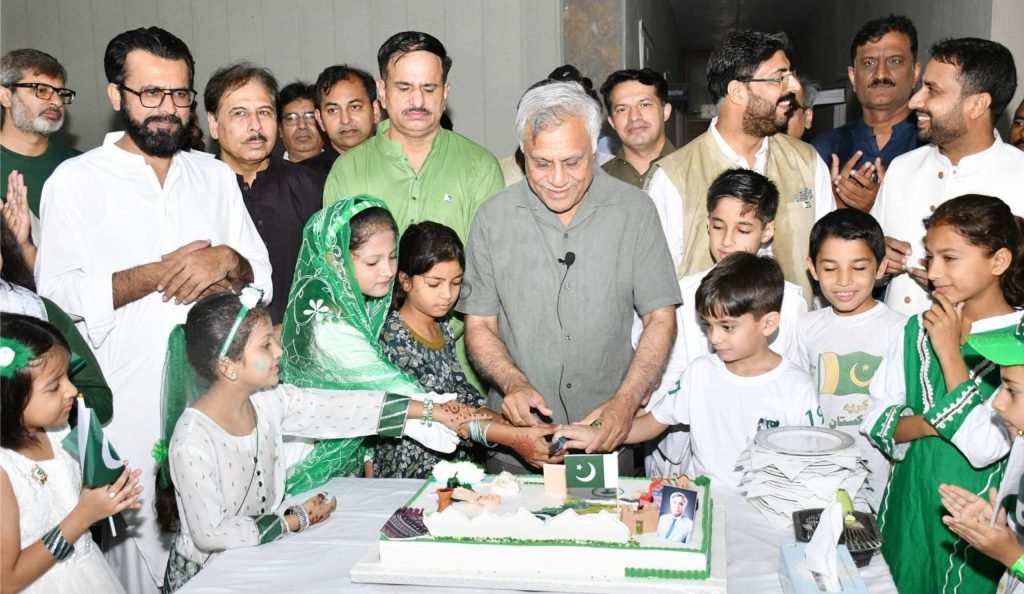
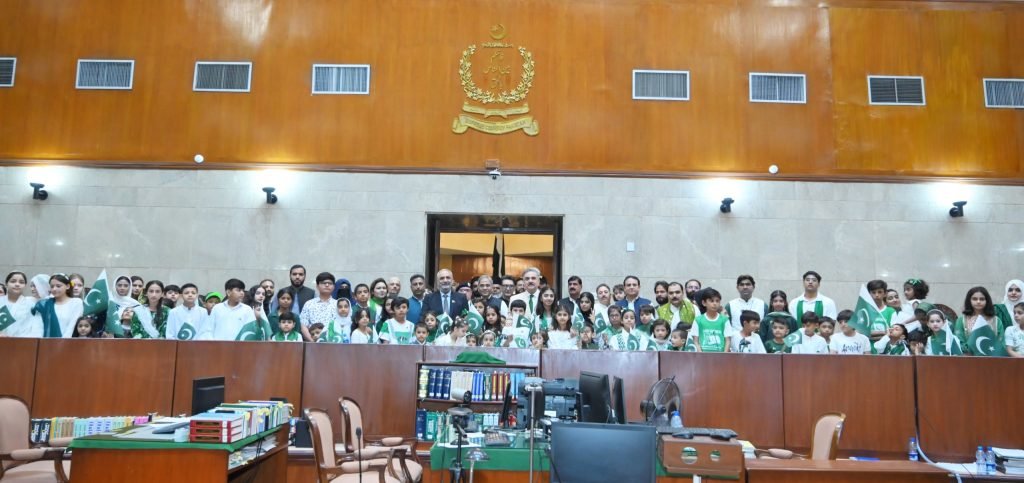
ISLAMABAD — A solemn flag-hoisting ceremony took place at the Supreme Court of Pakistan on Friday to mark the nation’s 79th Independence Day. The event highlighted Pakistan’s commitment to equality and inclusion, featuring participation from diverse religious communities. What Happened The Supreme Court of Pakistan became a focal point for national pride as it hosted a dignified flag-hoisting ceremony on August 14, celebrating the 79th anniversary of Pakistan’s independence. The Chief Justice of Pakistan, along with other Supreme Court judges, the Registrar, officers, staff, and their children, attended the event. In a symbolic gesture of unity, the national flag was hoisted by children from minority communities, alongside the Chief Justice and judges of the Supreme Court. This inclusive group also featured a Hindu Pandit, a Christian Priest, and a Muslim Cleric, underscoring Pakistan’s constitutional commitment to religious harmony and equality. The event was further enriched by the Police Band’s rendition of the national anthem, which imbued the occasion with solemnity and national pride. The Chief Justice took the opportunity to engage with the children, guiding them through Court Room No.1 to familiarize them with the Supreme Court’s working environment, thereby making the day both educational and memorable for the young attendees. The celebrations concluded with the traditional cutting of the Independence Day cake, a gesture shared by the Chief Justice, judges, and children, symbolizing the collective joy and spirit of the national occasion. In his Independence Day message, the Chief Justice extended greetings to the people of Pakistan and the legal fraternity. He paid tribute to the sacrifices and determination that led to the creation of an independent Pakistan and emphasized the enduring responsibility of upholding values, protecting rights, and strengthening citizens’ confidence in state institutions. Background Pakistan’s Independence Day, celebrated on August 14, marks the day in 1947 when the country gained independence from British rule. It is a day of national pride and reflection on the journey towards becoming a sovereign nation. The Supreme Court’s involvement in such celebrations underscores its role as a guardian of the Constitution and a symbol of justice and equality. Historically, Independence Day celebrations have included flag-hoisting ceremonies, parades, and cultural events across the country, reflecting the diverse cultural and religious fabric of Pakistan. The inclusion of minority communities in these events has been a growing trend, aligning with the nation’s constitutional ideals of equality and non-discrimination. Why It Matters The inclusive nature of the Independence Day ceremony at the Supreme Court is significant in several ways. Economically, it reflects the potential for unity and collaboration among Pakistan’s diverse population, which can drive national development and stability. Socially, it sends a powerful message of inclusion and harmony, reinforcing the idea that Pakistan’s strength lies in its diversity. Politically, the event highlights the judiciary’s role in upholding the Constitution, which guarantees equal rights and protection for all citizens, regardless of their religious or ethnic backgrounds. By involving children from minority communities in the ceremony, the Supreme Court not only celebrated independence but also reaffirmed its commitment to fostering an inclusive society. Internationally, such gestures can enhance Pakistan’s image as a nation committed to religious harmony and equal rights, potentially improving diplomatic relations and attracting foreign investment. The ceremony serves as a reminder of the ongoing journey towards a more inclusive and equitable society, where every citizen can contribute to and benefit from national progress. Key Takeaways The Supreme Court hosted an inclusive flag-hoisting ceremony for Pakistan’s 79th Independence Day. Children from minority communities participated, symbolizing religious harmony and equality. The Chief Justice emphasized the responsibility of upholding constitutional values and rights. The event highlighted the judiciary’s role in promoting an inclusive society. Such ceremonies enhance Pakistan’s international image as a nation committed to diversity and unity. Source Attribution This article is based on official government statements, press releases, and public communications from relevant authorities. Author: NEN Editorial Desk | Editor: NEN Newsroom | Fact Checked By: NEN Editorial Team Author: NEN Editorial Desk  |  Editor: NEN Newsroom  |  Last Updated: August 14, 2026  |  Source: Press Release from Government of Pakistan This article was produced by the NEN Editorial Desk in accordance with NEN Agency’s Editorial Policy and Fact-Checking Policy.
Pakistan

Supreme Court Inaugurates Press Room to Boost Media Access and Transparency

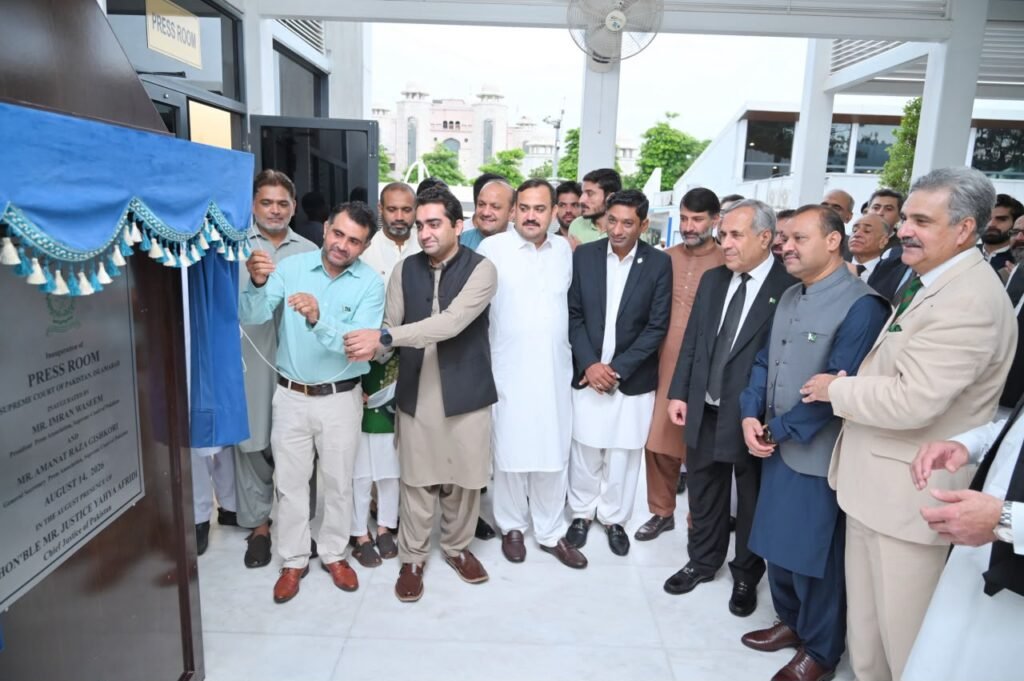
ISLAMABAD — The Supreme Court of Pakistan inaugurated a dedicated Press Room on Friday, aimed at enhancing media access and institutional transparency. Chief Justice Yahya Afridi, along with other judges of the Supreme Court, attended the ceremony, marking a significant step in promoting public awareness of judicial proceedings and reforms. What Happened The inauguration of the Press Room at the Supreme Court signifies a strategic move to facilitate better communication between the judiciary and the media. Chief Justice Yahya Afridi, addressing the gathering, emphasized the importance of transparency in judicial processes and the role of the media in ensuring that the public remains informed about the workings of the judiciary. “This initiative is part of our ongoing efforts to make the court’s proceedings more accessible to the public,” he stated. The newly established Press Room is equipped with modern facilities to accommodate journalists covering the Supreme Court. It is designed to provide a conducive environment for media personnel to report on court activities efficiently. The facility aims to streamline the flow of information from the court to the public, thereby fostering a culture of openness and accountability. Judges of the Supreme Court, who were present at the inauguration, echoed the Chief Justice’s sentiments, expressing their commitment to upholding transparency and enhancing the public’s understanding of judicial reforms. The establishment of the Press Room is seen as a crucial step in bridging the gap between the judiciary and the public, ensuring that citizens are well-informed about legal proceedings that may affect them. Background The Supreme Court of Pakistan has historically been a pivotal institution in the country’s legal framework, often at the center of significant political and social issues. In recent years, there has been a growing demand for greater transparency and access to judicial proceedings, both from the media and the public. This demand has been driven by a desire for accountability and an informed citizenry. Previously, access to court proceedings and information was limited, often leading to misconceptions and a lack of understanding among the public. The establishment of the Press Room is part of broader efforts by the judiciary to address these challenges and enhance the transparency of its operations. Why It Matters The inauguration of the Press Room at the Supreme Court holds substantial significance for Pakistan’s judicial system and its relationship with the media. By providing journalists with better access to court proceedings, the initiative is expected to lead to more accurate and comprehensive reporting on legal matters. This, in turn, will contribute to a more informed public, capable of engaging with and understanding the judicial process. Economically, the move could also have implications for Pakistan’s international standing. Transparent judicial processes are often seen as a hallmark of a stable and democratic society, potentially attracting foreign investment and strengthening international relations. For citizens, improved access to information about court proceedings can empower them to better understand their rights and the legal processes that govern them. Politically, the initiative may also influence the perception of the judiciary’s independence and its commitment to upholding the rule of law. By fostering a culture of transparency, the Supreme Court is reinforcing its role as an impartial arbiter in the country’s legal and political landscape. Key Takeaways The Supreme Court of Pakistan has inaugurated a dedicated Press Room to enhance media access and transparency. Chief Justice Yahya Afridi emphasized the importance of transparency in judicial processes during the inauguration. The Press Room is equipped with modern facilities to support journalists in covering court activities. This initiative aims to improve public awareness and understanding of judicial proceedings and reforms. The move is expected to have positive economic, social, and political implications for Pakistan. Source Attribution This article is based on official statements and public communications from the Supreme Court of Pakistan. Author: NEN Editorial Desk | Editor: NEN Newsroom | Fact Checked By: NEN Editorial Team Author: NEN Editorial Desk  |  Editor: NEN Newsroom  |  Last Updated: August 14, 2026  |  Source: Press Release from Government of Pakistan This article was produced by the NEN Editorial Desk in accordance with NEN Agency’s Editorial Policy and Fact-Checking Policy.
Pakistan

NGC Celebrates 79th Independence Day with Nationwide Ceremonies

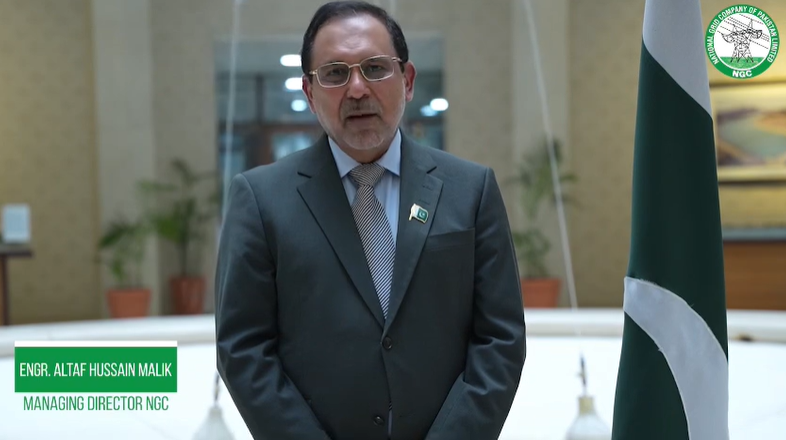
ISLAMABAD — The National Grid Company of Pakistan (NGC) celebrated the country’s 79th Independence Day with flag-hoisting ceremonies across its installations nationwide, fostering a spirit of patriotism and unity. The events took place on August 14, 2023, at various NGC field offices and facilities, marking a significant occasion for the company and its employees. What Happened The NGC organized flag-hoisting ceremonies at all its installations and field offices across Pakistan to commemorate the 79th Independence Day. These events were attended by NGC employees, local dignitaries, and community members, who gathered to celebrate the nation’s independence and reflect on its journey since 1947. The ceremonies included the raising of the national flag, recitation of the national anthem, and speeches highlighting the importance of independence and the role of NGC in the country’s development. The Managing Director of NGC, in his address during the main ceremony held at the company’s headquarters in Islamabad, emphasized the significance of the day. He stated, “Independence Day is a reminder of our collective responsibility to contribute to the nation’s progress. NGC is committed to ensuring a stable and efficient power supply, which is crucial for the country’s economic growth.” Employees participated in various activities, including cultural performances and discussions on national development. These activities aimed to instill a sense of pride and responsibility among the staff, reinforcing their role in the nation’s energy sector. Background Pakistan gained independence from British rule on August 14, 1947. Since then, Independence Day has been celebrated annually with great enthusiasm across the country. The day is marked by various events, including parades, flag-hoisting ceremonies, and cultural programs, to honor the sacrifices made by the leaders and citizens who fought for the country’s freedom. The National Grid Company of Pakistan plays a pivotal role in the country’s power sector, managing the transmission of electricity across Pakistan. As a key player in the energy infrastructure, NGC’s operations are critical to ensuring a reliable power supply, which is essential for the nation’s economic and social development. Why It Matters The celebration of Independence Day by NGC holds significant importance for several reasons. Firstly, it underscores the role of national institutions in fostering a sense of unity and patriotism among citizens. By organizing such events, NGC not only celebrates the nation’s achievements but also reinforces its commitment to national development. Economically, the power sector is a backbone of industrial and commercial activities in Pakistan. NGC’s role in maintaining a stable electricity supply is vital for the country’s economic growth. Celebrating Independence Day with such fervor highlights the company’s dedication to its mission and its contribution to the nation’s progress. Socially, these celebrations serve as a reminder of the shared history and values that bind the nation together. By involving employees and local communities in these events, NGC fosters a sense of belonging and collective responsibility, which is crucial for social cohesion. Politically, the celebrations reflect the government’s emphasis on national unity and development. As Pakistan navigates various challenges, such events are a testament to the resilience and determination of its people and institutions. Key Takeaways NGC celebrated Pakistan’s 79th Independence Day with nationwide flag-hoisting ceremonies. The events were aimed at fostering patriotism and national unity among employees and communities. NGC plays a critical role in the country’s power sector, ensuring stable electricity supply. The celebrations underscore the importance of national institutions in promoting economic and social development. Independence Day events highlight the shared values and history that unite the nation. Source Attribution This article is based on official government statements, press releases, and public communications from relevant authorities. Author: NEN Editorial Desk | Editor: NEN Newsroom | Fact Checked By: NEN Editorial Team Author: NEN Editorial Desk  |  Editor: NEN Newsroom  |  Last Updated: August 14, 2026  |  Source: NEN Reporter This article was produced by the NEN Editorial Desk in accordance with NEN Agency’s Editorial Policy and Fact-Checking Policy.

Pakistan

Minister Highlights Need for Digital Sovereignty and Enhanced Cybersecurity

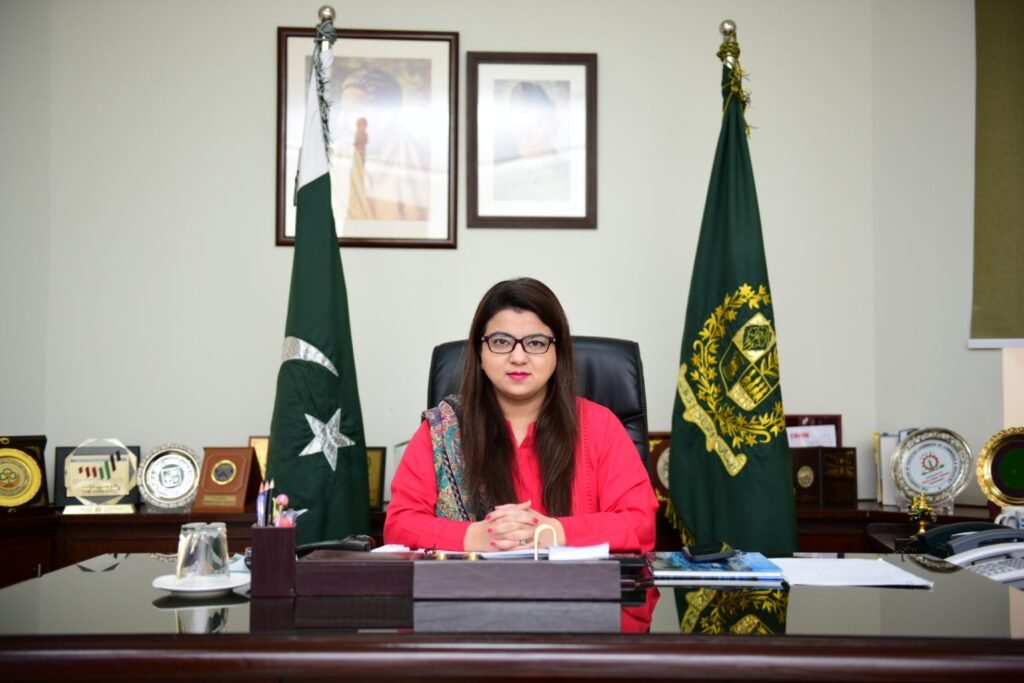
ISLAMABAD — Federal Minister for Information Technology and Telecommunication Shaza Fatima Khawaja emphasized the critical need for digital sovereignty and robust cybersecurity measures in Pakistan on Friday. She underscored that the nation’s sovereignty increasingly hinges on the protection of its digital infrastructure and cyberspace. What Happened During a press briefing, Minister Shaza Fatima Khawaja highlighted the urgent necessity for Pakistan to fortify its digital defenses. She noted that as the world becomes more interconnected, the risks associated with cyber threats have grown exponentially. “National sovereignty now also depends on how well we protect our digital space,” she remarked, indicating the government’s commitment to enhancing cybersecurity protocols. The minister’s comments come at a time when cyber threats are becoming more sophisticated and frequent, posing significant risks to national security, economic stability, and public safety. Shaza Fatima Khawaja called for a comprehensive strategy that involves both government and private sector stakeholders to safeguard Pakistan’s digital assets. Emphasizing the role of technology in modern governance, she stated, “Our reliance on technology has increased manifold, making it imperative to secure our digital borders just as we do our physical ones.” The minister also pointed out the importance of public awareness and education in combating cyber threats, suggesting initiatives to educate citizens about safe online practices. Background Pakistan has been increasingly focusing on digital transformation as part of its broader economic and social development goals. The government has launched several initiatives aimed at improving digital infrastructure and promoting technology-driven growth. However, this digital shift has also exposed the country to a range of cyber threats, necessitating a robust cybersecurity framework. Historically, Pakistan has faced numerous cyberattacks targeting both government and private sector entities. These incidents have highlighted vulnerabilities in the country’s digital infrastructure and underscored the need for enhanced cybersecurity measures. The government has been working on developing a national cybersecurity policy to address these challenges and ensure the protection of sensitive data and systems. Why It Matters The emphasis on digital sovereignty and cybersecurity is crucial for Pakistan’s national security and economic prosperity. As the country continues to embrace digital technologies, the potential impact of cyberattacks on critical infrastructure, financial systems, and personal data becomes a significant concern. Economically, a secure digital environment is vital for attracting foreign investment and fostering innovation. Businesses require assurance that their digital operations are safe from cyber threats, and a robust cybersecurity framework can provide this confidence. Additionally, protecting digital assets is essential for safeguarding intellectual property and maintaining competitive advantage in the global market. On a social level, cybersecurity is integral to protecting citizens’ privacy and ensuring the safe use of digital platforms. With the increasing prevalence of online services, from banking to healthcare, the potential for data breaches and identity theft poses a real threat to individuals. Strengthening cybersecurity measures can help mitigate these risks and build public trust in digital services. Internationally, demonstrating a strong commitment to cybersecurity can enhance Pakistan’s reputation as a responsible digital nation. This can lead to increased collaboration with other countries and international organizations in addressing global cyber threats and developing joint strategies for digital security. Key Takeaways Federal Minister Shaza Fatima Khawaja stresses the importance of digital sovereignty and cybersecurity for national security. Pakistan faces growing cyber threats, necessitating a comprehensive cybersecurity strategy involving government and private sectors. Enhanced cybersecurity is crucial for economic growth, protecting citizens’ privacy, and maintaining international partnerships. The government is working on a national cybersecurity policy to address vulnerabilities and safeguard digital infrastructure. Public awareness and education are key components in combating cyber threats and promoting safe online practices. Source Attribution This article is based on official government statements, press releases, and public communications from relevant authorities. Author: NEN Editorial Desk | Editor: NEN Newsroom | Fact Checked By: NEN Editorial Team Author: NEN Editorial Desk  |  Editor: NEN Newsroom  |  Last Updated: August 14, 2026  |  Source: NEN Reporter This article was produced by the NEN Editorial Desk in accordance with NEN Agency’s Editorial Policy and Fact-Checking Policy.

Scroll to Top