

Pakistan

News related to Pakistan in Pakistan and around the world.

Pakistan

Gold Price Decreases by Rs500 Per Tola in Pakistan

ISLAMABAD — The price of gold in Pakistan saw a decrease on Saturday, with the rate for 24-karat gold dropping by Rs500 per tola, reaching Rs459,936. This change was reported by the All Pakistan Sarafa Gems and Jewellers Association. What Happened The gold market in Pakistan experienced a notable decline as the price of 24-karat gold fell by Rs500 per tola, settling at Rs459,936. Additionally, the price of 24-karat gold per 10 grams decreased by Rs429, bringing it to Rs394,320. This latest adjustment reflects the ongoing fluctuations in the global gold market, which continue to impact local prices. The All Pakistan Sarafa Gems and Jewellers Association, which regularly monitors and reports on gold prices, attributed this decline to various factors, including international market trends and currency exchange rates. The association noted that the global gold market has been experiencing volatility, influenced by economic conditions and geopolitical tensions. According to market analysts, the decrease in gold prices is also linked to the strengthening of the Pakistani rupee against the US dollar. As the rupee gains value, the cost of importing gold becomes relatively cheaper, leading to a reduction in local gold prices. Background Gold has long been considered a safe-haven asset, especially during times of economic uncertainty. In Pakistan, gold is not only a popular form of investment but also holds cultural significance, particularly in weddings and other traditional ceremonies. The country’s gold market is heavily influenced by international prices, as Pakistan imports a significant portion of its gold. Historically, the price of gold in Pakistan has been subject to fluctuations based on global market conditions, currency exchange rates, and domestic demand. Over the past year, the gold market has witnessed several ups and downs, reflecting broader economic trends and geopolitical developments. In recent months, global gold prices have been affected by factors such as inflationary pressures, interest rate hikes by central banks, and geopolitical tensions, including the ongoing conflict in Ukraine. These factors have contributed to the volatility observed in the gold market worldwide. Why It Matters The decrease in gold prices has significant implications for various stakeholders in Pakistan. For consumers, lower gold prices can make purchasing gold more affordable, particularly for those planning weddings or other events where gold jewelry is traditionally exchanged. This can lead to increased consumer spending and a boost for the local jewelry industry. For investors, the decline in gold prices may present both opportunities and challenges. While some may view the lower prices as an opportunity to invest in gold at a reduced cost, others may be concerned about the potential for further price declines, which could impact the value of their investments. Economically, the reduction in gold prices can have a positive effect on the country’s trade balance. As gold is a major import commodity, lower prices can reduce the overall import bill, potentially easing pressure on the country’s foreign exchange reserves. Politically, the stability of gold prices can reflect broader economic stability, which is crucial for maintaining investor confidence and attracting foreign investment. The government’s ability to manage economic challenges, such as currency fluctuations and inflation, can influence public perception and political stability. Key Takeaways The price of 24-karat gold in Pakistan decreased by Rs500 per tola to Rs459,936. The price of 24-karat gold per 10 grams fell by Rs429 to Rs394,320. The decline is attributed to global market trends and the strengthening of the Pakistani rupee. Lower gold prices can benefit consumers and the local jewelry industry. Economic and political stability can be influenced by gold price trends. Source Attribution This article is based on official government statements, press releases, and public communications from relevant authorities. Author: NEN Editorial Desk | Editor: NEN Newsroom | Fact Checked By: NEN Editorial Team Author: NEN Editorial Desk  |  Editor: NEN Newsroom  |  Last Updated: August 15, 2026  |  Source: NEN Reporter This article was produced by the NEN Editorial Desk in accordance with NEN Agency’s Editorial Policy and Fact-Checking Policy.
Pakistan

Child Collects Recyclables from Roadside Garbage in Islamabad

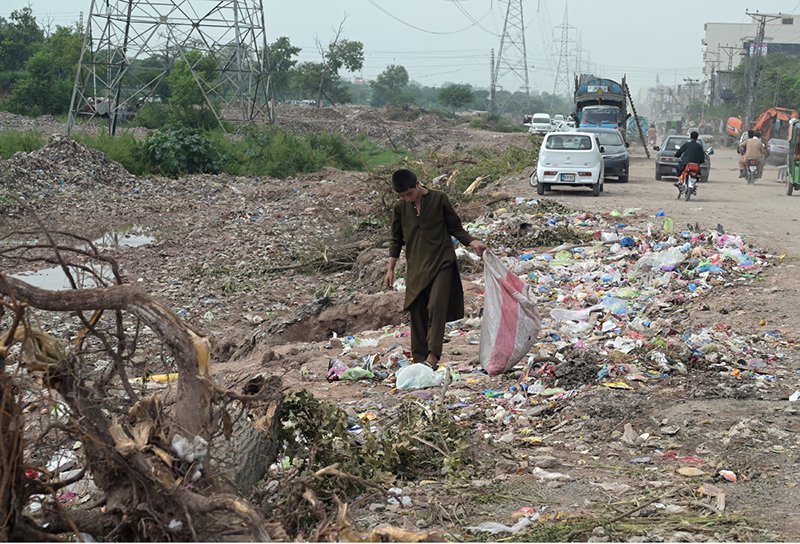
ISLAMABAD — A young boy was seen collecting recyclable materials from heaps of garbage scattered along a roadside in Islamabad on Thursday, highlighting the ongoing issue of waste management in the capital city. The sight underscores the challenges faced by informal waste collectors, often children, who play a crucial role in recycling efforts. What Happened The boy, whose identity remains unknown, was observed sifting through piles of refuse in search of items that could be sold for recycling. This activity is a common sight in various parts of Islamabad, where informal waste collectors, including children, contribute significantly to the recycling process. According to local estimates, these individuals collect a substantial portion of the city’s recyclable waste, which is then processed and reused in various industries. Witnesses reported that the boy was meticulously sorting through the garbage, separating plastic bottles, metal cans, and other materials that could be sold to recycling centers. His actions are part of a larger, informal economy that thrives on the collection and sale of recyclable materials, providing a livelihood for many impoverished families in urban areas. While the boy’s efforts contribute to environmental sustainability, they also highlight the socio-economic challenges faced by many families in Pakistan. The lack of formal waste management systems in several areas forces individuals, including children, to engage in such activities to support their families financially. Background Islamabad, like many other cities in Pakistan, struggles with effective waste management. The city’s rapid urbanization and population growth have outpaced the development of adequate waste disposal infrastructure. As a result, informal waste collectors have become an essential part of the waste management ecosystem. In Pakistan, it is estimated that around 15 to 20 percent of waste is recycled, largely due to the efforts of informal waste collectors. These individuals often work without any protective gear, exposing themselves to health risks. Child labor in this sector is a significant concern, with many children working long hours in hazardous conditions. The government has made efforts to address these issues through various initiatives aimed at improving waste management systems and reducing child labor. However, the implementation of such policies remains inconsistent, and many families continue to rely on informal waste collection as a primary source of income. Why It Matters The presence of children in the informal waste collection sector raises important questions about child labor and socio-economic inequality in Pakistan. The reliance on children for such work indicates a lack of social safety nets and the need for more robust policies to protect vulnerable populations. Economically, the informal recycling sector contributes significantly to the national economy by providing raw materials for various industries. However, the lack of regulation and oversight means that workers, especially children, are often exploited and work in unsafe conditions. Socially, the sight of children working in garbage heaps is a stark reminder of the disparity between different socio-economic groups in Pakistan. It highlights the urgent need for comprehensive policies that address both waste management and child welfare. Internationally, Pakistan’s waste management challenges reflect broader global issues related to urbanization, poverty, and environmental sustainability. Addressing these challenges requires coordinated efforts from both the government and international partners to develop sustainable solutions that protect both people and the environment. Key Takeaways A young boy was seen collecting recyclables from roadside garbage in Islamabad, highlighting waste management issues. Informal waste collectors, including children, play a crucial role in Pakistan’s recycling efforts. Child labor in the waste collection sector raises concerns about socio-economic inequality and safety. Pakistan’s waste management challenges require comprehensive policy solutions and international cooperation. The informal recycling sector significantly contributes to the economy but lacks regulation and oversight. Source Attribution This article is based on official government statements, press releases, and public communications from relevant authorities. Author: NEN Editorial Desk | Editor: NEN Newsroom | Fact Checked By: NEN Editorial Team Author: NEN Editorial Desk  |  Editor: NEN Newsroom  |  Last Updated: August 15, 2026  |  Source: NEN Reporter This article was produced by the NEN Editorial Desk in accordance with NEN Agency’s Editorial Policy and Fact-Checking Policy.
Pakistan

Fahd Haroon Extends Greetings for Rabi-ul-Awwal to Nation and Muslim Ummah

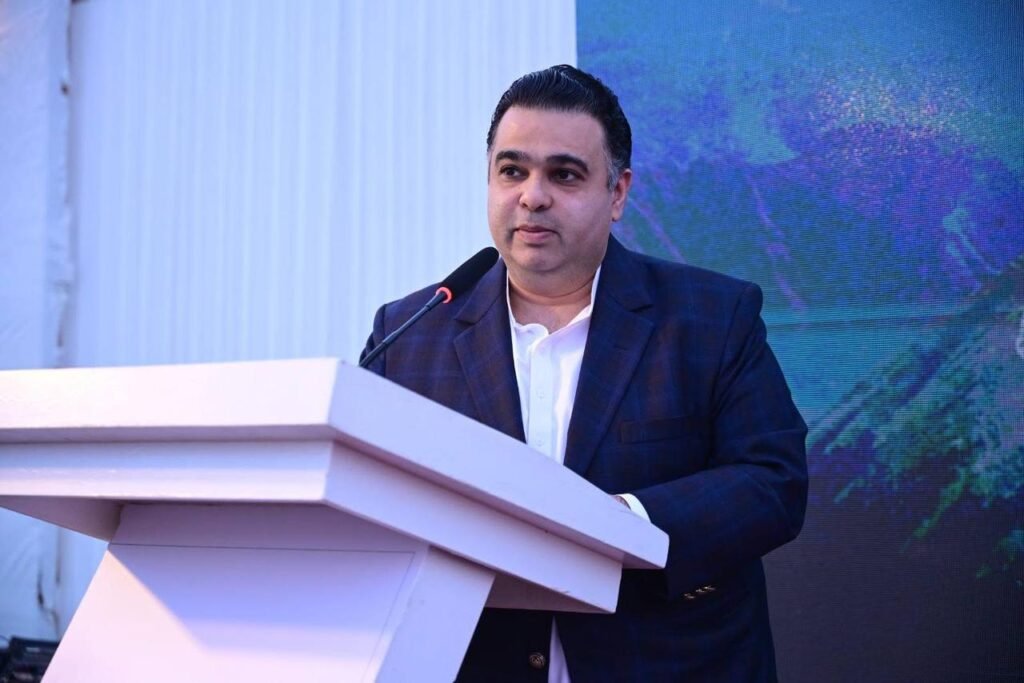
ISLAMABAD — Minister of State and Special Assistant to the Prime Minister on Digital Media, Fahd Haroon, extended his heartfelt greetings to the Muslim Ummah and the people of Pakistan on the occasion of Rabi-ul-Awwal, a month of profound religious significance. The announcement was made on Saturday, emphasizing the sacred nature of the month, which commemorates the birth of Prophet Muhammad (PBUH). What Happened Fahd Haroon, in a public statement, conveyed his felicitations to Muslims worldwide, particularly focusing on the Pakistani community, as they welcome the month of Rabi-ul-Awwal. Haroon highlighted the importance of this month, which is revered for the birth of Prophet Muhammad (PBUH), a figure whose life and teachings have left an indelible impact on humanity. “The advent of the Prophet brought a message of mercy, guidance, love, peace, patience, and brotherhood for all humanity,” Haroon remarked, underscoring the universal values promoted by the Prophet’s teachings. Rabi-ul-Awwal, the third month in the Islamic lunar calendar, is celebrated with various religious activities, including prayers, recitations of the Quran, and gatherings to discuss the life and teachings of the Prophet. In Pakistan, the month is marked by a series of events and programs organized by religious and community leaders, aiming to foster a deeper understanding of the Prophet’s message. Background Rabi-ul-Awwal holds a special place in the hearts of Muslims as it is associated with the birth of Prophet Muhammad (PBUH), who was born in the city of Mecca in the year 570 CE. His birth is celebrated on the 12th of Rabi-ul-Awwal, known as Eid Milad-un-Nabi, which is observed with great reverence and devotion across the Muslim world. The day is marked by processions, special prayers, and sermons that highlight the Prophet’s life and his contributions to Islamic teachings. In Pakistan, Eid Milad-un-Nabi is a public holiday, and the government, along with various religious organizations, arranges events to commemorate the occasion. The celebrations often include illuminating mosques, public buildings, and streets with lights and decorations. The day serves as a reminder of the Prophet’s exemplary character and his message of peace and compassion. Why It Matters The observance of Rabi-ul-Awwal and Eid Milad-un-Nabi plays a significant role in reinforcing religious and cultural identity among Muslims. It provides an opportunity for reflection on the teachings of the Prophet Muhammad (PBUH) and their relevance in today’s world. The emphasis on values such as peace, patience, and brotherhood is particularly pertinent in the current global context, where divisions and conflicts often overshadow the commonalities that unite humanity. For Pakistan, a nation with a rich Islamic heritage, the celebrations serve to strengthen community bonds and promote a sense of unity and shared purpose. The government’s involvement in organizing and supporting these events reflects its commitment to preserving and promoting Islamic traditions. Additionally, the month offers a platform for interfaith dialogue and understanding, as the universal values espoused by the Prophet resonate with people of all faiths. Economically, the celebrations of Rabi-ul-Awwal also contribute to local economies, as markets see increased activity with the sale of decorations, food items, and religious literature. This period of heightened economic activity provides a boost to small businesses and vendors, particularly those specializing in religious paraphernalia. Key Takeaways Fahd Haroon extended greetings to the Muslim Ummah and Pakistanis for Rabi-ul-Awwal. Rabi-ul-Awwal is significant for commemorating the birth of Prophet Muhammad (PBUH). Celebrations include prayers, Quran recitations, and community gatherings. It reinforces religious identity and promotes peace, patience, and brotherhood. The month has economic benefits, boosting local markets and small businesses. Source Attribution This article is based on official government statements and public communications from relevant authorities. Author: NEN Editorial Desk | Editor: NEN Newsroom | Fact Checked By: NEN Editorial Team Author: NEN Editorial Desk  |  Editor: NEN Newsroom  |  Last Updated: August 15, 2026  |  Source: NEN Reporter This article was produced by the NEN Editorial Desk in accordance with NEN Agency’s Editorial Policy and Fact-Checking Policy.
Pakistan

PM Shehbaz Sharif Expresses Condolences Over Indonesia Earthquake Tragedy

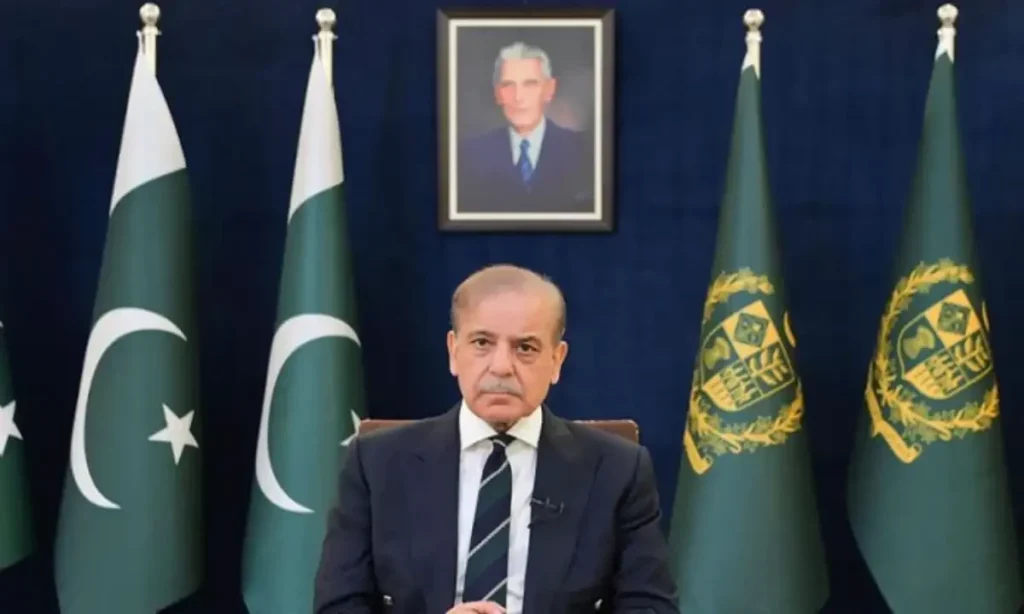
ISLAMABAD — Prime Minister Muhammad Shehbaz Sharif expressed his deep sorrow over the tragic loss of lives and extensive devastation caused by the recent earthquake in Indonesia. The Prime Minister conveyed his condolences to the Indonesian President and the affected families, emphasizing Pakistan’s solidarity with Indonesia during this challenging time. What Happened On Saturday, Prime Minister Shehbaz Sharif took to social media to express his heartfelt condolences following a devastating earthquake in Indonesia. The earthquake, which struck on August 15, resulted in significant loss of life and widespread damage across the affected regions. In his message, the Prime Minister extended his sympathies to Indonesian President Prabowo Subianto, the people of Indonesia, and the bereaved families who lost loved ones in the disaster. Prime Minister Sharif stated, “On behalf of the people and Government of Pakistan, I extend my heartfelt condolences to President Prabowo Subianto, the people of Indonesia, and the bereaved families. Our thoughts and prayers are with all those affected, and we pray for the swift recovery of the injured.” He further assured that Pakistan stands in solidarity with Indonesia, offering support and resilience to those facing the aftermath of the earthquake. The earthquake, which struck Indonesia’s densely populated regions, has left a trail of destruction, with emergency services working tirelessly to rescue survivors and provide aid to those affected. The Indonesian government has declared a state of emergency, mobilizing resources to address the immediate needs of the victims and begin the long process of recovery and rebuilding. Background Indonesia, located on the Pacific Ring of Fire, is prone to frequent seismic activity due to its position on several tectonic plates. Over the years, the country has experienced numerous earthquakes and volcanic eruptions, often resulting in significant casualties and damage. The recent earthquake is a stark reminder of the ongoing natural threats faced by the region. Historically, Indonesia has implemented various disaster preparedness and response strategies to mitigate the impact of such natural calamities. However, the scale and unpredictability of earthquakes often pose challenges to these efforts. The government, alongside international aid organizations, continues to work on enhancing resilience and response capabilities to better protect its population. Why It Matters The earthquake in Indonesia highlights the vulnerability of nations situated in seismically active zones and underscores the importance of international solidarity in times of crisis. Pakistan’s expression of support is a testament to the longstanding diplomatic and cultural ties between the two countries. By standing with Indonesia, Pakistan not only reinforces its commitment to international cooperation but also strengthens its bilateral relations with a key Southeast Asian nation. For Pakistan, which has also experienced its share of natural disasters, the situation in Indonesia serves as a reminder of the need for robust disaster management systems and international collaboration. The shared experiences of dealing with natural calamities can foster stronger partnerships and knowledge exchange, ultimately enhancing disaster preparedness and response strategies in both countries. Moreover, the human cost of such disasters extends beyond immediate loss of life and property. The psychological and economic impacts on affected communities can be profound, necessitating comprehensive recovery efforts that address both short-term relief and long-term rehabilitation. The international community’s role in providing aid and support is crucial in facilitating these efforts and ensuring affected populations can rebuild their lives. Key Takeaways Prime Minister Shehbaz Sharif expressed condolences to Indonesia following a devastating earthquake. The earthquake resulted in significant loss of life and damage, prompting a state of emergency in Indonesia. Pakistan’s support underscores the importance of international solidarity in times of crisis. The disaster highlights the need for robust disaster management and international cooperation. Long-term recovery efforts are essential to address the broader impacts on affected communities. Source Attribution This article is based on official government statements and public communications from relevant authorities. Author: NEN Editorial Desk | Editor: NEN Newsroom | Fact Checked By: NEN Editorial Team Author: NEN Editorial Desk  |  Editor: NEN Newsroom  |  Last Updated: August 15, 2026  |  Source: Press Release from Government of Pakistan This article was produced by the NEN Editorial Desk in accordance with NEN Agency’s Editorial Policy and Fact-Checking Policy.
Pakistan

Prime Minister Instructs NDMA to Enhance Flood Relief Efforts

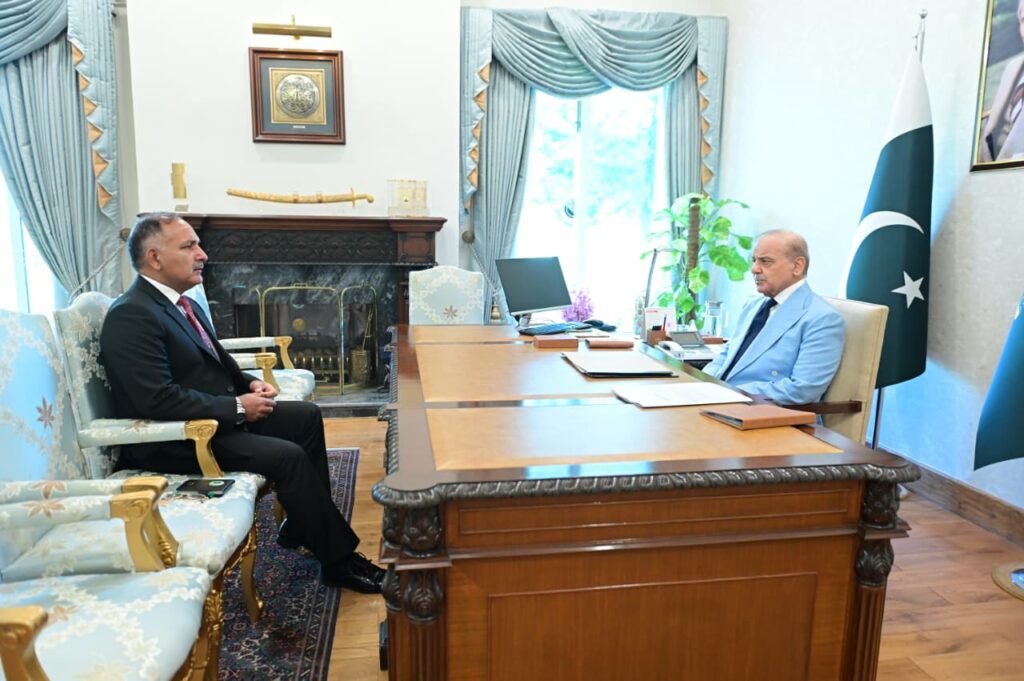
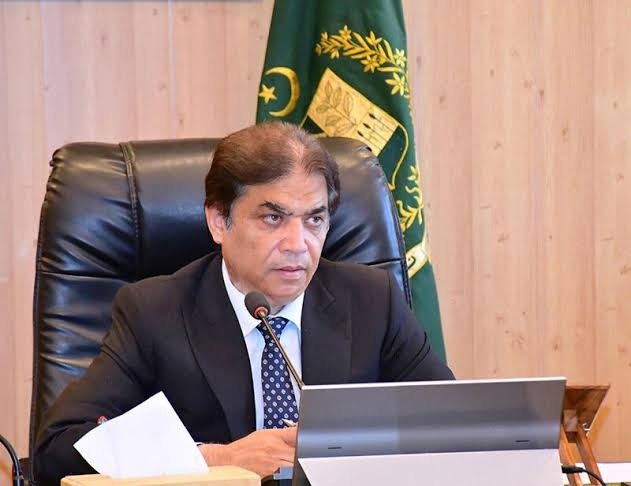
ISLAMABAD — Prime Minister Shehbaz Sharif has directed the National Disaster Management Authority (NDMA) to maximize relief efforts for flood-affected individuals across Pakistan. The directive came during a meeting held on Saturday with NDMA Chairman Lieutenant General Inam Haider Malik, who provided a briefing on the current situation. What Happened During the meeting in Islamabad, Prime Minister Shehbaz Sharif emphasized the urgency of deploying all available resources to assist those impacted by the ongoing floods. The Prime Minister instructed the NDMA to coordinate closely with provincial disaster management authorities and other relevant agencies to ensure that aid reaches those in need swiftly and effectively. Lieutenant General Inam Haider Malik briefed the Prime Minister on the current flood situation, detailing the extent of the damage and the ongoing relief operations. He highlighted the challenges faced in accessing certain remote areas and the need for additional resources to overcome these obstacles. The NDMA has been tasked with prioritizing the distribution of food, clean water, and medical supplies to the affected regions. Prime Minister Sharif reiterated the government’s commitment to supporting flood victims and stressed the importance of transparency and accountability in the relief efforts. He urged all stakeholders to work collaboratively to mitigate the impact of the floods and to ensure that relief efforts are not hampered by bureaucratic delays. Background Pakistan has been experiencing severe monsoon rains, leading to widespread flooding in various parts of the country. The floods have resulted in significant loss of life, displacement of communities, and destruction of infrastructure. The NDMA, established under the National Disaster Management Act of 2010, is responsible for coordinating disaster response efforts at the national level. Historically, Pakistan has faced challenges in managing natural disasters due to its diverse geography and the intensity of monsoon seasons. Previous flood events, such as those in 2010 and 2022, have underscored the need for effective disaster management strategies and robust infrastructure to withstand such calamities. Why It Matters The Prime Minister’s directive is crucial in ensuring that relief efforts are intensified and reach the most vulnerable populations swiftly. Floods have a profound impact on Pakistan’s economy, particularly in rural areas where agriculture is a primary livelihood. The destruction of crops and infrastructure not only affects immediate food security but also has long-term economic consequences. Socially, the floods exacerbate existing vulnerabilities, particularly among women, children, and the elderly, who are often the hardest hit during such disasters. Ensuring that relief efforts are inclusive and address the specific needs of these groups is essential for effective recovery. Politically, the government’s response to the floods is a test of its ability to manage crises and deliver on its promises of support and relief. Effective disaster management can enhance public trust and demonstrate the government’s commitment to the welfare of its citizens. Internationally, Pakistan’s handling of the flood crisis can influence its relationships with donor countries and international organizations. Efficient and transparent relief efforts can attract additional support and resources from the global community, aiding in recovery and rebuilding efforts. Key Takeaways Prime Minister Shehbaz Sharif has directed the NDMA to enhance relief efforts for flood-affected areas. The NDMA is coordinating with provincial authorities to ensure effective distribution of aid. Floods have caused significant damage, impacting lives, infrastructure, and the economy. The government’s response is critical for maintaining public trust and securing international support. Relief efforts must prioritize vulnerable populations, including women, children, and the elderly. Source Attribution This article is based on official government statements, press releases, and public communications from relevant authorities. Author: NEN Editorial Desk | Editor: NEN Newsroom | Fact Checked By: NEN Editorial Team Author: NEN Editorial Desk  |  Editor: NEN Newsroom  |  Last Updated: August 15, 2026  |  Source: Press Release from Government of Pakistan This article was produced by the NEN Editorial Desk in accordance with NEN Agency’s Editorial Policy and Fact-Checking Policy.
Pakistan

ML-1 Project: Cornerstone for Pakistan Railways’ Modernization, Says Minister

LAHORE — Minister for Railways Muhammad Hanif Abbasi emphasized on Saturday that the Main Line-1 (ML-1) project serves as the cornerstone for the modernization and development of Pakistan Railways. He expressed satisfaction with the progress made on this flagship initiative, which is expected to significantly enhance the railway infrastructure in the country. What Happened Minister Muhammad Hanif Abbasi, in a statement issued on August 15, highlighted the importance of the ML-1 project for Pakistan Railways’ future. He noted that the upgradation of this critical railway line would lead to increased train speeds, improved passenger facilities, and a more robust railway network. The minister’s comments came as part of an ongoing assessment of the project’s progress, which is being closely monitored by the government. The ML-1 project is a major component of the China-Pakistan Economic Corridor (CPEC) and involves the complete overhaul of the existing railway line from Karachi to Peshawar. This comprehensive upgrade aims to increase the speed of passenger trains up to 160 kilometers per hour and significantly reduce travel time across the country. The project also includes the installation of a modern signaling system and the construction of new stations to enhance the overall passenger experience. According to the minister, the project is progressing according to schedule, with several key milestones already achieved. The government is committed to ensuring that the ML-1 project is completed within the stipulated timeframe, as it is expected to play a crucial role in boosting Pakistan’s economy by improving connectivity and facilitating trade. Background The ML-1 project is part of a broader strategy to revitalize Pakistan’s railway system, which has suffered from decades of underinvestment and neglect. Historically, the railway network has been a vital component of the country’s transportation infrastructure, but it has faced numerous challenges, including outdated technology, inadequate maintenance, and financial constraints. In recent years, the government has prioritized the modernization of the railway system as part of its national development agenda. The ML-1 project, in particular, is seen as a transformative initiative that will not only improve transportation efficiency but also create thousands of jobs and stimulate economic growth. The project is being implemented in collaboration with China under the CPEC framework, which has brought significant investment and technical expertise to Pakistan’s infrastructure projects. Why It Matters The successful implementation of the ML-1 project is expected to have far-reaching implications for Pakistan’s economy and society. By reducing travel times and increasing train speeds, the project will make rail travel a more attractive option for both passengers and freight transport. This could lead to a shift from road to rail transport, alleviating pressure on the country’s road infrastructure and reducing traffic congestion and pollution. Economically, the project is anticipated to enhance trade efficiency by providing a faster and more reliable means of transporting goods across the country. This could boost Pakistan’s trade competitiveness and attract further investment in the logistics and transport sectors. Additionally, the project is expected to generate significant employment opportunities during its construction phase and beyond, contributing to job creation and economic development. On a social level, the modernization of Pakistan Railways through the ML-1 project could improve accessibility and mobility for millions of citizens, particularly those in remote and underserved areas. Enhanced railway services could facilitate greater social and economic integration, contributing to regional development and cohesion. Key Takeaways The ML-1 project is a key component of Pakistan Railways’ modernization efforts. Minister for Railways Muhammad Hanif Abbasi expressed satisfaction with the project’s progress. The project aims to increase train speeds and improve passenger facilities. It is part of the China-Pakistan Economic Corridor (CPEC) initiative. The project is expected to have significant economic and social impacts. Source Attribution This article is based on official government statements, press releases, and public communications from relevant authorities. Author: NEN Editorial Desk | Editor: NEN Newsroom | Fact Checked By: NEN Editorial Team Author: NEN Editorial Desk  |  Editor: NEN Newsroom  |  Last Updated: August 15, 2026  |  Source: Press Release from Government of Pakistan This article was produced by the NEN Editorial Desk in accordance with NEN Agency’s Editorial Policy and Fact-Checking Policy.
Pakistan

Over 3,000 Motorcycles Seized in Lahore Traffic Crackdown

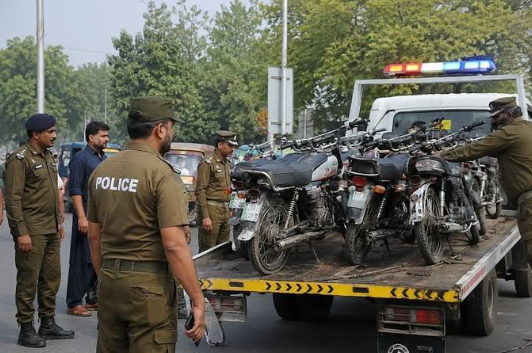
LAHORE — In a concerted effort to curb traffic violations during the Independence Day celebrations, Lahore’s traffic police impounded over 3,000 motorcycles. The crackdown, which spanned two days, targeted reckless driving, speeding, and dangerous stunts, according to official police statements. What Happened The traffic police in Lahore initiated a comprehensive operation to address the surge in traffic violations typically observed during the Independence Day festivities. The operation, which took place over August 14 and 15, was aimed at ensuring public safety and maintaining order on the roads. Police sources reported that more than 3,000 motorcycles were seized during the crackdown, with special attention given to those involved in one-wheeling and other hazardous driving behaviors. Traffic police officers were deployed across key locations in the city to monitor and apprehend violators. In addition to the impounding of motorcycles, legal actions were taken against individuals found engaging in dangerous driving practices. Five cases were registered at various police stations, highlighting the authorities’ commitment to enforcing traffic laws. “Our primary goal is to ensure the safety of all citizens, especially during such national celebrations when the risk of accidents increases,” stated a senior police official. The operation was part of a broader initiative to promote road safety and reduce the incidence of traffic-related incidents during public holidays. Background Independence Day in Pakistan is marked by widespread celebrations, including parades, fireworks, and public gatherings. However, these festivities often lead to an increase in traffic violations as citizens take to the streets to celebrate. In recent years, there has been a growing concern over the rise in accidents and injuries resulting from reckless driving during these celebrations. The traffic police in Lahore have historically implemented similar crackdowns during major public holidays to mitigate the risks associated with increased vehicular activity. These efforts are part of a larger strategy to instill a culture of road safety and adherence to traffic regulations among the public. Why It Matters The crackdown on traffic violations during Independence Day celebrations holds significant importance for several reasons. Firstly, it underscores the need for stringent enforcement of traffic laws to protect public safety. The impounding of over 3,000 motorcycles serves as a deterrent to potential violators, emphasizing the consequences of reckless driving. Economically, traffic violations and the resulting accidents place a substantial burden on public resources, including healthcare services and law enforcement. By reducing the incidence of such violations, authorities can alleviate some of this strain, allowing resources to be allocated more efficiently. Socially, the crackdown sends a clear message about the importance of responsible driving. It aims to foster a culture of safety and respect for traffic laws, which is crucial for reducing the overall number of traffic-related incidents in the long term. This initiative aligns with broader efforts to enhance road safety standards across Pakistan. Internationally, demonstrating a commitment to road safety can improve Pakistan’s image as a country that prioritizes the well-being of its citizens. This can have positive implications for tourism and foreign investment, as safety is a key consideration for both tourists and investors. Key Takeaways Over 3,000 motorcycles were seized in Lahore during a traffic crackdown on Independence Day. The operation targeted reckless driving, speeding, and dangerous stunts. Five cases were registered against individuals for engaging in hazardous driving practices. The crackdown is part of efforts to promote road safety and reduce traffic violations. Such initiatives are crucial for protecting public safety and improving Pakistan’s international image. Source Attribution This article is based on official government statements, press releases, and public communications from relevant authorities. Author: NEN Editorial Desk | Editor: NEN Newsroom | Fact Checked By: NEN Editorial Team Author: NEN Editorial Desk  |  Editor: NEN Newsroom  |  Last Updated: August 15, 2026  |  Source: NEN Reporter This article was produced by the NEN Editorial Desk in accordance with NEN Agency’s Editorial Policy and Fact-Checking Policy.
Pakistan

Students Showcase Cultural Tableau at Bahawalpur Independence Day Event

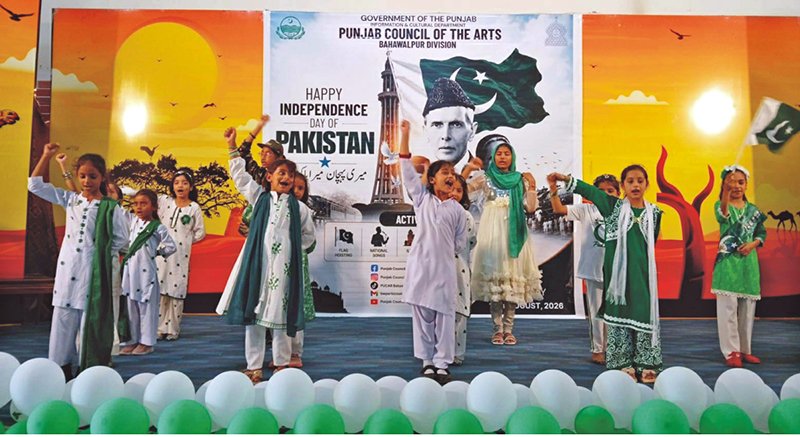
BAHAWALPUR — Students captivated audiences with a cultural tableau at an Independence Day event organized by the Punjab Council of the Arts in Bahawalpur on August 14. The event was part of the nationwide celebrations marking Pakistan’s 79th Independence Day. What Happened The Punjab Council of the Arts hosted an Independence Day event in Bahawalpur, where students performed a tableau that highlighted the rich cultural heritage of Pakistan. The performance was designed to instill a sense of patriotism and pride among the attendees. The event attracted a diverse audience, including local dignitaries, families, and art enthusiasts, all gathered to witness the vibrant display of cultural expression. The tableau, performed by students from various schools in the region, depicted significant historical events and cultural traditions of Pakistan. The young performers donned traditional attire representing different provinces, showcasing the unity in diversity that characterizes the nation. The performance was met with applause and appreciation from the audience, who were visibly moved by the students’ dedication and talent. In addition to the tableau, the event featured speeches by local leaders and cultural experts who emphasized the importance of preserving and promoting Pakistan’s cultural heritage. The event concluded with a flag-hoisting ceremony and a rendition of the national anthem, further enhancing the patriotic spirit of the occasion. Background Independence Day in Pakistan is celebrated annually on August 14, commemorating the country’s independence from British rule in 1947. The day is marked by various events and activities across the country, including flag-hoisting ceremonies, parades, cultural performances, and fireworks displays. The Punjab Council of the Arts, established to promote cultural activities and support artists in the region, regularly organizes events that celebrate and preserve the cultural heritage of Punjab and Pakistan as a whole. Tableaux performances have been a traditional part of Independence Day celebrations, serving as a medium to educate and engage the public about the country’s history and cultural diversity. These performances are often integrated into school curriculums and community events, highlighting their role in fostering national unity and pride. Why It Matters The cultural tableau performed by students in Bahawalpur is significant for several reasons. Firstly, it serves as a reminder of the rich cultural diversity that exists within Pakistan. By showcasing the traditional attire and customs of various provinces, the performance underscores the importance of unity in a country with diverse ethnic and cultural backgrounds. Moreover, events like these play a crucial role in educating the younger generation about the nation’s history and cultural heritage. In an era where global influences are pervasive, such performances help preserve indigenous traditions and instill a sense of national identity among the youth. Economically, cultural events contribute to the local economy by attracting visitors and promoting tourism. They provide a platform for local artists and performers to showcase their talents, potentially leading to further opportunities in the arts and entertainment sectors. On a broader scale, celebrating Independence Day with cultural events strengthens national solidarity and pride. It reminds citizens of the struggles and sacrifices made by their forebears to achieve independence, reinforcing the values of freedom and democracy that are central to Pakistan’s national identity. Key Takeaways Students performed a cultural tableau at an Independence Day event in Bahawalpur, organized by the Punjab Council of the Arts. The performance highlighted Pakistan’s cultural diversity and historical events, fostering national unity and pride. Independence Day celebrations in Pakistan commemorate the country’s independence from British rule in 1947. Cultural events contribute to local economies and provide platforms for artists to showcase their talents. Such events play a vital role in educating youth about national history and preserving cultural heritage. Source Attribution This article is based on official government statements, press releases, and public communications from relevant authorities. Author: NEN Editorial Desk | Editor: NEN Newsroom | Fact Checked By: NEN Editorial Team Author: NEN Editorial Desk  |  Editor: NEN Newsroom  |  Last Updated: August 14, 2026  |  Source: NEN Reporter This article was produced by the NEN Editorial Desk in accordance with NEN Agency’s Editorial Policy and Fact-Checking Policy.
Pakistan

Islamabad Celebrates Independence Day with Vibrant Cultural Parade

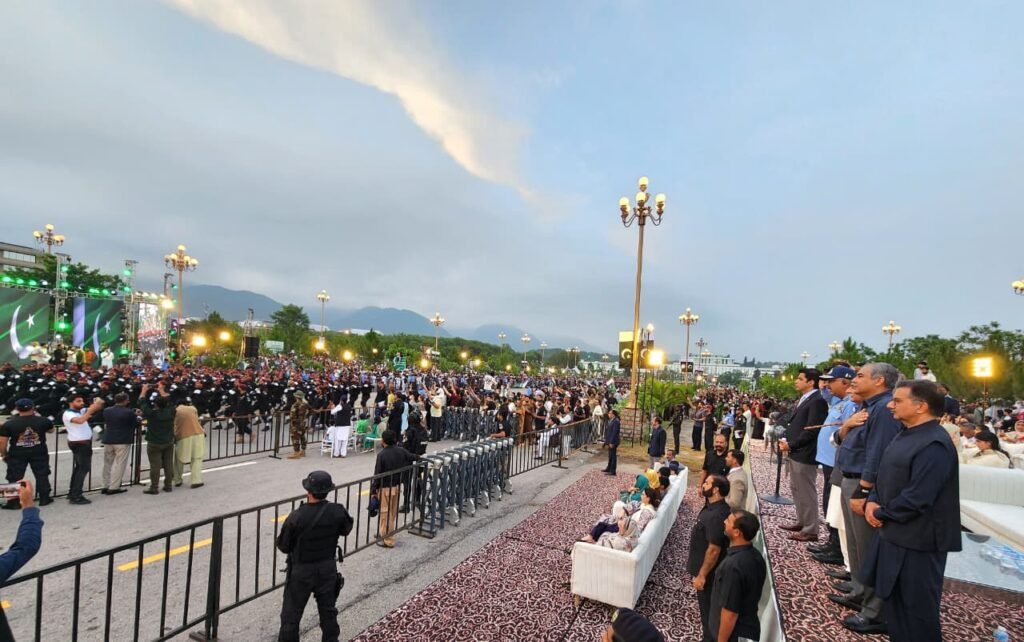
ISLAMABAD — The federal capital marked Independence Day with a vibrant City Parade at D-Chowk on Friday evening, showcasing a colorful display of national culture, music, and public festivities. This event comes 12 years after the last such parade was held in Islamabad, drawing large crowds eager to celebrate the nation’s heritage and unity. What Happened The City Parade, held at the iconic D-Chowk, featured a variety of performances and displays that highlighted Pakistan’s rich cultural diversity. Participants from different provinces showcased traditional dances, music, and costumes, creating a festive atmosphere that resonated with the spirit of Independence Day. The parade included floats representing various cultural themes, each adorned with intricate designs and vibrant colors. Officials from the federal government and local administration attended the event, emphasizing the importance of unity and national pride. The parade also featured performances by local artists and musicians, who played patriotic songs that stirred emotions among the attendees. The event was a significant draw for families, with many bringing children to witness the celebrations and learn about Pakistan’s cultural heritage. Security measures were heightened to ensure the safety of participants and spectators, with law enforcement agencies coordinating efforts to manage the large crowds. The event concluded with a spectacular fireworks display, illuminating the night sky over Islamabad and symbolizing the nation’s aspirations for peace and prosperity. Background Independence Day in Pakistan is celebrated annually on August 14, commemorating the country’s independence from British rule in 1947. Traditionally, the day is marked by ceremonies, parades, and cultural events across the nation. However, large-scale parades in Islamabad have been rare in recent years due to various logistical and security challenges. The last major parade in Islamabad was held 12 years ago, making this year’s event particularly significant. The decision to revive the parade reflects a renewed focus on promoting national unity and cultural appreciation. The federal government has been keen to use such events to foster a sense of pride and belonging among citizens, especially in the context of ongoing social and political challenges. Why It Matters The revival of the City Parade in Islamabad is significant for several reasons. Economically, such events can boost local businesses, as vendors and artisans benefit from the increased foot traffic and interest in cultural products. Socially, the parade serves as a platform for promoting cultural understanding and unity among Pakistan’s diverse population. By showcasing the traditions and customs of different regions, the event fosters a sense of national identity that transcends ethnic and linguistic differences. Politically, the parade underscores the government’s commitment to preserving and promoting cultural heritage. In a time of political uncertainty and economic challenges, public displays of unity and cultural pride can enhance national morale and cohesion. Internationally, the event projects a positive image of Pakistan as a nation that values its cultural diversity and is committed to peace and progress. The parade also has implications for tourism, as such vibrant cultural displays can attract international visitors and promote Pakistan as a destination rich in history and tradition. By investing in cultural events, the government hopes to strengthen Pakistan’s reputation on the global stage and encourage cultural exchange. Key Takeaways Islamabad hosted a City Parade at D-Chowk to celebrate Independence Day, the first in 12 years. The event featured cultural performances, traditional dances, and a fireworks display. The parade highlighted Pakistan’s cultural diversity and aimed to promote national unity. Security was heightened to ensure the safety of the large crowds attending the event. The parade has economic, social, and political significance, boosting local businesses and fostering national pride. Source Attribution This article is based on official government statements, press releases, and public communications from relevant authorities. Author: NEN Editorial Desk | Editor: NEN Newsroom | Fact Checked By: NEN Editorial Team Author: NEN Editorial Desk  |  Editor: NEN Newsroom  |  Last Updated: August 14, 2026  |  Source: NEN Reporter This article was produced by the NEN Editorial Desk in accordance with NEN Agency’s Editorial Policy and Fact-Checking Policy.

Pakistan

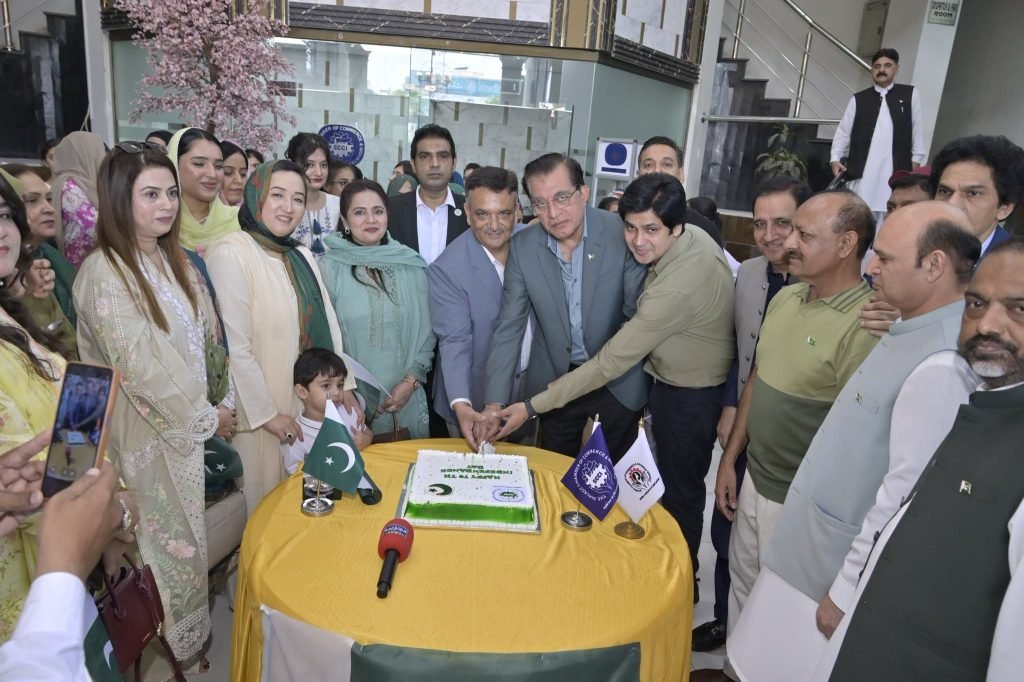
Sialkot Chamber Celebrates Independence Day With Flag Hoisting Ceremony

SIALKOT — The Sialkot Chamber of Commerce and Industry (SCCI) marked Pakistan’s 79th Independence Day with a ceremonial flag-hoisting and cake-cutting event on Friday at its headquarters. The celebration was attended by prominent figures from the local business community, reflecting their patriotic spirit and dedication to national progress. What Happened The event, held at the SCCI premises, was graced by President SCCI Syed Ahtesham Mazhar, Senior Vice President Muhammad Murad Arshad, Vice President Salman Sheikh, and President of the Women Chamber of Commerce and Industry Sialkot (WCCIS) Dr. Mariam Siddiqa. Members of the Executive Committee and SCCI employees also participated in the festivities. As part of the ceremony, the national flag was hoisted, symbolizing the unity and independence of Pakistan. Following the flag hoisting, a cake was cut to commemorate the nation’s independence, marking 79 years since Pakistan’s establishment. The event underscored the business community’s commitment to the country’s development and prosperity. In his address, President SCCI Syed Ahtesham Mazhar emphasized the significance of Independence Day, paying homage to the sacrifices made by the nation’s founders. He reiterated the chamber’s resolve to contribute to Pakistan’s economic growth and stability. “Our forefathers laid down their lives for this nation, and it is our duty to honor their sacrifices by working towards a prosperous Pakistan,” he stated. The participants collectively expressed their aspirations for peace, stability, and progress in Pakistan, highlighting the role of the business sector in achieving these goals. The ceremony concluded with prayers for the nation’s continued success and prosperity. Background Pakistan’s Independence Day, celebrated annually on August 14, marks the day in 1947 when the country gained independence from British rule. The day is observed with various ceremonies and events across the nation, reflecting on the struggles and achievements of the past. The Sialkot Chamber of Commerce and Industry, established in 1982, has been an active participant in these celebrations, promoting the interests of the local business community and contributing to regional economic development. Sialkot, known for its thriving industrial sector, particularly in sports goods and surgical instruments, plays a significant role in Pakistan’s economy. The city’s business community has historically been at the forefront of national economic initiatives, making the SCCI a pivotal institution in fostering economic growth and innovation. Why It Matters The celebration of Independence Day by the Sialkot Chamber of Commerce and Industry is significant as it highlights the crucial role of the business community in Pakistan’s economic landscape. Sialkot’s industries have been instrumental in driving exports, contributing substantially to the national economy. Events like these reinforce the commitment of business leaders to national development and unity. The SCCI’s involvement in Independence Day celebrations also serves as a reminder of the interconnectedness of economic prosperity and national stability. By fostering a sense of patriotism and responsibility among business leaders, such events encourage a collective effort towards addressing economic challenges and capitalizing on growth opportunities. Furthermore, the participation of the Women Chamber of Commerce and Industry Sialkot underscores the increasing role of women in the economic sector. It reflects a broader trend of gender inclusivity and empowerment within Pakistan’s business community, aligning with national and international efforts to promote gender equality in economic participation. Key Takeaways The Sialkot Chamber of Commerce and Industry celebrated Pakistan’s 79th Independence Day with a flag-hoisting and cake-cutting ceremony. The event was attended by key figures from the SCCI and the local business community, emphasizing their patriotic spirit. President SCCI Syed Ahtesham Mazhar highlighted the importance of honoring the sacrifices of Pakistan’s founders through economic development. The ceremony reinforced the role of the business community in contributing to national prosperity and stability. The inclusion of the Women Chamber of Commerce in the event reflects growing gender inclusivity in Pakistan’s economic sector. Source Attribution This article is based on official statements and public communications from the Sialkot Chamber of Commerce and Industry. Author: NEN Editorial Desk | Editor: NEN Newsroom | Fact Checked By: NEN Editorial Team Author: NEN Editorial Desk  |  Editor: NEN Newsroom  |  Last Updated: August 14, 2026  |  Source: Press Release from Government of Pakistan This article was produced by the NEN Editorial Desk in accordance with NEN Agency’s Editorial Policy and Fact-Checking Policy.

Scroll to Top