
Pakistan

News related to Pakistan in Pakistan and around the world.

Pakistan

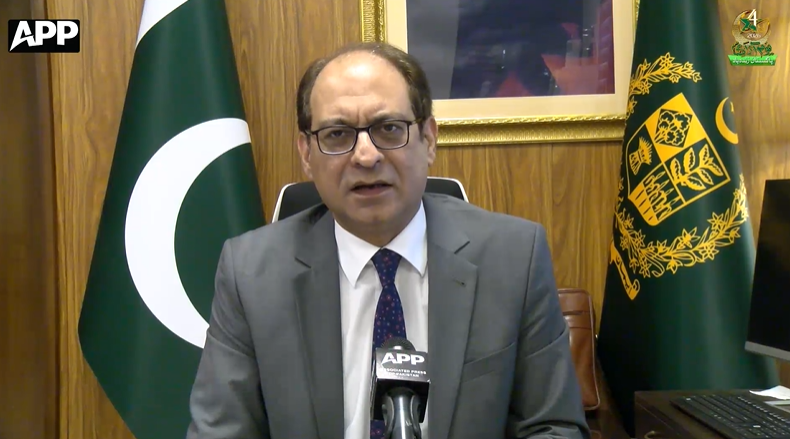
Information Secretary Highlights Sacrifices on 79th Independence Day

ISLAMABAD — Federal Secretary for Information and Broadcasting Ashfaq Ahmed Khalil extended his felicitations to the nation on Friday as Pakistan marked its 79th Independence Day. He emphasized the occasion as a poignant reminder of the sacrifices made by the forefathers in the quest for a separate homeland. What Happened On the 79th Independence Day of Pakistan, Federal Secretary Ashfaq Ahmed Khalil addressed the nation, underscoring the significance of the day in the country’s history. In his message, Khalil highlighted the struggles and sacrifices of those who fought for the independence of Pakistan, which was achieved on August 14, 1947. He remarked, “Independence Day is not only a celebration but also a solemn reminder of the sacrifices rendered by our forefathers for the creation of Pakistan.” The Secretary’s message was part of the national celebrations that included various events across the country. These events aimed to honor the contributions of the nation’s founders and to inspire future generations to uphold the values that led to Pakistan’s independence. The government organized flag-hoisting ceremonies, cultural programs, and public speeches to commemorate the day. Khalil’s remarks came amid a backdrop of national pride and reflection, as citizens across Pakistan engaged in festivities and patriotic displays. The day was marked by a renewed commitment to the country’s founding principles and a call for unity among its people. Background Pakistan’s Independence Day commemorates the end of British colonial rule and the establishment of Pakistan as a sovereign nation. The struggle for independence was led by the All-India Muslim League under the leadership of Muhammad Ali Jinnah, who is revered as the Father of the Nation. The partition of British India resulted in the creation of two independent dominions, India and Pakistan, on August 14 and 15, 1947, respectively. The day is historically significant as it marks the culmination of a long and arduous struggle for a separate homeland for Muslims in the Indian subcontinent. The sacrifices made during this period include the loss of lives, displacement of millions, and the enduring impact on the region’s socio-political landscape. Why It Matters Independence Day serves as a crucial reminder of the values and principles that underpin the Pakistani nation. It is a day of reflection on the sacrifices made by the country’s founders and the responsibilities of current and future generations to preserve the nation’s sovereignty and integrity. Economically, the day is a catalyst for promoting national unity and fostering a sense of belonging among citizens. It is an opportunity for the government to address the challenges facing the nation and to outline strategies for economic growth, social development, and political stability. Socially, Independence Day reinforces national identity and cultural heritage. It is a day when Pakistanis come together to celebrate their shared history and aspirations, transcending ethnic and linguistic divides. This unity is vital in addressing the internal and external challenges that the country faces. On the international front, the day highlights Pakistan’s role and standing in the global community. It is an occasion to reaffirm the country’s commitment to peace, cooperation, and development on the world stage. Key Takeaways Federal Secretary Ashfaq Ahmed Khalil emphasized the sacrifices made for Pakistan’s independence. The 79th Independence Day was marked by national celebrations and calls for unity. Independence Day commemorates the end of British rule and the creation of Pakistan in 1947. The day serves as a reminder of the responsibilities of current and future generations. Independence Day is significant for promoting national unity and cultural heritage. Source Attribution This article is based on official government statements, press releases, and public communications from relevant authorities. Author: NEN Editorial Desk | Editor: NEN Newsroom | Fact Checked By: NEN Editorial Team Author: NEN Editorial Desk  |  Editor: NEN Newsroom  |  Last Updated: August 14, 2026  |  Source: NEN Reporter This article was produced by the NEN Editorial Desk in accordance with NEN Agency’s Editorial Policy and Fact-Checking Policy.

Pakistan

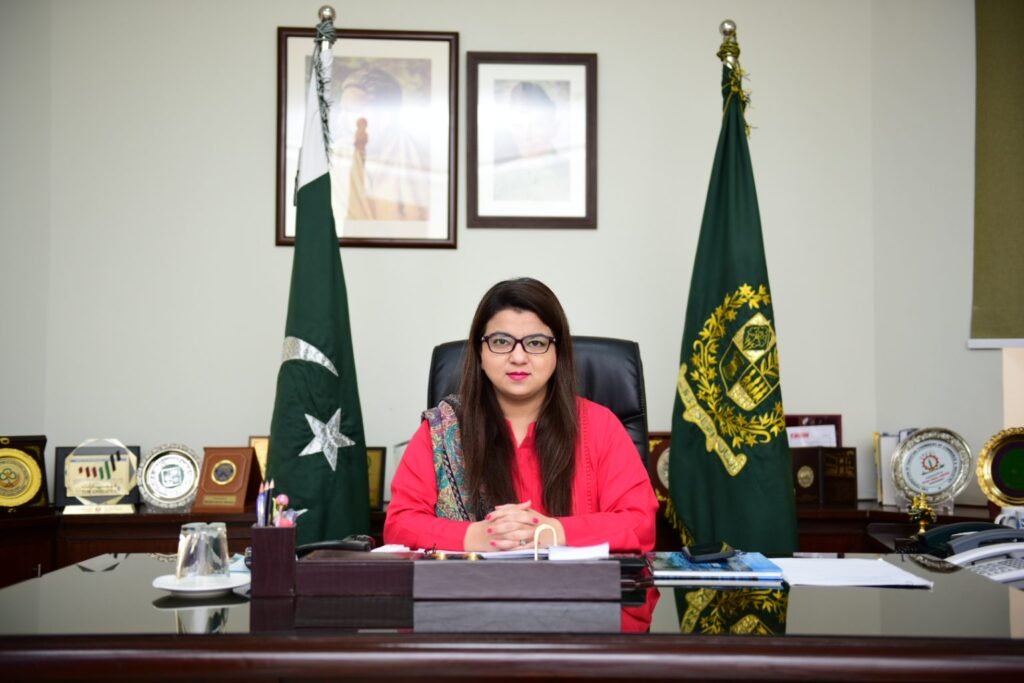
Minister Shaza Fatima Extends Greetings on Pakistan’s 79th Independence Day

ISLAMABAD — Federal Minister for Information Technology and Telecommunication Shaza Fatima Khawaja has extended her heartfelt greetings to the citizens of Pakistan, both domestically and internationally, on the occasion of the country’s 79th Independence Day. Her message of unity and progress comes as the nation reflects on its journey since gaining independence. What Happened On the eve of Pakistan’s 79th Independence Day, Shaza Fatima Khawaja, the Federal Minister for Information Technology and Telecommunication, addressed the nation with a message of celebration and reflection. She congratulated Pakistanis worldwide, acknowledging the significance of this day in the nation’s history. “Independence Day is a reminder of the sacrifices made by our forefathers and a call to action for us to build a prosperous future,” she stated. In her address, the minister highlighted the achievements of Pakistan in the realm of technology and telecommunication, emphasizing the sector’s role in national development. She noted the strides made in digital transformation and connectivity, which have been pivotal in empowering citizens and fostering economic growth. Shaza Fatima also paid tribute to the resilience and determination of the Pakistani people, urging them to continue working towards a united and progressive nation. “Our strength lies in our unity and diversity. Let us honor the spirit of independence by contributing to the nation’s progress,” she added. Background Pakistan’s Independence Day is celebrated annually on August 14, marking the day in 1947 when the country gained independence from British rule. The day is observed with various ceremonies, parades, and events across the nation, reflecting on the struggles and achievements since independence. Historically, the journey to independence was marked by significant challenges, including the partition of India and the subsequent migration crisis. Over the years, Pakistan has faced numerous political, economic, and social hurdles, yet it has continued to strive towards growth and stability. The Ministry of Information Technology and Telecommunication has been pivotal in advancing Pakistan’s digital landscape, fostering innovation, and enhancing connectivity across the country. Under the leadership of Shaza Fatima Khawaja, the ministry has focused on initiatives that aim to bridge the digital divide and promote technological education. Why It Matters The celebration of Independence Day holds profound importance for Pakistan, serving as a reminder of the nation’s hard-won freedom and the responsibilities that come with it. For many citizens, it is a day to reflect on national identity and the collective aspirations for a better future. In the context of technology and telecommunication, the minister’s message underscores the sector’s critical role in shaping Pakistan’s future. As the country navigates the challenges of the 21st century, digital transformation is seen as a key driver of economic development, job creation, and social inclusion. Moreover, Shaza Fatima’s emphasis on unity and diversity resonates with the broader socio-political landscape of Pakistan. As a nation with a rich tapestry of cultures and ethnicities, fostering unity is essential for maintaining social harmony and driving collective progress. The minister’s call to action encourages citizens to actively participate in the nation’s development, highlighting the importance of individual contributions to achieving national goals. This message is particularly relevant as Pakistan continues to face economic challenges and seeks to enhance its global standing. Key Takeaways Federal Minister Shaza Fatima Khawaja extended Independence Day greetings to Pakistanis worldwide. She highlighted the achievements in technology and telecommunication as vital for national progress. Independence Day commemorates Pakistan’s freedom from British rule in 1947. The minister’s message emphasized unity, diversity, and the importance of individual contributions. Digital transformation is seen as a key driver for Pakistan’s future economic and social development. Source Attribution This article is based on official government statements, press releases, and public communications from relevant authorities. Author: NEN Editorial Desk | Editor: NEN Newsroom | Fact Checked By: NEN Editorial Team Author: NEN Editorial Desk  |  Editor: NEN Newsroom  |  Last Updated: August 14, 2026  |  Source: NEN Reporter This article was produced by the NEN Editorial Desk in accordance with NEN Agency’s Editorial Policy and Fact-Checking Policy.

Pakistan

Pakistan Blues Triumph Over Pakistan Whites in National Champions Cup Clash

MULTAN — The Pakistan Blues emerged victorious against the Pakistan Whites in a thrilling encounter during the National Champions Cup 2026-27 at the Multan Cricket Stadium on August 13. The match, which drew a sizeable crowd, showcased the talent and competitive spirit of both teams as they battled for supremacy in this prestigious domestic cricket tournament. What Happened The match between Pakistan Blues and Pakistan Whites was a showcase of skill and determination as both teams vied for dominance on the cricket field. The Blues, led by their captain, set a formidable target after winning the toss and opting to bat first. With a strong start from their openers, the team managed to post a competitive total on the scoreboard. The Whites, in response, put up a spirited chase but fell short of the target despite some commendable performances from their middle order. The Blues’ bowlers were instrumental in maintaining pressure, executing their plans effectively to restrict the Whites’ scoring opportunities. The match concluded with the Blues securing a decisive win, much to the delight of their supporters. Speaking after the match, the captain of Pakistan Blues expressed satisfaction with his team’s performance, highlighting the importance of teamwork and strategy in securing the victory. He stated, “Our players executed the game plan perfectly, and it was a collective effort that led us to this win.” Background The National Champions Cup is a prominent fixture in Pakistan’s domestic cricket calendar, providing a platform for emerging talents to showcase their skills. The tournament features top teams from across the country, each aiming to claim the coveted title. Matches are held in various cities, with Multan Cricket Stadium being one of the key venues due to its state-of-the-art facilities and passionate cricket fanbase. Historically, the tournament has been a breeding ground for future national team players, with many current and former stars having made their mark in past editions. The competition not only serves as a talent pool for selectors but also helps in maintaining a high standard of cricket within the country. Why It Matters The outcome of this match holds significant implications for both teams as they navigate the group stages of the National Champions Cup. For the Pakistan Blues, the victory boosts their confidence and strengthens their position in the tournament standings. It also serves as a testament to their strategic planning and execution on the field. For the Pakistan Whites, the loss is a learning opportunity, prompting the team to reassess their strategies and address areas of improvement. The competitive nature of the tournament means that every match is crucial, and teams must continuously adapt to remain in contention for the title. On a broader scale, the National Champions Cup plays a vital role in the development of cricket in Pakistan. It provides exposure to young players and helps in identifying talent that can be nurtured for future international competitions. The tournament also engages cricket enthusiasts across the nation, fostering a sense of community and shared passion for the sport. Key Takeaways Pakistan Blues defeated Pakistan Whites in a key match of the National Champions Cup 2026-27. The Blues’ strategic gameplay and strong performance by their bowlers were pivotal in securing the win. The National Champions Cup is an important platform for emerging cricket talent in Pakistan. The tournament contributes to the development of cricket by identifying future national team players. The match was held at the Multan Cricket Stadium, a significant venue in Pakistan’s cricket landscape. Source Attribution This article is based on official government statements, press releases, and public communications from relevant authorities. Author: NEN Editorial Desk | Editor: NEN Newsroom | Fact Checked By: NEN Editorial Team Author: NEN Editorial Desk  |  Editor: NEN Newsroom  |  Last Updated: August 14, 2026  |  Source: NEN Reporter This article was produced by the NEN Editorial Desk in accordance with NEN Agency’s Editorial Policy and Fact-Checking Policy.
Pakistan

Khalique Imran Leads Islamabad Cricket Academy to Foster Young Talent

ISLAMABAD — The Islamabad Cricket Academy, under the guidance of former cricketer Khalique Imran, is making strides in nurturing young cricketing talent in the federal capital. The academy is dedicated to providing high-quality training and development opportunities to aspiring cricketers, aiming to bring fresh talent into the national spotlight. What Happened The Islamabad Cricket Academy, led by Khalique Imran, has become a beacon for young cricketers in the region. Imran, who has a rich history in Pakistan’s cricketing circles, has taken on the role of mentoring and developing the next generation of players. The academy offers a structured training program that focuses on enhancing the technical skills, physical fitness, and mental toughness of its participants. With state-of-the-art facilities and a team of experienced coaches, the academy provides a comprehensive cricketing education. Young players are trained in various aspects of the game, including batting, bowling, fielding, and game strategy. Khalique Imran, emphasizing the importance of discipline and hard work, stated, “Our goal is to equip these young athletes with the skills and mindset needed to excel at higher levels of competition.” The academy has already seen promising results, with several trainees being selected for regional teams and age-group national squads. This success is attributed to the rigorous training regimen and the personalized attention each player receives. The academy’s approach not only focuses on cricketing skills but also on character building, ensuring that players develop into well-rounded individuals. Background Khalique Imran, a former first-class cricketer, has been involved in Pakistan’s cricketing scene for decades. His experience as a player and coach has been instrumental in shaping the academy’s training programs. The Islamabad Cricket Academy was established to address the need for a dedicated training facility in the capital, offering young players a platform to hone their skills and pursue their passion for cricket. Historically, Pakistan has been a breeding ground for cricketing talent, with numerous players rising from humble beginnings to achieve international acclaim. The establishment of academies like the one in Islamabad is part of a broader effort to institutionalize talent development and ensure a steady pipeline of skilled players for the national team. Why It Matters The Islamabad Cricket Academy’s efforts are significant in the context of Pakistan’s cricketing future. With cricket being the most popular sport in the country, the development of young talent is crucial for maintaining Pakistan’s competitive edge on the international stage. The academy not only provides training but also instills values of sportsmanship and teamwork, which are essential for personal and professional growth. Economically, the success of such academies can lead to increased investment in sports infrastructure and create opportunities for local businesses. Socially, they offer a constructive outlet for youth, helping to channel their energies into positive activities and away from negative influences. The academy’s role in community building cannot be overstated, as it brings together young people from diverse backgrounds, fostering unity and mutual respect. On a broader scale, the success of initiatives like the Islamabad Cricket Academy could inspire similar projects across the country, contributing to a more robust sports culture in Pakistan. This would not only enhance the quality of cricket but also promote a healthier, more active lifestyle among the youth. Key Takeaways The Islamabad Cricket Academy, led by Khalique Imran, is focused on developing young cricket talent. The academy offers comprehensive training programs and state-of-the-art facilities. Several academy trainees have been selected for regional and national teams. The initiative supports Pakistan’s long-term cricketing success and community development. The academy’s success could inspire similar projects nationwide, boosting sports culture. Source Attribution This article is based on official statements and public communications from the Islamabad Cricket Academy and Khalique Imran. Author: NEN Editorial Desk | Editor: NEN Newsroom | Fact Checked By: NEN Editorial Team Author: NEN Editorial Desk  |  Editor: NEN Newsroom  |  Last Updated: August 14, 2026  |  Source: NEN Reporter This article was produced by the NEN Editorial Desk in accordance with NEN Agency’s Editorial Policy and Fact-Checking Policy.
Pakistan

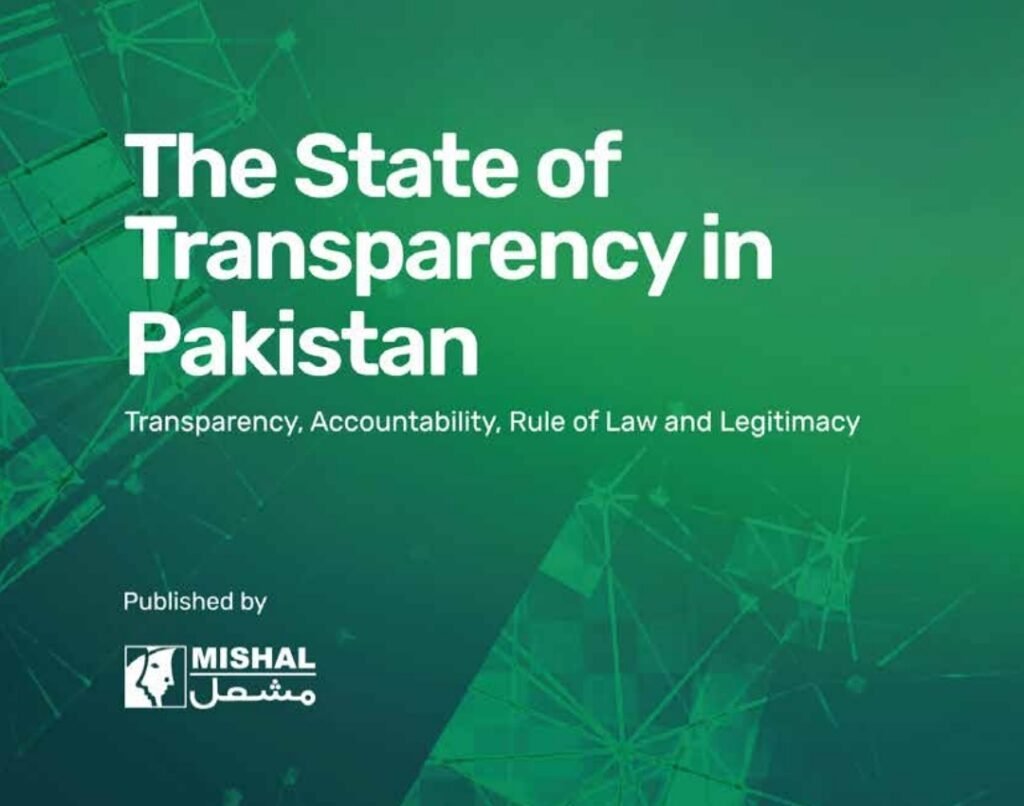
Pakistan Unveils First National Transparency Report on Governance

ISLAMABAD — Pakistan has launched its first comprehensive national transparency report, titled the ‘State of Transparency in Pakistan Report 2026’, aimed at evaluating governance quality through the lens of its citizens. The report, unveiled on Wednesday, serves as a benchmark for assessing public trust and governance practices across the country. What Happened The ‘State of Transparency in Pakistan Report 2026’ marks a pivotal step in the country’s efforts to enhance evidence-based governance. This inaugural report is the first of its kind to provide a nationally representative assessment of governance quality, drawing on the experiences, perceptions, and expectations of Pakistani citizens. The report was launched in Islamabad in a ceremony attended by government officials, policy makers, and representatives from civil society. The report’s findings are based on extensive surveys and data collection conducted nationwide, capturing the sentiments of a diverse cross-section of the population. It aims to offer insights into how governance is perceived by the public and to identify areas where improvements are needed. The transparency report is expected to be a critical tool for policymakers to address governance challenges and to foster greater accountability and transparency in public institutions. According to the report, key areas of concern include bureaucratic inefficiencies, corruption, and lack of transparency in government operations. The report also highlights the need for reforms in public service delivery and calls for increased citizen engagement in governance processes. Background Pakistan has long grappled with issues of governance and corruption, which have hindered economic growth and development. The launch of the transparency report comes in the wake of various initiatives aimed at improving governance, such as the establishment of anti-corruption bodies and the implementation of e-governance systems to reduce bureaucratic red tape. Historically, Pakistan has struggled with low rankings in global transparency and governance indices. The government has been under pressure to improve its standing by addressing systemic issues that contribute to corruption and inefficiency. The transparency report is part of a broader strategy to rebuild public trust and to enhance the effectiveness of government institutions. Why It Matters The launch of the transparency report is significant for several reasons. Firstly, it provides a data-driven approach to understanding governance challenges in Pakistan, allowing for targeted interventions. By identifying specific areas where governance is lacking, policymakers can implement reforms that directly address these issues, thereby improving public service delivery and accountability. Economically, improved governance can lead to increased investor confidence, as transparency and accountability are critical factors for attracting foreign direct investment. A transparent governance system can also enhance the country’s international reputation, potentially leading to more favorable trade agreements and partnerships. Socially, the report empowers citizens by giving them a voice in governance processes. By highlighting public perceptions and expectations, the report encourages greater citizen engagement and participation in democratic processes. This can lead to a more informed and active citizenry, which is essential for a functioning democracy. Politically, the report can serve as a tool for political accountability. By providing an objective assessment of governance quality, it can hold government officials and institutions accountable for their performance. This can lead to more responsive and responsible governance, ultimately strengthening democratic institutions in Pakistan. Key Takeaways Pakistan launched its first national transparency report to assess governance quality. The report is based on citizen experiences, perceptions, and expectations. Key concerns include bureaucratic inefficiencies and lack of transparency. The report aims to improve public trust and accountability in governance. It has significant economic, social, and political implications for Pakistan. Source Attribution This article is based on official government statements, press releases, and public communications from relevant authorities. Author: NEN Editorial Desk | Editor: NEN Newsroom | Fact Checked By: NEN Editorial Team Author: NEN Editorial Desk  |  Editor: NEN Newsroom  |  Last Updated: August 14, 2026  |  Source: NEN Reporter This article was produced by the NEN Editorial Desk in accordance with NEN Agency’s Editorial Policy and Fact-Checking Policy.

Pakistan

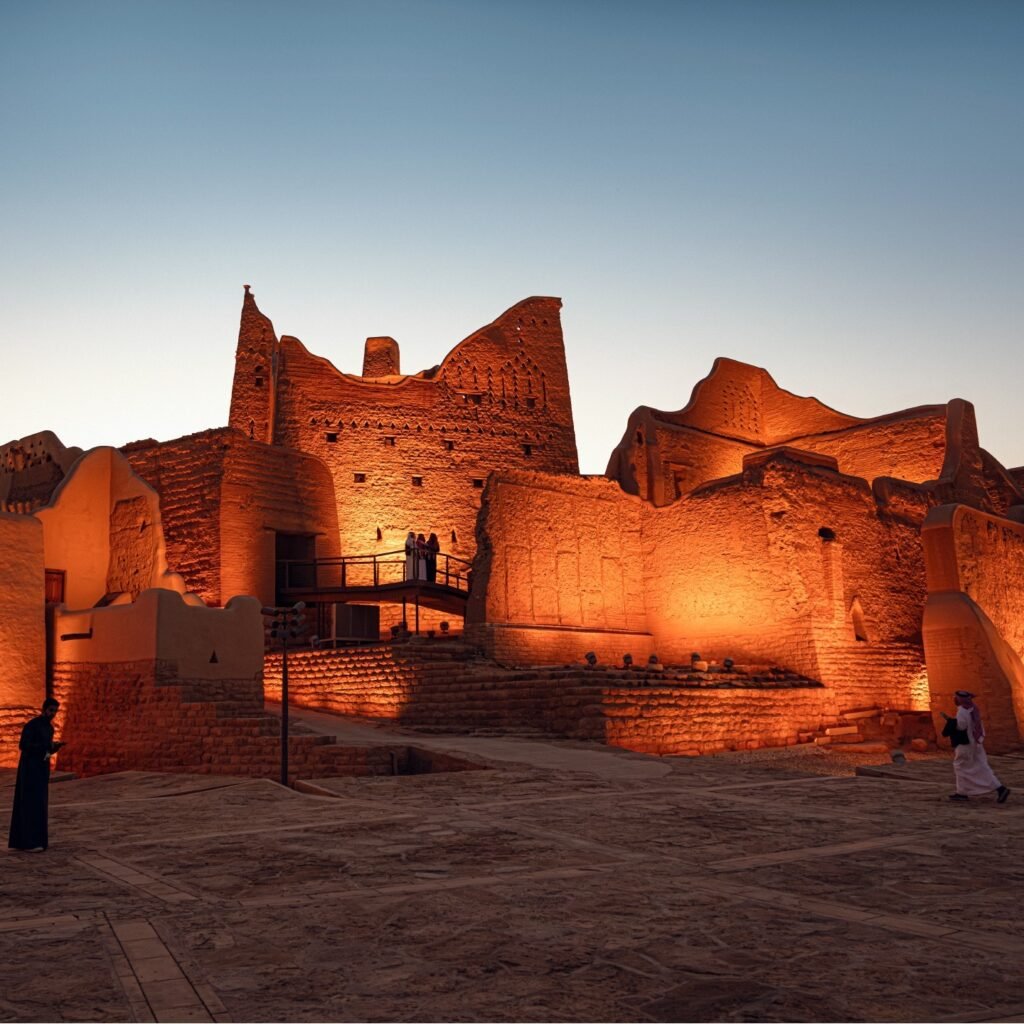
Saudi Arabia Expands Travel Links with Pakistan Through New Flights

KARACHI — Saudi Arabia is enhancing its travel connections with Pakistan by introducing new flight routes and promoting its diverse cultural and tourism offerings. This initiative aims to strengthen bilateral ties and provide Pakistani travelers with more opportunities to explore Saudi Arabia’s rich heritage and modern attractions. What Happened The Saudi Tourism Authority (STA) has identified Pakistan as a key market in the Asia-Pacific region, reflecting the deepening travel ties between the two nations. Saudi Arabia is actively promoting its tourism sector to Pakistani audiences through various initiatives, including the recent ‘Flavors of Saudi’ event in Karachi on August 10 and the ‘Saudi Unlocked’ roadshow in Lahore on August 13. These events highlighted Saudi Arabia’s cuisine, culture, heritage, and tourist destinations. In addition to these promotional activities, new flight routes are being launched to facilitate travel between the two countries. Riyadh Air is set to commence operations in Pakistan, with direct flights from Islamabad to Riyadh starting on August 14, 2026, and from Lahore to Riyadh on August 18, 2026. Furthermore, Flyadeal will introduce its first Karachi to Madinah flight on September 6, 2026, offering Pakistani travelers increased convenience and options. Saudi Arabia’s tourism landscape is continuously expanding, with significant developments such as Qiddiya near Riyadh, which is emerging as a major destination for entertainment, sports, and culture. The Red Sea coastline is also being developed into a luxury hospitality hub, featuring natural landscapes and unique architectural designs. Background The relationship between Saudi Arabia and Pakistan has historically been strong, with both countries sharing deep-rooted cultural, religious, and economic ties. Over the years, Saudi Arabia has been a major destination for Pakistani expatriates and pilgrims performing Hajj and Umrah. The introduction of new flight routes and tourism initiatives is part of Saudi Arabia’s Vision 2030 strategy, which aims to diversify its economy and promote tourism as a key sector. Saudi Arabia’s Vision 2030 was launched in 2016 to reduce the country’s dependence on oil, diversify its economy, and develop public service sectors such as health, education, infrastructure, and tourism. As part of this vision, the Saudi government has been investing heavily in tourism infrastructure and promoting the country as a global tourist destination. Why It Matters The expansion of travel links between Saudi Arabia and Pakistan is significant for several reasons. Economically, it opens up new avenues for trade and investment between the two countries, potentially boosting tourism revenues and creating job opportunities. The increased connectivity will also facilitate cultural exchange and strengthen people-to-people ties, contributing to a deeper understanding and appreciation of each other’s cultures. For Pakistani travelers, the new flight routes and tourism offerings provide greater accessibility to Saudi Arabia’s diverse destinations, from the historical sites of AlUla and Diriyah to the modern attractions of Riyadh and Jeddah. The development of luxury hospitality along the Red Sea coast and entertainment hubs like Qiddiya offers Pakistani tourists a range of experiences, from cultural and historical exploration to adventure and leisure activities. On a broader scale, the strengthening of travel ties aligns with Saudi Arabia’s strategic objectives under Vision 2030, positioning the country as a leading tourist destination in the region. This move also reflects the growing importance of the Asia-Pacific region in Saudi Arabia’s tourism strategy, with Pakistan playing a pivotal role in this expansion. Key Takeaways Saudi Arabia is enhancing travel connections with Pakistan through new flight routes and tourism promotions. Riyadh Air and Flyadeal will launch new flights from Islamabad, Lahore, and Karachi to Riyadh and Madinah. Saudi Arabia’s tourism offerings include major developments like Qiddiya and luxury hospitality along the Red Sea. The initiatives align with Saudi Arabia’s Vision 2030 to diversify its economy and promote tourism. Strengthened travel ties are expected to boost economic, cultural, and people-to-people relations between the two countries. Source Attribution This article is based on official government statements, press releases, and public communications from relevant authorities. Author: NEN Editorial Desk | Editor: NEN Newsroom | Fact Checked By: NEN Editorial Team Author: NEN Editorial Desk  |  Editor: NEN Newsroom  |  Last Updated: August 14, 2026  |  Source: Press Release from Government of Pakistan This article was produced by the NEN Editorial Desk in accordance with NEN Agency’s Editorial Policy and Fact-Checking Policy.
Pakistan

PSX Declines Over 206 Points Amid Sustained Selling Pressure

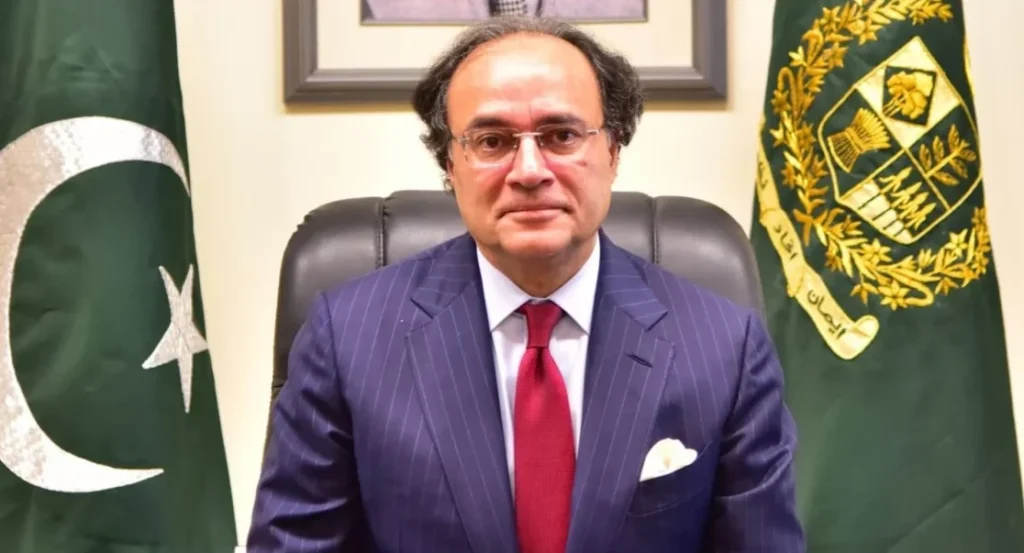
ISLAMABAD — The Pakistan Stock Exchange (PSX) experienced a decline on Thursday as the benchmark KSE-100 Index fell by 206.60 points, closing at 180,104.61 points. This represents a negative change of 0.11 percent from the previous session’s close of 180,311.22 points, attributed to ongoing selling pressure in the market. What Happened The PSX’s performance on Thursday was marked by a bearish trend, as investors engaged in selling activities across various sectors. The KSE-100 Index, which serves as a key indicator of market performance, recorded a drop of 206.60 points. This decline is reflective of investor sentiment, which has been cautious amid economic uncertainties and geopolitical tensions. Market analysts have pointed to several factors contributing to the selling pressure. These include concerns over inflation, fluctuating currency rates, and the broader economic outlook. “The market is reacting to a mix of local and international factors that are influencing investor confidence,” said a senior analyst from a leading brokerage firm. The analyst also noted that the market’s current volatility is likely to persist in the short term as these issues remain unresolved. Trading volumes were also impacted, with investors showing reluctance to make significant moves. The decline in the index was accompanied by a decrease in trading activity, indicating a cautious approach by market participants. This trend highlights the prevailing uncertainty and the need for clarity on economic policies to restore investor confidence. Background The PSX has been experiencing fluctuations over the past few months, driven by both domestic and international factors. The economic landscape in Pakistan has been challenging, with inflation rates remaining high and the currency under pressure. These economic challenges have been exacerbated by global factors, including rising oil prices and geopolitical tensions that have affected investor sentiment worldwide. Historically, the PSX has been sensitive to changes in economic policy and external economic shocks. The market’s performance is often seen as a barometer of the country’s economic health, reflecting investor confidence and economic stability. In recent years, the PSX has faced periods of volatility, mirroring the broader economic challenges faced by Pakistan. Why It Matters The decline in the PSX is significant as it reflects broader economic concerns that could impact Pakistan’s economic trajectory. A sustained bearish trend in the stock market can have ripple effects on the economy, affecting investment flows and business confidence. The stock market is an important source of capital for companies, and prolonged declines can lead to reduced investment in key sectors. For individual investors, the current market conditions present challenges in terms of portfolio management and risk assessment. The volatility in the PSX requires investors to be more vigilant and strategic in their investment decisions. This environment also underscores the importance of having robust economic policies that can stabilize the market and boost investor confidence. On a broader scale, the performance of the PSX can influence international perceptions of Pakistan’s economic stability. A stable and growing stock market is often seen as a sign of a healthy economy, attracting foreign investment and fostering economic growth. Conversely, prolonged declines can deter foreign investors, impacting the country’s ability to attract necessary capital inflows. Key Takeaways The PSX KSE-100 Index fell by 206.60 points, closing at 180,104.61. Selling pressure was driven by economic uncertainties and geopolitical tensions. Market volatility is expected to persist amid ongoing economic challenges. The decline highlights the need for clear economic policies to restore confidence. PSX performance impacts both domestic and international investor perceptions. Source Attribution This article is based on official government statements, press releases, and public communications from relevant authorities. Author: NEN Editorial Desk | Editor: NEN Newsroom | Fact Checked By: NEN Editorial Team Author: NEN Editorial Desk  |  Editor: NEN Newsroom  |  Last Updated: August 14, 2026  |  Source: NEN Reporter This article was produced by the NEN Editorial Desk in accordance with NEN Agency’s Editorial Policy and Fact-Checking Policy.
Pakistan

Finance Minister Aurangzeb Pledges Economic Growth on Independence Day

ISLAMABAD — Federal Minister for Finance and Revenue Muhammad Aurangzeb extended his felicitations to the nation on the occasion of Pakistan’s 79th Independence Day, emphasizing a commitment to accelerate economic growth. Aurangzeb highlighted the government’s focus on enhancing growth, investment, exports, and job creation as key priorities in the coming years. What Happened On Thursday, Finance Minister Muhammad Aurangzeb addressed the nation, marking the 79th Independence Day with a message of optimism and economic ambition. In his address, Aurangzeb stressed the importance of economic resilience and growth as Pakistan navigates its way through various challenges. He stated, “Pakistan is moving forward with renewed confidence, focusing on growth, investment, exports, and job creation.” This message was part of a broader initiative by the government to reassure citizens and investors about the country’s economic trajectory. The minister’s address comes at a time when Pakistan is striving to stabilize its economy amidst global economic uncertainties. Aurangzeb outlined several strategic areas where the government aims to make significant progress, including enhancing foreign investment, boosting export sectors, and creating employment opportunities for the youth. His remarks underscored the government’s commitment to implementing policies that foster economic stability and growth. Aurangzeb also highlighted the importance of unity and collective effort in achieving these economic goals. He called on all stakeholders, including the private sector, to collaborate with the government in driving the nation’s economic agenda forward. “We must work together to ensure a prosperous future for Pakistan,” he added. Background Pakistan’s economic landscape has faced numerous challenges over the years, including political instability, security concerns, and external economic pressures. Historically, the country has struggled with issues such as inflation, fiscal deficits, and a reliance on external debt. However, recent efforts by the government have focused on structural reforms aimed at improving the economic outlook. In recent years, the government has introduced various economic policies to stimulate growth, such as tax incentives for businesses, initiatives to boost the export sector, and measures to attract foreign direct investment. These efforts are part of a broader strategy to enhance economic resilience and reduce dependency on external financial assistance. Why It Matters The Finance Minister’s Independence Day address is significant as it sets the tone for Pakistan’s economic priorities in the near future. By emphasizing growth, investment, and job creation, the government aims to address some of the critical economic challenges facing the country. This focus is crucial for improving the standard of living for millions of Pakistanis and ensuring sustainable economic development. Economic growth is vital for Pakistan to reduce poverty and improve social outcomes. By creating jobs and boosting exports, the government can generate more revenue, which can be reinvested into critical sectors such as education, healthcare, and infrastructure. This, in turn, can lead to improved public services and a better quality of life for citizens. Moreover, attracting foreign investment is essential for Pakistan to integrate more deeply into the global economy. By creating a conducive environment for investors, the country can benefit from technology transfer, increased productivity, and access to international markets. These factors are crucial for achieving long-term economic stability and growth. Key Takeaways Finance Minister Aurangzeb emphasized economic growth, investment, and job creation in his Independence Day address. The government aims to enhance foreign investment and boost exports as part of its economic strategy. Collaboration between the public and private sectors is deemed essential for achieving economic goals. Economic growth is crucial for improving living standards and reducing poverty in Pakistan. Attracting foreign investment can help Pakistan integrate into the global economy and achieve sustainable growth. Source Attribution This article is based on official government statements and public communications from relevant authorities. Author: NEN Editorial Desk | Editor: NEN Newsroom | Fact Checked By: NEN Editorial Team Author: NEN Editorial Desk  |  Editor: NEN Newsroom  |  Last Updated: August 14, 2026  |  Source: NEN Reporter This article was produced by the NEN Editorial Desk in accordance with NEN Agency’s Editorial Policy and Fact-Checking Policy.

Pakistan

Yadgar-e-Fatah Monument Inaugurated as Tribute to Pakistan’s Martyrs

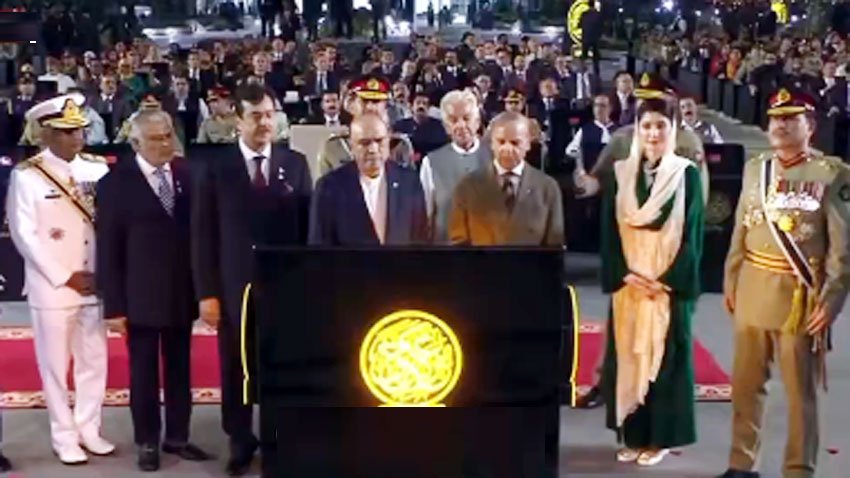
ISLAMABAD — The Yadgar-e-Fatah monument, commemorating the sacrifices of Pakistan’s martyrs and celebrating the nation’s military achievements, was officially inaugurated on Thursday night. The ceremony underscored the commitment of the national leadership to uphold Pakistan’s sovereignty. What Happened The inauguration of the Yadgar-e-Fatah monument took place in a solemn ceremony attended by key figures from Pakistan’s government and military. Built to honor the martyrs of the nation and to commemorate the historic Marka-e-Haq, the monument stands as a testament to the bravery and sacrifices of the armed forces. The event was marked by speeches from military and civilian leaders, who reiterated their commitment to protecting the country’s sovereignty and integrity. Prime Minister Shehbaz Sharif, in his address, highlighted the monument as a ‘living symbol of the nation’s resolve and the excellence of the armed forces.’ He emphasized the importance of remembering the sacrifices made by the soldiers and the need to remain vigilant against any threats to national security. The Prime Minister stated, “Our martyrs have set an example of courage and dedication that inspires us all to work towards a stronger Pakistan.” The Chief of Army Staff, General Asim Munir, also spoke at the event, praising the monument as a symbol of the enduring spirit of the armed forces. He remarked, “The Yadgar-e-Fatah is not just a monument; it is a reminder of our duty to the nation and our commitment to safeguarding its future.” The ceremony included a military parade and a tribute to the fallen heroes, reflecting the deep respect and admiration for their sacrifices. Background The Yadgar-e-Fatah monument is part of a series of initiatives aimed at honoring the sacrifices of Pakistan’s armed forces. The Marka-e-Haq, which the monument commemorates, refers to a significant battle in the nation’s history where the military played a crucial role in defending the country’s sovereignty. Over the years, Pakistan has seen numerous conflicts and challenges that have tested the resilience and determination of its armed forces. Historically, Pakistan has placed great emphasis on commemorating its military achievements and honoring those who have laid down their lives for the country. Monuments and memorials across the nation serve as reminders of the past struggles and the ongoing commitment to national security. The Yadgar-e-Fatah is the latest addition to these symbols of national pride and remembrance. Why It Matters The inauguration of the Yadgar-e-Fatah monument holds significant importance for Pakistan, both symbolically and strategically. It serves as a reminder of the sacrifices made by the armed forces in ensuring the country’s safety and sovereignty. In a region marked by geopolitical tensions, such symbols play a crucial role in bolstering national morale and unity. Economically, the monument is expected to become a site of national interest, attracting visitors and fostering a sense of patriotism among the citizens. This can lead to increased tourism and related economic activities, providing a boost to local economies. Socially, the monument reinforces the narrative of resilience and bravery, inspiring future generations to contribute positively to the nation’s development. Politically, the monument’s inauguration comes at a time when Pakistan is navigating complex regional dynamics. It sends a clear message of unity and strength to both domestic and international audiences, showcasing the country’s commitment to defending its sovereignty against any external threats. The event also highlights the close collaboration between civilian and military leadership in addressing national security concerns. Key Takeaways The Yadgar-e-Fatah monument was inaugurated to honor Pakistan’s martyrs and military achievements. Prime Minister Shehbaz Sharif and General Asim Munir emphasized the monument’s symbolic significance. The monument commemorates the historic Marka-e-Haq, a key battle in Pakistan’s history. The inauguration reinforces national unity and the commitment to safeguarding sovereignty. The monument is expected to boost local economies through increased tourism and patriotic engagement. Source Attribution This article is based on official government statements, press releases, and public communications from relevant authorities. Author: NEN Editorial Desk | Editor: NEN Newsroom | Fact Checked By: NEN Editorial Team Author: NEN Editorial Desk  |  Editor: NEN Newsroom  |  Last Updated: August 14, 2026  |  Source: NEN Reporter This article was produced by the NEN Editorial Desk in accordance with NEN Agency’s Editorial Policy and Fact-Checking Policy.

Pakistan

Car Sales in Pakistan Increase by 141% in July 2026

ISLAMABAD — The Pakistan Automobile Manufacturing Association (PAMA) reported that car sales in Pakistan surged by an impressive 141.28 percent in July 2026 compared to the same month last year. This significant increase marks a robust start to the financial year 2026-27, reflecting a strong recovery in the automotive sector. What Happened The automotive industry in Pakistan witnessed a remarkable rise in car sales during July 2026, as reported by the Pakistan Automobile Manufacturing Association (PAMA). According to the data released, the number of cars sold in the first month of the current financial year reached a substantial figure, representing a 141.28 percent increase compared to July 2025. This surge in sales is attributed to several factors, including improved economic conditions, increased consumer confidence, and competitive pricing strategies by car manufacturers. PAMA’s report highlights that the total number of vehicles sold in July 2026 amounted to a significant increase over the previous year, indicating a positive trend in the market. The association noted that the rise in sales was consistent across various segments, with both locally manufactured and imported vehicles contributing to the growth. The increase in sales also reflects the easing of supply chain disruptions that had previously affected the industry. Industry experts believe that the introduction of new models and attractive financing options by banks and financial institutions played a crucial role in boosting consumer interest. Additionally, the government’s policies aimed at supporting the automotive sector, including tax incentives and reduced import duties on certain components, have further stimulated market growth. Background The automotive industry in Pakistan has faced numerous challenges in recent years, including economic instability, fluctuating exchange rates, and disruptions caused by the COVID-19 pandemic. In the past, these factors led to a decline in car sales and production. However, the sector has shown resilience and adaptability, gradually recovering as economic conditions improved. Historically, the automotive industry has been a significant contributor to Pakistan’s economy, providing employment opportunities and contributing to the country’s GDP. The government’s focus on promoting local manufacturing and reducing reliance on imports has been a key driver in the industry’s growth. In recent years, several international car manufacturers have established production facilities in Pakistan, further boosting the sector’s capacity and competitiveness. Why It Matters The surge in car sales in July 2026 is a positive indicator of economic recovery and consumer confidence in Pakistan. The automotive industry is a critical component of the country’s industrial landscape, and its growth has far-reaching implications for various sectors, including manufacturing, retail, and finance. Economically, the increase in car sales suggests a rise in disposable income and consumer spending, which are vital for sustaining economic growth. The automotive sector’s expansion also generates employment opportunities, both directly and indirectly, supporting livelihoods and contributing to poverty alleviation. Socially, the availability of affordable and diverse vehicle options enhances mobility and accessibility for citizens, improving their quality of life. The growth in the automotive industry also encourages technological advancements and innovation, as manufacturers strive to meet consumer demands for fuel efficiency and environmentally friendly vehicles. On an international level, the positive performance of Pakistan’s automotive sector enhances the country’s image as an emerging market with potential for investment and growth. It attracts foreign direct investment and encourages international car manufacturers to explore opportunities in the region, further integrating Pakistan into the global automotive supply chain. Key Takeaways Car sales in Pakistan increased by 141.28 percent in July 2026 compared to July 2025. The surge is attributed to improved economic conditions, consumer confidence, and competitive pricing. Government policies, including tax incentives, have supported the automotive sector’s growth. The increase in sales indicates economic recovery and has positive implications for employment and GDP. The automotive industry’s growth enhances Pakistan’s image as an attractive market for investment. Source Attribution This article is based on official statements and data from the Pakistan Automobile Manufacturing Association and other relevant authorities. Author: NEN Editorial Desk | Editor: NEN Newsroom | Fact Checked By: NEN Editorial Team Author: NEN Editorial Desk  |  Editor: NEN Newsroom  |  Last Updated: August 13, 2026  |  Source: NEN Reporter This article was produced by the NEN Editorial Desk in accordance with NEN Agency’s Editorial Policy and Fact-Checking Policy.

Scroll to Top