Pakistan

News related to Pakistan in Pakistan and around the world.

Pakistan

Pakistan to Open Educational Museum at Historic Asghar Mall College

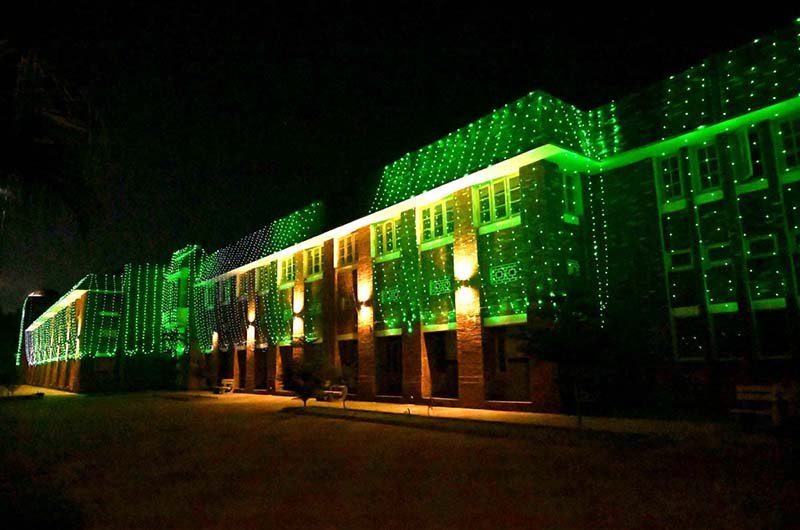
ISLAMABAD — Aurangzeb Khan Khichi, Federal Minister for National Heritage and Culture, has announced the creation of an educational museum at the historic Government Graduate College Asghar Mall in Rawalpindi. This initiative underscores the federal government’s commitment to preserving Pakistan’s educational and cultural legacy. Federal Cooperation in Museum Development The educational museum project is a collaborative effort involving the Department of Archaeology and the college administration. This partnership is crucial in documenting the nation’s academic legacy. It illustrates cooperation between federal heritage authorities and local educational institutions in Rawalpindi, setting a model for the preservation of historical sites across Pakistan. The Department of Archaeology will contribute technical expertise, while the college will provide critical institutional knowledge. Together, they aim to comprehensively document Pakistan’s educational history. Asghar Mall College: A Historic Site Asghar Mall College is a noteworthy institution in Rawalpindi, renowned for its colonial-era architecture and rich academic heritage. It is one of the oldest government institutions in the twin cities. The planned educational museum will display and preserve artefacts related to Pakistan’s educational history, prominently showcasing the evolution of education in the country. Main Features of the Museum Artefacts illustrating Pakistan’s educational progress Materials highlighting significant academic milestones Exhibits on the development of national education systems Historical records from government educational institutions Preserving Educational Landmarks Nationwide The federal minister emphasized the necessity of preserving educational landmarks throughout Pakistan. The museum will serve as a repository for the nation’s academic traditions and historical accomplishments. Visitors will gain valuable insights into the development of educational systems in Pakistan. This facility is intended to educate future generations about the country’s significant educational heritage, reflecting the federal government’s broader initiative to safeguard Pakistan’s cultural and academic establishments for the future.

Pakistan

President, PM Mourn Victims of Army MI-17 Helicopter Crash Near Muzaffarabad

National Leaders’ Reactions President Asif Ali Zardari and Prime Minister Shehbaz Sharif expressed deep sorrow over the tragic Pakistan Army MI-17 helicopter crash near Muzaffarabad. This incident resulted in multiple fatalities in Azad Jammu and Kashmir. The crash site is near Muzaffarabad, the region’s capital. Both leaders issued separate condolence statements following the event. Military and civil authorities confirmed the helicopter was on a routine operation when it crashed. Condolences from Leadership President Zardari extended heartfelt condolences to the grieving families, honoring the deceased as martyrs who served Pakistan with dignity. Prime Minister Shehbaz Sharif shared these sentiments, paying tribute to their sacrifice. Official statements emphasized the dedication and service of the personnel lost. Further remarks from both leaders are anticipated. Rapid Emergency Response Civil and military authorities reacted swiftly after the MI-17 crash. Teams were rapidly deployed to the site near Muzaffarabad. Efforts focused on securing the area and aiding recovery operations. Resources were mobilized efficiently to manage the situation. Ongoing Investigation The number of casualties has yet to be confirmed. The investigation to determine the cause of the Pakistan Army MI-17 helicopter crash is ongoing. Military officials have assured adherence to standard protocols during the process. Authorities are thoroughly examining the crash site and reviewing flight data. Additional information will be released as the investigation unfolds and official details are confirmed.

Pakistan

Chess Federation of Pakistan Installs New Office-Bearers in Islamabad

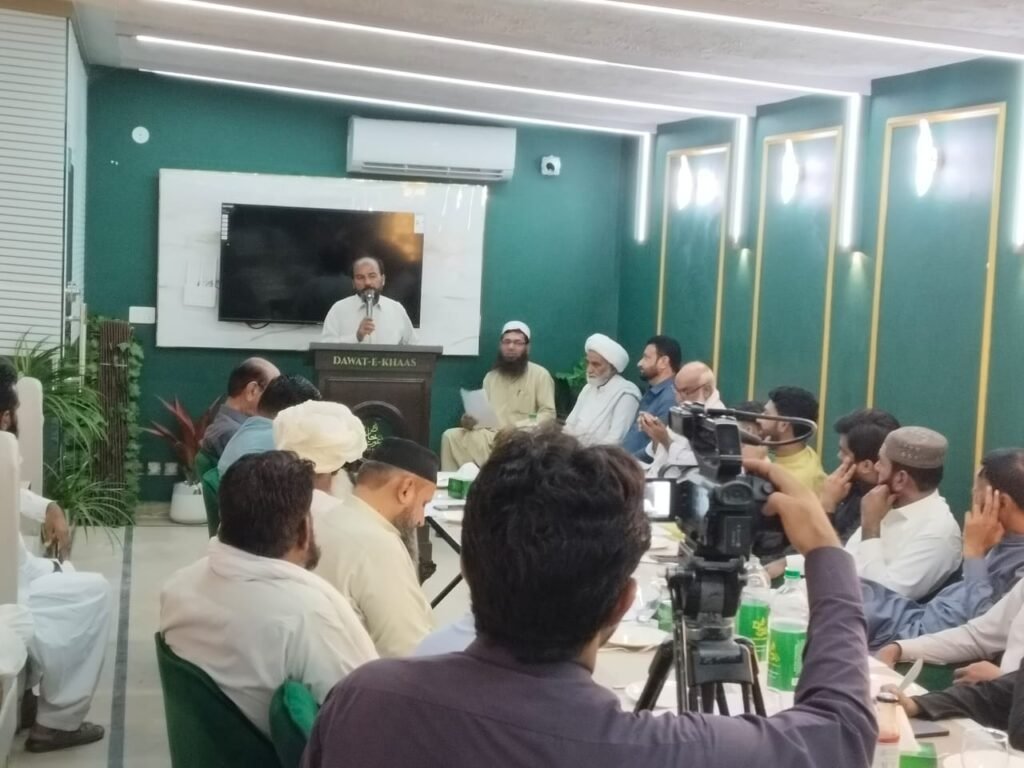
ISLAMABAD — The Chess Federation of Pakistan (CFP) celebrated the induction of its newly-elected office-bearers with an oath-taking ceremony on Monday at the Pakistan Sports Board. This event marks a pivotal development in Pakistan’s chess governance, underlining the government’s renewed dedication to this intellectual sport. Federal Support for Chess Development Mohyuddin Ahmad Wani, Secretary of the Ministry of Inter-Provincial Coordination, officiated the ceremony. He emphasized the government’s commitment to promoting and advancing chess across Pakistan. This event highlighted the federal government’s resolve to empower sports federations, reinforcing the crucial role of institutional backing for national sports bodies. Venue at Pakistan Sports Board, Islamabad The Pakistan Sports Board in Islamabad served as the official venue, showcasing coordinated support from national sports authorities. This federal event highlighted a cohesive strategy in sports governance, reinforcing the Chess Federation of Pakistan’s vital role within the sports community. Nationwide Chess Initiatives With its new leadership, the Chess Federation of Pakistan will drive national chess activities. Their strategy includes expanding chess programs and competitions across all provinces. Key focuses include: Collaborating with provincial sports departments Initiating grassroots chess programs Widening competitive opportunities nationwide Enhancing international chess standing These initiatives will proceed with federal oversight and continual support from the Pakistan Sports Board.

Pakistan

Pakistan’s $4.5 Billion Greenfield Refinery to Boost Energy Security

Energy Infrastructure Development Federal Minister for Commerce, Jam Kamal Khan, convened a meeting with the delegation of SPEC Refinery Pvt Ltd in Islamabad. The discussion centered on Pakistan’s first deep conversion greenfield refinery, a $4.5 billion project crucial for enhancing the nation’s energy infrastructure. The refinery is set to be established in Hub, Balochistan. SPEC Refinery Chairman, Zafar Sheikh, provided updates on development timelines and key milestones, highlighting the strategic investment’s role in fortifying Pakistan’s energy security. Strategic Importance for Energy Security The Hub refinery represents a significant leap in Pakistan’s energy sector. It aims to reduce reliance on imported petroleum products, aligning with national objectives by strengthening Balochistan’s industrial capabilities and boosting local economies. Projected to create thousands of jobs, the project will directly benefit local communities and bolster the national labor force. Key Benefits of the Refinery Project Enhances energy security by increasing domestic production capacity Reduces dependence on imported refined petroleum products Fuels economic growth in Balochistan Strengthens national refining infrastructure Generates significant employment opportunities Improves position in regional energy markets Impact on the Petroleum Sector This greenfield refinery’s completion will transform Pakistan’s downstream energy sector. As a deep conversion facility, it significantly enhances current refining capabilities. Increasing domestic production brings Pakistan closer to self-sufficiency, addressing long-standing import reliance. Experts regard this as a critical step toward energy independence, fostering economic growth and enhancing competitiveness in the regional energy market.

Pakistan

Faisalabad to Receive Anti-Smog Guns to Combat Air Pollution

FAISALABAD — Faisalabad is set to deploy two anti-smog guns at pollution hotspots throughout the city. This government-led initiative aims to address the worsening air quality in Pakistan’s third-largest and economically essential industrial hub. Imran Hamid Sheikh, Director General of the Environment Protection Department, is leading this effort in response to escalating concerns about Faisalabad’s environmental conditions. Business Community Demands Action The government is taking action following appeals from the Vice President of the Faisalabad Chamber of Commerce and Industry. The business community has been urging officials to address the pressing environmental issues promptly. Adverse environmental conditions have significantly affected business operations. Industrial stakeholders worry about the impact of air pollution on worker health and productivity. Sources of Air Pollution Faisalabad, renowned for its textile manufacturing, continues to face challenges with smog. Various factors contribute to the city’s environmental crisis, including: Industrial emissions from textile and manufacturing units Vehicle exhaust due to increased traffic congestion Crop burning in nearby agricultural areas Construction dust and urban development activities Functionality of Anti-Smog Guns Anti-smog guns operate by dispersing a fine mist of water to suppress airborne particles. This technology effectively reduces pollution levels by settling dust in targeted areas. Previously in Lahore, similar equipment was used during peak smog seasons, yielding positive results in critical zones. Strategic Deployment The anti-smog guns will be strategically stationed at recognized pollution hotspots around Faisalabad. Environment Protection Department officials will closely observe their effects and adjust placements as necessary. This initiative is part of a broader government strategy to address environmental challenges in Pakistan’s industrial cities, with a focus on significantly improving air quality in Faisalabad.

Pakistan

IRSA Releases 237,700 Cusecs Water From Rim Stations

ISLAMABAD — The Indus River System Authority (IRSA) has released 237,700 cusecs of water from various rim stations. This strategic action follows an inflow of 206,600 cusecs, showcasing the federal government’s active role in water management. Effective management of these resources is vital for balancing water distribution across Pakistan, ensuring equitable allocation and operational efficiency. Tarbela Dam Water Levels The Tarbela Dam on the River Indus, according to IRSA data, has a recorded water level of 1,451.33 feet, which is 51.33 feet above the dead level. This elevation offers ample storage capacity for nationwide distribution. Such levels are crucial for meeting Pakistan’s agricultural and urban water needs, addressing the varied requirements of different sectors. Federal Water Distribution Operations Releasing water from rim stations is essential in managing Pakistan’s river systems effectively. IRSA is pivotal in ensuring equitable water distribution among the provinces. Meeting Diverse Demands The federal authority schedules releases to meet essential demands such as: Agricultural irrigation Domestic water supply Industrial consumption Regular assessments help maintain optimal reservoir levels, effectively meeting downstream requirements. This systematic approach ensures the efficient use of Pakistan’s water resources nationwide.

Pakistan

South Punjab’s Century-Old Pickle-Making Tradition Fades as Youth Turns Away

MULTAN — The generations-old tradition of handcrafted pickle-making is disappearing from South Punjab’s villages. Younger residents are opting for commercially produced alternatives, leaving this artisanal practice behind. This change marks a significant cultural shift in rural Pakistan. The craft of traditional achaar-making, once a widespread seasonal ritual, faces extinction within a generation. Traditional Pickle-Making as Cultural Heritage Households across South Punjab used to fill with the aroma of mustard oil and spices during mango season. Women would prepare achaar, or homemade pickle, using skills handed down through generations. This annual ritual was not just culinary but also a source of domestic pride. Each family had unique recipes, carefully guarded and perfected over time. Beyond food preservation, this tradition represented community identity and was crucial for knowledge transfer across generations, essential throughout rural Pakistan. Decline of Traditional Achaar-Making The decline in rural Pakistan is evident. Factory-made pickles have significantly changed consumption habits in South Punjab villages. Changing lifestyles reduce time for labor-intensive food preparation, and urban migration along with shifting employment patterns mean fewer women maintain this practice. The Growing Generational Disconnect Younger generations show little interest in the craft, due to several factors such as: Preference for convenient, commercially-produced options Lack of knowledge about traditional preparation techniques Limited exposure to seasonal food preservation Changing household structures and work dynamics These factors have eroded a nearly universal seasonal custom in South Punjab. Risks to Pakistan’s Cultural Heritage Cultural observers and older residents express concern over this loss. As the women who possess this knowledge age, both recipes and techniques risk extinction. The community bonds formed around pickle-making are in danger. This tradition in South Punjab served as a social connector, bringing women together during preparation seasons. Currently, efforts to document or preserve this regional tradition are minimal. Without intervention, the cultural heritage of artisanal pickle-making may vanish entirely from Pakistan’s rural landscape.

Pakistan

Upper Chitral School Hosts Climate Awareness Drive for Students, Teachers

PESHAWAR — A climate awareness drive was held at Government High School Balim in Union Council Laspur, Upper Chitral. The event gathered around 120 students, teachers, and community members, emphasizing the importance of environmental protection and climate change education in Pakistan’s vulnerable northern region. Major Environmental Challenges The climate awareness program addressed key environmental challenges affecting the northern areas. Participants engaged in discussions about crucial issues impacting their communities and livelihoods. Deforestation affecting local ecosystems Proper waste management and disposal Conservation of natural resources Sustainable practices in daily life Climate adaptation strategies for mountain communities Community Engagement in Upper Chitral The event united a diverse group from various Upper Chitral districts. Both male and female students participated alongside educators and local residents, fostering an inclusive learning environment. This approach ensures climate literacy reaches diverse community segments, reflecting a growing environmental consciousness in Pakistan’s mountainous regions. Community-led initiatives like these enhance local capacity to address climate challenges effectively. Confronting Climate Vulnerability The initiative emphasizes grassroots efforts to combat environmental challenges in mountainous areas. Northern Pakistan faces significant climate threats such as glacial melt, erratic rainfall, and environmental degradation, requiring urgent attention and coordinated action. Programs like this equip communities to manage the impacts of climate change and develop resilience strategies. Enhancing local climate literacy contributes to Pakistan’s overall environmental resilience, enabling communities to proactively address climate threats and protect natural resources.

Pakistan

PM Shehbaz Urges Growth Push After Macroeconomic Stability Achieved

ISLAMABAD — Prime Minister Shehbaz Sharif announced the achievement of macroeconomic stability in Pakistan. The government will now prioritize boosting economic growth, creating jobs, and enhancing living standards. Growth-Oriented Economic Policy During a meeting with the National Economic Council (NEC), Prime Minister Shehbaz urged the federal government to adopt a growth-focused policy. This move follows Pakistan’s fiscal consolidation. The new economic strategy aims to stabilize key macroeconomic indicators, providing nationwide benefits. Economic Priorities of the Prime Minister Prime Minister Shehbaz Sharif outlined several priorities to stimulate Pakistan’s economy: Increasing employment across various sectors Elevating living standards for citizens Accelerating national economic development These priorities highlight the federal government’s commitment to converting stability into tangible benefits for citizens. Role of the National Economic Council The National Economic Council (NEC) acts as Pakistan’s primary economic policy authority. It unites federal and provincial leaders to establish economic directions from Islamabad. NEC meetings are vital for coordinating policies within Pakistan’s federal system. The council ensures alignment between federal and provincial governments to promote economic reforms and growth nationwide.

Pakistan

Supreme Court Cuts Life Sentence to 11 Years in Hashish Case

ISLAMABAD — The Supreme Court of Pakistan has reduced a life sentence to 11 years in a significant hashish case. This involves the recovery of 14.5 kilograms of hashish in Lahore, highlighting a shift in the court’s approach to sentencing proportionality. Supreme Court’s Detailed Ruling A three-member bench, led by Justice Muhammad Hashim Kakar, made this pivotal decision. They reviewed the initial life imprisonment verdict, originally determined at either the trial or appellate stage. This reduction reflects the court’s emphasis on proportionality in sentencing. Case of Hashish Recovery in Lahore The Lahore-based case, involving 14.5 kilograms of hashish, was central to evaluating the sentence’s appropriateness. The substantial quantity influenced the court’s decision, indicating a trend towards re-evaluating narcotics sentencing across Pakistan. Implications for Pakistan’s Judicial System This verdict impacts similar drug-related cases in Pakistani courts, enhancing the Supreme Court’s role in ensuring proportional punishment. The decision is poised to shape future guidelines for narcotics cases, marking a significant change in Pakistan’s judicial approach and oversight of drug case jurisprudence.

Scroll to Top