
Pakistan

News related to Pakistan in Pakistan and around the world.

Pakistan

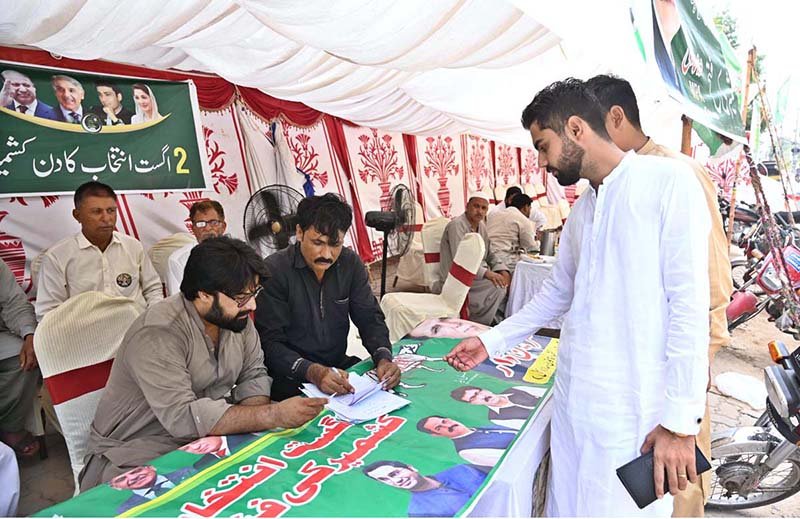
Voter Assistance Provided During AJK Legislative Assembly Elections

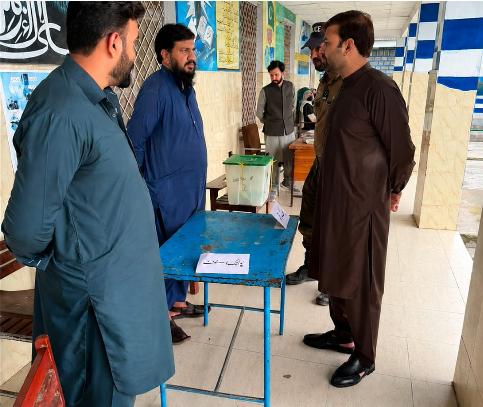
MUZAFFARABAD — Voters in Azad Jammu and Kashmir (AJK) participated in the Legislative Assembly elections, with assistance provided at polling stations to ensure a smooth voting process. The elections took place at various stations, including polling station LA-34, where voters received help at the polling slip counter. What Happened The Azad Jammu and Kashmir Legislative Assembly elections witnessed active participation from the electorate, with polling stations set up across the region. At polling station LA-34, voters were seen receiving assistance at the polling slip counter, a crucial step in the voting process to ensure that each voter could cast their vote without any hindrance. Election officials were present to guide voters through the procedures, verifying their identities and issuing polling slips necessary for casting votes. The polling process was conducted under strict security measures to maintain order and transparency. Voters were required to present valid identification to receive their polling slips, which were then used to access the voting booths. The presence of election officials at the polling slip counters ensured that voters were directed efficiently, minimizing delays and confusion. In addition to the assistance provided at the polling slip counters, election authorities implemented several measures to facilitate a fair voting process. These included the deployment of security personnel to prevent any untoward incidents and the installation of surveillance systems to monitor activities at the polling stations. Background The Legislative Assembly elections in Azad Jammu and Kashmir are a significant democratic exercise, held every five years to elect representatives who will govern the region. The assembly comprises 53 seats, with 45 directly elected by the public and the remaining eight reserved for women, technocrats, and overseas Kashmiris. The elections are conducted under the AJK Election Commission’s supervision, which is responsible for ensuring free and fair elections. Historically, AJK elections have been a focal point for political parties in Pakistan, with major parties such as the Pakistan People’s Party (PPP), Pakistan Muslim League-Nawaz (PML-N), and Pakistan Tehreek-e-Insaf (PTI) vying for influence in the region. The elections are often seen as a reflection of the political climate in Pakistan and an indicator of public sentiment towards the ruling parties. Why It Matters The AJK Legislative Assembly elections hold considerable importance for multiple reasons. Politically, they serve as a barometer for the popularity of political parties within the region and can influence the national political landscape in Pakistan. The results of these elections can impact the power dynamics between the central government and the AJK administration, affecting policy decisions and governance in the region. Socially, the elections are a vital exercise in democratic participation, allowing the citizens of AJK to voice their opinions and choose their representatives. The provision of assistance at polling stations, such as at LA-34, underscores the commitment to ensuring that every eligible voter can participate in the democratic process without barriers. Internationally, the AJK elections are closely watched due to the region’s strategic significance and the ongoing Kashmir conflict. Transparent and peaceful elections can enhance the credibility of the democratic process in AJK and contribute to regional stability. Key Takeaways Voters in AJK received assistance at polling stations, ensuring a smooth voting process. The elections are a significant democratic exercise, influencing political dynamics in Pakistan. Security measures and election official presence were key to maintaining order at polling stations. AJK elections are a reflection of public sentiment and have implications for regional stability. The process highlights the importance of democratic participation in the region. Source Attribution This article is based on official government statements, press releases, and public communications from relevant authorities. Author: NEN Editorial Desk | Editor: NEN Newsroom | Fact Checked By: NEN Editorial Team Author: NEN Editorial Desk  |  Editor: NEN Newsroom  |  Last Updated: August 02, 2026  |  Source: NEN Reporter This article was produced by the NEN Editorial Desk in accordance with NEN Agency’s Editorial Policy and Fact-Checking Policy.
Pakistan

Alpine Club Mourns Mountaineers Lost in Broad Peak Avalanche

ISLAMABAD — The Alpine Club of Pakistan (ACP) has expressed deep sorrow over the tragic deaths of several mountaineers following an avalanche on Broad Peak, located in the Karakoram Range. The avalanche, which occurred earlier this week, has sent shockwaves through the mountaineering community both within Pakistan and internationally. What Happened The avalanche struck Broad Peak, the 12th highest mountain in the world at 8,047 meters, claiming the lives of multiple climbers. The ACP, in a statement released on Wednesday, conveyed its condolences to the families of the deceased. ACP President Irfan Arshad Khan remarked, “This incident has deeply saddened the mountaineering community in Pakistan and around the globe.” The precise number of casualties and the nationalities of those affected are yet to be confirmed as rescue operations continue in the challenging terrain. Broad Peak, part of the Gasherbrum massif in the Karakoram Range, is a popular destination for mountaineers from across the world. However, its harsh weather conditions and technical climbing challenges make it one of the more dangerous peaks to summit. The recent avalanche underscores the inherent risks associated with high-altitude climbing, particularly in the Karakoram Range, which is known for its unpredictable weather patterns. Background Broad Peak has a storied history in the annals of mountaineering. First ascended in 1957 by an Austrian expedition, it has since become a sought-after summit for climbers seeking to conquer all 14 of the world’s 8,000-meter peaks. Despite its allure, Broad Peak has been the site of numerous tragedies over the years, with avalanches, falls, and altitude sickness claiming the lives of several climbers. The Karakoram Range, home to five of the world’s 14 highest peaks, presents unique challenges due to its remote location and severe weather conditions. The region has long been a focal point for mountaineers, but its peaks demand respect and careful preparation due to their technical difficulty and the rapid changes in weather. Why It Matters The loss of life on Broad Peak is a stark reminder of the perils faced by mountaineers and the thin line between adventure and tragedy. For Pakistan, which has been promoting its northern areas as a hub for adventure tourism, such incidents highlight the need for enhanced safety measures and better rescue infrastructure. The tragedy may prompt a reevaluation of how expeditions are conducted and what support systems are in place for emergency situations. Economically, mountaineering and tourism are vital components of the local economy in Gilgit-Baltistan, where Broad Peak is located. The region relies heavily on the influx of climbers and trekkers, whose presence supports local businesses and provides employment opportunities. Incidents like this could impact the perception of safety among potential visitors, affecting the number of expeditions and, consequently, the local economy. Internationally, the tragedy has resonated with the global mountaineering community, which often bands together in times of crisis to offer support and solidarity. The incident may lead to increased collaboration on safety protocols and shared resources among countries with significant mountaineering activity. Key Takeaways The Alpine Club of Pakistan has expressed condolences over the deaths of mountaineers in a Broad Peak avalanche. Broad Peak, at 8,047 meters, is part of the Karakoram Range and known for its challenging conditions. The tragedy highlights the risks of high-altitude climbing and may impact Pakistan’s adventure tourism sector. Improved safety measures and rescue infrastructure may be necessary to ensure climber safety. The incident has drawn international attention, emphasizing the need for global cooperation in mountaineering safety. Source Attribution This article is based on official statements and public communications from the Alpine Club of Pakistan and other relevant authorities. Author: NEN Editorial Desk | Editor: NEN Newsroom | Fact Checked By: NEN Editorial Team Author: NEN Editorial Desk  |  Editor: NEN Newsroom  |  Last Updated: August 02, 2026  |  Source: NEN Reporter This article was produced by the NEN Editorial Desk in accordance with NEN Agency’s Editorial Policy and Fact-Checking Policy.
Pakistan

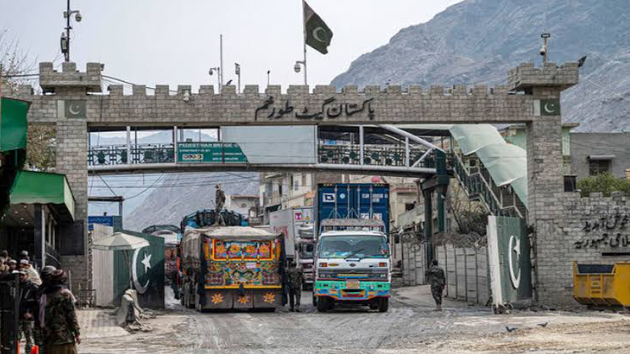
Pakistan Grants Entry to Critically Ill Afghan Newborn at Torkham

PESHAWAR — In a compassionate move, Pakistani authorities have permitted the entry of a critically ill Afghan newborn and the child’s parents through the Torkham border crossing to receive urgent medical care. The family, originating from Jalalabad, Afghanistan, was granted special passage on Sunday, highlighting the humanitarian considerations in cross-border relations. What Happened The Torkham border, a crucial crossing point between Pakistan and Afghanistan, became the scene of a humanitarian intervention as Pakistani officials allowed a sick Afghan newborn and the family to enter Pakistan. The decision was made to facilitate immediate medical treatment for the infant, whose condition necessitated urgent care that was reportedly unavailable in Afghanistan. According to official statements, the family traveled from Jalalabad, a city in eastern Afghanistan, to the Torkham border with the hope of accessing better medical facilities in Pakistan. The border authorities, upon assessing the situation, provided the necessary permissions for the family to cross into Pakistan. This decision underscores the humanitarian stance taken by Pakistan in response to individual medical emergencies, despite ongoing complex geopolitical relations with Afghanistan. The newborn’s critical condition had prompted the family to seek medical assistance beyond their borders, reflecting the severe healthcare challenges faced within Afghanistan. The Pakistani authorities’ response to this emergency situation highlights a willingness to prioritize humanitarian needs, even amidst stringent border regulations. Background The Torkham border crossing is one of the busiest and most significant points of entry between Afghanistan and Pakistan. Historically, it has been a focal point for trade and transit, as well as a gateway for humanitarian aid. The border has seen fluctuating levels of openness, influenced by the political and security dynamics between the two countries. In recent years, Afghanistan’s healthcare system has been under immense strain, exacerbated by ongoing conflict, economic challenges, and limited resources. The lack of adequate medical facilities has often forced Afghan citizens to seek treatment in neighboring countries, including Pakistan. This situation is further complicated by the political tensions and security concerns that frequently impact cross-border movement. Pakistan has, at times, facilitated medical treatment for Afghan nationals, especially in cases requiring urgent care. Such gestures are part of broader humanitarian efforts, although they are not without challenges, given the complex bilateral relations and security considerations. Why It Matters The decision to allow the entry of a critically ill Afghan newborn into Pakistan is significant for several reasons. Firstly, it demonstrates Pakistan’s commitment to humanitarian principles, even in the face of challenging diplomatic relations with Afghanistan. This act of compassion could serve as a confidence-building measure, potentially easing tensions and fostering goodwill between the two nations. Economically, the move also highlights the disparities in healthcare infrastructure between Afghanistan and Pakistan. While Pakistan faces its own healthcare challenges, it remains a more viable option for urgent medical care compared to Afghanistan, where facilities are often lacking. This reality underscores the need for improved healthcare access and infrastructure within Afghanistan, which could reduce dependency on external aid. On a social level, the incident sheds light on the human impact of geopolitical conflicts and the importance of maintaining humanitarian corridors. The ability to respond swiftly to medical emergencies across borders can save lives and alleviate suffering, reinforcing the need for policies that prioritize human welfare over political concerns. Key Takeaways Pakistan allowed a critically ill Afghan newborn and family to enter for urgent medical care. The family traveled from Jalalabad, highlighting healthcare challenges in Afghanistan. The Torkham border crossing is crucial for humanitarian and trade exchanges. Pakistan’s response reflects a commitment to humanitarian principles amid complex relations. The incident underscores the need for improved healthcare infrastructure in Afghanistan. Source Attribution This article is based on official government statements, press releases, and public communications from relevant authorities. Author: NEN Editorial Desk | Editor: NEN Newsroom | Fact Checked By: NEN Editorial Team Author: NEN Editorial Desk  |  Editor: NEN Newsroom  |  Last Updated: August 02, 2026  |  Source: NEN Reporter This article was produced by the NEN Editorial Desk in accordance with NEN Agency’s Editorial Policy and Fact-Checking Policy.
Pakistan

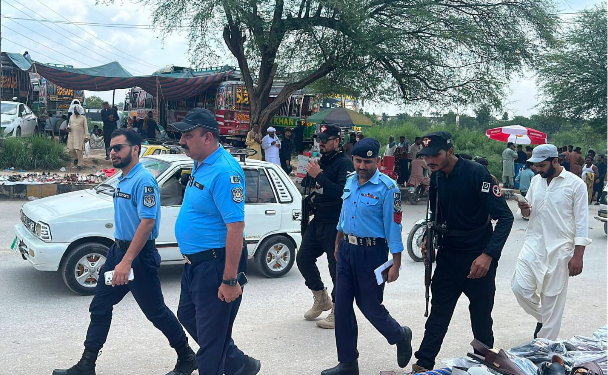
ICT Police Oversee Security Preparations for Chehlum at Golra Sharif Shrine

ISLAMABAD — The Islamabad Capital Territory (ICT) Police have conducted a comprehensive review of security arrangements at the Golra Sharif Shrine in preparation for the upcoming Chehlum observance. Senior officers have instructed field personnel to ensure robust security measures and maintain effective coordination with the shrine’s administration. What Happened On Sunday, ICT Police officials, led by Senior Superintendent of Police (SSP) Operations Islamabad Qazi Ali Raza, evaluated the security protocols at the Golra Sharif Shrine. The review is part of a broader effort to ensure the safety of worshippers and visitors during the Chehlum, a significant religious observance marking the 40th day after Ashura, which commemorates the martyrdom of Imam Hussain. According to a spokesperson from the ICT Police, the officers emphasized the need for foolproof security arrangements. This includes deploying additional personnel, installing surveillance equipment, and setting up checkpoints to monitor and manage the flow of visitors. “Our priority is to ensure the safety and security of all individuals attending the Chehlum observance,” the spokesperson stated. The police have also coordinated with the shrine’s administration to streamline entry and exit procedures and ensure that all security measures are in place well before the event. The ICT Police are working closely with other law enforcement agencies to bolster security and prevent any untoward incidents during the observance. Background The Golra Sharif Shrine, located on the outskirts of Islamabad, is a renowned spiritual site attracting thousands of devotees, especially during religious events like Chehlum. The shrine is dedicated to Pir Meher Ali Shah, a revered Sufi saint, and serves as a focal point for spiritual gatherings and observances. Chehlum is a significant event in the Islamic calendar, particularly for the Shia community, as it marks the culmination of the mourning period for Imam Hussain, the grandson of Prophet Muhammad. Security arrangements during such events are critical given the large gatherings and the potential for sectarian tensions. In recent years, Pakistani authorities have heightened security measures during major religious observances to prevent sectarian violence and ensure public safety. This includes deploying additional police forces, utilizing technology for surveillance, and coordinating with religious leaders and community representatives. Why It Matters The meticulous security preparations for the Chehlum observance at Golra Sharif Shrine underscore the importance of maintaining peace and order during religious events in Pakistan. Given the historical context of sectarian violence in the region, ensuring the safety of worshippers is paramount for the authorities. Economically, the smooth conduct of such events without incidents of violence or unrest is crucial for maintaining public confidence and stability. It also reflects positively on the government’s ability to manage security challenges, which is vital for attracting tourism and investment in the region. Socially, the effective management of religious events fosters communal harmony and demonstrates respect for religious diversity. It reassures minority communities of their safety and encourages participation in religious observances without fear. Internationally, Pakistan’s efforts to secure religious gatherings are closely watched as indicators of the country’s progress in combating extremism and promoting religious tolerance. Successful management of these events can enhance Pakistan’s image as a nation committed to peace and security. Key Takeaways The ICT Police have reviewed security arrangements at the Golra Sharif Shrine for the Chehlum observance. Senior officers have directed personnel to ensure comprehensive security measures and coordination with the shrine administration. Chehlum marks the 40th day after Ashura, commemorating Imam Hussain’s martyrdom, and attracts large gatherings. Security measures include additional personnel, surveillance equipment, and checkpoints to manage visitor flow. Effective management of religious events is crucial for maintaining peace, public confidence, and international reputation. Source Attribution This article is based on official government statements, press releases, and public communications from relevant authorities. Author: NEN Editorial Desk | Editor: NEN Newsroom | Fact Checked By: NEN Editorial Team Author: NEN Editorial Desk  |  Editor: NEN Newsroom  |  Last Updated: August 02, 2026  |  Source: NEN Reporter This article was produced by the NEN Editorial Desk in accordance with NEN Agency’s Editorial Policy and Fact-Checking Policy.
Pakistan

Punjab CM Opens Nestle Biomass Plant to Tackle Pollution

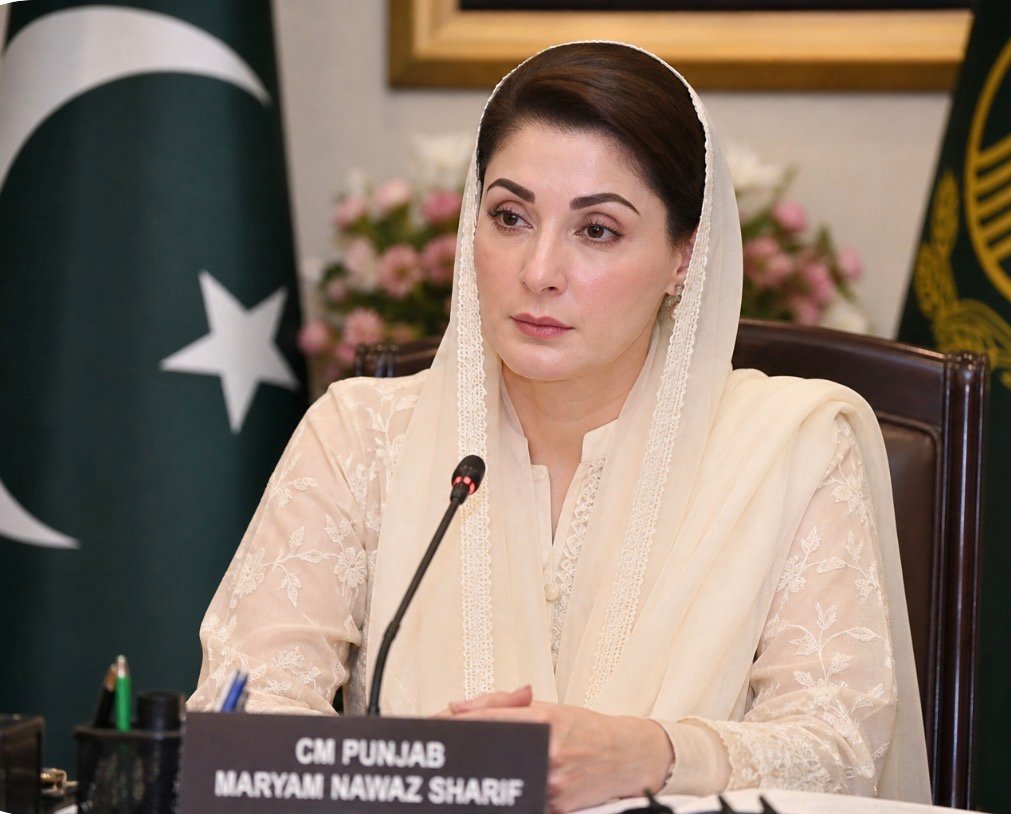
LAHORE — Punjab Chief Minister Maryam Nawaz Sharif inaugurated Nestle Pakistan’s new biomass steam plant in Sheikhupura on August 2, marking a significant step towards reducing pollution in the region. The plant, which represents an investment of approximately $4.5 million, is expected to process 72,000 tonnes of agricultural residue each year. What Happened Chief Minister Maryam Nawaz Sharif officially opened the Nestle biomass steam plant via a digital ceremony, highlighting the facility’s role in promoting environmental sustainability and supporting the circular economy. Located in Sheikhupura, the plant is designed to convert agricultural waste into energy, thereby reducing reliance on conventional fossil fuels and contributing to cleaner air in Punjab. The biomass steam plant is a part of Nestle’s broader commitment to renewable energy and sustainability. By processing 72,000 tonnes of agricultural residue annually, the plant aims to significantly cut down carbon emissions and provide a sustainable energy source for Nestle’s operations in the region. During the inauguration, Chief Minister Sharif emphasized the importance of such initiatives in addressing environmental challenges and fostering economic growth through sustainable practices. “This project not only underscores our commitment to environmental sustainability but also supports local agriculture by utilizing agricultural waste,” said Chief Minister Sharif. The plant’s operations are expected to create job opportunities and stimulate economic activity in the local community. Background Punjab, a major agricultural hub in Pakistan, has faced increasing environmental challenges due to pollution and waste management issues. The region’s reliance on traditional energy sources has contributed to air quality deterioration, prompting a need for innovative solutions. The introduction of biomass technology aligns with global trends towards renewable energy and reflects Pakistan’s efforts to meet international environmental standards. Biomass energy, which involves converting organic materials into usable energy, has gained traction worldwide as a sustainable alternative to fossil fuels. In Pakistan, the agricultural sector produces substantial amounts of residue, offering an abundant resource for biomass energy production. Nestle’s investment in this technology is part of a larger strategy to enhance sustainability across its global operations. Why It Matters The inauguration of the biomass steam plant is a critical development for Punjab, both environmentally and economically. By utilizing agricultural residue, the plant not only addresses waste management issues but also reduces the region’s carbon footprint. This initiative is expected to improve air quality, benefiting public health and contributing to the fight against climate change. Economically, the plant supports the local agricultural sector by providing a market for agricultural waste, which can be a burden for farmers. The conversion of waste into energy creates a new revenue stream for local communities and encourages sustainable agricultural practices. Additionally, the plant’s operations are likely to generate employment opportunities, contributing to economic stability in the region. On a broader scale, the project aligns with Pakistan’s national goals for renewable energy adoption and environmental conservation. It sets a precedent for other industries to invest in sustainable technologies, potentially leading to a more resilient and diversified energy sector. As Pakistan faces increasing pressure to meet international environmental commitments, projects like Nestle’s biomass plant are crucial in demonstrating the country’s dedication to sustainable development. Key Takeaways Punjab Chief Minister Maryam Nawaz Sharif inaugurated a biomass steam plant in Sheikhupura. The plant, built with a $4.5 million investment, will process 72,000 tonnes of agricultural residue annually. This initiative aims to reduce pollution and promote renewable energy in Punjab. The project supports local agriculture and creates economic opportunities in the region. The biomass plant aligns with Pakistan’s goals for sustainability and environmental conservation. Source Attribution This article is based on official government statements, press releases, and public communications from relevant authorities. Author: NEN Editorial Desk | Editor: NEN Newsroom | Fact Checked By: NEN Editorial Team Author: NEN Editorial Desk  |  Editor: NEN Newsroom  |  Last Updated: August 02, 2026  |  Source: NEN Reporter This article was produced by the NEN Editorial Desk in accordance with NEN Agency’s Editorial Policy and Fact-Checking Policy.
Pakistan

Assistant Commissioner Evaluates Polling Arrangements in Murree for AJK Elections

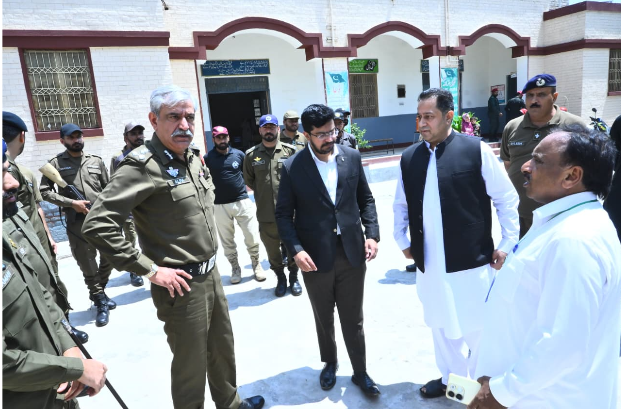
RAWALPINDI — Assistant Commissioner Murree conducted an inspection of polling stations across the tehsil on Sunday, assessing the arrangements and security measures in place for the ongoing second phase of the Azad Jammu and Kashmir (AJK) Legislative Assembly elections. What Happened The Assistant Commissioner (AC) of Murree visited various polling stations to ensure that the electoral process was proceeding smoothly and that voters were being provided with adequate facilities. The visits were conducted under the directives of the Deputy Commissioner (DC), aiming to maintain transparency and order during the elections. During the inspections, the AC reviewed the setup of polling booths, security protocols, and voter facilitation services. The AC interacted with election staff and voters to gather firsthand feedback on the arrangements. The focus was on ensuring that all necessary measures were in place to facilitate a fair and efficient voting process. Security arrangements were a key aspect of the review, with the AC ensuring that law enforcement personnel were adequately deployed to maintain peace and order. The AC emphasized the importance of adhering to COVID-19 safety protocols, including social distancing and the use of masks, to safeguard public health during the electoral process. The AC’s visits were part of a broader effort to oversee the electoral process in the region, ensuring that it met the standards of fairness and transparency expected in democratic exercises. Background The Azad Jammu and Kashmir (AJK) Legislative Assembly elections are a significant political event, with voters electing representatives to the legislative body. The elections are held in phases, with the current phase being the second. This electoral process is crucial for determining the political landscape of the region, influencing both local governance and broader political dynamics. Murree, a tehsil in the Rawalpindi District, plays a vital role in these elections, with several polling stations set up to accommodate voters. The role of the Assistant Commissioner and other administrative officials is critical in ensuring that the elections are conducted smoothly and without incident. Why It Matters The inspection of polling arrangements by the Assistant Commissioner is significant as it underscores the commitment to maintaining a transparent and orderly electoral process. Elections are a cornerstone of democratic governance, and ensuring their integrity is essential for public confidence in the political system. The effective management of polling stations, including security and voter facilitation, directly impacts voter turnout and the overall success of the elections. In regions like Murree, where logistical challenges can arise due to terrain and infrastructure, meticulous planning and oversight are necessary to prevent disruptions. Moreover, the adherence to COVID-19 safety protocols during the elections is crucial. With the pandemic still posing a threat, ensuring that health guidelines are followed protects both voters and election staff, allowing the democratic process to continue without compromising public health. The outcome of the AJK Legislative Assembly elections will influence the political direction of the region, affecting policy decisions and governance. As such, the role of administrative officials in ensuring a fair electoral process cannot be overstated. Key Takeaways The Assistant Commissioner of Murree inspected polling arrangements to ensure a smooth electoral process. The visits focused on security measures, voter facilities, and adherence to COVID-19 protocols. The inspections are part of efforts to maintain transparency and order in the AJK Legislative Assembly elections. Effective election management is crucial for public confidence and voter turnout. The AJK elections will significantly impact the political landscape and governance of the region. Source Attribution This article is based on official government statements, press releases, and public communications from relevant authorities. Author: NEN Editorial Desk | Editor: NEN Newsroom | Fact Checked By: NEN Editorial Team Author: NEN Editorial Desk  |  Editor: NEN Newsroom  |  Last Updated: August 02, 2026  |  Source: NEN Reporter This article was produced by the NEN Editorial Desk in accordance with NEN Agency’s Editorial Policy and Fact-Checking Policy.
Pakistan

Security Measures Reviewed for AJK Elections in Chakwal

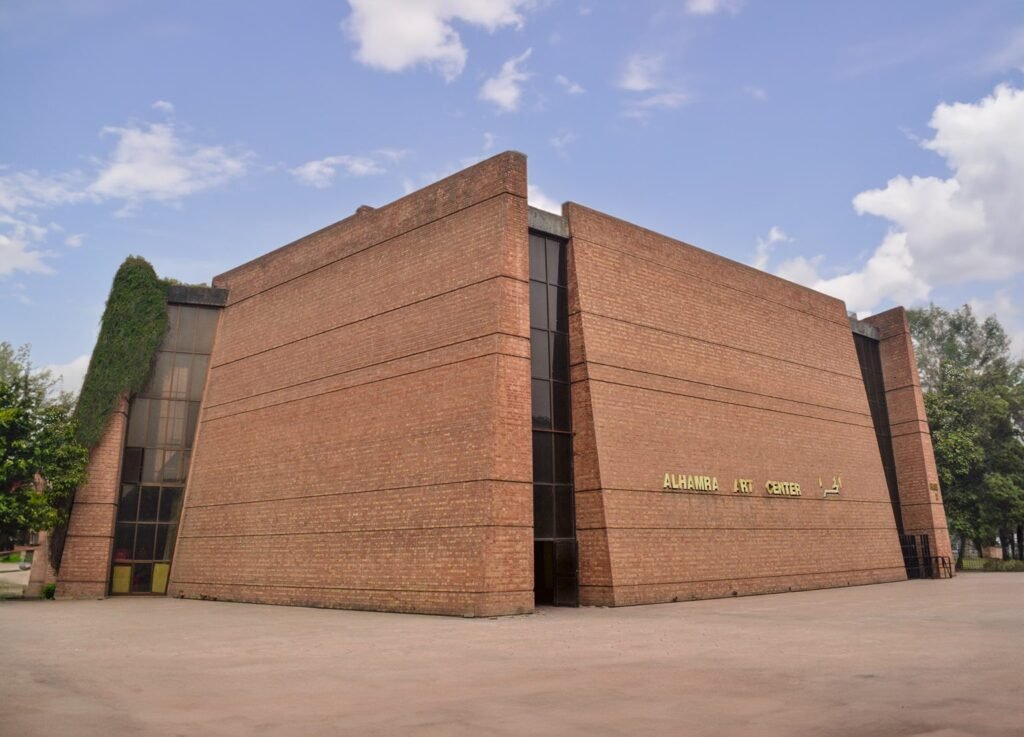
RAWALPINDI — Commissioner Rawalpindi Division Salman Ghani and Regional Police Officer (RPO) Rawalpindi Region Babar Sarfraz Alpa conducted a thorough review of the security and administrative arrangements in Chakwal district on August 2, ahead of the Azad Jammu and Kashmir (AJK) Legislative Assembly elections. The elections, which are to be held on refugee seats, require stringent measures to ensure they are conducted peacefully and transparently. What Happened During their visit to Chakwal, Commissioner Salman Ghani and RPO Babar Sarfraz Alpa assessed the security protocols and administrative preparations in place for the upcoming AJK Legislative Assembly elections. The officials emphasized the importance of maintaining peace and order, ensuring that the elections are free, fair, and transparent. The visit included meetings with local law enforcement and administrative officials to discuss the deployment of security personnel and the implementation of strategies to prevent any disruptions during the election process. Commissioner Ghani highlighted the necessity of a coordinated effort among various departments to facilitate a smooth electoral process. “All necessary measures are being taken to ensure that the elections are conducted in a peaceful manner,” he stated. RPO Alpa echoed these sentiments, stressing the importance of vigilance and preparedness among the security forces. The review also involved inspecting the logistical arrangements, such as the setup of polling stations and the availability of essential resources to support the electoral process. The officials assured that all stakeholders are committed to upholding the integrity of the elections, with a focus on transparency and accountability. Background The AJK Legislative Assembly elections are a significant political event, particularly for the refugee seats, which represent the voices of those displaced from their homes. Historically, elections in this region have required meticulous planning and security arrangements due to the sensitive nature of the political environment and the need to ensure that all eligible voters can participate without fear or intimidation. In previous elections, the government has faced challenges related to security and administrative coordination. However, efforts have been made to learn from past experiences and improve the electoral process. The involvement of high-ranking officials in reviewing the arrangements underscores the government’s commitment to conducting elections that meet international standards of fairness and transparency. Why It Matters The security and administrative preparations for the AJK elections are crucial for several reasons. Firstly, they reflect the government’s dedication to democratic principles and the importance of providing a safe environment for voters. The elections on refugee seats are particularly sensitive, as they involve individuals who have experienced displacement and are eager to have their voices heard in the legislative assembly. Moreover, the successful conduct of these elections can serve as a model for future electoral processes in Pakistan, showcasing the ability to manage complex political events with efficiency and integrity. The involvement of senior officials in the review process highlights the significance placed on these elections and the broader implications for governance and stability in the region. From an international perspective, the manner in which these elections are conducted will be closely observed. It is an opportunity for Pakistan to demonstrate its commitment to democratic norms and its capacity to handle electoral processes with transparency and accountability. A successful election could enhance Pakistan’s image on the global stage and reinforce its status as a democratic nation. Key Takeaways Commissioner and RPO reviewed security and administrative arrangements for AJK elections in Chakwal. Focus on ensuring peaceful, free, and transparent elections on refugee seats. High-level coordination among departments emphasized for smooth electoral process. Significance of elections highlighted for democratic principles and regional stability. International observers will closely monitor the elections for transparency and fairness. Source Attribution This article is based on official government statements, press releases, and public communications from relevant authorities. Author: NEN Editorial Desk | Editor: NEN Newsroom | Fact Checked By: NEN Editorial Team Author: NEN Editorial Desk  |  Editor: NEN Newsroom  |  Last Updated: August 02, 2026  |  Source: NEN Reporter This article was produced by the NEN Editorial Desk in accordance with NEN Agency’s Editorial Policy and Fact-Checking Policy.

Pakistan

Alhamra Summer Art Camp Thrives Amid Renovation and Monsoon Challenges

LAHORE — The Lahore Arts Council’s Summer Art Camp at Alhamra is successfully proceeding despite ongoing renovation work and the challenges posed by the monsoon season. The camp, which runs until August 5, offers children a creative outlet through drawing, painting, and calligraphy classes, all under the supervision of experienced instructors. What Happened The Alhamra Summer Art Camp, a staple event organized by the Lahore Arts Council, has managed to continue its operations without any interruptions, even as renovation work is underway at its historic complex. The camp, which began earlier in July, is set to conclude on August 5. According to a press release issued by the council, the camp has seen enthusiastic participation from children who are eager to explore their artistic talents. Despite the logistical challenges posed by the renovation and the monsoon rains, the council has ensured that the camp’s activities proceed smoothly. The instructors, who are seasoned artists themselves, have been instrumental in maintaining the quality of the workshops. The children are engaged in a variety of artistic disciplines, including drawing, painting, and calligraphy, which are designed to nurture their creativity and artistic skills. The Lahore Arts Council has taken measures to ensure the safety and comfort of the participants. Temporary arrangements have been made to accommodate the children in areas of the complex that are unaffected by the renovation work. Additionally, efforts have been made to manage the impact of the monsoon rains, ensuring that the camp’s schedule remains uninterrupted. Background The Alhamra Art Center, a cultural landmark in Lahore, has been hosting the Summer Art Camp for several years. The camp is part of the Lahore Arts Council’s broader initiative to promote arts and culture among the youth. The center itself is undergoing renovation to preserve its historical significance and improve its facilities, a project that has been in the planning stages for some time. Historically, the Alhamra complex has been a hub for cultural and artistic activities in Lahore, serving as a venue for various art exhibitions, theatrical performances, and educational workshops. The ongoing renovation is seen as a necessary step to enhance the infrastructure and continue its legacy as a center for artistic excellence. Why It Matters The continuation of the Alhamra Summer Art Camp amidst renovation and seasonal challenges is significant for several reasons. Firstly, it underscores the Lahore Arts Council’s commitment to fostering artistic talent and providing educational opportunities for children, even in the face of logistical hurdles. This dedication ensures that young artists have a platform to express themselves and develop their skills, which is crucial for nurturing future generations of artists in Pakistan. Economically, the camp plays a role in supporting the local art community by engaging professional artists as instructors, thus providing them with employment opportunities. It also attracts families to the area, contributing to the local economy through ancillary spending on transportation, food, and art supplies. Socially, the camp offers children a constructive and educational way to spend their summer, which is particularly important during school holidays. It provides a safe environment for children to learn and interact with their peers, fostering a sense of community and collaboration. On a broader scale, the successful execution of the camp despite challenges reflects positively on the resilience and adaptability of cultural institutions in Pakistan. It highlights the importance of preserving and promoting cultural heritage, even as modernization efforts are underway. Key Takeaways The Alhamra Summer Art Camp continues uninterrupted despite renovation work and monsoon challenges. Children are participating in drawing, painting, and calligraphy classes under expert guidance. The camp supports the local art community by employing professional artists as instructors. It provides a constructive and educational summer activity for children, fostering community engagement. The camp’s continuation reflects the resilience of Pakistan’s cultural institutions. Source Attribution This article is based on official statements and press releases from the Lahore Arts Council. Author: NEN Editorial Desk | Editor: NEN Newsroom | Fact Checked By: NEN Editorial Team Author: NEN Editorial Desk  |  Editor: NEN Newsroom  |  Last Updated: August 02, 2026  |  Source: Press Release from Government of Pakistan This article was produced by the NEN Editorial Desk in accordance with NEN Agency’s Editorial Policy and Fact-Checking Policy.

Pakistan

Rural Development Crucial for Boosting Agricultural Growth, Says FPCCI Official

LAHORE — The Convener of the Federation of Pakistan Chambers of Commerce and Industry (FPCCI) Regional Committee on Food, Shahid Imran, emphasized the importance of rural development for agricultural growth during a meeting with a delegation of farmers on Sunday. He highlighted that improving infrastructure and facilities in rural areas is essential to ensure food security and sustainable agricultural progress in Pakistan. What Happened During a discussion held in Lahore, Shahid Imran addressed a group of farmers, stressing the need for enhanced rural infrastructure to empower the agricultural sector. He pointed out that the development of rural areas is directly linked to Pakistan’s food security and the overall growth of its agricultural industry. Imran stated, “Empowering farmers through better facilities and infrastructure is crucial for sustainable agricultural growth.” He underscored the necessity of government intervention and investment in rural development to address the challenges faced by farmers. Imran elaborated on the current state of rural areas, noting that inadequate infrastructure, such as roads, irrigation systems, and storage facilities, hampers agricultural productivity. He advocated for a comprehensive approach that includes modernizing these facilities to improve the efficiency and output of the farming sector. According to Imran, such measures would not only boost agricultural production but also enhance the livelihoods of rural communities. The discussion also touched upon the role of technology in transforming agriculture. Imran suggested that adopting modern agricultural practices and technologies could significantly increase crop yields and reduce post-harvest losses. He encouraged the government to facilitate access to technology and training for farmers to equip them with the necessary skills to optimize their operations. Background Agriculture is a vital component of Pakistan’s economy, contributing approximately 19% to the national GDP and employing nearly 42% of the workforce. Despite its significance, the sector faces numerous challenges, including outdated farming techniques, water scarcity, and limited access to markets. Historically, rural development in Pakistan has been uneven, with many areas lacking basic infrastructure and services. Previous government initiatives have aimed to address these issues, such as the introduction of the National Food Security Policy and various rural development programs. However, implementation has often been inconsistent, and many rural communities continue to struggle with inadequate facilities and support. Why It Matters The emphasis on rural development as a catalyst for agricultural growth holds significant implications for Pakistan’s economy and food security. By investing in rural infrastructure, the government can enhance agricultural productivity, which is crucial for meeting the food demands of a rapidly growing population. Improved infrastructure would facilitate better access to markets, reduce transportation costs, and minimize post-harvest losses, ultimately leading to increased income for farmers. Furthermore, empowering rural communities through development initiatives can contribute to poverty alleviation and social stability. As rural areas become more prosperous, there is potential for reduced migration to urban centers, easing the pressure on city resources and infrastructure. On an international level, strengthening Pakistan’s agricultural sector can enhance its competitiveness in global markets. By adopting modern technologies and practices, Pakistan can increase its agricultural exports, contributing to a more balanced trade portfolio and improved economic resilience. Key Takeaways Shahid Imran of FPCCI highlights the need for improved rural infrastructure to boost agricultural growth. Enhanced facilities and technology adoption are crucial for empowering farmers and ensuring food security. Agriculture contributes significantly to Pakistan’s GDP and employs a large portion of the workforce. Investment in rural development can lead to poverty alleviation and reduced urban migration. Strengthening the agricultural sector can improve Pakistan’s competitiveness in global markets. Source Attribution This article is based on official government statements, press releases, and public communications from relevant authorities. Author: NEN Editorial Desk | Editor: NEN Newsroom | Fact Checked By: NEN Editorial Team Author: NEN Editorial Desk  |  Editor: NEN Newsroom  |  Last Updated: August 02, 2026  |  Source: NEN Reporter This article was produced by the NEN Editorial Desk in accordance with NEN Agency’s Editorial Policy and Fact-Checking Policy.

Pakistan

Challenges Faced by Family Caregivers in Pakistan’s Mental Health System

ISLAMABAD — Family caregivers in Pakistan are often the unsung heroes within the mental health system, providing essential support to relatives with mental illnesses or disabilities. Despite their critical role, these caregivers face numerous challenges that remain largely unaddressed by the healthcare system. What Happened Family caregivers across Pakistan are grappling with the demanding task of caring for loved ones with mental health issues. These caregivers, often family members, dedicate their lives to supporting individuals with conditions such as autism, dementia, and other mental health disorders. Their responsibilities extend beyond basic caregiving to include managing medical appointments, administering medications, and providing emotional support. In a recent discussion, several caregivers shared their experiences, highlighting the lack of institutional support and resources. One caregiver, Ayesha Khan, who looks after her autistic son, noted, “Our days start early and end late, with little time for ourselves. The emotional and physical toll is immense, yet there is minimal recognition or support from the healthcare system.” The financial burden is another significant challenge. Many caregivers have to leave their jobs or reduce working hours to provide full-time care, leading to financial strain. The cost of medications, therapies, and special education adds to the financial pressure. “We often have to choose between our careers and caring for our loved ones,” said another caregiver, Ahmed Raza, who supports his mother with dementia. Background The mental health system in Pakistan has long been under-resourced and underfunded. According to the World Health Organization, Pakistan spends less than 1% of its health budget on mental health services. This lack of investment has resulted in limited access to mental health professionals, inadequate facilities, and a general lack of awareness about mental health issues. Family caregivers have historically filled the gap left by the healthcare system, yet they receive little to no formal training or support. The absence of a comprehensive national mental health policy exacerbates these challenges, leaving caregivers to navigate the complexities of mental health care largely on their own. Why It Matters The role of family caregivers is crucial in a country where mental health services are scarce. Their contributions not only provide essential care to individuals with mental health conditions but also alleviate some of the burdens on the healthcare system. However, without adequate support, caregivers are at risk of burnout, which can negatively impact their health and the quality of care they provide. Addressing the needs of family caregivers is vital for improving mental health outcomes in Pakistan. Providing financial support, training, and respite care options can help reduce the burden on caregivers and improve their well-being. Moreover, recognizing their role can lead to better integration of caregivers into the healthcare system, ensuring a more holistic approach to mental health care. The broader societal impact is significant. By supporting family caregivers, Pakistan can enhance the quality of life for individuals with mental health conditions and their families. This support can also contribute to reducing the stigma associated with mental illness, promoting a more inclusive and understanding society. Key Takeaways Family caregivers in Pakistan play a vital role in supporting individuals with mental health conditions. Caregivers face significant challenges, including financial strain and lack of institutional support. The mental health system in Pakistan is under-resourced, with less than 1% of the health budget allocated to mental health services. Supporting caregivers can improve mental health outcomes and reduce stigma associated with mental illness. A comprehensive national mental health policy is needed to address these challenges effectively. Source Attribution This article is based on official government statements, press releases, and public communications from relevant authorities. Author: NEN Editorial Desk | Editor: NEN Newsroom | Fact Checked By: NEN Editorial Team Author: NEN Editorial Desk  |  Editor: NEN Newsroom  |  Last Updated: August 02, 2026  |  Source: NEN Reporter This article was produced by the NEN Editorial Desk in accordance with NEN Agency’s Editorial Policy and Fact-Checking Policy.

Scroll to Top