
Pakistan

News related to Pakistan in Pakistan and around the world.

Pakistan

ICCI and Blood Chain Pakistan Host Annual Blood Conference 2026

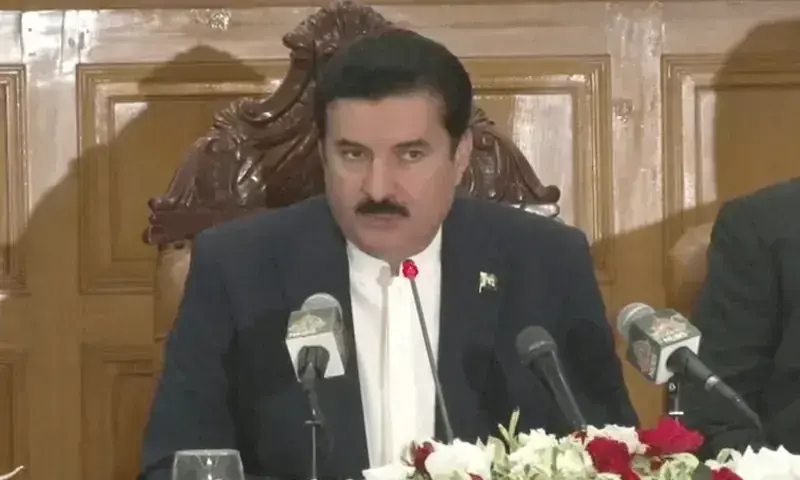
ISLAMABAD — The Islamabad Chamber of Commerce and Industry (ICCI) and Blood Chain Pakistan jointly hosted the annual blood conference on August 1, 2026, in Islamabad. Governor Khyber Pakhtunkhwa Faisal Karim Kundi highlighted the importance of voluntary blood donation, describing it as a national, humanitarian, and moral duty crucial for saving lives and strengthening Pakistan’s healthcare system. What Happened The annual blood conference, organized by the ICCI in collaboration with Blood Chain Pakistan, brought together experts, healthcare professionals, and policymakers to discuss the critical role of blood donation in the country’s healthcare infrastructure. The event was held in Islamabad and featured a series of presentations and discussions aimed at promoting voluntary blood donation and ensuring the availability of safe blood supplies across Pakistan. Governor Faisal Karim Kundi, who was a keynote speaker at the conference, emphasized the transformative impact of voluntary blood donation. He stated, “Voluntary blood donation is not merely an act of charity but a national, humanitarian, and moral responsibility that can save countless precious lives.” He further stressed the need for a robust system to ensure the availability of safe blood, which he identified as essential for the healthcare sector’s effectiveness and compassion. The conference also included presentations from healthcare experts and representatives from various non-governmental organizations (NGOs) who shared insights on improving blood donation systems, increasing public awareness, and implementing effective strategies to encourage more people to become regular donors. Background Blood donation has long been a critical component of healthcare systems worldwide. In Pakistan, the need for a reliable blood supply is particularly acute due to the high incidence of road traffic accidents, surgical procedures, and diseases such as thalassemia and hemophilia, which require regular blood transfusions. Historically, Pakistan has faced challenges in maintaining adequate blood reserves, often relying on family replacement donations rather than voluntary contributions. Efforts to promote voluntary blood donation have been ongoing, with various campaigns and initiatives launched by the government and NGOs. The collaboration between ICCI and Blood Chain Pakistan represents a continued commitment to addressing these challenges and improving the country’s blood donation infrastructure. Why It Matters The conference’s focus on voluntary blood donation is significant for several reasons. Firstly, it addresses the critical need for a sustainable and safe blood supply, which is vital for emergency medical care and the treatment of chronic conditions. By encouraging voluntary donations, Pakistan can reduce its reliance on replacement donations, which often come with risks of unscreened or unsafe blood. Moreover, the event highlights the role of public-private partnerships in healthcare. By bringing together diverse stakeholders, including government officials, healthcare professionals, and business leaders, the conference fosters collaboration and innovation in addressing public health challenges. Economically, a reliable blood supply can reduce healthcare costs associated with treating complications from unsafe blood transfusions. Socially, it can enhance community resilience and trust in the healthcare system, encouraging more citizens to participate in voluntary donation programs. Internationally, strengthening Pakistan’s blood donation framework aligns with global health standards and contributes to the country’s reputation as a proactive participant in global health initiatives. This can lead to increased support and collaboration from international health organizations and donors. Key Takeaways The ICCI and Blood Chain Pakistan hosted the annual blood conference in Islamabad on August 1, 2026. Governor Faisal Karim Kundi emphasized voluntary blood donation as a national and moral responsibility. The conference aimed to promote safe blood availability and enhance Pakistan’s healthcare system. Efforts to increase voluntary blood donations can reduce reliance on replacement donations. Public-private partnerships are crucial for addressing healthcare challenges in Pakistan. Source Attribution This article is based on official government statements, press releases, and public communications from relevant authorities. Author: NEN Editorial Desk | Editor: NEN Newsroom | Fact Checked By: NEN Editorial Team Author: NEN Editorial Desk  |  Editor: NEN Newsroom  |  Last Updated: August 01, 2026  |  Source: NEN Reporter This article was produced by the NEN Editorial Desk in accordance with NEN Agency’s Editorial Policy and Fact-Checking Policy.
Pakistan

Police Seize 10.74 Kg of Narcotics, Arrest Key Drug Peddler in Rawalpindi

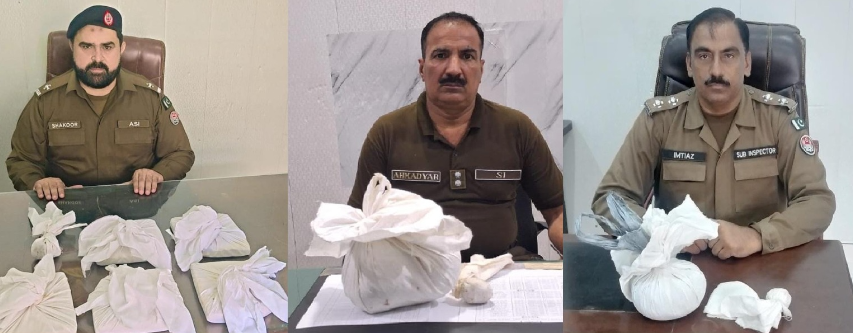
RAWALPINDI — In a significant operation against narcotics distribution, the Civil Lines police in Rawalpindi arrested a major inter-district drug peddler and two accomplices on Saturday. The police seized 10.74 kilograms of hashish and 80 grams of Ice, which were intended for distribution in educational institutions and residential areas. What Happened The crackdown was conducted by the Civil Lines police, who successfully dismantled an illegal narcotics ring. The operation led to the arrest of a previously convicted drug supplier, along with two accomplices. The police confiscated a substantial quantity of narcotics, including 10.74 kilograms of hashish and 80 grams of Ice, a potent form of methamphetamine. According to the police, the narcotics were intended for distribution across various educational institutions and residential areas in Rawalpindi. The operation was part of an ongoing effort to curb the spread of illegal drugs in the region. A police spokesperson stated, “The arrest of these individuals is a significant step in our fight against drug trafficking. We are committed to ensuring the safety and well-being of our communities.” During the investigation, the police recovered six kilograms of hashish and 80 grams of Ice from the possession of the arrested individuals. The remaining narcotics were seized from various locations identified during the interrogation of the suspects. The police are continuing their investigation to identify and apprehend other members of the drug distribution network. Background Drug trafficking has been a persistent issue in Pakistan, with various law enforcement agencies working tirelessly to combat the spread of illegal narcotics. Rawalpindi, due to its proximity to the capital Islamabad and its dense population, has been a focal point for drug-related activities. The local police have been actively pursuing drug traffickers and suppliers to dismantle networks operating in the region. Historically, the region has seen several crackdowns on narcotics, with varying degrees of success. The police have often collaborated with other law enforcement agencies to enhance their efforts in curbing the drug menace. The recent operation is part of a broader strategy to target key figures in the drug trade and disrupt their operations. Why It Matters The arrest of a key drug peddler and the seizure of a substantial quantity of narcotics is a significant achievement for the Rawalpindi police. This operation highlights the ongoing efforts of law enforcement agencies to combat the drug menace that poses a threat to public health and safety. By targeting drug suppliers and distributors, the police aim to reduce the availability of narcotics in the community, particularly in vulnerable areas such as educational institutions. The impact of drug trafficking extends beyond individual users, affecting families and communities at large. The availability of drugs in educational institutions is particularly concerning, as it endangers the youth and compromises their future. By dismantling drug networks, the police are working to create a safer environment for students and residents. Furthermore, the operation underscores the importance of continued vigilance and cooperation among law enforcement agencies to address the complex issue of drug trafficking. The success of such operations not only disrupts the supply chain but also serves as a deterrent to other potential traffickers. Key Takeaways The Civil Lines police in Rawalpindi arrested a major drug peddler and two accomplices, seizing 10.74 kilograms of hashish and 80 grams of Ice. The narcotics were intended for distribution in educational institutions and residential areas. The operation is part of ongoing efforts to combat drug trafficking in the region. Drug trafficking poses a significant threat to public health and safety, particularly in educational settings. Continued cooperation among law enforcement agencies is crucial to effectively address the issue. Source Attribution This article is based on official government statements and public communications from relevant authorities. Author: NEN Editorial Desk | Editor: NEN Newsroom | Fact Checked By: NEN Editorial Team Author: NEN Editorial Desk  |  Editor: NEN Newsroom  |  Last Updated: August 01, 2026  |  Source: NEN Reporter This article was produced by the NEN Editorial Desk in accordance with NEN Agency’s Editorial Policy and Fact-Checking Policy.
Pakistan

PML-N Confident of Success in AJK Elections, Says Attaullah Tarar

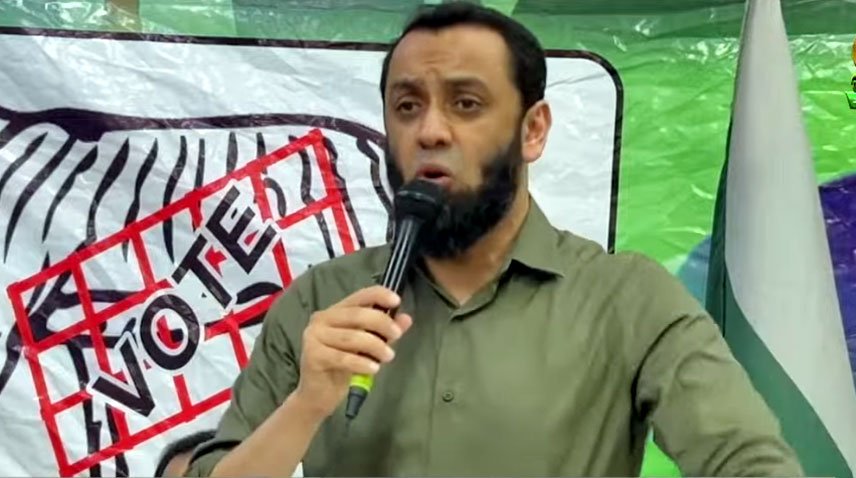
LAHORE — Federal Minister for Information and Broadcasting Attaullah Tarar expressed confidence on Saturday that the Pakistan Muslim League-Nawaz (PML-N) would secure a strong victory in the ongoing Azad Jammu and Kashmir (AJK) elections. He attributed this optimism to the party’s focus on public service and development. What Happened During a ceremony in Lahore, Attaullah Tarar, the Federal Minister for Information and Broadcasting, articulated his belief that the PML-N is well-positioned to perform strongly in the AJK elections. He highlighted the party’s dedication to public service and development as key factors contributing to its anticipated success. Tarar stated, “The PML-N has always prioritized the welfare of the people, and our track record of development projects speaks for itself.” The elections in AJK are being closely watched as they are seen as a barometer of public sentiment towards the major political parties in Pakistan. The PML-N, under the leadership of Prime Minister Shehbaz Sharif, has been campaigning vigorously to maintain its influence in the region. Tarar’s remarks come amidst a competitive political environment where several parties are vying for dominance in the AJK Legislative Assembly. Background Azad Jammu and Kashmir, a semi-autonomous region, holds elections every five years to elect members to its Legislative Assembly. These elections are significant as they reflect the political leanings of the people in the region and have implications for the broader political landscape in Pakistan. The PML-N has historically been a dominant force in AJK politics, often competing closely with the Pakistan Peoples Party (PPP) and Pakistan Tehreek-e-Insaf (PTI). In previous elections, the PML-N has leveraged its development projects and governance record to garner support. The party’s focus on infrastructure development, healthcare, and education has been central to its campaign strategy. The current elections are being held in a politically charged atmosphere, with parties making concerted efforts to sway voters through promises of economic development and improved governance. Why It Matters The outcome of the AJK elections holds significant implications for Pakistan’s domestic politics. A victory for the PML-N would reinforce its position as a leading political force in the region and bolster its standing on the national stage. This could potentially impact the party’s strategy in the upcoming general elections in Pakistan, influencing its approach to governance and policy-making. Economically, a win for the PML-N could mean a continuation of its development agenda in AJK, which includes infrastructure projects and social welfare programs. This could lead to improved living standards for the residents of AJK and contribute to regional stability. Politically, the elections serve as a litmus test for the popularity of the ruling party and its policies, providing insights into voter sentiment and potential shifts in political alliances. Internationally, the elections are watched closely as they reflect the democratic processes in a region that is often in the spotlight due to its geopolitical significance. A transparent and peaceful election process would enhance Pakistan’s image as a democratic nation committed to upholding the principles of free and fair elections. Key Takeaways Attaullah Tarar expressed confidence in PML-N’s success in the AJK elections, citing the party’s focus on public service and development. The AJK elections are a critical indicator of political sentiment and could influence national politics in Pakistan. The PML-N’s campaign emphasizes its track record in infrastructure and social welfare projects. A victory for the PML-N could lead to continued development initiatives in the region, impacting local economies and governance. The elections are significant for Pakistan’s international image as a democratic nation. Source Attribution This article is based on official government statements and public communications from relevant authorities. Author: NEN Editorial Desk | Editor: NEN Newsroom | Fact Checked By: NEN Editorial Team Author: NEN Editorial Desk  |  Editor: NEN Newsroom  |  Last Updated: August 01, 2026  |  Source: NEN Reporter This article was produced by the NEN Editorial Desk in accordance with NEN Agency’s Editorial Policy and Fact-Checking Policy.

Pakistan

Governor KP Highlights Voluntary Blood Donation As National Duty

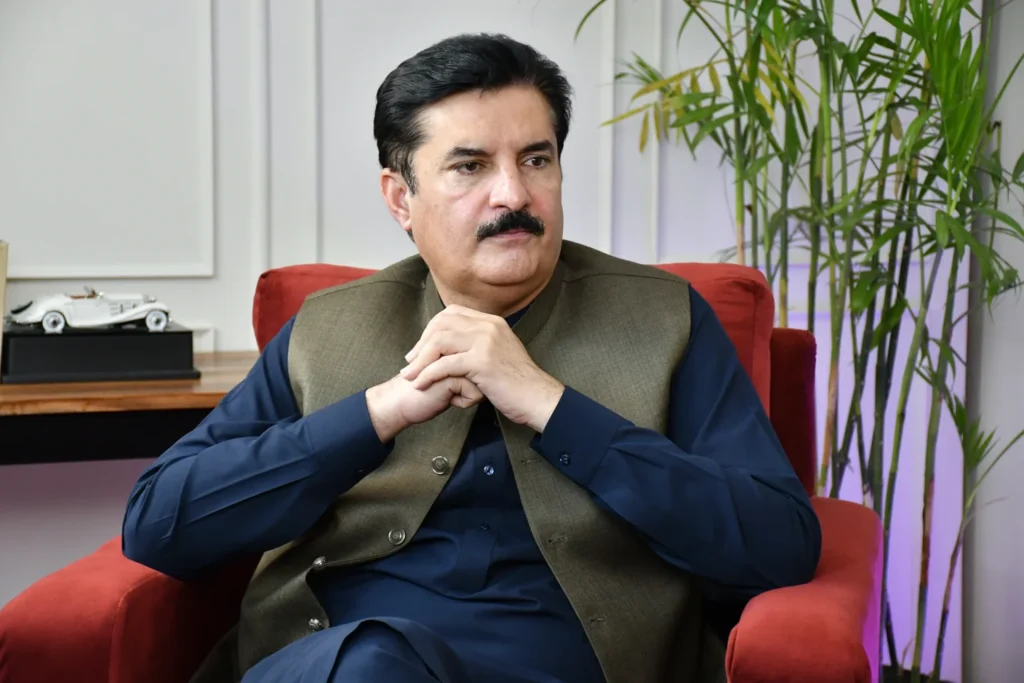
ISLAMABAD — Governor Khyber Pakhtunkhwa Faisal Karim Kundi emphasized the importance of voluntary blood donation, describing it as a national, humanitarian, and moral responsibility. He made these remarks on Saturday during the inaugural session of the Annual Blood Conference held in Islamabad, underscoring the critical role of blood donation in saving lives and bolstering the healthcare system. What Happened Governor Faisal Karim Kundi addressed attendees at the Annual Blood Conference, a two-day event aimed at promoting awareness and strategies for enhancing blood donation across Pakistan. In his speech, he stressed that the timely availability of safe blood is crucial for the survival of patients and the overall effectiveness of healthcare services. The governor highlighted that voluntary blood donation is not merely a charitable act but an essential duty that contributes significantly to the welfare of society. “Ensuring a steady supply of safe blood is paramount for saving lives and strengthening our healthcare infrastructure,” stated Governor Kundi. He called upon citizens to actively participate in blood donation drives and to view this act as a civic duty that supports the nation’s health sector. The conference gathered healthcare professionals, policymakers, and representatives from various non-governmental organizations to discuss challenges and opportunities in the realm of blood donation. The event featured workshops and panel discussions focusing on innovative approaches to encourage more people to donate blood voluntarily. Background Blood donation in Pakistan has historically faced challenges, including a lack of awareness and misconceptions about the process. The country relies heavily on family replacement donations, where relatives of patients donate blood in emergencies. This system often leads to shortages and delays in critical situations. Efforts to promote voluntary blood donation have been ongoing, with various campaigns and initiatives launched by government and non-governmental organizations. These efforts aim to educate the public about the safety and necessity of blood donation, as well as to dispel myths that discourage people from donating. The Annual Blood Conference serves as a platform to bring together stakeholders from different sectors to collaborate on improving blood donation practices and policies in Pakistan. Why It Matters Voluntary blood donation is a cornerstone of a resilient healthcare system. In Pakistan, where the demand for blood often exceeds supply, promoting voluntary donations is vital for ensuring that hospitals and clinics can provide timely and effective care to patients in need. The emphasis on voluntary blood donation as a national responsibility has significant implications for public health. By increasing the pool of regular donors, the country can reduce its reliance on emergency donations, which are often less reliable and more stressful for families of patients. Moreover, fostering a culture of voluntary blood donation can enhance community solidarity and civic engagement. It encourages individuals to contribute to the well-being of their fellow citizens, thereby strengthening social bonds and promoting a sense of shared responsibility. Governor Kundi’s call to action is particularly relevant in the context of the COVID-19 pandemic, which has strained healthcare resources worldwide. By prioritizing blood donation, Pakistan can better prepare for future health crises and ensure that its healthcare system is equipped to handle emergencies. Key Takeaways Governor Khyber Pakhtunkhwa Faisal Karim Kundi emphasized voluntary blood donation as a national and humanitarian responsibility. The Annual Blood Conference in Islamabad focused on promoting awareness and strategies for enhancing blood donation in Pakistan. Voluntary blood donation is crucial for ensuring the timely availability of safe blood and strengthening the healthcare system. Efforts to promote voluntary blood donation aim to reduce reliance on family replacement donations and improve public health outcomes. Fostering a culture of blood donation can enhance community solidarity and prepare the healthcare system for future crises. Source Attribution This article is based on official government statements, press releases, and public communications from relevant authorities. Author: NEN Editorial Desk | Editor: NEN Newsroom | Fact Checked By: NEN Editorial Team Author: NEN Editorial Desk  |  Editor: NEN Newsroom  |  Last Updated: August 01, 2026  |  Source: Press Release from Government of Pakistan This article was produced by the NEN Editorial Desk in accordance with NEN Agency’s Editorial Policy and Fact-Checking Policy.
Pakistan

Gold Prices Drop Rs3,700 Per Tola in Pakistan’s Local Market

ISLAMABAD — The price of gold in Pakistan’s local market experienced a significant drop on Saturday, with the cost of 24-karat gold per tola decreasing by Rs3,700 to settle at Rs426,736. This decline was reported by the All Pakistan Sarafa Gems and Jewellers Association, reflecting changes in the international bullion market. What Happened The local gold market saw a notable decrease in prices, as the rate for 24-karat gold per tola fell by Rs3,700. The price adjustment brought the cost down to Rs426,736. Additionally, the price for 10 grams of 24-karat gold also witnessed a reduction, aligning with the overall downward trend. This shift in prices is attributed to fluctuations in the international gold market, which directly impacts local rates. The All Pakistan Sarafa Gems and Jewellers Association, responsible for issuing daily gold rates, highlighted that this price drop aligns with global market trends. The international market often influences local gold prices, as Pakistan imports a significant portion of its gold, making the local market sensitive to global price movements. Market analysts suggest that the recent decline in gold prices could be linked to various factors, including changes in the global economic climate, currency fluctuations, and investor sentiment. These elements collectively contribute to the volatility observed in gold pricing. Background Historically, gold has been a popular investment and a hedge against inflation in Pakistan. The country’s gold market is heavily influenced by international trends due to its reliance on imports. Gold prices in Pakistan are determined by the international market, the exchange rate of the Pakistani rupee against the US dollar, and local demand dynamics. In recent years, gold prices have seen significant fluctuations, driven by global economic uncertainties and geopolitical tensions. The COVID-19 pandemic further exacerbated these fluctuations, as investors turned to gold as a safe haven asset amidst market volatility. The All Pakistan Sarafa Gems and Jewellers Association plays a crucial role in setting and disseminating gold prices across the country. Their rates are widely regarded as the benchmark for gold pricing in Pakistan. Why It Matters The decline in gold prices holds substantial implications for various stakeholders in Pakistan. For consumers, lower gold prices can make purchasing gold more accessible, particularly for those buying jewelry for weddings and other cultural events. This could potentially boost retail sales in the jewelry sector, providing some relief to businesses that have faced challenges due to economic downturns. Economically, the reduction in gold prices may impact the country’s import bill, as gold is a significant import commodity for Pakistan. A decrease in gold prices could alleviate some pressure on the country’s foreign exchange reserves, which are often strained by high import costs. On a broader scale, the drop in gold prices reflects the interconnected nature of global markets. Changes in international gold prices can have ripple effects on local economies, influencing consumer behavior, investment strategies, and economic policies. For investors, the current price drop might present an opportunity to buy gold at a lower cost, potentially leading to increased investment in the precious metal. However, the volatility of gold prices necessitates careful consideration and strategic planning for those looking to invest. Key Takeaways Gold prices in Pakistan fell by Rs3,700 per tola, settling at Rs426,736. The price drop aligns with fluctuations in the international gold market. Lower gold prices could boost consumer purchasing, especially for jewelry. The decline may positively impact Pakistan’s import bill and foreign reserves. Investors might view the price drop as an opportunity for strategic buying. Source Attribution This article is based on official government statements, press releases, and public communications from relevant authorities. Author: NEN Editorial Desk | Editor: NEN Newsroom | Fact Checked By: NEN Editorial Team Author: NEN Editorial Desk  |  Editor: NEN Newsroom  |  Last Updated: August 01, 2026  |  Source: NEN Reporter This article was produced by the NEN Editorial Desk in accordance with NEN Agency’s Editorial Policy and Fact-Checking Policy.
Pakistan

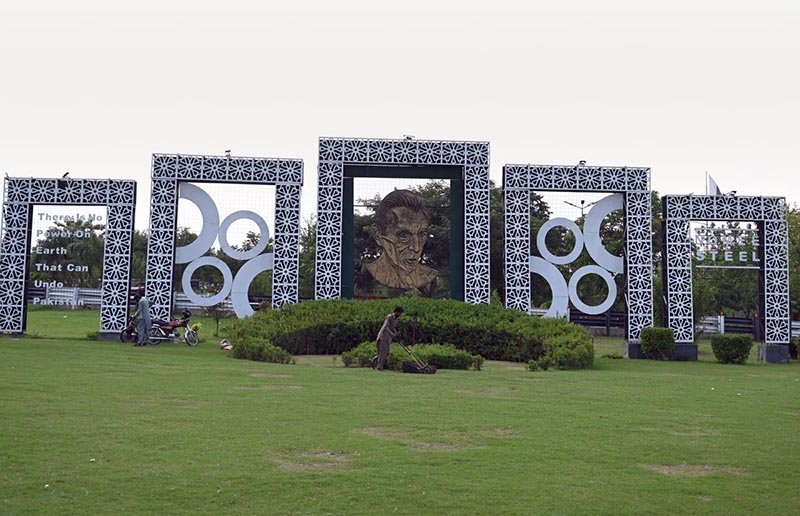
Gardener Maintains Faisal Avenue Green Belt Featuring Jinnah Portrait

ISLAMABAD — A gardener was seen meticulously mowing the lawn along the green belt on Faisal Avenue, which prominently features a portrait of Quaid-e-Azam Muhammad Ali Jinnah, in Islamabad. This activity underscores the ongoing efforts to maintain the aesthetic appeal of the Federal Capital’s public spaces. What Happened On a routine day, a gardener was observed maintaining the lush greenery along Faisal Avenue, a major thoroughfare in Islamabad. The green belt, which is adorned with a portrait of Pakistan’s founding father, Quaid-e-Azam Muhammad Ali Jinnah, is a testament to the city’s commitment to preserving its historical and cultural heritage. The gardener’s work ensures that the area remains visually appealing and accessible to the public. The presence of Jinnah’s portrait serves not only as a decorative element but also as a reminder of the country’s roots and the vision of its founding leaders. The green belt along Faisal Avenue is one of many such areas in Islamabad that are regularly maintained by the Capital Development Authority (CDA) to enhance the city’s environment and provide residents with well-kept public spaces. According to a CDA official, “Maintaining the green belts and public spaces is crucial for the city’s environment and the well-being of its residents. It is our responsibility to ensure these areas are kept in pristine condition.” The official further emphasized the importance of such efforts in promoting a healthy urban environment. Background Islamabad, the capital city of Pakistan, is known for its organized layout and abundant green spaces. The city was designed in the 1960s to serve as the nation’s capital, with a focus on modern infrastructure and environmental sustainability. The green belts and parks scattered throughout the city are integral to its design, providing residents with recreational areas and contributing to the city’s air quality. Faisal Avenue, named after King Faisal of Saudi Arabia, is a significant road in Islamabad, connecting various parts of the city. The avenue is lined with green belts, which are maintained by the CDA, an agency responsible for municipal services and development in the capital. The inclusion of historical figures like Quaid-e-Azam Muhammad Ali Jinnah in these spaces reflects the city’s dedication to honoring its past while looking towards the future. Why It Matters The maintenance of Islamabad’s green belts is crucial for several reasons. Firstly, these spaces provide a much-needed respite from the urban environment, offering residents areas for leisure and relaxation. In a city where temperatures can soar during the summer months, the green belts also play a role in cooling the environment and improving air quality. Moreover, the presence of historical figures like Jinnah in public spaces serves an educational purpose, reminding citizens of the country’s history and the values upon which it was founded. This is particularly important for younger generations who may not have a direct connection to the events that shaped Pakistan’s independence. Economically, well-maintained public spaces can enhance property values and attract tourism, contributing to the city’s overall development. Politically, they reflect the government’s commitment to preserving national heritage and promoting environmental sustainability, both of which are key components of Pakistan’s broader development goals. Key Takeaways A gardener was seen maintaining the green belt on Faisal Avenue, featuring a portrait of Quaid-e-Azam Muhammad Ali Jinnah. The green belt’s maintenance is part of Islamabad’s efforts to preserve its aesthetic and cultural heritage. Islamabad’s design includes numerous green spaces, contributing to environmental sustainability and urban quality of life. Public spaces featuring historical figures serve educational and cultural purposes, reinforcing national identity. Well-maintained public areas can boost property values and tourism, supporting economic growth. Source Attribution This article is based on official government statements, press releases, and public communications from relevant authorities. Author: NEN Editorial Desk | Editor: NEN Newsroom | Fact Checked By: NEN Editorial Team Author: NEN Editorial Desk  |  Editor: NEN Newsroom  |  Last Updated: August 01, 2026  |  Source: NEN Reporter This article was produced by the NEN Editorial Desk in accordance with NEN Agency’s Editorial Policy and Fact-Checking Policy.
Pakistan

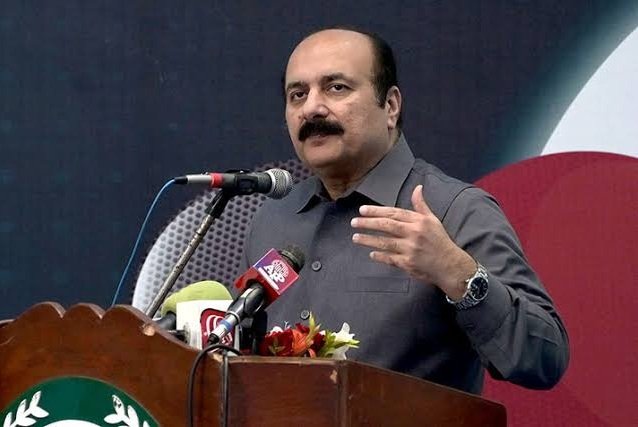
Rana Mashhood Encourages PML-N Supporters’ Involvement in AJK Elections

LAHORE — Prime Minister’s Youth Programme Chairman Rana Mashhood Ahmad Khan has called on Pakistan Muslim League-Nawaz (PML-N) workers to actively participate in the Azad Jammu and Kashmir (AJK) elections. Speaking at a PML-N workers’ convention in Lahore’s PP-172 constituency on Saturday, he emphasized the importance of Kashmir as an integral part of Pakistan. What Happened During the convention, Rana Mashhood addressed party workers, urging them to fulfill their responsibilities with dedication during the ongoing AJK elections. He highlighted the significance of their involvement in ensuring a fair and transparent electoral process. “Kashmir is an integral part of Pakistan, and it is crucial for our workers to perform their duties diligently on polling day,” he stated. The AJK elections, which are a pivotal event for the region, have seen various political parties, including the PML-N, mobilizing their supporters to ensure a strong turnout. Rana Mashhood’s appeal is part of broader efforts by the party to galvanize its base and secure a favorable outcome in the elections. Rana Mashhood also took the opportunity to remind workers of the party’s commitment to the Kashmir cause, reiterating that the PML-N has always stood by the people of Kashmir in their struggle for self-determination. His remarks were met with applause from the attendees, who expressed their readiness to support the party’s objectives in the elections. Background The Azad Jammu and Kashmir elections are a significant political event, with various parties vying for control in the region. Historically, these elections have been a reflection of the broader political dynamics within Pakistan, often influencing national politics. The PML-N, along with other major parties like the Pakistan Tehreek-e-Insaf (PTI) and Pakistan Peoples Party (PPP), is actively campaigning to secure a majority in the AJK Legislative Assembly. In the past, the PML-N has maintained a strong presence in the region, leveraging its political influence to advocate for the rights of the Kashmiri people. The party’s leadership has consistently emphasized the importance of the Kashmir issue in its political agenda, aligning itself with the aspirations of the Kashmiri populace. Why It Matters The AJK elections hold considerable importance for Pakistan’s political landscape. A strong performance by the PML-N could bolster its position nationally, especially in the lead-up to the general elections. Moreover, the party’s stance on Kashmir is a critical component of its political identity, and success in the AJK elections would reinforce its commitment to the Kashmir cause. For the people of AJK, these elections are an opportunity to voice their aspirations and elect representatives who will advocate for their rights. The involvement of major political parties like the PML-N ensures that the elections receive significant attention, both domestically and internationally. This attention is crucial for highlighting the ongoing issues faced by the region and advocating for solutions aligned with the wishes of its people. Additionally, the elections serve as a barometer for public sentiment regarding the current government’s policies on Kashmir. A strong turnout and active participation by PML-N workers could signal widespread support for the party’s approach to the Kashmir issue, potentially influencing future policy decisions at the national level. Key Takeaways Rana Mashhood Ahmad Khan has urged PML-N workers to actively participate in the AJK elections. The elections are seen as crucial for the political landscape of both AJK and Pakistan. PML-N’s involvement underscores its commitment to the Kashmir cause. Successful elections could strengthen PML-N’s national standing ahead of general elections. The elections highlight the ongoing significance of the Kashmir issue in Pakistani politics. Source Attribution This article is based on official government statements, press releases, and public communications from relevant authorities. Author: NEN Editorial Desk | Editor: NEN Newsroom | Fact Checked By: NEN Editorial Team Author: NEN Editorial Desk  |  Editor: NEN Newsroom  |  Last Updated: August 01, 2026  |  Source: NEN Reporter This article was produced by the NEN Editorial Desk in accordance with NEN Agency’s Editorial Policy and Fact-Checking Policy.
Pakistan

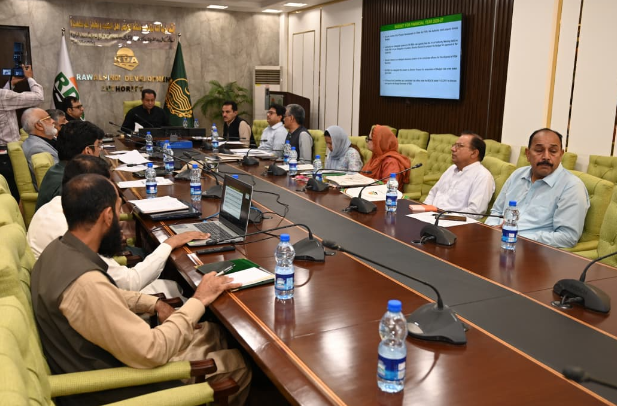
Commissioner Reviews RDA Projects, Finalisation Of 2026-27 Budget Ordered

RAWALPINDI — Commissioner Rawalpindi Division and Director General of the Rawalpindi Development Authority (RDA), Salman Ghani, conducted a comprehensive review of ongoing and proposed development projects on Saturday. During a high-level meeting at the RDA headquarters, he instructed officials to expedite the finalisation of the Authority’s budget for the financial year 2026-27. What Happened In a meeting held at the RDA headquarters, Commissioner Salman Ghani assessed the progress of various development initiatives under the Rawalpindi Development Authority. The meeting, attended by senior RDA officials, focused on evaluating the status of current projects and planning for future ones. Commissioner Ghani emphasized the importance of adhering to timelines and ensuring the quality of work being carried out. He directed the officials to finalize the budget for the 2026-27 fiscal year promptly, underscoring the need for strategic financial planning to support the Authority’s developmental agenda. The commissioner also highlighted the necessity of aligning the budget with the ongoing and upcoming projects to ensure seamless execution. “It is crucial that we finalize the budget promptly to facilitate the smooth continuation and initiation of development projects,” Commissioner Ghani stated during the meeting. He further stressed the importance of transparency and accountability in the budgetary process, urging officials to maintain rigorous oversight. The meeting also included discussions on potential challenges faced by the RDA, such as resource allocation and project prioritization. Commissioner Ghani called for innovative solutions to overcome these hurdles, ensuring that development projects are completed within the stipulated time frames and allocated budgets. Background The Rawalpindi Development Authority is responsible for the planning and development of infrastructure projects within the Rawalpindi Division. Established to oversee urban development, the RDA plays a critical role in managing the growth and expansion of the region. Over the years, it has undertaken numerous projects aimed at improving the urban landscape and enhancing the quality of life for residents. Budgeting for development projects is a crucial aspect of the RDA’s operations, requiring careful planning and allocation of resources. The finalisation of the budget for the fiscal year 2026-27 is part of the Authority’s ongoing efforts to streamline its financial management and ensure the effective implementation of its projects. Why It Matters The directive to finalise the 2026-27 budget holds significant implications for the Rawalpindi region’s development trajectory. By ensuring that the budget is aligned with the RDA’s strategic priorities, the Authority can better manage its resources and address the infrastructure needs of the rapidly growing urban population. Timely budget finalisation is essential for maintaining the momentum of ongoing projects and initiating new ones. It allows the RDA to allocate funds efficiently, minimize delays, and avoid cost overruns, thereby enhancing the overall effectiveness of its development initiatives. Moreover, the emphasis on transparency and accountability in the budgetary process reflects a commitment to good governance, which is vital for building public trust and ensuring that development efforts meet the needs of the community. By prioritizing these principles, the RDA can foster a more sustainable and inclusive urban development model. The outcome of these efforts will have a lasting impact on the socio-economic landscape of Rawalpindi, influencing factors such as employment opportunities, urban mobility, and access to essential services. As such, the finalisation of the budget is not just a bureaucratic exercise but a critical step towards shaping the future of the region. Key Takeaways Commissioner Salman Ghani reviewed RDA projects and called for immediate budget finalisation for 2026-27. The meeting focused on assessing project progress and addressing potential challenges like resource allocation. Transparency and accountability were emphasized as key components of the budgetary process. Timely budget finalisation is crucial for efficient resource management and project execution. The RDA’s efforts will significantly impact Rawalpindi’s urban development and socio-economic growth. Source Attribution This article is based on official government statements, press releases, and public communications from relevant authorities. Author: NEN Editorial Desk | Editor: NEN Newsroom | Fact Checked By: NEN Editorial Team Author: NEN Editorial Desk  |  Editor: NEN Newsroom  |  Last Updated: August 01, 2026  |  Source: Press Release from Government of Pakistan This article was produced by the NEN Editorial Desk in accordance with NEN Agency’s Editorial Policy and Fact-Checking Policy.

Pakistan

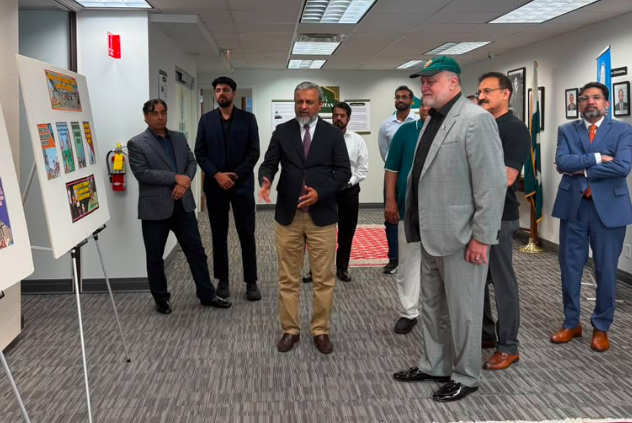
Overseas Pakistanis’ Welfare Emphasized by Minister Imran Ahmad Shah

ISLAMABAD — Federal Minister for Poverty Alleviation and Social Safety, Syed Imran Ahmad Shah, reiterated on Friday that the welfare of overseas Pakistanis remains a top priority for the government. He emphasized the need for Pakistani missions abroad to deliver efficient, accessible, and people-centric consular services to ensure the well-being of Pakistani expatriates. What Happened During a recent address, Minister Imran Ahmad Shah underscored the government’s commitment to enhancing the quality of public services available to overseas Pakistanis. He stressed that the provision of timely and effective consular services is crucial for maintaining the welfare of the Pakistani diaspora. The minister highlighted the importance of Pakistani missions abroad in facilitating these services, ensuring they are accessible and meet the needs of the community. Minister Shah stated, “The welfare of overseas Pakistanis is among our top priorities. Our missions abroad must ensure that consular services are efficient, accessible, timely, and people-centric.” He further elaborated on the government’s efforts to improve service delivery and address the challenges faced by overseas Pakistanis, particularly in accessing essential services. The minister’s remarks come amid ongoing efforts by the government to strengthen ties with the Pakistani diaspora, which plays a significant role in the country’s economy through remittances and investments. The government has been working on various initiatives to support overseas Pakistanis, including improved communication channels and streamlined processes for accessing consular services. Background The welfare of overseas Pakistanis has been a longstanding focus for successive governments in Pakistan. With millions of Pakistanis living and working abroad, their contributions through remittances form a significant part of the national economy. Historically, the government has sought to address the challenges faced by these expatriates, including legal assistance, documentation, and access to consular services. Previous administrations have implemented various policies aimed at improving the conditions for overseas Pakistanis. These include the establishment of dedicated departments and helplines to assist expatriates in resolving issues related to employment, legal matters, and consular services. The current government continues to build on these efforts, recognizing the vital role of overseas Pakistanis in the country’s development. Why It Matters The emphasis on the welfare of overseas Pakistanis is significant for several reasons. Economically, remittances from Pakistanis abroad are a major source of foreign exchange, contributing billions of dollars annually to the national economy. In the fiscal year 2022-2023, remittances amounted to over $30 billion, underscoring their importance in stabilizing Pakistan’s foreign reserves and supporting economic growth. Socially, overseas Pakistanis maintain strong ties with their homeland, often supporting family members and communities through financial and social contributions. Ensuring their welfare and addressing their concerns not only strengthens these ties but also boosts the morale of the diaspora, encouraging further investment and engagement with Pakistan. Politically, the government’s commitment to the welfare of overseas Pakistanis can enhance its standing among expatriate communities, potentially influencing political support and participation in national affairs. By prioritizing their needs, the government can foster a sense of inclusion and representation among overseas Pakistanis, who often feel disconnected from domestic policy-making. Key Takeaways Federal Minister Imran Ahmad Shah emphasized the welfare of overseas Pakistanis as a top government priority. Efficient and accessible consular services are crucial for supporting the Pakistani diaspora. Remittances from overseas Pakistanis significantly contribute to Pakistan’s economy, exceeding $30 billion in the last fiscal year. The government’s efforts aim to strengthen ties with expatriates and encourage their continued investment in Pakistan. Addressing the needs of overseas Pakistanis can enhance political support and engagement from the diaspora. Source Attribution This article is based on official government statements and public communications from relevant authorities. Author: NEN Editorial Desk | Editor: NEN Newsroom | Fact Checked By: NEN Editorial Team Author: NEN Editorial Desk  |  Editor: NEN Newsroom  |  Last Updated: August 01, 2026  |  Source: NEN Reporter This article was produced by the NEN Editorial Desk in accordance with NEN Agency’s Editorial Policy and Fact-Checking Policy.

Pakistan

Commerce Minister Advocates Governance Reform for Digital Era Challenges

ISLAMABAD — Federal Minister for Commerce Jam Kamal Khan has called for comprehensive governance reform and restructuring to address the demands of the digital era. On August 1, the minister emphasized the necessity of adapting Pakistan’s governance model to meet the challenges posed by rapid technological advancements. What Happened In a statement posted on social media platform X, Commerce Minister Jam Kamal Khan highlighted the urgent need for reform and restructuring within the governance framework. He stated, “Reform and Restructure in the governance model is the only way forward. And, it’s needed more than ever to cope with the challenges of the modern digital age.” The minister’s comments underscore the growing recognition among government officials of the importance of digital transformation in governance. The minister’s remarks come at a time when Pakistan is increasingly embracing digital technologies across various sectors. The country’s digital landscape is evolving rapidly, with significant investments being made in digital infrastructure, e-governance, and technology-driven solutions. However, there remains a pressing need to align governance structures with these technological advancements to ensure effective service delivery and policy implementation. Minister Khan’s call for reform is seen as a proactive step towards modernizing the governance model to enhance efficiency, transparency, and accountability. The minister did not provide specific details on the proposed reforms, but his statement indicates a focus on leveraging digital tools and practices to streamline government operations and improve public service delivery. Background Pakistan’s journey towards digital transformation has been marked by several initiatives aimed at integrating technology into governance. The government has launched various programs to promote e-governance, digital literacy, and innovation. The Digital Pakistan initiative, launched in 2019, aims to transform Pakistan into a knowledge-based economy through the use of digital technologies. Historically, Pakistan’s governance model has faced challenges related to bureaucratic inefficiencies, lack of transparency, and slow decision-making processes. These issues have often hindered the effective implementation of policies and the delivery of public services. As the global landscape shifts towards digital solutions, there is a growing recognition of the need to reform traditional governance structures to remain competitive and responsive. Why It Matters The call for governance reform is significant for several reasons. Economically, aligning governance structures with digital advancements can lead to more efficient resource allocation, reduced administrative costs, and improved service delivery. This, in turn, can enhance investor confidence and attract foreign investment, contributing to economic growth. Socially, digital governance can improve access to public services, particularly for marginalized communities. By leveraging digital tools, the government can ensure that services such as healthcare, education, and social welfare reach those who need them most, thereby reducing inequalities and promoting social inclusion. Politically, reforming governance to incorporate digital practices can enhance transparency and accountability, reducing opportunities for corruption and fostering public trust in government institutions. This is crucial for strengthening democratic processes and ensuring that the government remains accountable to its citizens. Internationally, embracing digital governance can position Pakistan as a leader in the region, showcasing its commitment to modernization and innovation. This can enhance Pakistan’s diplomatic standing and open up opportunities for collaboration with other countries in the realm of digital technology and governance. Key Takeaways Commerce Minister Jam Kamal Khan calls for governance reform to address digital era challenges. The minister emphasizes the need for restructuring to enhance efficiency and transparency. Pakistan’s digital transformation efforts include the Digital Pakistan initiative launched in 2019. Reforming governance can lead to economic growth, social inclusion, and political accountability. Embracing digital governance can improve Pakistan’s international standing and collaboration opportunities. Source Attribution This article is based on official government statements and public communications from relevant authorities. Author: NEN Editorial Desk | Editor: NEN Newsroom | Fact Checked By: NEN Editorial Team Author: NEN Editorial Desk  |  Editor: NEN Newsroom  |  Last Updated: August 01, 2026  |  Source: Press Release from Government of Pakistan This article was produced by the NEN Editorial Desk in accordance with NEN Agency’s Editorial Policy and Fact-Checking Policy.

Scroll to Top