
Pakistan

News related to Pakistan in Pakistan and around the world.

Pakistan

Murree Deputy Commissioner Evaluates Educational Standards in Surprise School Visit

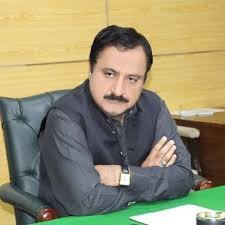
RAWALPINDI — Deputy Commissioner Murree, Agha Zaheer Abbas Shirazi, conducted a surprise inspection of the Special Education Center and Government School Daryagali on Monday. The visit aimed to assess the quality of classroom teaching, student attendance, and the availability of civic facilities in these public educational institutions located in the hilly district of Murree. What Happened During the unannounced visit, Deputy Commissioner Shirazi evaluated various aspects of the educational environment at the Special Education Center and Government School Daryagali. The inspection focused on the effectiveness of classroom instruction, the regularity of student attendance, and the condition of civic amenities provided to the students and staff. Deputy Commissioner Shirazi interacted with teachers and students to gain firsthand insights into the educational challenges they face. He emphasized the importance of maintaining high educational standards and ensuring that all students have access to quality education. Shirazi also issued administrative instructions on-site to address any immediate concerns identified during the inspection. The surprise visit underscored the district administration’s commitment to improving educational standards in Murree, particularly in public institutions that serve a significant portion of the local population. Shirazi’s proactive approach aims to identify and rectify issues that may hinder the educational process, ensuring that students receive the best possible learning experience. Background Murree, a popular tourist destination in Pakistan, also houses several educational institutions that cater to the local population. The district administration periodically conducts inspections to ensure that these institutions adhere to the educational standards set by the government. The focus on special education centers is part of a broader initiative to provide inclusive education to students with diverse needs. In recent years, the government has placed increased emphasis on improving the quality of education in public schools across the country. This includes initiatives to enhance teacher training, improve infrastructure, and ensure the availability of necessary resources. The inspections are part of ongoing efforts to monitor and evaluate the implementation of these educational policies at the grassroots level. Why It Matters The surprise inspection by Deputy Commissioner Shirazi is significant in several ways. Firstly, it highlights the government’s commitment to ensuring that educational standards are consistently met in public institutions. By addressing issues such as classroom instruction quality and student attendance, the administration aims to create an environment conducive to learning. Secondly, the focus on special education centers is crucial for promoting inclusivity in the education system. By evaluating the facilities and resources available to students with special needs, the administration can identify areas for improvement and ensure that these students receive the support they require to succeed academically. Furthermore, the inspection serves as a reminder to educational institutions about the importance of maintaining high standards and accountability. Regular evaluations help to identify gaps in the system and provide opportunities for corrective action, ultimately benefiting students and enhancing the overall quality of education in the region. On a broader scale, these efforts contribute to Pakistan’s educational development goals, aligning with national and international commitments to provide quality education for all children. By prioritizing education, the government aims to empower future generations and drive socio-economic progress in the country. Key Takeaways Deputy Commissioner Murree conducted a surprise inspection of educational institutions to evaluate standards. The visit focused on classroom teaching quality, student attendance, and civic facilities. Immediate administrative instructions were issued to address identified issues. The inspection underscores the importance of inclusivity and quality in education. These efforts align with Pakistan’s broader educational development goals. Source Attribution This article is based on official government statements, press releases, and public communications from relevant authorities. Author: NEN Editorial Desk | Editor: NEN Newsroom | Fact Checked By: NEN Editorial Team Author: NEN Editorial Desk  |  Editor: NEN Newsroom  |  Last Updated: August 03, 2026  |  Source: NEN Reporter This article was produced by the NEN Editorial Desk in accordance with NEN Agency’s Editorial Policy and Fact-Checking Policy.
Pakistan

Swat Police Station Suicide Bomber Identified, Says Khyber Pakhtunkhwa IGP

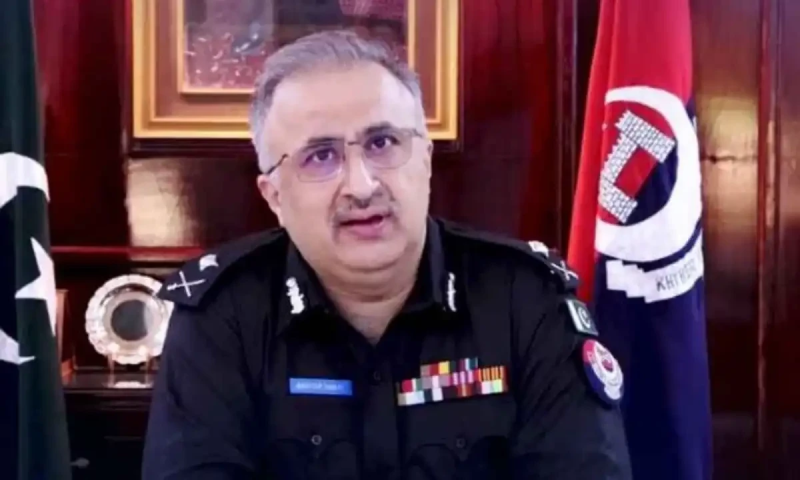
PESHAWAR — The Inspector General of Police (IGP) for Khyber Pakhtunkhwa, Zulfiqar Hameed, announced on Monday that the suicide bomber responsible for the recent attack on the Kabal Police Station in Swat has been identified. The identification marks a significant step in the ongoing investigation into the tragic incident. What Happened The attack, which took place on August 3, targeted the Kabal Police Station in Swat, resulting in multiple casualties and injuries. The IGP confirmed the identity of the bomber during a press briefing, though specific details about the individual have not been publicly disclosed. The attack was a stark reminder of the persistent security challenges in the region, which has seen a resurgence of militant activities in recent months. IGP Zulfiqar Hameed stated that a Joint Investigation Team (JIT) will be established to conduct a thorough investigation into the bombing. “The identification of the bomber is a crucial development, and we are committed to bringing all those involved to justice,” he said. The JIT will include members from various law enforcement and intelligence agencies to ensure a comprehensive approach to the investigation. Security forces have increased their presence in the area, conducting search operations to apprehend any accomplices of the bomber and to prevent further attacks. The local community has been urged to remain vigilant and report any suspicious activities to the authorities. Background Swat, once a hotspot for militant activity, had seen a period of relative calm following military operations that pushed out extremist groups. However, recent months have witnessed a resurgence of violence, with attacks targeting both security forces and civilians. The region’s history of conflict dates back to the early 2000s when militant groups sought to establish control over the area, leading to significant military interventions. The Kabal Police Station attack is part of a broader pattern of violence that has affected the Khyber Pakhtunkhwa province. The provincial government has been working to bolster security measures, but the persistent threat of terrorism remains a significant challenge. Why It Matters The identification of the suicide bomber is a critical step in addressing the security challenges in Swat and the broader Khyber Pakhtunkhwa region. It underscores the ongoing threat posed by militant groups, which continue to target security forces and destabilize the area. The attack highlights the need for enhanced intelligence operations and community engagement to prevent future incidents. Economically, the resurgence of violence in Swat threatens to undermine efforts to promote tourism and development in the region. Swat, known for its natural beauty and cultural heritage, has been striving to rebuild its economy after years of conflict. Continued attacks could deter investment and tourism, affecting the livelihoods of local residents. Politically, the attack raises questions about the effectiveness of current security strategies and the need for a coordinated approach involving both federal and provincial authorities. The formation of a JIT reflects an understanding of the complexity of the threat and the necessity for a unified response. Internationally, the situation in Swat draws attention to Pakistan’s ongoing struggle against terrorism and its implications for regional stability. As Pakistan continues to combat militancy, the support and cooperation of neighboring countries and international partners remain crucial. Key Takeaways The suicide bomber in the Swat police station attack has been identified, marking a key development in the investigation. A Joint Investigation Team will be formed to conduct a comprehensive probe into the incident. Swat has experienced a resurgence of militant activity, posing challenges to security and economic development. The attack underscores the need for enhanced intelligence and community engagement to prevent future violence. International cooperation remains vital in supporting Pakistan’s efforts to combat terrorism and ensure regional stability. Source Attribution This article is based on official government statements and public communications from relevant authorities. Author: NEN Editorial Desk | Editor: NEN Newsroom | Fact Checked By: NEN Editorial Team Author: NEN Editorial Desk  |  Editor: NEN Newsroom  |  Last Updated: August 03, 2026  |  Source: NEN Reporter This article was produced by the NEN Editorial Desk in accordance with NEN Agency’s Editorial Policy and Fact-Checking Policy.
Pakistan

KP Chief Minister Pledges Support for Swat Blast Victims

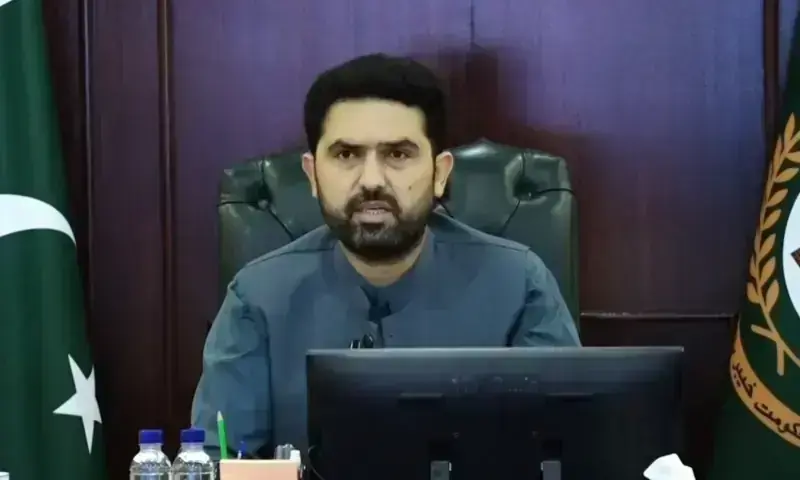
PESHAWAR — Chief Minister Khyber Pakhtunkhwa, Muhammad Sohail Afridi, visited Swat on Monday to express solidarity with the victims of a recent blast and to evaluate the current security situation. The visit comes in the wake of a tragic explosion that occurred on Sunday, causing multiple casualties and injuries. The Chief Minister was accompanied by Special Assistant for Home Tariq Saeed, Chief Secretary Shahab Ali Shah, and Inspector General of Police Akhtar Hayat Khan. What Happened On Sunday, a devastating blast rocked the Swat region, leading to the loss of several lives and injuring many others. The explosion, which took place in a densely populated area, has been attributed to terrorist activities, although investigations are still underway to determine the exact cause and perpetrators. During his visit, Chief Minister Afridi met with the families of the victims, offering his condolences and assuring them of the government’s unwavering support. “Our hearts go out to the victims and their families during this difficult time,” Afridi stated. “The provincial government stands firm in its commitment to eradicating terrorism and ensuring the safety of our citizens.” The Chief Minister also held meetings with local law enforcement and security officials to assess the situation and discuss measures to prevent future incidents. The visit included a briefing on the security operations being conducted in the area. Inspector General of Police Akhtar Hayat Khan highlighted the steps being taken to enhance security and intelligence operations in the region. “We are working tirelessly to bring those responsible to justice,” Khan emphasized. Background Swat, once a hub of militant activity, has seen a significant reduction in violence over the past decade due to concerted military and police efforts. However, sporadic incidents of violence have continued to pose challenges to the region’s stability. The area was a focal point of military operations against the Taliban in 2009, which successfully dismantled the group’s control. Despite these efforts, remnants of militant groups occasionally attempt to regroup and launch attacks. The provincial government has implemented various initiatives to promote peace and development in Swat, including infrastructure projects and social programs aimed at improving the quality of life for residents. These efforts are part of a broader strategy to counter extremism by addressing its root causes, such as poverty and lack of education. Why It Matters The recent blast in Swat underscores the persistent threat of terrorism in Khyber Pakhtunkhwa and the need for continued vigilance. The incident highlights the challenges faced by the provincial government in maintaining security and stability in a region that has historically been vulnerable to militant activities. The government’s response, led by Chief Minister Afridi, aims to reassure the public of its dedication to combating terrorism and supporting affected communities. Economically, Swat is a vital region for tourism and agriculture, both of which are crucial to the local economy. Ensuring the safety of residents and visitors is paramount to sustaining economic growth and attracting investment. The government’s commitment to security is also critical for the broader stability of Pakistan, as unrest in one region can have ripple effects across the country. Internationally, Pakistan’s efforts to combat terrorism are closely watched by its allies and neighboring countries. Successful management of security threats enhances Pakistan’s standing as a reliable partner in regional stability and counter-terrorism efforts. Key Takeaways Chief Minister Khyber Pakhtunkhwa visited Swat to support victims of a recent blast. The provincial government reaffirmed its commitment to eliminating terrorism. Security measures are being enhanced to prevent future incidents. Swat’s stability is crucial for local economic growth and national security. Pakistan’s counter-terrorism efforts have significant international implications. Source Attribution This article is based on official government statements, press releases, and public communications from relevant authorities. Author: NEN Editorial Desk | Editor: NEN Newsroom | Fact Checked By: NEN Editorial Team Author: NEN Editorial Desk  |  Editor: NEN Newsroom  |  Last Updated: August 03, 2026  |  Source: NEN Reporter This article was produced by the NEN Editorial Desk in accordance with NEN Agency’s Editorial Policy and Fact-Checking Policy.

Pakistan

National Committee Denounces Swat Attack, Vows Unity Against Terrorism

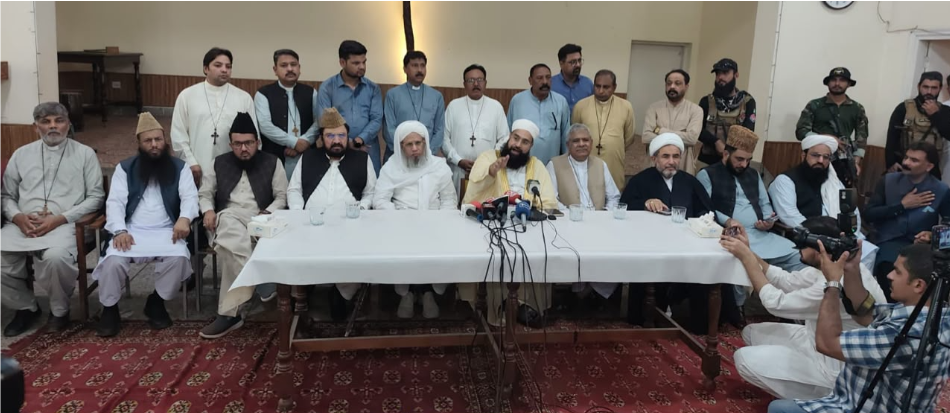
ISLAMABAD — Religious scholars and spiritual leaders from across Pakistan, under the banner of the National Paigham-e-Aman Committee, have issued a strong condemnation of the recent suicide attack in Swat. The committee, which includes representatives from all major schools of thought, described the attack as a heinous act that contradicts the fundamental teachings of Islam. In a joint statement, they expressed profound grief over the tragic incident, reaffirming their collective resolve to stand united against terrorism. What Happened On August 2, a suicide bomber targeted a gathering in Swat, resulting in multiple casualties and injuries. The attack has sent shockwaves throughout the nation, prompting widespread condemnation from various quarters. The National Paigham-e-Aman Committee, in its statement, emphasized that such acts of violence have no place in a society that values peace and harmony. The scholars reiterated that Islam is a religion of peace and that the perpetrators of such attacks are misguided individuals who misinterpret religious teachings for their own malicious intents. The committee’s statement further highlighted the importance of unity among different sects and communities in Pakistan to combat the menace of terrorism. “We urge all citizens to remain vigilant and support the authorities in their efforts to maintain peace and security,” the statement read. The leaders also extended their condolences to the families of the victims and prayed for the swift recovery of those injured. Background Swat, a region once plagued by militant activities, has seen a resurgence in violence in recent months. The area was previously under the control of the Tehreek-e-Taliban Pakistan (TTP) until a military operation in 2009 restored government control. Despite these efforts, sporadic attacks have continued to challenge the region’s stability. The National Paigham-e-Aman Committee, established to promote peace and harmony, has been instrumental in fostering interfaith dialogue and countering extremist narratives. In recent years, Pakistan has made significant strides in its fight against terrorism, with military operations like Zarb-e-Azb and Radd-ul-Fasaad targeting militant hideouts across the country. However, the persistent threat of terrorism necessitates a continuous and united effort from all segments of society to ensure lasting peace. Why It Matters The condemnation by the National Paigham-e-Aman Committee holds significant weight in Pakistan’s socio-political landscape. As a body comprising influential religious figures, its statements can sway public opinion and encourage unity among diverse religious communities. This unified stance against terrorism is crucial in a country where sectarian and religious divides have historically been exploited by extremist groups. The attack in Swat underscores the ongoing challenges Pakistan faces in its quest for peace. Despite military successes, the ideological battle against extremism remains a critical front. The committee’s call for unity and vigilance is a reminder that defeating terrorism requires more than just military might; it demands a societal commitment to peace and tolerance. Economically, persistent terrorism can deter investment and hinder development, particularly in regions like Swat that are striving to rebuild and attract tourism. Socially, such attacks instill fear and disrupt the daily lives of citizens, emphasizing the need for cohesive community efforts to support counter-terrorism initiatives. Key Takeaways The National Paigham-e-Aman Committee condemned the Swat suicide attack, emphasizing its contradiction to Islamic teachings. Religious leaders urged unity and vigilance among citizens to combat terrorism effectively. Swat’s history of militant activity highlights the ongoing security challenges in the region. The committee’s influence is vital in promoting peace and countering extremist narratives in Pakistan. Continued efforts are needed to ensure economic and social stability in affected regions. Source Attribution This article is based on official government statements, press releases, and public communications from relevant authorities. Author: NEN Editorial Desk | Editor: NEN Newsroom | Fact Checked By: NEN Editorial Team Author: NEN Editorial Desk  |  Editor: NEN Newsroom  |  Last Updated: August 03, 2026  |  Source: NEN Reporter This article was produced by the NEN Editorial Desk in accordance with NEN Agency’s Editorial Policy and Fact-Checking Policy.
Pakistan

OGDC Collaborates with Canadian Firm for Enhanced Oil Production Technology

ISLAMABAD — Oil & Gas Development Company Limited (OGDC) has entered into a strategic partnership with Synergetic Oil Tools Inc., a Canadian firm, to implement advanced flow assurance technology in Pakistan’s heavy oil wells. The agreement, signed on August 3 at OGDC Headquarters in Islamabad, aims to boost production efficiency in the country’s heavy crude oil fields. What Happened The contract between OGDC and Synergetic Oil Tools Inc. marks a significant step towards utilizing cutting-edge technology to enhance oil extraction processes in Pakistan. The collaboration will introduce the Passive Energy Tool technology, which is designed to optimize flow assurance and increase the yield from heavy oil wells. This technology is expected to address the challenges associated with heavy crude oil production, such as high viscosity and flow restrictions, thereby improving overall operational efficiency. The signing ceremony was attended by key officials from both companies, as well as Canadian High Commissioner to Pakistan, Ambassador Tarik. The partnership underscores the growing international cooperation in Pakistan’s energy sector, which is crucial for meeting the country’s increasing energy demands. OGDC, Pakistan’s largest oil and gas exploration and production company, has been actively seeking innovative solutions to enhance its production capabilities. By collaborating with Synergetic Oil Tools Inc., OGDC aims to leverage international expertise and technology to overcome the technical challenges posed by heavy crude oil extraction. Background Pakistan has substantial reserves of heavy crude oil, which require advanced extraction techniques due to their complex nature. Historically, the country has faced challenges in maximizing production from these reserves due to the high viscosity of heavy oil, which complicates the extraction process. The introduction of advanced technologies, such as the Passive Energy Tool, is part of a broader strategy to enhance production efficiency and reduce operational costs. OGDC has been at the forefront of Pakistan’s efforts to boost domestic energy production. The company has previously engaged in various international collaborations to bring in expertise and technology that can help tap into the country’s vast energy resources. This latest partnership with a Canadian firm highlights the ongoing efforts to modernize Pakistan’s energy sector and improve its self-sufficiency in oil production. Why It Matters The collaboration between OGDC and Synergetic Oil Tools Inc. holds significant implications for Pakistan’s energy landscape. By adopting advanced flow assurance technology, OGDC is poised to enhance its production capabilities, which is critical for meeting the growing energy needs of the country. This development is particularly important as Pakistan continues to grapple with energy shortages that have economic and social repercussions. Economically, increased oil production can reduce Pakistan’s reliance on imported energy, thereby improving the country’s trade balance and reducing the fiscal burden associated with energy imports. Additionally, enhanced domestic production can lead to more stable energy prices, benefiting both consumers and industries reliant on energy resources. On a broader scale, the partnership signifies Pakistan’s commitment to integrating international expertise into its energy sector. This not only fosters technological advancement but also strengthens diplomatic and economic ties with countries like Canada. Such collaborations can pave the way for further investments and innovations in Pakistan’s energy infrastructure. Key Takeaways OGDC has partnered with Canada’s Synergetic Oil Tools Inc. to deploy advanced technology in heavy oil wells. The Passive Energy Tool technology aims to enhance production efficiency and address challenges in heavy crude extraction. This partnership is part of OGDC’s strategy to boost domestic energy production and reduce reliance on imports. Improved oil production can have positive economic impacts, including a better trade balance and stable energy prices. The collaboration underscores the importance of international cooperation in advancing Pakistan’s energy sector. Source Attribution This article is based on official government statements, press releases, and public communications from relevant authorities. Author: NEN Editorial Desk | Editor: NEN Newsroom | Fact Checked By: NEN Editorial Team Author: NEN Editorial Desk  |  Editor: NEN Newsroom  |  Last Updated: August 03, 2026  |  Source: NEN Reporter This article was produced by the NEN Editorial Desk in accordance with NEN Agency’s Editorial Policy and Fact-Checking Policy.
Pakistan

National Bank Of Pakistan Releases Latest Currency Exchange Rates

KARACHI — The National Bank of Pakistan (NBP) has announced the latest buying and selling rates for major foreign currencies as of Monday, August 3, 2023. These rates are crucial for businesses, travelers, and financial analysts who rely on up-to-date currency information for their operations and analyses. What Happened The NBP, one of Pakistan’s leading financial institutions, released its updated currency exchange rates, which are closely monitored by various sectors of the economy. According to the NBP, the selling rate for the US dollar is set at 279.59 PKR, while the buying rate is slightly lower. These rates reflect the ongoing fluctuations in the global currency markets and their impact on the Pakistani rupee. The currency rates provided by the NBP are used as a benchmark by other banks and financial institutions in Pakistan. The exchange rates for other major currencies, including the Euro, British Pound, and Japanese Yen, were also updated. The Euro’s selling rate was noted, while the British Pound and Japanese Yen also saw adjustments in their respective rates. These currency rates are subject to change based on market conditions, and the NBP updates them regularly to reflect the latest economic developments. The bank’s role in setting these rates is part of its broader mandate to facilitate international trade and investment by providing reliable and transparent financial services. Background The National Bank of Pakistan, established in 1949, plays a pivotal role in the country’s banking sector. It serves as a key financial intermediary in both domestic and international markets. The bank’s currency rates are particularly significant given Pakistan’s import-dependent economy, where exchange rates can influence the cost of goods and services. Historically, the Pakistani rupee has experienced volatility due to various factors, including political instability, economic reforms, and shifts in global markets. The NBP’s currency rates are a reflection of these dynamics, providing a snapshot of the current economic environment. The State Bank of Pakistan, the country’s central bank, also plays a crucial role in regulating the currency market. It sets monetary policy and intervenes in the foreign exchange market to stabilize the rupee when necessary. The NBP’s rates are often aligned with the central bank’s policy objectives. Why It Matters The release of currency rates by the NBP is significant for multiple reasons. Firstly, it provides businesses with the necessary information to make informed decisions regarding imports and exports. For a country like Pakistan, where a substantial portion of goods are imported, knowing the current exchange rates helps businesses manage costs and pricing strategies effectively. Secondly, for individuals and families receiving remittances from abroad, the exchange rate determines the value of the money they receive in Pakistani rupees. This can have a direct impact on household budgets and spending power. On a broader scale, the currency rates also affect inflation. A weaker rupee can lead to higher import costs, which may translate into increased prices for consumers. Conversely, a stronger rupee can help mitigate inflationary pressures by making imports cheaper. Furthermore, the currency rates are closely watched by investors and analysts who assess Pakistan’s economic health and stability. Fluctuations in the exchange rate can influence foreign investment decisions, impacting the country’s economic growth prospects. Key Takeaways The NBP has released the latest currency exchange rates, with the US dollar selling at 279.59 PKR. These rates are crucial for businesses, travelers, and financial analysts in Pakistan. Currency rates impact import costs, inflation, and household budgets. The NBP’s rates serve as a benchmark for other financial institutions in the country. Exchange rates are influenced by global market conditions and domestic economic policies. Source Attribution This article is based on official government statements, press releases, and public communications from relevant authorities. Author: NEN Editorial Desk | Editor: NEN Newsroom | Fact Checked By: NEN Editorial Team Author: NEN Editorial Desk  |  Editor: NEN Newsroom  |  Last Updated: August 03, 2026  |  Source: NEN Reporter This article was produced by the NEN Editorial Desk in accordance with NEN Agency’s Editorial Policy and Fact-Checking Policy.
Pakistan

Pakistan Influencer Awards Unveiled to Honor Digital Creators

KARACHI — The Pakistan Influencer Awards have been launched in Karachi, aiming to recognize digital creators based on their impact, authenticity, and credibility. This new platform seeks to establish benchmarks for Pakistan’s burgeoning creator economy, moving beyond traditional popularity metrics. What Happened The Pakistan Influencer Awards were officially launched in Karachi, marking a significant step towards acknowledging the contributions of digital creators in the country. The awards are designed to celebrate creators who demonstrate authenticity and credibility in their content, rather than just focusing on follower counts or likes. Organisers of the event expressed their commitment to setting new standards in the digital landscape by prioritizing the quality and impact of content over mere popularity. During the launch event, it was highlighted that the awards will cover a broad range of categories, reflecting the diverse nature of digital content creation. These categories include fashion, lifestyle, technology, education, and more, ensuring that creators from various fields have the opportunity to be recognized for their work. The initiative is supported by industry leaders who believe in fostering a more genuine and impactful digital community in Pakistan. Speaking at the event, a spokesperson for the awards emphasized the importance of authenticity in digital content. “We aim to honor those who are not just popular but also make a meaningful impact through their content,” the spokesperson said. The awards are expected to encourage creators to focus on producing content that resonates with audiences on a deeper level, promoting a more responsible and ethical approach to digital influence. Background The rise of digital content creators in Pakistan has been significant over the past few years, driven by increased internet penetration and the widespread use of social media platforms. Influencers have become key figures in shaping public opinion and trends, with many brands leveraging their reach for marketing purposes. However, the emphasis on follower numbers and engagement metrics has often overshadowed the quality and integrity of the content being produced. In response to these challenges, the Pakistan Influencer Awards aim to shift the focus towards content that is both impactful and credible. By recognizing creators who prioritize authenticity, the awards seek to inspire a new wave of digital influencers who are committed to ethical content creation and positive societal impact. Why It Matters The introduction of the Pakistan Influencer Awards is a pivotal development in the country’s digital landscape. As the creator economy continues to grow, there is an increasing need for frameworks that promote responsible and meaningful content. These awards could potentially redefine success for digital creators, encouraging them to prioritize substance over style. Economically, the awards could stimulate growth in the digital sector by attracting more creators who are dedicated to producing high-quality content. This could lead to increased investment in digital media and technology, further boosting Pakistan’s economy. Socially, the awards promote a culture of integrity and accountability among influencers, encouraging them to use their platforms for positive change. Internationally, the awards position Pakistan as a leader in promoting ethical digital content creation. By setting a precedent for other countries, Pakistan could play a significant role in shaping the future of the global creator economy. This initiative not only elevates the standards for local creators but also enhances the country’s reputation on the international stage. Key Takeaways The Pakistan Influencer Awards have been launched to honor digital creators based on impact, authenticity, and credibility. The awards aim to shift focus from popularity metrics to meaningful content creation. Categories include fashion, lifestyle, technology, and education, among others. The initiative promotes ethical content creation and positive societal impact. Economically and socially, the awards could stimulate growth and accountability in the digital sector. Source Attribution This article is based on official government statements, press releases, and public communications from relevant authorities. Author: NEN Editorial Desk | Editor: NEN Newsroom | Fact Checked By: NEN Editorial Team Author: NEN Editorial Desk  |  Editor: NEN Newsroom  |  Last Updated: August 03, 2026  |  Source: NEN Reporter This article was produced by the NEN Editorial Desk in accordance with NEN Agency’s Editorial Policy and Fact-Checking Policy.
Pakistan

GEPCO Achieves Single-Digit Line Losses, Saves Rs. 5.2 Billion

ISLAMABAD — The Gujranwala Electric Power Company (GEPCO) has reported a significant reduction in line losses, closing the financial year 2025–26 with a rate of 9.80 percent. This marks a decrease from the previous year’s 10.43 percent, resulting in substantial savings of Rs. 5.2 billion. What Happened GEPCO’s achievement in reducing line losses to single digits is a noteworthy development in Pakistan’s energy sector. The company, which serves a large portion of the Punjab province, managed to lower its line losses from 10.43 percent in the previous financial year to 9.80 percent in 2025–26. This reduction has translated into savings of Rs. 5.2 billion, which is a significant financial improvement for the company. In addition to reducing line losses, GEPCO reported a recovery rate of over 100 percent. This indicates that the company has been able to collect more revenue than the energy it supplied, a rare achievement in the country’s power sector. Furthermore, GEPCO has maintained a zero share in the national Circular Debt, which is a persistent issue in Pakistan’s energy industry. These achievements reflect the company’s efforts to enhance operational efficiency and financial management. GEPCO has been implementing various measures to curb electricity theft and improve billing efficiency, contributing to these positive outcomes. Background Line losses in the electricity distribution sector refer to the energy lost during transmission and distribution. These losses can occur due to technical issues, such as resistance in wires, as well as non-technical issues like electricity theft. Historically, Pakistan’s power sector has struggled with high line losses, contributing to financial losses and circular debt. The circular debt issue in Pakistan’s power sector arises when distribution companies fail to recover their costs, leading to unpaid dues to power producers and fuel suppliers. This debt has been a significant challenge for the government and has impacted the financial sustainability of the energy sector. Efforts to reduce line losses have been a focus for successive governments and energy companies, aiming to improve efficiency and financial viability. GEPCO’s recent performance is part of this broader effort to address systemic issues in the sector. Why It Matters GEPCO’s reduction in line losses and financial savings have several implications for Pakistan’s energy sector and economy. Firstly, the decrease in line losses contributes to more efficient energy distribution, reducing the overall cost of electricity for consumers and the government. This efficiency can lead to more stable electricity prices and potentially lower tariffs for consumers. Financially, the Rs. 5.2 billion savings enhance GEPCO’s ability to invest in infrastructure improvements and modernization efforts. These investments are crucial for maintaining reliable electricity supply and supporting economic growth in the region. Moreover, GEPCO’s zero share in the national Circular Debt is a positive indicator of its financial health and management practices. It sets a benchmark for other distribution companies in the country to emulate, potentially leading to broader improvements in the sector. On a national level, reducing line losses and circular debt are essential for ensuring the long-term sustainability of Pakistan’s energy sector. These improvements can attract investment, boost economic growth, and enhance the country’s energy security. Key Takeaways GEPCO reduced its line losses to 9.80 percent in the financial year 2025–26. The company achieved savings of Rs. 5.2 billion through improved efficiency. GEPCO maintained a recovery rate of over 100 percent and a zero share in circular debt. These achievements contribute to financial stability and operational efficiency in the energy sector. GEPCO’s performance sets a positive example for other distribution companies in Pakistan. Source Attribution This article is based on official government statements, press releases, and public communications from relevant authorities. Author: NEN Editorial Desk | Editor: NEN Newsroom | Fact Checked By: NEN Editorial Team Author: NEN Editorial Desk  |  Editor: NEN Newsroom  |  Last Updated: August 03, 2026  |  Source: NEN Reporter This article was produced by the NEN Editorial Desk in accordance with NEN Agency’s Editorial Policy and Fact-Checking Policy.
Pakistan

Street Vendor’s Peach Sales Highlight Informal Economy in Lahore

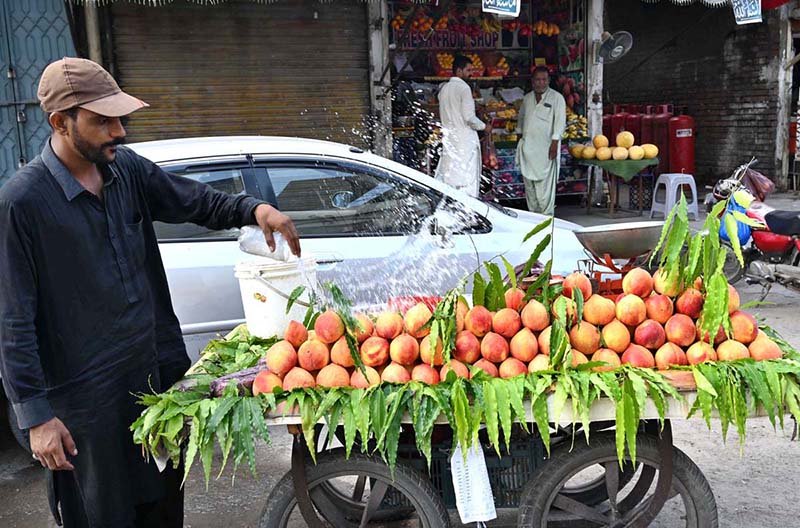
LAHORE — A street vendor was seen selling fresh peaches from a handcart on a busy roadside in Lahore, reflecting the vibrancy and challenges of the city’s informal economy. This scene is a common sight in urban areas across Pakistan, where street vendors play a crucial role in providing affordable goods to the public. What Happened The vendor, whose identity remains unknown, was spotted on a bustling street in Lahore, offering fresh peaches to passersby. The handcart was strategically positioned to attract customers, capitalizing on the high foot traffic typical of urban centers. This practice is a testament to the ingenuity of informal workers who navigate the complexities of urban life to earn a livelihood. Street vending is a significant part of Lahore’s economy, with thousands of vendors operating daily. These vendors often sell seasonal fruits, vegetables, and other goods, providing an essential service to city dwellers who rely on them for fresh produce at competitive prices. The presence of such vendors is particularly noticeable during the summer months when fruits like peaches are in high demand. Despite their contribution to the economy, street vendors face numerous challenges, including the lack of legal recognition, inadequate access to credit, and the constant threat of eviction by municipal authorities. Many operate without licenses, making them vulnerable to harassment and fines. The informal nature of their work means they have little protection under labor laws, leaving them exposed to economic instability. Background Street vending in Pakistan, particularly in cities like Lahore, has a long history. It has traditionally been a means for low-income individuals to support their families. The informal sector, which includes street vending, constitutes a significant portion of Pakistan’s economy. According to the Pakistan Bureau of Statistics, the informal sector accounts for approximately 72% of non-agricultural employment. In recent years, there have been efforts to formalize street vending through policy initiatives aimed at providing legal recognition and support. However, progress has been slow, and many vendors continue to operate in a legal grey area. The Punjab government has occasionally launched initiatives to regulate street vending, but these efforts have often been met with resistance due to the lack of comprehensive planning and execution. Why It Matters The presence of street vendors like the one selling peaches in Lahore is indicative of broader economic trends in Pakistan. The informal sector provides employment to millions who might otherwise be jobless, highlighting the need for policies that support rather than hinder their operations. By offering affordable goods, street vendors help mitigate food insecurity, especially for lower-income families who cannot afford supermarket prices. Moreover, the informal economy’s resilience is a critical factor in Pakistan’s overall economic stability. During economic downturns, the informal sector often absorbs the shock by providing alternative employment opportunities. This adaptability underscores the importance of integrating informal workers into the formal economy through supportive legislation and infrastructure development. Internationally, the treatment of street vendors is a barometer of urban inclusivity and economic justice. Countries that have successfully integrated street vendors into the formal economy have seen improvements in urban management and economic growth. For Pakistan, embracing its street vendors could lead to enhanced economic resilience and social cohesion. Key Takeaways Street vendors are a vital part of Lahore’s informal economy, providing affordable goods to the public. The informal sector in Pakistan accounts for approximately 72% of non-agricultural employment. Vendors face challenges such as lack of legal recognition and vulnerability to eviction. Efforts to formalize street vending have been slow, requiring comprehensive policy support. Supporting street vendors can enhance economic resilience and social cohesion in Pakistan. Source Attribution This article is based on official government statements, press releases, and public communications from relevant authorities. Author: NEN Editorial Desk | Editor: NEN Newsroom | Fact Checked By: NEN Editorial Team Author: NEN Editorial Desk  |  Editor: NEN Newsroom  |  Last Updated: August 02, 2026  |  Source: NEN Reporter This article was produced by the NEN Editorial Desk in accordance with NEN Agency’s Editorial Policy and Fact-Checking Policy.

Pakistan

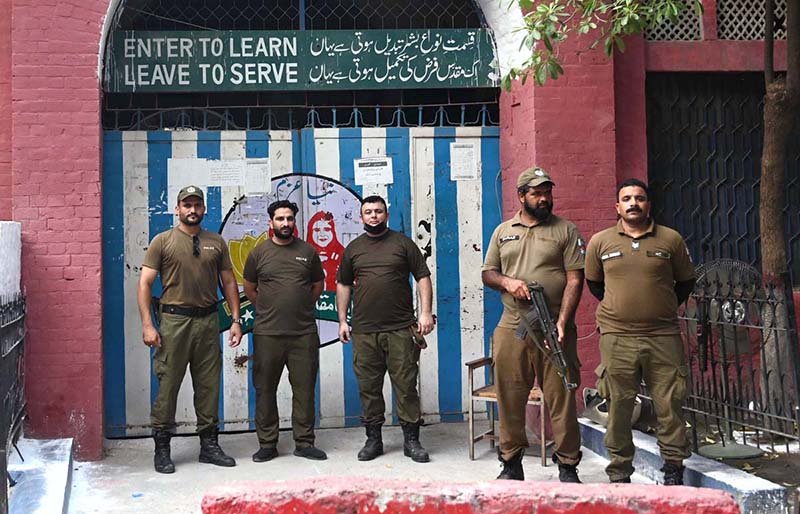
Police Ensure Security During Second Phase Of Azad Kashmir Elections

LAHORE — Police personnel were deployed outside a polling station in Garhi Shahu as part of the security measures for the second phase of the Azad Kashmir elections. The presence of law enforcement aimed to ensure a peaceful voting process for the electorate. What Happened The second phase of the Azad Kashmir elections saw police forces actively engaged in maintaining order and security at polling stations, including the one located in Garhi Shahu, Lahore. The deployment of police officers was part of a broader strategy to safeguard the electoral process and prevent any disruptions or incidents of violence. According to official sources, the security arrangements were comprehensive, with personnel stationed at strategic locations to monitor and respond to any potential threats. Polling stations across the region witnessed a steady flow of voters, who were able to cast their ballots in a secure environment. The police presence was visible and aimed at reassuring voters of their safety as they participated in the democratic process. A senior police official stated, “Our priority is to ensure that the elections are conducted smoothly and without any untoward incidents. We have deployed sufficient personnel to manage the situation effectively.” The election authorities had coordinated with law enforcement agencies to implement a robust security plan. This included patrolling by mobile units, checkpoints at key locations, and the deployment of additional forces in areas identified as sensitive. The measures were designed to deter any attempts at electoral malpractice or violence, thereby upholding the integrity of the elections. Background The Azad Kashmir elections are a critical component of the region’s political landscape, providing an opportunity for citizens to elect their representatives. Historically, these elections have been closely watched due to the region’s strategic importance and the complex political dynamics involved. The elections are conducted under the framework established by the Azad Jammu and Kashmir Election Commission, which oversees the process to ensure transparency and fairness. In previous election cycles, security has been a major concern, with incidents of violence and allegations of electoral fraud. To address these issues, authorities have consistently enhanced security protocols and increased coordination between election officials and law enforcement agencies. The current election cycle continues this trend, with a focus on preventing any disruptions and ensuring the safety of voters and election staff. Why It Matters The successful conduct of the Azad Kashmir elections holds significant implications for the region and Pakistan as a whole. Politically, it is a demonstration of democratic governance and the rule of law in a region that has historically faced challenges related to security and political stability. The elections serve as a barometer for public sentiment and can influence policy decisions at both the regional and national levels. Economically, a stable political environment resulting from credible elections can attract investment and development initiatives. Investors and development partners often look for signs of stability and effective governance before committing resources to a region. Thus, the peaceful conduct of elections can enhance the region’s economic prospects. Socially, the elections empower citizens by providing them with a platform to voice their preferences and influence their future. This participatory process strengthens civic engagement and fosters a sense of ownership among the populace. The presence of security forces, ensuring a safe voting environment, is crucial in encouraging voter turnout and participation. Key Takeaways Police personnel were deployed to ensure security during the second phase of Azad Kashmir elections. The security plan included mobile patrols, checkpoints, and additional forces in sensitive areas. The elections are crucial for demonstrating democratic governance and political stability in the region. Successful elections can enhance economic prospects by attracting investment and development. Security measures aim to encourage voter turnout by providing a safe environment for the electorate. Source Attribution This article is based on official government statements, press releases, and public communications from relevant authorities. Author: NEN Editorial Desk | Editor: NEN Newsroom | Fact Checked By: NEN Editorial Team Author: NEN Editorial Desk  |  Editor: NEN Newsroom  |  Last Updated: August 02, 2026  |  Source: NEN Reporter This article was produced by the NEN Editorial Desk in accordance with NEN Agency’s Editorial Policy and Fact-Checking Policy.

Scroll to Top