
Pakistan

News related to Pakistan in Pakistan and around the world.

Pakistan

National Bank of Pakistan Releases Latest Currency Exchange Rates

KARACHI — The National Bank of Pakistan (NBP) has announced the latest buying and selling rates for major foreign currencies as of Friday, August 7. These rates provide a crucial reference for businesses, investors, and individuals engaged in foreign exchange transactions across the country. What Happened The National Bank of Pakistan, one of the country’s leading financial institutions, disclosed the updated exchange rates for several key international currencies. According to the NBP, the US dollar is currently being sold at PKR 279.49 and bought at PKR 276.49. The British pound sterling is available for sale at PKR 375.97 and purchase at PKR 371.53. Meanwhile, the euro stands at a selling rate of PKR 322.04 and a buying rate of PKR 318.26. Other notable currencies include the Japanese yen, which has a selling rate of PKR 1.7640 and a buying rate of PKR 1.7433. The United Arab Emirates dirham is being sold at PKR 74.45 and bought at PKR 73.56, while the Saudi riyal is available at a selling rate of PKR 76.10 and a buying rate of PKR 75.20. These rates are pivotal for various economic activities, including import and export businesses, remittances, and other financial transactions that require currency conversion. The NBP’s announcement is part of its routine updates aimed at maintaining transparency and providing guidance to market participants. Background The National Bank of Pakistan regularly publishes currency exchange rates to facilitate the smooth operation of foreign exchange markets in the country. As a state-owned bank, NBP plays a significant role in the financial sector, providing various banking services, including foreign currency exchange, to its clients. Pakistan’s foreign exchange market is influenced by several factors, including international trade dynamics, remittance inflows, and monetary policy decisions. The State Bank of Pakistan (SBP) oversees the overall monetary policy and foreign exchange regulations, while commercial banks like NBP execute transactions and provide market rates to the public. Historically, the Pakistani rupee has experienced fluctuations against major currencies due to economic challenges, geopolitical developments, and changes in global financial markets. The exchange rates announced by NBP are reflective of current market conditions and are subject to change based on various economic indicators. Why It Matters The exchange rates provided by the National Bank of Pakistan have significant implications for the economy and individual financial planning. For businesses engaged in international trade, these rates determine the cost of importing goods and the revenue from exports. A higher exchange rate for the US dollar, for instance, can increase the cost of importing raw materials, impacting production costs and consumer prices. For individuals, especially those receiving remittances from abroad, the buying rate of foreign currencies affects the value of money received in Pakistani rupees. A favorable exchange rate can enhance the purchasing power of remittances, which are a vital source of income for many families in Pakistan. On a macroeconomic level, exchange rates influence inflation, foreign reserves, and the balance of payments. A stable exchange rate environment is crucial for economic planning and investment, as it reduces uncertainty and promotes confidence among investors and consumers. Key Takeaways The National Bank of Pakistan announced updated exchange rates for major currencies, including the US dollar, British pound, and euro. The US dollar is being sold at PKR 279.49 and bought at PKR 276.49, reflecting current market conditions. Exchange rates are critical for businesses, investors, and individuals engaged in foreign exchange transactions. Fluctuations in exchange rates can impact import costs, remittance values, and overall economic stability. NBP’s regular updates provide transparency and guidance in the foreign exchange market. Source Attribution This article is based on official government statements, press releases, and public communications from relevant authorities. Author: NEN Editorial Desk | Editor: NEN Newsroom | Fact Checked By: NEN Editorial Team Author: NEN Editorial Desk  |  Editor: NEN Newsroom  |  Last Updated: August 07, 2026  |  Source: NEN Reporter This article was produced by the NEN Editorial Desk in accordance with NEN Agency’s Editorial Policy and Fact-Checking Policy.
Pakistan

NCRC and PAHCHAAN Collaborate to Enhance Child Rights Legislation in Pakistan

ISLAMABAD — The National Commission on the Rights of Child (NCRC) and Protection and Help of Children Against Abuse and Neglect (PAHCHAAN) held a consultation on Friday to discuss the legislative gaps and opportunities concerning child rights in Pakistan. The event also marked the launch of the fifth edition of the book “The Rights of Children in Pakistani Law.” What Happened The consultation, titled “Gaps and Opportunities in Pakistan’s Legislative Landscape for Children,” brought together stakeholders from various sectors to deliberate on the current state of child rights laws in Pakistan. The event underscored the need for comprehensive legal reforms to protect children from abuse and neglect. According to a press release, the consultation aimed to identify legislative shortcomings and explore potential enhancements to existing laws. The book launch was a significant part of the event, providing an updated resource on the rights of children within the Pakistani legal framework. The fifth edition of “The Rights of Children in Pakistani Law” serves as a critical tool for policymakers, legal practitioners, and child rights advocates, offering insights into the legislative measures in place and areas needing improvement. Participants at the event included legal experts, child rights activists, and representatives from governmental and non-governmental organizations. They discussed various challenges, such as the implementation of existing laws, the need for new legislation, and the importance of harmonizing national laws with international child rights conventions. Dr. Naeem Zafar, Chairperson of NCRC, emphasized the importance of such consultations in fostering a collaborative approach to child rights. “Our goal is to ensure that every child in Pakistan is protected by robust laws that are effectively implemented,” he stated. Meanwhile, Dr. Asif Mehmood Jah, a representative from PAHCHAAN, highlighted the need for increased awareness and education on child rights among the public and policymakers. Background Child rights in Pakistan have been a subject of concern for many years, with various international and local organizations calling for reforms. Pakistan is a signatory to the United Nations Convention on the Rights of the Child (UNCRC), which mandates the protection of children’s rights to survival, development, protection, and participation. Despite this commitment, the country faces challenges in fully implementing these rights due to socio-economic, cultural, and political factors. Previous efforts to strengthen child rights legislation have included the enactment of the Juvenile Justice System Act, the Child Protection System Bill, and various provincial child protection laws. However, gaps remain in terms of enforcement and coverage, particularly in rural and underdeveloped areas. Why It Matters The strengthening of child rights laws in Pakistan is crucial for several reasons. Economically, protecting children from abuse and neglect can reduce long-term societal costs associated with healthcare, legal proceedings, and social services. Socially, it contributes to the overall well-being and development of the younger population, ensuring they grow up in a safe and nurturing environment. Politically, enhancing child rights legislation aligns with Pakistan’s international commitments and improves its standing in the global community. It also demonstrates the government’s dedication to upholding human rights and can foster greater trust and cooperation with international partners and donors. For citizens, particularly children and their families, stronger legal protections can lead to improved quality of life and access to justice. It can empower communities to advocate for their rights and hold authorities accountable for the protection and welfare of children. Key Takeaways The NCRC and PAHCHAAN held a consultation to address gaps in child rights legislation in Pakistan. The event included the launch of the fifth edition of “The Rights of Children in Pakistani Law.” Stakeholders discussed the need for legal reforms and better implementation of existing laws. Strengthening child rights laws is vital for economic, social, and political reasons. Improved legislation can enhance Pakistan’s international standing and benefit its citizens. Source Attribution This article is based on official government statements, press releases, and public communications from relevant authorities. Author: NEN Editorial Desk | Editor: NEN Newsroom | Fact Checked By: NEN Editorial Team Author: NEN Editorial Desk  |  Editor: NEN Newsroom  |  Last Updated: August 07, 2026  |  Source: Press Release from Government of Pakistan This article was produced by the NEN Editorial Desk in accordance with NEN Agency’s Editorial Policy and Fact-Checking Policy.
Pakistan

Government to Enhance Economic Models and Incentives, Says Cheema

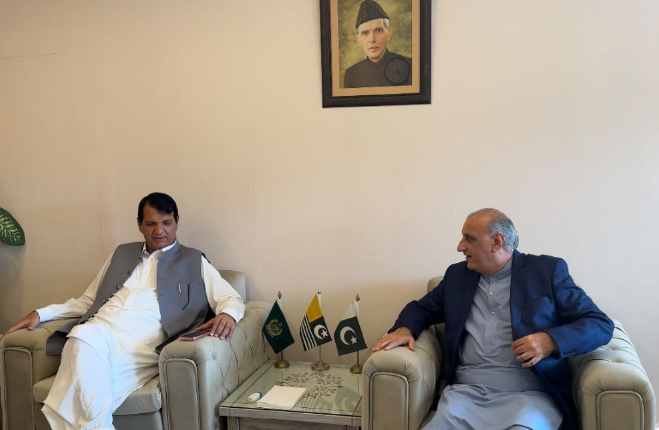
ISLAMABAD — Federal Minister for Economic Affairs Ahad Cheema announced on Friday that the government is committed to facilitating the adoption of modern economic models and expanding cost-based incentives to bolster industrial growth and enhance Pakistan’s export potential. The announcement was made during a meeting chaired by Cheema to review the roadmap of the Ministry of Industries and Production, with a particular focus on strengthening the Small and Medium Enterprises (SMEs) sector. What Happened During the meeting, Minister Ahad Cheema emphasized the government’s intent to modernize economic models and provide cost-based incentives aimed at accelerating industrial growth. The meeting, which took place in Islamabad, was attended by key officials from the Ministry of Industries and Production. Cheema highlighted the importance of SMEs in the national economy, stating, “SMEs are the backbone of our economy, and their growth is essential for increasing our industrial output and export capabilities.” The minister outlined a series of steps the government plans to take, including the introduction of new policies that align with international economic standards and practices. These policies are expected to create a more conducive environment for SMEs, enabling them to compete more effectively in global markets. Cheema also discussed the expansion of cost-based incentives that would reduce operational costs for businesses, thereby enhancing their competitiveness. Cheema further stressed the need for a collaborative approach involving various stakeholders, including government bodies, private sector players, and international partners, to successfully implement these economic models. He noted that such collaboration would ensure that the policies are not only comprehensive but also sustainable in the long term. Background Pakistan’s economy has historically relied heavily on agriculture and traditional industries. However, in recent years, there has been a growing recognition of the need to diversify the economic base and strengthen the industrial sector. SMEs, which constitute a significant portion of Pakistan’s industrial landscape, have often faced challenges such as limited access to finance, outdated technology, and insufficient infrastructure. Previous government initiatives have aimed at addressing these issues, but results have been mixed. The current government’s focus on modern economic models and cost-based incentives represents a continuation and expansion of these efforts, with an added emphasis on aligning with global economic practices. Why It Matters The government’s commitment to adopting modern economic models and expanding incentives is significant for several reasons. Economically, it represents a strategic shift towards enhancing industrial productivity and competitiveness, which is crucial for increasing exports and reducing the trade deficit. By focusing on SMEs, the government aims to tap into a sector that has the potential to drive economic growth and job creation. Socially, the development of SMEs can lead to more equitable economic opportunities across different regions of Pakistan, potentially reducing urban-rural economic disparities. Politically, successful implementation of these policies could strengthen the government’s position by demonstrating its ability to deliver on economic promises and improve the overall economic climate. Internationally, aligning with modern economic models can enhance Pakistan’s reputation as a business-friendly destination, attracting foreign investment and fostering international trade partnerships. This alignment is particularly important as Pakistan seeks to integrate more fully into the global economy. Key Takeaways Federal Minister Ahad Cheema announced plans to adopt modern economic models and expand incentives. The focus is on strengthening SMEs to boost industrial growth and export potential. New policies will align with international standards to enhance competitiveness. The initiative aims to create a more conducive environment for business growth. Successful implementation could improve Pakistan’s economic standing globally. Source Attribution This article is based on official government statements and public communications from relevant authorities. Author: NEN Editorial Desk | Editor: NEN Newsroom | Fact Checked By: NEN Editorial Team Author: NEN Editorial Desk  |  Editor: NEN Newsroom  |  Last Updated: August 07, 2026  |  Source: NEN Reporter This article was produced by the NEN Editorial Desk in accordance with NEN Agency’s Editorial Policy and Fact-Checking Policy.

Pakistan

PPSC Releases Written Exam Results for Stenographer Positions

LAHORE — The Punjab Public Service Commission (PPSC) has announced the results of the written examinations for stenographer positions across several departments, including the Revenue Department, Deputy Commissioner Sheikhupura office, and the Punjab Service Tribunal under the Services and General Administration Department (S&GAD). What Happened The PPSC, responsible for recruiting eligible candidates for various governmental positions in Punjab, released the results for the stenographer posts on its official website. The examinations were conducted as part of the PPSC’s ongoing efforts to fill key vacancies within the provincial government. The results pertain to positions within the Revenue Department, the office of the Deputy Commissioner in Sheikhupura, and the Punjab Service Tribunal, a key component of the S&GAD. According to the PPSC, the candidates who have successfully passed the written examinations will now proceed to the next stage of the recruitment process, which includes typing and shorthand tests, followed by interviews. The exact dates for these subsequent stages will be communicated to the candidates in due course. A spokesperson for the PPSC stated, “The commission is committed to ensuring a transparent and merit-based selection process. We congratulate all successful candidates and encourage them to prepare diligently for the upcoming stages.” The announcement has been met with a mixture of relief and anticipation among the candidates, many of whom have been preparing for these examinations for several months. Background The Punjab Public Service Commission is a statutory body established to conduct examinations and recruit for various civil service positions in the Punjab province. It plays a crucial role in maintaining the quality and efficiency of the provincial bureaucracy by ensuring that only qualified and competent individuals are appointed to public service roles. The recruitment process for stenographers involves several stages, beginning with a written examination designed to assess the candidates’ knowledge and skills relevant to the position. This is followed by practical tests in typing and shorthand, which are essential skills for stenographers who are responsible for transcribing spoken words into written form quickly and accurately. Finally, the candidates undergo an interview to evaluate their overall suitability for the role. Why It Matters The announcement of the PPSC results is significant for several reasons. Firstly, it marks the progression of the recruitment process for vital stenographer positions, which are essential for the efficient functioning of various government departments. Stenographers play a critical role in ensuring that official meetings, court proceedings, and other important communications are accurately recorded and documented. Economically, the recruitment of new stenographers can contribute to reducing unemployment in the province by providing job opportunities for qualified individuals. This is particularly important in a region where job creation is a pressing concern, and government positions are highly sought after due to their stability and associated benefits. Politically, the PPSC’s transparent and merit-based recruitment process helps to reinforce public trust in government institutions. By ensuring that appointments are made based on merit rather than nepotism or favoritism, the commission supports the integrity and credibility of the public service. Furthermore, the efficient staffing of government departments can lead to improved service delivery, benefiting the citizens of Punjab. With competent stenographers in place, departments can function more smoothly, leading to quicker decision-making and more effective implementation of policies and programs. Key Takeaways The PPSC has announced the results of the written exams for stenographer positions in key departments. Successful candidates will proceed to typing, shorthand tests, and interviews. The recruitment process is part of efforts to fill essential government roles in Punjab. Transparent recruitment reinforces public trust in government institutions. Efficient staffing can improve government service delivery and reduce unemployment. Source Attribution This article is based on official government statements, press releases, and public communications from relevant authorities. Author: NEN Editorial Desk | Editor: NEN Newsroom | Fact Checked By: NEN Editorial Team Author: NEN Editorial Desk  |  Editor: NEN Newsroom  |  Last Updated: August 07, 2026  |  Source: Press Release from Government of Pakistan This article was produced by the NEN Editorial Desk in accordance with NEN Agency’s Editorial Policy and Fact-Checking Policy.
Pakistan

NBP Releases Updated Currency Exchange Rates for Major Currencies

KARACHI — The National Bank of Pakistan (NBP) announced the latest buying and selling rates for major currencies on Thursday, providing crucial information for businesses and individuals engaged in foreign exchange transactions. The updated rates reflect the current market conditions and are essential for financial planning and international trade. What Happened On Thursday, the National Bank of Pakistan (NBP) released the updated exchange rates for several major currencies, including the US Dollar (USD), British Pound (GBP), Euro (EUR), Japanese Yen (JPY), United Arab Emirates Dirham (AED), and Saudi Riyal (SAR). These rates are vital for importers, exporters, and individuals involved in currency exchange, as they directly influence the cost of foreign transactions. According to the NBP, the selling rate for the US Dollar is set at 279.54 PKR, while the buying rate stands at 276.54 PKR. The British Pound is being sold at 376.26 PKR and bought at 371.83 PKR. For the Euro, the selling rate is 322.81 PKR, with the buying rate at 319.02 PKR. The Japanese Yen is priced at 1.7722 PKR for selling and 1.7513 PKR for buying. The UAE Dirham is available at a selling rate of 74.44 PKR and a buying rate of 73.55 PKR. Lastly, the Saudi Riyal is being sold at 76.11 PKR and bought at 75.21 PKR. These rates are updated regularly to reflect fluctuations in the global currency markets, ensuring that the NBP provides accurate and competitive rates to its customers. The bank’s role in setting these rates is crucial for maintaining stability and confidence in the Pakistani currency market. Background The National Bank of Pakistan is one of the largest commercial banks in the country, playing a pivotal role in the financial sector. It is responsible for setting the official exchange rates for foreign currencies, which are used by businesses and individuals across Pakistan. The bank’s exchange rate announcements are closely monitored by market participants, as they can significantly impact the cost of imports, exports, and international remittances. Historically, the Pakistani Rupee has experienced volatility due to various economic factors, including inflation, trade deficits, and changes in foreign exchange reserves. The NBP’s regular updates on currency rates help mitigate some of these uncertainties by providing transparent and timely information to the public. Why It Matters The exchange rates published by the National Bank of Pakistan have far-reaching implications for the country’s economy. For businesses engaged in international trade, these rates determine the cost of importing goods and services, which can affect pricing strategies and profit margins. Exporters also rely on these rates to calculate their earnings from foreign sales, impacting their competitiveness in global markets. For individuals, particularly those receiving remittances from abroad, the exchange rates influence the amount of money they receive in local currency. This is crucial for many families in Pakistan who depend on remittances as a significant source of income. Additionally, travelers and expatriates use these rates to plan their expenses and manage their finances effectively. On a broader scale, the stability of exchange rates is essential for maintaining investor confidence and attracting foreign investment. Fluctuations in currency values can lead to uncertainty in the market, affecting economic growth and development. As such, the NBP’s role in providing accurate and timely exchange rate information is vital for sustaining economic stability in Pakistan. Key Takeaways The National Bank of Pakistan has released updated exchange rates for major currencies, including USD, GBP, EUR, JPY, AED, and SAR. The exchange rates are crucial for businesses and individuals involved in foreign exchange transactions, impacting import and export costs. NBP’s regular updates help provide transparency and stability in the currency market, essential for economic confidence. The rates influence remittances and financial planning for individuals and families across Pakistan. Stable exchange rates are vital for attracting foreign investment and supporting economic growth. Source Attribution This article is based on official government statements, press releases, and public communications from relevant authorities. Author: NEN Editorial Desk | Editor: NEN Newsroom | Fact Checked By: NEN Editorial Team Author: NEN Editorial Desk  |  Editor: NEN Newsroom  |  Last Updated: August 07, 2026  |  Source: NEN Reporter This article was produced by the NEN Editorial Desk in accordance with NEN Agency’s Editorial Policy and Fact-Checking Policy.
Pakistan

Police Apprehend Notorious ‘Mirchu Pizza Gang’ in Badiana

BADIANIA — Police have successfully apprehended six members of the notorious ‘Mirchu Pizza Gang’, including their alleged ringleader, following an extensive operation in Badiana on Friday. The gang is believed to have been responsible for a series of robberies and dacoities across the district, causing significant concern among local residents. What Happened The operation, which took place in the early hours of Friday, was conducted by a special task force of the district police. According to police officials, the ‘Mirchu Pizza Gang’ had been under surveillance for several weeks due to their alleged involvement in numerous criminal activities. The police received a tip-off regarding the gang’s hideout in Badiana, which led to the carefully coordinated raid. District Police Officer (DPO) Ahsan Ali stated, “We had been tracking the activities of this gang for quite some time. Their arrest is a significant achievement for our team and a relief for the community.” The suspects were reportedly caught off guard, and no injuries were reported during the operation. Among those arrested was the alleged leader of the gang, who police believe orchestrated the group’s criminal operations. The police also recovered a cache of stolen goods, including cash, jewelry, and electronic devices, which are suspected to be linked to the gang’s previous heists. Background The ‘Mirchu Pizza Gang’ had gained notoriety in the region for their audacious robberies, often targeting homes and businesses late at night. Their activities had instilled fear among residents, prompting increased security measures and community vigilance. The gang’s unique moniker reportedly stems from their practice of ordering pizza to celebrate successful heists, a detail that had become a part of local lore. Incidents of dacoity and robbery have been a persistent issue in the district, with law enforcement agencies working tirelessly to combat such crimes. The arrest of the ‘Mirchu Pizza Gang’ represents a significant breakthrough in these efforts, highlighting the effectiveness of strategic policing and community cooperation. Why It Matters The successful apprehension of the ‘Mirchu Pizza Gang’ is a critical development for the local community, which has been plagued by fear and insecurity due to the gang’s activities. By dismantling this criminal network, the police have not only restored a sense of safety but also demonstrated their commitment to maintaining law and order. Economically, the gang’s arrest is expected to have a positive impact on local businesses, which had been adversely affected by the spate of robberies. Business owners can now operate with greater confidence, potentially leading to increased economic activity in the area. Socially, the operation serves as a reminder of the importance of community-police collaboration in tackling crime. The successful raid was made possible by valuable information provided by local residents, underscoring the role of public cooperation in enhancing security. On a broader scale, the arrest of the gang may deter other criminal elements in the region, contributing to a decrease in crime rates. This development aligns with national efforts to improve public safety and strengthen the rule of law across Pakistan. Key Takeaways Police arrested six members of the ‘Mirchu Pizza Gang’, including their alleged leader, in Badiana. The gang was involved in multiple robberies and dacoities across the district. The operation was a result of weeks of surveillance and a tip-off about the gang’s hideout. The arrest is expected to enhance local security and boost economic activity. Community cooperation played a crucial role in the successful apprehension of the gang. Source Attribution This article is based on official government statements, press releases, and public communications from relevant authorities. Author: NEN Editorial Desk | Editor: NEN Newsroom | Fact Checked By: NEN Editorial Team Author: NEN Editorial Desk  |  Editor: NEN Newsroom  |  Last Updated: August 07, 2026  |  Source: NEN Reporter This article was produced by the NEN Editorial Desk in accordance with NEN Agency’s Editorial Policy and Fact-Checking Policy.
Pakistan

Lahore Traffic Police Initiates Campaign for Motorcycle Side-View Mirrors

LAHORE — The City Traffic Police Lahore (CTPL) has launched an awareness campaign aimed at encouraging motorcyclists to install and use side-view mirrors. This initiative, announced on Friday, is part of CTPL’s ongoing efforts to promote road safety and foster a disciplined traffic culture in Lahore. What Happened The campaign, spearheaded by the CTPL, seeks to address the common oversight among motorcyclists regarding the use of side-view mirrors, which are crucial for safe riding. The initiative involves educating riders on the importance of these mirrors in preventing accidents and enhancing overall road safety. According to CTPL officials, the campaign will include distribution of informational pamphlets, interactive sessions, and on-ground demonstrations. CTPL spokesperson Rana Arif stated, “The absence of side-view mirrors on motorcycles is a significant factor in many road accidents. Our campaign is designed to raise awareness and encourage motorcyclists to adopt safer riding practices.” The CTPL plans to collaborate with local motorcycle dealers and repair shops to ensure that side-view mirrors are readily available and installed on all motorcycles. As part of the campaign, traffic wardens will be stationed at key intersections and busy roads to engage with motorcyclists directly. They will provide guidance on the correct use of side-view mirrors and distribute educational materials. The CTPL has also set up information booths at various locations across the city to further disseminate safety tips and encourage compliance with traffic regulations. Background Motorcycle safety has been a persistent issue in Lahore, where motorcycles constitute a significant portion of the traffic. The lack of side-view mirrors has been identified as a major risk factor, contributing to numerous accidents involving motorcycles. In response, the CTPL has been actively working on various initiatives to improve road safety, including helmet enforcement campaigns and traffic rule awareness drives. The Punjab Traffic Police has historically emphasized the importance of road safety measures, aligning with national efforts to reduce traffic-related fatalities. Previous campaigns have focused on helmet use, speed regulation, and adherence to traffic signals, all aimed at reducing the high incidence of road accidents in urban areas. Why It Matters This campaign is significant as it addresses a critical aspect of motorcycle safety that is often overlooked. The installation and proper use of side-view mirrors can greatly reduce the likelihood of collisions, especially in a city like Lahore where traffic congestion is prevalent. By promoting the use of these mirrors, the CTPL aims to decrease the number of accidents and enhance the safety of both motorcyclists and other road users. Economically, reducing road accidents can lead to lower healthcare costs and less economic disruption caused by traffic incidents. Socially, improved road safety can enhance public confidence in using motorcycles as a viable mode of transport, potentially easing congestion on public transport systems. Politically, the campaign underscores the government’s commitment to improving public safety and infrastructure. It aligns with broader national strategies to enhance traffic management and road safety, contributing to the overall development goals of the region. Key Takeaways The CTPL has launched a campaign to promote the use of side-view mirrors among motorcyclists in Lahore. The initiative includes educational outreach, on-ground demonstrations, and collaboration with local businesses. Motorcycle safety is a major concern in Lahore, with side-view mirrors identified as a key factor in preventing accidents. Improved road safety can lead to economic benefits and enhance public confidence in motorcycle transport. The campaign aligns with national efforts to improve traffic management and public safety. Source Attribution The article is based on official government statements, press releases, and public communications from relevant authorities. Author: NEN Editorial Desk | Editor: NEN Newsroom | Fact Checked By: NEN Editorial Team Author: NEN Editorial Desk  |  Editor: NEN Newsroom  |  Last Updated: August 07, 2026  |  Source: NEN Reporter This article was produced by the NEN Editorial Desk in accordance with NEN Agency’s Editorial Policy and Fact-Checking Policy.
Pakistan

National Bank of Pakistan Releases Updated Currency Exchange Rates

KARACHI — The National Bank of Pakistan (NBP) has announced the latest buying and selling rates for major foreign currencies as of Friday, August 7. This update provides crucial information for businesses, travelers, and financial analysts monitoring currency fluctuations in the region. What Happened The National Bank of Pakistan issued new exchange rates for several key international currencies, reflecting the ongoing changes in the global financial markets. As of the latest update, the US dollar is being sold at 279.49 PKR and bought at 276.49 PKR. The British pound stands at a selling rate of 375.97 PKR and a buying rate of 371.53 PKR. Similarly, the euro is listed with a selling rate of 322.04 PKR and a buying rate of 318.26 PKR. In the Asian currency market, the Japanese yen is being sold at 1.7640 PKR and bought at 1.7433 PKR. Among the Gulf currencies, the United Arab Emirates dirham is selling at 74.45 PKR and buying at 73.56 PKR, while the Saudi riyal is priced at 76.10 PKR for selling and 75.20 PKR for buying. These rates are crucial for various stakeholders, including importers, exporters, and the general public engaged in currency exchange. The NBP’s rates are often used as a benchmark for other financial institutions and currency exchange services across Pakistan. Background The National Bank of Pakistan, established in 1949, plays a pivotal role in the country’s banking sector, providing a wide range of financial services. It is one of the largest commercial banks in Pakistan and is responsible for setting the official exchange rates for foreign currencies. These rates are influenced by various factors, including international market trends, economic policies, and geopolitical developments. Currency exchange rates are a vital component of international trade and finance. They determine the relative value of different currencies, affecting the cost of imports and exports, the balance of payments, and the overall economic health of a nation. In Pakistan, the State Bank of Pakistan oversees the monetary policy, while commercial banks like NBP implement these policies through their financial operations. Why It Matters The updated currency rates from NBP have significant implications for Pakistan’s economy and its citizens. For businesses engaged in international trade, these rates directly impact the cost of importing goods and services. A stronger rupee makes imports cheaper, while a weaker rupee increases costs. Conversely, for exporters, a weaker rupee can enhance competitiveness by making Pakistani goods cheaper for foreign buyers. For individuals, especially those planning to travel abroad or remit money, knowing the current exchange rates helps in making informed financial decisions. The rates also affect the cost of foreign education, medical expenses, and tourism. On a broader scale, fluctuations in currency exchange rates can influence inflation, interest rates, and economic growth. A stable currency is often seen as a sign of economic strength, attracting foreign investment and boosting investor confidence. Conversely, volatile exchange rates can lead to economic uncertainty and deter investment. In the context of Pakistan’s economic landscape, monitoring currency rates is crucial for policymakers and analysts. It helps in assessing the impact of global economic trends on the domestic economy and in formulating strategies to mitigate adverse effects. Key Takeaways The National Bank of Pakistan has released updated exchange rates for major currencies. The US dollar is being sold at 279.49 PKR and bought at 276.49 PKR. Exchange rates influence import and export costs, affecting Pakistan’s trade balance. Currency fluctuations have broader economic implications, including on inflation and investment. NBP’s rates serve as a benchmark for other financial institutions in Pakistan. Source Attribution This article is based on official government statements, press releases, and public communications from relevant authorities. Author: NEN Editorial Desk | Editor: NEN Newsroom | Fact Checked By: NEN Editorial Team Author: NEN Editorial Desk  |  Editor: NEN Newsroom  |  Last Updated: August 07, 2026  |  Source: NEN Reporter This article was produced by the NEN Editorial Desk in accordance with NEN Agency’s Editorial Policy and Fact-Checking Policy.
Pakistan

LCCI Advocates Simplified Tax Scheme for Small Retailers

LAHORE — A delegation from the Lahore Chamber of Commerce & Industry (LCCI), led by Acting President Tanveer Ahmed Sheikh, met with Chief Commissioner of Regional Tax Office (RTO) Lahore-II, Fiza Batool, on Thursday to discuss initiatives aimed at facilitating businesses and enhancing economic well-being. What Happened The meeting, which also included LCCI Vice President Khurram Lodhi, centered around the newly introduced Special Fixed Tax Scheme designed for small retailers. The discussion highlighted efforts to simplify the tax system, define the jurisdiction of RTO Lahore-II, and bolster cooperation between the Federal Board of Revenue (FBR) and the business community. Tanveer Ahmed Sheikh expressed gratitude to Chief Commissioner Fiza Batool for introducing a simplified one-page income tax return for small traders and retailers. He described the initiative as a commendable step towards easing tax compliance, reducing business costs, and promoting voluntary tax compliance. Sheikh emphasized that this would bring more small businesses into the documented economy. Sheikh assured that the LCCI would fully support the FBR by launching an awareness campaign to educate the business community about the new scheme and encourage traders to take advantage of it. He reiterated the Chamber’s commitment to working closely with the FBR and the Income Tax Department to enhance tax awareness, improve tax culture, and facilitate business operations. Chief Commissioner Fiza Batool provided a comprehensive briefing on the Special Fixed Tax Scheme, explaining that eligible retailers with an annual turnover of up to Rs. 200 million could avail themselves of the scheme by paying a one percent income tax on their total annual turnover. Registration could be done via the IRIS portal, the FBR mobile application, or at local tax offices. Batool noted that a minimum tax payment of Rs. 25,000 is required to qualify for the scheme. Registered retailers would be exempt from routine income tax audits and could file simplified income tax returns in Urdu and other regional languages. Additionally, the FBR would issue a special Green Plate to registered retailers, featuring a QR code, NTN, and shop details, serving as proof of registration and preventing unnecessary tax actions by officials. She added that the establishment of RTO Lahore-II aims to provide improved services, faster facilitation, and more efficient tax administration for taxpayers. Background The introduction of the Special Fixed Tax Scheme is part of broader efforts by the Pakistani government to streamline tax processes and increase compliance among small and medium enterprises (SMEs). Historically, the tax system in Pakistan has been perceived as complex and burdensome, discouraging compliance and limiting the tax base. The LCCI has long advocated for reforms to simplify tax procedures and reduce the administrative burden on businesses, particularly small retailers who form a significant part of the economy. The Chamber has consistently engaged with government bodies to push for policies that foster a more business-friendly environment. Why It Matters The implementation of a simplified tax scheme for small retailers is crucial for several reasons. Economically, it is expected to increase the tax net by encouraging more businesses to register and comply with tax regulations. This move could potentially boost government revenues, which are essential for public spending and development projects. Socially, the initiative could reduce the informal economy’s size, bringing more businesses into the formal sector, which offers better protection and opportunities for growth. By simplifying tax compliance, small retailers can focus more on expanding their businesses rather than navigating complex tax systems. Politically, the scheme demonstrates the government’s commitment to supporting SMEs, which are often seen as the backbone of the economy. By addressing long-standing demands from the business community, the government can strengthen its relationship with key economic stakeholders, potentially leading to increased political stability. Key Takeaways The LCCI met with RTO Lahore-II to discuss the Special Fixed Tax Scheme for small retailers. The scheme allows eligible retailers to pay a one percent income tax on annual turnover. Registered retailers are exempt from routine audits and can file simplified tax returns. The initiative aims to increase tax compliance and bring more businesses into the documented economy. The LCCI will launch an awareness campaign to promote the scheme among traders. Source Attribution This article is based on official government statements, press releases, and public communications from relevant authorities. Author: NEN Editorial Desk | Editor: NEN Newsroom | Fact Checked By: NEN Editorial Team Author: NEN Editorial Desk  |  Editor: NEN Newsroom  |  Last Updated: August 07, 2026  |  Source: Press Release from Federal Board of Revenue (FBR) This article was produced by the NEN Editorial Desk in accordance with NEN Agency’s Editorial Policy and Fact-Checking Policy.

Pakistan

Unilever Pakistan Collaborates With CCP for Employee Training on Competition Law

ISLAMABAD — Unilever Pakistan recently organized a training session in collaboration with the Competition Commission of Pakistan (CCP) at its head office. The session aimed to enhance employees’ understanding of competition law, underscoring the company’s dedication to ethical business practices and regulatory compliance. What Happened Unilever Pakistan hosted the CCP for a comprehensive training session on competition law at its head office. The initiative was part of Unilever’s ongoing efforts to ensure that its business operations align with both national and international legal standards. The session was attended by Unilever employees from various departments, who were briefed on the intricacies of competition law and its implications for corporate conduct. The training was conducted by senior officials from the CCP, who provided detailed insights into the legal framework governing competition in Pakistan. They emphasized the importance of maintaining fair competition in the marketplace to foster innovation and protect consumer interests. The session included discussions on key aspects of competition law, such as anti-competitive agreements, abuse of dominant position, and merger control. Unilever Pakistan’s management expressed their gratitude to the CCP for their support and expertise. A spokesperson from Unilever stated, “This training is a testament to our commitment to uphold the highest standards of business ethics and compliance. We believe that understanding and adhering to competition law is crucial for sustainable business growth.” Background The Competition Commission of Pakistan is an autonomous body responsible for promoting competition in all sectors of the economy and protecting consumers from anti-competitive practices. Established under the Competition Act of 2010, the CCP has the authority to investigate and penalize companies that engage in practices detrimental to fair competition. Unilever Pakistan, a subsidiary of the global consumer goods company Unilever, has been operating in Pakistan for several decades. The company is known for its wide range of products, including food, beverages, cleaning agents, and personal care items. Unilever has consistently emphasized the importance of compliance with local laws and regulations as part of its corporate governance strategy. Why It Matters The training session is significant as it highlights the proactive steps taken by Unilever Pakistan to ensure that its employees are well-versed in the legal requirements of competition law. This is particularly important in a market like Pakistan, where regulatory compliance is crucial for maintaining a level playing field among businesses. By educating its workforce on competition law, Unilever Pakistan is not only safeguarding its operations from potential legal challenges but also contributing to a culture of ethical business practices in the country. This initiative aligns with global trends where multinational corporations are increasingly focusing on compliance and corporate responsibility. Moreover, the collaboration between Unilever and the CCP reflects a positive relationship between the private sector and regulatory authorities in Pakistan. Such partnerships are essential for fostering an environment where businesses can thrive while adhering to legal and ethical standards. For consumers, the adherence to competition law by major companies like Unilever ensures that they benefit from fair pricing, quality products, and innovative choices in the market. This ultimately contributes to consumer welfare and economic growth. Key Takeaways Unilever Pakistan hosted a training session with the CCP to educate employees on competition law. The session aimed to promote ethical business practices and regulatory compliance. The CCP provided insights into anti-competitive practices and legal frameworks. This initiative reflects Unilever’s commitment to corporate responsibility and compliance. The collaboration highlights positive private-public sector relations in Pakistan. Source Attribution This article is based on official government statements, press releases, and public communications from relevant authorities. Author: NEN Editorial Desk | Editor: NEN Newsroom | Fact Checked By: NEN Editorial Team Author: NEN Editorial Desk  |  Editor: NEN Newsroom  |  Last Updated: August 07, 2026  |  Source: Press Release from Government of Pakistan This article was produced by the NEN Editorial Desk in accordance with NEN Agency’s Editorial Policy and Fact-Checking Policy.

Scroll to Top