
Pakistan

News related to Pakistan in Pakistan and around the world.

Pakistan

President Zardari Meets Pakistan’s New Ambassador to Sweden

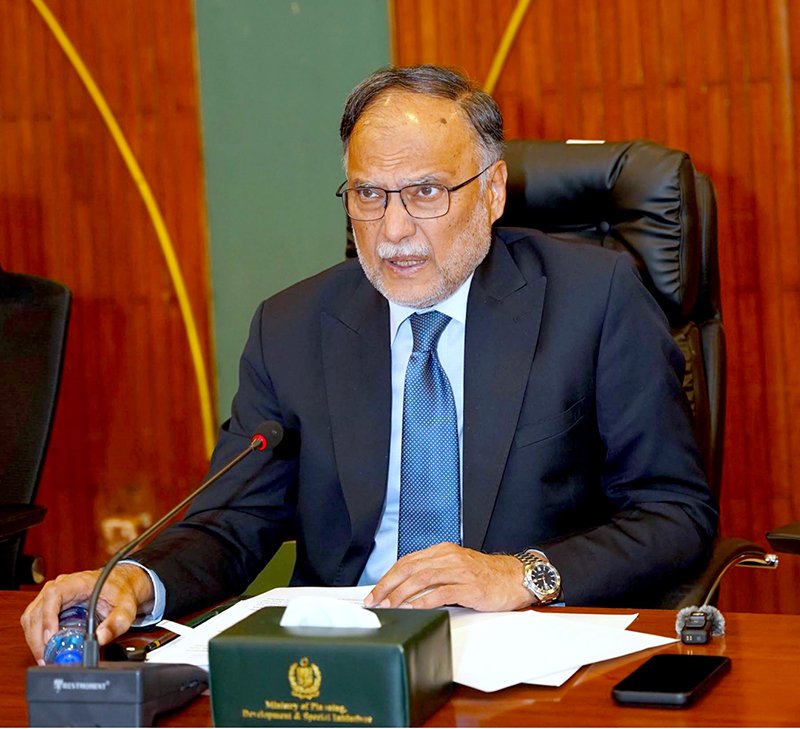
ISLAMABAD — President Asif Ali Zardari held a meeting with Ahmed Amjad Ali, the newly appointed Ambassador-designate of Pakistan to Sweden, at Aiwan-e-Sadr on Tuesday. The meeting focused on strengthening bilateral relations between Pakistan and Sweden and discussing the ambassador’s upcoming diplomatic mission. What Happened President Asif Ali Zardari met with Ahmed Amjad Ali, who has been designated as Pakistan’s ambassador to Sweden, at the presidential residence, Aiwan-e-Sadr. During the meeting, President Zardari emphasized the importance of enhancing diplomatic ties with Sweden, a nation known for its advanced technological sector and robust economy. The president expressed confidence in Ali’s abilities to represent Pakistan effectively and to further strengthen the relationship between the two countries. Ahmed Amjad Ali, who has previously served in various diplomatic capacities, outlined his plans to foster closer economic and cultural ties with Sweden. He highlighted the potential for increased trade and investment opportunities, particularly in sectors such as information technology, renewable energy, and education. Ali assured President Zardari of his commitment to promoting Pakistan’s interests and enhancing its image abroad. President Zardari advised the ambassador-designate to focus on building partnerships in innovation and technology, areas where Sweden excels and where Pakistan could benefit significantly. The president also stressed the importance of engaging with the Pakistani diaspora in Sweden to strengthen community ties and promote cultural exchange. Background Pakistan and Sweden have maintained diplomatic relations since 1951. Over the years, the two countries have collaborated in various fields, including trade, education, and technology. Sweden is a member of the European Union and is known for its high standard of living and progressive policies. The appointment of a new ambassador comes at a time when Pakistan is seeking to diversify its international partnerships and increase its global economic footprint. Ahmed Amjad Ali brings a wealth of experience to his new role, having served in several key diplomatic positions. His appointment is part of Pakistan’s broader strategy to strengthen its diplomatic corps and enhance its international presence. The meeting with President Zardari underscores the importance Pakistan places on its relationship with Sweden and the potential for future collaboration. Why It Matters The meeting between President Zardari and Ambassador-designate Ahmed Amjad Ali is significant for several reasons. Firstly, it highlights Pakistan’s intention to bolster its diplomatic ties with Sweden, a country that can offer valuable technological and economic partnerships. Strengthening these ties could lead to increased trade and investment, which are crucial for Pakistan’s economic growth and development. Secondly, the appointment of a seasoned diplomat like Ahmed Amjad Ali reflects Pakistan’s commitment to enhancing its diplomatic outreach and improving its international standing. By focusing on key sectors such as technology and education, Pakistan aims to attract foreign investment and expertise, which could drive innovation and economic progress within the country. Furthermore, engaging with the Pakistani diaspora in Sweden can help foster a sense of community and cultural exchange, promoting a positive image of Pakistan abroad. This can lead to increased tourism and cultural collaboration, further benefiting Pakistan’s economy and international relations. Key Takeaways President Zardari met with Ambassador-designate Ahmed Amjad Ali to discuss enhancing Pakistan-Sweden relations. The meeting focused on increasing trade, investment, and cultural ties between the two countries. Ahmed Amjad Ali brings extensive diplomatic experience to his new role as ambassador to Sweden. Strengthening ties with Sweden could lead to valuable technological and economic partnerships for Pakistan. Engaging with the Pakistani diaspora in Sweden is a key component of the ambassador’s mission. Source Attribution This article is based on official government statements and public communications from relevant authorities. Author: NEN Editorial Desk | Editor: NEN Newsroom | Fact Checked By: NEN Editorial Team Author: NEN Editorial Desk  |  Editor: NEN Newsroom  |  Last Updated: August 08, 2026  |  Source: Press Release from Government of Pakistan This article was produced by the NEN Editorial Desk in accordance with NEN Agency’s Editorial Policy and Fact-Checking Policy.

Pakistan

PSX Index Drops 346 Points Amid Intense Selling Pressure

ISLAMABAD — The Pakistan Stock Exchange (PSX) experienced a downturn on Friday as the KSE-100 Index fell by 346.57 points, marking a 0.19 percent decline. The index closed at 181,430.02 points, compared to the previous session’s close of 181,776.60 points, amid significant selling pressure. What Happened The PSX saw a bearish trend on Friday, with the KSE-100 Index losing 346.57 points. This decline was attributed to widespread selling pressure across various sectors. The market opened on a weak note and continued to slide throughout the trading session, reflecting investor concerns over economic conditions and market volatility. Market analysts noted that the decline was largely driven by profit-taking activities, as investors sought to secure gains amid uncertainty. The financial sector, in particular, saw significant sell-offs, contributing to the overall decline of the index. Additionally, geopolitical tensions and domestic economic challenges were cited as underlying factors influencing investor sentiment. According to a stock market analyst, “The market is reacting to a combination of global economic uncertainties and local economic challenges. Investors are cautious, and this is reflected in the selling pressure we are witnessing.” The trading volume also decreased compared to the previous sessions, indicating a cautious approach by investors. The bearish trend was further exacerbated by external factors, including fluctuations in global oil prices and currency exchange rates, which have historically impacted the PSX’s performance. Background The Pakistan Stock Exchange has been experiencing volatility in recent months, influenced by both domestic and international factors. Historically, the PSX has been sensitive to political developments, economic policies, and global market trends. The KSE-100 Index, a key benchmark for the market, reflects the performance of the top companies listed on the exchange and serves as an indicator of overall market health. In recent years, the PSX has faced challenges due to economic instability, fluctuating foreign exchange reserves, and inflationary pressures. The government’s efforts to stabilize the economy, including securing financial assistance from international institutions, have been ongoing. However, investor confidence remains fragile, as evidenced by the market’s recent performance. Why It Matters The decline in the PSX is significant as it reflects broader economic challenges facing Pakistan. A sustained bearish trend in the stock market can have implications for the economy, affecting investor confidence, foreign investment inflows, and the overall financial stability of the country. For individual investors, a declining stock market can lead to reduced portfolio values and potential financial losses. This can impact consumer spending and savings behavior, further influencing economic growth. Additionally, businesses listed on the PSX may face challenges in raising capital through equity markets, potentially affecting their expansion and operational strategies. On a macroeconomic level, the performance of the PSX is often seen as a barometer of economic health. A declining index can signal underlying economic weaknesses, prompting policymakers to reassess economic strategies and implement measures to bolster growth and stability. Internationally, the performance of the PSX can influence perceptions of Pakistan’s economic environment. A stable and growing stock market is typically viewed favorably by foreign investors, while a declining market may deter investment and impact the country’s ability to attract foreign capital. Key Takeaways The PSX KSE-100 Index dropped by 346.57 points, a 0.19 percent decline, closing at 181,430.02 points. Intense selling pressure and profit-taking activities were major contributors to the market’s bearish trend. Economic uncertainties, both domestic and international, are influencing investor sentiment and market performance. The decline in the PSX has broader economic implications, affecting investor confidence and foreign investment inflows. The performance of the PSX serves as an indicator of Pakistan’s economic health and stability. Source Attribution This article is based on official government statements, press releases, and public communications from relevant authorities. Author: NEN Editorial Desk | Editor: NEN Newsroom | Fact Checked By: NEN Editorial Team Author: NEN Editorial Desk  |  Editor: NEN Newsroom  |  Last Updated: August 07, 2026  |  Source: NEN Reporter This article was produced by the NEN Editorial Desk in accordance with NEN Agency’s Editorial Policy and Fact-Checking Policy.
Pakistan

LCCI and PTMA Urge Collaborative Efforts to Revive Textile Sector

LAHORE — The Lahore Chamber of Commerce and Industry (LCCI) and the Pakistan Textile Mills Association (PTMA) convened on Friday to address the pressing challenges confronting Pakistan’s textile industry. The meeting focused on devising a joint strategy to boost exports and stimulate industrial growth, aiming to revitalize a sector crucial to the nation’s economy. What Happened The LCCI and PTMA held discussions to explore the current issues plaguing the textile sector, which has been facing a downturn due to various economic pressures. The meeting was attended by key stakeholders from both organizations, who emphasized the need for a coordinated approach to tackle these challenges. According to LCCI President Kashif Anwar, the textile industry is a backbone of Pakistan’s economy, contributing significantly to exports and employment. “It is imperative that we work together to formulate strategies that will not only revive the industry but also enhance its competitiveness on a global scale,” Anwar stated. The PTMA highlighted several obstacles, including high energy costs, outdated technology, and limited access to international markets. PTMA Chairman Asif Inam stressed the importance of government support in addressing these issues. “The textile sector requires immediate policy interventions to reduce operational costs and improve infrastructure,” Inam remarked. The discussions also covered potential incentives for textile manufacturers, such as tax reliefs and subsidies, to encourage investment and innovation within the industry. Both organizations agreed to form a task force that will work on a comprehensive plan to address these challenges. This task force will engage with government officials and other industry players to ensure that the proposed measures are effectively implemented. Background Pakistan’s textile industry has historically been a major contributor to the country’s GDP, accounting for approximately 8.5% of the total. However, in recent years, the sector has struggled due to rising production costs, energy shortages, and stiff competition from regional players like Bangladesh and Vietnam. The textile sector employs around 15 million people, making it one of the largest employment sectors in the country. Despite its potential, the industry has seen a decline in export revenues, which fell by 15% in the last fiscal year. Government policies have attempted to support the industry through various initiatives, such as the Textile Policy 2020-25, which aims to increase textile exports to $20 billion. However, stakeholders argue that more immediate and effective measures are required to address the sector’s ongoing challenges. Why It Matters The textile industry is pivotal to Pakistan’s economic stability and growth. As one of the largest export sectors, it plays a crucial role in maintaining the country’s foreign exchange reserves. A decline in the textile industry not only affects export revenues but also has a ripple effect on employment and related industries, such as agriculture and logistics. The collaborative efforts between LCCI and PTMA are significant as they represent a unified front to lobby for necessary reforms and support. By addressing issues such as energy costs and market access, the industry can potentially regain its competitive edge. This, in turn, could lead to increased foreign investment and a more robust economic outlook for Pakistan. Moreover, revitalizing the textile sector is essential for achieving the government’s broader economic goals, including poverty reduction and sustainable development. As the industry recovers, it could create thousands of new jobs, thereby reducing unemployment and improving living standards for many Pakistanis. Key Takeaways The LCCI and PTMA are collaborating to address challenges in Pakistan’s textile industry. Key issues include high energy costs, outdated technology, and limited market access. A task force will be formed to develop a comprehensive revival strategy. The textile sector is crucial for Pakistan’s economy, contributing significantly to exports and employment. Reviving the industry could enhance economic stability and create new job opportunities. Source Attribution This article is based on official statements and public communications from the Lahore Chamber of Commerce and Industry and the Pakistan Textile Mills Association. Author: NEN Editorial Desk | Editor: NEN Newsroom | Fact Checked By: NEN Editorial Team Author: NEN Editorial Desk  |  Editor: NEN Newsroom  |  Last Updated: August 07, 2026  |  Source: NEN Reporter This article was produced by the NEN Editorial Desk in accordance with NEN Agency’s Editorial Policy and Fact-Checking Policy.

Pakistan

Tapmad Secures Live-Streaming Rights for 2026-27 Domestic Cricket Season

ISLAMABAD — Pi Pakistan Private Limited, operating under the brand Tapmad Holdings Pte Limited, has secured the live-streaming rights for the 2026-27 Men’s and Women’s domestic cricket tournaments. The Pakistan Cricket Board (PCB) made this announcement on Thursday, marking a significant development in the broadcasting of domestic cricket in Pakistan. What Happened The Pakistan Cricket Board has awarded the live-streaming rights for the upcoming 2026-27 domestic cricket season to Tapmad, a leading digital content provider in Pakistan. This decision was confirmed in an official statement released by the PCB, emphasizing Tapmad’s role in enhancing the accessibility of domestic cricket to a broader audience through digital platforms. The agreement covers the live streaming of both men’s and women’s domestic cricket tournaments, ensuring that fans can follow the action from anywhere in the world. The PCB’s decision to partner with Tapmad is part of its broader strategy to leverage digital platforms for the promotion and growth of cricket in the country. “We are excited to partner with Tapmad to bring our domestic cricket tournaments to fans around the globe,” a PCB spokesperson stated. “This partnership is a testament to our commitment to expanding the reach of cricket and making it accessible to everyone.” Tapmad, known for its innovative approach to digital content delivery, will utilize its platform to provide high-quality streaming services. This move is expected to significantly enhance the viewing experience for cricket fans, offering them the convenience of watching matches live on their preferred devices. Background In recent years, the PCB has been actively seeking to modernize the broadcasting of cricket in Pakistan. The shift towards digital platforms is part of a global trend where sports organizations are increasingly leveraging technology to reach wider audiences. Previously, domestic cricket in Pakistan was primarily broadcast through traditional television channels, limiting its accessibility to viewers without cable subscriptions. Tapmad has been at the forefront of digital content delivery in Pakistan, offering a range of entertainment and sports content through its streaming platform. The company has previously collaborated with various sports organizations to provide live streaming services, establishing itself as a key player in the digital broadcasting space. The PCB’s decision to award the live-streaming rights to Tapmad aligns with its strategic goals of enhancing the visibility of domestic cricket and engaging younger audiences who prefer consuming content online. Why It Matters The acquisition of live-streaming rights by Tapmad is significant for several reasons. Economically, it represents a shift in how sports content is monetized in Pakistan, moving away from traditional broadcasting methods to digital platforms that can offer more targeted advertising opportunities. This can potentially increase revenue streams for both the PCB and Tapmad. Socially, the partnership is poised to enhance the engagement of cricket fans, particularly among younger demographics who are more inclined to use digital platforms for content consumption. This increased accessibility can foster a stronger connection between fans and domestic cricket, potentially boosting attendance at live events and participation in the sport. Politically, the move underscores Pakistan’s commitment to embracing digital innovation and aligns with broader national goals of digital transformation. By promoting digital access to sports content, the PCB is contributing to the country’s vision of a more connected and technologically advanced society. Internationally, this development positions Pakistan as a progressive player in the global sports broadcasting landscape, potentially attracting more international viewers and partnerships. It reflects a growing trend where countries are leveraging digital platforms to showcase their sports to a global audience. Key Takeaways Tapmad has acquired live-streaming rights for the 2026-27 domestic cricket season in Pakistan. The agreement includes both men’s and women’s tournaments, expanding accessibility for cricket fans. This partnership aligns with the PCB’s strategy to enhance digital engagement and reach wider audiences. The move reflects broader trends in digital broadcasting and sports content monetization. It positions Pakistan as a forward-thinking player in the global sports broadcasting arena. Source Attribution This article is based on official statements and public communications from the Pakistan Cricket Board. Author: NEN Editorial Desk | Editor: NEN Newsroom | Fact Checked By: NEN Editorial Team Author: NEN Editorial Desk  |  Editor: NEN Newsroom  |  Last Updated: August 07, 2026  |  Source: NEN Reporter This article was produced by the NEN Editorial Desk in accordance with NEN Agency’s Editorial Policy and Fact-Checking Policy.

Pakistan

National Bank Of Pakistan Releases Latest Currency Exchange Rates

KARACHI — The National Bank of Pakistan (NBP) announced the latest exchange rates for major currencies on Friday, providing updated figures for both buying and selling rates. These rates are crucial for businesses, investors, and individuals involved in foreign exchange transactions. What Happened The National Bank of Pakistan, a leading financial institution in the country, released its updated currency exchange rates on August 7, 2023. The rates reflect the current market conditions and are used by various sectors for international trade and finance. According to the NBP, the selling rate for the US dollar is set at 279.49 PKR, while the buying rate is 276.49 PKR. The British pound is being sold at 375.97 PKR, with a buying rate of 371.53 PKR. The euro, another significant currency, stands at a selling rate of 322.04 PKR and a buying rate of 318.26 PKR. For those dealing with Asian markets, the Japanese yen is listed at a selling rate of 1.7640 PKR and a buying rate of 1.7433 PKR. The United Arab Emirates dirham is available at 74.45 PKR for selling and 73.56 PKR for buying. Additionally, the Saudi riyal is priced at 76.10 PKR for selling and 75.20 PKR for buying. These rates are pivotal for traders and businesses engaged in import and export activities, as they directly influence the cost of transactions and profitability. Background The National Bank of Pakistan regularly updates its currency exchange rates to reflect the dynamic nature of global financial markets. As Pakistan’s central bank, NBP plays a crucial role in stabilizing the country’s economy by managing foreign exchange reserves and facilitating international trade. The exchange rates are influenced by various factors, including global economic conditions, geopolitical events, and domestic economic policies. Historically, Pakistan’s currency market has experienced fluctuations due to political instability, changes in government policies, and external economic pressures. The exchange rate policy is a critical component of Pakistan’s monetary policy framework, aimed at maintaining economic stability and fostering growth. The NBP’s regular updates on currency rates provide transparency and assist stakeholders in making informed financial decisions. Why It Matters The release of updated currency rates by the National Bank of Pakistan is significant for multiple reasons. Firstly, it directly impacts the cost of imports and exports, which in turn affects the prices of goods and services within the country. For businesses engaged in international trade, understanding these rates is essential for budgeting and financial planning. Secondly, the currency exchange rates influence inflation and purchasing power. A weaker Pakistani rupee can lead to higher import costs, contributing to inflationary pressures. Conversely, a stronger rupee can enhance purchasing power and reduce inflation. Therefore, the NBP’s currency rates are closely monitored by economists, policymakers, and investors. On an international level, the exchange rates affect foreign investment flows into Pakistan. Investors consider currency stability as a key factor when deciding to invest in a country. Fluctuating exchange rates can lead to uncertainty, impacting foreign direct investment and portfolio investments. As such, the NBP’s role in providing accurate and timely exchange rate information is crucial for maintaining investor confidence. Key Takeaways The National Bank of Pakistan has released updated currency exchange rates for major currencies. The US dollar is being sold at 279.49 PKR and bought at 276.49 PKR. Exchange rates impact import/export costs, inflation, and purchasing power. Stable exchange rates are vital for attracting foreign investment into Pakistan. The NBP’s updates provide transparency and aid in financial decision-making. Source Attribution This article is based on official government statements, press releases, and public communications from relevant authorities. Author: NEN Editorial Desk | Editor: NEN Newsroom | Fact Checked By: NEN Editorial Team Author: NEN Editorial Desk  |  Editor: NEN Newsroom  |  Last Updated: August 07, 2026  |  Source: NEN Reporter This article was produced by the NEN Editorial Desk in accordance with NEN Agency’s Editorial Policy and Fact-Checking Policy.
Pakistan

SCCI President Calls for Enhanced Focus on Tourism Development

PESHAWAR — President of the Sarhad Chamber of Commerce and Industry (SCCI), Junaid Altaf, has called on the provincial government to prioritize the development of the tourism sector. He emphasized that tourism holds significant potential for boosting economic growth in the region. What Happened In a recent statement, Junaid Altaf, President of the SCCI, urged the provincial government to pay full attention to the uplift of the tourism sector, highlighting its critical role in economic development. Altaf pointed out that tourism is a major sector that can substantially contribute to the economic growth of Khyber Pakhtunkhwa (KP) and the broader region. He stressed the need for strategic planning and investment to harness the full potential of the tourism industry. Altaf’s remarks come at a time when the tourism sector in KP is poised for expansion, with the government already initiating several projects aimed at enhancing tourism infrastructure. “The government should focus on developing new tourist destinations and improving existing facilities to attract both domestic and international tourists,” Altaf stated. He further noted that such efforts would not only create employment opportunities but also promote cultural exchange and understanding. The SCCI president also highlighted the importance of public-private partnerships in achieving these goals. He suggested that collaboration between the government and private sector could lead to innovative solutions and efficient management of tourism resources. Altaf called for the establishment of a dedicated tourism development fund to support these initiatives. Background Khyber Pakhtunkhwa, known for its scenic landscapes and rich cultural heritage, has long been a popular destination for tourists. In recent years, the provincial government has undertaken several initiatives to boost tourism, including the development of new tourist spots and the improvement of infrastructure at existing sites. However, challenges such as inadequate facilities, lack of marketing, and security concerns have hindered the full realization of the sector’s potential. Historically, the region has attracted tourists interested in its natural beauty, historical sites, and adventure tourism opportunities. The government’s efforts to promote tourism have included the construction of roads, hotels, and recreational facilities, as well as the organization of cultural festivals and events to showcase the region’s unique offerings. Why It Matters The call for enhanced focus on tourism development is significant for several reasons. Economically, tourism can serve as a major driver of growth, providing a substantial source of revenue and employment. With the right investments and policies, the sector could help diversify the region’s economy, reducing reliance on traditional industries such as agriculture and manufacturing. Socially, tourism development can lead to improved infrastructure and services, benefiting local communities. It can also foster greater cultural exchange and understanding, as visitors from different backgrounds interact with local residents. This can enhance the region’s image and promote peace and stability. Politically, a thriving tourism sector can strengthen the province’s standing within Pakistan and internationally. By showcasing its natural and cultural assets, KP can attract foreign investment and forge stronger ties with other regions and countries. This could lead to increased support for development projects and initiatives aimed at improving the quality of life for residents. Key Takeaways SCCI President Junaid Altaf has urged the provincial government to focus on tourism development. Tourism is seen as a key sector for economic growth in Khyber Pakhtunkhwa. Public-private partnerships and a dedicated tourism fund are recommended to support initiatives. Improved infrastructure and marketing are needed to attract more tourists. Tourism development can enhance economic, social, and political outcomes for the region. Source Attribution This article is based on official statements and public communications from the Sarhad Chamber of Commerce and Industry. Author: NEN Editorial Desk | Editor: NEN Newsroom | Fact Checked By: NEN Editorial Team Author: NEN Editorial Desk  |  Editor: NEN Newsroom  |  Last Updated: August 07, 2026  |  Source: NEN Reporter This article was produced by the NEN Editorial Desk in accordance with NEN Agency’s Editorial Policy and Fact-Checking Policy.

Pakistan

SP Security Conducts Open Court to Address Public Complaints

LAHORE — Superintendent of Police (SP) Security Asghar Ali Goraya convened an open court at the Police Lines Headquarters on Friday to address public grievances. The initiative aimed to provide a platform for citizens to voice their concerns directly to law enforcement authorities and seek timely resolutions. What Happened The open court, known locally as a Khuli Katchery, was organized to facilitate direct communication between the public and the police. SP Security Asghar Ali Goraya personally attended to the complaints presented by citizens, offering a rare opportunity for individuals to discuss their issues without bureaucratic barriers. During the session, Goraya issued immediate directives to the relevant officers to ensure swift action on the matters raised. Citizens from various parts of the city attended the session, bringing forth a range of issues, including delays in police response, inefficiencies in handling cases, and concerns over public safety. The SP assured attendees that their complaints would be addressed with urgency and transparency. “We are committed to resolving the issues faced by the public and improving the overall efficiency of our services,” Goraya stated. The open court is part of a broader initiative to enhance police-public relations and ensure accountability within the force. By holding such sessions, the police aim to build trust with the community and demonstrate their commitment to addressing public concerns. Background Open courts have been a traditional method in Pakistan for addressing public grievances. The concept allows citizens to present their issues directly to officials without the need for intermediaries. Historically, these sessions have been instrumental in resolving local disputes and improving governance at the grassroots level. In recent years, the police force in Pakistan has faced criticism over issues such as corruption, inefficiency, and lack of accountability. Initiatives like the Khuli Katchery are part of efforts to reform the police system and improve its image among the public. These sessions are intended to provide transparency and ensure that citizens’ voices are heard and acted upon. Why It Matters The open court held by SP Security is significant for several reasons. Firstly, it represents an effort to bridge the gap between law enforcement and the community, fostering a sense of trust and cooperation. By directly addressing public complaints, the police can improve their responsiveness and accountability, which are critical for effective governance. Secondly, the initiative highlights the importance of public participation in governance. By empowering citizens to voice their concerns, the police encourage a more engaged and informed populace, which can lead to more effective and equitable law enforcement practices. Moreover, addressing public grievances promptly can help alleviate tensions and prevent potential conflicts. In a country where public trust in law enforcement is often low, such initiatives are crucial for maintaining social harmony and ensuring that justice is accessible to all. Finally, the open court underscores the broader efforts to reform the police system in Pakistan. By demonstrating a commitment to transparency and accountability, the police can work towards rebuilding their reputation and improving their relationship with the public. Key Takeaways SP Security Asghar Ali Goraya held an open court to address public complaints at the Police Lines Headquarters. The initiative aimed to provide a direct communication channel between citizens and law enforcement. Open courts are part of efforts to improve police-public relations and ensure accountability. Such initiatives are crucial for building trust and improving the efficiency of police services. The open court reflects broader police reform efforts in Pakistan to enhance transparency and public engagement. Source Attribution This article is based on official government statements, press releases, and public communications from relevant authorities. Author: NEN Editorial Desk | Editor: NEN Newsroom | Fact Checked By: NEN Editorial Team Author: NEN Editorial Desk  |  Editor: NEN Newsroom  |  Last Updated: August 07, 2026  |  Source: NEN Reporter This article was produced by the NEN Editorial Desk in accordance with NEN Agency’s Editorial Policy and Fact-Checking Policy.

Pakistan

Saudi Arabia, Pakistan, Turkiye Forge Defence Pact for Regional Stability

ISLAMABAD — Saudi Arabia, Pakistan, and Turkiye have entered into a trilateral defence pact aimed at enhancing regional peace and security among Muslim nations, according to Iftikhar Ali Malik, former President of the SAARC Chamber of Commerce and Industry. The agreement, announced on Friday, is expected to foster greater military cooperation and strategic alignment among the three countries. What Happened The defence pact between Saudi Arabia, Pakistan, and Turkiye signifies a concerted effort to bolster military collaboration in the Muslim world. Iftikhar Ali Malik, a prominent business leader and former head of the SAARC Chamber of Commerce and Industry, praised the agreement, emphasizing its potential to strengthen regional peace and security. “This trilateral partnership is a significant step towards enhancing cooperation among Muslim countries,” Malik stated, highlighting the strategic importance of such alliances in today’s geopolitical climate. The agreement is seen as a response to the evolving security dynamics in the region, where threats such as terrorism and geopolitical tensions require coordinated strategies. The pact aims to facilitate joint military exercises, intelligence sharing, and the development of defence technologies, thereby increasing the collective defence capabilities of the three nations. While specific details of the agreement have not been disclosed, the collaboration is expected to involve high-level military exchanges and joint training programs. This initiative underscores the commitment of Saudi Arabia, Pakistan, and Turkiye to work together in addressing common security challenges and promoting stability in the region. Background The trilateral defence pact comes in the context of a history of military cooperation between these nations. Pakistan and Turkiye have long-standing defence ties, with joint military exercises and defence production collaborations. Similarly, Saudi Arabia and Pakistan have maintained a close military relationship, with Pakistan providing military training and support to Saudi forces over the years. In recent years, there has been a growing emphasis on strengthening ties among Muslim-majority countries, particularly in the face of rising regional conflicts and external pressures. The Organisation of Islamic Cooperation (OIC) has often called for increased cooperation among its member states to address common challenges. Historically, defence agreements among Muslim nations have been aimed at promoting collective security and fostering economic and technological collaboration. This new pact is seen as a continuation of these efforts, with a focus on adapting to modern security threats. Why It Matters The trilateral defence pact is significant for several reasons. Economically, it could lead to increased defence trade and joint ventures among the three countries, potentially boosting their domestic defence industries. This collaboration could also lead to advancements in military technology and innovation, benefiting the broader region. Socially, the pact may strengthen ties among the populations of the three countries, fostering a sense of unity and shared purpose. This could have positive implications for cultural exchanges and people-to-people connections, promoting a more cohesive Muslim identity. Politically, the agreement positions Saudi Arabia, Pakistan, and Turkiye as key players in the Muslim world, capable of influencing regional security dynamics. By working together, these countries can present a united front in international forums, advocating for the interests of Muslim nations and contributing to global peace efforts. Internationally, the pact may alter the strategic landscape of the Middle East and South Asia, as it signals a shift towards greater self-reliance and cooperation among Muslim-majority countries. This could potentially lead to a rebalancing of power in the region, with implications for global alliances and partnerships. Key Takeaways Saudi Arabia, Pakistan, and Turkiye have formed a trilateral defence pact to enhance regional security. The agreement aims to facilitate joint military exercises, intelligence sharing, and defence technology development. The pact is expected to strengthen economic, social, and political ties among the three nations. This collaboration may influence regional and international security dynamics, promoting stability in the Muslim world. The initiative underscores the importance of cooperation among Muslim-majority countries in addressing common challenges. Source Attribution This article is based on official government statements, press releases, and public communications from relevant authorities. Author: NEN Editorial Desk | Editor: NEN Newsroom | Fact Checked By: NEN Editorial Team Author: NEN Editorial Desk  |  Editor: NEN Newsroom  |  Last Updated: August 07, 2026  |  Source: NEN Reporter This article was produced by the NEN Editorial Desk in accordance with NEN Agency’s Editorial Policy and Fact-Checking Policy.
Pakistan

PM Shehbaz, Saudi Crown Prince, Turkish President Pray Together in Saudi Arabia

ISLAMABAD — Prime Minister Shehbaz Sharif, Saudi Crown Prince Mohammed bin Salman, and Turkish President Recep Tayyip Erdogan performed Friday prayers together at Qasr Al-Safa in Saudi Arabia. The gathering took place during Prime Minister Sharif’s official visit to the kingdom, highlighting the close ties between the three nations. What Happened On Friday, Prime Minister Shehbaz Sharif joined Saudi Crown Prince Mohammed bin Salman and Turkish President Recep Tayyip Erdogan for prayers at Qasr Al-Safa, a prominent location within the holy city of Mecca. This event was part of Prime Minister Sharif’s official visit to Saudi Arabia, aimed at strengthening bilateral relations and discussing matters of mutual interest. The three leaders were seen engaging in discussions following the prayers, underscoring the significance of their meeting. According to official sources, the leaders discussed regional issues, economic cooperation, and the potential for increased collaboration in various sectors. The presence of these leaders together in a religious setting also symbolizes the unity and shared values among their countries. Prime Minister Sharif’s visit to Saudi Arabia comes at a time when Pakistan is seeking to bolster its economic ties with key allies. Saudi Arabia remains one of Pakistan’s largest trading partners, with significant investments in various sectors, including energy and infrastructure. The meeting between these leaders is expected to pave the way for further cooperation in these areas. Background Pakistan and Saudi Arabia have historically maintained strong bilateral relations, with Saudi Arabia often providing economic assistance to Pakistan during times of need. The two countries share deep-rooted cultural and religious ties, which have been reinforced through frequent high-level exchanges and visits. Turkey, another key ally of Pakistan, has also been a significant partner in terms of trade and defense cooperation. The relationship between Pakistan and Turkey has been characterized by mutual support on various international platforms and collaborative efforts in defense production. The gathering of these leaders in Saudi Arabia is not only a reflection of their personal camaraderie but also a testament to the enduring partnerships between their countries. Such meetings are often seen as opportunities to discuss strategic interests and forge new avenues for collaboration. Why It Matters The joint appearance of Prime Minister Shehbaz Sharif, Saudi Crown Prince Mohammed bin Salman, and Turkish President Recep Tayyip Erdogan at Qasr Al-Safa holds significant implications for regional and international politics. As Pakistan navigates its economic challenges, strengthening ties with influential partners like Saudi Arabia and Turkey is crucial for securing economic support and investment. For Saudi Arabia, maintaining strong relations with Pakistan is vital for its regional influence and security strategy. Pakistan’s strategic location and its role in the Muslim world make it a valuable ally for Saudi Arabia, especially in the context of regional geopolitics. Turkey’s involvement further adds a layer of complexity and opportunity, as it seeks to expand its influence in the region. The collaboration between these three countries could lead to enhanced economic ties, increased trade, and joint initiatives in various sectors, including defense, technology, and energy. Moreover, this meeting underscores the importance of unity among Muslim-majority countries in addressing common challenges and promoting peace and stability in the region. The leaders’ discussions on regional issues could potentially lead to coordinated efforts in tackling conflicts and fostering development in the Muslim world. Key Takeaways Prime Minister Shehbaz Sharif, Saudi Crown Prince Mohammed bin Salman, and Turkish President Recep Tayyip Erdogan performed Friday prayers together at Qasr Al-Safa. The meeting highlights the strong bilateral relations between Pakistan, Saudi Arabia, and Turkey. Discussions focused on regional issues, economic cooperation, and potential collaborations. The event underscores the unity and shared values among the three countries. This gathering could lead to enhanced economic ties and joint initiatives in various sectors. Source Attribution This article is based on official government statements, press releases, and public communications from relevant authorities. Author: NEN Editorial Desk | Editor: NEN Newsroom | Fact Checked By: NEN Editorial Team Author: NEN Editorial Desk  |  Editor: NEN Newsroom  |  Last Updated: August 07, 2026  |  Source: Press Release from Government of Pakistan This article was produced by the NEN Editorial Desk in accordance with NEN Agency’s Editorial Policy and Fact-Checking Policy.

Pakistan

Hot, Humid Weather to Continue; Rain Expected in Northern Pakistan

ISLAMABAD — The Pakistan Meteorological Department (PMD) has predicted that hot and humid weather will continue to prevail across most parts of the country on Saturday, with the possibility of rain and thundershowers in the northern regions. This forecast comes as the country experiences a prolonged period of high temperatures and humidity. What Happened According to the PMD, the weather is expected to remain hot and humid in the majority of the country, including major urban centers such as Karachi, Lahore, and Islamabad. However, isolated rain-wind/thundershowers are anticipated in the upper parts of the country, particularly in Kashmir, Khyber Pakhtunkhwa, northeastern and southern Punjab, and Gilgit-Baltistan. The PMD’s forecast indicates that these regions may experience some relief from the oppressive heat due to the expected precipitation. “We are expecting rain and thundershowers in the northern parts, which could bring temporary respite from the heat,” stated a PMD spokesperson. The department has advised residents in these areas to remain cautious of potential weather-related disruptions. The likelihood of rain is attributed to the prevailing weather systems affecting the region. The PMD has been monitoring these systems closely to provide timely updates and warnings to the public. The department has also urged citizens to stay informed through official channels to ensure their safety during adverse weather conditions. Background Paksitan has been grappling with extreme weather patterns in recent years, largely attributed to climate change. The country has witnessed a rise in the frequency and intensity of heatwaves, particularly in urban areas. The current spell of hot and humid weather is not unusual for this time of year, but the added impact of climate change has exacerbated the situation. Historically, the monsoon season in Pakistan runs from July to September, bringing much-needed rain to various parts of the country. However, the distribution and intensity of rainfall have become increasingly erratic, posing challenges for agriculture and water management. The PMD plays a crucial role in forecasting weather patterns and issuing warnings to mitigate the impact of extreme weather events. Why It Matters The continuation of hot and humid weather, coupled with the potential for rain in northern regions, holds significant implications for Pakistan’s socio-economic landscape. Prolonged heatwaves can lead to increased health risks, particularly for vulnerable populations such as the elderly and those with pre-existing health conditions. The expected rain could provide some relief, but it also raises concerns about potential flooding and landslides in hilly areas. Economically, the agricultural sector is particularly vulnerable to weather fluctuations. Farmers rely heavily on predictable weather patterns to plan their planting and harvesting cycles. The erratic nature of rainfall can disrupt these cycles, leading to reduced crop yields and financial losses. This, in turn, affects food security and the livelihoods of millions of people dependent on agriculture. On a broader scale, the weather patterns underscore the urgent need for Pakistan to address climate change and invest in sustainable infrastructure. Improved forecasting and early warning systems can help mitigate the impact of extreme weather events, but long-term solutions require comprehensive policy measures and international cooperation. Key Takeaways The PMD forecasts continued hot and humid weather across most of Pakistan on Saturday. Rain and thundershowers are expected in northern regions, including Kashmir and Khyber Pakhtunkhwa. The weather conditions highlight the challenges posed by climate change and the need for effective mitigation strategies. Prolonged heatwaves and erratic rainfall patterns have significant socio-economic implications, particularly for agriculture. Residents are advised to stay informed and take precautions during adverse weather conditions. Source Attribution This article is based on official statements from the Pakistan Meteorological Department and public communications from relevant authorities. Author: NEN Editorial Desk | Editor: NEN Newsroom | Fact Checked By: NEN Editorial Team Author: NEN Editorial Desk  |  Editor: NEN Newsroom  |  Last Updated: August 07, 2026  |  Source: NEN Reporter This article was produced by the NEN Editorial Desk in accordance with NEN Agency’s Editorial Policy and Fact-Checking Policy.

Scroll to Top