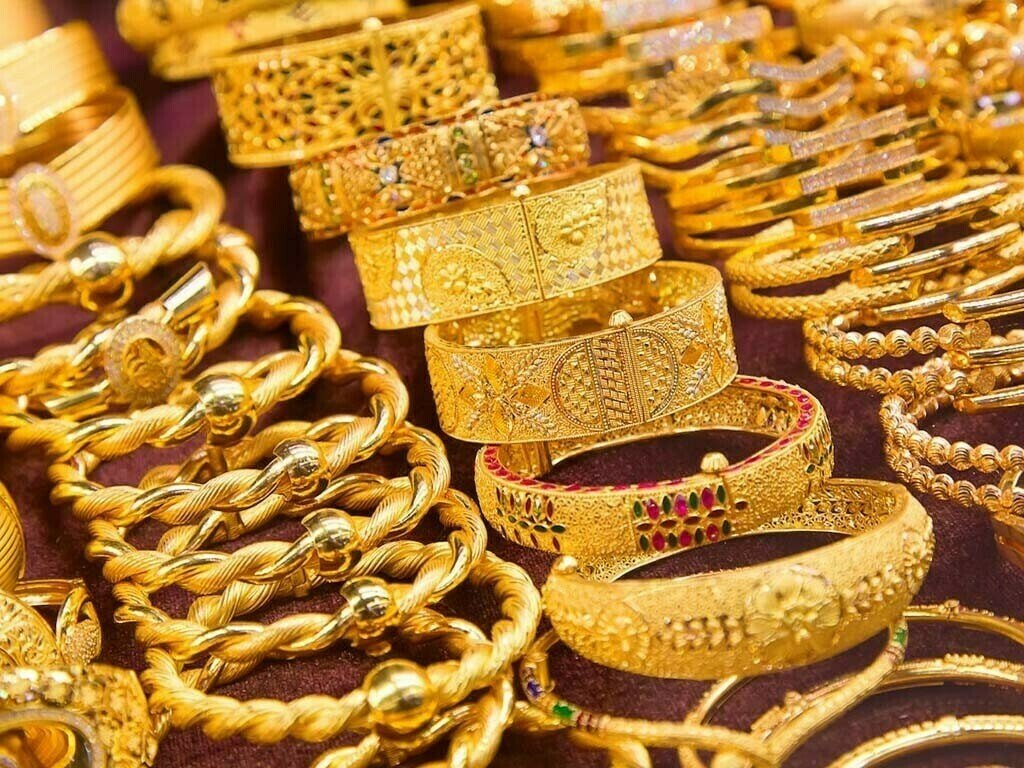
ISLAMABAD — The price of gold in Pakistan’s local markets experienced a significant decline on Tuesday, as the rate for 24-karat gold per tola fell by Rs1,800, settling at Rs455,736. This adjustment was reported by the All Pakistan Sarafa Gems and Jewellers Association, reflecting shifts in the global and domestic economic landscape.
What Happened
The All Pakistan Sarafa Gems and Jewellers Association announced a notable decrease in gold prices, with the cost of 24-karat gold per tola dropping by Rs1,800. The price for 10 grams of 24-karat gold also saw a reduction, aligning with the broader trend observed in the precious metals market. This decline is attributed to fluctuations in international gold prices and changes in the local currency exchange rates.
Market analysts suggest that the decrease in gold prices is influenced by several factors, including the strengthening of the Pakistani rupee against the US dollar and the global economic conditions impacting commodity markets. As gold is often considered a safe-haven asset, its price tends to fluctuate based on investor sentiment and economic stability.
According to the association, the price adjustments are part of regular market dynamics and are influenced by both domestic and international factors. The local gold market is sensitive to changes in the international market, where prices are affected by the US Federal Reserve’s policy decisions, geopolitical tensions, and economic data releases.
Background
Historically, gold has been a preferred investment option in Pakistan, serving as a hedge against inflation and currency depreciation. The country’s gold market is largely driven by consumer demand, particularly during wedding seasons and festive occasions when gold jewelry purchases surge.
In recent years, Pakistan’s gold market has experienced volatility due to economic challenges, including inflationary pressures and currency fluctuations. The government’s economic policies and international trade dynamics also play a crucial role in shaping the market trends.
Globally, gold prices are influenced by a myriad of factors, including central bank policies, interest rates, and geopolitical events. The precious metal’s value is often inversely related to the strength of the US dollar; hence, any fluctuations in the dollar can significantly impact gold prices worldwide.
Why It Matters
The decline in gold prices holds significant implications for various stakeholders in Pakistan. For consumers, particularly those planning weddings or other significant events, the reduced prices may present an opportune moment to purchase gold jewelry. This could potentially boost consumer spending in the short term.
For investors, the decrease in gold prices might signal a shift in investment strategies. Those holding gold as a long-term investment may reassess their portfolios in light of the current market conditions. The drop in prices could also attract new investors looking to capitalize on lower entry points.
Economically, the reduction in gold prices could impact Pakistan’s trade balance. As a major importer of gold, lower prices might reduce the overall import bill, positively affecting the country’s foreign exchange reserves. However, the long-term economic impact will depend on the sustainability of these price levels and broader economic trends.
On a broader scale, the fluctuation in gold prices is indicative of the ongoing economic uncertainties faced globally. As markets continue to react to geopolitical tensions and economic policies, gold prices will remain a key indicator of investor confidence and economic stability.
Key Takeaways
- The price of 24-karat gold per tola in Pakistan decreased by Rs1,800, settling at Rs455,736.
- The decline is influenced by international market trends and local currency fluctuations.
- Lower gold prices may boost consumer spending, particularly in the jewelry sector.
- The drop could affect investment strategies and Pakistan’s trade balance.
- Gold prices remain a barometer of global economic stability and investor sentiment.
Source Attribution
This article is based on official government statements, press releases, and public communications from relevant authorities.