
Pakistan

News related to Pakistan in Pakistan and around the world.

Pakistan

Minister Qasim Noon Condemns Disparaging Remarks About Martyrs

LAHORE — Federal Minister and Chairman of the Parliamentary Committee on Kashmir, Rana Muhammad Qasim Noon, has strongly condemned inappropriate statements made about the country’s martyrs. Speaking at the Lahore Chamber of Commerce on July 18, Noon emphasized the nation’s indebtedness to the sacrifices made by these individuals. What Happened During his address to the business community at the Lahore Chamber of Commerce, Federal Minister Rana Muhammad Qasim Noon expressed his disapproval of recent statements that he deemed disrespectful towards the martyrs of Pakistan. Noon highlighted the significant contributions and sacrifices of these individuals, asserting that the nation owes its security and peace to their ultimate sacrifices. Noon stated, “Inappropriate statements about the martyrs are condemnable. The entire nation is indebted to their sacrifices.” His remarks came in response to comments circulating in public discourse that have been perceived as undermining the valor and dedication of those who have laid down their lives for the country. The minister’s speech aimed to reinforce the respect and honor that should be accorded to martyrs, urging the public and officials alike to maintain a tone of reverence when discussing such sensitive topics. He called upon the nation to remember the sacrifices of these individuals, particularly in the context of ongoing regional tensions and security challenges. Background Pakistan has a long history of military and civilian personnel who have sacrificed their lives in the line of duty, particularly in conflicts related to the Kashmir region and the fight against terrorism. The country observes several national days to honor these martyrs, including Defence Day and Martyrs’ Day, which serve as reminders of their contributions to national security and sovereignty. In recent years, the discourse around martyrs has occasionally been marred by controversial statements from various quarters, leading to public outcry and demands for respect towards those who have served the nation. The government has consistently reiterated its commitment to honoring the sacrifices of martyrs, often through official ceremonies and public statements. Why It Matters The issue of respecting martyrs holds significant social and political weight in Pakistan. The military and security forces are deeply revered institutions, and any perceived slight against them or their fallen members can lead to widespread public disapproval. Such statements can also have broader implications for national unity, particularly in a country where security concerns remain a pressing issue. By addressing the business community, Noon sought to underscore the importance of collective respect for martyrs across all sectors of society. His remarks serve as a reminder of the ongoing sacrifices made by security personnel, especially in regions like Kashmir, where tensions remain high. This call for respect also aligns with the government’s broader narrative of maintaining national solidarity and resilience against external threats. Economically, maintaining a respectful discourse around national heroes can contribute to social stability, which is crucial for attracting investment and fostering a conducive business environment. Politically, it reinforces the government’s stance on national security and its commitment to honoring those who protect it. Key Takeaways Federal Minister Rana Muhammad Qasim Noon condemned inappropriate statements about martyrs during a speech at the Lahore Chamber of Commerce. Noon emphasized the nation’s indebtedness to the sacrifices of martyrs, calling for respect and honor in public discourse. The issue of respecting martyrs is significant in Pakistan due to the revered status of military and security forces. Maintaining respect for martyrs contributes to national unity and social stability, which are vital for economic and political resilience. Noon’s remarks align with the government’s narrative of solidarity and resilience against external threats. Source Attribution This article is based on official government statements, press releases, and public communications from relevant authorities. Author: NEN Editorial Desk | Editor: NEN Newsroom | Fact Checked By: NEN Editorial Team Author: NEN Editorial Desk  |  Editor: NEN Newsroom  |  Last Updated: July 19, 2026  |  Source: NEN Reporter This article was produced by the NEN Editorial Desk in accordance with NEN Agency’s Editorial Policy and Fact-Checking Policy.
Pakistan

41st Anniversary of Shaheed Mir Shahnawaz Bhutto Commemorated in Larkana

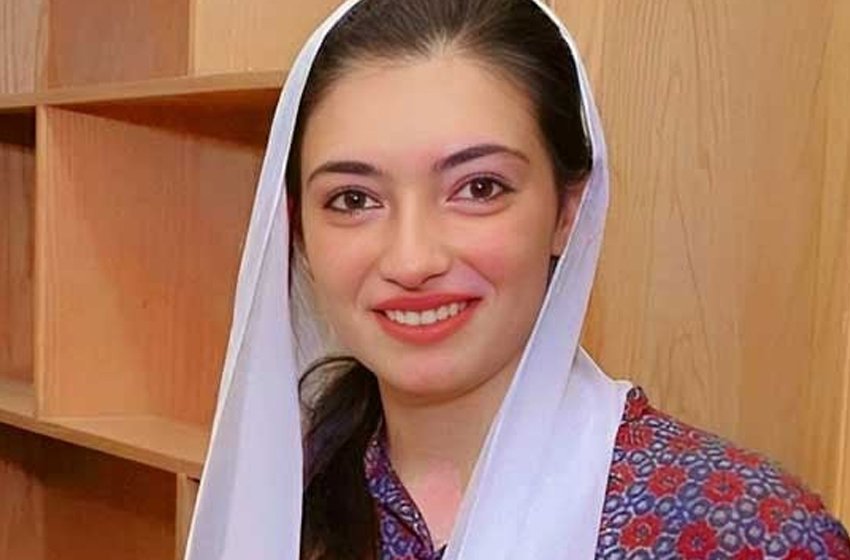
LARKANA — The 41st martyrdom anniversary of Shaheed Mir Shahnawaz Bhutto was solemnly observed at Bhutto House in Naudero on Tuesday. First Lady and Member of the National Assembly Bibi Asifa Bhutto Zardari, along with Shaheed Mir Shahnawaz Bhutto’s daughter, Sassi Bhutto, paid tribute to the late leader, participating in Quran Khawani to honor his memory. What Happened The event, held at the historic Bhutto House, was attended by family members, political figures, and supporters who gathered to remember the contributions of Shaheed Mir Shahnawaz Bhutto. Bibi Asifa Bhutto Zardari, representing the Bhutto family, emphasized the enduring legacy of Shahnawaz Bhutto’s commitment to democracy and social justice. During the ceremony, Quran Khawani was conducted, a traditional Islamic practice of reciting the Quran, to pray for the departed soul. Sassi Bhutto, the daughter of Shahnawaz Bhutto, expressed her gratitude to the attendees and reiterated the importance of her father’s ideals in today’s political landscape. She stated, “My father’s vision for a just and equitable society continues to inspire us all. We must carry forward his mission with dedication and resolve.” The commemoration served as a reminder of the sacrifices made by the Bhutto family in their pursuit of democratic principles in Pakistan. The gathering also provided an opportunity for the attendees to reflect on the current political climate and the challenges faced by the nation. Background Shaheed Mir Shahnawaz Bhutto, the son of former Prime Minister Zulfikar Ali Bhutto, was a prominent figure in Pakistan’s political history. Born into a family deeply entrenched in the country’s political fabric, Shahnawaz Bhutto was known for his activism and commitment to his father’s vision of a democratic Pakistan. Tragically, his life was cut short under mysterious circumstances in 1985 while he was in France, a loss that is still mourned by many in Pakistan. The Bhutto family has been a significant force in Pakistan’s political landscape, with members holding various key positions over the decades. The family’s legacy is marked by both their political achievements and the sacrifices they have made, including the assassinations of Zulfikar Ali Bhutto and Benazir Bhutto. Why It Matters The observance of Shaheed Mir Shahnawaz Bhutto’s martyrdom anniversary is a poignant reminder of the ongoing struggle for democracy and social justice in Pakistan. The Bhutto family, despite facing numerous adversities, remains a symbol of resilience and commitment to democratic ideals. This event highlights the enduring influence of the Bhutto legacy on Pakistan’s political discourse. Politically, the Bhutto family continues to wield significant influence, particularly through the Pakistan Peoples Party (PPP), which has been a major political force in the country. The commemoration of Shahnawaz Bhutto’s anniversary serves to rally supporters around the core principles of the PPP and reinforces the party’s historical narrative of sacrifice and service. Socially, the event underscores the importance of remembering historical figures who have contributed to the nation’s development. It also provides an opportunity for reflection on the current state of governance and the need for continued efforts towards achieving the democratic ideals envisioned by leaders like Shahnawaz Bhutto. Key Takeaways The 41st martyrdom anniversary of Shaheed Mir Shahnawaz Bhutto was observed at Bhutto House, Naudero. Bibi Asifa Bhutto Zardari and Sassi Bhutto participated in Quran Khawani to honor his memory. Shahnawaz Bhutto’s legacy continues to inspire efforts towards democracy and social justice in Pakistan. The Bhutto family remains a significant political force, with a history marked by both achievements and sacrifices. The event highlights the enduring influence of the Bhutto legacy on Pakistan’s political landscape. Source Attribution This article is based on official government statements, press releases, and public communications from relevant authorities. Author: NEN Editorial Desk | Editor: NEN Newsroom | Fact Checked By: NEN Editorial Team Author: NEN Editorial Desk  |  Editor: NEN Newsroom  |  Last Updated: July 19, 2026  |  Source: NEN Reporter This article was produced by the NEN Editorial Desk in accordance with NEN Agency’s Editorial Policy and Fact-Checking Policy.
Pakistan

Minister Shafay Hussain Announces Incentives for Industrial Units

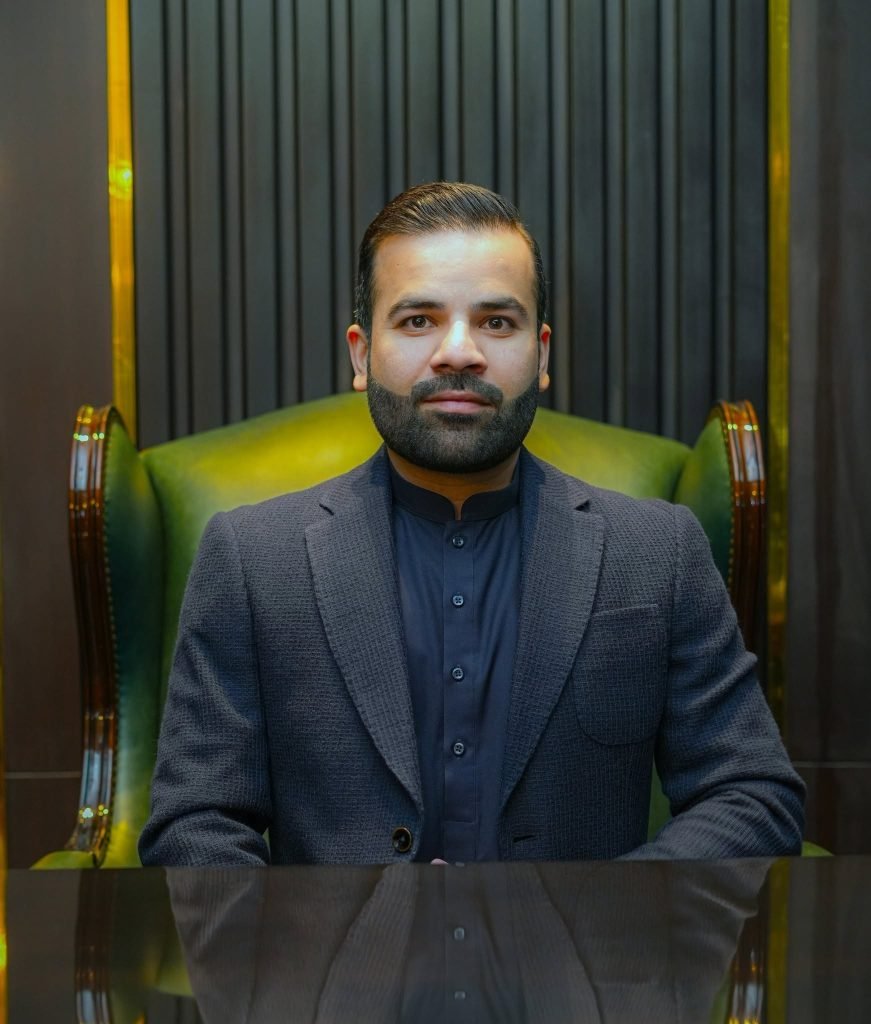
LAHORE — Provincial Minister for Industries, Commerce and Investment Chaudhry Shafay Hussain announced new incentives and tax concessions aimed at encouraging the establishment of industrial units in Punjab. Speaking at the inauguration of the 11th Colour & Chem Expo on Saturday, Hussain detailed the Punjab government’s latest industrial policy, which includes attractive leasing terms and expedited approvals. What Happened Chaudhry Shafay Hussain, addressing the media at the expo, revealed that the Punjab government has introduced a new industrial policy designed to promote investment in free industrial zones. The policy features a four-year lease offer for industrial units, which is expected to make it easier for businesses to establish operations. Additionally, the policy promises a streamlined process for obtaining a No Objection Certificate (NOC), reducing the time to just 30 days. Minister Hussain emphasized that these measures are part of a broader strategy to boost economic growth and industrial development in the region. He stated, “The government is committed to creating a business-friendly environment that attracts both local and foreign investors.” The minister also highlighted that these incentives are tailored to support small and medium enterprises (SMEs), which are vital to the province’s economic fabric. The announcement was made during the 11th Colour & Chem Expo, an event that brings together industry leaders and stakeholders from the chemical and colorant sectors. The expo serves as a platform for showcasing innovations and fostering partnerships within the industry. Background Punjab’s industrial sector has been a focal point for the provincial government, which has been striving to enhance its competitiveness and attractiveness to investors. Historically, the region has faced challenges such as bureaucratic hurdles and inadequate infrastructure, which have impeded industrial growth. Previous policies have aimed at addressing these issues, but the new industrial policy marks a significant shift towards more proactive measures. The introduction of free industrial zones is part of a larger effort to decentralize industrial activity and distribute economic benefits more evenly across the province. Why It Matters The new industrial policy is expected to have a substantial impact on Punjab’s economic landscape. By offering incentives such as tax concessions and expedited NOC processes, the government aims to reduce the cost and complexity of setting up industrial units. This is likely to attract a wave of new investments, which could lead to increased job creation and economic activity. Economically, the policy could help diversify Punjab’s industrial base, reducing reliance on traditional sectors and encouraging the growth of new industries. This diversification is crucial for enhancing the region’s resilience to economic shocks and fostering sustainable development. Socially, the policy’s emphasis on supporting SMEs is significant, as these enterprises are often key drivers of employment and innovation. By facilitating their growth, the government can help improve living standards and reduce poverty in the province. On a broader scale, the policy aligns with Pakistan’s national objectives of boosting industrial output and exports. By strengthening Punjab’s industrial sector, the policy contributes to the country’s overall economic goals, potentially improving its trade balance and international competitiveness. Key Takeaways The Punjab government has introduced a new industrial policy with incentives for setting up industrial units. The policy includes a four-year lease offer and a 30-day NOC process for free industrial zones. The measures aim to attract local and foreign investment, particularly benefiting SMEs. This initiative is expected to boost job creation, economic diversification, and regional development. The policy supports Pakistan’s broader economic objectives of increasing industrial output and exports. Source Attribution This article is based on official government statements and public communications from relevant authorities. Author: NEN Editorial Desk | Editor: NEN Newsroom | Fact Checked By: NEN Editorial Team Author: NEN Editorial Desk  |  Editor: NEN Newsroom  |  Last Updated: July 18, 2026  |  Source: Press Release from Government of Punjab This article was produced by the NEN Editorial Desk in accordance with NEN Agency’s Editorial Policy and Fact-Checking Policy.
Pakistan

Minister Defends Petrol Pricing Amid Anti-Corruption Drive

ISLAMABAD — Minister of State for Law and Justice Barrister Aqeel Malik reaffirmed the government’s commitment to its petrol pricing policy on Saturday, amid an ongoing campaign against corruption. The initiative, directed by Prime Minister Shehbaz Sharif, aims to ensure accountability across all sectors without any concessions. What Happened Barrister Aqeel Malik, speaking at a press conference, emphasized the government’s unwavering stance on maintaining its current petrol pricing strategy. He stated that the policy is crucial for economic stability and aligns with the broader anti-corruption campaign spearheaded by the Prime Minister. Malik noted, “The government is determined to uphold transparency and accountability, and no one will be allowed to hinder these efforts.” The Minister highlighted that the campaign is part of a larger effort to root out corruption from all levels of government and public service. He warned that any attempts to obstruct these initiatives would be met with strict action. The government’s stance comes in response to criticism from various quarters, including political opponents and consumer rights groups, who have questioned the rationale behind the current petrol pricing. Malik defended the pricing policy by pointing out that it reflects global oil market trends and is necessary to manage the fiscal deficit. He assured that the government is taking steps to mitigate the impact on the most vulnerable segments of society through targeted subsidies and social welfare programs. Background Pakistan’s petrol pricing policy has been a contentious issue for years, often influenced by fluctuations in international oil prices and domestic economic conditions. The country imports a significant portion of its oil, making it susceptible to global market volatility. Historically, governments have struggled to balance consumer affordability with fiscal responsibility. The current administration, under Prime Minister Shehbaz Sharif, has prioritized economic reforms and anti-corruption measures as key components of its governance strategy. This includes efforts to enhance transparency in public spending and reduce fiscal waste. Previous governments have faced challenges in implementing consistent petrol pricing policies, often resorting to subsidies that strain the national budget. The current policy aims to align domestic prices with international trends while ensuring that the fiscal deficit remains manageable. Why It Matters The government’s firm stance on petrol pricing and anti-corruption is significant for several reasons. Economically, maintaining a stable pricing policy helps manage inflation and ensures that fiscal resources are allocated efficiently. By resisting populist pressures to reduce prices artificially, the government aims to maintain macroeconomic stability. Socially, the policy has implications for the cost of living, particularly for low-income households. The government’s commitment to providing targeted subsidies is crucial in cushioning these groups from the full impact of price adjustments. This approach is intended to strike a balance between economic necessity and social equity. Politically, the anti-corruption campaign reinforces the government’s image as a reform-oriented administration. By taking a hard line against corruption, the government seeks to build public trust and demonstrate its commitment to good governance. This is particularly important in a country where public confidence in political institutions has historically been low. Internationally, a transparent and accountable governance framework enhances Pakistan’s credibility with foreign investors and international financial institutions. It signals a commitment to reform and stability, which can attract investment and aid needed for economic growth. Key Takeaways The government is committed to maintaining its current petrol pricing policy amid global market trends. An anti-corruption campaign is underway, with no concessions for those obstructing it. Targeted subsidies are planned to protect vulnerable populations from price impacts. The policy aims to balance economic stability with social equity. Efforts to enhance transparency are crucial for building public trust and attracting international investment. Source Attribution This article is based on official government statements and public communications from relevant authorities. Author: NEN Editorial Desk | Editor: NEN Newsroom | Fact Checked By: NEN Editorial Team Author: NEN Editorial Desk  |  Editor: NEN Newsroom  |  Last Updated: July 18, 2026  |  Source: NEN Reporter This article was produced by the NEN Editorial Desk in accordance with NEN Agency’s Editorial Policy and Fact-Checking Policy.
Pakistan

Khyber Pakhtunkhwa Champions League Aims to Boost Peaceful Image and Cricket Talent

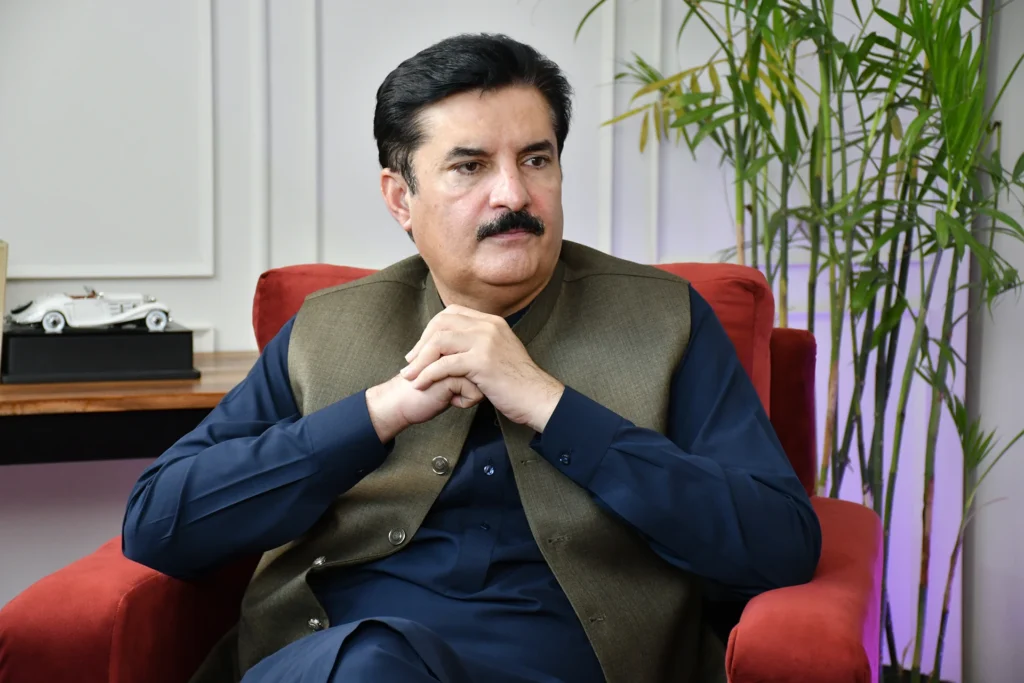
PESHAWAR — Governor Khyber Pakhtunkhwa Faisal Karim Kundi announced on Saturday that the Khyber Pakhtunkhwa Champions League (KCL) is set to enhance the province’s peaceful and progressive image while providing a platform for young cricketers to showcase their skills. Speaking at the vibrant launch ceremony, Governor Kundi emphasized the dual objectives of the league: promoting peace and nurturing local cricket talent. What Happened The launch of the Khyber Pakhtunkhwa Champions League was marked by a lively event attended by various dignitaries, sports enthusiasts, and young athletes. Governor Faisal Karim Kundi highlighted the league’s potential to reshape perceptions of the province by focusing on its peaceful and positive aspects. “The KCL will not only project a peaceful image of Khyber Pakhtunkhwa but will also serve as a platform for our young cricketers to display their talent,” he stated during his address. The league is expected to attract young cricket enthusiasts from across the province, providing them with an opportunity to compete and gain exposure. By organizing such events, the provincial government aims to foster a sense of unity and peace, countering negative stereotypes often associated with the region. The KCL will feature teams from various districts of Khyber Pakhtunkhwa, each competing for the championship title. This initiative is part of a broader strategy to engage youth in constructive activities, thereby promoting social cohesion and reducing the allure of negative influences. Background Khyber Pakhtunkhwa has historically faced challenges related to security and development, which have often overshadowed its rich cultural heritage and potential for growth. Over the years, the provincial government has implemented various initiatives aimed at improving the socio-economic landscape and enhancing the quality of life for its residents. Sports, particularly cricket, have played a significant role in uniting communities and offering a sense of normalcy. The KCL is the latest in a series of efforts to leverage sports as a tool for peacebuilding and youth engagement. Previous initiatives have included the construction of sports facilities and the organization of regional tournaments to encourage participation at the grassroots level. Why It Matters The launch of the Khyber Pakhtunkhwa Champions League holds significant implications for the province and its residents. Economically, the league is expected to stimulate local businesses and create job opportunities, particularly in the hospitality and service sectors. The influx of visitors and participants will likely boost demand for accommodation, food services, and transportation, providing a much-needed economic boost to the region. Socially, the KCL aims to foster a sense of pride and community among the youth, steering them away from negative influences and towards constructive pursuits. By highlighting the province’s peaceful and progressive aspects, the league seeks to challenge and change prevailing stereotypes, promoting a more balanced narrative about Khyber Pakhtunkhwa. Politically, the successful execution of the KCL could enhance the provincial government’s credibility and demonstrate its commitment to peace and development. It also aligns with national efforts to promote sports as a means of achieving broader social objectives, such as youth empowerment and community development. Internationally, the KCL has the potential to attract attention from cricket enthusiasts and sports organizations worldwide, positioning Khyber Pakhtunkhwa as a hub for sporting excellence. This could lead to increased investment in sports infrastructure and talent development, further contributing to the province’s growth and stability. Key Takeaways The Khyber Pakhtunkhwa Champions League aims to promote a peaceful and positive image of the province. The league provides a platform for young cricketers to showcase their talent. The initiative is part of broader efforts to engage youth and promote social cohesion. The KCL is expected to boost local economies by increasing demand for services. Successful execution could enhance the province’s credibility and attract international attention. Source Attribution This article is based on official statements and public communications from the Governor of Khyber Pakhtunkhwa and relevant authorities. Author: NEN Editorial Desk | Editor: NEN Newsroom | Fact Checked By: NEN Editorial Team Author: NEN Editorial Desk  |  Editor: NEN Newsroom  |  Last Updated: July 18, 2026  |  Source: Press Release from Government of Pakistan This article was produced by the NEN Editorial Desk in accordance with NEN Agency’s Editorial Policy and Fact-Checking Policy.
Pakistan

Over 340,000 Register Online for Hajj 2027–2030 in Pakistan

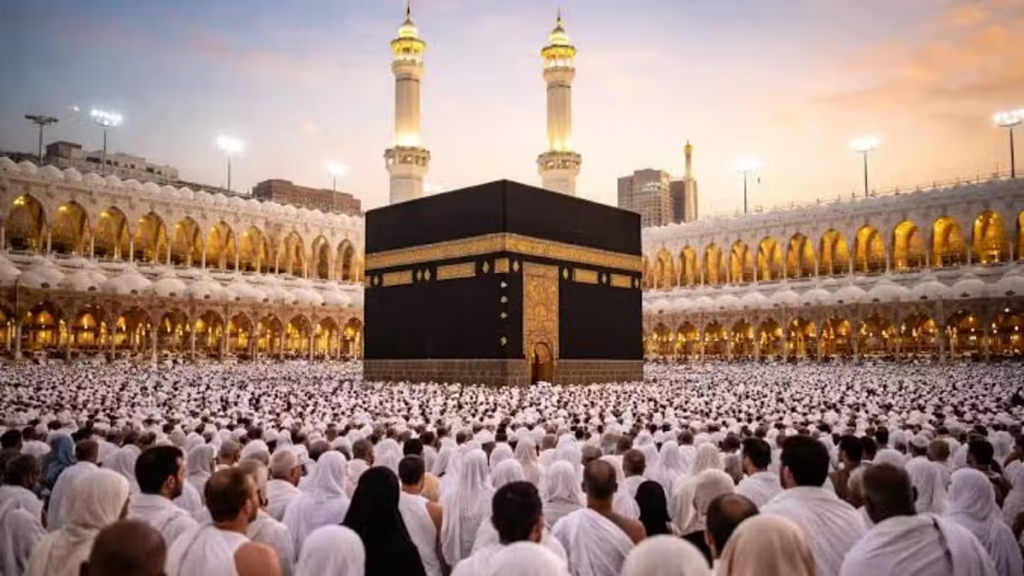
ISLAMABAD — The Ministry of Religious Affairs has announced that online registrations for Hajj 2027–2030 have exceeded 340,000, marking a significant engagement from Pakistani pilgrims. As of July 18, 246,000 applicants have registered under the government Hajj scheme, while 94,000 have opted for the private scheme. What Happened The registration process for Hajj 2027–2030 is currently underway, and the Ministry of Religious Affairs has reported a substantial number of online registrations. The spokesperson for the ministry confirmed that a total of 340,000 individuals have already registered to perform Hajj during the specified years. Of these, 246,000 have chosen the government-managed scheme, which is traditionally subsidized and often preferred for its affordability. Meanwhile, 94,000 applicants have registered through private tour operators, who offer more personalized services. The ministry has facilitated the online registration process to ensure ease and accessibility for all intending pilgrims. This digital approach is part of a broader initiative to streamline Hajj preparations and accommodate the growing number of applicants. The spokesperson emphasized that the online system is designed to handle a large volume of applications efficiently, thus reducing the need for physical paperwork and long queues at registration centers. Applicants are required to submit their personal details, including their national identity card numbers and other relevant documents, through the official Hajj portal. The ministry has also provided guidelines and support to assist applicants in completing the registration process smoothly. The deadline for registration has not yet been announced, but the ministry is encouraging early submissions to ensure all applicants are accommodated. Background Hajj is one of the five pillars of Islam, and every Muslim with the financial and physical means is required to perform it at least once in their lifetime. The government of Pakistan, through the Ministry of Religious Affairs, manages the Hajj operations for Pakistani pilgrims. Historically, the government has offered a subsidized Hajj package to make the pilgrimage more accessible to the general population. In recent years, the government has increasingly utilized technology to facilitate the Hajj registration process. This shift to online registrations aims to improve efficiency and transparency, reducing the chances of errors and fraud. The introduction of digital platforms is part of a larger governmental effort to digitize public services across the country. Why It Matters The significant number of registrations for Hajj 2027–2030 underscores the importance of this religious duty for Pakistani Muslims. The high level of participation reflects the strong religious sentiment and commitment among the population. This also indicates the effectiveness of the government’s digital initiatives in making the registration process more accessible. The move towards online registration is crucial in the context of Pakistan’s broader digital transformation goals. By leveraging technology, the Ministry of Religious Affairs is setting a precedent for other governmental departments to follow. This not only enhances efficiency but also aligns with global trends towards digital governance. Economically, the Hajj pilgrimage is a substantial contributor to the Saudi economy, and Pakistan’s participation plays a vital role in this. The large number of Pakistani pilgrims also highlights the economic impact on local businesses involved in travel, accommodation, and related services. Furthermore, the digital registration process reduces administrative costs and allows the government to allocate resources more effectively. Key Takeaways Over 340,000 Pakistanis have registered online for Hajj 2027–2030. 246,000 applicants opted for the government Hajj scheme, while 94,000 chose private operators. The online registration system aims to streamline the process and improve accessibility. This initiative is part of Pakistan’s broader digital transformation efforts. The high registration numbers reflect strong religious commitment and economic impact. Source Attribution This article is based on official government statements, press releases, and public communications from relevant authorities. Author: NEN Editorial Desk | Editor: NEN Newsroom | Fact Checked By: NEN Editorial Team Author: NEN Editorial Desk  |  Editor: NEN Newsroom  |  Last Updated: July 18, 2026  |  Source: NEN Reporter This article was produced by the NEN Editorial Desk in accordance with NEN Agency’s Editorial Policy and Fact-Checking Policy.

Pakistan

PSIC and SCCI Collaborate on New Industrial Estates in Sialkot

ISLAMABAD — The Punjab Small Industries Corporation (PSIC) and the Sialkot Chamber of Commerce & Industry (SCCI) have engaged in discussions to establish new small industrial estates in Sialkot. The meeting, held on Tuesday, was led by PSIC Regional Director Umar Nawaz and SCCI President Syed Ahtesham Mazhar, focusing on initiatives to bolster industrial development in the region. What Happened The PSIC delegation, under the leadership of Regional Director Umar Nawaz, visited the Sialkot Chamber of Commerce & Industry to explore collaborative efforts in developing new small industrial estates. The discussions were centered around identifying potential sites for these estates and assessing the infrastructure needs to support small and medium enterprises (SMEs) in the area. According to Umar Nawaz, the establishment of new industrial estates is crucial for enhancing the industrial landscape of Sialkot, a city known for its export-oriented industries, particularly in sports goods and surgical instruments. “We are committed to providing the necessary support and infrastructure to facilitate the growth of SMEs,” Nawaz stated during the meeting. SCCI President Syed Ahtesham Mazhar emphasized the importance of these developments for local businesses. He noted that the new estates would not only provide much-needed space for expanding businesses but also create employment opportunities and contribute to the economic growth of the region. “This collaboration with PSIC is a step forward in making Sialkot a hub of industrial activity,” Mazhar remarked. Background The Punjab Small Industries Corporation is a government body responsible for promoting and facilitating the growth of small industries in Punjab. It provides various services, including financial assistance, technical support, and infrastructure development, to enhance the competitiveness of small industries. Sialkot, located in the northeastern part of Punjab, is renowned for its manufacturing prowess, particularly in producing sports goods, leather products, and surgical instruments. The city has a long history of entrepreneurial spirit and has been a significant contributor to Pakistan’s export economy. In recent years, there has been a growing demand for industrial space in Sialkot, driven by the expansion of existing businesses and the establishment of new enterprises. The development of new industrial estates is seen as a strategic move to accommodate this demand and support the region’s economic development. Why It Matters The establishment of new industrial estates in Sialkot holds significant economic implications for the region and the country. By providing dedicated spaces for SMEs, these estates are expected to enhance productivity, foster innovation, and increase exports. This, in turn, could lead to a more robust industrial sector, contributing to national economic growth. From a social perspective, the development of these estates is likely to generate employment opportunities, reducing unemployment rates in the region. As businesses expand and new enterprises are established, the demand for skilled and unskilled labor will rise, benefiting the local workforce. Politically, the collaboration between PSIC and SCCI reflects a proactive approach by the government and industry leaders to address the infrastructural needs of the industrial sector. This partnership is crucial for ensuring that the policies and initiatives align with the needs of the business community, thereby enhancing public-private cooperation. Internationally, the growth of Sialkot’s industrial capacity could strengthen Pakistan’s position in global markets, particularly in sectors where the city already has a competitive edge. By increasing production capabilities, Sialkot can potentially capture a larger share of international trade, boosting foreign exchange earnings. Key Takeaways PSIC and SCCI are collaborating to establish new small industrial estates in Sialkot. The initiative aims to support SMEs by providing necessary infrastructure and space. Sialkot is known for its export-oriented industries, particularly in sports goods and surgical instruments. The development is expected to create employment opportunities and enhance economic growth. This collaboration reflects a strategic public-private partnership to boost industrial development. Source Attribution This article is based on official government statements, press releases, and public communications from relevant authorities. Author: NEN Editorial Desk | Editor: NEN Newsroom | Fact Checked By: NEN Editorial Team Author: NEN Editorial Desk  |  Editor: NEN Newsroom  |  Last Updated: July 18, 2026  |  Source: NEN Reporter This article was produced by the NEN Editorial Desk in accordance with NEN Agency’s Editorial Policy and Fact-Checking Policy.
Pakistan

Gold Prices Surge by Rs2,400 Per Tola in Pakistan

ISLAMABAD — Gold prices in Pakistan experienced a significant increase on Saturday, with 24-karat gold rising by Rs2,400 per tola, according to the All Pakistan Sarafa Gems and Jewellers Association. This adjustment brings the price to Rs 424,236 per tola, reflecting ongoing fluctuations in the precious metals market. What Happened The local gold market saw a notable rise in prices as the rate for 24-karat gold increased by Rs2,400 per tola, reaching Rs 424,236. This change was reported by the All Pakistan Sarafa Gems and Jewellers Association, which regularly issues updates on precious metal prices in the country. The increase is attributed to various factors, including international market trends and local demand dynamics. Gold prices are often influenced by global market conditions, including changes in the US dollar’s value, international demand, and geopolitical tensions. In recent weeks, international gold prices have shown volatility, impacting local markets as well. The rise in local prices aligns with a broader trend of increasing gold prices globally, driven by economic uncertainties and fluctuating currency values. Jewelers and investors in Pakistan closely monitor these price changes, as gold remains a preferred investment and savings vehicle for many. The increase in gold prices can impact consumer behavior, particularly in the jewelry sector, where gold is a staple for weddings and other cultural events. Background Historically, gold has been a significant part of Pakistan’s economy, both as a cultural symbol and a financial asset. The country’s gold market is heavily influenced by international trends, given that Pakistan imports most of its gold. The All Pakistan Sarafa Gems and Jewellers Association plays a crucial role in setting and announcing daily gold prices, which are followed by jewelers across the nation. Over the past few years, gold prices have shown a steady increase, partly due to economic uncertainties exacerbated by the COVID-19 pandemic. As a safe-haven asset, gold tends to attract investors during times of economic instability, leading to price increases. The local market also responds to changes in the international gold market, where prices are affected by factors such as interest rates, inflation, and geopolitical events. Why It Matters The rise in gold prices holds significant implications for Pakistan’s economy and its citizens. For consumers, especially those planning weddings or other significant life events, higher gold prices can increase the cost of jewelry, a traditional and cultural necessity. This can lead to a shift in consumer spending patterns, potentially affecting the broader retail market. Economically, the increase in gold prices can impact inflation rates, as gold is a component of the consumer price index. Higher gold prices can contribute to overall inflation, affecting purchasing power and economic stability. For investors, the rise in gold prices may offer an opportunity for profit, as gold is often seen as a hedge against inflation and currency devaluation. On an international level, the fluctuation in gold prices can affect Pakistan’s trade balance, as the country imports a significant amount of gold. An increase in prices could lead to a higher import bill, impacting foreign exchange reserves and the overall economic outlook. Key Takeaways Gold prices in Pakistan rose by Rs2,400 per tola, reaching Rs 424,236. The increase is influenced by global market trends and local demand. Higher gold prices can affect consumer spending, particularly in the jewelry sector. Economic implications include potential impacts on inflation and trade balance. Gold remains a key investment and cultural asset in Pakistan. Source Attribution This article is based on official statements and public communications from the All Pakistan Sarafa Gems and Jewellers Association. Author: NEN Editorial Desk | Editor: NEN Newsroom | Fact Checked By: NEN Editorial Team Author: NEN Editorial Desk  |  Editor: NEN Newsroom  |  Last Updated: July 18, 2026  |  Source: NEN Reporter This article was produced by the NEN Editorial Desk in accordance with NEN Agency’s Editorial Policy and Fact-Checking Policy.
Pakistan

AI and IT Exports Crucial for Pakistan’s Economic Growth: Ahsan Iqbal

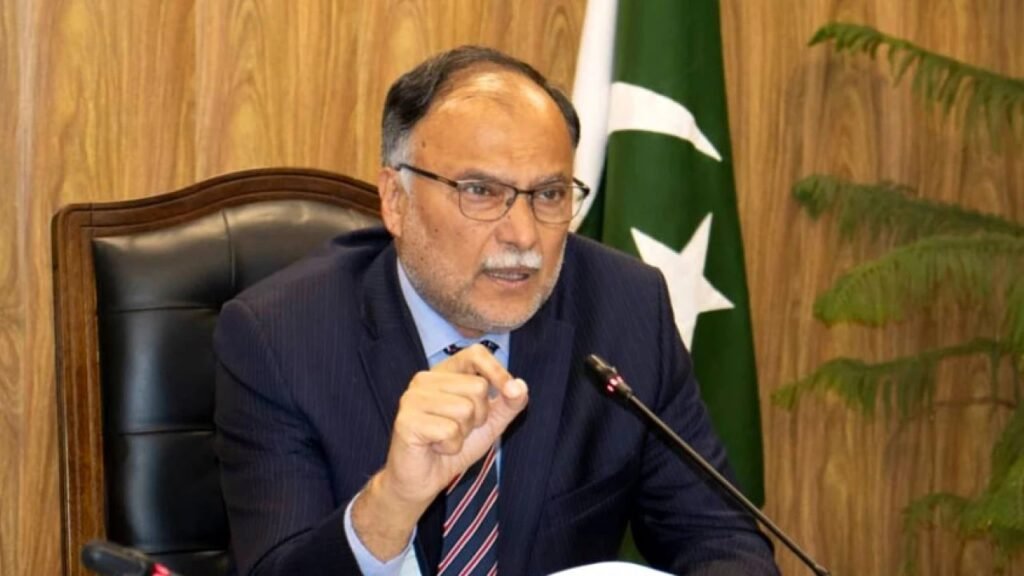
LAHORE — Federal Minister for Planning, Development and Special Initiatives Ahsan Iqbal emphasized on Saturday that Artificial Intelligence (AI) and Information Technology (IT) exports are pivotal for Pakistan’s economic future. Speaking at a conference in Lahore, he highlighted the potential of these sectors to drive economic growth without the need for large-scale industrial infrastructure. What Happened During his address, Minister Ahsan Iqbal underscored the transformative potential of AI and IT exports for Pakistan’s economy. He noted that the success in these sectors does not hinge on substantial physical infrastructure or heavy capital investments. Instead, it relies on the country’s pool of talented individuals, their knowledge, and innovative capabilities. “Our youth have the potential to lead the world in technology and innovation,” he stated, urging the government and private sector to invest in nurturing this talent. Iqbal pointed out that Pakistan’s current economic challenges could be alleviated through strategic investments in the IT sector. He called for a focus on enhancing the digital skills of the workforce to meet global standards, thereby increasing the country’s competitiveness in the international market. The minister also highlighted the importance of creating a conducive environment for startups and tech companies to flourish. The minister’s remarks come at a time when Pakistan is striving to boost its exports and reduce its trade deficit. The IT sector, with its relatively low entry barriers and high potential returns, is seen as a promising avenue for achieving these goals. Background Pakistan’s IT sector has been growing steadily over the past decade, contributing significantly to the country’s GDP. The government has implemented various initiatives to bolster this growth, including tax incentives for IT companies and the establishment of technology parks. Despite these efforts, the sector still faces challenges such as inadequate infrastructure, limited access to capital, and a shortage of skilled professionals. Historically, Pakistan’s economy has been heavily reliant on agriculture and textiles. However, with the global shift towards digital economies, there is a growing recognition of the need to diversify and strengthen the IT sector. Previous government efforts have included the Digital Pakistan initiative, which aims to improve internet connectivity and digital literacy across the country. Why It Matters The emphasis on AI and IT exports is crucial for several reasons. Economically, these sectors offer a pathway to diversify Pakistan’s export portfolio, which has traditionally been dominated by textiles. By tapping into the global IT market, Pakistan can increase its foreign exchange earnings and reduce its trade deficit. Socially, the development of the IT sector can lead to job creation and skill development, particularly among the youth. With a significant portion of Pakistan’s population under the age of 30, there is a pressing need to provide employment opportunities that align with global technological trends. Enhancing digital literacy and skills can empower young Pakistanis to compete in the global job market. On an international level, strengthening the IT sector can improve Pakistan’s standing as a competitive player in the global economy. By exporting technology and innovation, Pakistan can build stronger economic ties with other countries and attract foreign investment. Key Takeaways AI and IT exports are seen as key drivers for Pakistan’s economic growth. Minister Ahsan Iqbal emphasized the potential of the IT sector to overcome economic challenges. Investment in digital skills and infrastructure is crucial for enhancing competitiveness. Developing the IT sector can diversify Pakistan’s export portfolio and create jobs. Strengthening the IT sector can improve Pakistan’s international economic standing. Source Attribution This article is based on official statements and public communications from relevant authorities. Author: NEN Editorial Desk | Editor: NEN Newsroom | Fact Checked By: NEN Editorial Team Author: NEN Editorial Desk  |  Editor: NEN Newsroom  |  Last Updated: July 18, 2026  |  Source: NEN Reporter This article was produced by the NEN Editorial Desk in accordance with NEN Agency’s Editorial Policy and Fact-Checking Policy.

Pakistan

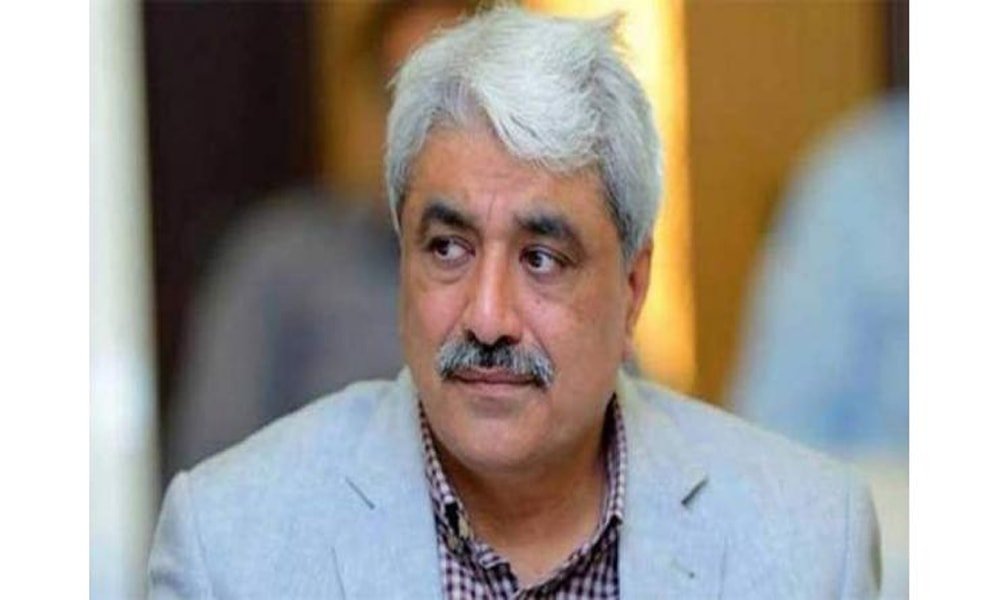
Punjab Health Minister Oversees Key Decisions at Fatima Jinnah Medical University

LAHORE — Punjab Health Minister Khawaja Salman Rafique presided over the 44th Syndicate Meeting of Fatima Jinnah Medical University (FJMU) on Saturday, where pivotal administrative, academic, and financial decisions were made to enhance the university’s operations and affiliated healthcare institutions. What Happened The meeting, held at the university’s campus, focused on several critical areas aimed at bolstering the institution’s effectiveness and service delivery. During the session, the syndicate ratified the decisions made in the previous 43rd meeting, ensuring continuity and progress in the university’s strategic plans. Among the approved measures were enhancements to the university’s academic programs, improvements in administrative procedures, and financial strategies to support these initiatives. Health Minister Khawaja Salman Rafique emphasized the importance of these decisions, stating, “The steps we are taking today will significantly impact the quality of education and healthcare services provided by Fatima Jinnah Medical University and its affiliates.” The meeting also addressed ongoing projects and discussed new proposals to further develop the university’s infrastructure and educational offerings. Additionally, the syndicate reviewed reports on the university’s current performance metrics, identifying areas for improvement and setting targets for the upcoming academic year. The focus was not only on academic excellence but also on expanding research capabilities and fostering partnerships with other medical institutions both nationally and internationally. Background Fatima Jinnah Medical University, established in 1948, has been a cornerstone of medical education in Pakistan. Named after Fatima Jinnah, the sister of Pakistan’s founding father Muhammad Ali Jinnah, the university has a rich history of producing skilled medical professionals. The institution is affiliated with several hospitals, including Sir Ganga Ram Hospital, which serves as a primary teaching hospital. The syndicate, a governing body of the university, plays a crucial role in shaping the institution’s policies and strategic direction. Regular meetings are held to assess progress, approve new initiatives, and address challenges faced by the university and its affiliated institutions. Why It Matters The decisions made during the 44th Syndicate Meeting are significant for several reasons. Firstly, they demonstrate a commitment to improving the quality of medical education in Pakistan, which is essential for addressing the country’s healthcare challenges. By enhancing academic programs and research capabilities, FJMU aims to produce graduates who are well-equipped to meet the demands of the healthcare sector. Economically, the improvements in administrative and financial strategies are expected to optimize resource allocation, ensuring that funds are used effectively to support educational and healthcare initiatives. This is particularly important in a country where healthcare resources are often limited, and efficient management can lead to better outcomes for patients and students alike. Politically, the active involvement of the Punjab Health Minister underscores the government’s commitment to strengthening public health institutions. This involvement can foster confidence among stakeholders, including students, faculty, and the general public, in the government’s ability to support and enhance educational and healthcare services. On an international level, the university’s efforts to expand partnerships with other medical institutions highlight Pakistan’s desire to engage with the global medical community. These collaborations can lead to knowledge exchange, joint research projects, and increased opportunities for students and faculty. Key Takeaways Punjab Health Minister Khawaja Salman Rafique chaired the 44th Syndicate Meeting of FJMU. Key administrative, academic, and financial decisions were approved to enhance the university. The meeting ratified decisions from the previous syndicate meeting to ensure continuity. Focus areas included academic program enhancements and research capability expansion. The meeting reflects the government’s commitment to improving medical education in Pakistan. Source Attribution This article is based on official government statements, press releases, and public communications from relevant authorities. Author: NEN Editorial Desk | Editor: NEN Newsroom | Fact Checked By: NEN Editorial Team Author: NEN Editorial Desk  |  Editor: NEN Newsroom  |  Last Updated: July 18, 2026  |  Source: Press Release from Government of Pakistan This article was produced by the NEN Editorial Desk in accordance with NEN Agency’s Editorial Policy and Fact-Checking Policy.

Scroll to Top