
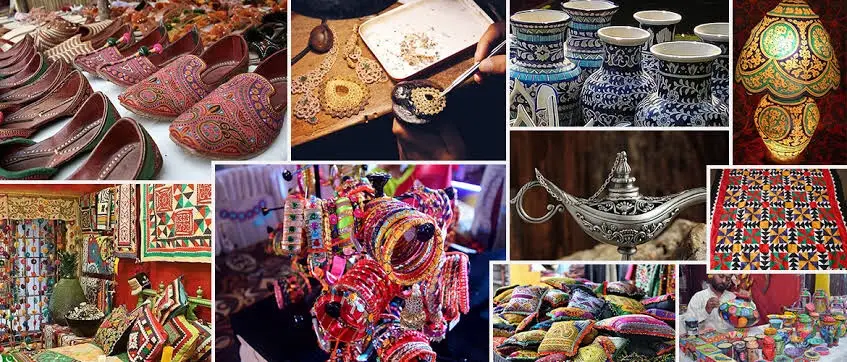
ISLAMABAD — Climate change is posing a significant threat to the traditional craftsmanship of South Punjab, a region renowned for its centuries-old craft traditions. The effects of climate change, while often discussed in terms of agriculture and natural disasters, are now extending to the cultural heritage sector, affecting the livelihoods of artisans and the preservation of cultural practices.
What Happened
In South Punjab, the intricate and vibrant craft traditions that have been passed down through generations are facing unprecedented challenges due to climate change. Artisans in this region, known for their skills in pottery, weaving, and embroidery, are experiencing disruptions in their craft production processes. Rising temperatures, altered rainfall patterns, and increased frequency of extreme weather events are impacting the availability of raw materials essential for these crafts.
For instance, the clay used in pottery is becoming harder to source as soil conditions change. Similarly, the natural dyes used in traditional weaving and embroidery are affected by the changing climate, leading to a scarcity of materials and an increase in production costs. Artisans are finding it increasingly difficult to maintain the quality and authenticity of their products, which are integral to their cultural identity and economic survival.
According to local craftsmen, the unpredictability of weather patterns has also disrupted traditional methods of production. “We used to rely on specific seasons for harvesting raw materials, but now everything is uncertain,” said a local artisan. “The quality of our crafts is suffering, and so is our income.”
Background
South Punjab has a rich history of craftsmanship, with its artisans known for producing unique and culturally significant items. These crafts not only serve as a source of income for many families but also play a crucial role in preserving the cultural heritage of the region. Historically, the region’s crafts have been supported by a stable climate that allowed for the consistent availability of natural resources.
In recent years, however, climate change has emerged as a formidable challenge. The region has experienced a rise in temperature and a shift in rainfall patterns, which have had a direct impact on agriculture and, by extension, the availability of raw materials for crafts. This situation is exacerbated by a lack of awareness and resources to adapt to these changes.
Why It Matters
The impact of climate change on South Punjab’s crafts is significant not only for the artisans but also for the cultural and economic fabric of the region. Crafts are a vital part of Pakistan’s cultural identity and contribute to the country’s economy through tourism and exports. The decline in traditional crafts could lead to a loss of cultural heritage and economic opportunities.
Moreover, the challenges faced by artisans highlight the broader issue of climate change’s impact on cultural heritage globally. As climate change continues to alter environments, traditional practices that rely on natural resources are increasingly at risk. This situation calls for urgent measures to support artisans in adapting to these changes, such as providing access to alternative materials and promoting sustainable practices.
For Pakistan, addressing the impact of climate change on crafts is crucial for preserving its cultural heritage and supporting the livelihoods of those who depend on these traditions. It also underscores the need for comprehensive climate adaptation strategies that include cultural preservation as a key component.
Key Takeaways
- Climate change is threatening South Punjab’s traditional crafts by disrupting the availability of raw materials.
- Artisans are facing increased production costs and challenges in maintaining the quality of their crafts.
- The decline in traditional crafts could lead to a loss of cultural heritage and economic opportunities in Pakistan.
- There is a need for urgent measures to help artisans adapt to climate change, including sustainable practices and alternative materials.
- This issue highlights the broader impact of climate change on cultural heritage globally.
Source Attribution
This article is based on official government statements, press releases, and public communications from relevant authorities.














