
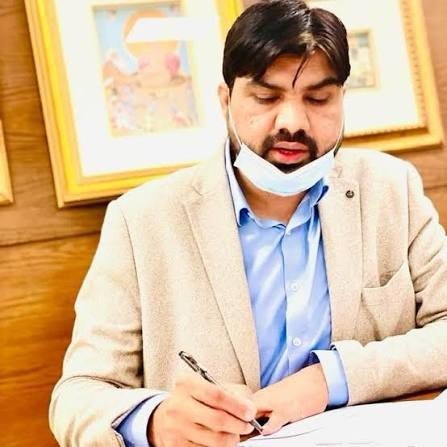
ISLAMABAD — Consultant Pulmonologist Dr. Rashid Ali Daudpota warns of escalating dust pollution in Pakistan, posing significant public health risks. He highlights Karachi as severely impacted and urges action through tree plantations and other measures to protect health.
Recent Developments
On June 27, Dr. Rashid Ali Daudpota addressed concerns over dust pollution in Pakistan, particularly Karachi. The rising dust levels contribute to poor air quality, threatening public health. He emphasized Karachi’s alarming situation with high dust pollution levels.
Dr. Daudpota calls for immediate intervention to combat this issue. He advocates tree plantations as a natural way to improve air quality and lung health. “Dust pollution is a direct threat to health,” he stated, stressing governmental and community efforts are crucial.
Amid rising reports of respiratory issues linked to poor air quality, Dr. Daudpota advises the public to wear masks and use air purifiers in polluted areas.
Background Context
Dust pollution persists in Pakistan, worsened by urbanization, industrial activity, and limited green spaces. Karachi, as Pakistan’s largest city, faces unique challenges with its dense population and industries, historically struggling with severe air pollution.
The government has initiated projects to reduce pollution through green spaces and stricter emissions regulations. However, limited resources and enforcement have hindered these efforts.
Why It Matters
Dust pollution impacts public health and the economy. Poor air quality causes respiratory infections, heart disease, and lung cancer. Economically, it results in higher healthcare costs and reduced productivity.
For Karachi, persistent health issues threaten economic productivity and its reputation as a livable city, affecting investment and workforce attractiveness.
Tackling dust pollution is vital for improving life quality and ensuring sustainable economic growth. The call for tree planting underscores the need for a comprehensive approach involving both policy and community efforts.
Key Points to Note
- Dust pollution poses a growing public health threat in Pakistan; Karachi is the most affected.
- Dr. Daudpota emphasizes tree plantation and preventive measures.
- Karachi’s air issues are linked to urbanization and industry.
- Pollution presents major health risks and economic challenges.
- A comprehensive response involving government and community is necessary.














