ISLAMABAD — The Federation of Pakistan Chambers of Commerce and Industry (FPCCI) and the Pakistan Electronic Media Regulatory Authority (PEMRA) jointly organized a seminar titled “National Dialogue on the Future of Pakistan’s Digital Media” on Thursday. The event aimed to address the evolving landscape of digital media in Pakistan and the role of media in national development during challenging times.
What Happened
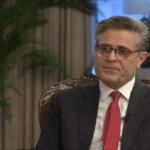
The seminar, held at the FPCCI headquarters, brought together key stakeholders from the media industry, government, and business sectors to discuss the future trajectory of digital media in Pakistan. FPCCI President Atif Ikram Sheikh highlighted the crucial role media has played historically, stating, “Whenever Pakistan faced challenging times, the media and national leadership had played a responsible and constructive role.” The seminar featured discussions on regulatory frameworks, the economic impact of digital media, and strategies to harness its potential for national growth.
Participants included representatives from major media houses, digital content creators, and policy makers. The dialogue focused on enhancing collaboration between the private sector and regulatory bodies to foster a conducive environment for digital media growth. PEMRA officials emphasized the importance of updating regulatory policies to keep pace with technological advancements and the global digital media landscape.
Speakers at the seminar also addressed the need for capacity building and training for media professionals to adapt to new digital tools and platforms. The discussions underscored the significance of digital media in shaping public opinion and its potential to drive socio-economic change in Pakistan.
Background
Pakistan’s digital media sector has seen rapid growth over the past decade, fueled by increased internet penetration and smartphone usage. The government has been working to create a regulatory environment that balances freedom of expression with the need to curb misinformation and ensure national security. PEMRA, as the regulatory authority, plays a pivotal role in overseeing media operations and ensuring compliance with national laws.
Historically, the media in Pakistan has been a powerful force in influencing public discourse and policy. The transition from traditional to digital media presents both opportunities and challenges, necessitating dialogues such as the one organized by FPCCI and PEMRA to navigate this evolving landscape effectively.
Why It Matters
The seminar is significant as it highlights the growing importance of digital media in Pakistan’s socio-economic framework. As digital platforms become primary sources of information for many Pakistanis, understanding and shaping their development is crucial for national progress. The discussions aimed at aligning regulatory policies with the needs of the digital age are vital for fostering innovation while ensuring responsible media practices.
Economically, the digital media industry holds the potential to create numerous jobs and stimulate growth in related sectors such as technology and telecommunications. By addressing regulatory challenges and encouraging investment, Pakistan can enhance its digital media landscape, contributing to broader economic development goals.
On a social level, digital media serves as a tool for empowerment, giving a voice to diverse groups and facilitating democratic engagement. Ensuring that this space remains open yet regulated is essential for maintaining a healthy public sphere in Pakistan.
Key Takeaways
- The seminar focused on the future of digital media in Pakistan, organized by FPCCI and PEMRA.
- Discussions highlighted the need for updated regulatory frameworks to support digital media growth.
- Digital media’s role in socio-economic development and public opinion shaping was emphasized.
- Capacity building for media professionals was identified as crucial for adapting to digital advancements.
- The event underscored the importance of collaboration between media, government, and the private sector.
Source Attribution
This article is based on official government statements, press releases, and public communications from relevant authorities.