
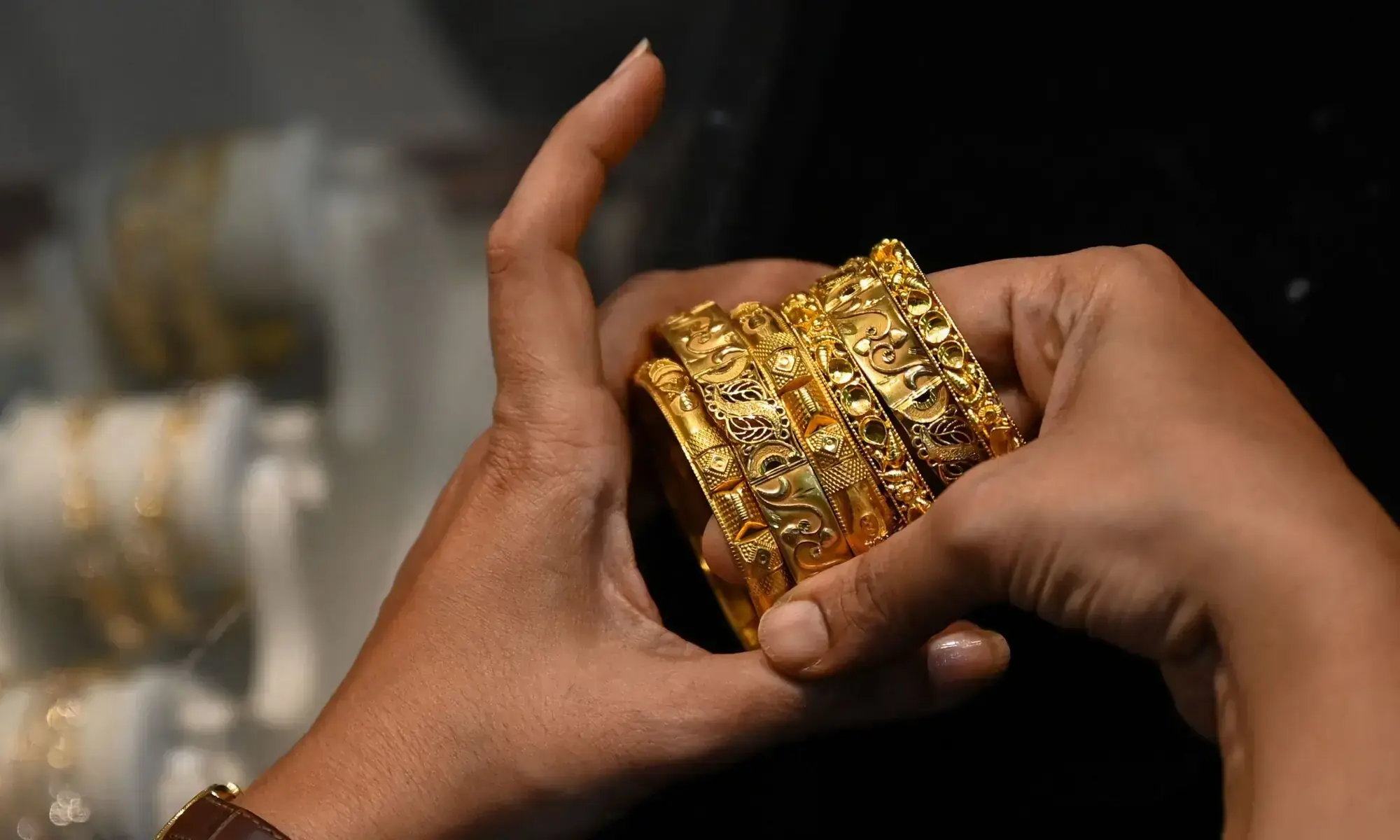
ISLAMABAD — The price of gold in Pakistan’s local market surged by Rs9,100 per tola on Thursday, reaching a new rate of Rs428,736 for 24-karat gold. This increase was reported by the All Pakistan Sarafa Gems and Jewellers Association, reflecting significant changes in the precious metal’s valuation.
What Happened
The gold market in Pakistan experienced a notable price hike on Thursday, with the cost of 24-karat gold per tola climbing by Rs9,100. This adjustment brought the price to Rs428,736, as per the latest figures released by the All Pakistan Sarafa Gems and Jewellers Association. The surge in gold prices is attributed to fluctuations in the international market, where gold often acts as a hedge against inflation and currency devaluation.
According to market analysts, the rise in gold prices is influenced by several factors, including the depreciation of the Pakistani rupee against the US dollar, which makes gold more expensive in local terms. Additionally, global economic uncertainties, such as inflationary pressures and geopolitical tensions, have driven investors towards safe-haven assets like gold.
“The increase in gold prices is a reflection of both international market trends and domestic economic conditions,” said a spokesperson from the All Pakistan Sarafa Gems and Jewellers Association. The spokesperson further noted that the demand for gold typically rises during periods of economic instability, as investors seek to protect their wealth.
Background
Gold has long been considered a stable investment during times of economic uncertainty. In Pakistan, gold prices are influenced by both local demand and international market dynamics. Historically, the gold market in Pakistan has shown sensitivity to changes in the global economy, currency fluctuations, and domestic fiscal policies.
In recent years, the Pakistani rupee has faced depreciation against major currencies, including the US dollar, impacting the local gold market. Additionally, the country’s economic challenges, such as inflation and trade deficits, have further contributed to the volatility in gold prices.
Why It Matters
The surge in gold prices holds significant implications for various stakeholders in Pakistan. For consumers, especially those planning weddings or other significant events, the increased cost of gold can lead to higher expenses. Gold jewelry is a traditional component of wedding gifts and ceremonies, and price hikes can affect affordability.
For investors, the rising gold prices may present an opportunity to capitalize on potential gains. As a safe-haven asset, gold often attracts investors during times of economic uncertainty. This trend is evident in Pakistan, where individuals and institutions may increase their gold holdings as a hedge against inflation and currency devaluation.
On a broader economic scale, the increase in gold prices can impact the country’s trade balance. Higher gold prices may lead to increased import costs, affecting the overall trade deficit. However, it can also boost the value of gold reserves held by the central bank, potentially stabilizing the national currency.
Internationally, the rise in gold prices reflects broader economic trends, including concerns over inflation and geopolitical tensions. As these factors continue to influence global markets, Pakistan’s gold market is likely to remain volatile, with prices subject to further fluctuations.
Key Takeaways
- Gold prices in Pakistan have increased by Rs9,100 per tola, reaching Rs428,736 for 24-karat gold.
- The price hike is influenced by international market trends and the depreciation of the Pakistani rupee.
- Higher gold prices impact consumers, investors, and the national economy, with implications for trade and currency stability.
- Gold remains a preferred investment during economic uncertainty, attracting both individual and institutional investors.
- The gold market in Pakistan is expected to remain volatile due to ongoing global economic conditions.
Source Attribution
This article is based on official statements and data from the All Pakistan Sarafa Gems and Jewellers Association and other relevant authorities.














