
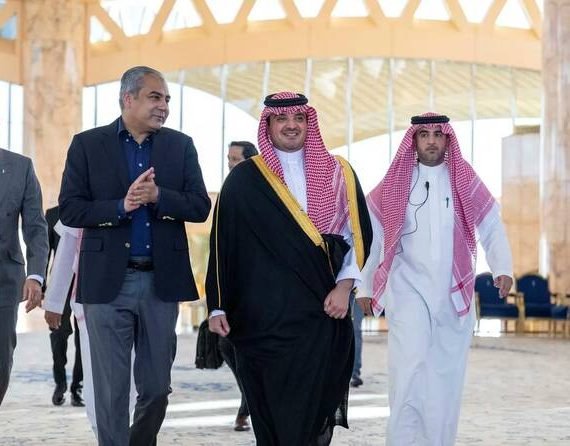
RIYADH — Minister for Interior and Narcotics Control Mohsin Naqvi arrived in Riyadh on an official visit to Saudi Arabia, where he was warmly received by his Saudi counterpart. This visit underscores the ongoing efforts to strengthen the bilateral relationship between Pakistan and Saudi Arabia.
What Happened
Interior Minister Mohsin Naqvi landed in Riyadh on Monday for a scheduled official visit aimed at enhancing cooperation between Pakistan and Saudi Arabia. Upon his arrival, he was received by the Saudi Minister of Interior, marking the beginning of a series of high-level meetings. The discussions are expected to cover a range of topics including security cooperation, counter-narcotics strategies, and regional stability.
Naqvi’s visit comes at a time when both nations are looking to deepen their strategic partnership. According to official sources, the agenda includes dialogues on mutual security concerns, with a particular focus on combating terrorism and drug trafficking. The Pakistani delegation is also expected to explore avenues for collaboration in the fields of law enforcement and intelligence sharing.
During his stay, Naqvi is scheduled to meet with other senior Saudi officials to discuss regional security issues and to reinforce the commitment of both countries to maintaining peace and stability in the region. The visit is part of a broader initiative to foster closer ties with key allies in the Middle East.
Background
Pakistan and Saudi Arabia have a long history of diplomatic and economic relations, characterized by mutual support and cooperation. Over the years, both countries have engaged in numerous bilateral agreements, especially in the areas of defense, trade, and cultural exchange. Saudi Arabia is home to a significant Pakistani expatriate community, which plays a vital role in the Kingdom’s economy and contributes to Pakistan’s foreign remittances.
Historically, Saudi Arabia has been a crucial ally for Pakistan, providing economic aid and support in times of need. The relationship has been further solidified through various high-level visits and strategic dialogues. In recent years, both nations have focused on enhancing their collaboration in security and counter-terrorism efforts, given the shared challenges in the region.
Why It Matters
The visit by Interior Minister Mohsin Naqvi is significant as it reinforces the strategic partnership between Pakistan and Saudi Arabia at a time when regional dynamics are rapidly changing. Strengthening ties with Saudi Arabia is crucial for Pakistan, not only for economic reasons but also for geopolitical stability. Saudi Arabia’s influence in the Middle East and its role as a leader in the Islamic world make it a pivotal ally for Pakistan.
Economically, Saudi Arabia remains one of Pakistan’s largest trading partners and a key source of foreign remittances. The Pakistani workforce in Saudi Arabia contributes significantly to the national economy, and any developments in bilateral relations can have direct implications for these expatriates.
Politically, the cooperation between the two countries in security and counter-terrorism efforts is vital for maintaining regional peace. The discussions on counter-narcotics and terrorism are particularly important as both countries face similar challenges in these areas. Enhanced cooperation could lead to more effective strategies in combating these issues, benefiting both nations.
Key Takeaways
- Interior Minister Mohsin Naqvi is on an official visit to Riyadh to strengthen Pakistan-Saudi Arabia relations.
- The visit focuses on security cooperation, counter-narcotics strategies, and regional stability.
- Pakistan and Saudi Arabia have a long-standing diplomatic and economic relationship.
- The visit is significant for both economic and geopolitical reasons, given Saudi Arabia’s influence in the region.
- Discussions are expected to enhance cooperation in law enforcement and intelligence sharing.
Source Attribution
This article is based on official government statements, press releases, and public communications from relevant authorities.














