ISLAMABAD — The Battle of Karbala, held in 680 AD on the 10th of Muharram, is a profound event in Islamic history symbolizing truth and resistance. This significant occurrence marked the martyrdom of Imam Hussain ibn Ali, grandson of Prophet Muhammad, and his small group of companions, exemplifying unwavering faith and sacrifice.
What Happened
The Battle of Karbala took place on the barren plains of modern-day Iraq. Imam Hussain and his followers faced the vast forces of Yazid ibn Muawiya, the Umayyad caliph. Although greatly outnumbered, Imam Hussain refused to pledge allegiance to Yazid, whom he regarded as an unjust ruler. His defiance led to the fateful confrontation on the 10th of Muharram, known as Ashura.
Imam Hussain’s camp, comprising around 72 family members and loyal supporters, faced Yazid’s army of thousands. The conflict was both a physical clash and a moral struggle, underscoring justice, truth, and resistance against tyranny. Despite their martyrdom, their sacrifice inspired future generations.
The events of Karbala have been immortalized in literature, poetry, and art, inspiring those who pursue justice and resist oppression. The narrative of Karbala has become a universal symbol of the struggle against injustice.
Background
The roots of the Battle of Karbala lie in the early Islamic schism following Prophet Muhammad’s death. The division between supporters of Yazid’s caliphate and followers of Imam Hussain represents a pivotal point in Islamic history, highlighting broader ideological and political divides in the Muslim community.
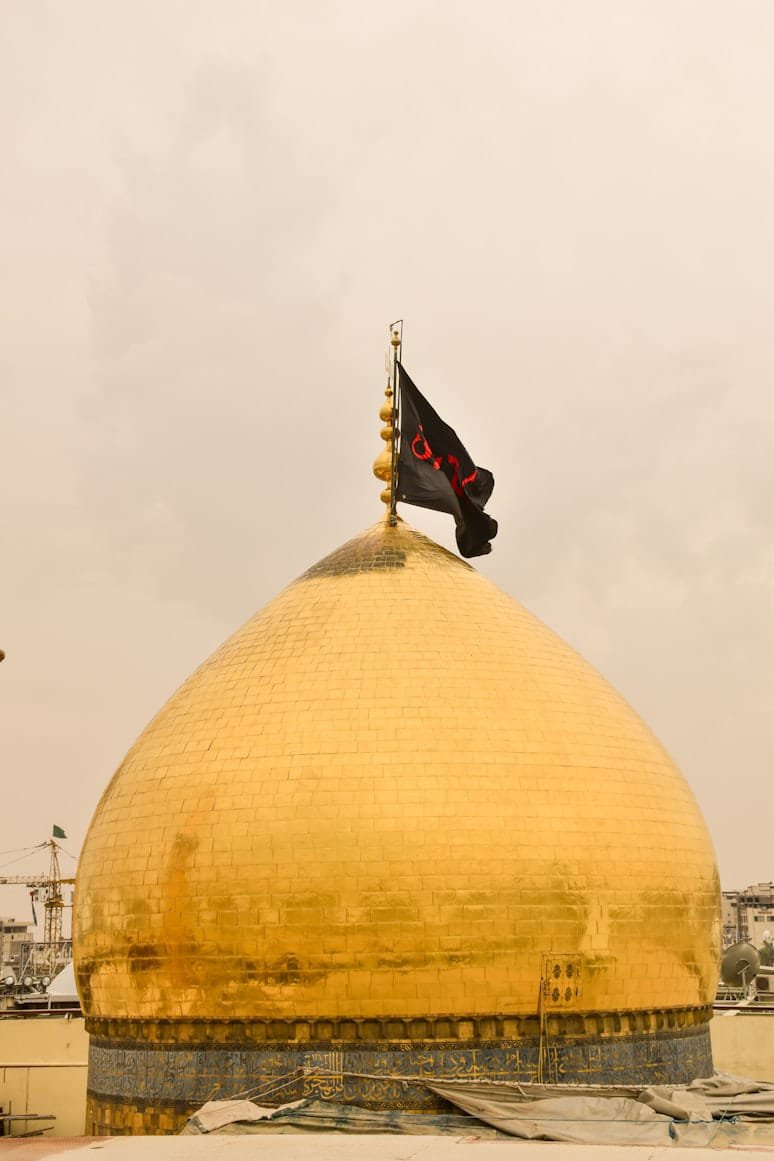
Imam Hussain’s martyrdom is commemorated yearly during Muharram, especially on Ashura. This remembrance includes mourning rituals, elegies, and battle reenactments, reflecting Karbala’s lasting impact on Islamic culture and spirituality.
Why It Matters
Karbala’s legacy holds deep significance for Muslims globally, cutting across sectarian lines. It symbolizes the importance of standing for justice, even when faced with overwhelming odds. The story of Imam Hussain’s sacrifice acts as a moral guide for many in their actions and beliefs.
Economically, Karbala’s commemoration impacts regions with large Muslim populations. Pilgrimage to sites associated with Imam Hussain, particularly in Karbala, Iraq, stimulates local economies and encourages cultural exchange. Socially, Karbala promotes resilience, courage, and unity among diverse communities facing oppression.
Politically, Karbala’s symbolism has been invoked in various social justice and reform movements. Leaders and activists draw parallels between their struggles and Imam Hussain’s stand, using his legacy to galvanize support and motivate change.
Key Takeaways
- The Battle of Karbala occurred in 680 AD, a landmark in Islamic history.
- Imam Hussain’s martyrdom epitomizes resistance to tyranny and justice’s pursuit.
- Karbala’s legacy is annually commemorated, influencing cultural and religious practices.
- The Karbala story transcends history, affecting social and political movements.
- Karbala pilgrimage boosts economies in regions with large Muslim populations.
Source Attribution
This article is based on information from the Associated Press of Pakistan (APP).