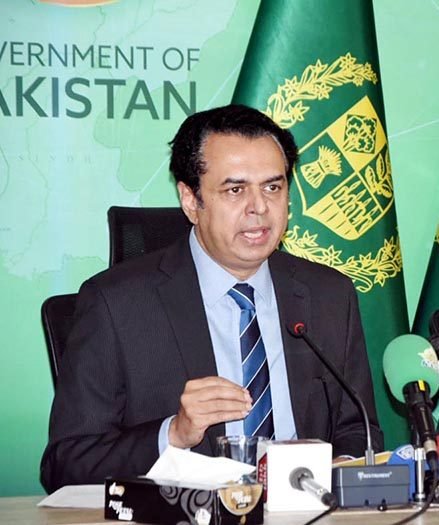
ISLAMABAD — Minister of State for Interior Talal Chaudhry expressed significant concerns on Thursday regarding the newly approved Khyber Pakhtunkhwa (KP) Police Act. He stated that the legislation, sanctioned by the provincial cabinet, could potentially disrupt the police command structure, affecting discipline, morale, and the force’s effectiveness in maintaining law and order and combating terrorism.
What Happened
The KP Police Act, recently approved by the provincial cabinet, has become a focal point of contention as Minister Talal Chaudhry voiced his apprehensions during a press conference. According to Chaudhry, the new law could undermine the existing command structure within the police force, which is integral to maintaining discipline and morale among officers. He emphasized that such changes could have broader implications on the force’s ability to effectively manage law and order and address terrorism-related challenges.
Chaudhry articulated his concerns by stating, “The new KP Police Act might lead to a fragmented command structure, which is vital for the operational efficiency of the police force.” He further highlighted that the morale of police personnel could be adversely affected if the command structure is compromised, potentially leading to challenges in executing their duties effectively.
The Minister’s remarks come in the wake of the KP provincial cabinet’s decision to move forward with the legislation, which aims to introduce reforms within the police department. However, the specifics of the changes proposed in the act have not been fully disclosed, leaving room for speculation and concern among various stakeholders, including law enforcement officials and political figures.
Background
The KP Police Act is part of a series of legislative efforts aimed at reforming the police force in Khyber Pakhtunkhwa. Historically, police reforms in the region have been driven by the need to enhance operational efficiency, accountability, and transparency within the force. Previous reforms have focused on modernizing the police infrastructure, improving training programs, and increasing the autonomy of police departments.
However, these efforts have often been met with resistance due to concerns over the potential impact on the traditional command structure and the balance of power within the force. The current controversy surrounding the KP Police Act is not the first instance of such challenges, as similar debates have occurred in the past when reforms were proposed.
Why It Matters
The concerns raised by Minister Talal Chaudhry highlight the delicate balance between implementing necessary reforms and maintaining the integrity of the police command structure. The effectiveness of the police force in Khyber Pakhtunkhwa is crucial, given the province’s strategic importance in Pakistan’s fight against terrorism and its proximity to volatile regions.
Disruptions to the command structure could potentially hinder the force’s ability to respond swiftly and effectively to security threats, thereby impacting the overall stability and security of the region. Moreover, any decline in police morale could lead to decreased motivation among officers, affecting their performance and commitment to duty.
On a broader scale, the developments in Khyber Pakhtunkhwa could set a precedent for other provinces considering similar reforms. The outcome of this legislative process could influence future policy decisions regarding police reforms across Pakistan, making it a matter of national interest.
Key Takeaways
- Minister Talal Chaudhry has raised concerns over the KP Police Act, citing potential disruptions to the command structure.
- The new legislation aims to introduce reforms within the KP police force but faces criticism for its potential impact on discipline and morale.
- The KP Police Act is part of ongoing efforts to modernize and improve police operations in the province.
- The effectiveness of the police force in KP is critical due to the province’s strategic role in combating terrorism.
- The outcome of this legislative process could influence police reform policies across Pakistan.
Source Attribution
This article is based on official government statements, press releases, and public communications from relevant authorities.