
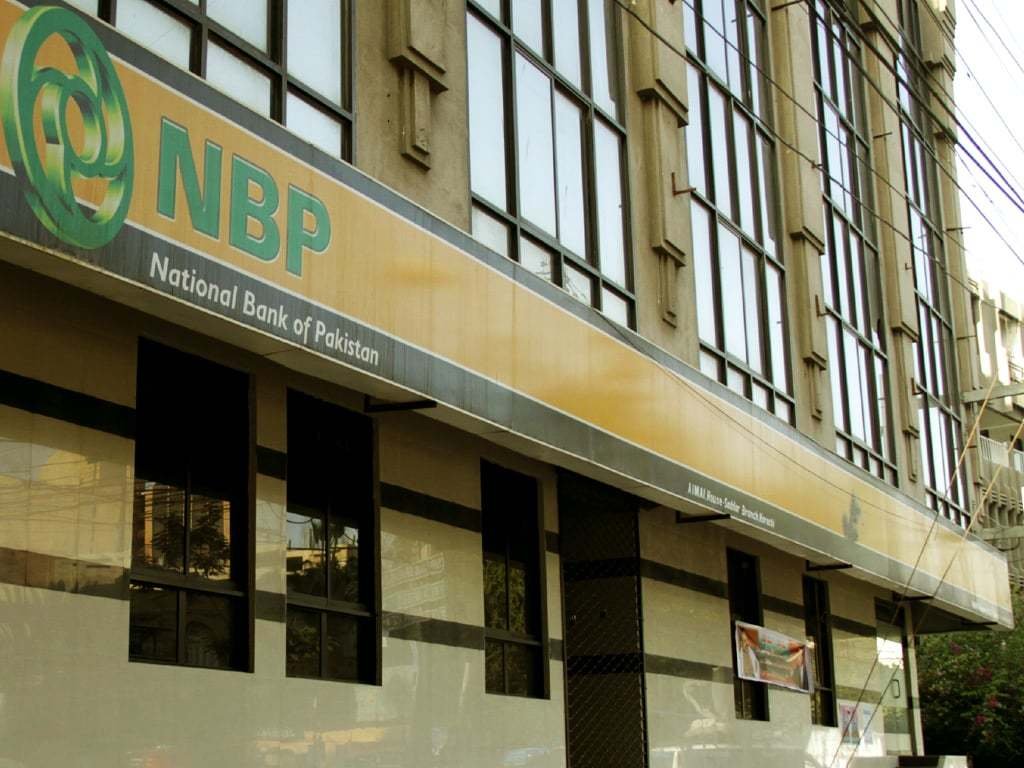
KARACHI — The Treasury Management Division of the National Bank of Pakistan (NBP) announced the latest foreign exchange rates on Thursday, providing updated figures for various global currencies against the Pakistani Rupee. These rates are crucial for businesses, investors, and individuals engaged in foreign transactions.
What Happened
The National Bank of Pakistan’s Treasury Management Division has released the exchange rates applicable as of July 2, 2026. The rates include both Telegraphic Transfer (TT) Selling and TT Buying rates for a range of currencies. The US Dollar, a major currency in international trade, is listed at a TT Selling rate of 278.55 PKR and a TT Buying rate of 278.05 PKR. The Euro is pegged at 317.13 PKR for selling and 316.56 PKR for buying.
Other significant currencies include the British Pound, which stands at 370.17 PKR for selling and 369.50 PKR for buying. The Japanese Yen, often used in regional trade, is listed at 1.7149 PKR for selling and 1.7118 PKR for buying. Additionally, the Swiss Franc is available at a selling rate of 344.42 PKR and a buying rate of 343.80 PKR.
For the Canadian Dollar, the TT Selling rate is 195.94 PKR, while the TT Buying rate is 195.59 PKR. The Australian Dollar is priced at 191.96 PKR for selling and 191.62 PKR for buying. Other currencies such as the Swedish Krona, Norwegian Krone, and Danish Krone have also been updated, reflecting their respective positions in the global market.
The bank also provided conversion rates for frozen foreign currency deposits, with the US Dollar set at 278.12 PKR, the British Pound at 367.90 PKR, and the Euro at 316.86 PKR. These rates are set for the settlement date of July 6, 2026.
Background
The National Bank of Pakistan, as a key player in the country’s financial sector, regularly updates foreign exchange rates to reflect market conditions. These rates are essential for facilitating international trade and investment, as well as for individuals and businesses engaged in currency exchange. The NBP’s role in providing these rates underscores its importance in maintaining economic stability and supporting financial transactions across borders.
Historically, exchange rates have been influenced by a range of factors including economic policies, market demand, and geopolitical events. The NBP’s regular updates help ensure transparency and provide guidance to stakeholders in the financial markets.
Why It Matters
The release of updated exchange rates by the NBP holds significant importance for Pakistan’s economy. Exchange rates impact the cost of imports and exports, influencing trade balances and economic growth. For businesses, accurate and timely exchange rate information is crucial for pricing strategies and financial planning.
On a broader scale, exchange rates affect inflation, purchasing power, and overall economic stability. Changes in rates can lead to fluctuations in the cost of goods and services, impacting consumers directly. For investors, exchange rates play a critical role in assessing the value of international investments and managing currency risk.
Moreover, as Pakistan continues to engage in international trade and attract foreign investment, maintaining competitive exchange rates is vital for economic development. The NBP’s updates provide a benchmark for currency valuation, aiding in the decision-making process for policymakers and financial analysts.
Key Takeaways
- The NBP has released updated exchange rates for July 2, 2026, covering a range of global currencies.
- The US Dollar is set at 278.55 PKR for TT Selling and 278.05 PKR for TT Buying.
- Conversion rates for frozen foreign currency deposits have also been provided, with the settlement date set for July 6, 2026.
- Exchange rates play a crucial role in impacting trade, investment, and economic stability in Pakistan.
- The NBP’s regular updates ensure transparency and assist stakeholders in financial decision-making.
Source Attribution
This article is based on official government statements, press releases, and public communications from relevant authorities.














