
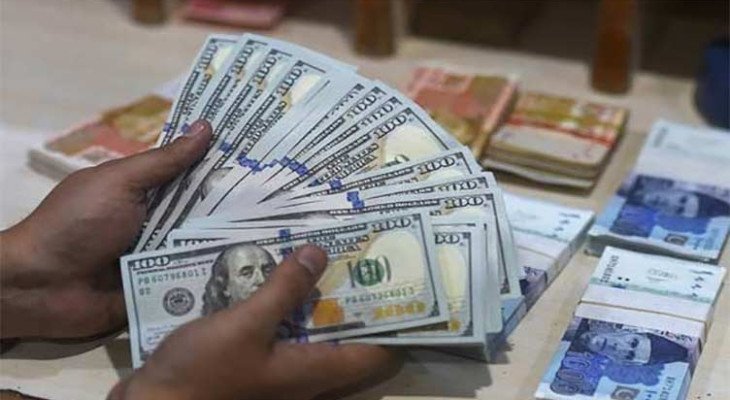
KARACHI — The National Bank of Pakistan (NBP) released the updated buying and selling rates for major international currencies on Monday, reflecting the fluctuations in the foreign exchange market. These rates are crucial for businesses, investors, and individuals engaging in international transactions.
What Happened
The National Bank of Pakistan, headquartered in Karachi, announced the latest exchange rates for several major currencies, including the US Dollar (USD), British Pound (GBP), Euro (EUR), Japanese Yen (JPY), Saudi Riyal (SAR), and United Arab Emirates Dirham (AED). According to the NBP, the selling rate for the US Dollar is set at PKR 279.84, while the buying rate is PKR 276.84. The British Pound is being sold at PKR 374.36 and bought at PKR 369.94. The Euro’s selling rate is PKR 318.92, with a buying rate of PKR 315.18. The Japanese Yen is priced at PKR 1.7265 for selling and PKR 1.7063 for buying. The Saudi Riyal’s selling rate is PKR 74.53, with a buying rate of PKR 73.65, and the UAE Dirham is available at a selling rate of PKR 76.20 and a buying rate of PKR 75.30.
The currency rates, which are updated regularly, provide a benchmark for the market and are widely used by banks, exchange companies, and businesses involved in foreign trade. The fluctuations in these rates can significantly impact the cost of imports and exports, as well as the overall economic stability of the country.
Background
Currency exchange rates are determined by various factors, including economic indicators, market speculation, and geopolitical events. In Pakistan, the exchange rate policy has historically been influenced by the State Bank of Pakistan (SBP), which aims to manage the currency’s value to stabilize the economy. The NBP, as a leading financial institution, plays a critical role in disseminating these rates to the public and financial markets.
Historically, Pakistan’s currency has experienced volatility due to political instability, economic challenges, and external debt pressures. The government and the SBP have implemented various measures to stabilize the currency, including monetary policy adjustments and foreign exchange interventions.
Why It Matters
The exchange rates released by the NBP are significant for several reasons. Firstly, they directly affect the cost of imports and exports, influencing the trade balance and economic growth. A weaker Pakistani Rupee makes imports more expensive, potentially increasing inflationary pressures, while a stronger Rupee can make exports less competitive.
For businesses involved in international trade, understanding these rates is essential for pricing strategies and financial planning. Companies that import raw materials or export goods need to manage currency risk to maintain profitability. Additionally, individuals who remit money to or from Pakistan rely on these rates to maximize the value of their transactions.
On a broader scale, currency exchange rates are a reflection of the country’s economic health. Persistent depreciation of the Rupee can signal underlying economic issues, such as fiscal deficits or low foreign reserves, prompting policy responses from the government and central bank.
Moreover, exchange rates have social implications, affecting the purchasing power of citizens. Fluctuations in the Rupee’s value can impact the cost of living, particularly for those who rely on imported goods and services. Therefore, maintaining a stable currency is crucial for economic stability and public confidence.
Key Takeaways
- The NBP has released updated buying and selling rates for major currencies, including the USD, GBP, and EUR.
- Exchange rates impact the cost of imports and exports, affecting economic growth and inflation.
- Businesses and individuals rely on these rates for financial planning and international transactions.
- Currency stability is essential for economic health and public confidence in Pakistan.
- Fluctuations in the Rupee’s value can have significant social and economic implications.
Source Attribution
This article is based on official government statements, press releases, and public communications from relevant authorities.














