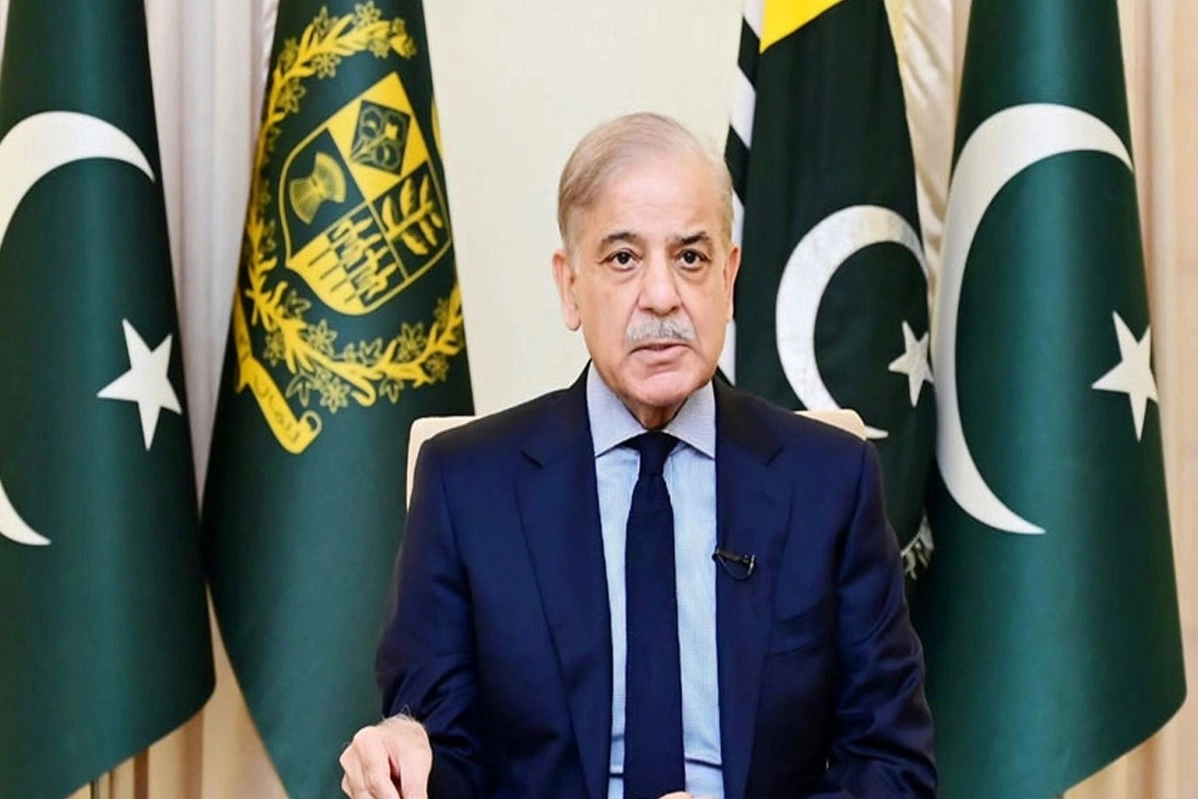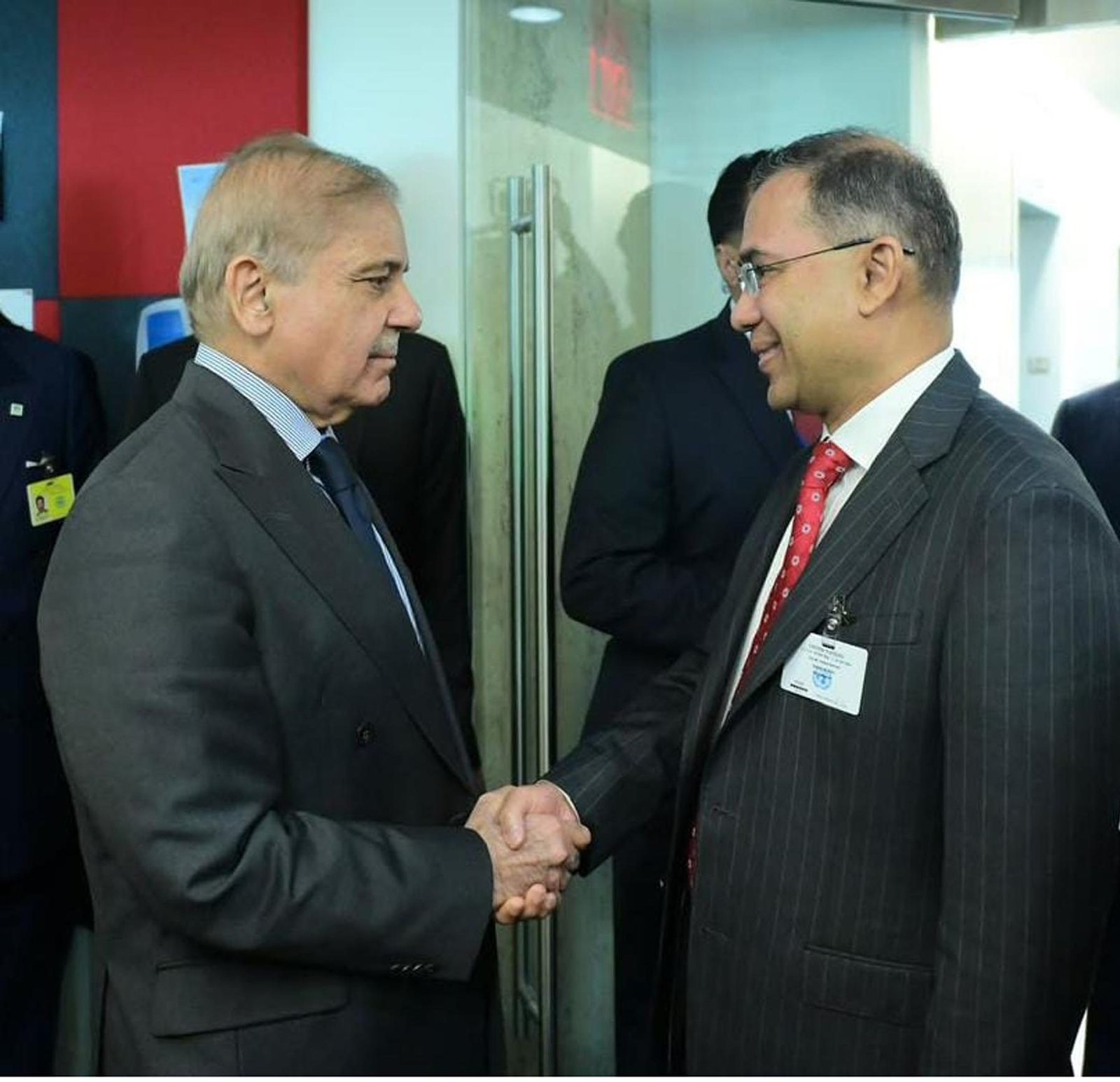
ISLAMABAD — Prime Minister Shehbaz Sharif met with Bangladeshi counterpart Tarique Rahman on Thursday to discuss enhancing bilateral cooperation between Pakistan and Bangladesh. The leaders reaffirmed their commitment to deepen ties across various sectors, including trade, investment, and connectivity.
What Happened
In a meeting held on Thursday, Prime Minister Shehbaz Sharif and Bangladesh’s Prime Minister Tarique Rahman engaged in discussions aimed at bolstering bilateral relations. The leaders expressed a mutual desire to enhance cooperation in multiple areas such as trade, investment, connectivity, education, tourism, and people-to-people contacts. Both sides acknowledged the potential for growth in these sectors and agreed to work collaboratively to achieve shared goals.
According to official statements, the two prime ministers highlighted the importance of increasing trade volume and facilitating investment opportunities between the two countries. They discussed the need for improved connectivity, which would serve as a catalyst for economic growth and regional stability. The leaders also emphasized the significance of educational exchanges and tourism as means to foster greater understanding and friendship between the peoples of Pakistan and Bangladesh.
Prime Minister Sharif stated, “Our discussions today mark a new chapter in Pakistan-Bangladesh relations, focusing on mutual benefits and regional cooperation.” Prime Minister Rahman echoed these sentiments, noting that strengthening ties with Pakistan is a priority for Bangladesh, particularly in light of the evolving geopolitical landscape in South Asia.
Background
Pakistan and Bangladesh share a complex history, with their relationship shaped by the events surrounding the independence of Bangladesh in 1971. Over the years, both nations have worked towards reconciliation and have taken steps to improve diplomatic and economic ties. In recent years, there has been a concerted effort from both sides to move past historical grievances and focus on future cooperation.
Trade between Pakistan and Bangladesh has seen fluctuations, but there is significant potential for growth. Both countries are members of the South Asian Association for Regional Cooperation (SAARC), which provides a platform for regional collaboration. However, political and economic challenges have often hampered the full realization of SAARC’s objectives.
Why It Matters
The renewed commitment to strengthening ties between Pakistan and Bangladesh holds significant implications for both countries and the broader South Asian region. Economically, enhanced trade and investment can lead to job creation, increased economic stability, and improved standards of living in both nations. By focusing on connectivity, both countries can benefit from more efficient transportation and communication networks, facilitating smoother trade and people-to-people interactions.
Politically, the collaboration between Pakistan and Bangladesh can contribute to regional stability and peace. As both nations navigate complex geopolitical dynamics, a strong bilateral relationship can serve as a stabilizing force in South Asia. Furthermore, educational and cultural exchanges can foster greater understanding and reduce historical tensions, paving the way for a more harmonious regional environment.
Internationally, the strengthening of Pakistan-Bangladesh relations can enhance the diplomatic standing of both countries, allowing them to present a united front on issues of mutual concern. This cooperation can also serve as a model for other countries in the region, demonstrating the benefits of dialogue and partnership over conflict and isolation.
Key Takeaways
- Pakistan and Bangladesh have committed to enhancing bilateral cooperation in trade, investment, and connectivity.
- The leaders emphasized the importance of educational exchanges and tourism to strengthen people-to-people ties.
- Improved relations between the two countries can contribute to regional stability and economic growth.
- Both nations aim to move past historical grievances and focus on future collaboration.
- The partnership serves as a potential model for regional cooperation in South Asia.
Source Attribution
This article is based on official government statements, press releases, and public communications from relevant authorities.