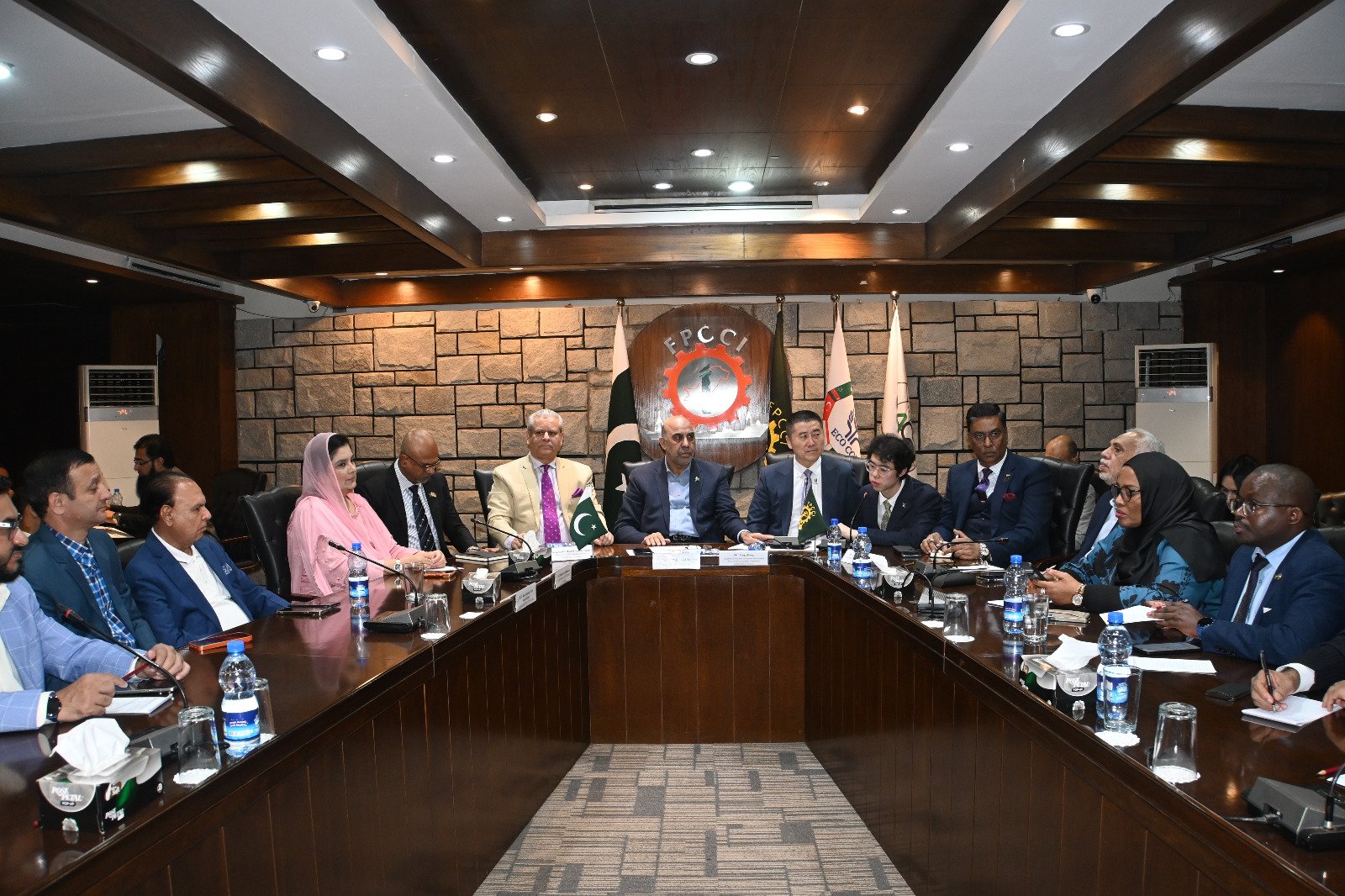
ISLAMABAD — At a recent event held at the Federation of Pakistan Chambers of Commerce and Industry (FPCCI) in Islamabad, experts highlighted the potential for a trilateral economic cooperation framework between Pakistan, China, and the African region. The Pakistan Africa Economic Council (PAEC) was identified as a key player in facilitating this initiative, aiming to bolster trade and investment ties across these regions.
What Happened
The event, organized at the FPCCI Capital House, brought together business leaders, policymakers, and economic experts to discuss the prospects of enhancing economic collaboration between Pakistan, China, and African markets. The speakers underscored the strategic importance of this trilateral framework, emphasizing the role of the PAEC in bridging gaps and fostering mutual economic interests.
According to the participants, the initiative seeks to leverage Pakistan’s geographical position and its economic ties with China, particularly through the China-Pakistan Economic Corridor (CPEC), to access and expand into African markets. The collaboration aims to create new avenues for trade, investment, and economic growth, benefiting all parties involved.
One of the speakers noted, “The trilateral cooperation framework can serve as a catalyst for economic growth, providing opportunities for businesses in Pakistan, China, and Africa to collaborate on various projects, ranging from infrastructure development to technology transfer.”
The discussions also highlighted the need for establishing a formal mechanism to facilitate dialogue and cooperation among the three regions. This could include regular trade missions, joint ventures, and exchange programs to enhance understanding and build trust among business communities.
Background
Historically, Pakistan has maintained strong bilateral relations with China, primarily through the CPEC, which is a flagship project under China’s Belt and Road Initiative (BRI). CPEC has been instrumental in enhancing infrastructure, energy, and trade connectivity between the two countries.
Africa, on the other hand, represents a burgeoning market with immense potential for trade and investment. In recent years, China has significantly increased its economic footprint in Africa, becoming one of the continent’s largest trading partners and investors. Pakistan, recognizing the opportunities in Africa, has been working to strengthen its economic ties with various African nations through initiatives like the ‘Look Africa Policy’.
Why It Matters
The proposed trilateral economic cooperation framework could have far-reaching implications for the involved regions. Economically, it offers a platform for diversifying trade and investment portfolios, reducing dependency on traditional markets, and tapping into the vast potential of African economies. For Pakistan, this framework could open new markets for its products, enhance export revenues, and attract foreign direct investment.
Politically, the initiative could strengthen Pakistan’s diplomatic ties with both China and African nations, positioning it as a pivotal player in regional and international economic affairs. It also aligns with China’s broader BRI strategy, which seeks to enhance global trade connectivity and economic integration.
Socially, increased economic cooperation could lead to job creation, skill development, and technology transfer, contributing to poverty alleviation and improved living standards in the participating regions. It could also foster cultural exchanges and enhance people-to-people contacts, promoting mutual understanding and cooperation.
Key Takeaways
- The FPCCI event highlighted the potential for a trilateral economic cooperation framework between Pakistan, China, and Africa.
- The Pakistan Africa Economic Council (PAEC) is poised to play a crucial role in facilitating this initiative.
- The framework aims to leverage CPEC and China’s BRI to access African markets.
- Enhanced cooperation could diversify trade, attract investment, and create economic growth opportunities.
- The initiative could strengthen diplomatic ties and contribute to social development in the regions.
Source Attribution
This article is based on official statements and public communications from relevant authorities.