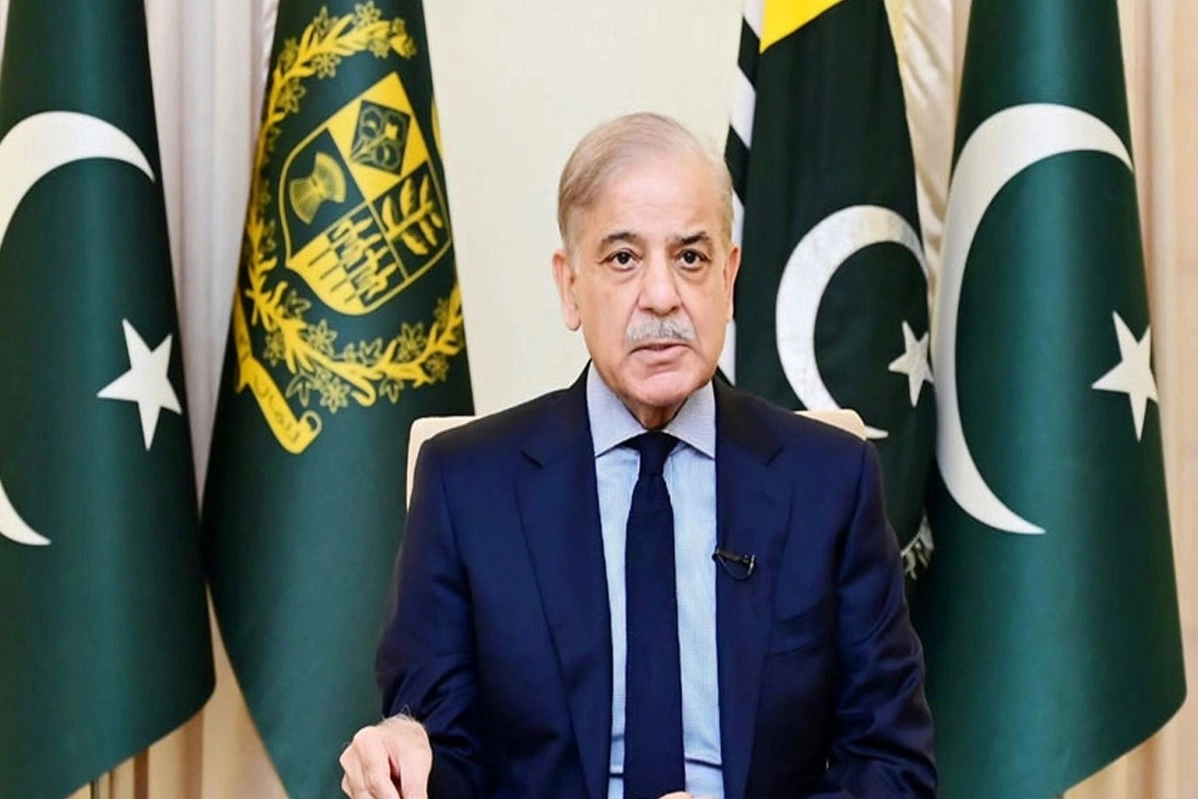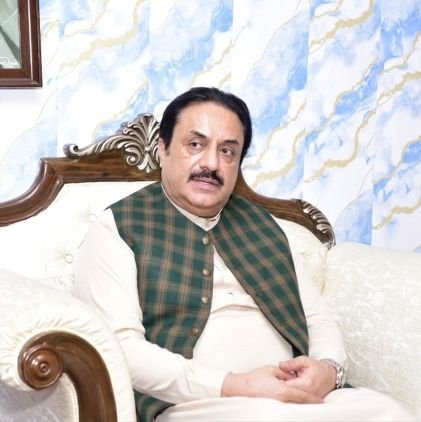
ISLAMABAD — Acting Chairman Senate Syedaal Khan Nasar and Speaker of the People’s Majlis of Maldives Abdul Raheem Abdullah engaged in discussions on Thursday to explore avenues for strengthening bilateral relations between Pakistan and the Maldives. The meeting, held in Islamabad, covered a wide range of topics including parliamentary diplomacy, trade, investment, education, defense, tourism, climate change, and people-to-people contacts.
What Happened
The discussions between Acting Chairman Senate Syedaal Khan Nasar and Speaker Abdul Raheem Abdullah were part of a broader effort to enhance cooperation between the two South Asian nations. The Maldivian parliamentary delegation, led by Abdullah, was on an official visit to Pakistan to discuss mutual interests and explore new areas of collaboration.
During the meeting, both leaders emphasized the importance of parliamentary diplomacy as a tool for fostering closer ties. They agreed to enhance exchanges between the legislative bodies of both countries to facilitate mutual understanding and cooperation. The discussions also touched upon the potential for increased trade and investment, with both sides recognizing the need to explore opportunities in sectors such as tourism and education.
Climate change was another key topic of discussion, with both countries acknowledging the shared challenges posed by environmental issues. They agreed to collaborate on initiatives aimed at mitigating the impacts of climate change, particularly in the context of the Maldives’ vulnerability to rising sea levels.
Defense cooperation was also highlighted, with an emphasis on enhancing security collaboration to address common threats. The meeting concluded with a commitment to further strengthen people-to-people contacts, recognizing the role of cultural and educational exchanges in building lasting ties.
Background
Pakistan and the Maldives have a history of diplomatic relations that dates back to the early years of the Maldives’ independence. Over the years, the two countries have maintained cordial relations, with regular exchanges of high-level visits and participation in regional forums such as the South Asian Association for Regional Cooperation (SAARC).
In recent years, both countries have expressed a desire to deepen their cooperation across various sectors. The Maldives, an island nation heavily reliant on tourism, has shown interest in attracting Pakistani tourists, while Pakistan has looked to the Maldives as a potential partner in areas such as education and climate change initiatives.
Why It Matters
The discussions between Pakistan and the Maldives hold significant implications for both countries, particularly in the context of regional stability and economic development. Strengthening bilateral ties can lead to increased economic opportunities, benefiting both nations through enhanced trade and investment.
For Pakistan, the Maldives represents a strategic partner in the Indian Ocean region, offering opportunities for collaboration in maritime security and defense. Enhanced cooperation in these areas can contribute to regional stability and security, addressing common challenges such as piracy and terrorism.
Furthermore, collaboration on climate change initiatives is crucial for both countries, given their vulnerability to environmental challenges. Joint efforts to address these issues can lead to more effective strategies and solutions, benefiting not only Pakistan and the Maldives but also the broader South Asian region.
People-to-people contacts and cultural exchanges are also vital for fostering mutual understanding and goodwill. By enhancing these connections, both countries can build a foundation for long-term cooperation and partnership.
Key Takeaways
- Pakistan and the Maldives are exploring ways to enhance bilateral cooperation across various sectors.
- Parliamentary diplomacy is seen as a key tool for fostering closer ties between the two nations.
- Discussions included trade, investment, education, defense, tourism, and climate change.
- Both countries recognize the importance of addressing shared environmental challenges.
- Strengthening people-to-people contacts is a priority for building lasting bilateral relations.
Source Attribution
This article is based on official government statements, press releases, and public communications from relevant authorities.