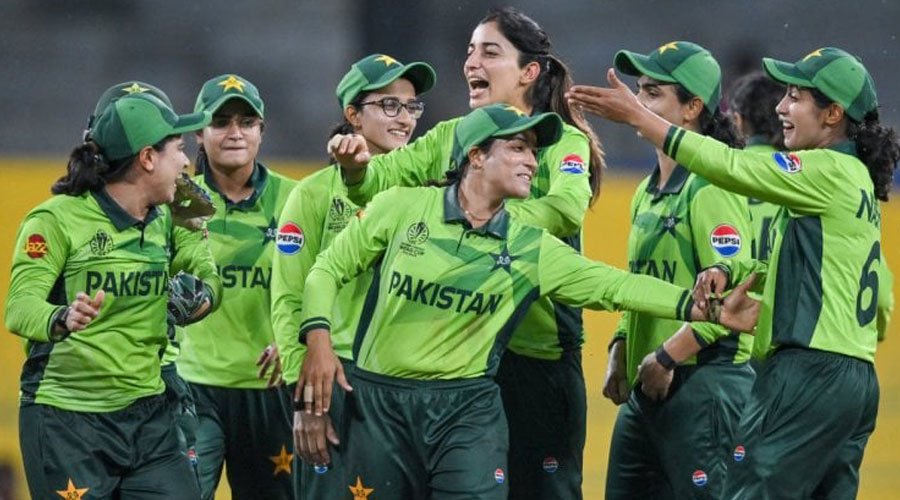
ISLAMABAD — The Pakistan women’s cricket team has set off for Japan from Dubai to participate in the 2026 Asian Games. The squad, however, is traveling without wicketkeeper-batter Muneeba Ali, who stayed back due to her mother’s illness. The team comprises 14 members, ready to represent Pakistan on the international stage.
What Happened
The departure of the Pakistan women’s cricket team marks a significant step in their preparation for the upcoming Asian Games 2026. The team left from Dubai, a central hub for international travel, en route to Japan where the games are scheduled to take place. This journey is part of the team’s broader strategy to gain international experience and exposure, crucial for their development and performance in global competitions.
Unfortunately, Muneeba Ali, a key player known for her skills behind the stumps and with the bat, was unable to accompany her teammates. Her absence is due to personal reasons, as she opted to stay back to support her family during her mother’s illness. This development necessitates adjustments in the team’s strategy, as they will have to compensate for her absence both in terms of wicketkeeping and batting.
The 14-member squad is expected to showcase their skills and compete fiercely against other participating nations. The Asian Games provide a platform for athletes from across the continent to demonstrate their prowess, and the Pakistan women’s cricket team is keen to make their mark in the tournament.
Background
The Asian Games, held every four years, are a multi-sport event that includes various disciplines, with cricket being a significant part of the competition. Pakistan has a history of participating in the Asian Games, with both men’s and women’s teams competing in past editions. The inclusion of cricket in the Asian Games underscores the sport’s growing popularity and importance in the region.
Historically, Pakistan has been a strong contender in cricket, with the men’s team achieving significant success on the international stage. The women’s team, while relatively newer to the international scene, has been making strides and gaining recognition for their performances. Participation in events like the Asian Games is crucial for their development and helps in promoting women’s cricket in Pakistan.
Why It Matters
The participation of the Pakistan women’s cricket team in the Asian Games holds substantial significance for several reasons. Economically, it highlights the investment and resources allocated towards women’s sports in Pakistan, reflecting a shift towards gender equality in sports. Socially, it serves as an inspiration for young girls across the country, demonstrating that they too can aspire to represent their nation at international levels.
Politically, the team’s presence in Japan signifies strengthening ties and sports diplomacy between the two nations. Internationally, it provides an opportunity for the team to compete against some of the best in Asia, helping improve their skills and strategies. This exposure is invaluable as it prepares the team for future competitions, including the ICC Women’s World Cup and other international tours.
The absence of Muneeba Ali, while unfortunate, also highlights the personal challenges athletes face and the need for support systems to manage both professional and personal responsibilities. Her situation brings to light the importance of mental health and family support in sports, areas that are gaining increasing attention worldwide.
Key Takeaways
- The Pakistan women’s cricket team has departed for Japan to participate in the 2026 Asian Games.
- Wicketkeeper-batter Muneeba Ali is absent due to her mother’s illness.
- The team comprises 14 members eager to compete on the international stage.
- The Asian Games are a crucial platform for showcasing and developing women’s cricket in Pakistan.
- The event underscores the importance of sports diplomacy and international exposure for athletes.
Source Attribution
This article is based on official government statements, press releases, and public communications from relevant authorities.