
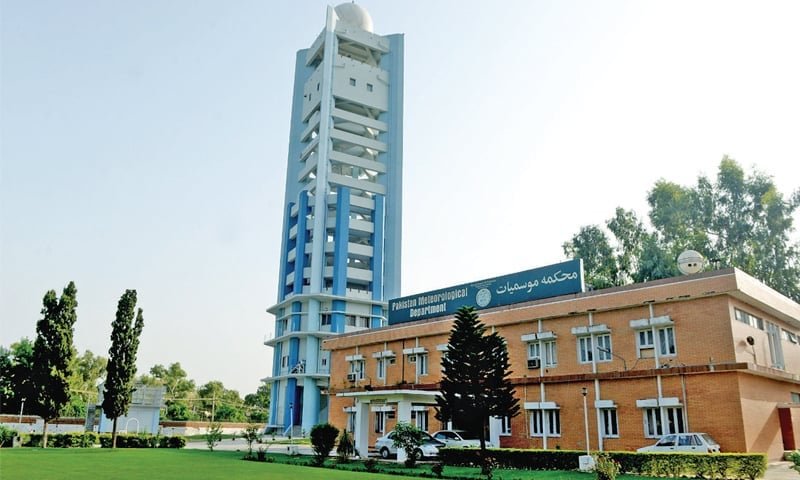
ISLAMABAD — The Pakistan Meteorological Department (PMD) has issued a weather forecast predicting rain, windstorms, and thundershowers in several northern regions of the country on Friday, with warnings of potential urban flooding and landslides. The affected areas include Kashmir, upper Khyber Pakhtunkhwa, northeastern Punjab, and Gilgit-Baltistan, while the rest of the country is expected to experience hot and dry conditions.
What Happened
The PMD’s forecast indicates a significant weather change in the northern parts of Pakistan, where rain and thunderstorms are expected to hit on Friday. The department has cautioned residents in these areas to prepare for possible urban flooding and landslides, particularly in regions prone to such natural events. The weather system is anticipated to bring relief from the prevailing hot and dry conditions in these areas, but it also poses risks of disruption and damage.
According to the PMD, the weather system is likely to affect Kashmir, upper Khyber Pakhtunkhwa, northeastern Punjab, and Gilgit-Baltistan. These regions could experience heavy rainfall accompanied by strong winds and thunderstorms. The PMD has advised local authorities and residents to remain vigilant and take necessary precautions to mitigate the risks associated with this weather system.
The department’s warning underscores the potential for urban flooding in low-lying areas and the possibility of landslides in mountainous regions. The PMD has urged residents to avoid unnecessary travel and to stay informed about the latest weather updates through official channels.
Background
Pakistan’s northern regions are frequently affected by monsoon rains and weather systems that can lead to severe flooding and landslides. The country’s topography, with its diverse range of mountains and plains, often exacerbates the impact of heavy rainfall, particularly in areas with inadequate drainage systems. In recent years, climate change has intensified these weather patterns, leading to more frequent and severe weather events.
The PMD regularly issues weather forecasts and warnings to help prepare and protect communities from the adverse effects of such weather conditions. The department utilizes advanced meteorological tools and data analysis to predict weather patterns and provide timely alerts to the public and relevant authorities.
Why It Matters
The forecasted weather conditions are significant as they highlight the ongoing challenges posed by climate change and the need for effective disaster preparedness and management strategies in Pakistan. The potential for urban flooding and landslides poses a threat to infrastructure, livelihoods, and public safety in the affected regions. These events can disrupt transportation, damage property, and lead to loss of life if adequate precautions are not taken.
Economically, the impact of such weather events can be substantial, affecting agriculture, trade, and daily life. For instance, heavy rains can damage crops, leading to financial losses for farmers and affecting food supply chains. Urban flooding can disrupt businesses and services, leading to economic slowdowns in affected areas.
Socially, the forecast serves as a reminder of the vulnerability of certain communities, particularly those living in informal settlements or areas with poor infrastructure. The government and local authorities must prioritize efforts to enhance resilience and preparedness to mitigate the effects of such natural disasters.
Key Takeaways
- The PMD has forecast rain, windstorms, and thunderstorms in northern regions of Pakistan on Friday.
- Warnings have been issued for potential urban flooding and landslides in affected areas.
- Residents are advised to stay informed and take necessary precautions to ensure safety.
- The forecast highlights the ongoing challenges of climate change and the need for effective disaster management.
- Economic and social impacts are expected, affecting infrastructure, agriculture, and daily life.
Source Attribution
This article is based on official government statements, press releases, and public communications from relevant authorities.














