
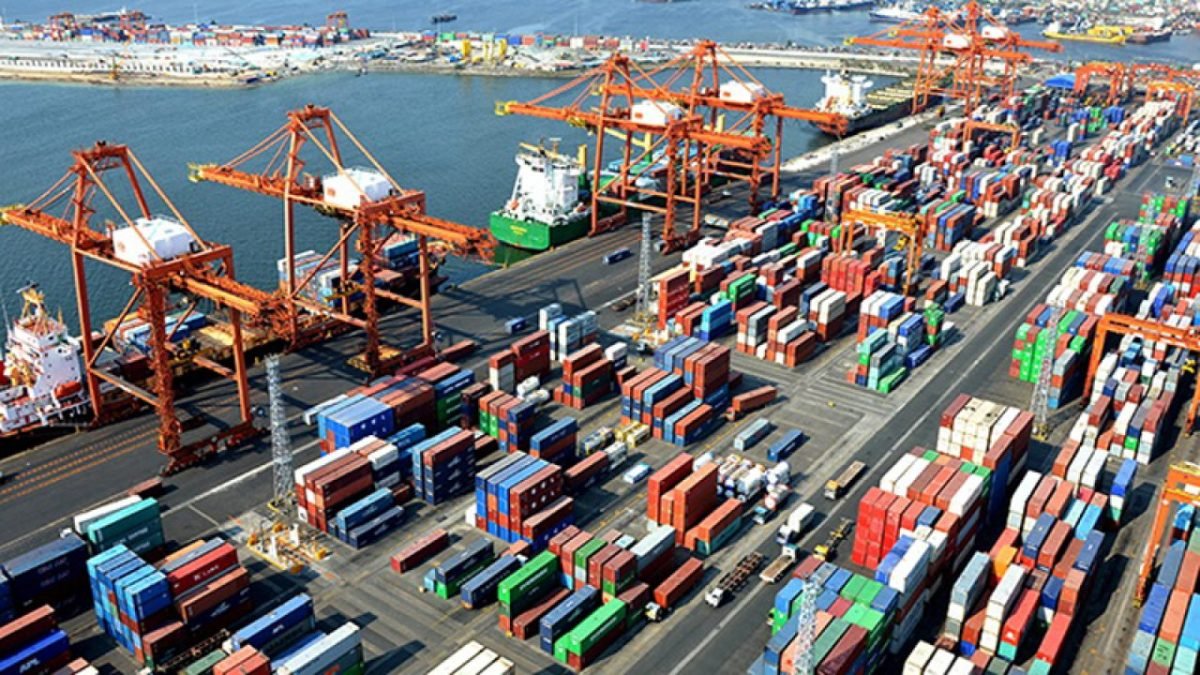
KARACHI — Port Qasim experienced a surge in shipping activity as four vessels, MSC Aquarius-VII, Peonia, Richmond Park, and Jacob-H, docked at various terminals on Monday. These ships, carrying a mix of containers, palm oil, chemicals, and coal, marked a significant uptick in operations at one of Pakistan’s key maritime hubs.
What Happened
The arrival of the four ships at Port Qasim underscores the port’s critical role in facilitating Pakistan’s trade and logistics. The MSC Aquarius-VII, a container ship, berthed at the Qasim International Container Terminal, highlighting the ongoing demand for containerized shipping solutions in the region. Meanwhile, the Peonia, laden with palm oil, was received at the Liquid Cargo Terminal, reflecting the country’s continuous import of essential commodities.
The Richmond Park, carrying chemicals, docked at the Engro Vopak Terminal. This arrival points to the ongoing industrial activities and the need for chemical imports to support various sectors. Lastly, the Jacob-H, transporting coal, was berthed at the Pakistan International Bulk Terminal, indicating the ongoing reliance on coal for energy and industrial purposes.
Port authorities reported that the docking and unloading processes were efficiently managed, ensuring minimal delays and maintaining the port’s operational standards. This efficiency is crucial for maintaining the flow of goods, especially given the strategic importance of Port Qasim in Pakistan’s trade network.
Background
Port Qasim, located near Karachi, is one of Pakistan’s busiest ports and plays a vital role in the country’s economy. Established in the mid-1970s, it was designed to alleviate congestion at the Karachi Port and has since evolved into a major hub for both imports and exports. The port’s strategic location and modern facilities make it an essential component of Pakistan’s maritime infrastructure.
Historically, Port Qasim has been pivotal in handling a diverse range of cargo, including containers, bulk liquids, and dry bulk commodities. Its development has been closely linked to Pakistan’s economic growth, with expansions and upgrades aimed at increasing capacity and efficiency.
Why It Matters
The increased activity at Port Qasim is indicative of broader economic trends in Pakistan. The arrival of container ships like the MSC Aquarius-VII suggests a steady demand for consumer goods and industrial materials, reflecting resilience in the domestic market despite global economic challenges.
The import of palm oil via the Peonia highlights Pakistan’s dependency on this commodity for both food and industrial purposes. Palm oil is a staple in the country’s food industry, and its import is crucial for maintaining price stability and supply chain continuity.
The docking of the Richmond Park with chemicals points to the ongoing industrial activities and the need for raw materials to support manufacturing and other sectors. This is crucial for sustaining industrial growth and meeting domestic demand.
Coal imports, as seen with the Jacob-H, remain significant for Pakistan’s energy sector. Despite global shifts towards renewable energy, coal continues to play a critical role in Pakistan’s energy mix, providing a reliable source of power for industries and households.
Overall, the activity at Port Qasim is a barometer of Pakistan’s economic health, with implications for employment, trade balance, and industrial output. Efficient port operations are vital for ensuring that Pakistan remains competitive in the global market.
Key Takeaways
- Four ships arrived at Port Qasim, carrying containers, palm oil, chemicals, and coal.
- The port’s efficient operations are crucial for maintaining trade flow and economic stability.
- Port Qasim’s activity reflects broader economic trends and demands in Pakistan.
- Imports of palm oil and coal highlight ongoing dependencies in the food and energy sectors.
- The port’s role is critical for Pakistan’s trade infrastructure and economic growth.
Source Attribution
This article is based on official government statements, press releases, and public communications from relevant authorities.














