
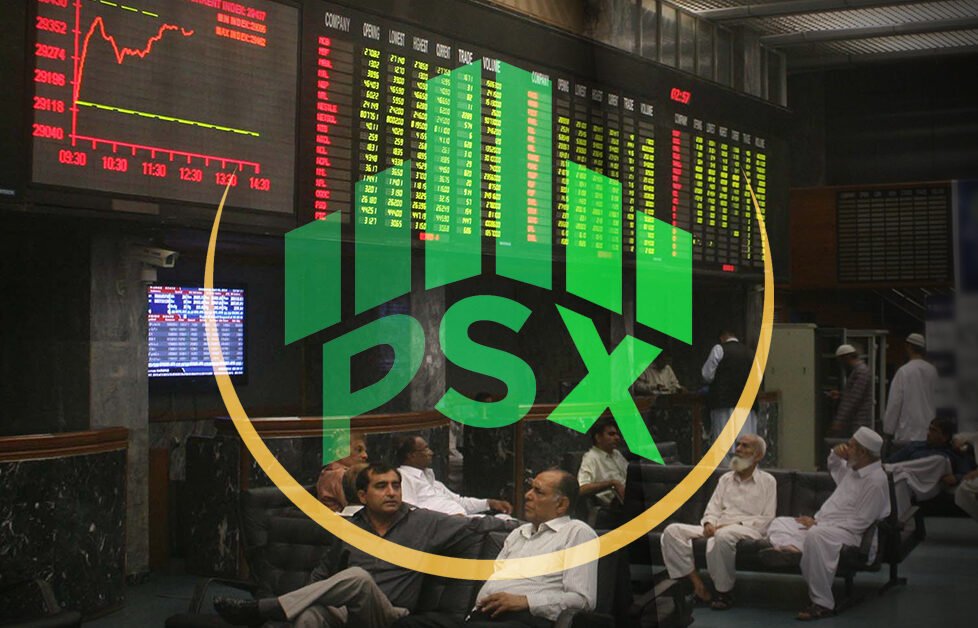
ISLAMABAD — The Pakistan Stock Exchange (PSX) experienced a downturn on Thursday, with the benchmark KSE-100 Index shedding 369.69 points, or 0.20 percent, to close at 181,259.68 points. This decline comes as investors remain cautious amid ongoing economic uncertainties.
What Happened
The PSX’s KSE-100 Index, a key indicator of market performance, ended the trading session on a negative note, dropping from the previous day’s close of 181,629.37 points. The market’s bearish trend was attributed to a combination of factors, including investor concerns over the country’s economic stability and the global financial environment.
Market analysts noted that trading volumes were relatively low, indicating a lack of investor confidence. “The market is reacting to the current economic challenges, including inflationary pressures and fiscal deficits,” said a senior market analyst. “Investors are adopting a wait-and-see approach, which is reflected in the subdued trading activity.”
Sector-wise, the decline was broad-based, with major sectors such as banking, cement, and energy witnessing significant sell-offs. The banking sector, in particular, faced pressure as investors anticipated potential policy changes that could impact profitability. Similarly, the cement sector saw declines due to concerns over rising input costs and reduced construction activity.
Despite the overall negative sentiment, some stocks managed to post gains, driven by company-specific news and developments. However, these gains were insufficient to offset the broader market decline.
Background
The Pakistan Stock Exchange has faced a challenging environment in recent months, with the KSE-100 Index experiencing volatility due to both domestic and international factors. The country’s economic situation, marked by high inflation, a depreciating currency, and fiscal challenges, has weighed heavily on investor sentiment.
Globally, financial markets have been impacted by geopolitical tensions, fluctuating oil prices, and changes in monetary policies by major economies. These factors have contributed to uncertainty and risk aversion among investors, further affecting markets like the PSX.
The government has been implementing various measures to stabilize the economy, including negotiations with international financial institutions for support packages and policy reforms aimed at boosting economic growth. However, the results of these efforts are yet to fully materialize, keeping market participants cautious.
Why It Matters
The performance of the Pakistan Stock Exchange is a barometer of the country’s economic health and investor confidence. The recent decline in the KSE-100 Index reflects underlying concerns about Pakistan’s economic trajectory and the challenges it faces in achieving sustainable growth.
For the average citizen, the stock market’s performance can have indirect effects on their financial well-being. A bearish market can impact retirement funds, savings, and investments, leading to reduced consumer spending and economic activity. This, in turn, can slow down economic recovery efforts and affect employment opportunities.
On a broader scale, sustained bearish trends in the stock market can deter foreign investment, which is crucial for economic development. Investors seek stable and predictable environments, and prolonged market volatility can lead to capital flight, further exacerbating economic challenges.
Policymakers are closely monitoring the situation, as the stock market’s performance is intertwined with economic policies and reforms. Effective measures to address economic challenges and restore investor confidence are essential to reversing the bearish trend and fostering a more robust economic environment.
Key Takeaways
- The KSE-100 Index fell by 369.69 points, closing at 181,259.68 points.
- Investor concerns over economic stability contributed to the market’s bearish trend.
- Major sectors, including banking and cement, experienced significant sell-offs.
- Global financial uncertainties and domestic economic challenges continue to impact investor sentiment.
- Policymakers are urged to implement effective measures to restore market confidence.
Source Attribution
This article is based on official government statements, press releases, and public communications from relevant authorities.














