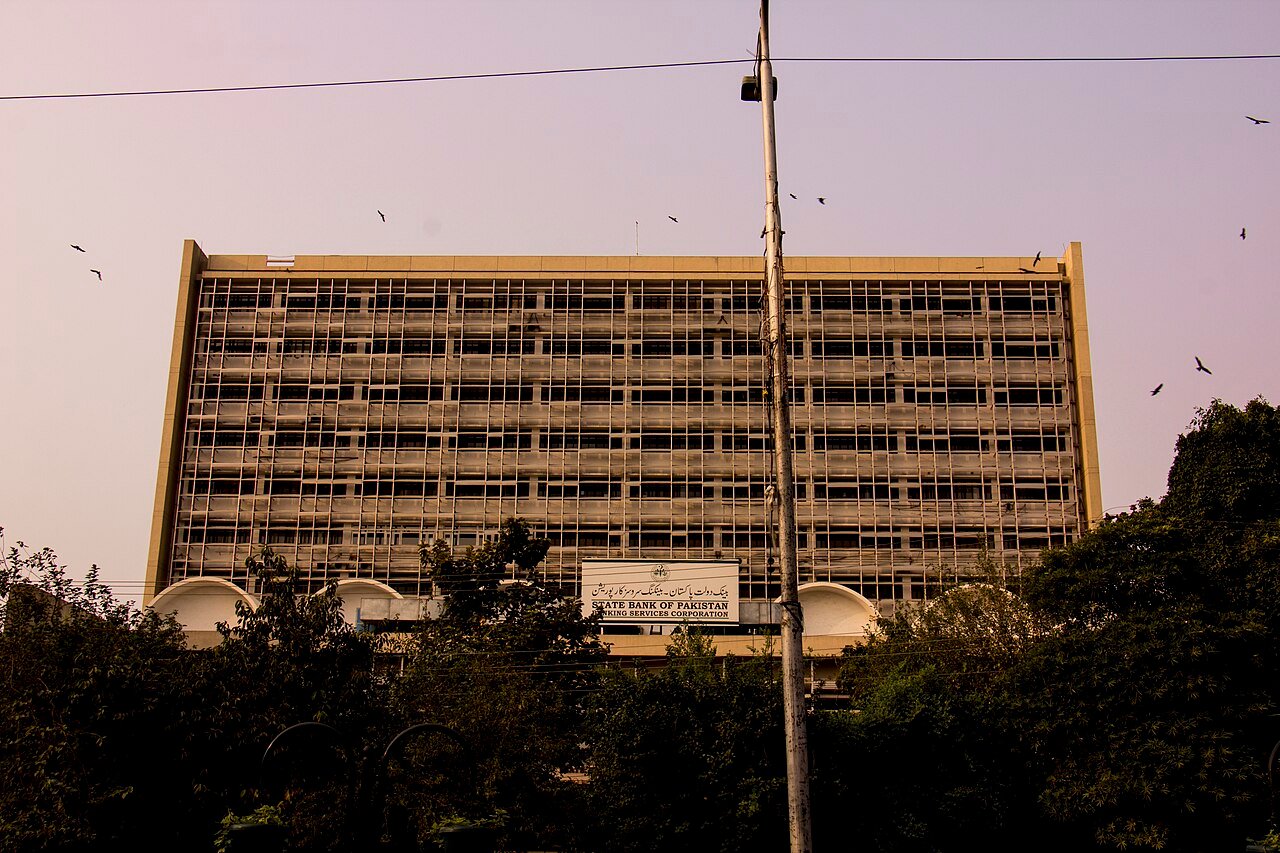
KARACHI, November 18 – NEN: The State Bank of Pakistan (SBP) expects the economy to grow by 3.5 to 4.5 percent in the current fiscal year, FY27. The forecast appears in the SBP’s Annual Report on the State of Pakistan’s Economy for FY2025-26, which the bank released on 16 November 2026. According to the report, the economy stayed resilient in FY26 despite several shocks at home and abroad. Most key indicators also improved over the year.
How the Economy Performed in FY26
Real GDP growth picked up in FY26. Large-scale manufacturing led the recovery. Meanwhile, the current account deficit stayed at just 0.1 percent of GDP, mainly because workers’ remittances grew strongly.
The SBP also rebuilt its foreign exchange reserves. It bought dollars from the market and cut its forward liabilities. In addition, official inflows, Eurobond and Panda bond issues and Roshan Digital Account deposits all added to the reserves.
On prices, average consumer inflation in FY26 stayed close to the top of the SBP’s 5 to 7 percent target range. However, yearly inflation rose into double digits from April 2026. This followed the energy price shock linked to the Middle East conflict that began in late February 2026. On the fiscal side, the report said spending discipline and much lower interest payments greatly improved the government’s accounts.
Outlook for FY27
For FY27, the SBP expects a current account deficit of between zero and 1 percent of GDP. Imports are likely to rise, while exports should recover moderately. At first, energy prices may push inflation up. After that, the bank expects inflation to ease gradually toward its 5 to 7 percent target.
The SBP also expects reserves to reach about four months of import cover. Three things should support this: the US$3 billion Eurobond of September 2026, continued SBP dollar purchases and official inflows.
Background
The annual report is the central bank’s main yearly review of the economy. This year’s edition covers a difficult period. US tariff policies kept shifting, and monsoon floods hit early in FY26. Then came the global energy price shock that followed the Middle East conflict.
Looking ahead, the SBP named worsening El Niño conditions as a risk to farming. It also listed climate shocks and policy uncertainty. Furthermore, the report pointed to long-term job challenges, such as few women in the workforce, high youth unemployment and a large informal sector.
What This Means for You
Take a household that spends Rs100,000 a month. With inflation of 5 to 7 percent, it would need about Rs105,000 to Rs107,000 a year later to buy the same goods. By contrast, double-digit inflation means much bigger jumps. Growth of 3.5 to 4.5 percent also matters, because it affects jobs and business orders.
For Pakistanis abroad, the report gives direct credit to remittances and Roshan Digital Account deposits. These kept the current account deficit low and helped rebuild reserves. As a result, the country has a bigger cushion to pay for imports and debts. You can follow the rupee every day on NEN’s dollar rate in Pakistan today page.
What Happens Next
Next, the SBP’s Monetary Policy Committee will consider these forecasts at its coming meetings. It will also look at monthly inflation data from the Pakistan Bureau of Statistics.
Sources: State Bank of Pakistan (press release and Annual Report FY2025-26). Reported by NEN News Desk.
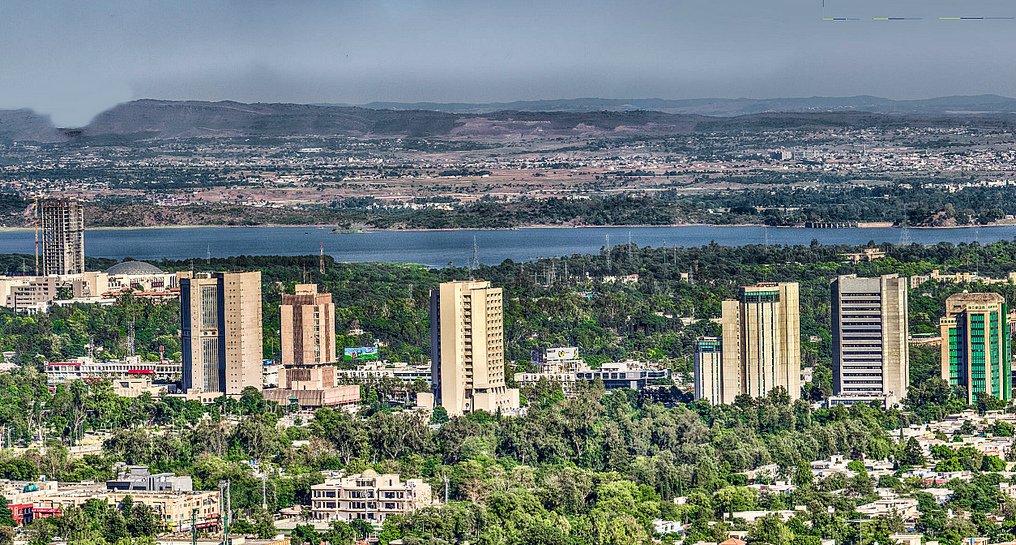
Featured image: Photo: MariyamAftab / Wikimedia Commons, CC BY-SA 4.0