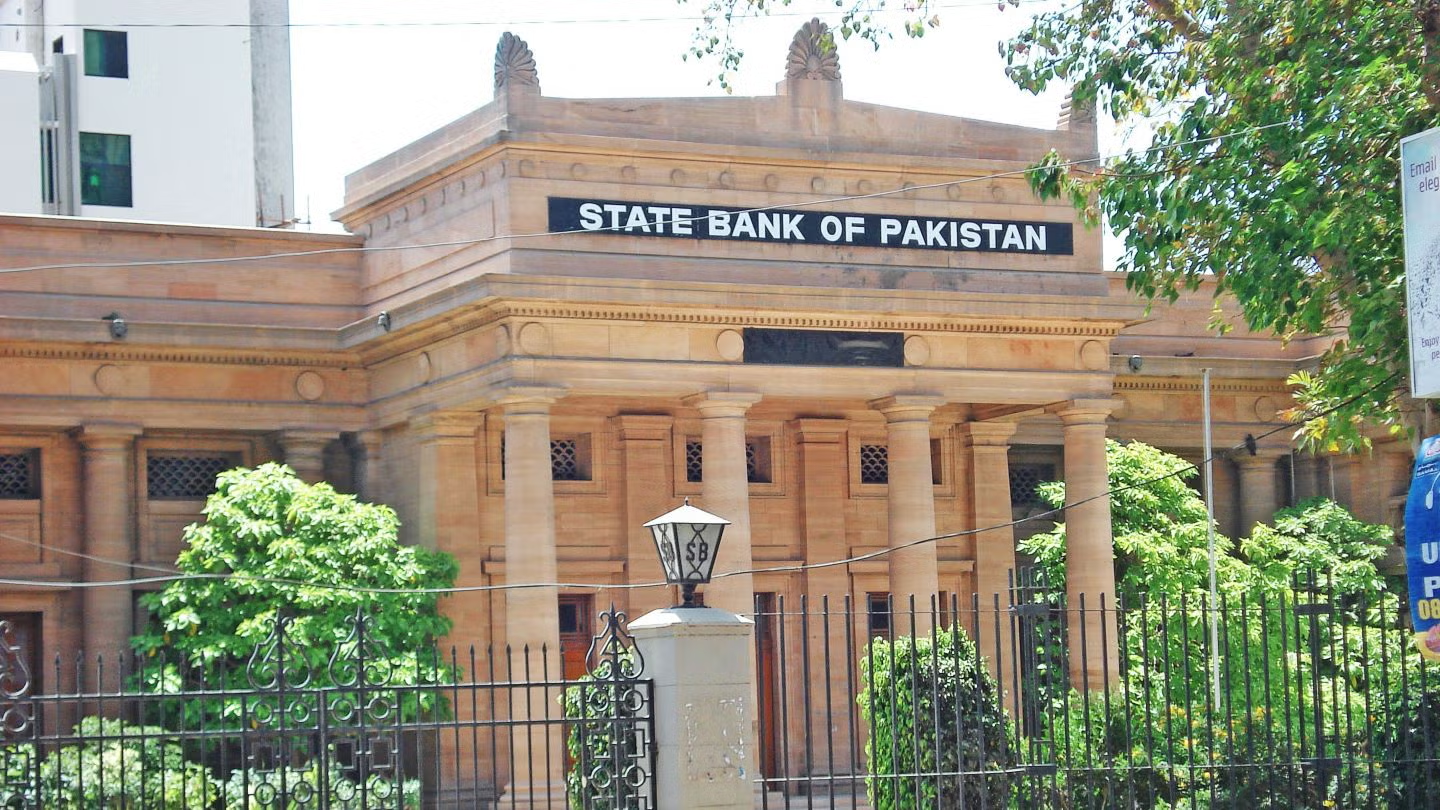
KARACHI — The State Bank of Pakistan (SBP) injected Rs 10.5 trillion into the financial market through a Reverse Repo Purchase Open Market Operation (OMO) on June 30, 2026. This move aims to maintain liquidity in the banking system amid ongoing economic challenges.
What Happened
The SBP conducted a Reverse Repo Purchase OMO for a three-day tenor, providing Rs 10,500 billion to the market. This substantial injection is part of the central bank’s efforts to ensure sufficient liquidity in the financial system, thereby facilitating smooth financial operations and stability. The operation was carried out on June 30, 2026, and targeted to address immediate liquidity needs within the banking sector.
The Reverse Repo Purchase is a common monetary policy tool used by central banks to manage short-term liquidity in the banking system. By injecting funds, the SBP aims to prevent liquidity shortages that could disrupt financial transactions and economic activities. The operation reflects the SBP’s proactive approach in responding to the liquidity demands of the market.
According to a statement from the SBP, the injection was necessary to support the financial system’s stability, especially considering the economic pressures and uncertainties faced by Pakistan. The central bank has been actively monitoring the market conditions to ensure that liquidity levels are adequate to meet the demands of the economy.
Background
Open Market Operations (OMOs) are a key instrument in the SBP’s monetary policy toolkit, used to regulate the money supply and influence short-term interest rates. The SBP regularly conducts OMOs to manage liquidity in the banking system, which is crucial for the effective transmission of monetary policy.
Historically, the SBP has utilized OMOs during periods of economic stress to inject or absorb liquidity as needed. This helps in maintaining the stability of the financial system and supports economic growth by ensuring that banks have the necessary funds to lend to businesses and consumers.
In recent years, Pakistan’s economy has faced several challenges, including inflationary pressures, exchange rate volatility, and fiscal deficits. The SBP’s monetary policy measures, including OMOs, are designed to address these challenges by stabilizing the financial system and supporting economic recovery.
Why It Matters
The injection of Rs 10.5 trillion into the market is significant for several reasons. Firstly, it highlights the SBP’s commitment to maintaining financial stability in the face of economic uncertainties. By ensuring adequate liquidity, the central bank aims to prevent disruptions in financial transactions and support economic activities.
Secondly, this move is crucial for the banking sector, which relies on central bank liquidity to meet its short-term funding needs. The injection helps banks manage their daily operations more efficiently, ensuring that they can continue to provide loans and other financial services to businesses and consumers.
Economically, the SBP’s action is expected to have a stabilizing effect on interest rates, which can influence borrowing costs for businesses and households. Lower borrowing costs can stimulate investment and consumption, contributing to economic growth.
On a broader scale, the SBP’s proactive liquidity management is essential for maintaining investor confidence in Pakistan’s financial markets. By demonstrating its ability to manage liquidity effectively, the SBP can help attract foreign investment, which is vital for the country’s economic development.
Key Takeaways
- The State Bank of Pakistan injected Rs 10.5 trillion into the market through a Reverse Repo Purchase OMO.
- The operation aimed to maintain liquidity in the banking system amid economic challenges.
- OMOs are a key tool in the SBP’s monetary policy for managing money supply and interest rates.
- The liquidity injection is crucial for supporting financial stability and economic growth.
- The SBP’s actions are expected to stabilize interest rates and boost investor confidence.
Source Attribution
This article is based on official government statements, press releases, and public communications from relevant authorities.