
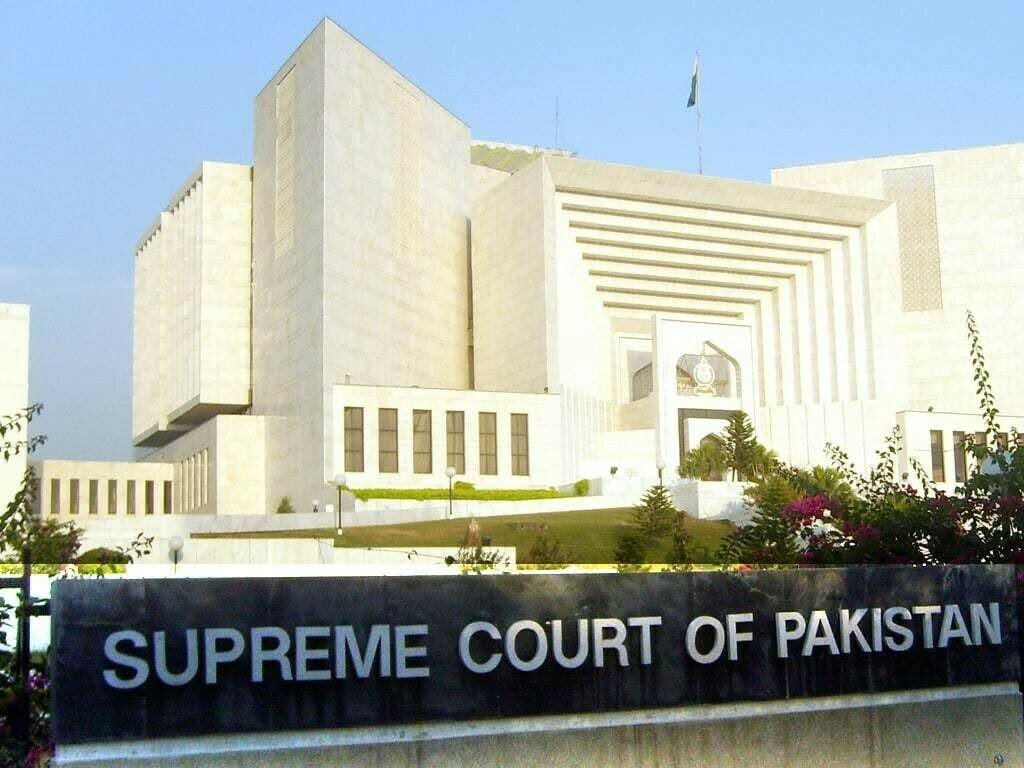
ISLAMABAD — The Supreme Court of Pakistan has mandated that trial courts must record witness testimonies verbatim, emphasizing the necessity for accurate and transparent judicial proceedings. This directive aims to uphold the principles of a fair trial by ensuring that the evidence presented in court is documented precisely as delivered.
What Happened
The Supreme Court issued a ruling clarifying the legal and constitutional obligations of trial courts in Pakistan regarding the recording of witness testimonies. The court underscored the importance of capturing testimonies verbatim to maintain the integrity of the judicial process. This decision was made to ensure that any errors in the recording of testimonies are promptly identified and rectified, thereby safeguarding the rights of individuals to a fair trial.
In its ruling, the Supreme Court highlighted that the accurate documentation of witness statements is crucial for the transparency of judicial proceedings. The court noted that discrepancies in recorded testimonies could lead to miscarriages of justice, as the evidence forms the foundation upon which judicial decisions are based. Therefore, the court stressed the need for trial courts to adhere strictly to this requirement.
The ruling comes in response to concerns about the potential for inaccuracies in the recording of witness testimonies, which can arise from various factors, including human error or technical issues. By mandating verbatim recording, the Supreme Court aims to eliminate these discrepancies and enhance the credibility of the judicial process.
Background
The Supreme Court’s decision is rooted in the constitutional provisions that guarantee the right to a fair trial. Article 10-A of the Constitution of Pakistan enshrines the right to fair trial and due process, which includes the accurate recording of evidence. This ruling reinforces previous legal frameworks and judicial precedents that emphasize the importance of transparency and accuracy in judicial proceedings.
Historically, the Pakistani judiciary has faced challenges related to the documentation of court proceedings, including issues of incomplete or inaccurate records. Such challenges have often led to appeals and retrials, burdening the judicial system and delaying justice. The Supreme Court’s directive seeks to address these longstanding issues by ensuring that trial courts maintain a high standard of accuracy in recording witness testimonies.
Why It Matters
The Supreme Court’s ruling has significant implications for the judicial system in Pakistan. By mandating verbatim recording of witness testimonies, the court aims to enhance the reliability and integrity of judicial proceedings. This move is expected to reduce the likelihood of errors in the documentation of evidence, thereby minimizing the risk of wrongful convictions or acquittals.
For citizens, this ruling represents a step towards greater accountability and transparency in the judicial process. Accurate recording of testimonies ensures that the voices of witnesses are heard and preserved in their entirety, which is crucial for the delivery of justice. This decision also aligns with international standards for fair trial practices, potentially improving Pakistan’s standing in global judicial rankings.
From an institutional perspective, the ruling places an additional responsibility on trial courts to invest in resources and training necessary for implementing verbatim recording practices. This may involve upgrading recording equipment and ensuring that court staff are adequately trained to handle the technical aspects of verbatim documentation.
Key Takeaways
- The Supreme Court of Pakistan has mandated trial courts to record witness testimonies verbatim.
- This decision aims to ensure fair trial practices by maintaining accurate records of evidence.
- The ruling addresses historical challenges of inaccuracies in court documentation.
- Verbatim recording aligns with constitutional rights to fair trial and due process.
- The directive may necessitate resource and training investments by trial courts.
Source Attribution
This article is based on official statements and public communications from the Supreme Court of Pakistan.














