
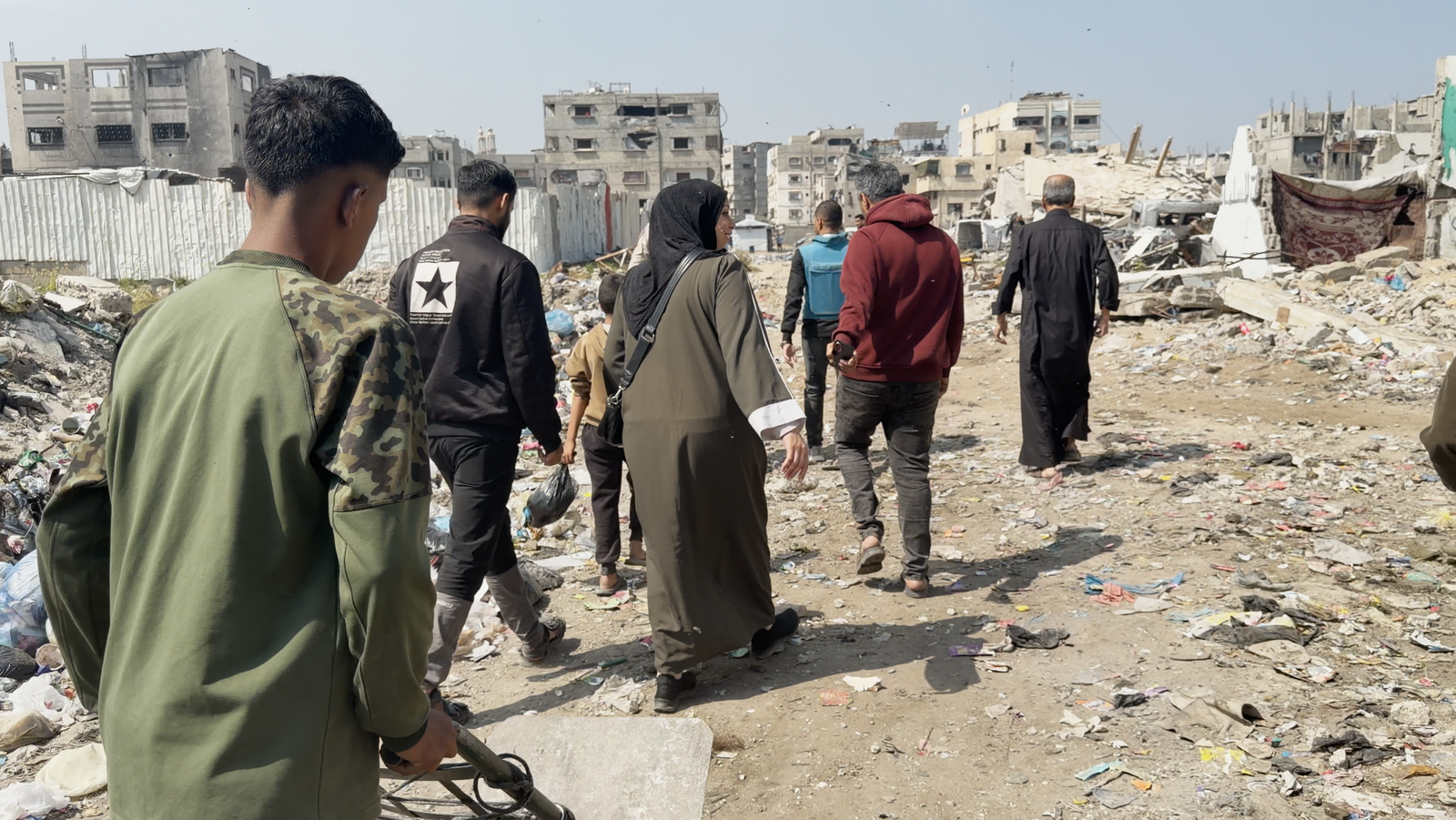
NEW YORK — The United Nations has issued a warning regarding the expansion of areas under Israeli control in Gaza, stating that it poses significant risks to civilians and hampers humanitarian relief efforts. This development follows the ceasefire agreement reached in October, which was intended to de-escalate tensions in the region.
What Happened
According to the United Nations and its humanitarian partners, the expansion of Israeli-controlled areas in Gaza has intensified since the ceasefire agreement was implemented. The UN highlighted that this expansion has exacerbated the vulnerability of civilians living in these areas, who are already facing dire conditions. The increased control has also restricted the movement of humanitarian aid, making it challenging for relief organizations to deliver essential supplies to those in need.
In a statement released on Wednesday, the UN emphasized the urgent need for all parties involved to adhere to international humanitarian laws and ensure the protection of civilians. “The expansion of controlled areas not only endangers the lives of civilians but also severely limits the capacity of humanitarian agencies to operate effectively,” the statement read.
The UN further reported that the ongoing expansion has led to the displacement of numerous families, adding to the already significant number of internally displaced persons in Gaza. This situation has placed additional strain on local resources and infrastructure, which are already overstretched due to the prolonged conflict.
Background
The ceasefire agreement reached in October was a pivotal moment aimed at halting the hostilities between Israel and Palestinian factions in Gaza. This agreement was brokered after a period of intense conflict that resulted in significant casualties and destruction on both sides. Historically, the region has been a flashpoint for conflict, with numerous ceasefires being brokered and subsequently broken over the years.
Gaza, a densely populated area with a population of over two million people, has been under a blockade since 2007. This has severely impacted the region’s economy and infrastructure, leading to widespread poverty and unemployment. The humanitarian situation in Gaza has been a focal point for international organizations, which have repeatedly called for increased access to deliver aid and support to the affected population.
Why It Matters
The expansion of Israeli control in Gaza has significant implications for the region’s stability and the well-being of its inhabitants. For the civilian population, this expansion means increased insecurity and uncertainty about their future. The restriction of humanitarian aid exacerbates the already critical living conditions, potentially leading to a humanitarian crisis if not addressed promptly.
From a geopolitical perspective, the continued expansion could further strain relations between Israel and Palestine, complicating efforts to achieve a long-term peace solution. The international community, including key stakeholders in the Middle East peace process, has expressed concern over these developments, urging both parties to engage in dialogue and uphold the terms of the ceasefire agreement.
Economically, the restriction of aid and movement in Gaza could lead to further deterioration of the local economy, which is heavily reliant on external assistance. This could result in increased poverty levels and further destabilize the region, impacting not only Gaza but also neighboring areas.
Key Takeaways
- The UN warns that Israeli expansion in Gaza endangers civilians and restricts humanitarian aid.
- Since the October ceasefire, Israeli-controlled areas in Gaza have increased, affecting civilian safety.
- The expansion has led to further displacement and strained local resources in Gaza.
- The situation poses risks to regional stability and complicates peace efforts between Israel and Palestine.
- International organizations call for adherence to humanitarian laws to protect civilians and aid operations.
Source Attribution
This article is based on official statements from the United Nations and public communications from relevant authorities.














