
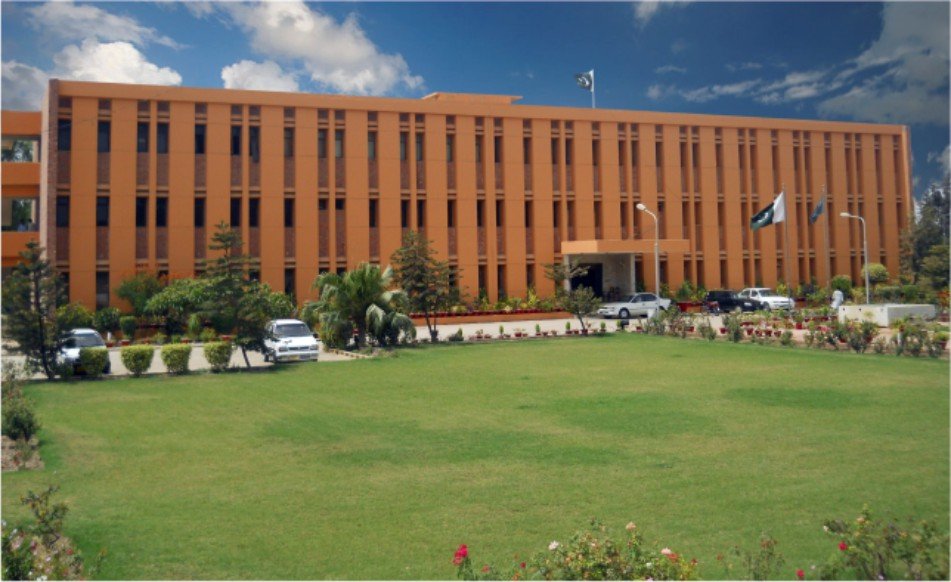
JAMSHORO — The University of Sindh has announced a Rs9.45 billion budget for the fiscal year 2026-27, marking a significant shift towards a surplus after years of financial deficits. The announcement was made following a meeting of the Finance and Planning Committee (F&PC) on Thursday, where the budget was reviewed and endorsed.
What Happened
The Finance and Planning Committee of the University of Sindh convened to discuss and approve the budget estimates for the upcoming fiscal year. The budget, amounting to Rs9.45 billion, is designed to address the university’s financial challenges and aims to achieve a balanced fiscal outlook. According to the committee, the budget projects a modest surplus, signaling a positive turn after several years of financial constraints.
Dr. Fateh Muhammad Burfat, Vice Chancellor of the University of Sindh, emphasized the importance of this budget in stabilizing the university’s finances. “This budget is a step towards financial sustainability and reflects our commitment to improving the academic and infrastructural facilities at the university,” he stated. The budget allocates funds for various developmental projects, faculty enhancements, and student welfare programs.
The committee highlighted that the surplus projection is a result of careful financial planning and strategic allocation of resources. The budget includes provisions for increasing research funding, upgrading technological infrastructure, and enhancing the overall educational environment. Additionally, efforts have been made to ensure that faculty and staff salaries are competitive, aiming to attract and retain top talent.
Background
The University of Sindh, one of the oldest and most prestigious institutions in Pakistan, has faced financial difficulties in recent years. These challenges have been attributed to a combination of reduced government funding and increased operational costs. Historically, the university has struggled to balance its budget, often resulting in deficits that have impacted its ability to invest in essential academic and infrastructural improvements.
In previous fiscal years, the university relied heavily on government grants and student fees to meet its financial obligations. However, the growing gap between income and expenses necessitated a strategic overhaul of its financial management practices. The current budget reflects a concerted effort to address these issues through improved fiscal discipline and resource optimization.
Why It Matters
The announcement of a surplus budget is a significant development for the University of Sindh and the broader educational landscape in Pakistan. Financial stability is crucial for the university to maintain and enhance its academic standards, which in turn affects its reputation and ability to attract students and faculty.
Economically, a surplus budget allows the university to invest in critical areas such as research and development, infrastructure, and student services. This can lead to improved educational outcomes and better prepare students for the workforce, contributing to the overall economic development of the region.
Socially, the budget’s focus on faculty and student welfare is likely to enhance the university’s environment, making it more conducive to learning and innovation. By prioritizing faculty salaries and student programs, the university aims to create a supportive atmosphere that fosters academic excellence and personal growth.
Politically, the university’s move towards financial self-sufficiency aligns with national priorities of reducing dependency on government funding and promoting sustainable development in higher education. This aligns with broader governmental efforts to encourage financial autonomy among public institutions.
Key Takeaways
- The University of Sindh has announced a Rs9.45 billion budget for FY2026-27, projecting a surplus.
- The budget aims to stabilize the university’s finances after years of deficits.
- Funds will be allocated to research, infrastructure, and faculty and student welfare.
- The budget reflects improved financial planning and resource optimization.
- This move supports national goals of financial autonomy in higher education.
Source Attribution
This article is based on official government statements, press releases, and public communications from relevant authorities.














