
2026

Pakistan

Sindh Government and Aga Khan University Partner to Enhance Special Needs Education

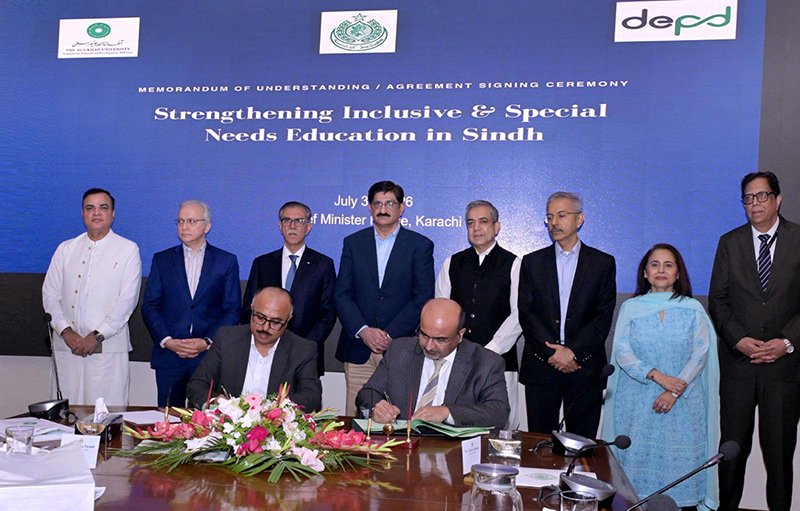
KARACHI — The Government of Sindh and Aga Khan University have signed a Memorandum of Understanding (MoU) to advance inclusive and special needs education across the province. The agreement was formalized at a ceremony held at the Chief Minister’s House on July 31, 2023, with Sindh Chief Minister Syed Murad Ali Shah and Aga Khan University President Dr. Sulaiman Shahabuddin in attendance. What Happened The MoU was signed by Additional Secretary of the Department of Empowerment of Persons with Disabilities (DEPD), Aitbar Hussain Buriro, and Dr. Farid Panjwani, representing the Aga Khan University – Institute for Educational Development (AKU-IED). This five-year partnership is designed to foster inclusive education, focusing on enhancing teacher training, conducting research, and providing institutional support for children and persons with disabilities throughout Sindh. Chief Minister Syed Murad Ali Shah highlighted the importance of this collaboration, stating, “This partnership is a significant step towards ensuring that every child in Sindh, regardless of their abilities, has access to quality education.” Dr. Sulaiman Shahabuddin echoed these sentiments, emphasizing the role of AKU-IED in developing educational frameworks that cater to diverse learning needs. The initiative aims to address the educational disparities faced by individuals with disabilities by implementing inclusive policies and practices in schools across Sindh. The partnership will also focus on developing specialized training programs for educators to equip them with the skills necessary to support students with special needs effectively. Background In recent years, the Government of Sindh has been actively working to improve the educational landscape for persons with disabilities. The DEPD has been instrumental in advocating for policies that promote inclusivity and equal opportunities in education. The collaboration with AKU-IED is part of a broader strategy to integrate these policies into the educational system effectively. Aga Khan University has a long-standing commitment to advancing education and healthcare in Pakistan. The AKU-IED, in particular, has been at the forefront of educational development, focusing on innovative teaching methodologies and research to improve learning outcomes. Why It Matters This partnership holds significant implications for the educational sector in Sindh. By prioritizing inclusive education, the initiative seeks to dismantle barriers that prevent children with disabilities from accessing quality education. This is crucial for fostering a more equitable society where all individuals can contribute to and benefit from economic and social development. Economically, empowering individuals with disabilities through education can lead to increased workforce participation and productivity. As these individuals gain skills and qualifications, they become better equipped to enter the job market, thereby reducing dependency and enhancing economic self-sufficiency. Socially, the initiative promotes awareness and acceptance of diversity within communities. By integrating children with disabilities into mainstream education, it challenges societal stigmas and fosters a culture of inclusivity and respect. This cultural shift is essential for building cohesive communities that value all members equally. Politically, the partnership underscores the Sindh government’s commitment to fulfilling its obligations under the United Nations Convention on the Rights of Persons with Disabilities, which Pakistan ratified in 2011. By aligning local educational policies with international standards, the government demonstrates its dedication to upholding human rights and promoting social justice. Key Takeaways The Sindh Government and Aga Khan University have signed an MoU to enhance special needs education. The five-year partnership focuses on inclusive education, teacher training, and research. This initiative aims to improve educational access and outcomes for children with disabilities in Sindh. The collaboration supports economic empowerment and social inclusion for persons with disabilities. The partnership aligns with international human rights commitments to promote equality and inclusivity. Source Attribution This article is based on official government statements and public communications from relevant authorities. Author: NEN Editorial Desk | Editor: NEN Newsroom | Fact Checked By: NEN Editorial Team Author: NEN Editorial Desk  |  Editor: NEN Newsroom  |  Last Updated: July 31, 2026  |  Source: Press Release from Government of Sindh This article was produced by the NEN Editorial Desk in accordance with NEN Agency’s Editorial Policy and Fact-Checking Policy.
Pakistan

Sindh Government and Aga Khan University Partner to Enhance Inclusive Education

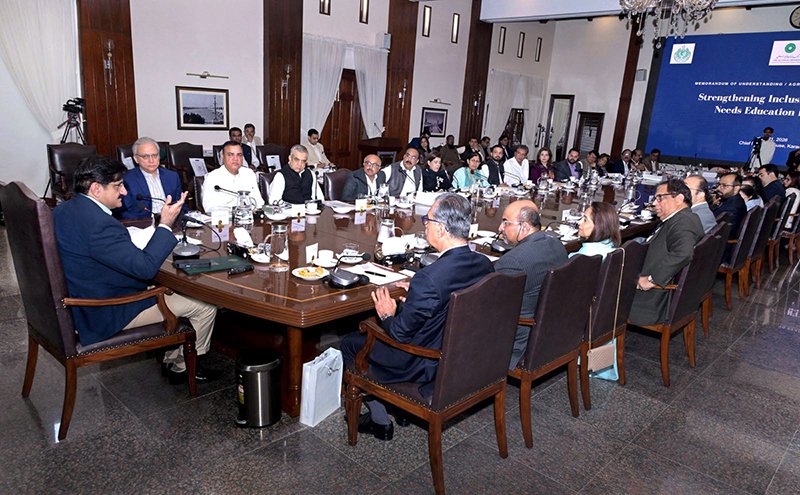
KARACHI — Sindh Chief Minister Syed Murad Ali Shah presided over the signing ceremony of a Memorandum of Understanding (MoU) between the Department of Empowerment of Persons with Disabilities (DEPD), Government of Sindh, and the Aga Khan University – Institute for Educational Development (AKU-IED) at the CM House on July 31. This five-year partnership aims to advance inclusive education, teacher training, research, and institutional support for children and persons with disabilities across Sindh. What Happened The MoU signing ceremony, held at the CM House, was attended by Sindh Chief Minister Syed Murad Ali Shah, Aga Khan University President and Vice Chancellor Dr Sulaiman Shahabuddin, and other senior officials. The agreement was signed by Additional Secretary DEPD Aitbar Hussain Buriro and Dr Farid Panjwani from AKU-IED. The initiative is designed to bolster the educational framework for individuals with disabilities in Sindh, focusing on inclusive education, specialized teacher training, and research initiatives. Chief Minister Shah expressed his commitment to improving educational opportunities for all, emphasizing the importance of inclusive practices in education. He stated, “This partnership is a significant step towards creating an inclusive educational environment that caters to the needs of every child, regardless of their abilities.” The collaboration will also focus on developing research projects to better understand the needs of children with disabilities and to implement effective educational strategies. Background The Government of Sindh has been actively working to enhance the educational landscape for persons with disabilities. The DEPD was established to address the needs of this community, focusing on empowerment through education and skill development. Previous initiatives have included policy reforms and the establishment of specialized educational institutions. Aga Khan University, through its Institute for Educational Development, has been a pioneer in educational research and development in Pakistan. The institution has a history of collaborating with governmental and non-governmental organizations to improve educational outcomes across the country. This new MoU builds on previous efforts to integrate inclusive education into mainstream educational practices. Why It Matters This partnership is crucial for several reasons. Economically, it aims to enhance the employability of persons with disabilities by equipping them with the necessary skills and education. Socially, it promotes inclusivity and equal opportunities, helping to reduce the stigma associated with disabilities. The initiative aligns with international commitments such as the United Nations Convention on the Rights of Persons with Disabilities, which Pakistan ratified in 2011. Politically, the collaboration reflects the Sindh government’s commitment to fulfilling its promises of inclusive development. It also sets a precedent for other provinces to follow, potentially leading to nationwide improvements in the education sector for persons with disabilities. The partnership with a reputable institution like Aga Khan University ensures that the initiatives will be grounded in research and best practices, increasing the likelihood of successful implementation. Internationally, this move positions Pakistan as a country committed to inclusive education, which could enhance its reputation and attract further international support and collaboration. The focus on research and teacher training is expected to yield long-term benefits, creating a more inclusive society that values diversity and equal opportunity. Key Takeaways The Sindh government and Aga Khan University have signed a five-year MoU to promote inclusive education. The partnership aims to enhance teacher training, research, and institutional support for persons with disabilities. This initiative aligns with international commitments and reflects the Sindh government’s dedication to inclusive development. The collaboration is expected to improve the employability and social inclusion of persons with disabilities in Sindh. The project sets a precedent for other provinces and could lead to nationwide educational improvements for persons with disabilities. Source Attribution This article is based on official government statements, press releases, and public communications from relevant authorities. Author: NEN Editorial Desk | Editor: NEN Newsroom | Fact Checked By: NEN Editorial Team Author: NEN Editorial Desk  |  Editor: NEN Newsroom  |  Last Updated: July 31, 2026  |  Source: Press Release from Government of Sindh This article was produced by the NEN Editorial Desk in accordance with NEN Agency’s Editorial Policy and Fact-Checking Policy.

World

Pakistan, IAEA Complete Training on Nuclear Facility Cybersecurity

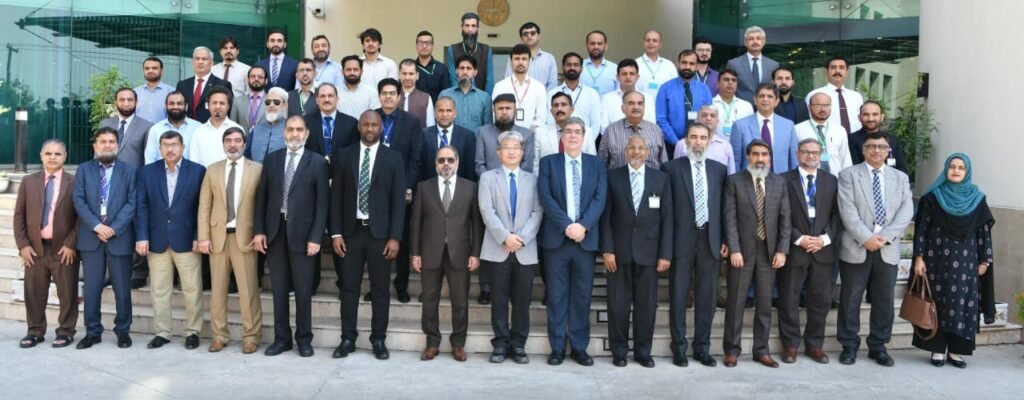
ISLAMABAD — The Pakistan Nuclear Regulatory Authority (PNRA), in collaboration with the International Atomic Energy Agency (IAEA), has successfully concluded a five-day National Training Course on computer security inspections for nuclear facilities. The training, held at the PNRA headquarters, aimed to enhance the cybersecurity framework of Pakistan’s nuclear infrastructure. What Happened The training course, which took place over five days, brought together experts and officials from various sectors to focus on strengthening the cybersecurity measures of nuclear facilities in Pakistan. The event was part of a broader initiative to ensure that nuclear sites are safeguarded against potential cyber threats. Participants were trained in the latest techniques and methodologies for conducting comprehensive computer security inspections, a crucial aspect of maintaining the integrity and safety of nuclear operations. According to the PNRA, the course was designed to equip participants with the necessary skills to identify vulnerabilities in nuclear facility computer systems and to implement effective security measures. The training included practical sessions, workshops, and interactive discussions led by IAEA experts. A PNRA spokesperson stated, “This training is a vital step in our ongoing efforts to bolster the cybersecurity of our nuclear facilities, ensuring they are protected against any form of cyber intrusion.” The collaboration with the IAEA underscores the international community’s commitment to nuclear security and the importance of global partnerships in addressing cybersecurity challenges. The IAEA has been instrumental in providing technical support and expertise to member states, including Pakistan, to enhance their nuclear security frameworks. Background Pakistan has been a member of the IAEA since 1957 and has consistently worked with the agency to ensure the safety and security of its nuclear programs. The PNRA, established in 2001, is responsible for regulating nuclear safety and security in Pakistan. Over the years, the country has made significant strides in developing a robust nuclear regulatory framework, with cybersecurity emerging as a critical component of its strategy. Globally, the threat of cyberattacks on critical infrastructure, including nuclear facilities, has increased. Cybersecurity has become a top priority for nuclear regulatory bodies worldwide, as cyber threats can potentially lead to severe consequences, including the disruption of nuclear operations and the compromise of sensitive information. Why It Matters The successful completion of this training course is a significant step forward in strengthening Pakistan’s nuclear security. As cyber threats continue to evolve, the importance of having a well-trained workforce capable of defending against such threats cannot be overstated. The training not only enhances the technical capabilities of Pakistani officials but also aligns the country’s practices with international standards. From an economic perspective, ensuring the cybersecurity of nuclear facilities is crucial for maintaining investor confidence and safeguarding national assets. Nuclear energy plays a vital role in Pakistan’s energy mix, and any disruption caused by cyber incidents could have far-reaching economic implications. Politically, the collaboration with the IAEA reflects Pakistan’s commitment to international nuclear security norms and its proactive approach to addressing emerging security challenges. This partnership enhances Pakistan’s standing in the international community as a responsible nuclear state. On a social level, the safety and security of nuclear facilities are paramount to public confidence. By investing in cybersecurity training and infrastructure, Pakistan is taking concrete steps to protect its citizens from potential nuclear threats, thereby reinforcing trust in its nuclear program. Key Takeaways The PNRA and IAEA concluded a five-day training course on computer security inspections for nuclear facilities. The training aimed to enhance cybersecurity measures and protect against potential cyber threats. Participants were equipped with skills to identify and mitigate vulnerabilities in nuclear facility computer systems. This initiative aligns Pakistan’s nuclear security practices with international standards. The collaboration underscores Pakistan’s commitment to global nuclear security norms. Source Attribution This article is based on official government statements, press releases, and public communications from relevant authorities. Author: NEN Editorial Desk | Editor: NEN Newsroom | Fact Checked By: NEN Editorial Team Author: NEN Editorial Desk  |  Editor: NEN Newsroom  |  Last Updated: July 31, 2026  |  Source: NEN Reporter This article was produced by the NEN Editorial Desk in accordance with NEN Agency’s Editorial Policy and Fact-Checking Policy.
Pakistan

Pakistan Wins Central Asian Men’s Volleyball Championship 2026

ISLAMABAD — Pakistan triumphed in the Zong 5G Central Asian Volleyball Association (CAVA) Men’s Volleyball Championship 2026, securing victory against Bangladesh in the final match held at the Liaquat Gymnasium, Pakistan Sports Complex. The Pakistani team dominated the game, winning in straight sets to claim the championship title. What Happened The championship final saw Pakistan face off against Bangladesh in a highly anticipated match at the Liaquat Gymnasium. Pakistan, demonstrating superior skill and teamwork, managed to overpower Bangladesh with a straight-set victory. The scores reflected Pakistan’s dominance, as they maintained a strong lead throughout the match. Pakistan’s performance was characterized by powerful serves and strategic plays, which left the Bangladeshi team struggling to keep pace. The local crowd provided enthusiastic support, cheering the home team to victory. The win marks a significant achievement for Pakistan’s volleyball team, which has been striving to improve its standing in the regional sports arena. The final day’s events also included a third-place match between Sri Lanka and another competing team, adding to the excitement of the tournament’s conclusion. However, it was Pakistan’s decisive victory over Bangladesh that captured the spotlight, as the team celebrated their championship win amidst applause and jubilation from fans and officials alike. Background The Zong 5G CAVA Men’s Volleyball Championship is an annual event that brings together teams from across Central Asia to compete for the prestigious title. Pakistan has been actively participating in this championship, with the aim of enhancing its volleyball prowess on an international level. The tournament serves as a platform for regional teams to showcase their talent and gain valuable experience. Historically, Pakistan has had a mixed record in volleyball, with sporadic successes in regional competitions. However, recent years have seen a renewed focus on developing the sport within the country, with increased investment in training facilities and coaching. This victory is a testament to the efforts made by the Pakistan Volleyball Federation and the dedication of the players and coaching staff. Why It Matters Pakistan’s victory in the CAVA Men’s Volleyball Championship holds significant implications for the country’s sports landscape. Firstly, it highlights the growing competitiveness of Pakistan in regional volleyball, a sport that has not traditionally been a stronghold for the nation. This win could potentially inspire greater interest and participation in volleyball across Pakistan, encouraging young athletes to pursue the sport. Economically, the championship win may attract sponsorships and funding for volleyball in Pakistan, aiding in the development of infrastructure and training programs. Such support is crucial for nurturing future talent and ensuring sustained success in international competitions. Politically, the victory serves as a unifying moment for the country, providing a source of national pride and positive international recognition. It underscores Pakistan’s potential to excel in diverse fields beyond cricket, which has historically dominated the sports narrative in the country. On an international level, Pakistan’s success in the championship enhances its reputation in the Central Asian sports community, potentially paving the way for greater collaboration and exchange with neighboring countries. It also sets a benchmark for future competitions, motivating the team to maintain and build upon their success. Key Takeaways Pakistan won the CAVA Men’s Volleyball Championship 2026 by defeating Bangladesh in the final. The victory was achieved in straight sets, showcasing Pakistan’s dominance in the match. This win is a significant milestone for Pakistan’s volleyball team, reflecting efforts to improve the sport nationally. The championship success may lead to increased interest, investment, and development in volleyball in Pakistan. Pakistan’s triumph enhances its standing in the Central Asian sports community and provides a source of national pride. Source Attribution This article is based on official government statements, press releases, and public communications from relevant authorities. Author: NEN Editorial Desk | Editor: NEN Newsroom | Fact Checked By: NEN Editorial Team Author: NEN Editorial Desk  |  Editor: NEN Newsroom  |  Last Updated: July 31, 2026  |  Source: NEN Reporter This article was produced by the NEN Editorial Desk in accordance with NEN Agency’s Editorial Policy and Fact-Checking Policy.
Pakistan

NBP Releases Latest Currency Exchange Rates Amid Economic Fluctuations

KARACHI — The National Bank of Pakistan (NBP) has announced the latest currency exchange rates for major international currencies on Friday, reflecting ongoing economic fluctuations. The updated rates are crucial for businesses and individuals engaged in foreign trade and travel, offering insights into the current economic landscape. What Happened The National Bank of Pakistan released the buying and selling rates for several major currencies, including the US dollar (USD), British pound (GBP), euro (EUR), Japanese yen (JPY), Saudi riyal (SAR), and United Arab Emirates dirham (AED). According to the NBP, the selling rate for the USD stood at 279.59 Pakistani rupees, while the buying rate was 276.59 rupees. The GBP was selling at 376.08 rupees and buying at 371.65 rupees. The euro’s selling rate was 321.87 rupees, with a buying rate of 318.10 rupees. The JPY was priced at 1.7407 rupees for selling and 1.7202 rupees for buying. The SAR was selling at 74.46 rupees and buying at 73.58 rupees, while the AED was selling at 76.12 rupees and buying at 75.23 rupees. The release of these rates comes amid a period of economic uncertainty, with the Pakistani rupee experiencing volatility against major currencies. This fluctuation can be attributed to various factors, including changes in global oil prices, international trade dynamics, and domestic economic policies. Background The currency exchange rates provided by the NBP are a reflection of the broader economic conditions in Pakistan and globally. Historically, the Pakistani rupee has faced challenges due to a high import bill, reliance on foreign remittances, and a persistent current account deficit. The State Bank of Pakistan (SBP) often intervenes in the foreign exchange market to stabilize the rupee, but external factors such as global economic trends and geopolitical developments also play a significant role. In recent years, Pakistan has been working to improve its economic stability through various measures, including securing financial assistance from international organizations like the International Monetary Fund (IMF) and implementing economic reforms aimed at boosting growth and reducing fiscal deficits. Currency exchange rates are a critical indicator of the health of the economy, influencing inflation, purchasing power, and overall economic confidence. Why It Matters The release of the latest currency rates by the NBP is significant for several reasons. Firstly, it provides essential information for businesses engaged in import and export activities. Accurate and up-to-date exchange rates are crucial for pricing goods and services, managing costs, and maintaining competitiveness in international markets. Fluctuations in exchange rates can directly impact profit margins and business strategies. Secondly, for individuals, especially those planning to travel abroad or remit money to family members, understanding the current exchange rates helps in making informed financial decisions. A stronger rupee against foreign currencies can mean more value for money when traveling or sending remittances. On a macroeconomic level, the exchange rates reflect the broader economic conditions and investor confidence in Pakistan’s economy. A stable or appreciating rupee can signal economic resilience and attract foreign investment, while a depreciating rupee may indicate underlying economic challenges. Key Takeaways The NBP has announced updated exchange rates for major currencies, including USD, GBP, and EUR. The Pakistani rupee continues to experience volatility due to various economic factors. Exchange rates are critical for businesses and individuals engaged in foreign trade and travel. Understanding exchange rates helps in making informed financial decisions and managing economic risks. Currency rates are a key indicator of Pakistan’s economic health and investor confidence. Source Attribution This article is based on official statements and public communications from the National Bank of Pakistan and relevant authorities. Author: NEN Editorial Desk | Editor: NEN Newsroom | Fact Checked By: NEN Editorial Team Author: NEN Editorial Desk  |  Editor: NEN Newsroom  |  Last Updated: July 31, 2026  |  Source: NEN Reporter This article was produced by the NEN Editorial Desk in accordance with NEN Agency’s Editorial Policy and Fact-Checking Policy.
Pakistan

Sindh Chief Minister Honours Folk Artist at Shah Abdul Latif Bhittai Urs

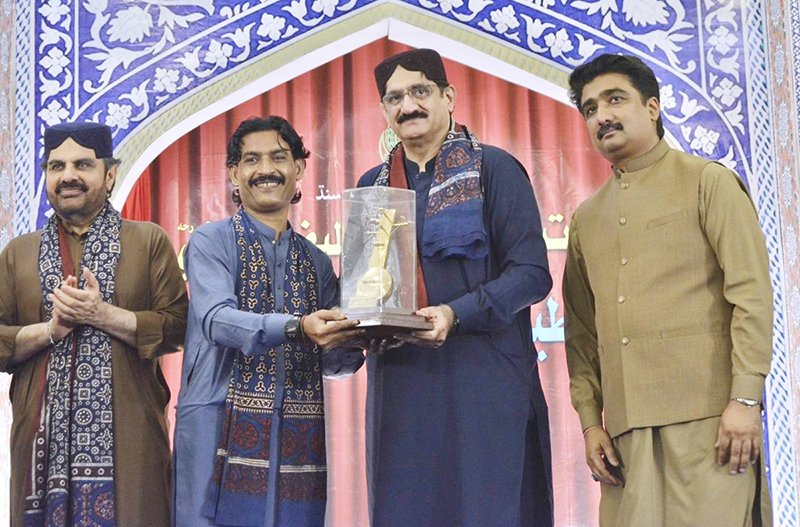
BHITSHAH — Chief Minister Sindh Syed Murad Ali Shah honoured a folk artist with an award during the closing ceremony of the 283rd Urs celebrations of Hazrat Shah Abdul Latif Bhittai held at the Bhitshah Auditorium. The event, which concluded on Thursday, marked the end of a three-day festival commemorating the revered Sufi saint. What Happened The 283rd Urs celebrations of Hazrat Shah Abdul Latif Bhittai, a prominent Sufi poet and philosopher, culminated in a grand ceremony at the Bhitshah Auditorium. Chief Minister Syed Murad Ali Shah attended the event and presented an award to a distinguished folk artist, recognizing their contribution to Sindh’s rich cultural heritage. The ceremony was attended by a large number of devotees, artists, and cultural enthusiasts who gathered to pay homage to the Sufi saint. During the event, the Chief Minister highlighted the importance of preserving and promoting the cultural legacy of Shah Abdul Latif Bhittai. He stated, “Shah Abdul Latif Bhittai’s poetry and teachings are a source of inspiration and guidance for us all. It is our duty to keep his message alive and promote the cultural heritage he left behind.” The Urs celebrations featured various cultural activities, including musical performances, poetry recitations, and traditional Sindhi dance. The festival attracted visitors from across the province and beyond, showcasing the enduring influence of Shah Abdul Latif Bhittai’s work. Background Hazrat Shah Abdul Latif Bhittai, born in 1689, is one of the most revered Sufi saints and poets in Pakistan. His poetry, written in the Sindhi language, is celebrated for its spiritual depth and universal themes of love, devotion, and humanity. The annual Urs celebrations at Bhitshah are held to commemorate his life and teachings, drawing thousands of devotees who seek spiritual solace and cultural enrichment. The Urs is a significant event in Sindh’s cultural calendar, reflecting the region’s deep-rooted Sufi traditions. It serves as a platform for artists and performers to showcase their talents and keep the cultural heritage alive. The Sindh government, under the leadership of Chief Minister Syed Murad Ali Shah, has been actively promoting cultural events to preserve the province’s rich history and traditions. Why It Matters The Urs celebrations of Shah Abdul Latif Bhittai hold immense cultural and social significance for the people of Sindh. They provide an opportunity to celebrate the province’s rich heritage and promote unity and harmony among diverse communities. The event also highlights the importance of preserving cultural traditions in the face of modernization and globalization. By honouring a folk artist at the ceremony, the Sindh government is reinforcing its commitment to supporting local artists and promoting cultural activities. This recognition not only boosts the morale of artists but also encourages the younger generation to engage with their cultural roots. Furthermore, the Urs celebrations attract visitors from across Pakistan and even internationally, contributing to local tourism and the economy. The influx of visitors during the festival provides a boost to local businesses and creates opportunities for cultural exchange. Key Takeaways Chief Minister Sindh Syed Murad Ali Shah presented an award to a folk artist at the 283rd Urs of Shah Abdul Latif Bhittai. The Urs celebrations included cultural activities like music, poetry, and dance, attracting large crowds. Shah Abdul Latif Bhittai’s teachings continue to inspire and guide people across Sindh and beyond. The event underscores the Sindh government’s commitment to preserving and promoting cultural heritage. The Urs contributes to local tourism and economic activity in the region. Source Attribution This article is based on official government statements, press releases, and public communications from relevant authorities. Author: NEN Editorial Desk | Editor: NEN Newsroom | Fact Checked By: NEN Editorial Team Author: NEN Editorial Desk  |  Editor: NEN Newsroom  |  Last Updated: July 31, 2026  |  Source: Press Release from Government of Pakistan This article was produced by the NEN Editorial Desk in accordance with NEN Agency’s Editorial Policy and Fact-Checking Policy.
Pakistan

Federal Minister Rana Tanveer Hussain Engages with FAO’s Robert Simpson in Islamabad

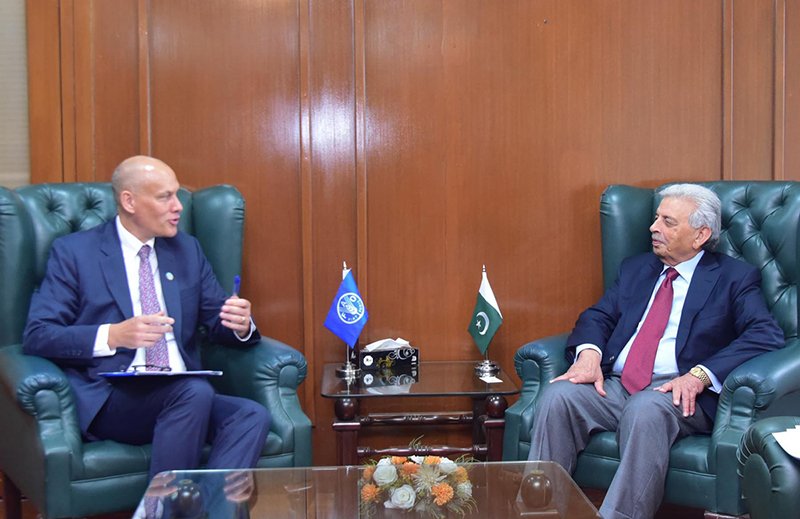
ISLAMABAD — Federal Minister for Education and Professional Training Rana Tanveer Hussain held a meeting with Robert Simpson, the Deputy Regional Representative of the Food and Agriculture Organization (FAO), on July 31 in Islamabad. The meeting focused on enhancing collaboration between Pakistan and the FAO to address pressing agricultural and educational challenges. What Happened The meeting between Federal Minister Rana Tanveer Hussain and FAO’s Robert Simpson took place at a crucial time when Pakistan is grappling with various agricultural challenges, including food security, climate change impacts, and sustainable agricultural practices. The discussions centered around potential areas of cooperation and support that the FAO could extend to Pakistan in these domains. During the meeting, Minister Hussain emphasized the importance of integrating educational initiatives with agricultural development to ensure a skilled workforce capable of implementing modern agricultural techniques. He stated, “Our collaboration with the FAO is vital for advancing our agricultural education and ensuring food security for our nation.” Robert Simpson acknowledged the efforts of the Pakistani government in prioritizing agricultural development and expressed the FAO’s commitment to supporting these initiatives. He remarked, “The FAO is keen to work closely with Pakistan to enhance its agricultural productivity and resilience against climate change.” The dialogue also explored the potential for joint projects aimed at improving agricultural education, promoting sustainable farming practices, and enhancing food security. Both parties agreed to continue discussions to finalize specific projects and initiatives that could be implemented in the near future. Background Pakistan has been a member of the FAO since its inception in 1947. Over the years, the FAO has played a significant role in supporting Pakistan’s agricultural sector through various projects and initiatives. The organization has been instrumental in providing technical assistance, policy advice, and capacity-building support to enhance the country’s agricultural productivity and sustainability. In recent years, Pakistan has faced numerous challenges in its agricultural sector, including water scarcity, outdated farming techniques, and the impacts of climate change. These issues have necessitated increased collaboration with international organizations like the FAO to develop and implement effective solutions. Why It Matters The meeting between Minister Hussain and Robert Simpson holds significant implications for Pakistan’s agricultural and educational sectors. By fostering collaboration with the FAO, Pakistan aims to leverage international expertise and resources to address its pressing agricultural challenges. Economically, enhancing agricultural productivity is crucial for Pakistan, where agriculture contributes significantly to the GDP and employs a large portion of the population. Improved agricultural practices can lead to increased food security, reduced poverty, and sustainable economic growth. Socially, integrating educational initiatives with agricultural development can empower local communities by providing them with the skills and knowledge needed to adopt modern farming techniques. This can lead to improved livelihoods and resilience against environmental and economic shocks. On an international level, Pakistan’s collaboration with the FAO underscores its commitment to achieving the United Nations’ Sustainable Development Goals (SDGs), particularly those related to zero hunger, quality education, and climate action. By aligning its national strategies with global objectives, Pakistan can enhance its standing in the international community and attract further support and investment. Key Takeaways Federal Minister Rana Tanveer Hussain met with FAO’s Robert Simpson to discuss agricultural and educational collaboration. The meeting focused on addressing food security, climate change impacts, and sustainable agricultural practices in Pakistan. Both parties emphasized the importance of integrating educational initiatives with agricultural development. Pakistan aims to leverage FAO’s expertise to enhance agricultural productivity and resilience. The collaboration aligns with Pakistan’s commitment to the United Nations’ Sustainable Development Goals. Source Attribution This article is based on official government statements and public communications from relevant authorities. Author: NEN Editorial Desk | Editor: NEN Newsroom | Fact Checked By: NEN Editorial Team Author: NEN Editorial Desk  |  Editor: NEN Newsroom  |  Last Updated: July 31, 2026  |  Source: Press Release from Government of Pakistan This article was produced by the NEN Editorial Desk in accordance with NEN Agency’s Editorial Policy and Fact-Checking Policy.
World

Pakistani Minister Visits Zakat Foundation of America Headquarters in Chicago

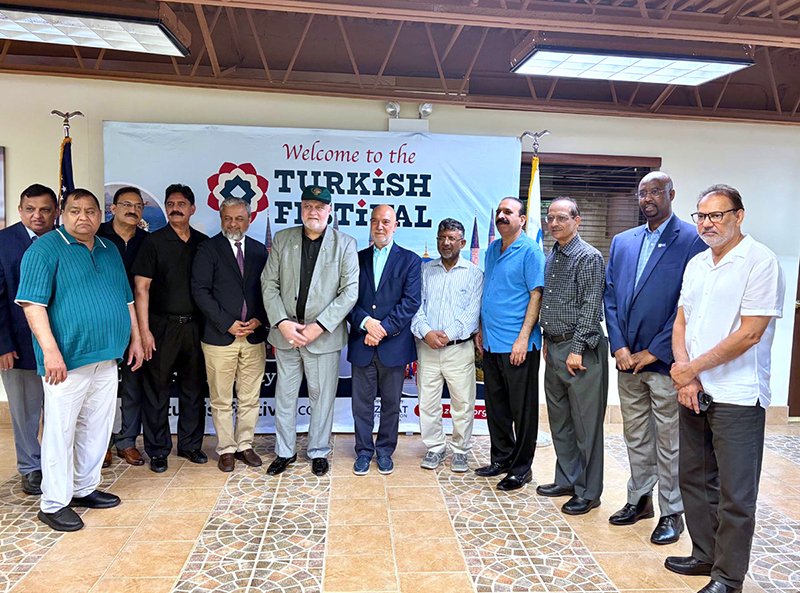
CHICAGO — Federal Minister for Poverty Alleviation and Social Safety Syed Imran Ahmad Shah, accompanied by the Consul General of Pakistan in Chicago, Zaman Mehdi, visited the headquarters of the Zakat Foundation of America on July 31. The visit aimed to strengthen ties and explore collaborative efforts in poverty alleviation and social welfare initiatives. What Happened During the visit, Minister Syed Imran Ahmad Shah and Consul General Zaman Mehdi engaged in discussions with the leadership of the Zakat Foundation of America. The talks focused on potential collaboration in areas of mutual interest, particularly in poverty alleviation and social safety programs. The minister highlighted Pakistan’s ongoing efforts to support vulnerable populations and expressed interest in learning from the foundation’s successful programs. Minister Shah stated, “Our government is committed to reducing poverty and improving the lives of our citizens. We see great potential in collaborating with organizations like the Zakat Foundation of America, which has a proven track record in social welfare.” The foundation’s representatives shared insights into their projects, which include emergency relief, education, and healthcare services for underprivileged communities. The visit also included a tour of the foundation’s facilities, where the minister and consul general were briefed on various operational aspects. The Zakat Foundation of America, known for its humanitarian efforts, has been active in providing aid and support to needy communities globally, including in Pakistan. Background The Zakat Foundation of America is a prominent non-profit organization based in the United States, dedicated to providing humanitarian assistance and promoting self-sufficiency among disadvantaged populations. Established in 2001, the foundation operates in numerous countries, including Pakistan, and focuses on areas such as food security, education, and healthcare. Poverty alleviation is a significant challenge in Pakistan, where a substantial portion of the population lives below the poverty line. The government has implemented various programs aimed at reducing poverty and improving social safety nets. These initiatives include cash transfer programs, skill development, and employment opportunities for marginalized groups. Why It Matters The visit by Minister Syed Imran Ahmad Shah to the Zakat Foundation of America underscores the importance of international collaboration in addressing poverty and social welfare challenges. By engaging with established organizations like the Zakat Foundation, Pakistan can leverage global expertise and resources to enhance its domestic programs. This collaboration holds potential benefits for both parties. For Pakistan, it offers an opportunity to adopt best practices and innovative solutions in poverty alleviation. For the Zakat Foundation, it provides a platform to expand its impact and reach within Pakistan, a country that remains a focal point for its humanitarian efforts. The partnership could lead to joint initiatives that address critical issues such as food insecurity, access to education, and healthcare services. Such efforts are crucial for improving the quality of life for millions of Pakistanis and achieving sustainable development goals. Moreover, the visit highlights the role of diaspora communities in fostering bilateral relations and contributing to development efforts in their home countries. The Pakistani community in the United States plays a vital role in supporting social and economic initiatives in Pakistan through remittances and philanthropic activities. Key Takeaways Federal Minister Syed Imran Ahmad Shah visited the Zakat Foundation of America in Chicago. The visit focused on exploring collaboration in poverty alleviation and social welfare. The Zakat Foundation of America is known for its global humanitarian efforts, including in Pakistan. International collaboration can enhance Pakistan’s poverty reduction strategies. The Pakistani diaspora in the US contributes significantly to development efforts in Pakistan. Source Attribution This article is based on official government statements, press releases, and public communications from relevant authorities. Author: NEN Editorial Desk | Editor: NEN Newsroom | Fact Checked By: NEN Editorial Team Author: NEN Editorial Desk  |  Editor: NEN Newsroom  |  Last Updated: July 31, 2026  |  Source: Press Release from Government of Sindh This article was produced by the NEN Editorial Desk in accordance with NEN Agency’s Editorial Policy and Fact-Checking Policy.
World

Chairman Senate Meets Pakistan Crypto Council Chief At Eidgah Sharif

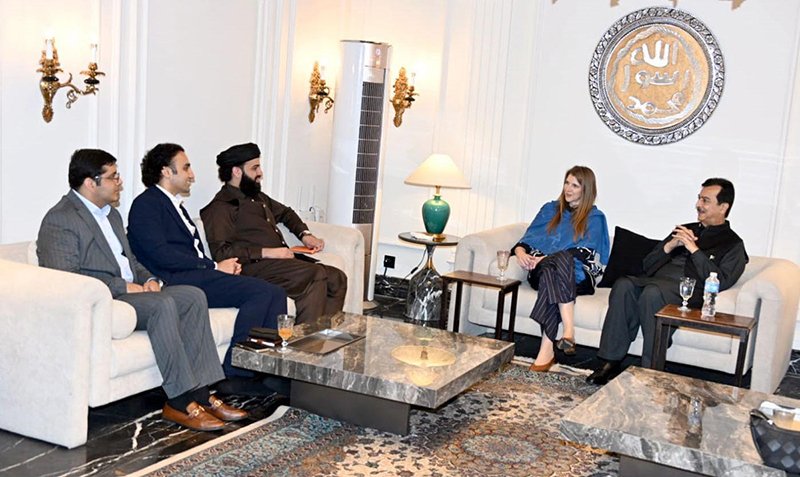
ISLAMABAD — Chairman Senate Syed Yousaf Raza Gilani held a meeting with Pir Hassan Haseeb of Eidgah Sharif and Bilal Bin Saqib, Chief Executive and Chairman of the Pakistan Crypto Council, at Eidgah Sharif on July 31. The meeting focused on potential collaborations and discussions surrounding the burgeoning cryptocurrency sector in Pakistan. What Happened The meeting took place at the historic Eidgah Sharif, a renowned spiritual and cultural site, where Syed Yousaf Raza Gilani engaged in discussions with Pir Hassan Haseeb and Bilal Bin Saqib. The dialogue centered on the role of cryptocurrency in Pakistan’s economy and how it could be integrated into the financial system. Bilal Bin Saqib, representing the Pakistan Crypto Council, emphasized the need for regulatory frameworks to support the growth of digital currencies. During the meeting, Gilani expressed interest in understanding the challenges and opportunities presented by cryptocurrencies. “The digital currency market is evolving rapidly, and it is crucial for Pakistan to keep pace with these changes,” Gilani stated. He acknowledged the potential of cryptocurrencies to contribute to economic development, provided they are managed within a secure and regulated environment. Bilal Bin Saqib highlighted the importance of government support in fostering a conducive environment for cryptocurrency adoption. He suggested that clear policies and guidelines could help mitigate risks associated with digital currencies. Pir Hassan Haseeb, known for his influence in spiritual and community matters, expressed his support for initiatives that align with national interests and economic growth. Background The meeting comes at a time when Pakistan is exploring the possibilities of integrating digital financial technologies into its economy. The State Bank of Pakistan has previously issued warnings about the risks associated with cryptocurrencies, citing concerns over their volatility and potential use in illegal activities. However, there is a growing interest among policymakers and industry leaders to harness the benefits of blockchain technology and digital currencies. Historically, Pakistan has been cautious in its approach to cryptocurrencies, with regulatory bodies emphasizing the need for stringent oversight. Despite this, the global rise in digital currency adoption has prompted discussions on how Pakistan can engage with this trend while safeguarding its financial system. Why It Matters The meeting between Syed Yousaf Raza Gilani and representatives from the Pakistan Crypto Council is significant for several reasons. Firstly, it signals a potential shift in the government’s stance towards cryptocurrencies, which could lead to more progressive policies that encourage innovation in the financial sector. This is particularly important as Pakistan seeks to boost its digital economy and attract foreign investment. Economically, the adoption of cryptocurrencies could provide new avenues for financial inclusion, especially for the unbanked population. By leveraging blockchain technology, Pakistan could enhance transparency and efficiency in financial transactions, reducing the cost of remittances and enabling easier access to financial services. Politically, engaging with the cryptocurrency sector could position Pakistan as a forward-thinking nation in the global digital economy. It may also foster international collaborations and partnerships, as countries worldwide are increasingly recognizing the potential of digital currencies. Socially, the integration of cryptocurrencies could empower individuals by offering alternative financial tools and opportunities for wealth generation. However, it is crucial that these developments are accompanied by public education initiatives to ensure that citizens are informed about the risks and benefits associated with digital currencies. Key Takeaways Chairman Senate Syed Yousaf Raza Gilani met with Pir Hassan Haseeb and Bilal Bin Saqib to discuss cryptocurrency in Pakistan. The meeting highlighted the need for regulatory frameworks to support digital currency growth. Pakistan is exploring how to integrate cryptocurrencies into its economy amid global trends. Adoption of digital currencies could enhance financial inclusion and economic development. Public education on cryptocurrencies is essential to mitigate risks and maximize benefits. Source Attribution This article is based on official government statements, press releases, and public communications from relevant authorities. Author: NEN Editorial Desk | Editor: NEN Newsroom | Fact Checked By: NEN Editorial Team Author: NEN Editorial Desk  |  Editor: NEN Newsroom  |  Last Updated: July 31, 2026  |  Source: Press Release from Government of Pakistan This article was produced by the NEN Editorial Desk in accordance with NEN Agency’s Editorial Policy and Fact-Checking Policy.

World

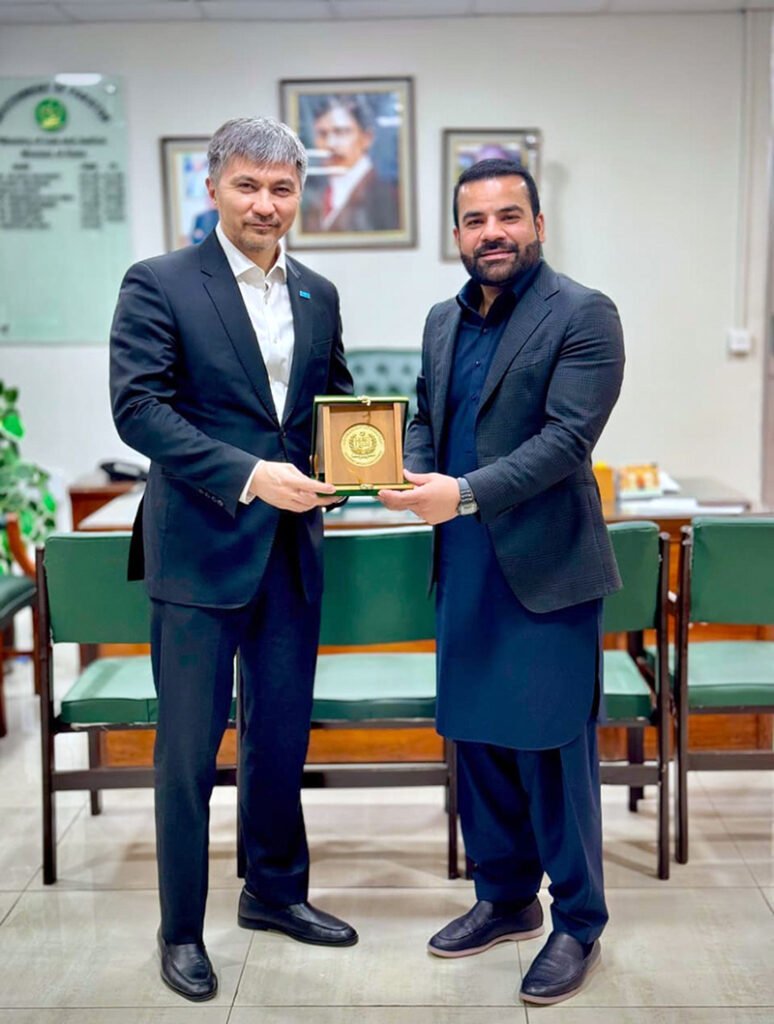
Pakistan’s Law Minister Meets Kazakhstan Ambassador to Discuss Bilateral Relations

ISLAMABAD — Minister of State for Law and Justice Barrister Aqeel Malik held a meeting with Yerzhan Kistafin, the Ambassador of the Republic of Kazakhstan to Pakistan, on July 31 in Islamabad. The meeting focused on strengthening bilateral relations and exploring opportunities for collaboration between the two countries. What Happened The meeting between Barrister Aqeel Malik and Ambassador Yerzhan Kistafin took place at the Ministry of Law and Justice, where both officials discussed various aspects of Pakistan-Kazakhstan relations. The discussions were aimed at enhancing cooperation in legal, economic, and cultural domains. Barrister Malik highlighted the importance of mutual understanding and cooperation in fostering stronger ties between the two nations. According to a statement from the Ministry, the meeting underscored the potential for collaboration in legal reforms and judicial training programs. Barrister Malik emphasized the need for exchanging legal expertise and best practices to improve the judicial systems in both countries. He stated, “Pakistan is keen to learn from Kazakhstan’s experiences in legal reforms and is open to sharing its own successes in this field.” Ambassador Kistafin expressed Kazakhstan’s interest in deepening economic ties with Pakistan, particularly in sectors such as trade, investment, and energy. He noted that Kazakhstan views Pakistan as a strategic partner in South Asia and is committed to expanding the scope of bilateral cooperation. “Kazakhstan is eager to explore new avenues for economic collaboration with Pakistan,” Ambassador Kistafin remarked. Background Pakistan and Kazakhstan have maintained diplomatic relations since 1992, following Kazakhstan’s independence from the Soviet Union. Over the years, the two countries have engaged in various bilateral agreements and initiatives aimed at enhancing cooperation in trade, energy, and cultural exchanges. The relationship has been characterized by mutual respect and a shared interest in regional stability. In recent years, both nations have sought to strengthen their ties through high-level visits and joint ventures. Pakistan has been particularly interested in Kazakhstan’s role in the Belt and Road Initiative, given its strategic location in Central Asia. Additionally, Kazakhstan’s vast energy resources present opportunities for collaboration in energy projects. Why It Matters The meeting between Barrister Aqeel Malik and Ambassador Yerzhan Kistafin is significant as it reflects the ongoing efforts to deepen Pakistan-Kazakhstan relations. Strengthening these ties is crucial for Pakistan’s foreign policy objectives, particularly in the context of regional connectivity and economic cooperation. Economically, enhanced cooperation with Kazakhstan could lead to increased trade and investment opportunities for Pakistan. Kazakhstan’s strategic location as a gateway to Central Asia offers Pakistan access to new markets and trade routes. This is particularly important as Pakistan seeks to diversify its trade partnerships and reduce its reliance on traditional markets. Politically, fostering stronger ties with Kazakhstan aligns with Pakistan’s broader regional strategy of building alliances with Central Asian countries. This is vital for ensuring regional stability and addressing common challenges such as terrorism and extremism. Moreover, legal collaboration between the two countries could lead to improvements in judicial systems, benefiting citizens by ensuring more efficient and transparent legal processes. The exchange of legal expertise and reforms could also pave the way for more robust legal frameworks that support business and investment. Key Takeaways Minister of State for Law and Justice Barrister Aqeel Malik met with Kazakhstan’s Ambassador Yerzhan Kistafin to discuss bilateral cooperation. The meeting focused on legal reforms, economic ties, and cultural exchanges between Pakistan and Kazakhstan. Kazakhstan expressed interest in expanding economic collaboration with Pakistan, particularly in trade and energy sectors. Strengthening ties with Kazakhstan aligns with Pakistan’s regional strategy for connectivity and economic diversification. Legal collaboration could lead to improved judicial systems and more robust legal frameworks in both countries. Source Attribution This article is based on official government statements, press releases, and public communications from relevant authorities. Author: NEN Editorial Desk | Editor: NEN Newsroom | Fact Checked By: NEN Editorial Team Author: NEN Editorial Desk  |  Editor: NEN Newsroom  |  Last Updated: July 31, 2026  |  Source: Press Release from Government of Pakistan This article was produced by the NEN Editorial Desk in accordance with NEN Agency’s Editorial Policy and Fact-Checking Policy.

Scroll to Top