

2026

Pakistan

Overseas Pakistanis’ Welfare Emphasized by Minister Imran Ahmad Shah

ISLAMABAD — Federal Minister for Poverty Alleviation and Social Safety, Syed Imran Ahmad Shah, reiterated on Friday that the welfare of overseas Pakistanis remains a top priority for the government. He emphasized the need for Pakistani missions abroad to deliver efficient, accessible, and people-centric consular services to ensure the well-being of Pakistani expatriates. What Happened During a recent address, Minister Imran Ahmad Shah underscored the government’s commitment to enhancing the quality of public services available to overseas Pakistanis. He stressed that the provision of timely and effective consular services is crucial for maintaining the welfare of the Pakistani diaspora. The minister highlighted the importance of Pakistani missions abroad in facilitating these services, ensuring they are accessible and meet the needs of the community. Minister Shah stated, “The welfare of overseas Pakistanis is among our top priorities. Our missions abroad must ensure that consular services are efficient, accessible, timely, and people-centric.” He further elaborated on the government’s efforts to improve service delivery and address the challenges faced by overseas Pakistanis, particularly in accessing essential services. The minister’s remarks come amid ongoing efforts by the government to strengthen ties with the Pakistani diaspora, which plays a significant role in the country’s economy through remittances and investments. The government has been working on various initiatives to support overseas Pakistanis, including improved communication channels and streamlined processes for accessing consular services. Background The welfare of overseas Pakistanis has been a longstanding focus for successive governments in Pakistan. With millions of Pakistanis living and working abroad, their contributions through remittances form a significant part of the national economy. Historically, the government has sought to address the challenges faced by these expatriates, including legal assistance, documentation, and access to consular services. Previous administrations have implemented various policies aimed at improving the conditions for overseas Pakistanis. These include the establishment of dedicated departments and helplines to assist expatriates in resolving issues related to employment, legal matters, and consular services. The current government continues to build on these efforts, recognizing the vital role of overseas Pakistanis in the country’s development. Why It Matters The emphasis on the welfare of overseas Pakistanis is significant for several reasons. Economically, remittances from Pakistanis abroad are a major source of foreign exchange, contributing billions of dollars annually to the national economy. In the fiscal year 2022-2023, remittances amounted to over $30 billion, underscoring their importance in stabilizing Pakistan’s foreign reserves and supporting economic growth. Socially, overseas Pakistanis maintain strong ties with their homeland, often supporting family members and communities through financial and social contributions. Ensuring their welfare and addressing their concerns not only strengthens these ties but also boosts the morale of the diaspora, encouraging further investment and engagement with Pakistan. Politically, the government’s commitment to the welfare of overseas Pakistanis can enhance its standing among expatriate communities, potentially influencing political support and participation in national affairs. By prioritizing their needs, the government can foster a sense of inclusion and representation among overseas Pakistanis, who often feel disconnected from domestic policy-making. Key Takeaways Federal Minister Imran Ahmad Shah emphasized the welfare of overseas Pakistanis as a top government priority. Efficient and accessible consular services are crucial for supporting the Pakistani diaspora. Remittances from overseas Pakistanis significantly contribute to Pakistan’s economy, exceeding $30 billion in the last fiscal year. The government’s efforts aim to strengthen ties with expatriates and encourage their continued investment in Pakistan. Addressing the needs of overseas Pakistanis can enhance political support and engagement from the diaspora. Source Attribution This article is based on official government statements and public communications from relevant authorities. Author: NEN Editorial Desk | Editor: NEN Newsroom | Fact Checked By: NEN Editorial Team Author: NEN Editorial Desk  |  Editor: NEN Newsroom  |  Last Updated: August 01, 2026  |  Source: NEN Reporter This article was produced by the NEN Editorial Desk in accordance with NEN Agency’s Editorial Policy and Fact-Checking Policy.

Pakistan

Commerce Minister Advocates Governance Reform for Digital Era Challenges

ISLAMABAD — Federal Minister for Commerce Jam Kamal Khan has called for comprehensive governance reform and restructuring to address the demands of the digital era. On August 1, the minister emphasized the necessity of adapting Pakistan’s governance model to meet the challenges posed by rapid technological advancements. What Happened In a statement posted on social media platform X, Commerce Minister Jam Kamal Khan highlighted the urgent need for reform and restructuring within the governance framework. He stated, “Reform and Restructure in the governance model is the only way forward. And, it’s needed more than ever to cope with the challenges of the modern digital age.” The minister’s comments underscore the growing recognition among government officials of the importance of digital transformation in governance. The minister’s remarks come at a time when Pakistan is increasingly embracing digital technologies across various sectors. The country’s digital landscape is evolving rapidly, with significant investments being made in digital infrastructure, e-governance, and technology-driven solutions. However, there remains a pressing need to align governance structures with these technological advancements to ensure effective service delivery and policy implementation. Minister Khan’s call for reform is seen as a proactive step towards modernizing the governance model to enhance efficiency, transparency, and accountability. The minister did not provide specific details on the proposed reforms, but his statement indicates a focus on leveraging digital tools and practices to streamline government operations and improve public service delivery. Background Pakistan’s journey towards digital transformation has been marked by several initiatives aimed at integrating technology into governance. The government has launched various programs to promote e-governance, digital literacy, and innovation. The Digital Pakistan initiative, launched in 2019, aims to transform Pakistan into a knowledge-based economy through the use of digital technologies. Historically, Pakistan’s governance model has faced challenges related to bureaucratic inefficiencies, lack of transparency, and slow decision-making processes. These issues have often hindered the effective implementation of policies and the delivery of public services. As the global landscape shifts towards digital solutions, there is a growing recognition of the need to reform traditional governance structures to remain competitive and responsive. Why It Matters The call for governance reform is significant for several reasons. Economically, aligning governance structures with digital advancements can lead to more efficient resource allocation, reduced administrative costs, and improved service delivery. This, in turn, can enhance investor confidence and attract foreign investment, contributing to economic growth. Socially, digital governance can improve access to public services, particularly for marginalized communities. By leveraging digital tools, the government can ensure that services such as healthcare, education, and social welfare reach those who need them most, thereby reducing inequalities and promoting social inclusion. Politically, reforming governance to incorporate digital practices can enhance transparency and accountability, reducing opportunities for corruption and fostering public trust in government institutions. This is crucial for strengthening democratic processes and ensuring that the government remains accountable to its citizens. Internationally, embracing digital governance can position Pakistan as a leader in the region, showcasing its commitment to modernization and innovation. This can enhance Pakistan’s diplomatic standing and open up opportunities for collaboration with other countries in the realm of digital technology and governance. Key Takeaways Commerce Minister Jam Kamal Khan calls for governance reform to address digital era challenges. The minister emphasizes the need for restructuring to enhance efficiency and transparency. Pakistan’s digital transformation efforts include the Digital Pakistan initiative launched in 2019. Reforming governance can lead to economic growth, social inclusion, and political accountability. Embracing digital governance can improve Pakistan’s international standing and collaboration opportunities. Source Attribution This article is based on official government statements and public communications from relevant authorities. Author: NEN Editorial Desk | Editor: NEN Newsroom | Fact Checked By: NEN Editorial Team Author: NEN Editorial Desk  |  Editor: NEN Newsroom  |  Last Updated: August 01, 2026  |  Source: Press Release from Government of Pakistan This article was produced by the NEN Editorial Desk in accordance with NEN Agency’s Editorial Policy and Fact-Checking Policy.

Pakistan

Sargodha Police Arrest 15 Suspected Criminals in District Crackdown

SARGODHA — Police in Sargodha have arrested 15 individuals suspected of criminal activities during a district-wide crackdown on law violators, officials reported on Saturday. The operation involved coordinated efforts by multiple police teams across various localities, targeting those allegedly involved in illegal activities. What Happened According to police sources, the crackdown resulted in the apprehension of 15 suspects, identified as Khalid, Khaleel, Asghar, Nouman, Naveed, Nasrullah, Muhammad Ashfaq, Muhammad Aslam, Tariq, Waqas, Waleed, among others. The arrests were made following a series of raids conducted by teams from different police stations in the district. During the operation, law enforcement officials seized a variety of illegal substances and weapons. The confiscated items included two kilograms of hashish, two kilograms of opium, 231 liters of liquor, nine pistols, nine guns, and 211 bullets. The police have stated that further investigations are underway to determine the extent of the suspects’ involvement in criminal activities and to uncover any potential links to larger criminal networks. The operation is part of an ongoing effort by the Sargodha police to maintain law and order in the district by targeting individuals involved in illegal activities. Authorities have emphasized their commitment to continuing these efforts to ensure the safety and security of the residents. Background Sargodha, located in the Punjab province of Pakistan, has been the focus of several law enforcement operations aimed at curbing crime and illegal activities. The district police have been actively working to dismantle criminal networks and reduce the prevalence of drug trafficking and illegal arms possession. This latest crackdown is part of a broader strategy to enhance public safety and restore community confidence in law enforcement. Historically, the region has faced challenges related to drug trafficking and the illegal arms trade, which have been persistent issues affecting the local population. The police have been employing various tactics, including intelligence-led operations and community engagement, to address these challenges effectively. Why It Matters The recent arrests and seizures in Sargodha are significant for several reasons. Firstly, they demonstrate the police’s proactive approach to tackling crime and maintaining public order. By removing illegal substances and weapons from the streets, law enforcement is directly contributing to reducing potential threats to community safety. Economically, the crackdown on drug-related activities can have positive implications. Drug trafficking often fuels other forms of crime and can have detrimental effects on local economies. By disrupting these activities, the police are helping to create a more stable and secure environment for businesses and residents alike. Socially, the operation sends a strong message to the community that illegal activities will not be tolerated. This can help build trust between the police and the public, encouraging greater cooperation in future crime prevention efforts. Additionally, it highlights the importance of community involvement in reporting suspicious activities, which can aid law enforcement in their efforts to combat crime effectively. On a broader scale, successful operations like these contribute to Pakistan’s overall efforts to improve its international image regarding law enforcement and public safety. Demonstrating effective policing and a commitment to upholding the rule of law can enhance the country’s reputation and potentially attract foreign investment. Key Takeaways Sargodha police arrested 15 suspected criminals during a district-wide crackdown. Seized items included two kilograms of hashish, two kilograms of opium, 231 liters of liquor, nine pistols, nine guns, and 211 bullets. The operation is part of ongoing efforts to combat crime and enhance public safety in the district. Successful crackdowns contribute to economic stability and improved community trust in law enforcement. These efforts align with Pakistan’s broader goals of enhancing its international reputation for law enforcement. Source Attribution This article is based on official government statements, press releases, and public communications from relevant authorities. Author: NEN Editorial Desk | Editor: NEN Newsroom | Fact Checked By: NEN Editorial Team Author: NEN Editorial Desk  |  Editor: NEN Newsroom  |  Last Updated: August 01, 2026  |  Source: NEN Reporter This article was produced by the NEN Editorial Desk in accordance with NEN Agency’s Editorial Policy and Fact-Checking Policy.
Pakistan

Cholera Outbreak Investigated in Dir Lower: One Confirmed, Seven Suspected Cases

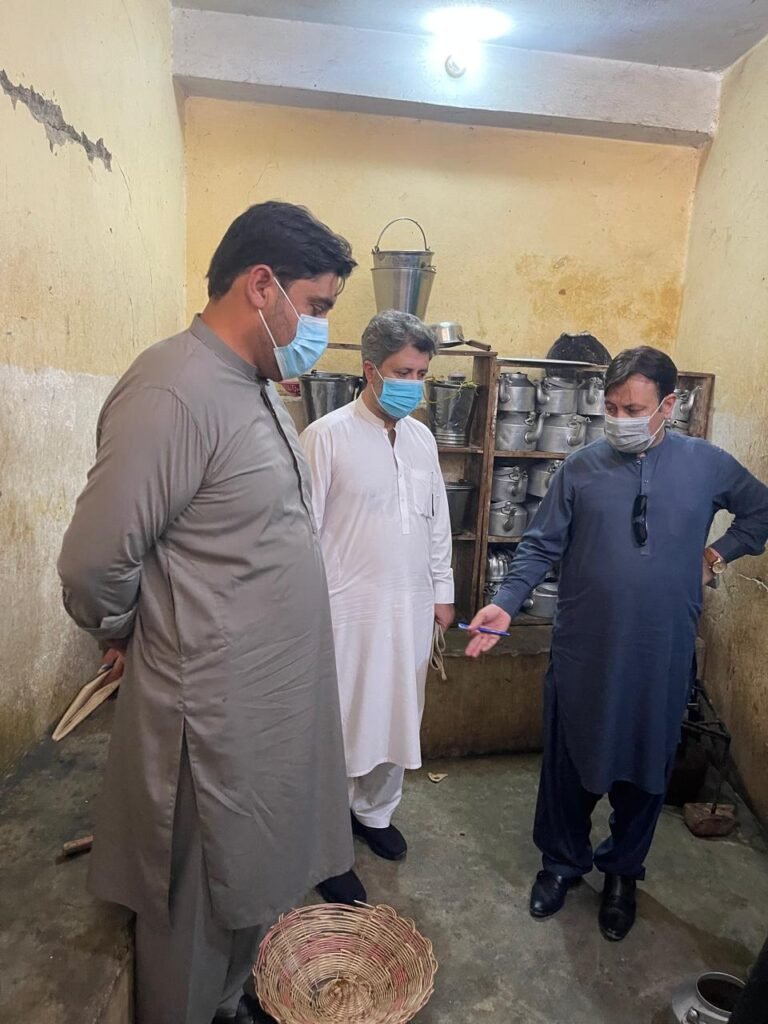
PESHAWAR — An investigative team from the Integrated Disease Surveillance and Response Strategy (IDSRS) has reported one confirmed and seven suspected cases of cholera in Dir Lower, following a field visit to a local religious seminary. The visit, conducted on August 1, aimed to identify the causes of the outbreak and assess the situation in the union council of Khall. What Happened The IDSRS team, tasked with examining the health conditions in Dir Lower, discovered several cases of cholera among students at a religious seminary. The inspection revealed one confirmed case and seven other individuals exhibiting symptoms consistent with cholera. This prompted immediate health interventions to prevent further spread of the disease. The investigation highlighted significant issues with water safety and sanitation in the area, which are critical factors in the transmission of cholera. The team conducted a thorough assessment of the local water sources and sanitation facilities, identifying them as potential contributors to the outbreak. Cholera, an acute diarrheal illness caused by infection of the intestine with Vibrio cholerae bacteria, can spread rapidly in areas with inadequate water treatment, poor sanitation, and insufficient hygiene practices. The disease is primarily transmitted through contaminated water and food. Local health authorities have been alerted, and measures are being implemented to improve water quality and sanitation in the affected areas. Public health officials are also conducting awareness campaigns to educate the community about preventive measures and the importance of maintaining hygiene to control the spread of the disease. Background Cholera outbreaks are not uncommon in Pakistan, particularly in regions with limited access to clean water and sanitation facilities. The country has experienced several cholera outbreaks in the past, often exacerbated by monsoon rains that can lead to flooding and contamination of water supplies. Dir Lower, like many rural areas in Pakistan, faces challenges related to infrastructure and public health services. The lack of adequate sanitation facilities and clean drinking water has been a persistent issue, contributing to the spread of waterborne diseases such as cholera. The government of Pakistan, along with international health organizations, has been working to improve water and sanitation infrastructure across the country. However, many remote areas still struggle with these basic necessities, making them vulnerable to outbreaks of diseases like cholera. Why It Matters The emergence of cholera cases in Dir Lower underscores the ongoing public health challenges faced by rural communities in Pakistan. The outbreak highlights the urgent need for improved water and sanitation infrastructure to prevent the spread of waterborne diseases. Cholera can have severe health implications, particularly for vulnerable populations such as children and the elderly. Rapid response and effective management are crucial to controlling outbreaks and preventing fatalities. The situation in Dir Lower serves as a reminder of the importance of maintaining rigorous disease surveillance and response systems to detect and address public health threats promptly. Economically, outbreaks of diseases like cholera can strain local healthcare systems and divert resources from other critical areas. They can also impact community productivity and well-being, as affected individuals may be unable to work or attend school during illness. On a broader scale, addressing the root causes of cholera outbreaks, such as inadequate sanitation and unsafe water, is essential for achieving sustainable development goals related to health and well-being. The situation in Dir Lower calls for coordinated efforts from government agencies, health organizations, and local communities to improve living conditions and reduce the risk of future outbreaks. Key Takeaways One confirmed and seven suspected cholera cases have been identified in Dir Lower. Inadequate water safety and sanitation are significant factors in the outbreak. Local health authorities are taking measures to improve water quality and sanitation. Cholera outbreaks highlight the need for better infrastructure in rural Pakistan. Addressing these issues is crucial for public health and economic stability. Source Attribution This article is based on official government statements, press releases, and public communications from relevant authorities. Author: NEN Editorial Desk | Editor: NEN Newsroom | Fact Checked By: NEN Editorial Team Author: NEN Editorial Desk  |  Editor: NEN Newsroom  |  Last Updated: August 01, 2026  |  Source: NEN Reporter This article was produced by the NEN Editorial Desk in accordance with NEN Agency’s Editorial Policy and Fact-Checking Policy.

Pakistan

Federal Minister Opens Exhibition on IIOJK Rights in Chicago

ISLAMABAD — Federal Minister for Poverty Alleviation and Social Safety, Syed Imran Ahmed Shah, inaugurated a photo exhibition at the Consulate General of Pakistan in Chicago, emphasizing the rights and ongoing struggle of the people in Indian Illegally Occupied Jammu and Kashmir (IIOJK). The event took place on August 1, 2023, and was attended by Consul General Zaman Mehdi, along with other consulate staff. What Happened The exhibition, inaugurated by Federal Minister Syed Imran Ahmed Shah, showcased a series of photographs that depict the resilience and determination of the people in IIOJK. The event aimed to raise awareness about the human rights issues faced by the residents of the region. The Consul General of Pakistan in Chicago, Zaman Mehdi, welcomed the minister and highlighted the importance of international awareness regarding the situation in IIOJK. During his address, Minister Shah stated, “The international community must recognize the plight of the Kashmiri people and support their right to self-determination.” He emphasized the need for global attention to the ongoing human rights violations and expressed Pakistan’s commitment to advocating for the rights of the Kashmiri people on international platforms. The exhibition featured images that captured the daily struggles and aspirations of the Kashmiri people, aiming to provide a visual narrative of their fight for freedom and justice. The event was attended by members of the Pakistani community in Chicago, human rights activists, and local media representatives. Background The region of Jammu and Kashmir has been a point of contention between India and Pakistan since the partition of British India in 1947. Both nations claim the region in full but control only parts of it. The area under Indian administration, referred to as Indian Illegally Occupied Jammu and Kashmir (IIOJK) by Pakistan, has been the site of significant unrest and conflict. In August 2019, the Indian government revoked the special status of Jammu and Kashmir, a move that was met with widespread protests and international criticism. The revocation led to increased tensions and a military lockdown in the region, exacerbating the human rights situation. Pakistan has consistently raised the issue at international forums, calling for a peaceful resolution in accordance with United Nations resolutions. Why It Matters The exhibition in Chicago serves as a critical platform for raising international awareness about the situation in IIOJK. By highlighting the human rights challenges faced by the Kashmiri people, the event aims to garner international support and solidarity. The involvement of a federal minister underscores the importance Pakistan places on advocating for the rights of the Kashmiri people. From an international perspective, the ongoing conflict in Jammu and Kashmir has implications for regional stability in South Asia. The dispute has been a flashpoint for tensions between two nuclear-armed neighbors, India and Pakistan, making it a matter of global concern. The international community’s engagement is crucial in facilitating dialogue and promoting peace in the region. Economically, the conflict has hindered development and prosperity in the region, affecting the livelihoods of millions. Socially, the prolonged unrest has led to a humanitarian crisis, with reports of human rights abuses, including arbitrary detentions and restrictions on freedom of expression. Key Takeaways Federal Minister Syed Imran Ahmed Shah inaugurated a photo exhibition in Chicago on August 1, 2023, highlighting the struggle of the people in IIOJK. The exhibition aims to raise international awareness about human rights issues in the region. The event underscores Pakistan’s commitment to advocating for the rights of the Kashmiri people. The ongoing conflict in Jammu and Kashmir has significant implications for regional stability and international peace. International engagement is crucial for facilitating dialogue and promoting a peaceful resolution to the conflict. Source Attribution This article is based on official government statements, press releases, and public communications from relevant authorities. Author: NEN Editorial Desk | Editor: NEN Newsroom | Fact Checked By: NEN Editorial Team Author: NEN Editorial Desk  |  Editor: NEN Newsroom  |  Last Updated: August 01, 2026  |  Source: Press Release from Government of Pakistan This article was produced by the NEN Editorial Desk in accordance with NEN Agency’s Editorial Policy and Fact-Checking Policy.

Pakistan

Pakistan And Türkiye Pledge Enhanced Railway Cooperation For Regional Connectivity

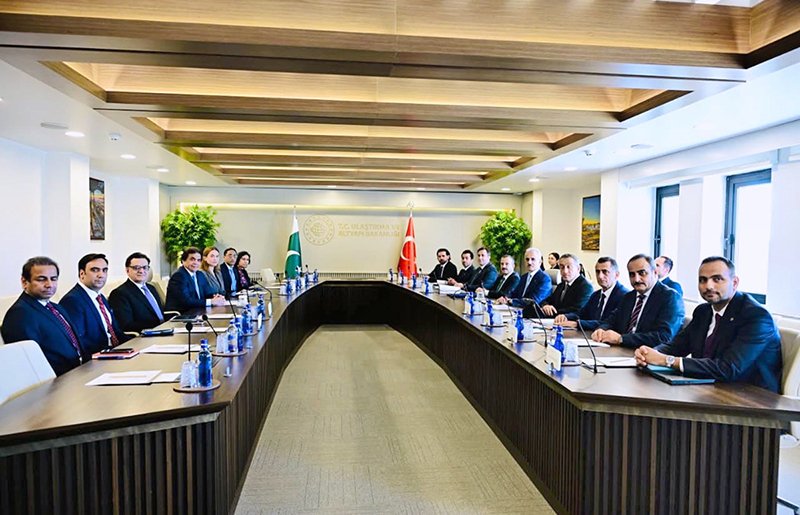
ISLAMABAD — Pakistan’s Federal Minister for Railways Muhammad Hanif Abbasi and Türkiye’s Minister of Transport and Infrastructure Abdulkadir Uraloğlu have agreed to strengthen bilateral cooperation in the railway sector. The agreement, reached during a meeting held on Tuesday, focuses on investment, modernization, and enhancing regional connectivity. What Happened The meeting between the two ministers took place in Islamabad, where they discussed various strategies to enhance the railway infrastructure between Pakistan and Türkiye. The discussions centered on increasing investment in the railway sector, modernizing existing infrastructure, and improving regional connectivity to boost trade and economic ties. Both ministers emphasized the importance of leveraging each country’s strengths to create a more robust and efficient railway network. “We are committed to working closely with Türkiye to modernize our railway system and improve connectivity across the region,” said Federal Minister Muhammad Hanif Abbasi. He highlighted that the collaboration would not only benefit the two nations but also contribute to regional economic growth. Minister Abdulkadir Uraloğlu echoed these sentiments, stating, “Türkiye sees great potential in partnering with Pakistan to enhance railway infrastructure, which is vital for regional trade and connectivity.” He further added that Türkiye is ready to share its expertise and technology to support Pakistan’s railway modernization efforts. The agreement includes plans for joint projects and initiatives aimed at upgrading railway lines, enhancing cargo handling capabilities, and introducing advanced technologies for better operational efficiency. Both countries aim to facilitate smoother and faster transportation of goods, which is expected to have a positive impact on trade volumes. Background Pakistan and Türkiye have a history of strong diplomatic and economic relations, with both countries being members of the Economic Cooperation Organization (ECO). The railway sector is seen as a crucial component of their bilateral cooperation, given its potential to enhance connectivity not only between the two nations but also with other countries in the region. In recent years, Pakistan has been focusing on revitalizing its railway infrastructure as part of broader economic development plans. The China-Pakistan Economic Corridor (CPEC) has been a significant driver of infrastructure investment, and the partnership with Türkiye is expected to complement these efforts. Why It Matters The agreement between Pakistan and Türkiye is significant for several reasons. Economically, improved railway connectivity is expected to lower transportation costs, enhance trade efficiency, and increase the competitiveness of both countries’ exports. This is particularly important for Pakistan, which is looking to expand its trade footprint in regional markets. Socially, the modernization of the railway system is anticipated to create job opportunities and stimulate economic activity in regions connected by the railway network. This could lead to improved living standards and economic development in underserved areas. Politically, the enhanced cooperation between Pakistan and Türkiye strengthens diplomatic ties and showcases a commitment to regional collaboration. It also aligns with broader regional integration efforts, facilitating smoother trade routes across Asia and Europe. Internationally, the partnership could serve as a model for other countries looking to enhance regional connectivity through collaborative infrastructure projects. The success of this initiative could encourage similar partnerships, contributing to a more interconnected global economy. Key Takeaways Pakistan and Türkiye have agreed to enhance cooperation in the railway sector, focusing on investment and modernization. The partnership aims to improve regional connectivity, facilitating trade and economic growth. This initiative is part of broader efforts to revitalize Pakistan’s railway infrastructure, complementing CPEC projects. Enhanced railway connectivity is expected to create economic opportunities and improve living standards in connected regions. The agreement strengthens diplomatic ties and supports regional integration efforts. Source Attribution This article is based on official government statements and public communications from relevant authorities. Author: NEN Editorial Desk | Editor: NEN Newsroom | Fact Checked By: NEN Editorial Team Author: NEN Editorial Desk  |  Editor: NEN Newsroom  |  Last Updated: August 01, 2026  |  Source: Press Release from Government of Pakistan This article was produced by the NEN Editorial Desk in accordance with NEN Agency’s Editorial Policy and Fact-Checking Policy.
World

Nabeez Gains Popularity in Islamabad as a Traditional Sunnah Beverage

ISLAMABAD — Nabeez, a traditional Sunnah drink, is experiencing a resurgence in popularity among Islamabad residents as they seek healthier, natural beverage options inspired by Islamic traditions. What Happened Nabeez, a centuries-old drink prepared by soaking dates or raisins in water overnight, is becoming a favored choice in homes and religious gatherings across Islamabad. The drink is being embraced as an alternative to sugary soft drinks and artificially flavored beverages, aligning with a broader trend towards healthier lifestyles rooted in tradition. As demand for Nabeez grows, local grocery stores and dry-fruit retailers report increased sales of premium dates and raisins. Zahir, a dry-fruit trader in Aabpara Market, noted a rise in customer inquiries for Ajwa and other date varieties specifically for preparing Nabeez. “Demand rises particularly during Muharram, Ramazan, and other religious occasions, when more people prefer traditional Sunnah practices,” he said. Sadia Saif, an Islamic scholar and Information Secretary of the Jamaat-e-Islami Women Wing Islamabad, emphasized the spiritual significance of Nabeez. Citing authentic Hadith, she explained that the Holy Prophet Muhammad (PBUH) used to drink Nabeez prepared from dates or raisins before it underwent fermentation. She highlighted that the Prophet prohibited soaking dates and raisins together, as well as mixing ripe and unripe dates, referencing Sahih al-Bukhari (Hadith No. 5601). Residents like Khalida from Sector G-11 have incorporated Nabeez into their daily routines. “It keeps me refreshed, and I have replaced packaged juices with this natural drink,” she shared. Similarly, Nadia from Sector I-8 prepares Nabeez for her family several times a week, appreciating its simplicity and mild natural sweetness. Background Nabeez is deeply rooted in Islamic tradition, dating back to the time of the Prophet Muhammad (PBUH), who consumed it as part of his daily routine. The drink’s preparation involves soaking dates or raisins in water overnight, resulting in a naturally sweet beverage. Historically, Nabeez has been consumed for its refreshing qualities and spiritual significance, particularly during religious occasions. Islamic teachings emphasize the importance of consuming Nabeez before it ferments, maintaining its non-intoxicating nature. The drink’s revival in contemporary times reflects a growing interest in Sunnah practices and healthier lifestyle choices. Why It Matters The resurgence of Nabeez in Islamabad signifies a shift towards traditional and healthier beverage options. As residents become more health-conscious, there is an increasing preference for natural drinks that offer both nutritional benefits and spiritual significance. This trend reflects a broader movement towards embracing Islamic traditions in daily life. Economically, the increased demand for Nabeez has positively impacted local businesses, particularly those selling dates and raisins. Retailers have reported a noticeable uptick in sales, driven by the drink’s growing popularity and its promotion through social media and community awareness. Socially, the revival of Nabeez highlights a return to cultural and religious roots, fostering a sense of community and shared values. It also underscores the role of traditional practices in promoting health and well-being, offering an alternative to modern, processed beverages. However, experts like Nutritionist Dr. Anaya caution against over-reliance on Nabeez for health benefits, noting the lack of scientific evidence supporting some claims. She advises moderation, especially for individuals with diabetes, and emphasizes the importance of consuming Nabeez fresh to avoid fermentation. Key Takeaways Nabeez, a traditional Sunnah drink, is gaining popularity in Islamabad as a healthier beverage option. Local retailers report increased demand for dates and raisins due to the drink’s resurgence. Islamic teachings emphasize consuming Nabeez before fermentation, reflecting its spiritual significance. Experts advise moderation and caution against viewing Nabeez as a cure-all for health issues. The trend reflects a broader movement towards embracing traditional practices and healthier lifestyles. Source Attribution This article is based on official government statements, press releases, and public communications from relevant authorities. Author: NEN Editorial Desk | Editor: NEN Newsroom | Fact Checked By: NEN Editorial Team Author: NEN Editorial Desk  |  Editor: NEN Newsroom  |  Last Updated: August 01, 2026  |  Source: NEN Reporter This article was produced by the NEN Editorial Desk in accordance with NEN Agency’s Editorial Policy and Fact-Checking Policy.
Pakistan

Khanewal Police Officers Suspended for Negligence and Misuse of Authority

KHANEWAL — District Police Officer (DPO) Muhammad Abid has suspended two police officers in Khanewal for alleged negligence and misuse of authority, according to an official statement released on Saturday. The officers, Sub-Inspector Manzoor Khan and Assistant Sub-Inspector Saleem Raza, were both serving as investigation officers at Sarai Sidhu Police Station. What Happened The suspension of the two officers came after an internal review highlighted significant lapses in their conduct and professional responsibilities. DPO Muhammad Abid emphasized that the officers were found guilty of negligence in handling investigations and misusing their authority, which prompted immediate disciplinary action. “Professional misconduct will not be tolerated,” stated DPO Abid, underscoring the department’s commitment to maintaining integrity and accountability within the police force. The allegations against Sub-Inspector Manzoor Khan and Assistant Sub-Inspector Saleem Raza included defective investigation practices that potentially compromised the integrity of case proceedings. The specific nature of the cases involved has not been disclosed, but the DPO’s swift action reflects a broader initiative to uphold ethical standards and ensure justice is served without prejudice or error. Both officers have been relieved of their duties pending further investigation. The DPO has assured that a thorough inquiry will be conducted to determine the full extent of the misconduct and to decide on any further disciplinary measures. This incident has brought to light the ongoing challenges within law enforcement agencies in Pakistan regarding accountability and transparency. Background Police misconduct has been a recurring issue in various regions of Pakistan, often leading to public distrust and calls for reform. The police force in Pakistan operates under the Police Order 2002, which outlines the legal framework for police operations and accountability. Despite this, incidents of corruption, negligence, and abuse of power have been reported, necessitating frequent interventions by senior officials to restore public confidence. In recent years, there have been several high-profile cases of police misconduct that have prompted public outcry and demands for systemic change. The government has periodically launched initiatives aimed at reforming the police force, including training programs and the establishment of oversight bodies. However, challenges remain in effectively implementing these reforms across all levels of the police hierarchy. Why It Matters The suspension of the two officers in Khanewal is significant as it highlights the ongoing efforts by the police administration to address misconduct and improve the credibility of law enforcement agencies in Pakistan. Public trust in the police is crucial for maintaining law and order, and incidents of misconduct can severely undermine this trust, leading to increased tension between the police and the communities they serve. From an economic perspective, effective law enforcement is essential for creating a stable environment conducive to investment and development. Misconduct within the police force can deter both domestic and foreign investors, who may perceive a lack of security and governance as a risk to their investments. Politically, the government’s ability to enforce accountability within its own institutions is a measure of its commitment to good governance and the rule of law. By taking decisive action against officers who violate their duties, the administration can demonstrate its resolve to uphold justice and integrity, which can enhance its standing both domestically and internationally. On a social level, addressing police misconduct is vital for protecting the rights of citizens and ensuring that justice is administered fairly and impartially. This incident serves as a reminder of the need for continuous monitoring and reform within law enforcement agencies to prevent abuse and uphold the principles of justice. Key Takeaways Two police officers in Khanewal have been suspended for negligence and misuse of authority. The suspension reflects ongoing efforts to maintain accountability within the police force. Police misconduct remains a significant challenge in Pakistan, impacting public trust and governance. Effective law enforcement is crucial for economic stability and attracting investment. Addressing misconduct is essential for protecting citizens’ rights and ensuring fair justice. Source Attribution This article is based on official statements and public communications from the District Police Office in Khanewal. Author: NEN Editorial Desk | Editor: NEN Newsroom | Fact Checked By: NEN Editorial Team Author: NEN Editorial Desk  |  Editor: NEN Newsroom  |  Last Updated: August 01, 2026  |  Source: Press Release from Government of Pakistan This article was produced by the NEN Editorial Desk in accordance with NEN Agency’s Editorial Policy and Fact-Checking Policy.

Pakistan

Police Martyrs Week Observed in Dera Ismail Khan with Tributes and Initiatives

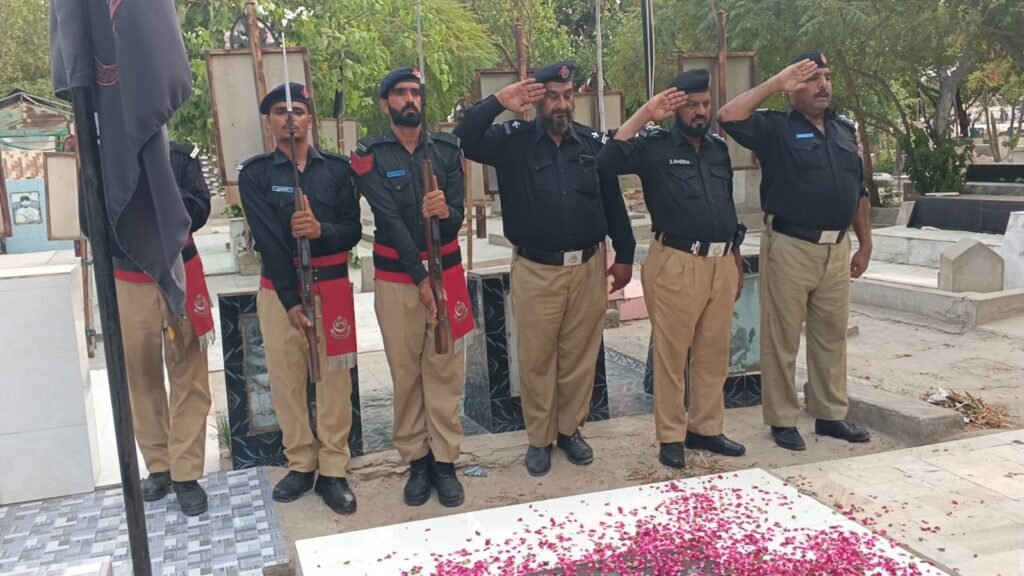
DERA ISMAIL KHAN — Police Martyrs Week is being observed in Dera Ismail Khan with a series of events aimed at honoring fallen police officers. The week-long commemoration includes visits to the graves of the martyrs, meetings with their families, and various welfare initiatives. These activities are part of the lead-up to Police Martyrs Day, which will be observed shortly. What Happened The police department in Dera Ismail Khan has organized several events as part of Police Martyrs Week to honor the sacrifices of police personnel who lost their lives in the line of duty. The events include visits to the graves of the martyrs where officers and community members pay their respects. Additionally, meetings with the families of the deceased officers are being held to offer support and acknowledge their sacrifices. In a gesture of goodwill, gifts are being distributed among the children of the martyrs. These initiatives are designed to provide emotional and material support to the families, ensuring they feel appreciated and remembered by the community. The observance of Police Martyrs Week is a significant part of the police department’s efforts to maintain morale and honor the legacy of those who have served with valor. According to local police officials, the week-long events are crucial for reinforcing the bond between the police force and the community. “We owe a debt of gratitude to our fallen heroes, and this week is dedicated to remembering their sacrifices,” said a senior police officer involved in organizing the events. Background Police Martyrs Day is an annual observance in Pakistan dedicated to honoring police officers who have died in the line of duty. It serves as a reminder of the risks faced by law enforcement personnel and the ultimate sacrifices some make to ensure public safety. The day is marked by various ceremonies and events across the country, with a focus on recognizing the bravery and dedication of the police force. Dera Ismail Khan, located in the Khyber Pakhtunkhwa province, has faced significant security challenges over the years. The region has seen numerous incidents of violence, making the role of the police even more critical. The observance of Police Martyrs Week in this area highlights the ongoing efforts to support and remember those who have contributed to maintaining law and order under challenging circumstances. Why It Matters The observance of Police Martyrs Week in Dera Ismail Khan holds considerable significance for both the police force and the community. For the police, it serves as a morale booster, reinforcing the values of courage and dedication that are essential to their duties. By honoring their fallen colleagues, serving officers are reminded of the importance of their work and the legacy they uphold. For the families of the martyrs, these events provide a sense of recognition and support. The gestures of visiting graves, meeting families, and distributing gifts are not just symbolic; they offer tangible support and show that the sacrifices of their loved ones are not forgotten. This can be particularly important in regions like Dera Ismail Khan, where the risks to law enforcement are high. On a broader level, such observances strengthen the relationship between the police and the community. By involving community members in these events, the police foster a sense of shared responsibility and mutual respect. This can lead to improved cooperation and trust, which are essential for effective law enforcement and community safety. Key Takeaways Police Martyrs Week is being observed in Dera Ismail Khan with various commemorative events. The events include visits to the graves of fallen officers and meetings with their families. Gifts are being distributed to the children of martyrs as part of welfare initiatives. The observance aims to honor the sacrifices of police personnel and support their families. Such events help strengthen the bond between the police and the community. Source Attribution This article is based on official government statements, press releases, and public communications from relevant authorities. Author: NEN Editorial Desk | Editor: NEN Newsroom | Fact Checked By: NEN Editorial Team Author: NEN Editorial Desk  |  Editor: NEN Newsroom  |  Last Updated: August 01, 2026  |  Source: NEN Reporter This article was produced by the NEN Editorial Desk in accordance with NEN Agency’s Editorial Policy and Fact-Checking Policy.

Pakistan

IFMP Relocates Headquarters to Islamabad for Financial Literacy Push

ISLAMABAD — The Institute of Financial Markets of Pakistan (IFMP) has announced the relocation of its headquarters to Islamabad. This strategic move, approved by the IFMP Board of Directors, is aimed at enhancing the institute’s role in advancing financial literacy and education across the nation. What Happened The IFMP Board of Directors has decided to shift the institute’s head office from its current location to Islamabad. This decision is part of a broader strategic transformation to position IFMP as the leading institution for financial market education in Pakistan. The relocation is expected to facilitate better access to key stakeholders, including government bodies, regulatory authorities, and financial institutions, thereby strengthening IFMP’s capacity to deliver on its mandate of professional training and capacity building. In a statement, the IFMP highlighted that the move to Islamabad would enable the institute to play a more central role in the national financial literacy initiative. The relocation is also seen as a step towards aligning with the government’s vision of promoting financial inclusion and literacy as a means to drive economic growth. The IFMP plans to expand its educational programs and professional development courses to reach a wider audience, including underserved communities across Pakistan. Background The Institute of Financial Markets of Pakistan was established with the mission to enhance the skills and knowledge of professionals in the financial sector. Over the years, it has provided training and certification programs aimed at developing a skilled workforce capable of meeting the demands of Pakistan’s evolving financial markets. The decision to relocate to Islamabad is in line with the institute’s long-term strategy to increase its influence and effectiveness in promoting financial education. Historically, financial literacy in Pakistan has been a challenge, with a significant portion of the population lacking basic financial knowledge. The government’s efforts to address this issue have included various initiatives, such as the National Financial Inclusion Strategy, which aims to increase the accessibility and usage of financial services among the population. The IFMP’s relocation is expected to complement these efforts by providing targeted education and training programs. Why It Matters The relocation of IFMP’s headquarters to Islamabad is significant for several reasons. Economically, it positions the institute closer to the central hub of policymaking and financial regulation, potentially increasing its influence and ability to collaborate with key stakeholders. This proximity can facilitate more effective partnerships with government agencies and financial institutions, leading to enhanced financial literacy programs and initiatives. Socially, the move underscores the importance of financial education in empowering individuals and communities. By enhancing financial literacy, the IFMP aims to equip citizens with the knowledge and skills necessary to make informed financial decisions, thereby improving their economic well-being. This is particularly important in a country like Pakistan, where a large portion of the population remains unbanked or underbanked. Politically, the relocation aligns with the government’s broader objectives of promoting financial inclusion and economic development. By supporting the IFMP’s efforts, the government can further its agenda of creating a more inclusive financial system that benefits all segments of society. The institute’s enhanced capacity to deliver training and education programs can also contribute to building a more resilient financial sector. Key Takeaways The IFMP is relocating its headquarters to Islamabad to enhance its role in financial literacy. This move aligns with the government’s vision of promoting financial inclusion and literacy. Proximity to key stakeholders in Islamabad is expected to strengthen IFMP’s capacity. The institute plans to expand its educational programs to reach underserved communities. The relocation supports the National Financial Inclusion Strategy’s objectives. Source Attribution This article is based on official government statements, press releases, and public communications from relevant authorities. Author: NEN Editorial Desk | Editor: NEN Newsroom | Fact Checked By: NEN Editorial Team Author: NEN Editorial Desk  |  Editor: NEN Newsroom  |  Last Updated: August 01, 2026  |  Source: NEN Reporter This article was produced by the NEN Editorial Desk in accordance with NEN Agency’s Editorial Policy and Fact-Checking Policy.

Scroll to Top