
2026

World

Civil Society Protests Labourers’ Killing With Vigil in Karachi

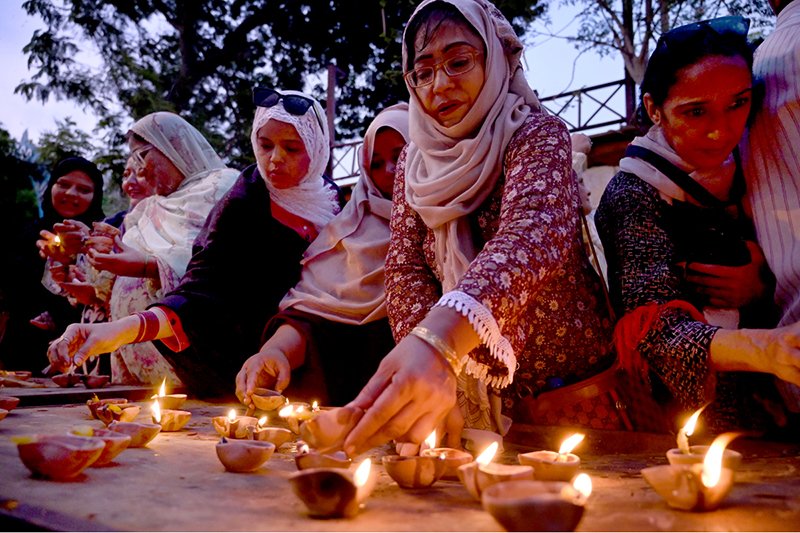
KARACHI — Members of civil society gathered outside the Karachi Press Club on Tuesday evening to hold a vigil in protest against the recent killing of labourers in Balochistan. The demonstrators lit earthen lamps to commemorate the victims and to call for justice and accountability. What Happened The protest was organized in response to the tragic killing of several labourers in Balochistan, a province that has witnessed ongoing violence and unrest. The demonstrators, comprising various civil society groups, human rights activists, and concerned citizens, assembled at the Karachi Press Club, a traditional venue for public demonstrations and expressions of dissent in the city. The participants lit earthen lamps, a symbolic gesture to honor the deceased and to shed light on the plight of labourers who often work under perilous conditions in remote areas of the country. The gathering was peaceful, with participants holding placards and banners demanding justice for the victims and urging the authorities to take swift action against those responsible for the killings. One of the organizers, speaking on condition of anonymity, stated, “We are here to show solidarity with the families of the victims and to demand that the government take concrete steps to ensure the safety and security of labourers across the country.” The protestors called for enhanced security measures and better protection for workers, particularly those employed in conflict-prone regions. Background Balochistan has long been a hotspot for violence, with various insurgent groups operating in the region. The province, rich in natural resources, has seen frequent attacks on infrastructure and personnel, often targeting workers involved in development projects. These attacks have been attributed to separatist elements who oppose the central government’s policies and demand greater autonomy for the region. The killing of labourers in Balochistan is not an isolated incident. Over the years, numerous workers have fallen victim to such violence, highlighting the ongoing security challenges faced by those working in the province. The government has repeatedly vowed to improve security and bring perpetrators to justice, but the cycle of violence continues to claim lives. Why It Matters The killing of labourers in Balochistan has significant implications for Pakistan’s socio-economic and political landscape. Economically, the province is vital due to its natural resources and strategic location, which are crucial for national development projects, including the China-Pakistan Economic Corridor (CPEC). Continued violence poses a threat to these projects, potentially deterring investment and slowing economic growth. Socially, the repeated targeting of labourers exacerbates the sense of insecurity and marginalization felt by the local population. It highlights the need for comprehensive strategies to address the root causes of violence, including poverty, lack of education, and political disenfranchisement. Ensuring the safety of workers is essential for fostering trust and cooperation between the government and the local communities. Politically, the situation in Balochistan remains a sensitive issue. The government’s ability to maintain law and order in the province is crucial for national stability. Failure to protect citizens and bring perpetrators to justice undermines public confidence in the state’s capacity to govern effectively, potentially fueling further unrest. Key Takeaways Civil society in Karachi held a vigil to protest the killing of labourers in Balochistan. The protest highlighted the ongoing security challenges faced by workers in conflict-prone regions. Balochistan’s violence threatens economic projects and national stability. Addressing the root causes of violence is essential for long-term peace and development. The government’s response to such incidents is critical for maintaining public trust. Source Attribution This article is based on official government statements, press releases, and public communications from relevant authorities. Author: NEN Editorial Desk | Editor: NEN Newsroom | Fact Checked By: NEN Editorial Team Author: NEN Editorial Desk  |  Editor: NEN Newsroom  |  Last Updated: July 25, 2026  |  Source: NEN Reporter This article was produced by the NEN Editorial Desk in accordance with NEN Agency’s Editorial Policy and Fact-Checking Policy.

World

Asif Ali Khan Durrani Discusses Middle East Power Shifts at PIIA Seminar

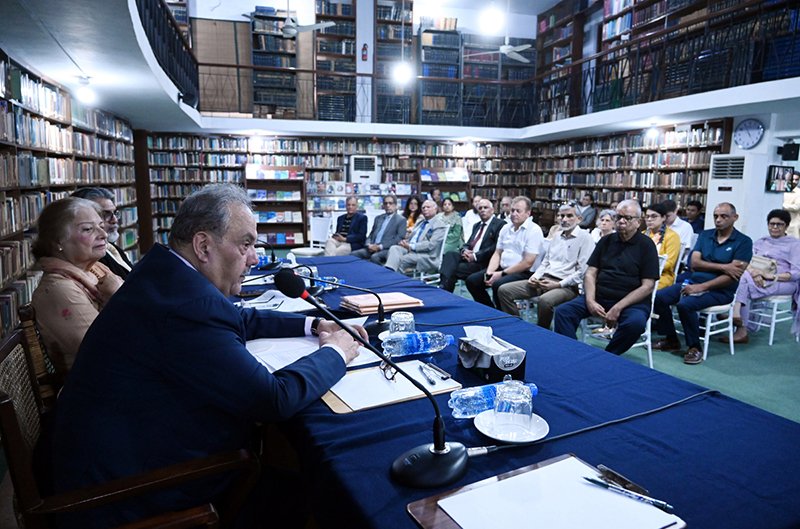
KARACHI — Former Ambassador to Iran and the UAE, Asif Ali Khan Durrani, addressed a seminar titled “Changing Dynamics of Power in the Middle East,” organized by the Pakistan Institute of International Affairs (PIIA) in Karachi. The seminar focused on the evolving geopolitical landscape in the Middle East and its implications for regional and global politics. What Happened During the seminar held on Thursday, Asif Ali Khan Durrani, who has also served as Pakistan’s Special Representative for Afghanistan, provided an in-depth analysis of the shifting power dynamics in the Middle East. He highlighted the complex interplay of regional alliances, the influence of major powers, and the impact of ongoing conflicts on the geopolitical stability of the region. Durrani emphasized the importance of understanding the historical context of Middle Eastern politics to comprehend current developments. He noted, “The Middle East has always been a region of strategic importance due to its vast energy resources and its pivotal location, which connects Asia, Africa, and Europe.” He further elaborated on the role of external powers, particularly the United States, Russia, and China, in shaping the region’s political landscape. “The involvement of these powers often complicates regional issues, as their interests do not always align with those of the Middle Eastern countries,” Durrani stated. The seminar also addressed the ongoing conflicts in Syria and Yemen, the Iranian nuclear deal, and the normalization of relations between Israel and several Arab states. Durrani pointed out that these developments have significant implications for regional security and economic cooperation. Background The Middle East has historically been a region of strategic interest due to its vast oil reserves and geopolitical significance. Over the past decade, the region has witnessed significant upheaval, including the Arab Spring, the rise and fall of ISIS, and shifting alliances among key players such as Saudi Arabia, Iran, and Turkey. Pakistan has maintained a keen interest in Middle Eastern affairs, given its economic ties and the presence of a large Pakistani diaspora in the Gulf states. The country has historically balanced its relations with various regional powers while advocating for peaceful resolutions to conflicts. Why It Matters The shifting dynamics in the Middle East have far-reaching implications for Pakistan, both economically and politically. As a country with deep-rooted ties to the region, changes in Middle Eastern geopolitics can influence Pakistan’s foreign policy and economic strategies. Economically, Pakistan relies on remittances from its expatriates in the Gulf, which constitute a significant portion of its foreign exchange reserves. Any instability in the region could affect the livelihood of millions of Pakistani workers and, by extension, the Pakistani economy. Politically, Pakistan’s diplomatic relations with Middle Eastern countries are crucial for its strategic interests. The evolving alliances and conflicts in the region require Pakistan to navigate its foreign policy carefully to maintain its relationships and protect its national interests. Furthermore, the seminar’s discussions underscore the importance of Pakistan’s role in advocating for peace and stability in the Middle East. As a Muslim-majority country with historical ties to the region, Pakistan can play a mediating role in resolving conflicts and fostering dialogue among regional powers. Key Takeaways Asif Ali Khan Durrani addressed a seminar on Middle Eastern power dynamics at the PIIA in Karachi. The seminar highlighted the influence of major powers and ongoing conflicts in the region. Pakistan’s economic and political interests are closely tied to Middle Eastern stability. The seminar underscored the need for Pakistan to navigate its foreign policy carefully. Pakistan can play a mediating role in fostering peace and dialogue in the Middle East. Source Attribution This article is based on official statements and public communications from relevant authorities. Author: NEN Editorial Desk | Editor: NEN Newsroom | Fact Checked By: NEN Editorial Team Author: NEN Editorial Desk  |  Editor: NEN Newsroom  |  Last Updated: July 25, 2026  |  Source: NEN Reporter This article was produced by the NEN Editorial Desk in accordance with NEN Agency’s Editorial Policy and Fact-Checking Policy.

Pakistan

Three Individuals Charged for Violating Section 144 in Gujrat

GUJRAT — The district administration of Gujrat has registered cases against three individuals for violating Section 144, which prohibits bathing and swimming in rivers, canals, and rain-fed water channels during the monsoon season. This action was taken under the directive of Deputy Commissioner Gujrat Noor-ul-Ain Qureshi. What Happened In response to the ongoing monsoon season, the Gujrat district administration has intensified its efforts to enforce Section 144, aimed at preventing accidents and ensuring public safety. On the orders of Deputy Commissioner Noor-ul-Ain Qureshi, three cases were filed against individuals who were found violating this regulation. The individuals were reportedly caught engaging in swimming activities in restricted water bodies, thereby defying the legal order. The enforcement of Section 144 is a preventive measure to avoid potential drownings and accidents that are more likely during the monsoon season when water levels rise significantly. The district administration has been vigilant in monitoring these activities and is committed to taking strict action against violators to safeguard public safety. Deputy Commissioner Qureshi emphasized the importance of adhering to the restrictions, stating, “The safety of our citizens is our top priority, and we will not tolerate any actions that put lives at risk.” Local authorities have been conducting regular patrols and awareness campaigns to inform the public about the dangers of swimming in these water bodies during the monsoon. Despite these efforts, some individuals continue to disregard the warnings, prompting the administration to take legal action. Background Section 144 is a legal provision in Pakistan that allows the government to prohibit certain activities in order to maintain public order and safety. It is commonly invoked during times of potential unrest or when there is a significant threat to public safety. In the context of the monsoon season, Section 144 is often applied to restrict access to water bodies to prevent drowning incidents, which are a frequent occurrence during this period. Historically, the monsoon season in Pakistan is marked by heavy rainfall, leading to increased water levels in rivers and canals. This natural phenomenon, while essential for agriculture, poses significant risks to communities living near these water bodies. In past years, there have been numerous incidents of drowning, prompting authorities to enforce strict regulations. Why It Matters The enforcement of Section 144 in Gujrat is significant for several reasons. Firstly, it underscores the government’s commitment to public safety, particularly during the hazardous monsoon season. By taking legal action against violators, the district administration is sending a strong message that public safety regulations must be adhered to. Economically, the monsoon season is crucial for Pakistan’s agricultural sector, as it provides much-needed water for crops. However, the associated risks of flooding and drowning necessitate a balanced approach to ensure both agricultural benefits and public safety. The enforcement of Section 144 helps mitigate these risks, thereby protecting lives and reducing the potential burden on emergency services and healthcare facilities. Socially, the move highlights the importance of community awareness and cooperation in adhering to safety regulations. By educating the public about the dangers of swimming in swollen rivers and canals, authorities aim to foster a culture of safety and responsibility. This is particularly important in rural areas where access to information and emergency services may be limited. Politically, the enforcement of such regulations reflects the government’s proactive stance in addressing public safety concerns. It demonstrates a commitment to upholding the rule of law and ensuring that citizens’ well-being is prioritized, which can enhance public trust in governmental institutions. Key Takeaways Three individuals have been charged in Gujrat for violating Section 144 during the monsoon season. Section 144 prohibits swimming in rivers, canals, and rain-fed channels to prevent accidents. The district administration is actively enforcing this regulation to ensure public safety. The monsoon season poses significant risks, necessitating strict adherence to safety measures. Enforcement of Section 144 reflects the government’s commitment to public safety and law enforcement. Source Attribution This article is based on official government statements, press releases, and public communications from relevant authorities. Author: NEN Editorial Desk | Editor: NEN Newsroom | Fact Checked By: NEN Editorial Team Author: NEN Editorial Desk  |  Editor: NEN Newsroom  |  Last Updated: July 25, 2026  |  Source: NEN Reporter This article was produced by the NEN Editorial Desk in accordance with NEN Agency’s Editorial Policy and Fact-Checking Policy.
Pakistan

Chowk Sarwar Shaheed Issues Notices for Unsafe Buildings Before Monsoon

CHOWK SARWAR SHAHEED — The Municipal Committee of Chowk Sarwar Shaheed has initiated a campaign to address the risks posed by unsafe structures as the monsoon season approaches. On Saturday, officials issued warning notices to owners of buildings deemed dilapidated or in need of repair, aiming to mitigate potential hazards during the upcoming heavy rains. What Happened The Municipal Committee of Chowk Sarwar Shaheed has launched a proactive measure to ensure public safety by targeting buildings that pose a risk during the monsoon season. The initiative involves issuing warning notices to property owners whose buildings have been identified as unsafe or requiring urgent repairs. This action is part of a broader strategy to prevent accidents and structural failures that could result from heavy rainfall. According to municipal officials, the campaign began on Saturday and focuses on identifying structures that are particularly vulnerable to the adverse effects of the monsoon. The committee has conducted thorough inspections and assessments to determine which buildings require immediate attention. Owners of these properties have been served notices, urging them to undertake necessary repairs to fortify their buildings against potential damage. The monsoon season in Pakistan is characterized by heavy rains that can lead to flooding and structural damage, particularly in areas with older or poorly maintained buildings. The municipal committee’s actions are a response to these risks, aiming to protect both property and lives. The officials emphasized the importance of compliance with the notices, warning that failure to address the identified issues could result in further legal action or penalties. Background Chowk Sarwar Shaheed, like many areas in Pakistan, is vulnerable to the challenges posed by the monsoon season. Historically, the region has experienced significant rainfall during this period, leading to issues such as flooding, waterlogging, and damage to infrastructure. In previous years, inadequate preparation and maintenance of buildings have exacerbated these problems, resulting in accidents and, in some cases, casualties. The legal framework governing building safety in Pakistan mandates regular inspections and maintenance of structures to ensure they meet safety standards. However, enforcement of these regulations has often been inconsistent, leading to a backlog of buildings in need of repair or reinforcement. The current initiative by the Municipal Committee of Chowk Sarwar Shaheed is part of an ongoing effort to address these challenges and enhance the resilience of the community’s infrastructure. Why It Matters The proactive measures taken by the Municipal Committee of Chowk Sarwar Shaheed are crucial for several reasons. Economically, ensuring the safety of buildings can prevent costly damage and loss of property, which can have a significant impact on local economies. Socially, the initiative enhances community safety, reducing the risk of accidents and injuries during the monsoon season. Politically, the campaign reflects a commitment by local authorities to prioritize public safety and infrastructure resilience. It demonstrates an awareness of the challenges posed by climate change and extreme weather events, which are becoming increasingly frequent and severe. By addressing these issues head-on, the municipal committee is setting a precedent for other regions to follow. Internationally, Pakistan’s efforts to improve infrastructure safety and resilience can enhance its reputation as a country committed to sustainable development and disaster risk reduction. It aligns with global initiatives to address the impacts of climate change and improve urban planning and management. Key Takeaways The Municipal Committee of Chowk Sarwar Shaheed has issued notices to owners of unsafe buildings ahead of the monsoon season. The initiative aims to prevent structural failures and accidents during heavy rains. Building safety regulations in Pakistan require regular inspections and maintenance, but enforcement has been inconsistent. The campaign reflects a broader commitment to public safety and infrastructure resilience. These efforts align with global initiatives to address climate change impacts and improve urban management. Source Attribution This article is based on official government statements, press releases, and public communications from relevant authorities. Author: NEN Editorial Desk | Editor: NEN Newsroom | Fact Checked By: NEN Editorial Team Author: NEN Editorial Desk  |  Editor: NEN Newsroom  |  Last Updated: July 25, 2026  |  Source: NEN Reporter This article was produced by the NEN Editorial Desk in accordance with NEN Agency’s Editorial Policy and Fact-Checking Policy.
Pakistan

Gujrat Establishes 24-Hour Control Room for Monsoon Emergencies

GUJRAT — The district administration of Gujrat has inaugurated a 24-hour Emergency Control Room to manage and coordinate relief operations in response to rain-related emergencies during the ongoing monsoon season. This initiative, announced on Saturday, aims to ensure a swift and organized response to potential disasters caused by heavy rainfall. What Happened In a proactive measure to address the challenges posed by the monsoon rains, the Gujrat district administration has set up a dedicated control room that will operate around the clock. This facility is tasked with overseeing the coordination of relief efforts, ensuring that resources are efficiently allocated, and that emergency services are promptly deployed to areas affected by severe weather conditions. The decision to establish this control room comes amid forecasts of heavy rainfall in the region, which has historically led to flooding and other related emergencies. The control room will serve as a central hub for communication and coordination among various government departments, emergency services, and local organizations involved in disaster management. According to the district administration, the control room is equipped with the necessary technology and staffed by trained personnel who will monitor weather conditions, track emergency calls, and dispatch response teams as needed. The administration has emphasized the importance of a coordinated response to minimize the impact of monsoon-related disasters on the local population. Background Gujrat, like many other regions in Pakistan, is vulnerable to the effects of the monsoon season, which typically lasts from June to September. The heavy rains often lead to flooding, landslides, and infrastructure damage, posing significant risks to communities and local economies. In recent years, the government has been working to improve its disaster response capabilities, including the establishment of emergency control rooms in vulnerable areas. The National Disaster Management Authority (NDMA) has been instrumental in guiding these efforts, providing technical support and resources to local administrations. The creation of the control room in Gujrat is part of a broader strategy to enhance local disaster preparedness and response capabilities across the country. Why It Matters The establishment of a 24-hour control room in Gujrat is a critical step in improving the district’s ability to respond to natural disasters. By centralizing coordination efforts, the administration can ensure that resources are deployed more efficiently and that affected communities receive timely assistance. This initiative is particularly important given the increasing frequency and intensity of extreme weather events attributed to climate change. For the residents of Gujrat, the control room represents a lifeline during the monsoon season, providing a direct channel for reporting emergencies and receiving assistance. It also reflects a growing recognition of the need for localized disaster management solutions that can be tailored to the specific challenges faced by different regions. On a broader scale, the successful implementation of this control room could serve as a model for other districts in Pakistan, encouraging the adoption of similar measures to enhance disaster resilience. As the country continues to grapple with the impacts of climate change, such initiatives are essential for safeguarding lives and livelihoods. Key Takeaways The Gujrat district administration has set up a 24-hour Emergency Control Room to manage monsoon emergencies. The control room will coordinate relief efforts and ensure a swift response to rain-related disasters. This initiative is part of broader efforts to improve disaster preparedness and response capabilities in Pakistan. The control room serves as a central hub for communication among government departments and emergency services. It highlights the importance of localized solutions to address the impacts of climate change and extreme weather events. Source Attribution This article is based on official government statements, press releases, and public communications from relevant authorities. Author: NEN Editorial Desk | Editor: NEN Newsroom | Fact Checked By: NEN Editorial Team Author: NEN Editorial Desk  |  Editor: NEN Newsroom  |  Last Updated: July 25, 2026  |  Source: NEN Reporter This article was produced by the NEN Editorial Desk in accordance with NEN Agency’s Editorial Policy and Fact-Checking Policy.
Pakistan

Sargodha Police Chief Conducts Surprise Inspections, Urges Service Improvements

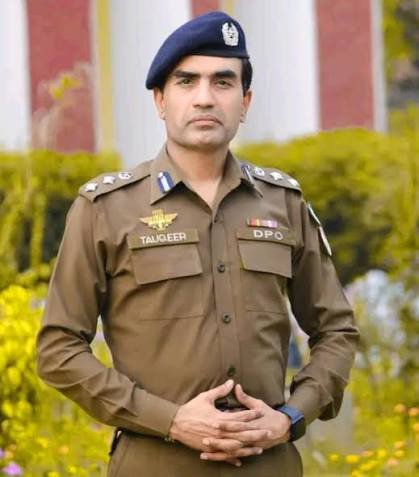
SARGODHA — District Police Officer (DPO) Muhammad Touqeer Naeem conducted unannounced inspections of multiple police stations in the Sargodha district on Saturday. During these visits, he instructed officers to enhance public service, bolster patrolling efforts, and expedite the resolution of pending cases. What Happened In a series of surprise visits, DPO Muhammad Touqeer Naeem evaluated the operational efficiency and public service standards at several police stations within Sargodha. The inspections aimed to assess the current state of policing and identify areas for improvement. Naeem emphasized the importance of providing better service to the public, which includes more effective communication, timely response to complaints, and increased visibility of police personnel through enhanced patrolling. During his visits, the DPO interacted with officers and staff, reviewing their performance and discussing challenges they face in their daily operations. He stressed the need for a proactive approach in handling public grievances and directed immediate action on long-pending cases to ensure justice is served promptly. Naeem’s directives also included strengthening community policing initiatives to build trust and cooperation between the police force and local residents. “Our primary responsibility is to serve the public with dedication and integrity,” Naeem stated. He further instructed station heads to ensure that all complaints are addressed without delay and that the police stations maintain a welcoming environment for citizens seeking assistance. Background The Sargodha district has faced challenges in law enforcement, including delays in case resolutions and public dissatisfaction with police services. These issues have prompted local authorities to take measures aimed at reforming the police force. Historically, the police in Pakistan have been striving to improve their image and effectiveness through various reforms, including training programs and community engagement initiatives. In recent years, the government has introduced several policies to enhance the accountability and transparency of police operations. These include the establishment of complaint redressal mechanisms and the implementation of technology-driven solutions to monitor police performance. The surprise inspections by DPO Naeem are part of ongoing efforts to ensure these reforms are effectively implemented at the ground level. Why It Matters The initiative taken by DPO Naeem holds significant implications for the Sargodha district and potentially other regions in Pakistan. Effective policing is crucial for maintaining law and order, which directly impacts the safety and security of citizens. By focusing on public service improvement and case resolution, the police can enhance public trust and cooperation, which are essential for successful law enforcement. Moreover, the emphasis on community policing and increased patrolling can deter crime and create a safer environment for residents. This approach aligns with broader national efforts to modernize the police force and improve its relationship with the public. The success of these initiatives in Sargodha could serve as a model for other districts facing similar challenges. On a broader scale, improving police services can contribute to social stability and economic growth by creating a secure environment conducive to business and investment. As Pakistan continues to address its internal security challenges, initiatives like these are vital for fostering a sense of safety and trust among the populace. Key Takeaways DPO Muhammad Touqeer Naeem conducted surprise inspections of police stations in Sargodha. He directed officers to improve public service, strengthen patrolling, and expedite case resolutions. The initiative aims to enhance public trust and cooperation with the police force. Improved policing can contribute to social stability and economic growth in the region. The success of these measures in Sargodha could serve as a model for other districts. Source Attribution This article is based on official government statements, press releases, and public communications from relevant authorities. Author: NEN Editorial Desk | Editor: NEN Newsroom | Fact Checked By: NEN Editorial Team Author: NEN Editorial Desk  |  Editor: NEN Newsroom  |  Last Updated: July 25, 2026  |  Source: NEN Reporter This article was produced by the NEN Editorial Desk in accordance with NEN Agency’s Editorial Policy and Fact-Checking Policy.

World

Pakistani Students Depart for Moscow for Russian Language Training

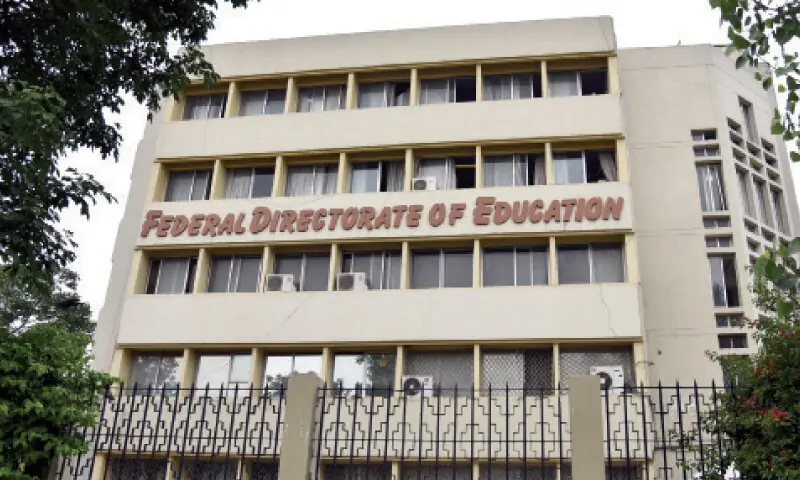
ISLAMABAD — A group of Pakistani students has departed for Moscow to participate in an advanced Russian language course under the Prime Minister’s Initiative. The program is a collaborative effort between the Federal Directorate of Education (FDE), the National Vocational and Technical Training Commission (NAVTTC), and the National University of Modern Languages (NUML). What Happened The initiative, aimed at enhancing linguistic capabilities among Pakistani students, saw a cohort of participants leave for Moscow to immerse themselves in an intensive Russian language training program. This opportunity is part of a broader educational strategy to equip students with foreign language skills that are increasingly valuable in global contexts. The departure marks a significant step in the ongoing collaboration between Pakistan and Russia in the field of education and cultural exchange. The program is structured to provide comprehensive language training, enabling students to gain proficiency in Russian, which is expected to open up new academic and professional avenues. According to officials, the course will cover various aspects of the Russian language, including grammar, vocabulary, and conversational skills, alongside cultural immersion activities to provide a holistic learning experience. Dr. Nasir Mehmood, Director General of FDE, emphasized the importance of such initiatives in fostering international cooperation and understanding. He stated, “This program not only enhances the linguistic skills of our students but also strengthens the educational ties between Pakistan and Russia.” Background The Prime Minister’s Initiative for foreign language learning was launched to address the growing need for multilingual proficiency in Pakistan. Recognizing the importance of language skills in the global job market, the initiative aims to provide students with opportunities to learn languages that are critical for international diplomacy and trade. The collaboration between FDE, NAVTTC, and NUML has been instrumental in implementing foreign language courses across various educational institutions in Pakistan. These courses are designed to meet international standards and are tailored to the specific needs of the Pakistani student population. Historically, Pakistan has maintained educational and cultural exchanges with Russia, with both countries benefiting from shared knowledge and expertise. This program is a continuation of such efforts, aimed at enhancing mutual understanding and cooperation. Why It Matters The departure of these students for Moscow is significant for several reasons. Economically, proficiency in Russian can open doors to trade and business opportunities with Russia, one of the world’s largest economies. As Pakistan seeks to diversify its trade partners, having a workforce skilled in Russian can facilitate smoother negotiations and partnerships. Socially, the initiative promotes cultural exchange, allowing Pakistani students to experience Russian culture firsthand. This exposure can lead to greater cultural understanding and reduce stereotypes, fostering a more inclusive global community. Politically, strengthening educational ties with Russia aligns with Pakistan’s foreign policy goals of maintaining balanced international relations. By investing in language education, Pakistan can enhance its diplomatic engagements with Russia, contributing to more robust bilateral relations. Furthermore, this program supports the broader educational goals of Pakistan by emphasizing the importance of language learning as a tool for personal and professional development. As globalization continues to influence job markets, multilingual individuals are increasingly in demand, and initiatives like this prepare Pakistani students to compete on a global stage. Key Takeaways Pakistani students have departed for Moscow for an advanced Russian language course under the Prime Minister’s Initiative. The program is a collaborative effort between FDE, NAVTTC, and NUML. The initiative aims to enhance linguistic capabilities and foster cultural exchange between Pakistan and Russia. Proficiency in Russian can open economic, social, and political opportunities for Pakistan. The program supports Pakistan’s educational goals by preparing students for a globalized job market. Source Attribution This article is based on official government statements, press releases, and public communications from relevant authorities. Author: NEN Editorial Desk | Editor: NEN Newsroom | Fact Checked By: NEN Editorial Team Author: NEN Editorial Desk  |  Editor: NEN Newsroom  |  Last Updated: July 25, 2026  |  Source: Press Release from Government of Pakistan This article was produced by the NEN Editorial Desk in accordance with NEN Agency’s Editorial Policy and Fact-Checking Policy.
Pakistan

National Netball Championship Set to Commence on August 1 in Karachi

KARACHI — The National Inter-Departmental Netball Championship, organized by the Pakistan Netball Federation, is scheduled to commence on August 1 at the Pakistan Sports Board (PSB) Coaching Centre in Karachi. The championship will feature competitive matches among six men’s and six women’s teams representing various departments. What Happened The announcement of the National Inter-Departmental Netball Championship was made by Sameen Malik, President of the Pakistan Netball Federation, who confirmed that the event would take place from August 1 to August 2. The championship will be hosted at the PSB Coaching Centre, a prominent venue for sporting events in Karachi. According to Malik, all necessary arrangements for the championship are being finalized by the Organizing Committee, with a crucial meeting scheduled for July 27 to ensure all preparations are in place. The championship will see participation from teams representing Pakistan Army, Pakistan WAPDA, Pakistan Navy, Pakistan Police, Pakistan Air Force, and Pakistan Railways. This diverse lineup promises a competitive and engaging tournament. The managers of the participating teams will convene on July 31 for a meeting where the draws for the championship will be announced. During this meeting, the rules and regulations governing the matches will be communicated to ensure a smooth and fair competition. The championship will conclude on August 2, with a prize distribution ceremony to honor the winning teams and standout players. Background Netball has been gaining popularity in Pakistan, with the Pakistan Netball Federation actively promoting the sport through various initiatives and events. The federation has been instrumental in organizing national and inter-departmental championships to foster talent and provide a platform for athletes to showcase their skills. Historically, the National Inter-Departmental Netball Championship has served as a vital event for identifying and nurturing talent within the country. It not only provides a competitive environment for players but also helps in building camaraderie and sportsmanship among different departments and institutions. Why It Matters The National Inter-Departmental Netball Championship holds significant importance for the development of netball in Pakistan. By bringing together teams from various departments, the event promotes healthy competition and encourages the exchange of skills and strategies among players. This championship serves as a stepping stone for athletes aiming to represent Pakistan at international levels. Economically, the championship can stimulate local businesses and vendors around the venue, as sporting events often attract spectators and participants from different regions. This influx can benefit local hospitality and service industries, contributing to the economic activity in Karachi. Socially, the championship fosters unity and cooperation among different sectors of society, as teams from various departments come together to compete. It also provides an opportunity for young athletes to gain exposure and experience, potentially inspiring the next generation of netball players in Pakistan. Politically, the successful organization of such events demonstrates the capability of sports federations in Pakistan to host national-level competitions, which could pave the way for future international events. It highlights the country’s commitment to promoting sports and nurturing talent at the grassroots level. Key Takeaways The National Inter-Departmental Netball Championship will take place from August 1 to August 2 in Karachi. Six men’s and six women’s teams from various departments will participate in the event. The championship is organized by the Pakistan Netball Federation and aims to promote netball in the country. Meetings on July 27 and July 31 will finalize arrangements and announce match draws. The event is expected to have positive economic, social, and political impacts on the local community and the sport’s development. Source Attribution This article is based on official statements and public communications from the Pakistan Netball Federation. Author: NEN Editorial Desk | Editor: NEN Newsroom | Fact Checked By: NEN Editorial Team Author: NEN Editorial Desk  |  Editor: NEN Newsroom  |  Last Updated: July 25, 2026  |  Source: NEN Reporter This article was produced by the NEN Editorial Desk in accordance with NEN Agency’s Editorial Policy and Fact-Checking Policy.

World

Finance Minister Advocates Evidence-Based Drug Pricing for Public Benefit

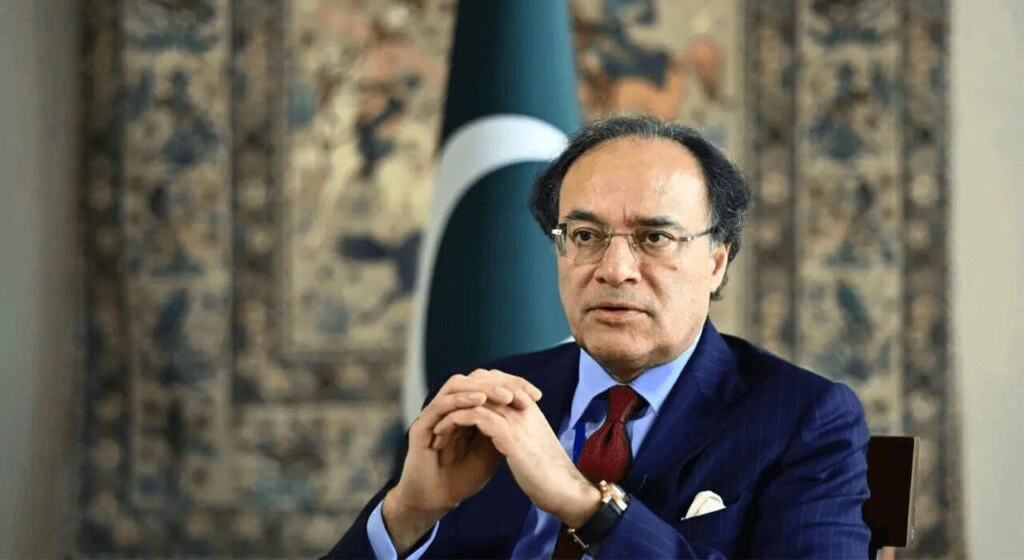
ISLAMABAD — Federal Minister for Finance and Revenue, Senator Muhammad Aurangzeb, emphasized the importance of transparent and evidence-based drug pricing during a meeting held on Friday. The minister highlighted the need for a consultative process to ensure affordable access to essential medicines while maintaining the sustainability of pharmaceutical supplies. What Happened During the 8th meeting of the Cabinet Committee on Drug Pricing, Finance Minister Muhammad Aurangzeb called for a systematic approach to drug pricing that prioritizes transparency and evidence-based decision-making. The meeting, held in Islamabad, was attended by key stakeholders from the pharmaceutical industry, healthcare professionals, and government officials. Minister Aurangzeb underscored the necessity of balancing the affordability of essential medicines with the economic viability of pharmaceutical companies. He stated, “Drug pricing decisions should be made through a consultative process that takes into account the needs of the public while ensuring that pharmaceutical supplies remain sustainable.” The minister’s remarks reflect a growing concern over the accessibility of medicines in Pakistan, where high drug prices often limit the availability of necessary treatments for the population. The committee discussed various strategies to achieve a fair pricing model, including the implementation of international best practices and the involvement of all relevant stakeholders in the decision-making process. The minister reiterated the government’s commitment to ensuring that drug pricing policies are aligned with public interest and are based on solid evidence. Background The issue of drug pricing has been a longstanding challenge in Pakistan, where the cost of medicines can be prohibitive for many citizens. Historically, drug prices in the country have been influenced by a range of factors, including import tariffs, manufacturing costs, and profit margins set by pharmaceutical companies. The lack of a clear regulatory framework has often led to inconsistencies in pricing, affecting the affordability and availability of essential drugs. In recent years, the government has taken steps to address these challenges by forming committees and task forces aimed at reviewing and reforming drug pricing policies. The Cabinet Committee on Drug Pricing, chaired by the Finance Minister, is one such initiative focused on creating a more transparent and equitable system for pricing medicines. Why It Matters The push for transparent and evidence-based drug pricing is significant for several reasons. Economically, it aims to reduce the financial burden on consumers, particularly those from low-income backgrounds who struggle to afford essential medicines. By ensuring that drug prices are fair and justified, the government can improve access to healthcare and enhance the overall well-being of its citizens. Socially, the initiative addresses a critical public health issue. High drug prices can lead to inadequate treatment and increased morbidity and mortality rates. By advocating for a pricing model that considers the needs of the population, the government is taking a step towards improving public health outcomes and reducing health disparities. Politically, the move reflects the government’s responsiveness to public concerns and its commitment to reforming healthcare policies. Transparent drug pricing can enhance public trust in governmental institutions and demonstrate accountability in policy-making processes. Internationally, adopting evidence-based practices aligns Pakistan with global standards, potentially attracting foreign investment in the pharmaceutical sector. This alignment can also facilitate international collaborations and partnerships, contributing to the development of a robust healthcare infrastructure in the country. Key Takeaways Finance Minister Muhammad Aurangzeb calls for transparent, evidence-based drug pricing in Pakistan. The initiative aims to balance affordable access to medicines with the sustainability of pharmaceutical supplies. The Cabinet Committee on Drug Pricing is working towards a consultative and fair pricing model. Transparent drug pricing is crucial for improving public health outcomes and reducing economic burdens on citizens. Aligning with international best practices can enhance Pakistan’s healthcare sector and attract foreign investment. Source Attribution This article is based on official government statements, press releases, and public communications from relevant authorities. Author: NEN Editorial Desk | Editor: NEN Newsroom | Fact Checked By: NEN Editorial Team Author: NEN Editorial Desk  |  Editor: NEN Newsroom  |  Last Updated: July 25, 2026  |  Source: NEN Reporter This article was produced by the NEN Editorial Desk in accordance with NEN Agency’s Editorial Policy and Fact-Checking Policy.

World

Chinese, Pakistani Institutions Strengthen Academic and Cultural Collaboration

LAHORE — The Chinese International Academy (LCIA) and the University of Management and Technology (UMT) have signed a memorandum of understanding (MoU) to enhance academic and cultural collaboration. This agreement, signed in Lahore, aims to foster deeper ties through academic exchanges, cultural activities, and institutional support, marking a significant step in strengthening China-Pakistan educational relations. What Happened The signing of the MoU between LCIA and UMT took place at a ceremony attended by representatives from both institutions. The agreement outlines a framework for collaboration that includes student and faculty exchanges, joint research projects, and cultural programs designed to promote mutual understanding and cooperation. According to officials, this partnership will not only benefit the institutions involved but also contribute to the broader educational landscape in both countries. LCIA, known for its focus on international education and cultural exchange, sees this partnership as an opportunity to expand its academic network and share its expertise in Chinese language and culture with Pakistani students. UMT, one of Pakistan’s leading private universities, aims to leverage this collaboration to enhance its academic offerings and provide students with greater exposure to international educational standards. “This MoU is a testament to our commitment to fostering educational and cultural ties with China,” said a representative from UMT. “We believe that this collaboration will open new avenues for our students and faculty, allowing them to engage with their counterparts in China and gain valuable insights into Chinese culture and education.” Background China and Pakistan have a long-standing relationship characterized by strong diplomatic, economic, and cultural ties. Educational collaboration has been a key component of this relationship, with numerous initiatives aimed at promoting academic exchanges and cultural understanding between the two countries. The China-Pakistan Economic Corridor (CPEC) has further strengthened these ties, providing a platform for increased cooperation in various sectors, including education. In recent years, both countries have emphasized the importance of educational exchanges as a means of deepening bilateral relations. Several Pakistani students have pursued higher education in China, benefiting from scholarships and exchange programs that offer exposure to Chinese academic and cultural environments. Similarly, Chinese students have shown interest in studying in Pakistan, particularly in fields related to Islamic studies and South Asian culture. Why It Matters The MoU between LCIA and UMT is significant in several ways. Firstly, it underscores the growing importance of educational collaboration in the broader context of China-Pakistan relations. By facilitating academic exchanges and cultural programs, the partnership contributes to a deeper understanding between the people of both countries, which is essential for sustaining long-term diplomatic and economic ties. Economically, this collaboration can lead to the development of a more skilled workforce in Pakistan, equipped with knowledge and expertise in areas critical to the country’s growth and development. By aligning educational programs with international standards, Pakistani institutions can enhance their competitiveness and attract more students, both domestically and internationally. Socially, the partnership promotes cultural exchange and understanding, which can help bridge cultural gaps and foster a more inclusive and harmonious society. As students and faculty from both countries engage in joint activities and exchanges, they gain insights into each other’s cultures, traditions, and values, contributing to a more interconnected and empathetic global community. Key Takeaways The MoU between LCIA and UMT aims to enhance academic and cultural collaboration through exchanges and joint programs. This partnership is part of a broader effort to strengthen China-Pakistan educational and cultural ties. Educational collaboration can contribute to economic development by creating a more skilled workforce. Cultural exchanges foster mutual understanding and help bridge cultural gaps between the two countries. The agreement aligns with the broader objectives of the China-Pakistan Economic Corridor (CPEC). Source Attribution This article is based on official government statements, press releases, and public communications from relevant authorities. Author: NEN Editorial Desk | Editor: NEN Newsroom | Fact Checked By: NEN Editorial Team Author: NEN Editorial Desk  |  Editor: NEN Newsroom  |  Last Updated: July 25, 2026  |  Source: NEN Reporter This article was produced by the NEN Editorial Desk in accordance with NEN Agency’s Editorial Policy and Fact-Checking Policy.

Scroll to Top