
2026

Pakistan

SP Traffic Majid Iqbal Enforces Strict Measures Against Traffic Violators in Islamabad

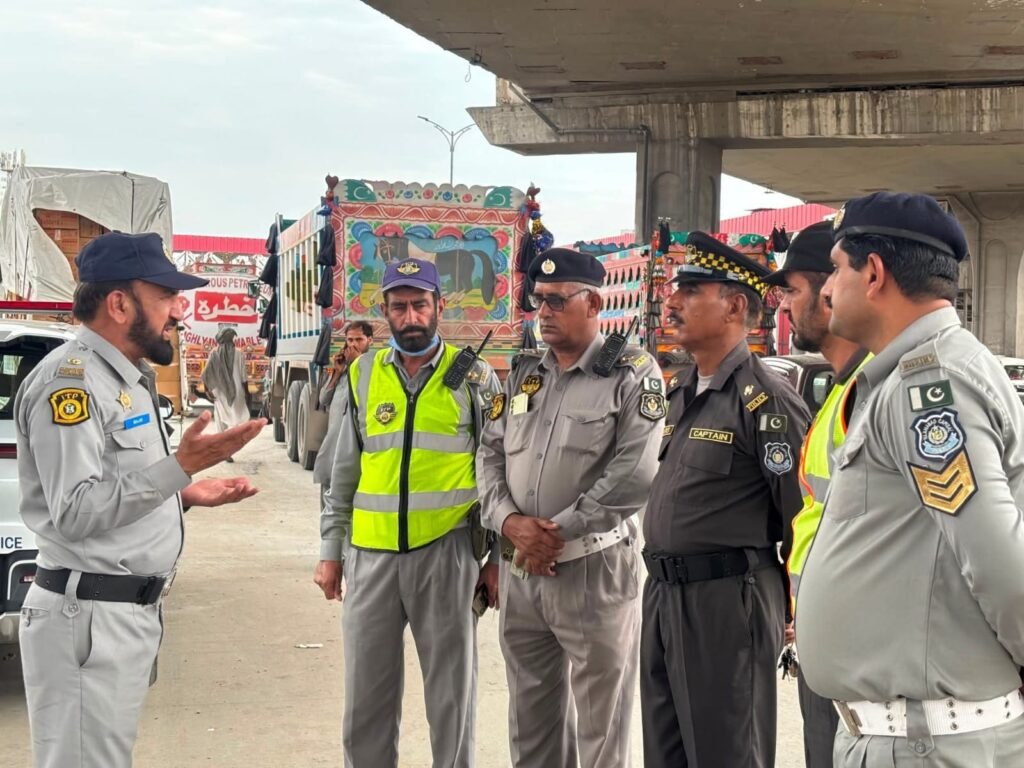
ISLAMABAD — Superintendent of Police (SP) Traffic Majid Iqbal conducted an extensive review of traffic duty points across Islamabad on Sunday, aiming to enhance traffic management and ensure the smooth flow of vehicles on the city’s major roads. This initiative is part of a broader strategy to address traffic violations and improve road safety. What Happened SP Traffic Majid Iqbal visited multiple duty points throughout the federal capital to assess the current traffic management system. During his visit, he inspected the deployment of traffic personnel at various locations and engaged with officers on duty. The primary focus of his visit was to evaluate the effectiveness of current measures in place to manage traffic flow and to identify areas for improvement. According to an official statement, SP Majid directed officers to ensure that traffic moves uninterruptedly and emphasized the importance of taking effective legal action against motorists who violate traffic laws. He instructed traffic personnel to conduct their duties with a high level of professionalism, responsibility, and courtesy towards road users. The SP highlighted the need for vigilant monitoring, a prompt response to any traffic congestion, and strict enforcement of traffic regulations to maintain order on the roads. SP Majid’s review comes amid growing concerns over traffic congestion and road safety in Islamabad, a city that has seen a significant increase in vehicle numbers over recent years. His directives are expected to bolster the efforts of the traffic police in managing the city’s traffic more effectively. Background Traffic management in Islamabad has been a persistent challenge due to the rapid urbanization and increase in the number of vehicles. The Islamabad Traffic Police (ITP) has been actively working to implement various measures to address these issues, including the installation of traffic signals, deployment of additional personnel, and public awareness campaigns about road safety. Historically, traffic violations have been a significant concern, with common infractions including speeding, signal jumping, and illegal parking. The ITP has been striving to curb these violations through stricter enforcement and penalties. The recent visit by SP Majid is part of ongoing efforts to reinforce these measures and ensure compliance with traffic laws. Why It Matters The enforcement of stricter traffic regulations is crucial for improving road safety and reducing accidents in Islamabad. Traffic congestion not only causes delays but also increases the risk of accidents, which can lead to injuries and fatalities. By ensuring a smooth flow of traffic and strict adherence to traffic laws, the ITP aims to enhance the overall safety of road users. Economically, efficient traffic management can lead to reduced travel times, which in turn can improve productivity and reduce fuel consumption. This is particularly important in a city like Islamabad, where the economic activities are closely tied to the efficient movement of people and goods. Socially, improved traffic conditions can lead to a better quality of life for residents, as it reduces stress and enhances accessibility to different parts of the city. It also reflects positively on the city’s image, making it more attractive to tourists and investors. Furthermore, the enforcement of traffic laws is a reflection of the broader commitment of law enforcement agencies to uphold the rule of law. It sets a precedent for other cities in Pakistan to follow, potentially leading to nationwide improvements in traffic management and road safety. Key Takeaways SP Traffic Majid Iqbal conducted a review of traffic duty points in Islamabad, focusing on improving traffic management. He emphasized strict enforcement of traffic laws and professional conduct by traffic personnel. The initiative aims to address traffic congestion and enhance road safety in the federal capital. Efficient traffic management is crucial for economic productivity and improving the quality of life for residents. The measures set a precedent for other cities in Pakistan to improve their traffic systems. Source Attribution This article is based on official government statements, press releases, and public communications from relevant authorities. Author: NEN Editorial Desk | Editor: NEN Newsroom | Fact Checked By: NEN Editorial Team Author: NEN Editorial Desk  |  Editor: NEN Newsroom  |  Last Updated: July 12, 2026  |  Source: NEN Reporter This article was produced by the NEN Editorial Desk in accordance with NEN Agency’s Editorial Policy and Fact-Checking Policy.
Pakistan

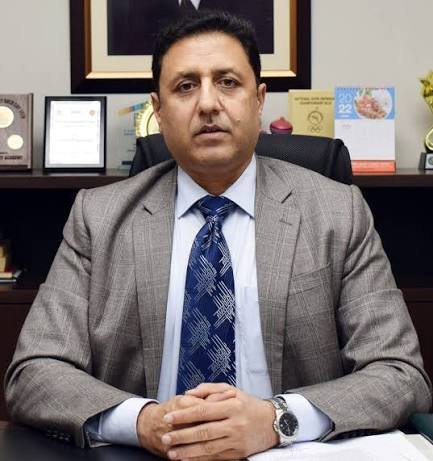
PFC CEO Stresses Vision-Driven Policies for Sustainable Economic Growth

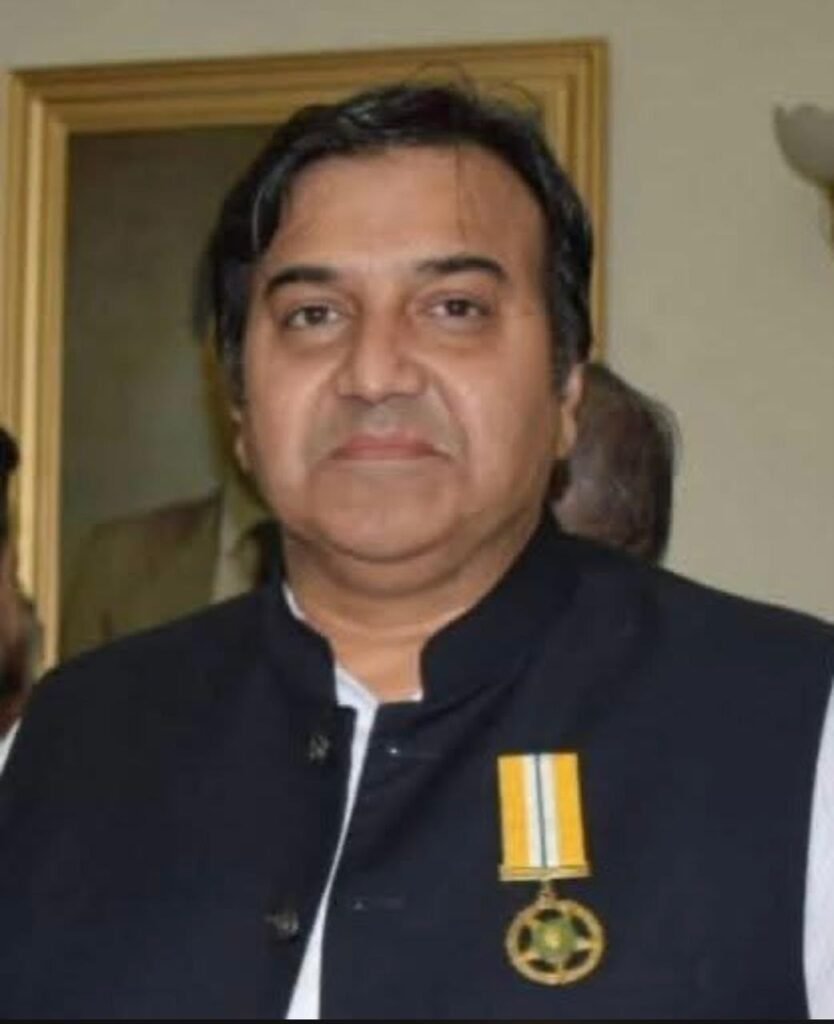
ISLAMABAD — The Chief Executive Officer of the Pakistan Furniture Council (PFC), Mian Kashif Ashfaq, emphasized the importance of vision-driven governance and long-term policies for achieving sustainable economic growth. Speaking on the need for strategic planning, Ashfaq highlighted that continuity in policy and integration strategies are crucial for sustainable investment-led growth. What Happened Mian Kashif Ashfaq, CEO of the Pakistan Furniture Council, addressed the pressing need for sustainable economic growth through a strategic framework that prioritizes vision-driven governance. In his recent statement, Ashfaq argued that for Pakistan to achieve sustainable growth, it requires policies that are not only visionary but also consistent over the long term. He stressed that without such a framework, the potential for investment-driven growth remains limited. According to Ashfaq, the current economic climate necessitates a shift towards policies that are forward-thinking and integrated across different sectors of the economy. “Sustainable investment-driven economic growth ultimately depends on vision-driven governance, policy continuity, and long-term integration strategies,” he stated. He further elaborated that these elements are essential to attract and retain investments, which are pivotal for economic stability and growth. The PFC CEO’s remarks come at a time when Pakistan is grappling with economic challenges, including inflation and a need for foreign investment. Ashfaq’s call for a cohesive and strategic approach to governance reflects a broader consensus among economic experts who advocate for reforms that can sustain economic development in the long run. Background The concept of sustainable economic growth has gained traction globally, with many countries adopting policies that focus on long-term development rather than short-term gains. In Pakistan, the need for such an approach has been underscored by fluctuating economic conditions and external pressures. Historically, Pakistan’s economic policies have often been reactive, addressing immediate concerns without a sustained focus on long-term growth. Previous attempts at economic reform have met with mixed results, often due to a lack of continuity and integration in policy implementation. The Pakistan Furniture Council, under the leadership of Mian Kashif Ashfaq, has been an advocate for industry-specific reforms that align with broader economic goals. The council has consistently pushed for policies that support the furniture industry while contributing to the overall economic framework. Why It Matters The emphasis on vision-driven governance and policy continuity is critical for Pakistan’s economic future. As the country seeks to stabilize its economy and attract foreign investment, consistent and strategic policies can provide the necessary foundation for growth. The PFC CEO’s call for long-term integration strategies highlights the need for a cohesive approach that aligns various sectors towards common economic objectives. Economically, adopting a vision-driven approach could lead to increased investor confidence, as businesses are more likely to invest in environments where policies are stable and predictable. This, in turn, can lead to job creation, increased exports, and a more robust economic framework that can withstand global economic fluctuations. Socially, sustainable economic growth can contribute to improved living standards and reduced poverty levels. By focusing on long-term development, Pakistan can address systemic issues such as unemployment and income inequality, thereby fostering a more equitable society. On the international front, aligning with global trends towards sustainability can enhance Pakistan’s standing as a responsible economic player, potentially opening up new markets and partnerships. Key Takeaways Mian Kashif Ashfaq, CEO of PFC, calls for vision-driven governance for sustainable growth. Long-term policies and integration strategies are essential for attracting investment. Pakistan’s economic stability depends on consistent and strategic policy frameworks. Sustainable growth can lead to improved living standards and reduced poverty. Aligning with global sustainability trends can enhance Pakistan’s international standing. Source Attribution This article is based on official statements and public communications from the Pakistan Furniture Council and relevant authorities. Author: NEN Editorial Desk | Editor: NEN Newsroom | Fact Checked By: NEN Editorial Team Author: NEN Editorial Desk  |  Editor: NEN Newsroom  |  Last Updated: July 12, 2026  |  Source: NEN Reporter This article was produced by the NEN Editorial Desk in accordance with NEN Agency’s Editorial Policy and Fact-Checking Policy.
World

Sindh Governor Stresses Hope as Key to National Development

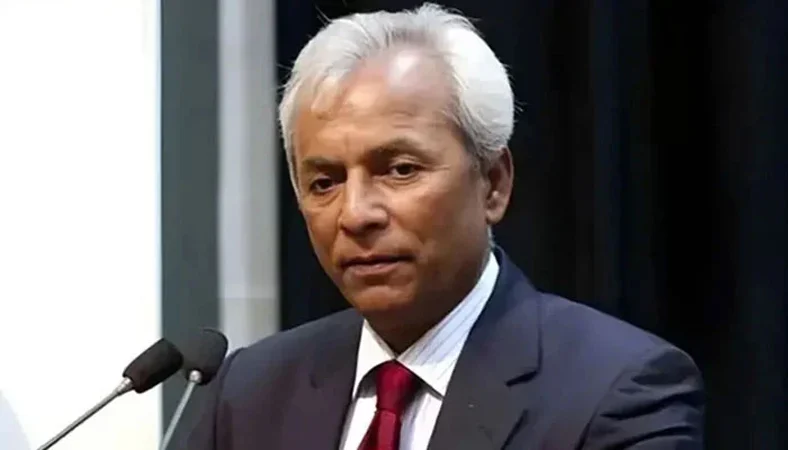
KARACHI — Governor of Sindh Syed Muhammad Nehal Hashmi emphasized the critical role of hope in fostering a better future and advancing national development during the observance of the International Day of Hope on July 12. Speaking at a public event, Hashmi highlighted the importance of nurturing hope and positive thinking, particularly among the youth, as essential elements for overcoming challenges and achieving collective national goals. What Happened On the occasion of the International Day of Hope, Governor Syed Muhammad Nehal Hashmi addressed a gathering in Karachi, underscoring the significance of hope as a foundational element for national progress. He articulated that hope, coupled with unity and determination, is vital for addressing the myriad challenges facing Pakistan today. Hashmi stated, “Every challenge can be overcome through unity, determination, and hope,” emphasizing that these qualities are instrumental in building a peaceful and prosperous nation. The governor further elaborated on the necessity of instilling hope and positive thinking among the younger generation. He remarked that the youth are the future leaders of the country, and their mindset will significantly influence Pakistan’s trajectory. “The promotion of hope and positive thinking among young people is the need of the hour,” Hashmi noted, advocating for educational and social initiatives that encourage optimism and resilience. Hashmi also highlighted the broader message of the International Day of Hope, which advocates for humanity, peace, and mutual cooperation. He called for collective efforts from all sectors of society to work towards these ideals, suggesting that such unity is crucial for national development and stability. Background The International Day of Hope is observed globally to promote a message of optimism and cooperation among individuals and communities. It serves as a reminder of the power of hope in overcoming adversity and fostering positive change. In Pakistan, the day is marked by various activities aimed at encouraging hopefulness and unity among the populace. Governor Hashmi’s statements come at a time when Pakistan is grappling with numerous socio-economic challenges, including political instability, economic difficulties, and social unrest. Historically, the country has faced periods of significant turmoil, which have tested the resilience and optimism of its citizens. In this context, the governor’s emphasis on hope and unity is particularly pertinent. Why It Matters The governor’s focus on hope as a catalyst for national development holds significant implications for Pakistan’s future. In a country where economic and political challenges are prevalent, fostering a culture of hope and optimism can play a crucial role in mobilizing citizens towards constructive action. By encouraging positive thinking and unity, leaders can inspire the populace to engage in efforts that contribute to national progress. Economically, a hopeful and optimistic society is more likely to invest in long-term development initiatives, fostering innovation and entrepreneurship. Socially, promoting hope can lead to greater community cohesion and resilience, reducing tensions and fostering peace. Politically, leaders who emphasize hope can build trust and confidence among the electorate, facilitating more effective governance and policy implementation. Moreover, the governor’s call for collective efforts underscores the importance of collaboration across different sectors of society. By working together, government, private sector, and civil society can create synergies that enhance national development and stability. This approach aligns with global trends towards inclusive and participatory governance models that prioritize cooperation and shared goals. Key Takeaways Governor Syed Muhammad Nehal Hashmi emphasized hope as essential for national development during the International Day of Hope. He highlighted the importance of promoting hope and positive thinking among the youth to overcome national challenges. The International Day of Hope advocates for humanity, peace, and mutual cooperation, aligning with the governor’s message. Fostering a culture of hope can have significant economic, social, and political benefits for Pakistan. Collective efforts from all sectors of society are deemed essential for achieving national progress and stability. Source Attribution This article is based on official government statements and public communications from relevant authorities. Author: NEN Editorial Desk | Editor: NEN Newsroom | Fact Checked By: NEN Editorial Team Author: NEN Editorial Desk  |  Editor: NEN Newsroom  |  Last Updated: July 12, 2026  |  Source: Press Release from Government of Pakistan This article was produced by the NEN Editorial Desk in accordance with NEN Agency’s Editorial Policy and Fact-Checking Policy.
World

Punjab Government Committed to Public Welfare, Says Chief Minister

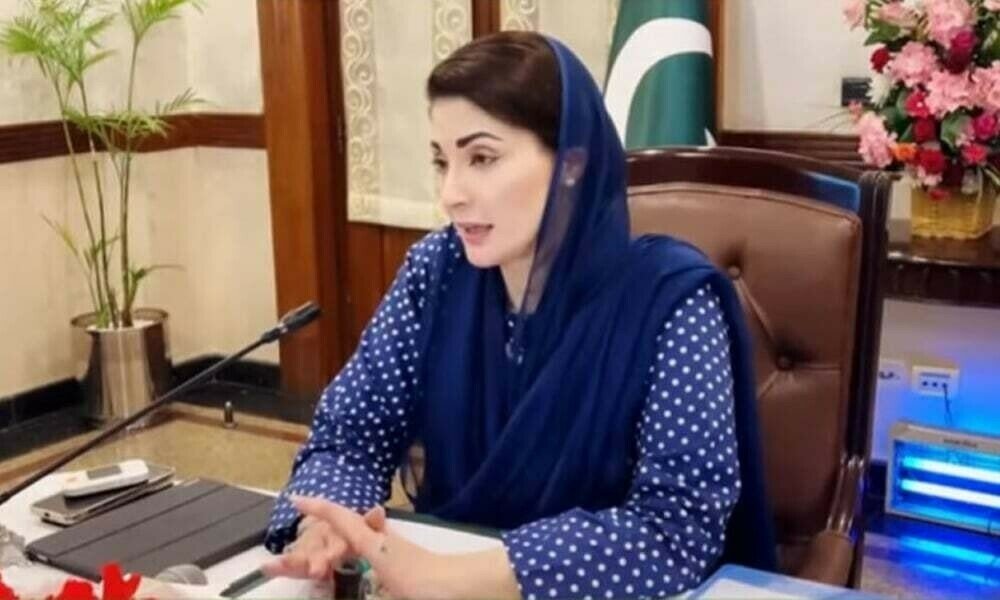
LAHORE — Punjab Chief Minister Maryam Nawaz Sharif emphasized the government’s dedication to public welfare initiatives, highlighting the role of hope in driving progress and success. Her remarks came on the occasion of the International Day of Hope, celebrated on Sunday. What Happened On Sunday, Punjab Chief Minister Maryam Nawaz Sharif addressed the public on the International Day of Hope, underscoring the importance of maintaining hope in the face of adversity. She articulated that hope serves as a crucial force, empowering individuals to persevere and transform their determination into tangible success. The Chief Minister’s message was clear: despite the challenges faced, hope should never be abandoned. Maryam Nawaz Sharif highlighted the efforts of the Pakistan Muslim League-Nawaz (PML-N) in embodying hope for the people of Punjab. She stated that the party is actively working to meet the public’s expectations through various practical measures. The Chief Minister expressed confidence in the continued improvement of healthcare facilities, the realization of homeownership for homeless families, and increased prosperity for farmers through enhanced agricultural productivity. In her statement, she reiterated the commitment of the PML-N to public welfare, citing initiatives such as the provision of laptops, scholarships, and free medicines as evidence of their dedication. Maryam Nawaz Sharif assured the public of her government’s resolve to continue serving the people and striving for a prosperous Punjab. Background The International Day of Hope is observed to remind individuals and communities of the power of hope in overcoming challenges. In Pakistan, the day serves as a platform for leaders to reinforce their commitment to public welfare and development. The PML-N, a major political party in Pakistan, has historically focused on infrastructure development, economic growth, and social welfare programs. Under the leadership of Maryam Nawaz Sharif, the party has continued to emphasize these areas, aiming to uplift the socio-economic status of the people of Punjab. Why It Matters The Chief Minister’s message on the International Day of Hope is significant as it highlights the government’s focus on public welfare amidst economic and social challenges. The emphasis on hope and practical measures reflects an understanding of the needs and aspirations of the people of Punjab. Economically, the initiatives mentioned by Maryam Nawaz Sharif, such as improved healthcare and agricultural productivity, are crucial for the province’s development. Enhanced healthcare facilities can lead to a healthier workforce, while better agricultural yields can boost the income of farmers, contributing to the overall economic stability of the region. Socially, the focus on housing and educational initiatives like scholarships and laptop distributions can play a vital role in reducing inequality and providing opportunities for the youth. These measures are likely to have a long-term impact on the social fabric of Punjab, promoting inclusivity and empowerment. Politically, the PML-N’s commitment to public welfare can strengthen its position in the province, especially as it seeks to maintain public trust and support. The party’s ability to deliver on its promises could be pivotal in future electoral outcomes. Key Takeaways Chief Minister Maryam Nawaz Sharif emphasized the role of hope in achieving success on the International Day of Hope. The Punjab government is committed to public welfare through initiatives in healthcare, housing, and agriculture. The PML-N aims to fulfill public expectations with practical measures, including scholarships and free medicines. Economic and social initiatives are expected to enhance the province’s development and reduce inequality. The PML-N’s focus on public welfare could influence its political standing in Punjab. Source Attribution This article is based on official government statements, press releases, and public communications from relevant authorities. Author: NEN Editorial Desk | Editor: NEN Newsroom | Fact Checked By: NEN Editorial Team Author: NEN Editorial Desk  |  Editor: NEN Newsroom  |  Last Updated: July 12, 2026  |  Source: NEN Reporter This article was produced by the NEN Editorial Desk in accordance with NEN Agency’s Editorial Policy and Fact-Checking Policy.
Pakistan

Punjab Announces New Sports Academies for Running, Fencing, Gymnastics, Cycling

LAHORE — The Punjab government has announced the establishment of new sports academies dedicated to running, fencing, gymnastics, and cycling, as part of its ongoing efforts to promote athletic development across the province. The decision was made during a meeting chaired by Director General Sports Punjab Muhammad Tariq Qureshi, focusing on enhancing the infrastructure and support for emerging athletes. What Happened The meeting, held in Lahore, reviewed the current state of sports training activities across various academies in Punjab. DG Sports Punjab Muhammad Tariq Qureshi led the discussions, which included an evaluation of the performance of coaches and the capabilities of players. The decision to establish new academies is aimed at providing specialized training facilities and resources to nurture talent in these specific sports disciplines. According to the official statement, the new academies will be equipped with state-of-the-art facilities to ensure that athletes receive comprehensive training. “Our goal is to provide the best possible environment for our athletes to excel and bring laurels to the country,” stated Qureshi. He emphasized the importance of these academies in identifying and grooming young talent, which is crucial for the future success of Pakistan in international sports competitions. The initiative is part of a broader strategy to uplift sports at the grassroots level, ensuring that young athletes have access to quality training and coaching. The meeting also highlighted the need for continuous assessment and improvement of existing sports programs to meet international standards. Background Sports development in Pakistan has often faced challenges due to limited resources and infrastructure. In recent years, however, there has been a renewed focus on enhancing sports facilities and training programs, particularly in Punjab, which is known for producing a significant number of national athletes. The provincial government has been proactive in establishing sports academies for various disciplines, recognizing the role of sports in promoting health, discipline, and unity among youth. Previously, the Punjab government has launched initiatives to support cricket, hockey, and football, among other sports. These efforts are part of a national policy to encourage sports participation and improve the performance of Pakistani athletes on the global stage. Why It Matters The establishment of new sports academies for running, fencing, gymnastics, and cycling is significant for several reasons. Economically, these academies are expected to create job opportunities for coaches, trainers, and support staff, contributing to local economies. Socially, they offer young people constructive activities that can help reduce youth delinquency and promote a healthy lifestyle. Politically, the move aligns with the government’s broader agenda to enhance Pakistan’s image internationally by improving its sports credentials. Success in sports can foster national pride and unity, which is particularly important in a diverse country like Pakistan. Moreover, these academies can serve as a model for other provinces, encouraging a nationwide focus on sports development. Internationally, the development of specialized training facilities can help Pakistani athletes compete more effectively on the world stage, potentially increasing the country’s medal tally in international competitions such as the Olympics and Asian Games. This, in turn, can attract international events to Pakistan, boosting tourism and international goodwill. Key Takeaways Punjab announces new sports academies for running, fencing, gymnastics, and cycling. The decision aims to enhance sports infrastructure and support emerging athletes. New academies will be equipped with state-of-the-art facilities for comprehensive training. This initiative is part of a broader strategy to uplift sports at the grassroots level. Improving sports credentials can enhance Pakistan’s international image and foster national unity. Source Attribution This article is based on official government statements and public communications from relevant authorities. Author: NEN Editorial Desk | Editor: NEN Newsroom | Fact Checked By: NEN Editorial Team Author: NEN Editorial Desk  |  Editor: NEN Newsroom  |  Last Updated: July 12, 2026  |  Source: NEN Reporter This article was produced by the NEN Editorial Desk in accordance with NEN Agency’s Editorial Policy and Fact-Checking Policy.
Pakistan

SWCCI Executive Meeting Focuses on Women Entrepreneurship Initiatives

SARGODHA — The Sargodha Women Chamber of Commerce and Industry (SWCCI) held an executive meeting on Saturday, focusing on future initiatives to bolster women entrepreneurship and enhance business development within the region. The meeting aimed to outline a strategic roadmap that would strengthen the chamber’s influence and support for female entrepreneurs. What Happened During the executive meeting, SWCCI members discussed a series of initiatives designed to promote women-led businesses and increase their participation in the regional economy. The chamber’s leadership emphasized the importance of creating a supportive environment for women entrepreneurs, which includes providing access to resources, mentorship, and networking opportunities. The meeting was attended by prominent members of the chamber, including its president, who highlighted the need for tailored programs that address the unique challenges faced by women in business. “Our goal is to empower women by offering them the tools and resources necessary to succeed in their entrepreneurial ventures,” stated the president during the session. Among the key initiatives discussed were plans to organize workshops and training sessions focused on skill development, financial literacy, and digital marketing. These programs aim to equip women entrepreneurs with the necessary skills to navigate the complexities of running a business in today’s competitive market. The chamber also explored potential partnerships with local and international organizations to expand its reach and impact. By collaborating with other entities, SWCCI hopes to provide a broader range of services and support to its members. Background The Sargodha Women Chamber of Commerce and Industry was established to promote and support women entrepreneurs in the region. Over the years, it has played a pivotal role in advocating for women’s rights in the business sector and providing a platform for female business owners to connect and collaborate. Historically, women in Pakistan have faced numerous barriers to entrepreneurship, including limited access to finance, societal norms, and a lack of support networks. Organizations like SWCCI have been instrumental in challenging these barriers and creating opportunities for women to thrive in business. The chamber’s efforts align with national policies aimed at increasing women’s participation in the workforce and promoting gender equality in economic activities. Why It Matters The initiatives discussed during the SWCCI executive meeting are significant for several reasons. Firstly, they represent a proactive approach to addressing the gender gap in entrepreneurship within Pakistan. By focusing on women-led businesses, the chamber is contributing to the broader goal of economic empowerment for women, which is essential for sustainable development. Economically, empowering women entrepreneurs can lead to increased productivity and innovation, as diverse perspectives are brought into the business landscape. This can result in more robust economic growth and job creation, benefiting the community at large. Socially, supporting women in business helps challenge traditional gender roles and promotes gender equality. It encourages more women to pursue entrepreneurial ventures, knowing they have a supportive network and resources available to them. On a broader scale, the success of such initiatives can serve as a model for other regions in Pakistan, inspiring similar efforts to support women entrepreneurs nationwide. This could lead to a more inclusive and equitable business environment across the country. Key Takeaways SWCCI held an executive meeting to discuss initiatives for promoting women entrepreneurship. The chamber plans to offer workshops on skill development and financial literacy. Potential partnerships with local and international organizations were explored. Empowering women entrepreneurs contributes to economic growth and gender equality. The chamber’s efforts align with national policies on increasing women’s workforce participation. Source Attribution The article is based on official government statements, press releases, and public communications from relevant authorities. Author: NEN Editorial Desk | Editor: NEN Newsroom | Fact Checked By: NEN Editorial Team Author: NEN Editorial Desk  |  Editor: NEN Newsroom  |  Last Updated: July 12, 2026  |  Source: NEN Reporter This article was produced by the NEN Editorial Desk in accordance with NEN Agency’s Editorial Policy and Fact-Checking Policy.
Pakistan

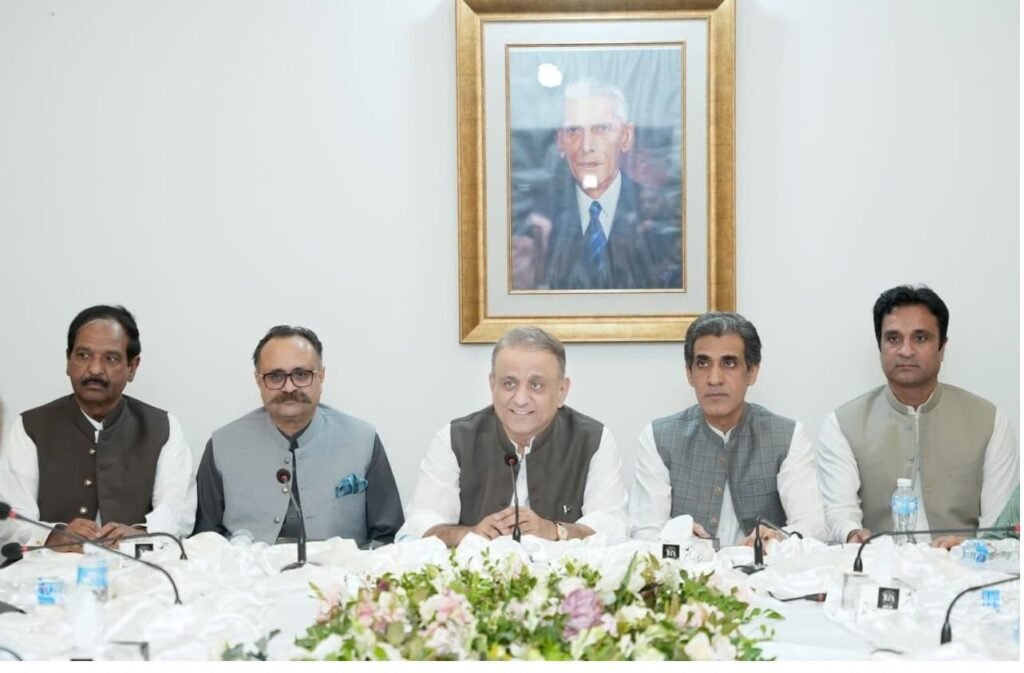
IPP Sets Strategy for AJK, GB Elections, Supports Security Forces

ISLAMABAD — The Istehkam-e-Pakistan Party (IPP) has finalized its strategy for the upcoming elections in Azad Jammu and Kashmir (AJK) and Gilgit-Baltistan (GB). The announcement came following a meeting of the party’s Central Executive Committee (CEC) chaired by President Abdul Aleem Khan on Saturday. The party also expressed its unwavering support for Pakistan’s security forces. What Happened The IPP’s Central Executive Committee convened to discuss and finalize their electoral strategy for the AJK general elections and the GB local government elections. The meeting, led by IPP President Abdul Aleem Khan, focused on outlining the party’s approach to securing a strong foothold in these regions. The strategic plan aims to address local issues while aligning with the broader political objectives of the party. During the meeting, Abdul Aleem Khan emphasized the importance of these elections in strengthening the party’s presence and influence in AJK and GB. “Our focus is to ensure that the people of AJK and GB are represented by leaders who are committed to their development and progress,” Khan stated. The party’s strategy includes engaging with local communities, addressing their concerns, and presenting a clear vision for the future. In addition to electoral strategies, the IPP reiterated its solidarity with Pakistan’s security forces, acknowledging their role in maintaining peace and stability in the region. “We stand with our security forces and appreciate their sacrifices for the nation,” Khan added, underscoring the party’s commitment to national security. Background The upcoming elections in AJK and GB are crucial as they will determine the political landscape of these regions. Historically, both areas have seen a mix of political influences, with local and national parties vying for control. The AJK general elections and GB local government elections are significant as they provide a platform for addressing regional issues such as infrastructure development, education, and healthcare. The IPP, a relatively new political entity, has been working to establish itself as a formidable force in Pakistan’s political arena. The party’s leadership has been proactive in engaging with various stakeholders to build a robust political network. The focus on AJK and GB elections is part of a broader strategy to expand the party’s influence and address the unique challenges faced by these regions. Why It Matters The IPP’s strategic focus on AJK and GB elections is significant for several reasons. Firstly, it highlights the party’s commitment to regional development and its intent to play a pivotal role in addressing the needs of these areas. By focusing on local issues, the IPP aims to resonate with the electorate and position itself as a viable alternative to established parties. Secondly, the party’s support for security forces is a critical stance, especially in a region that has historically faced security challenges. This support not only strengthens the party’s nationalistic credentials but also aligns it with the broader national agenda of peace and stability. Economically, the elections in AJK and GB are vital as they can influence development projects and investments in these regions. A stable political environment, backed by effective governance, can attract investments and boost economic growth, benefiting local communities. Politically, the outcome of these elections could shift the balance of power in the regions, affecting future policy directions and governance. The IPP’s strategy and its execution will be closely watched by political analysts and the public alike, as it could redefine the party’s role in Pakistan’s political landscape. Key Takeaways The IPP has finalized its electoral strategy for AJK and GB elections. The party emphasizes local issues and aims to strengthen its political presence. Support for security forces is a key component of the IPP’s stance. The elections are crucial for regional development and political stability. The IPP’s performance could influence its future political trajectory. Source Attribution This article is based on official government statements, press releases, and public communications from relevant authorities. Author: NEN Editorial Desk | Editor: NEN Newsroom | Fact Checked By: NEN Editorial Team Author: NEN Editorial Desk  |  Editor: NEN Newsroom  |  Last Updated: July 12, 2026  |  Source: NEN Reporter This article was produced by the NEN Editorial Desk in accordance with NEN Agency’s Editorial Policy and Fact-Checking Policy.
World

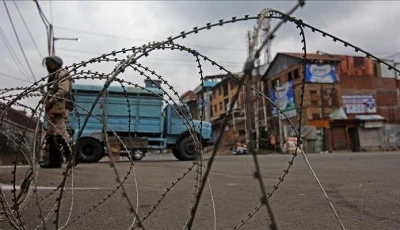
Kashmir Martyrs’ Day Commemorates 1931 Massacre Amid Security Clampdowns

SRINAGAR — Kashmir Martyrs’ Day was observed on Monday to commemorate the lives lost during the 1931 massacre, as Indian Illegally Occupied Jammu and Kashmir (IIOJK) continues to face stringent security measures. The day marks nearly a century since worshippers were killed while trying to complete the Azaan, a call to prayer, highlighting ongoing tensions in the region. What Happened The Kashmir Martyrs’ Day, traditionally observed on July 13, commemorates the events of 1931 when 22 Kashmiris were killed by the forces of the then Dogra ruler while protesting against the autocratic regime. This year, the day was marked by heightened security and restrictions across IIOJK. The anniversary, once officially recognized, has been removed from the official calendar, reflecting the region’s shifting political landscape. Security forces were deployed across major towns and cities in IIOJK to prevent gatherings and protests. Local reports indicated that internet services were intermittently suspended, and checkpoints were set up to monitor movement. The restrictions are part of broader measures that have been in place since the revocation of Article 370 in August 2019, which granted special autonomy to the region. Despite the clampdowns, residents of IIOJK continue to remember the sacrifices made in 1931. “The martyrs’ sacrifices are etched in our history and consciousness,” said a local resident. “Their struggle for dignity and rights continues to inspire us today.” Background The 1931 massacre is a pivotal event in Kashmir’s history, symbolizing the struggle against oppressive rule. On that day, a large crowd had gathered outside the Central Jail in Srinagar to protest the trial of Abdul Qadeer, a young man accused of inciting rebellion. The protest turned violent when the Dogra forces opened fire, killing 22 people. Historically, Kashmir Martyrs’ Day was observed with official ceremonies and public gatherings. However, following the abrogation of Article 370, the day was removed from the list of public holidays, and official recognition ceased. This change is part of broader efforts by the Indian government to integrate the region more closely with the rest of the country, a move that has been met with resistance from local populations. Why It Matters The observance of Kashmir Martyrs’ Day underlines the enduring conflict and unrest in IIOJK. The removal of the day from the official calendar and the ongoing security clampdowns are indicative of the Indian government’s approach to the region, which includes demographic changes and media restrictions. These measures have been criticized by human rights organizations and have led to increased tensions between India and Pakistan, both of which claim the region in full. The socio-political dynamics in IIOJK have significant implications for regional stability. The clampdowns and demographic changes are seen by many as attempts to alter the region’s cultural and political landscape, which could lead to further unrest. The international community has expressed concern over the human rights situation in IIOJK, urging dialogue and peaceful resolution. For the residents of IIOJK, the memory of the 1931 massacre remains a powerful symbol of resistance and identity. The continued observance of the day, despite official erasure, highlights the resilience of the Kashmiri people and their ongoing struggle for autonomy and rights. Key Takeaways Kashmir Martyrs’ Day marks the 1931 massacre, a significant event in the region’s history. The day was observed amid tight security and restrictions in IIOJK. The anniversary has been removed from the official calendar following the revocation of Article 370. The situation in IIOJK remains tense, with ongoing security measures and demographic changes. The international community continues to express concern over human rights in the region. Source Attribution This article is based on official government statements, press releases, and public communications from relevant authorities. Author: NEN Editorial Desk | Editor: NEN Newsroom | Fact Checked By: NEN Editorial Team Author: NEN Editorial Desk  |  Editor: NEN Newsroom  |  Last Updated: July 12, 2026  |  Source: NEN Reporter This article was produced by the NEN Editorial Desk in accordance with NEN Agency’s Editorial Policy and Fact-Checking Policy.

Pakistan

Galiyat Unveils Advanced Wastewater Treatment System for Eco-Friendly Tourism

GALIYAT — The Galiyat Development Authority (GDA) inaugurated an advanced Wastewater Collection and Treatment System on Sunday, aiming to enhance environmental protection and promote sustainable tourism in the region. This initiative represents a significant effort to address environmental concerns while boosting the local tourism sector. What Happened The Galiyat Development Authority (GDA) has launched a state-of-the-art Wastewater Collection and Treatment System in the scenic region of Galiyat. The system was officially inaugurated on Sunday, with local officials and community members in attendance. According to the GDA, this modern infrastructure is designed to handle the wastewater generated by both residents and the influx of tourists, ensuring that the natural beauty of the area is preserved. The new system is expected to significantly reduce the pollution levels in local water bodies, which have been adversely affected by untreated wastewater in the past. A GDA spokesperson emphasized, “This project is a crucial step towards maintaining the ecological balance of Galiyat while supporting the tourism industry, which is a vital part of our local economy.” The spokesperson further explained that the system employs advanced filtration and treatment technologies to ensure that the water released back into the environment is clean and safe. Local businesses and residents have expressed optimism about the new system, noting that improved environmental conditions could attract more visitors to the area. The GDA has also planned educational campaigns to raise awareness among tourists and locals about the importance of sustainable practices and the proper disposal of waste. Background Galiyat, known for its lush green landscapes and serene environment, has been a popular tourist destination in Pakistan for decades. However, the region has faced challenges related to environmental degradation, largely due to the lack of proper waste management systems. The increasing number of tourists has exacerbated the problem, leading to pollution in rivers and streams that are crucial to the local ecosystem. In recent years, the Pakistani government and local authorities have prioritized sustainable tourism practices to protect the country’s natural resources. The introduction of the Wastewater Collection and Treatment System is part of a broader strategy to implement eco-friendly infrastructure and policies in tourist hotspots across the nation. Why It Matters The implementation of the modern wastewater treatment system in Galiyat is a critical development for several reasons. Environmentally, it addresses the urgent need to protect the region’s water bodies from pollution, thereby preserving the biodiversity and natural beauty that attract tourists. This is particularly important as tourism is a significant source of income for the local population. Economically, the system is expected to bolster the tourism industry by ensuring that Galiyat remains an attractive destination for both domestic and international visitors. Cleaner environments are known to enhance the tourist experience, potentially leading to increased visitor numbers and longer stays, which in turn boosts local businesses and the economy. Socially, the project demonstrates a commitment to sustainable development, aligning with global environmental goals and enhancing the quality of life for residents. By investing in such infrastructure, the authorities are setting a precedent for other regions in Pakistan to follow, promoting a culture of sustainability and environmental responsibility. Key Takeaways The Galiyat Development Authority has launched a modern wastewater treatment system to protect the environment and support sustainable tourism. The system aims to reduce pollution in local water bodies, preserving the area’s natural beauty. This initiative is part of broader efforts to promote eco-friendly tourism practices in Pakistan. The project is expected to enhance the tourism experience, potentially increasing visitor numbers and boosting the local economy. It sets a precedent for sustainable development in other tourist regions across the country. Source Attribution This article is based on official government statements, press releases, and public communications from relevant authorities. Author: NEN Editorial Desk | Editor: NEN Newsroom | Fact Checked By: NEN Editorial Team Author: NEN Editorial Desk  |  Editor: NEN Newsroom  |  Last Updated: July 12, 2026  |  Source: NEN Reporter This article was produced by the NEN Editorial Desk in accordance with NEN Agency’s Editorial Policy and Fact-Checking Policy.

Pakistan

Pakistan Railways Multan Division Recovers Rs39.2 Million From Ticketless Passengers

ISLAMABAD — Pakistan Railways’ Multan Division has announced a record recovery of Rs39.2 million from 33,056 ticketless and irregular passengers during June 2026. This achievement marks the highest monthly recovery in the division’s history, attributed to the efforts of Special Ticket Examiners (STEs). What Happened In a concerted effort to curb fare evasion, Pakistan Railways’ Multan Division implemented stringent measures throughout June 2026. The division’s Special Ticket Examiners (STEs) conducted rigorous checks and inspections across various routes, resulting in the identification and penalization of 33,056 passengers traveling without valid tickets or with irregular travel documents. The recovery of Rs39.2 million represents a significant increase compared to previous months, underscoring the effectiveness of the enhanced enforcement strategies. According to a statement from the Multan Division, the record-breaking recovery was achieved through a combination of increased patrols, surprise inspections, and the deployment of additional STEs to high-traffic routes. The division’s spokesperson highlighted the importance of such initiatives in maintaining the financial health of Pakistan Railways, stating, “The efforts of our Special Ticket Examiners have not only contributed to increased revenue but have also reinforced the message that fare evasion will not be tolerated.” Background Pakistan Railways has been grappling with financial challenges for several years, with fare evasion being a persistent issue affecting revenue streams. The Multan Division, like other divisions, has been tasked with enhancing revenue collection through improved ticketing enforcement and customer service. Historically, the division has struggled with fare evasion due to a combination of factors, including inadequate staffing, insufficient technology for ticket verification, and challenges in monitoring remote routes. However, recent investments in staff training and the deployment of mobile ticketing solutions have begun to address these issues. This latest recovery effort is part of a broader strategy by Pakistan Railways to modernize its operations and improve financial performance. The division’s success in June 2026 serves as a potential model for other divisions facing similar challenges. Why It Matters The recovery of Rs39.2 million is significant not only for the Multan Division but also for Pakistan Railways as a whole. As the national railway service continues to face financial constraints, increasing revenue through effective enforcement of ticketing policies is crucial for sustaining operations and funding infrastructure improvements. Economically, the recovered funds can be redirected towards enhancing service quality, maintaining railway infrastructure, and potentially investing in new technology to further reduce fare evasion. This could lead to improved passenger experiences and increased ridership, contributing to the overall economic growth of the region. Socially, the initiative reinforces the importance of adhering to public transport regulations, promoting a culture of accountability and responsibility among passengers. It also highlights the role of public institutions in upholding laws and ensuring fair access to services. On a broader scale, the success of the Multan Division’s efforts could encourage other divisions to adopt similar strategies, potentially leading to a more financially robust and efficient national railway system. This aligns with Pakistan’s goals of modernizing its transportation infrastructure and improving public service delivery. Key Takeaways Pakistan Railways’ Multan Division recovered Rs39.2 million from 33,056 ticketless passengers in June 2026. This marks the highest monthly recovery in the division’s history, driven by increased enforcement efforts. The initiative is part of a broader strategy to enhance revenue and improve financial performance. The recovered funds can be used to improve service quality and infrastructure within the railway system. The success of the Multan Division could serve as a model for other divisions facing similar challenges. Source Attribution This article is based on official government statements, press releases, and public communications from relevant authorities. Author: NEN Editorial Desk | Editor: NEN Newsroom | Fact Checked By: NEN Editorial Team Author: NEN Editorial Desk  |  Editor: NEN Newsroom  |  Last Updated: July 12, 2026  |  Source: Press Release from Government of Pakistan This article was produced by the NEN Editorial Desk in accordance with NEN Agency’s Editorial Policy and Fact-Checking Policy.

Scroll to Top