
2026

World

Pakistan, Saudi Arabia Discuss Women’s Rights at OIC Conference

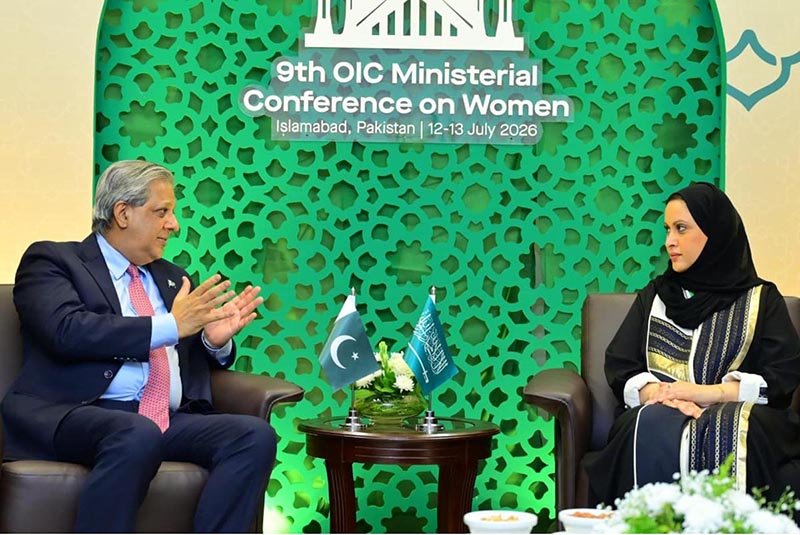
ISLAMABAD — Federal Minister for Human Rights, Senator Azam Nazeer Tarar, met with Dr Maimoonah Al Khalil, Secretary General of the Family Affairs Council, Government of Saudi Arabia, on the sidelines of the 9th OIC Ministerial Conference on Women. The meeting took place to discuss collaborative efforts in promoting women’s rights and empowerment across OIC member states. What Happened The meeting between Senator Azam Nazeer Tarar and Dr Maimoonah Al Khalil occurred during the 9th Organization of Islamic Cooperation (OIC) Ministerial Conference on Women, which was held to address pressing issues related to women’s rights in the Islamic world. The conference provided a platform for member states to share experiences, strategies, and policies aimed at enhancing the status of women in their respective countries. During the meeting, both representatives expressed their commitment to advancing women’s rights and discussed potential areas of collaboration. Senator Tarar emphasized the importance of joint efforts in addressing challenges faced by women, particularly in areas of education, health, and economic participation. He stated, “Our focus should be on creating an environment where women can thrive and contribute meaningfully to society.” Dr Al Khalil highlighted Saudi Arabia’s recent initiatives in promoting gender equality and women’s empowerment, citing reforms that have increased women’s participation in the workforce and leadership roles. She noted, “Saudi Arabia is keen to share its experiences and learn from other OIC member states to further enhance the role of women in our societies.” Background The OIC Ministerial Conference on Women is a significant event that brings together member states to discuss and develop policies aimed at improving the status of women. The conference aligns with the OIC’s broader objectives of promoting peace, security, and development in the Islamic world. Previous conferences have resulted in the adoption of various resolutions and action plans focused on women’s rights and empowerment. Pakistan has been an active participant in the OIC’s initiatives on women’s rights, with a focus on legislative reforms and policy measures to enhance gender equality. The country has implemented several programs aimed at increasing women’s access to education, healthcare, and economic opportunities. Why It Matters The collaboration between Pakistan and Saudi Arabia in the realm of women’s rights is significant for several reasons. Firstly, it underscores the importance of regional cooperation in addressing gender inequality, a challenge that transcends national borders and requires collective action. By working together, OIC member states can share best practices and develop comprehensive strategies that benefit women across the Islamic world. Economically, empowering women can lead to substantial growth and development. Studies have shown that increasing women’s participation in the workforce can boost GDP and improve overall economic stability. For countries like Pakistan and Saudi Arabia, where women’s labor force participation remains relatively low, such initiatives are crucial for sustainable development. Politically, enhancing women’s rights can lead to more inclusive governance and decision-making processes. By ensuring that women have a voice in political and social spheres, countries can create more balanced and equitable societies. This can also improve international perceptions and strengthen diplomatic ties among OIC member states. Key Takeaways Senator Azam Nazeer Tarar and Dr Maimoonah Al Khalil met to discuss women’s rights at the OIC conference. The meeting focused on collaborative efforts to promote gender equality in OIC member states. Saudi Arabia shared its recent reforms aimed at increasing women’s workforce participation. Pakistan emphasized the importance of joint initiatives to address challenges faced by women. The collaboration highlights the economic and political benefits of empowering women in the region. Source Attribution This article is based on official government statements, press releases, and public communications from relevant authorities. Author: NEN Editorial Desk | Editor: NEN Newsroom | Fact Checked By: NEN Editorial Team Author: NEN Editorial Desk  |  Editor: NEN Newsroom  |  Last Updated: July 12, 2026  |  Source: Press Release from Government of Pakistan This article was produced by the NEN Editorial Desk in accordance with NEN Agency’s Editorial Policy and Fact-Checking Policy.
Pakistan

ICCI Urges National Strategy for Youth Empowerment and Economic Growth

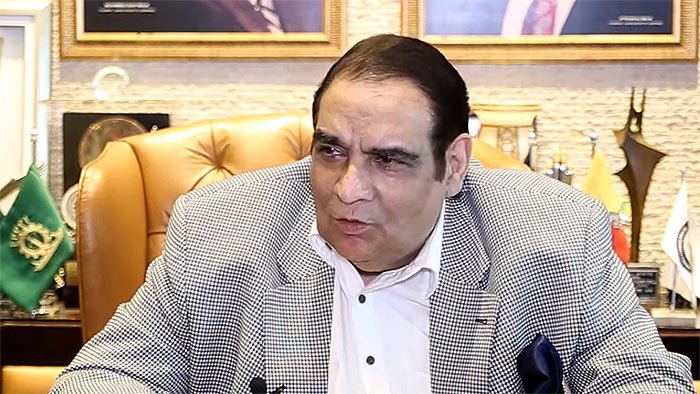
ISLAMABAD — The Islamabad Chamber of Commerce and Industry (ICCI) has emphasized the need for a comprehensive national strategy to harness the potential of Pakistan’s youth. Acting President Tahir Ayub highlighted the importance of transforming the country’s burgeoning young population into a productive economic force through investments in education, healthcare, skills development, entrepreneurship, and employment generation. What Happened On Saturday, Tahir Ayub, Acting President of the ICCI, called for a strategic approach to empower the youth of Pakistan, which constitutes a significant portion of the nation’s demographic profile. Ayub stressed that without a focused strategy, the potential of the youth could remain untapped, hindering economic progress. He stated, “A comprehensive national strategy is essential to convert our rapidly growing population into a productive economic force.” Ayub underscored the importance of sustained investments in key areas such as education and healthcare, which are foundational for developing a skilled workforce. He advocated for enhanced skills development programs tailored to meet the demands of modern industries and the global job market. Additionally, Ayub highlighted the need for fostering entrepreneurship and creating employment opportunities to absorb the growing number of young job seekers. The ICCI’s call to action comes at a time when Pakistan is grappling with economic challenges, including high unemployment rates and a need for economic diversification. By focusing on youth empowerment, the ICCI believes that Pakistan can achieve sustainable economic growth and improve the overall quality of life for its citizens. Background Pakistan’s youth population is one of the largest in the world, with approximately 64% of the population under the age of 30. This demographic trend presents both opportunities and challenges for the country. Historically, Pakistan has struggled with issues such as inadequate educational infrastructure, limited access to quality healthcare, and insufficient job opportunities, which have impeded the development of its young population. In recent years, the government and private sector have initiated various programs aimed at addressing these challenges. However, the ICCI believes that a more coordinated and comprehensive national strategy is necessary to effectively harness the potential of the youth. Previous efforts have often been fragmented and lacked the scale needed to make a significant impact. Why It Matters The economic, social, and political implications of empowering Pakistan’s youth are profound. Economically, a skilled and employed youth population can drive innovation, increase productivity, and contribute to economic diversification. This is crucial for Pakistan, which is seeking to expand its economic base beyond traditional sectors such as agriculture and textiles. Socially, empowering the youth can lead to improved standards of living and reduced poverty levels. By providing young people with the skills and opportunities they need, Pakistan can foster a more equitable society where all citizens have the chance to succeed. Politically, a well-educated and economically engaged youth population can contribute to greater political stability. Young people who are invested in their future are more likely to participate in the democratic process and support policies that promote national development. Internationally, a focus on youth empowerment can enhance Pakistan’s competitiveness on the global stage. As the world increasingly values innovation and technological advancement, countries that invest in their young populations are better positioned to succeed in the global economy. Key Takeaways The ICCI calls for a national strategy to empower Pakistan’s youth through education, healthcare, and job creation. Pakistan’s youth population is a significant demographic, with 64% under the age of 30. Economic growth, social equity, and political stability are potential benefits of youth empowerment. Current efforts to harness youth potential are seen as fragmented and insufficient by the ICCI. International competitiveness can be enhanced by investing in the youth. Source Attribution This article is based on official statements and public communications from the Islamabad Chamber of Commerce and Industry. Author: NEN Editorial Desk | Editor: NEN Newsroom | Fact Checked By: NEN Editorial Team Author: NEN Editorial Desk  |  Editor: NEN Newsroom  |  Last Updated: July 12, 2026  |  Source: NEN Reporter This article was produced by the NEN Editorial Desk in accordance with NEN Agency’s Editorial Policy and Fact-Checking Policy.
World

Regional Peace Essential for Trade and Technology Growth: Iftikhar Malik

ISLAMABAD — Former President of the SAARC Chamber of Commerce and Industry, Iftikhar Ali Malik, emphasized on Sunday that achieving regional peace is crucial for unlocking significant trade, investment, and technological advancements. Malik’s statement underscores the potential benefits of a stable regional environment for enhancing Pakistan’s global economic competitiveness. What Happened In a statement released on Sunday, Iftikhar Ali Malik, who previously served as the President of the SAARC Chamber of Commerce and Industry, articulated the economic advantages of regional peace. He asserted that peace in the region could lead to expanded trade opportunities, increased foreign investment, and access to modern technology, all of which are vital for boosting Pakistan’s economic standing on the global stage. Malik highlighted that the absence of conflict and the establishment of harmonious relations among neighboring countries could significantly reduce trade barriers, thereby facilitating smoother and more efficient trade flows. “The real dividend of regional peace lies in expanding trade, attracting productive investment, and acquiring modern technology,” Malik stated, emphasizing that these elements are integral to enhancing Pakistan’s competitiveness in the international market. He further noted that regional cooperation could pave the way for collaborative initiatives in technology and innovation, which are essential for economic growth and development. Malik called for concerted efforts from all regional stakeholders to prioritize peace and stability, which he believes are the foundations for sustainable economic progress. Background The South Asian region has historically been fraught with political tensions and conflicts, which have often hindered economic cooperation and development. The SAARC (South Asian Association for Regional Cooperation) was established in 1985 to promote economic and regional integration. However, political disputes, particularly between India and Pakistan, have often stalled progress. Efforts to enhance regional trade and cooperation have been ongoing, with various initiatives aimed at reducing tariffs and non-tariff barriers. Despite these efforts, intra-regional trade remains low compared to other regions, accounting for only about 5 percent of South Asia’s total trade. In contrast, intra-regional trade in ASEAN (Association of Southeast Asian Nations) accounts for approximately 25 percent of total trade. Why It Matters The call for regional peace by Iftikhar Malik is significant as it highlights the critical link between political stability and economic prosperity. For Pakistan, a country with a strategic geopolitical location, regional peace could open up new avenues for economic growth by facilitating access to larger markets and fostering an environment conducive to foreign investment. Economically, regional peace could lead to the reduction of defense expenditures, allowing more resources to be allocated towards development projects and infrastructure improvements. This shift could result in better public services and improved quality of life for citizens. On the international front, a peaceful South Asia could enhance the region’s attractiveness as a destination for global investors. With increased investment, countries in the region could benefit from technology transfer, job creation, and improved industrial capacity. Furthermore, regional peace could lead to collaborative efforts in addressing common challenges such as climate change, energy security, and public health, thereby fostering a more resilient and sustainable regional economy. Key Takeaways Regional peace is crucial for enhancing trade, investment, and technological advancements in Pakistan. Political stability can reduce trade barriers and facilitate smoother trade flows. Intra-regional trade in South Asia remains low compared to other regions, highlighting the need for improved cooperation. Economic growth through regional peace can lead to better public services and quality of life. Collaborative regional efforts can address common challenges and enhance economic resilience. Source Attribution This article is based on official statements and public communications from relevant authorities. Author: NEN Editorial Desk | Editor: NEN Newsroom | Fact Checked By: NEN Editorial Team Author: NEN Editorial Desk  |  Editor: NEN Newsroom  |  Last Updated: July 12, 2026  |  Source: NEN Reporter This article was produced by the NEN Editorial Desk in accordance with NEN Agency’s Editorial Policy and Fact-Checking Policy.
World

Sindh Government to Install Big Screens for Football World Cup Fans

KARACHI — The Sindh Government’s Department of Sports and Youth Affairs has announced plans to install large screens in various cities across the province to broadcast the semi-final and final matches of the Football World Cup, aiming to provide an engaging viewing experience for football enthusiasts. What Happened The initiative, spearheaded by the Sindh Government’s Department of Sports and Youth Affairs, is set to bring the excitement of the Football World Cup to fans across Sindh. Large screens will be strategically placed in multiple divisions and districts, allowing communities to come together and enjoy the semi-final and final matches of the tournament. The semi-finals are scheduled for July 15 and 16, while the final will take place on July 20. Sindh Minister for Sports and Youth Affairs, Sardar Muhammad Bakhsh Khan Mahar, outlined the locations where these screenings will occur. In Karachi, the screenings will be held at the Youth Development Center in Sharafi Goth, Malir district. Other locations include Samdia Hotel in Shaheed Benazirabad, Khara Complex in Larkana, Sindh Sports Board Hostel in Hyderabad, and Gamma Stadium in Mirpurkhas. Additionally, Sukkur’s Municipal Stadium and Rohri Football Ground will host screenings, with the latter only showing the final match. In Ghotki, the Sardar Ali Muhammad Khan Mahar Sports Complex will screen all three matches, while Thatta Sports Complex will broadcast only the final match. Minister Mahar emphasized that this initiative is part of the government’s broader efforts to promote sports and encourage healthy activities among the youth. He stated, “Watching global events like the Football World Cup will strengthen sports promotion, boost youth enthusiasm, and further develop the football culture in the province.” Background Football has been gaining popularity in Pakistan, particularly among the youth. While cricket remains the dominant sport, football’s global appeal and the excitement surrounding events like the World Cup have contributed to its growing fan base. The Sindh Government has been proactive in promoting various sports through infrastructure development and community engagement programs. The decision to broadcast the World Cup matches on big screens is part of a series of initiatives aimed at fostering a sports culture in the province. In recent years, the government has invested in building and upgrading sports facilities to provide better opportunities for young athletes. Why It Matters This initiative is significant for several reasons. Economically, it encourages local businesses around the screening venues to benefit from increased foot traffic, as fans gather to watch the matches. Socially, it provides a platform for community engagement, bringing people together to celebrate a shared passion for football. Politically, the move demonstrates the government’s commitment to youth development and sports promotion, aligning with broader national goals to enhance the country’s sports infrastructure and international sporting presence. By promoting football, the government also taps into the sport’s potential to unify diverse communities across Sindh. On an international level, showcasing the World Cup in this manner highlights Pakistan’s engagement with global sporting events, potentially attracting international attention and fostering a positive image of the country as a supporter of global sports culture. Key Takeaways The Sindh Government will install large screens in various cities to broadcast the Football World Cup semi-final and final matches. Screenings will take place in Karachi, Shaheed Benazirabad, Larkana, Hyderabad, Mirpurkhas, Sukkur, Rohri, Ghotki, and Thatta. The initiative aims to promote sports, encourage healthy activities, and develop football culture among the youth in Sindh. This effort is part of the government’s broader strategy to enhance sports infrastructure and community engagement. The screenings are expected to boost local economies and foster community unity through shared sports experiences. Source Attribution This article is based on official government statements, press releases, and public communications from relevant authorities. Author: NEN Editorial Desk | Editor: NEN Newsroom | Fact Checked By: NEN Editorial Team Author: NEN Editorial Desk  |  Editor: NEN Newsroom  |  Last Updated: July 12, 2026  |  Source: Press Release from Government of Sindh This article was produced by the NEN Editorial Desk in accordance with NEN Agency’s Editorial Policy and Fact-Checking Policy.
Pakistan

OIC Women’s Conference Advocates for Refugee Women’s Empowerment

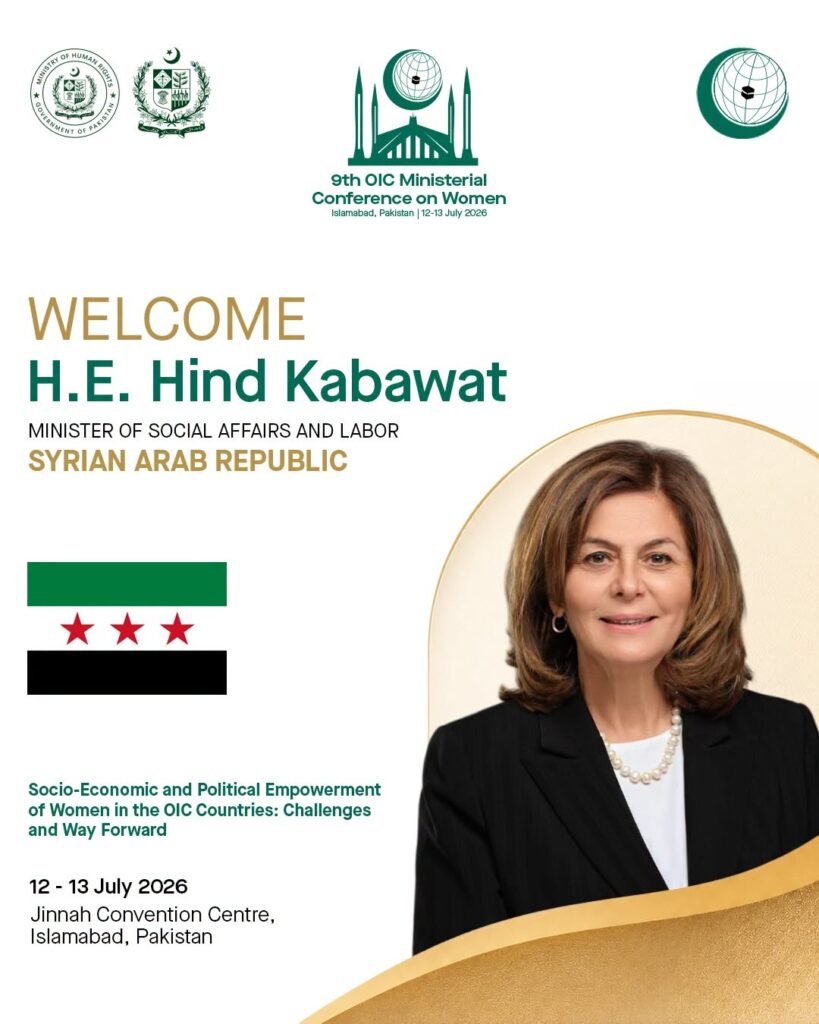
ISLAMABAD — The 9th Organisation of Islamic Cooperation (OIC) Ministerial Conference on Women concluded with a powerful message of hope and solidarity for women in refugee camps and displacement. Syrian Minister of Social Affairs and Labour Hind Kabawat emphasized the event’s significance, highlighting the unity and empowerment of women across the Muslim world. What Happened The OIC Ministerial Conference on Women, held in Islamabad, brought together female leaders and representatives from various OIC member states to address pressing issues faced by women, particularly those in refugee camps and displacement. The conference aimed to foster cooperation among Muslim countries to enhance women’s rights and empowerment. Syrian Minister Hind Kabawat, who participated in the conference, expressed that the gathering was a crucial platform for advancing women’s empowerment and human rights. “This conference reflects the unity of women across the Muslim world and offers a valuable opportunity to advance women’s empowerment, human rights, and shared cooperation,” Kabawat stated. The conference focused on several key areas, including improving access to education and healthcare for displaced women, enhancing economic opportunities, and promoting gender equality. It also addressed the unique challenges faced by women in conflict zones and refugee camps, emphasizing the need for targeted interventions and support. Delegates from various countries shared insights and strategies to tackle these issues, underscoring the importance of collaborative efforts to uplift women in vulnerable situations. The conference concluded with a commitment to continue working towards the empowerment of women in all spheres of life, particularly those affected by displacement. Background The Organisation of Islamic Cooperation, established in 1969, is the second-largest intergovernmental organization after the United Nations, with a membership of 57 states. The OIC aims to promote solidarity among member states and support the interests of Muslims worldwide. The Ministerial Conference on Women is a key initiative within the OIC framework, focusing on advancing women’s rights and addressing gender-specific challenges. Women in refugee camps and displacement often face significant challenges, including limited access to education, healthcare, and economic opportunities. These issues are exacerbated by the ongoing conflicts and instability in regions such as Syria, Yemen, and Afghanistan, where millions of women and children are displaced. Why It Matters The OIC Women’s Conference is pivotal in addressing the needs of women in refugee camps, offering a platform for dialogue and action among member states. The conference’s focus on empowerment and human rights is crucial for improving the lives of displaced women, who often endure harsh living conditions and limited opportunities. By fostering cooperation among Muslim countries, the conference aims to create a unified approach to tackling gender-specific challenges. This collaboration is vital for developing effective strategies to support displaced women, ensuring they have access to education, healthcare, and economic opportunities. The conference’s outcomes have broader implications for Pakistan and other OIC member states, as they work towards achieving gender equality and empowering women in all sectors. The commitment to enhancing women’s rights and addressing the needs of displaced women aligns with global efforts to promote sustainable development and peace. Key Takeaways The OIC Women’s Conference focused on empowering women in refugee camps and displacement. Syrian Minister Hind Kabawat emphasized the unity and cooperation among Muslim women. The conference addressed key issues such as education, healthcare, and economic opportunities for displaced women. The event highlighted the importance of collaborative efforts to support women in vulnerable situations. The outcomes align with global goals for gender equality and sustainable development. Source Attribution This article is based on official government statements, press releases, and public communications from relevant authorities. Author: NEN Editorial Desk | Editor: NEN Newsroom | Fact Checked By: NEN Editorial Team Author: NEN Editorial Desk  |  Editor: NEN Newsroom  |  Last Updated: July 12, 2026  |  Source: Press Release from Government of Pakistan This article was produced by the NEN Editorial Desk in accordance with NEN Agency’s Editorial Policy and Fact-Checking Policy.

Pakistan

119 Flood Protection Structures Rebuilt in Punjab to Enhance Safety

LAHORE — The Provincial Disaster Management Authority (PDMA) Punjab has successfully reconstructed and rehabilitated 119 flood protection structures and reinforced 394 kilometers of flood embankments across the province. This initiative aims to fortify defenses against future floods and protect vulnerable communities from potential devastation. What Happened The PDMA Punjab has embarked on a significant infrastructure project, focusing on the reconstruction and rehabilitation of flood protection structures throughout the province. As of now, 119 such structures have been rebuilt, and 394 kilometers of flood embankments have been reinforced. These efforts are critical in strengthening the province’s defenses against potential flood threats, which have historically caused significant damage to property and loss of life. The initiative is part of a broader strategy to improve disaster preparedness and resilience in flood-prone areas. The PDMA has worked closely with local authorities and communities to identify the most vulnerable areas and prioritize construction efforts accordingly. This collaborative approach ensures that resources are allocated efficiently and that the most at-risk populations receive the necessary protection. According to a PDMA official, “The reconstruction of these structures is a proactive measure to mitigate the impact of future floods. By reinforcing embankments and rebuilding protective structures, we aim to safeguard communities and reduce the risk of flood-related disasters.” Background Punjab has historically been susceptible to severe flooding, particularly during the monsoon season. The province’s extensive river systems, including the Indus, Chenab, and Ravi, are prone to overflowing, leading to widespread flooding. In recent years, climate change has exacerbated these conditions, resulting in more frequent and intense flood events. In response to these challenges, the PDMA Punjab has been actively involved in disaster management and mitigation efforts. The authority’s mandate includes coordinating with various government departments and agencies to implement effective flood control measures. The current reconstruction project is a continuation of these efforts, aiming to build a more resilient infrastructure capable of withstanding future flood events. Why It Matters The reconstruction and reinforcement of flood protection structures in Punjab are crucial for several reasons. Economically, floods have a devastating impact on agriculture, which is the backbone of Punjab’s economy. By protecting farmland from flood damage, the initiative helps secure the livelihoods of thousands of farmers and contributes to the overall economic stability of the region. Socially, the project aims to protect vulnerable communities who are often the hardest hit by flood disasters. These communities typically lack the resources to recover quickly from such events, leading to prolonged periods of hardship. By enhancing flood defenses, the PDMA is working to prevent loss of life and reduce the social disruption caused by floods. Politically, the initiative demonstrates the government’s commitment to addressing climate-related challenges and improving disaster preparedness. This proactive approach can enhance public trust in government institutions and foster a sense of security among the population. Internationally, the project aligns with global efforts to combat climate change and improve disaster resilience. By investing in infrastructure that mitigates the effects of natural disasters, Pakistan is contributing to the broader international agenda of sustainable development and climate adaptation. Key Takeaways The PDMA Punjab has rebuilt 119 flood protection structures and reinforced 394 kilometers of embankments. The initiative aims to protect vulnerable communities and reduce the impact of future floods. Flooding has historically posed significant economic and social challenges in Punjab. The project demonstrates the government’s commitment to improving disaster preparedness. These efforts align with global climate change adaptation and resilience strategies. Source Attribution This article is based on official government statements, press releases, and public communications from relevant authorities. Author: NEN Editorial Desk | Editor: NEN Newsroom | Fact Checked By: NEN Editorial Team Author: NEN Editorial Desk  |  Editor: NEN Newsroom  |  Last Updated: July 12, 2026  |  Source: NEN Reporter This article was produced by the NEN Editorial Desk in accordance with NEN Agency’s Editorial Policy and Fact-Checking Policy.
Pakistan

Turkish Investment Seen as Key to Boosting Pakistan’s Industrial Growth

ISLAMABAD — Shahid Imran, Convener of the Federation of Pakistan Chambers of Commerce and Industry (FPCCI) Regional Committee on Food, emphasized on Sunday the potential of Turkish investment in accelerating Pakistan’s industrial development. He highlighted the need for Pakistan’s private sector to learn from Türkiye’s successful integration of its defense industries with private manufacturing to foster technological innovation and enhance industrial capacity. What Happened Shahid Imran, speaking at a forum organized by the FPCCI, underscored the importance of Turkish investment in Pakistan’s industrial sector. He stated that Türkiye’s model of integrating defense industries with private manufacturing has been instrumental in boosting its technological advancements and export capabilities. Imran urged Pakistani businesses to adopt similar strategies to enhance their own industrial growth. “Türkiye has set a precedent by integrating its defense sector with private manufacturing, which has not only strengthened its industrial base but also significantly increased its export potential,” Imran remarked. He suggested that Pakistan could benefit greatly by attracting Turkish investments and expertise, particularly in sectors such as technology and manufacturing. Imran’s comments come at a time when Pakistan is seeking to revitalize its industrial sector amidst economic challenges. The FPCCI official pointed out that Turkish companies have expressed interest in investing in various sectors in Pakistan, including textiles, agriculture, and technology. Such investments, he argued, could play a crucial role in modernizing Pakistan’s industrial landscape and enhancing its global competitiveness. Background Türkiye has long been recognized for its robust industrial sector, particularly its defense industry, which has seen significant growth over the past two decades. The country has successfully combined state-owned enterprises with private sector innovation, resulting in a diversified industrial base that supports both domestic needs and export markets. In recent years, Pakistan has been exploring avenues to boost its industrial sector, which has been hampered by various challenges, including energy shortages, outdated infrastructure, and limited technological innovation. The government has been actively seeking foreign investments to address these issues and stimulate economic growth. Historically, Pakistan and Türkiye have enjoyed strong bilateral relations, with both countries expressing a desire to strengthen economic ties. Recent visits by Turkish delegations to Pakistan have focused on exploring investment opportunities and enhancing trade relations between the two nations. Why It Matters The potential influx of Turkish investment into Pakistan’s industrial sector could have significant economic implications. By adopting Türkiye’s model of integrating defense industries with private manufacturing, Pakistan could enhance its technological capabilities and increase its industrial output. This, in turn, could lead to higher exports, creating much-needed foreign exchange reserves and reducing the trade deficit. Moreover, Turkish investment could help address some of the structural challenges facing Pakistan’s industrial sector. By modernizing infrastructure and introducing advanced technologies, Turkish companies could contribute to improving productivity and efficiency within Pakistan’s manufacturing industries. On a broader scale, strengthening industrial ties with Türkiye could enhance Pakistan’s geopolitical standing. As both countries share strategic interests, increased economic cooperation could lead to stronger diplomatic relations and greater regional stability. For Pakistani citizens, the potential benefits are manifold. Increased industrial activity could lead to job creation, higher wages, and improved living standards. Additionally, the introduction of new technologies could spur innovation and entrepreneurship, further contributing to economic growth. Key Takeaways Shahid Imran of FPCCI advocates for Turkish investment to boost Pakistan’s industrial development. Türkiye’s model of integrating defense industries with private manufacturing serves as a potential blueprint for Pakistan. Turkish investments could modernize Pakistan’s industrial sector and enhance export capabilities. Strengthening economic ties with Türkiye could improve Pakistan’s geopolitical and economic standing. Potential benefits for Pakistani citizens include job creation and improved living standards. Source Attribution This article is based on official government statements, press releases, and public communications from relevant authorities. Author: NEN Editorial Desk | Editor: NEN Newsroom | Fact Checked By: NEN Editorial Team Author: NEN Editorial Desk  |  Editor: NEN Newsroom  |  Last Updated: July 12, 2026  |  Source: NEN Reporter This article was produced by the NEN Editorial Desk in accordance with NEN Agency’s Editorial Policy and Fact-Checking Policy.
Pakistan

SECP Introduces IBAN-Based Digital KYC for Streamlined Onboarding

ISLAMABAD — The Securities and Exchange Commission of Pakistan (SECP) has launched a new initiative to simplify the Know Your Customer (KYC) process by implementing IBAN-based digital verification. This development aims to facilitate faster and more efficient onboarding of customers, allowing investors to access financial services with reduced documentation and verification hurdles. What Happened The SECP announced the introduction of IBAN-based digital KYC verification, a move designed to enhance the efficiency of customer onboarding for financial services. By leveraging the International Bank Account Number (IBAN) system, the SECP seeks to eliminate the need for extensive paperwork and repeated verification processes that have traditionally been a barrier for investors. This initiative is expected to streamline the process significantly, making it easier for individuals to engage with financial institutions. According to the SECP, the IBAN-based verification will allow financial institutions to verify customer identities using their bank account information. This method not only speeds up the verification process but also ensures a higher level of accuracy and security. The SECP’s decision to adopt this system is part of a broader strategy to embrace digital solutions that can improve the accessibility and efficiency of financial services in Pakistan. In a statement, the SECP highlighted that this new verification method aligns with international best practices and is part of its ongoing efforts to modernize the regulatory framework governing Pakistan’s financial sector. The commission emphasized that the adoption of digital KYC processes is crucial for fostering a more inclusive financial environment, where barriers to entry are minimized for potential investors. Background The introduction of IBAN-based digital KYC in Pakistan is a significant step in the country’s financial sector reform. Historically, the KYC process in Pakistan has been cumbersome, requiring extensive documentation and multiple verification steps. These requirements have often discouraged potential investors and slowed down the onboarding process for financial services. Globally, digital KYC processes have been gaining traction as financial institutions seek to improve customer experience and reduce operational costs. Countries like India and Singapore have already implemented similar systems, which have proven effective in enhancing financial inclusion and streamlining customer onboarding. In Pakistan, the SECP has been actively working to modernize the regulatory environment, with a focus on adopting digital solutions that can enhance the efficiency of financial operations. The introduction of IBAN-based verification is part of this broader initiative, aimed at aligning Pakistan’s financial sector with global standards. Why It Matters The implementation of IBAN-based digital KYC verification holds significant implications for Pakistan’s financial landscape. Economically, it is expected to reduce the time and cost associated with onboarding new customers, thereby increasing the competitiveness of financial institutions. This could lead to greater participation in the financial markets, as investors find it easier to access services. Socially, the move towards digital KYC processes is likely to enhance financial inclusion in Pakistan. By lowering the barriers to entry, more individuals, particularly those from underserved communities, can gain access to financial services. This aligns with the government’s broader goals of promoting financial literacy and inclusion across the country. Politically, the SECP’s initiative reflects a commitment to modernizing Pakistan’s financial sector and aligning it with international best practices. This could improve Pakistan’s standing in global financial markets, attracting foreign investment and fostering economic growth. Internationally, adopting digital KYC processes positions Pakistan as a forward-thinking player in the global financial ecosystem. It demonstrates the country’s willingness to embrace technological advancements that can enhance the efficiency and security of financial transactions. Key Takeaways The SECP has introduced IBAN-based digital KYC verification to streamline customer onboarding. This initiative aims to reduce documentation and verification requirements for investors. IBAN-based verification aligns with international best practices in the financial sector. The move is expected to enhance financial inclusion and improve accessibility to services. Adopting digital KYC processes positions Pakistan as a progressive player in global finance. Source Attribution This article is based on official government statements, press releases, and public communications from relevant authorities. Author: NEN Editorial Desk | Editor: NEN Newsroom | Fact Checked By: NEN Editorial Team Author: NEN Editorial Desk  |  Editor: NEN Newsroom  |  Last Updated: July 12, 2026  |  Source: NEN Reporter This article was produced by the NEN Editorial Desk in accordance with NEN Agency’s Editorial Policy and Fact-Checking Policy.
Pakistan

Punjab Minister Urges RMK Road Project Completion by August

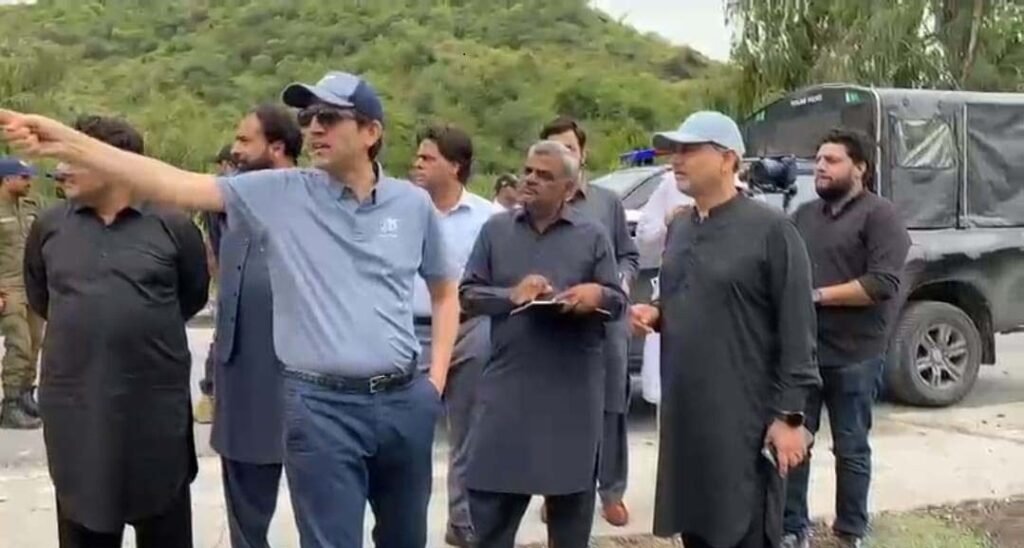
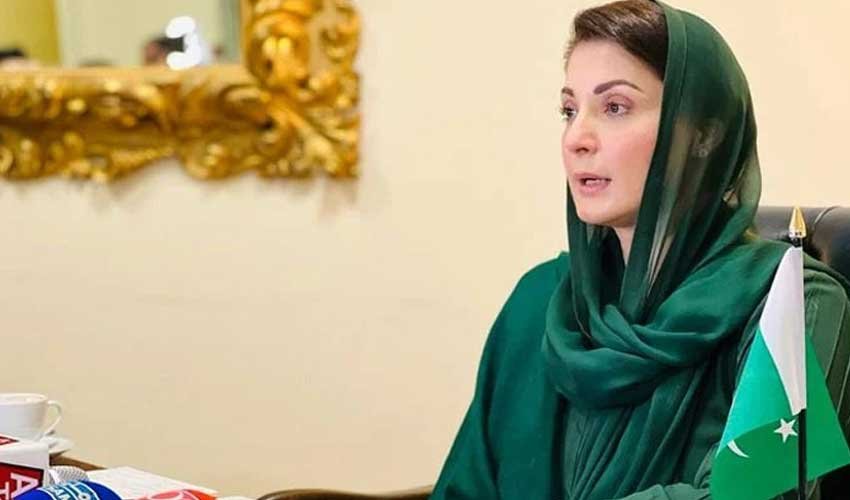
LAHORE — Provincial Minister for Communication & Works Malik Sohaib Ahmed Bharth has conducted an extensive review of the RMK Road Project, emphasizing the necessity of its completion by August. This project is a key component of Chief Minister Punjab Maryam Nawaz Sharif’s Murree Development Plan, aimed at enhancing infrastructure and boosting tourism in the region. What Happened During his inspection of the RMK Road Project, Minister Bharth assessed the current progress and addressed the challenges faced by the construction teams. The RMK Road Project is integral to improving connectivity in the Murree area, a popular tourist destination known for its scenic beauty and cooler climate. The minister’s visit was part of a broader initiative to ensure that development projects under the Murree Development Plan are on track and meet their deadlines. Minister Bharth expressed satisfaction with the progress made so far but urged the project managers to expedite their efforts to meet the August deadline. “The timely completion of the RMK Road Project is crucial for the facilitation of tourists and the local population,” he stated. The minister also highlighted the importance of maintaining quality standards while accelerating the pace of construction. The RMK Road Project is expected to significantly reduce travel time to Murree, thereby enhancing the experience for tourists and easing transportation for residents. The project includes the construction of new roadways, the widening of existing roads, and the installation of necessary infrastructure to support increased traffic flow. Background The RMK Road Project is part of the larger Murree Development Plan initiated by Chief Minister Punjab Maryam Nawaz Sharif. This plan aims to transform Murree into a modern tourist hub, capable of accommodating the growing number of visitors each year. The development plan includes multiple infrastructure projects, such as road improvements, the establishment of new tourist facilities, and the enhancement of public services. Historically, Murree has been a favorite getaway for both domestic and international tourists due to its pleasant weather and picturesque landscapes. However, the region has faced challenges related to traffic congestion and inadequate infrastructure, which have hindered its potential as a premier tourist destination. Why It Matters The completion of the RMK Road Project is expected to have significant economic and social impacts on the region. By improving access to Murree, the project will likely boost local businesses, increase tourism revenue, and create job opportunities. Enhanced infrastructure will also improve the quality of life for residents by reducing travel time and improving safety on the roads. Politically, the successful execution of the Murree Development Plan, including the RMK Road Project, is crucial for the provincial government. It demonstrates the government’s commitment to regional development and its ability to deliver on promises made to the electorate. This could strengthen the political standing of Chief Minister Maryam Nawaz Sharif’s administration. On an international level, improved infrastructure in Murree could attract more foreign tourists, contributing to Pakistan’s tourism industry and enhancing the country’s image as a travel destination. This aligns with broader national goals to increase tourism as a means of economic diversification. Key Takeaways Provincial Minister Malik Sohaib Ahmed Bharth reviewed the RMK Road Project, stressing completion by August. The project is a part of the Murree Development Plan, aimed at boosting tourism and infrastructure. The RMK Road Project is expected to improve connectivity, reduce travel time, and enhance safety. Completion of the project could have significant economic, social, and political impacts. Improved infrastructure may attract more domestic and international tourists to Murree. Source Attribution This article is based on official government statements, press releases, and public communications from relevant authorities. Author: NEN Editorial Desk | Editor: NEN Newsroom | Fact Checked By: NEN Editorial Team Author: NEN Editorial Desk  |  Editor: NEN Newsroom  |  Last Updated: July 12, 2026  |  Source: Press Release from Government of Pakistan This article was produced by the NEN Editorial Desk in accordance with NEN Agency’s Editorial Policy and Fact-Checking Policy.

World

Punjab CM Honors Malala Yousafzai for Advocacy in Girls’ Education

LAHORE — Punjab Chief Minister Maryam Nawaz Sharif on Sunday commended Malala Yousafzai for her relentless efforts in championing girls’ education globally. In a statement, she hailed Yousafzai as a beacon of hope and a symbol of peace, acknowledging her sacrifices and dedication to the cause. What Happened During a public address in Lahore, Chief Minister Maryam Nawaz Sharif expressed profound admiration for Malala Yousafzai, the youngest Nobel Peace Prize laureate, for her unwavering commitment to promoting education for girls. Sharif described Yousafzai as “Pakistan’s daughter” and emphasized her role as a global ambassador for peace and knowledge. The Chief Minister highlighted Malala’s journey from a young girl in Swat Valley to an international advocate for education, noting the courage and resilience she displayed in the face of adversity. “Malala Yousafzai’s dedication to girls’ education is unparalleled. Her journey is a testament to the power of education and the strength of the human spirit,” Sharif stated. The Chief Minister also pointed out the importance of supporting initiatives that align with Yousafzai’s vision, stressing the need for continued investment in educational infrastructure and resources for girls across Pakistan. Background Malala Yousafzai rose to prominence after surviving an assassination attempt by the Taliban in 2012, when she was targeted for advocating for girls’ education in Pakistan. Her activism began in 2009, when she wrote a blog under a pseudonym for the BBC Urdu, detailing her life under Taliban rule and her views on promoting education for girls. Her advocacy has since gained international recognition, culminating in her receiving the Nobel Peace Prize in 2014 at the age of 17. In Pakistan, education for girls has historically faced numerous challenges, including cultural barriers, poverty, and militant opposition. Despite these obstacles, efforts have been made to improve access to education for girls, with various government and non-governmental organizations working to enhance educational opportunities. Why It Matters The recognition of Malala Yousafzai’s efforts by a prominent political figure like Chief Minister Maryam Nawaz Sharif underscores the critical importance of education in Pakistan’s socio-economic development. Education is a fundamental right and a crucial element in empowering women and fostering economic growth. By highlighting Malala’s contributions, the Chief Minister is drawing attention to the broader issue of gender equality in education, which remains a significant challenge in the country. Investing in girls’ education has far-reaching implications for Pakistan’s future. Educated women are more likely to participate in the workforce, contribute to the economy, and improve the health and education of their own children, creating a positive cycle of development. Moreover, promoting education for girls aligns with Pakistan’s commitments to international frameworks such as the United Nations Sustainable Development Goals, particularly Goal 4, which aims to ensure inclusive and equitable quality education for all. Malala Yousafzai’s advocacy continues to inspire global efforts towards educational equity, and her recognition by Pakistani leaders serves as a reminder of the ongoing need to support and expand educational opportunities for girls. This acknowledgment also reflects a growing awareness among policymakers of the transformative power of education in achieving social and economic progress. Key Takeaways Punjab Chief Minister Maryam Nawaz Sharif praised Malala Yousafzai for her dedication to girls’ education. Malala Yousafzai is recognized globally for her advocacy and received the Nobel Peace Prize in 2014. Education for girls remains a critical issue in Pakistan, with significant socio-economic implications. Investing in education aligns with international commitments and promotes gender equality. Recognition from political leaders highlights the importance of educational advocacy in Pakistan. Source Attribution This article is based on official government statements and public communications from relevant authorities. Author: NEN Editorial Desk | Editor: NEN Newsroom | Fact Checked By: NEN Editorial Team Author: NEN Editorial Desk  |  Editor: NEN Newsroom  |  Last Updated: July 12, 2026  |  Source: NEN Reporter This article was produced by the NEN Editorial Desk in accordance with NEN Agency’s Editorial Policy and Fact-Checking Policy.

Scroll to Top