
2026

Pakistan

Noman Sharif Elected Unopposed as PTF Treasurer for 2026–2028 Term

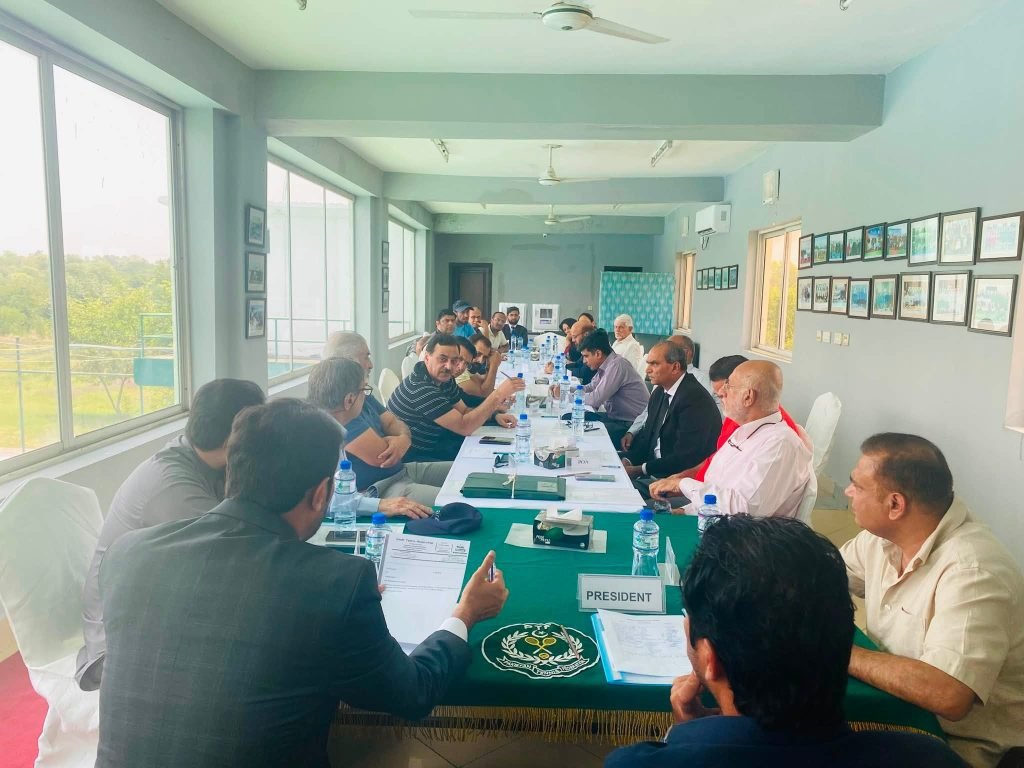
ISLAMABAD — Noman Sharif has been elected unopposed as the Treasurer of the Pakistan Tennis Federation (PTF) for the 2026–2028 term. The election took place on June 27 at the PTF Tennis Complex in Islamabad, with representatives from the federation’s affiliated units participating in the process. What Happened The Pakistan Tennis Federation conducted its election for the position of Treasurer at its headquarters in Islamabad. The election process was held in accordance with the federation’s regulations, ensuring a transparent and fair procedure. Noman Sharif emerged as the sole candidate for the position, leading to his unopposed election. The election was part of the PTF’s regular electoral cycle, which aims to ensure that key positions within the organization are filled with individuals who can contribute positively to its mission. PTF President Aisam-ul-Haq Qureshi, along with Secretary General Col. Zia-ud-Din Tufail (R) and other office-bearers, extended their congratulations to Noman Sharif. They expressed confidence in his ability to enhance the federation’s financial management, transparency, and governance. In his acceptance speech, Noman Sharif thanked the affiliated units and the PTF leadership for their trust. He committed to promoting transparency, accountability, and sound financial practices while focusing on the welfare of players and the development of tennis in Pakistan. Background The Pakistan Tennis Federation, established to promote and regulate the sport of tennis in the country, has a history of electing officials who are tasked with the governance and financial oversight of the federation. The role of the Treasurer is crucial in managing the federation’s finances, ensuring that funds are allocated effectively for the development of tennis infrastructure, player training, and international representation. In recent years, the PTF has been working towards enhancing its governance structures to align with international standards. This includes regular elections and the implementation of policies that promote transparency and accountability. The election of Noman Sharif is seen as a continuation of these efforts, with a focus on strengthening financial oversight. Why It Matters The election of Noman Sharif as Treasurer is significant for several reasons. Financial management is a critical component of any sports federation, and effective oversight can lead to better resource allocation, improved facilities, and enhanced support for athletes. By electing a Treasurer with a commitment to transparency and accountability, the PTF is taking steps to ensure that its financial practices are robust and aligned with best practices. This election also highlights the PTF’s dedication to fostering a governance structure that supports the growth of tennis in Pakistan. With Noman Sharif at the helm of financial affairs, there is potential for increased investment in grassroots development, which is essential for nurturing future tennis talent. Moreover, sound financial management can attract sponsorships and partnerships, further boosting the sport’s profile in the country. On a broader scale, the election reflects a positive trend in Pakistani sports administration, where transparency and accountability are becoming prioritized. This aligns with global sports governance trends and can enhance Pakistan’s reputation in the international sports community. Key Takeaways Noman Sharif was elected unopposed as the Treasurer of the Pakistan Tennis Federation for the 2026–2028 term. The election was held at the PTF Tennis Complex in Islamabad, with participation from affiliated units. PTF leadership, including President Aisam-ul-Haq Qureshi, expressed confidence in Sharif’s ability to enhance financial management and governance. This election is part of the PTF’s efforts to align with international governance standards, focusing on transparency and accountability. Effective financial management under Sharif’s leadership could lead to better resource allocation and support for tennis development in Pakistan. Source Attribution This article is based on official government statements, press releases, and public communications from relevant authorities. Author: NEN Editorial Desk | Editor: NEN Newsroom | Fact Checked By: NEN Editorial Team Author: NEN Editorial Desk  |  Editor: NEN Newsroom  |  Last Updated: July 03, 2026  |  Source: Press Release from Government of Pakistan This article was produced by the NEN Editorial Desk in accordance with NEN Agency’s Editorial Policy and Fact-Checking Policy.

Pakistan

KPRA Achieves 20% Growth, Collects Rs53.7 Billion in Sales Tax for FY2025-26

ISLAMABAD — The Khyber Pakhtunkhwa Revenue Authority (KPRA) has reported a significant increase in its Sales Tax on Services (STS) collection for the fiscal year 2025-26, achieving a 20 percent growth compared to the previous year. The authority collected a total of Rs53.7 billion, marking an increase from the Rs51.8 billion gathered in the fiscal year 2024-25. What Happened The KPRA’s latest financial report reveals a robust performance in its revenue collection efforts, particularly in the domain of Sales Tax on Services. The authority managed to collect Rs53.7 billion during the financial year 2025-26, which is a substantial increase from the Rs51.8 billion collected in the prior fiscal year. This growth is attributed to enhanced compliance measures, increased taxpayer awareness, and the expansion of the tax net to include more service sectors. Officials from the KPRA have highlighted that this growth reflects the authority’s commitment to improving revenue collection through strategic initiatives and reforms. “The 20 percent growth in STS collection is a testament to our ongoing efforts to enhance the efficiency and effectiveness of our tax collection processes,” stated a KPRA spokesperson. The authority has been focusing on broadening the tax base by incorporating more service sectors under the tax umbrella and ensuring strict compliance with tax regulations. These efforts have been supported by technological advancements and the implementation of modern tax collection systems, which have streamlined processes and reduced evasion. Background The Khyber Pakhtunkhwa Revenue Authority was established to enhance the province’s revenue generation capabilities, particularly through the collection of Sales Tax on Services. Over the years, the KPRA has implemented various reforms aimed at increasing tax compliance and expanding the tax base. The authority’s efforts have been part of a broader strategy to improve fiscal sustainability and reduce dependency on federal transfers. Historically, the KPRA has faced challenges in tax collection due to a lack of awareness among taxpayers and limited enforcement capabilities. However, recent years have seen a concerted effort to address these issues through public awareness campaigns, capacity building, and the adoption of technology-driven solutions. Why It Matters The 20 percent growth in STS collection is significant for several reasons. Economically, it indicates a positive trend in the province’s fiscal health, providing the government with more resources to invest in public services and infrastructure. This growth can help reduce the fiscal deficit and lessen the province’s reliance on federal funds, thereby enhancing financial autonomy. Socially, increased revenue collection can lead to improved public services, such as education, healthcare, and infrastructure development, which are crucial for the welfare of the province’s residents. The additional funds can be allocated to development projects that directly impact the quality of life in Khyber Pakhtunkhwa. Politically, the KPRA’s success in increasing tax revenue strengthens the provincial government’s position in negotiations with the federal government regarding fiscal allocations and policy decisions. It demonstrates the province’s capability to manage its finances effectively, which can lead to greater autonomy and influence in national fiscal policies. Key Takeaways The KPRA collected Rs53.7 billion in Sales Tax on Services during FY2025-26, marking a 20 percent increase from the previous year. This growth is attributed to enhanced compliance measures and the expansion of the tax base. The increase in revenue collection supports the province’s fiscal sustainability and reduces reliance on federal funds. Improved tax collection can lead to better public services and infrastructure development in Khyber Pakhtunkhwa. The KPRA’s success strengthens the provincial government’s financial autonomy and influence in national fiscal policies. Source Attribution This article is based on official government statements, press releases, and public communications from relevant authorities. Author: NEN Editorial Desk | Editor: NEN Newsroom | Fact Checked By: NEN Editorial Team Author: NEN Editorial Desk  |  Editor: NEN Newsroom  |  Last Updated: July 03, 2026  |  Source: NEN Reporter This article was produced by the NEN Editorial Desk in accordance with NEN Agency’s Editorial Policy and Fact-Checking Policy.
Pakistan

Punjab Revenue Authority Achieves Record Rs 368 Billion Tax Collection

LAHORE — The Punjab Revenue Authority (PRA) has set a new benchmark by collecting Rs 368 billion in taxes for the fiscal year 2025–26, surpassing its revenue target and marking the highest annual tax collection since its inception. What Happened The Punjab Revenue Authority (PRA) announced that it has collected Rs 368 billion in taxes during the fiscal year 2025–26. This achievement not only surpasses the authority’s revenue target but also sets a historic record for the highest annual tax collection since the PRA was established. The authority attributed this success to enhanced enforcement measures, improved compliance, and the effective use of technology in tax administration. PRA Chairman Zainul Abidin stated, “This remarkable achievement is a testament to the hard work and dedication of our team, as well as the cooperation of taxpayers who have shown increased compliance.” He emphasized that the authority’s focus on broadening the tax base and improving the efficiency of tax collection processes played a crucial role in achieving this milestone. The PRA’s strategy involved a combination of initiatives aimed at increasing tax compliance, including the introduction of digital platforms for easier tax filing and payment, as well as targeted campaigns to educate taxpayers about their obligations. The authority also strengthened its enforcement mechanisms to ensure that tax evasion is minimized. Background The Punjab Revenue Authority was established in 2012 with the mandate to collect sales tax on services in the province of Punjab. Over the years, the authority has worked towards enhancing its tax collection capabilities by implementing modern tax administration practices and leveraging technology to streamline processes. Historically, tax collection in Pakistan has faced challenges due to a narrow tax base, lack of compliance, and issues related to tax evasion. The PRA’s efforts to address these challenges have included expanding the scope of taxable services, improving taxpayer services, and adopting data-driven approaches to identify and target non-compliant sectors. Why It Matters The record tax collection by the PRA is significant for several reasons. Economically, it reflects the authority’s ability to enhance revenue generation, which is crucial for the provincial government’s fiscal health. The increased revenue can support developmental projects, infrastructure improvements, and social welfare programs in Punjab, contributing to the overall economic growth of the region. Socially, the improved tax compliance indicates a growing awareness and acceptance of tax obligations among businesses and individuals. This shift towards a more compliant tax culture can lead to a more equitable distribution of the tax burden and reduce the reliance on indirect taxes, which disproportionately affect lower-income groups. Politically, the success of the PRA in achieving its revenue targets strengthens the provincial government’s position in advocating for fiscal autonomy and improved resource allocation from the federal government. It also sets a precedent for other provincial revenue authorities to enhance their tax collection efforts. On an international level, the PRA’s achievement can improve Pakistan’s standing with international financial institutions and investors by demonstrating a commitment to fiscal responsibility and effective governance. This could potentially lead to increased foreign investment and economic partnerships. Key Takeaways The Punjab Revenue Authority collected Rs 368 billion in taxes for the fiscal year 2025–26, setting a new record. Enhanced enforcement measures and improved compliance contributed to the achievement. The increased revenue supports provincial development projects and economic growth. Improved tax compliance reflects a shift towards a more equitable tax culture. The success strengthens the provincial government’s fiscal autonomy and international standing. Source Attribution This article is based on official government statements, press releases, and public communications from relevant authorities. Author: NEN Editorial Desk | Editor: NEN Newsroom | Fact Checked By: NEN Editorial Team Author: NEN Editorial Desk  |  Editor: NEN Newsroom  |  Last Updated: July 03, 2026  |  Source: NEN Reporter This article was produced by the NEN Editorial Desk in accordance with NEN Agency’s Editorial Policy and Fact-Checking Policy.
Pakistan

LCCI and LCWU Forge Partnership to Boost Women’s Employability

LAHORE — The Lahore Chamber of Commerce and Industry (LCCI) and Lahore College for Women University (LCWU) signed a Memorandum of Understanding (MoU) on Thursday to foster a strategic partnership. The collaboration aims to enhance industry-academia ties, promote research and innovation, and improve women’s employability in Pakistan. What Happened The MoU between LCCI and LCWU was signed in Lahore, marking a significant step towards bridging the gap between academic institutions and the business sector. The agreement focuses on creating synergies that will benefit both students and the broader business community. According to the terms of the MoU, the two institutions will work together to develop programs that enhance the skills and employability of women graduates. This includes facilitating internships, workshops, and training sessions that align with industry demands. During the signing ceremony, LCCI President Kashif Anwar emphasized the importance of such partnerships in driving economic growth. “This MoU is a testament to our commitment to empowering women through education and employment opportunities,” he stated. LCWU Vice Chancellor Professor Dr. Bushra Mirza highlighted the role of academia in preparing students for the challenges of the modern workforce. “By collaborating with industry leaders like LCCI, we can ensure our graduates are equipped with the necessary skills to excel in their careers,” she said. The partnership also aims to promote research initiatives that address real-world business challenges. By fostering a culture of innovation, both institutions hope to contribute to the development of new solutions that can benefit various industries in Pakistan. Background The collaboration between LCCI and LCWU is part of a broader trend in Pakistan to strengthen ties between educational institutions and the business sector. Historically, there has been a disconnect between academia and industry, leading to a skills gap that affects employability. Initiatives like this MoU are designed to address these issues by ensuring that educational curricula are aligned with industry needs. In recent years, there has been a growing recognition of the importance of women’s participation in the workforce. Various government and private sector initiatives have been launched to support women’s employment, but challenges remain. Cultural barriers, limited access to education, and a lack of opportunities in certain sectors continue to hinder progress. Why It Matters This partnership holds significant potential for improving women’s employability in Pakistan, a country where female labor force participation remains low compared to global standards. By aligning educational programs with industry requirements, the MoU aims to equip women with the skills needed to enter and succeed in the workforce. Economically, increasing women’s participation in the labor market can lead to substantial gains. According to the World Bank, closing gender gaps in labor force participation could increase Pakistan’s GDP by up to 30%. Therefore, initiatives like the LCCI-LCWU partnership are crucial for tapping into this potential economic growth. Socially, empowering women through education and employment opportunities can lead to broader societal benefits. Educated and employed women are more likely to contribute to their communities and advocate for social change. This can lead to improvements in health, education, and overall quality of life for families and communities. Politically, the partnership aligns with national and international commitments to gender equality and women’s empowerment. It supports the objectives of the United Nations Sustainable Development Goal 5, which aims to achieve gender equality and empower all women and girls. Key Takeaways The LCCI and LCWU have signed an MoU to enhance women’s employability through strategic collaboration. The partnership focuses on aligning educational programs with industry needs to bridge the skills gap. Increasing women’s participation in the workforce can significantly boost Pakistan’s economic growth. The initiative supports national and international commitments to gender equality and women’s empowerment. Empowering women through education and employment can lead to broader societal benefits. Source Attribution This article is based on official statements and public communications from the Lahore Chamber of Commerce and Industry and Lahore College for Women University. Author: NEN Editorial Desk | Editor: NEN Newsroom | Fact Checked By: NEN Editorial Team Author: NEN Editorial Desk  |  Editor: NEN Newsroom  |  Last Updated: July 03, 2026  |  Source: NEN Reporter This article was produced by the NEN Editorial Desk in accordance with NEN Agency’s Editorial Policy and Fact-Checking Policy.
World

IESCO Announces Scheduled Power Outages for Maintenance in Islamabad Region

ISLAMABAD — The Islamabad Electric Supply Company (IESCO) has announced a scheduled power suspension for Friday across various areas within its jurisdiction. This interruption is due to essential maintenance and routine development work, as confirmed by an IESCO spokesperson on Thursday. What Happened IESCO has detailed a power suspension programme affecting several areas in the Islamabad region. The planned outages are set to take place on Friday, with specific timings and locations outlined by the company. In the Islamabad Circle, electricity supply will be interrupted from 6 a.m. to 10 a.m., impacting areas such as Kurri, Rehara, CM Pak Zong, and IT Park feeders. In the Rawalpindi Cantt Circle, the power supply will be suspended from 6 a.m. to 10 a.m. in the Ghumti feeder area. Additionally, in the GSO Circle, a more extended outage is scheduled. Power will be unavailable from 9 a.m. to 4 p.m. at the 132kV AWC HMC Taxila and 132kV Sangjani-Burhan lines, and from 8 a.m. to 6 p.m. at the 132kV Chakwal-Bhagwal-Talagang, 132kV Kahuta City-Palandri, and 132kV New Wah-Bahtermore lines, including surrounding areas. IESCO has expressed its apologies to consumers for the temporary inconvenience caused by these outages. The company has also assured that electricity supply will be restored ahead of the scheduled time if the maintenance work is completed sooner than anticipated. Background Power outages for maintenance and development work are a common occurrence in Pakistan, where the electricity infrastructure often requires upgrades and repairs. IESCO, responsible for the distribution of electricity in the Islamabad region, regularly schedules such outages to ensure the reliability and safety of the power supply. These maintenance activities are part of broader efforts to improve the efficiency and capacity of the electricity distribution network. Historically, Pakistan has faced challenges with electricity distribution, including load shedding and infrastructure deficits. Efforts to modernize and expand the grid have been ongoing, with the government and utility companies working to address these issues through various initiatives and investments. Why It Matters The scheduled power outages by IESCO are significant for several reasons. Firstly, they highlight the ongoing need for infrastructure maintenance and development in Pakistan’s electricity sector. Regular maintenance is crucial for preventing unscheduled outages and ensuring a stable power supply, which is vital for both residential and commercial consumers. Economically, power outages can have a substantial impact on businesses, particularly those that rely heavily on electricity for operations. Scheduled outages allow businesses to plan accordingly, minimizing potential disruptions. However, the inconvenience to households and the potential impact on daily activities cannot be overlooked, as it affects everything from domestic chores to educational activities conducted online. Socially, these outages underscore the challenges faced by utility companies in balancing maintenance needs with consumer demands. The ability to communicate effectively with consumers about scheduled outages and to restore power promptly is crucial for maintaining public trust and satisfaction. On a broader scale, the maintenance work reflects ongoing efforts to improve the energy infrastructure in Pakistan, a key component of the country’s development goals. Reliable electricity supply is essential for economic growth, industrial development, and improving the quality of life for citizens. Key Takeaways IESCO has announced scheduled power outages for maintenance on Friday in various parts of the Islamabad region. The outages will affect areas in the Islamabad Circle, Rawalpindi Cantt Circle, and GSO Circle, with specific timings provided. IESCO has apologized for the inconvenience and aims to restore power ahead of schedule if possible. Regular maintenance is essential for ensuring a reliable power supply and preventing unscheduled outages. The outages highlight ongoing efforts to improve Pakistan’s electricity infrastructure, crucial for economic and social development. Source Attribution This article is based on official government statements, press releases, and public communications from relevant authorities. Author: NEN Editorial Desk | Editor: NEN Newsroom | Fact Checked By: NEN Editorial Team Author: NEN Editorial Desk  |  Editor: NEN Newsroom  |  Last Updated: July 03, 2026  |  Source: NEN Reporter This article was produced by the NEN Editorial Desk in accordance with NEN Agency’s Editorial Policy and Fact-Checking Policy.
Pakistan

Solar Energy Vital for Pakistan’s Industrial Growth, Says FPCCI

ISLAMABAD — The Federation of Pakistan Chambers of Commerce & Industry (FPCCI) President Atif Ikram Sheikh has declared solar energy as essential for enhancing Pakistan’s industrial competitiveness and boosting export growth. Speaking on Thursday, Sheikh highlighted the strategic importance of solar energy in ensuring energy security and supporting the country’s long-term economic sustainability. What Happened During a recent address, FPCCI President Atif Ikram Sheikh underscored the critical role that solar energy plays in Pakistan’s economic landscape. He stated that the promotion of solar energy is not merely an option but a strategic necessity. Sheikh emphasized that adopting solar energy solutions could significantly enhance the industrial sector’s competitiveness by reducing energy costs and ensuring a stable power supply. Sheikh pointed out that the reliance on conventional energy sources has posed challenges, including high costs and supply inconsistencies, which have hindered industrial growth. By transitioning to solar energy, Pakistan could mitigate these issues, thereby fostering a more conducive environment for industrial operations and export activities. “Solar energy is pivotal for our industrial competitiveness and export growth,” Sheikh remarked. The FPCCI President also highlighted the broader implications of solar energy adoption, noting its potential to enhance energy security and contribute to the country’s economic resilience. He urged policymakers and industry stakeholders to prioritize investments in solar infrastructure to capitalize on the abundant solar resources available in Pakistan. Background Pakistan has historically faced challenges in its energy sector, with frequent power shortages and high electricity costs impacting industrial productivity. The country’s energy mix has been heavily reliant on imported fossil fuels, which has contributed to economic vulnerabilities and trade imbalances. In recent years, there has been a growing recognition of the need to diversify energy sources and invest in renewable energy solutions. The government of Pakistan has introduced several initiatives aimed at promoting renewable energy, including solar power. These efforts are part of a broader strategy to reduce dependence on imported fuels, decrease carbon emissions, and enhance energy security. The Alternative Energy Development Board (AEDB) has been instrumental in facilitating the development of solar projects across the country. Why It Matters The emphasis on solar energy by the FPCCI is significant for several reasons. Economically, reducing energy costs through solar adoption can improve the competitiveness of Pakistani industries on a global scale. Lower energy expenses translate into reduced production costs, enabling local industries to offer more competitive pricing in international markets, thus boosting export potential. Socially, the transition to solar energy can lead to job creation in the renewable energy sector, providing new employment opportunities and fostering economic development in rural areas where solar projects are often implemented. Environmentally, increasing the share of solar energy in Pakistan’s energy mix can contribute to reducing greenhouse gas emissions, aligning with global efforts to combat climate change. Internationally, Pakistan’s commitment to renewable energy can enhance its reputation as a forward-thinking nation dedicated to sustainable development. This can attract foreign investment and partnerships in the renewable energy sector, further driving economic growth and technological advancement. Key Takeaways FPCCI President Atif Ikram Sheikh emphasizes solar energy as crucial for industrial competitiveness and export growth in Pakistan. Solar energy adoption can reduce energy costs and ensure stable power supply, enhancing industrial productivity. Transitioning to solar energy aligns with Pakistan’s goals for energy security and economic sustainability. Investments in solar infrastructure can create jobs and support rural economic development. Pakistan’s focus on renewable energy can improve its international standing and attract foreign investment. Source Attribution This article is based on official statements from the Federation of Pakistan Chambers of Commerce & Industry and public communications from relevant authorities. Author: NEN Editorial Desk | Editor: NEN Newsroom | Fact Checked By: NEN Editorial Team Author: NEN Editorial Desk  |  Editor: NEN Newsroom  |  Last Updated: July 02, 2026  |  Source: NEN Reporter This article was produced by the NEN Editorial Desk in accordance with NEN Agency’s Editorial Policy and Fact-Checking Policy.

World

PSIC Announces New Industrial Estate for SMEs in Kot Pindi Das

LAHORE — The Punjab Small Industries Corporation (PSIC) is set to establish a new small industrial estate at Kot Pindi Das, Lahore, according to Managing Director Mubeen Elahi. The announcement was made during a meeting with the Lahore Chamber of Commerce and Industry (LCCI) on Thursday. What Happened In a meeting held at the PSIC office, Managing Director Mubeen Elahi revealed plans for the new industrial estate, which will span approximately 130 acres and feature 364 industrial plots. These plots will be allocated through a balloting process. The meeting was attended by LCCI President Faheem Ur Rehman Saigol, Senior Vice President Tanveer Ahmed Sheikh, Director Estates PSIC Sabeeh Raza, and other LCCI Executive Committee Members. Elahi detailed the payment structure for the industrial plots, stating that entrepreneurs would need to pay 40 percent of the cost as a down payment. The remaining 60 percent would be payable in quarterly installments over two years. The estimated price for the plots has been set at Rs 5 million per kanal, inclusive of development charges. PSIC also plans to facilitate concessional financing for industrial investors. LCCI President Faheem Ur Rehman Saigol highlighted the urgent need for the development of new industrial estates around Lahore. He emphasized that industries cannot be relocated unless fully developed and affordable industrial zones with modern infrastructure are made available. Saigol pointed out that recent enforcement actions by government agencies have created uncertainty among the business community. Saigol noted that many industrial units in areas like Saggian, Daroghawala, and Multan Road have been operating for decades, contributing significantly to the economy. He stressed that industries should not be penalized without providing practical alternatives and urged the PSIC to expedite the development of new SME-focused industrial estates. Background The establishment of industrial estates is part of a broader strategy to promote small and medium enterprises (SMEs) in Pakistan. Historically, the lack of planned industrial zones has led to the haphazard growth of industries in urban areas, often resulting in environmental and regulatory challenges. Previous attempts to relocate industries have faced resistance due to inadequate infrastructure and planning. The PSIC has been instrumental in developing industrial zones to support SMEs, which are a vital component of Pakistan’s economy. These efforts aim to provide businesses with the necessary infrastructure and support to thrive, thereby boosting economic growth and employment. Why It Matters The development of the Kot Pindi Das industrial estate is a significant step towards addressing the infrastructure needs of SMEs in Lahore. By providing a planned and affordable industrial zone, the PSIC aims to facilitate the relocation of industries from congested urban areas, thereby reducing environmental impact and regulatory issues. This initiative is expected to have a positive economic impact by creating new business opportunities, generating employment, and increasing industrial output. The provision of concessional financing and modern infrastructure will enable SMEs to expand and compete more effectively in both domestic and international markets. Moreover, the development aligns with the government’s broader industrial policy objectives, which include promoting sustainable urban development and enhancing the competitiveness of Pakistani industries. By addressing the concerns of the business community and providing practical solutions, the PSIC is fostering a more conducive environment for industrial growth. Key Takeaways The PSIC plans to establish a new industrial estate at Kot Pindi Das, covering 130 acres with 364 plots. Entrepreneurs will pay 40 percent upfront, with the remainder in installments, at Rs 5 million per kanal. LCCI President emphasized the need for developed industrial zones to facilitate industry relocation. The initiative aims to support SMEs, create jobs, and boost economic growth in Lahore. PSIC’s efforts align with government policies for sustainable urban and industrial development. Source Attribution This article is based on official government statements, press releases, and public communications from relevant authorities. Author: NEN Editorial Desk | Editor: NEN Newsroom | Fact Checked By: NEN Editorial Team Author: NEN Editorial Desk  |  Editor: NEN Newsroom  |  Last Updated: July 02, 2026  |  Source: Press Release from Government of Pakistan This article was produced by the NEN Editorial Desk in accordance with NEN Agency’s Editorial Policy and Fact-Checking Policy.

World

CM Punjab Champions League Scheduled for July with National and International Athletes

LAHORE — The Punjab Sports Board has announced the CM Punjab Champions League, set to take place in mid-July. This event will feature a diverse array of participants, including both international and national cricketers as well as talented male and female athletes from across the province. What Happened The Punjab Sports Board revealed plans to host the CM Punjab Champions League in July, aiming to bring together a mix of international and national sports talent. The league will showcase not only cricketers but also athletes from various sports disciplines, highlighting the province’s commitment to promoting sports and nurturing talent. The event is expected to draw significant attention, as it will provide a platform for athletes to compete at a high level and gain exposure. According to the Punjab Sports Board, the league will include competitions for both male and female athletes, ensuring inclusivity and equal opportunity. This initiative is part of a broader strategy to enhance sports infrastructure and opportunities within the province, fostering a culture of sportsmanship and healthy competition. Officials from the Punjab Sports Board have stated that the league will adhere to international standards, with facilities and arrangements made to accommodate participants and spectators alike. The event is expected to be a significant draw for sports enthusiasts and is anticipated to boost local tourism and economic activity in the region. Background The CM Punjab Champions League is part of a series of initiatives by the Punjab government to promote sports at the grassroots level. Historically, Punjab has been a hub for cricket and other sports, producing numerous athletes who have represented Pakistan on international platforms. The provincial government has been investing in sports infrastructure, including the development of new stadiums and training facilities, to support the growth of various sports. Previous editions of similar events have seen participation from a wide range of athletes, contributing to the discovery and development of new talent. The government’s focus on sports is also aligned with national policies aimed at promoting health, fitness, and youth engagement through sports activities. Why It Matters The CM Punjab Champions League holds significant importance for several reasons. Economically, the event is expected to stimulate local businesses, including hospitality, retail, and transportation sectors, as visitors flock to the region to witness the competitions. The influx of tourists and sports enthusiasts can provide a much-needed boost to the local economy, especially in the post-pandemic recovery phase. Socially, the league promotes inclusivity and gender equality by providing equal opportunities for male and female athletes. By showcasing female athletes on such a prominent platform, the event challenges traditional gender norms and encourages greater female participation in sports. This can have a ripple effect, inspiring young girls across the province to pursue sports. Politically, the league underscores the provincial government’s commitment to sports development as a means of engaging youth and promoting a healthy lifestyle. This aligns with broader national objectives of using sports as a tool for social cohesion and national pride. The event also strengthens Punjab’s reputation as a leader in sports development within Pakistan. Key Takeaways The CM Punjab Champions League is scheduled for mid-July, featuring international and national athletes. The event includes competitions for both male and female athletes, promoting inclusivity. The league is expected to boost local tourism and economic activity in Punjab. The initiative aligns with government efforts to enhance sports infrastructure and opportunities. The event contributes to social objectives of gender equality and youth engagement in sports. Source Attribution This article is based on official government statements, press releases, and public communications from relevant authorities. Author: NEN Editorial Desk | Editor: NEN Newsroom | Fact Checked By: NEN Editorial Team Author: NEN Editorial Desk  |  Editor: NEN Newsroom  |  Last Updated: July 02, 2026  |  Source: NEN Reporter This article was produced by the NEN Editorial Desk in accordance with NEN Agency’s Editorial Policy and Fact-Checking Policy.
Pakistan

Punjab Launches Green Property Certificate System in Khanewal

KHANEWAL — The Punjab government has launched the Green Property Certificate system in Khanewal district, marking a shift from traditional land ownership records to a digital format. This initiative is part of the broader Digital Punjab strategy aimed at enhancing efficiency and security in property transactions. What Happened The introduction of the Green Property Certificate system in Khanewal represents a significant step towards modernizing the province’s land record management. The new system replaces the conventional ‘Fard’, or land ownership document, with a digital certificate designed to streamline property transactions and reduce opportunities for fraud. This initiative is expected to improve transparency and accessibility for property owners and buyers alike. According to officials, the digital certificates will be integrated into a centralized database, allowing for real-time updates and verification. This system is intended to minimize bureaucratic hurdles and enhance the overall efficiency of property transactions. The government aims to extend this system to other districts in the province following its implementation in Khanewal. During the launch event, a spokesperson for the Punjab government stated, “The Green Property Certificate system is a landmark development in our efforts to digitize and secure land records. It will provide a reliable and efficient way for citizens to manage their property ownership.” Background The move towards digital land records is part of the Punjab government’s ongoing efforts to modernize its administrative processes under the Digital Punjab initiative. This initiative seeks to leverage technology to improve governance, enhance service delivery, and promote transparency across various sectors. Historically, land record management in Punjab has been plagued by inefficiencies and corruption, often leading to disputes and delays in property transactions. The traditional system relied heavily on paper-based records, which were susceptible to tampering and loss. Efforts to reform this system have been ongoing, with the current digital initiative representing a culmination of these efforts. Previous attempts to digitize land records in Punjab have seen varying degrees of success, with challenges such as inadequate infrastructure and resistance to change posing significant hurdles. However, the current administration has prioritized digital transformation as a key policy objective, allocating substantial resources to ensure its success. Why It Matters The introduction of the Green Property Certificate system is expected to have far-reaching implications for property management in Punjab. By digitizing land records, the government aims to create a more transparent and efficient system that reduces the potential for fraud and corruption. This is particularly important in a region where land disputes are common and often lead to lengthy legal battles. Economically, the new system could enhance property market dynamics by making transactions quicker and more secure. This increased efficiency is likely to attract both domestic and foreign investment, as investors gain confidence in the reliability of land ownership records. Furthermore, the digital system is expected to lower transaction costs, benefiting both buyers and sellers. From a social perspective, the system could empower citizens by providing them with secure and easily accessible proof of ownership. This is especially beneficial for marginalized communities who often face challenges in asserting their property rights under the traditional system. Internationally, the move aligns with global trends towards digital governance and smart city initiatives. By adopting such technologies, Punjab positions itself as a forward-thinking region capable of leveraging digital solutions to improve governance and service delivery. Key Takeaways The Punjab government has launched the Green Property Certificate system in Khanewal as part of its Digital Punjab initiative. The new system replaces traditional paper-based land records with a secure digital format. This initiative aims to enhance transparency, reduce fraud, and improve transaction efficiency. The system is expected to boost economic activity by attracting investment and lowering transaction costs. It aligns with global trends towards digital governance and smart city initiatives. Source Attribution The article is based on official government statements, press releases, and public communications from relevant authorities. Author: NEN Editorial Desk | Editor: NEN Newsroom | Fact Checked By: NEN Editorial Team Author: NEN Editorial Desk  |  Editor: NEN Newsroom  |  Last Updated: July 02, 2026  |  Source: NEN Reporter This article was produced by the NEN Editorial Desk in accordance with NEN Agency’s Editorial Policy and Fact-Checking Policy.

World

Pakistan Intensifies Diplomatic Efforts at UNSC to Resolve US-Iran Tensions

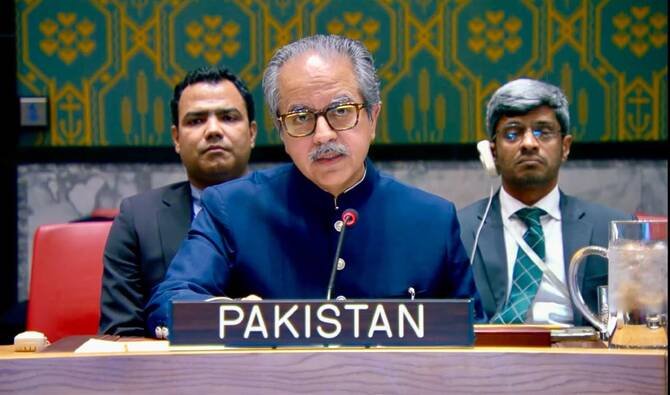
UNITED NATIONS — Pakistan has announced an intensification of its diplomatic efforts to mediate between the United States and Iran, aiming to resolve ongoing tensions in the Middle East. This announcement was made during an emergency meeting of the United Nations Security Council (UNSC) on Thursday, where Pakistan emphasized its commitment to facilitating the implementation of the Islamabad Memorandum of Understanding (MoU) between the two nations. What Happened During the UNSC meeting, Pakistan’s representative highlighted the country’s proactive approach in engaging with both regional and international stakeholders. The goal is to ensure the successful follow-up and implementation of the Islamabad MoU, which was designed to de-escalate the conflict between the US and Iran. The MoU, a diplomatic initiative spearheaded by Pakistan, outlines a framework for dialogue and cooperation between the two countries. Pakistan’s ambassador to the UN stated, “We are committed to playing a constructive role in promoting peace and stability in the Middle East. Our diplomatic channels are actively engaged with both the United States and Iran, as well as other key regional players, to ensure the success of the Islamabad MoU.” The ambassador further elaborated on the importance of multilateral efforts in addressing the complex geopolitical issues that have fueled tensions in the region. The UNSC meeting was convened in response to the rising hostilities between the US and Iran, which have raised concerns about the potential for a broader conflict in the Middle East. Pakistan’s intervention is seen as a crucial step in bridging the communication gap between the two countries and fostering a diplomatic resolution. Background The tensions between the United States and Iran have been a persistent issue in international relations, exacerbated by a series of events including the US withdrawal from the Joint Comprehensive Plan of Action (JCPOA) in 2018 and subsequent sanctions on Iran. These actions have led to increased hostilities, including military confrontations and economic disruptions. Pakistan, due to its strategic location and historical ties with both the US and Iran, has often found itself in a unique position to act as a mediator. The Islamabad MoU, introduced earlier this year, represents a formal effort by Pakistan to leverage its diplomatic relationships to foster dialogue and reduce tensions. Why It Matters The diplomatic engagement by Pakistan is significant for several reasons. Economically, the stability of the Middle East is crucial for global oil markets, and any escalation in US-Iran tensions could lead to disruptions in oil supply, affecting global prices and economic stability. For Pakistan, maintaining regional stability is essential for its own economic interests, given its reliance on Middle Eastern oil imports. Politically, Pakistan’s role as a mediator enhances its standing on the international stage, showcasing its ability to contribute to global peace efforts. This could lead to strengthened diplomatic ties with both Western and Middle Eastern countries, potentially opening up new avenues for economic and political cooperation. On a social level, the resolution of US-Iran tensions could lead to a reduction in regional conflicts that have displaced millions and strained resources in neighboring countries, including Pakistan. A peaceful resolution would contribute to regional stability, benefiting not only the immediate parties involved but also the broader international community. Key Takeaways Pakistan is actively mediating between the US and Iran to implement the Islamabad MoU. The UNSC meeting highlighted Pakistan’s diplomatic efforts to resolve Middle East tensions. The US-Iran conflict has significant economic and political implications globally. Pakistan’s mediation enhances its international diplomatic standing. Stability in the Middle East is crucial for global oil market stability. Source Attribution This article is based on official government statements, press releases, and public communications from relevant authorities. Author: NEN Editorial Desk | Editor: NEN Newsroom | Fact Checked By: NEN Editorial Team Author: NEN Editorial Desk  |  Editor: NEN Newsroom  |  Last Updated: July 02, 2026  |  Source: NEN Reporter This article was produced by the NEN Editorial Desk in accordance with NEN Agency’s Editorial Policy and Fact-Checking Policy.

Scroll to Top