
2026

World

Finance Minister Highlights Economic Progress at JP Morgan Conference

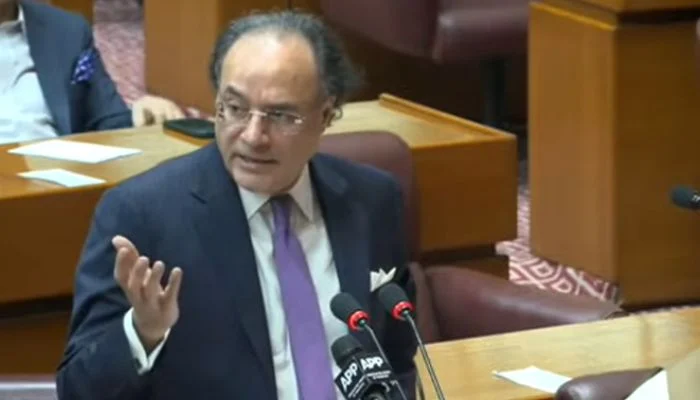
ISLAMABAD — Federal Minister for Finance and Revenue, Senator Muhammad Aurangzeb, on Friday detailed Pakistan’s economic achievements and future priorities at the JP Morgan Conference. The event, held virtually, served as a platform for the minister to discuss the nation’s efforts in stabilizing its macroeconomic environment and its strategic focus on fostering investment, capital formation, exports, and private sector-led growth. What Happened During his address at the JP Morgan Conference, Finance Minister Aurangzeb emphasized the significant strides Pakistan has made in restoring macroeconomic stability. He highlighted the government’s commitment to creating a conducive environment for investment and economic growth. “Our focus is on sustainable economic policies that encourage private sector participation and enhance export capabilities,” Aurangzeb stated. The minister underscored the importance of structural reforms and fiscal discipline in achieving these objectives. He pointed out that the government has implemented measures to enhance revenue collection, streamline expenditures, and improve the overall fiscal framework. These efforts, according to Aurangzeb, are crucial for maintaining economic stability and fostering long-term growth. Aurangzeb also discussed the government’s initiatives to boost capital formation and attract foreign direct investment (FDI). He noted that Pakistan is actively working to improve its ease of doing business rankings and has introduced several policy measures to facilitate both domestic and international investors. In addition, the minister highlighted the importance of export-led growth as a pillar of Pakistan’s economic strategy. He mentioned that the government is focusing on diversifying export markets and products to enhance the country’s trade balance and economic resilience. Background Pakistan has faced significant economic challenges in recent years, including fiscal deficits, inflation, and external debt pressures. The government has been working to address these issues through a series of economic reforms aimed at stabilizing the economy and promoting growth. These reforms have included measures to improve tax collection, reduce subsidies, and enhance the regulatory environment for businesses. Historically, Pakistan’s economy has been characterized by a reliance on agriculture and textiles, with limited diversification. However, recent policy shifts have aimed to broaden the economic base by encouraging investment in sectors such as technology, manufacturing, and services. Why It Matters The economic progress outlined by Minister Aurangzeb is significant for several reasons. Firstly, restoring macroeconomic stability is essential for attracting investment and fostering economic growth. By creating a stable economic environment, Pakistan can attract both domestic and international investors, which is crucial for job creation and economic development. Secondly, the focus on private sector-led growth is a strategic shift that could lead to more sustainable economic development. By empowering the private sector, the government can leverage the innovation and efficiency of businesses to drive economic growth and development. Furthermore, enhancing export capabilities is vital for improving Pakistan’s trade balance and reducing its reliance on external borrowing. By diversifying export markets and products, Pakistan can increase its foreign exchange earnings and strengthen its economic resilience. Internationally, Pakistan’s economic progress and reforms can enhance its standing as a viable investment destination, potentially leading to increased FDI inflows. This can contribute to economic growth and development, benefiting the broader population through job creation and improved living standards. Key Takeaways Finance Minister Aurangzeb highlighted Pakistan’s economic progress at the JP Morgan Conference. The government is focused on investment, capital formation, exports, and private sector-led growth. Structural reforms and fiscal discipline are key to maintaining macroeconomic stability. Efforts are underway to improve ease of doing business and attract foreign direct investment. Diversifying export markets is a priority to enhance economic resilience. Source Attribution This article is based on official government statements, press releases, and public communications from relevant authorities. Author: NEN Editorial Desk | Editor: NEN Newsroom | Fact Checked By: NEN Editorial Team Author: NEN Editorial Desk  |  Editor: NEN Newsroom  |  Last Updated: September 18, 2026  |  Source: NEN Reporter This article was produced by the NEN Editorial Desk in accordance with NEN Agency’s Editorial Policy and Fact-Checking Policy.
Pakistan

SECP Approves Shariah-Compliant Digital Financing for Small Businesses

ISLAMABAD — The Securities and Exchange Commission of Pakistan (SECP) has approved a new digital financing platform, Shaamilkar Tajir, aimed at providing Shariah-compliant financial solutions to small businesses. The initiative, announced on Friday, allows eligible small enterprises to access financing of up to Rs3 million, reflecting a significant step towards enhancing financial inclusion in the country. What Happened The SECP’s approval of Shaamilkar Tajir marks a pivotal development in the landscape of digital financial services in Pakistan. This platform is designed to cater to the needs of small businesses seeking Shariah-compliant financing solutions. By offering up to Rs3 million in financing, the initiative aims to support small enterprises that often face challenges in accessing traditional banking services due to stringent requirements or lack of collateral. The SECP’s decision aligns with its broader strategy to promote innovative financial products that adhere to Islamic principles. According to the SECP, Shaamilkar Tajir will operate under strict Shariah guidelines, ensuring that all transactions are free from interest (riba) and comply with Islamic ethical standards. This move is expected to attract a significant number of small business owners who prefer Shariah-compliant financial products. In a statement, the SECP highlighted the importance of digital platforms in expanding financial access to underserved segments of the economy. “The approval of Shaamilkar Tajir is a testament to our commitment to fostering financial inclusion through innovative and ethical financial solutions,” the SECP noted. Background Pursuing Shariah-compliant financial solutions has been a growing trend in Pakistan, a country with a predominantly Muslim population. The demand for Islamic finance products has increased as more consumers and businesses seek alternatives to conventional interest-based banking systems. The SECP has been at the forefront of this shift, implementing regulations and frameworks to facilitate the growth of Islamic finance. Historically, small businesses in Pakistan have struggled to secure the necessary funding to expand and sustain their operations. Traditional banks often impose high collateral requirements and lengthy approval processes, which can be prohibitive for small enterprises. Digital platforms like Shaamilkar Tajir offer a streamlined and accessible alternative, leveraging technology to assess creditworthiness and disburse funds efficiently. Why It Matters The introduction of Shaamilkar Tajir is significant for several reasons. Economically, it provides a much-needed boost to small businesses, which are a crucial component of Pakistan’s economy. By facilitating access to financing, the platform can help these enterprises grow, create jobs, and contribute to economic development. Socially, the initiative supports financial inclusion by offering services that align with the ethical and religious values of many Pakistanis. This alignment can enhance trust in financial institutions and encourage more businesses to participate in the formal economy. Politically, the SECP’s approval of Shariah-compliant digital financing reflects the government’s commitment to modernizing the financial sector while respecting cultural and religious norms. This approach can strengthen public confidence in regulatory bodies and promote a more inclusive financial system. Internationally, the move positions Pakistan as a leader in the Islamic finance sector, potentially attracting foreign investment and expertise. As global interest in Shariah-compliant financial products grows, Pakistan could benefit from increased collaboration with international markets. Key Takeaways The SECP has approved Shaamilkar Tajir, a Shariah-compliant digital financing platform for small businesses. Eligible small enterprises can access up to Rs3 million in financing through the platform. This initiative supports financial inclusion and aligns with Islamic ethical standards. The platform addresses traditional banking challenges faced by small businesses, such as high collateral requirements. Pakistan’s move towards digital and Shariah-compliant finance could enhance its position in the global Islamic finance market. Source Attribution This article is based on official government statements, press releases, and public communications from relevant authorities. Author: NEN Editorial Desk | Editor: NEN Newsroom | Fact Checked By: NEN Editorial Team Author: NEN Editorial Desk  |  Editor: NEN Newsroom  |  Last Updated: September 18, 2026  |  Source: NEN Reporter This article was produced by the NEN Editorial Desk in accordance with NEN Agency’s Editorial Policy and Fact-Checking Policy.
Pakistan

SPI-Based Inflation Increases by 0.49% in Pakistan for September 2026

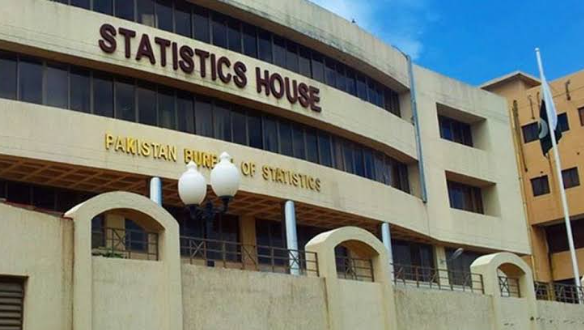
ISLAMABAD — The Pakistan Bureau of Statistics (PBS) reported a 0.49% increase in the Sensitive Price Indicator (SPI)-based weekly inflation for the week ending September 17, 2026. This rise affects the combined consumption group across the country, reflecting the ongoing economic challenges faced by Pakistani households. What Happened The Sensitive Price Indicator, a critical measure of price changes for essential commodities, showed an uptick of 0.49% over the past week. This increase is indicative of rising costs in essential goods, impacting the purchasing power of the average consumer. The PBS data, released on Friday, highlighted that the inflationary pressures are primarily driven by fluctuations in the prices of food items, energy, and other basic necessities. Among the commodities contributing to this inflationary trend, the prices of onions, tomatoes, and chicken saw significant increases. The cost of onions rose by 3.5%, tomatoes by 2.8%, and chicken by 1.9%. In contrast, some items such as sugar and wheat flour experienced a slight decrease in prices, offering minimal relief to consumers. Energy prices also played a role in the inflationary trend, with electricity tariffs witnessing a marginal increase, further burdening households already grappling with high utility bills. The PBS report underscored these factors as central to the weekly inflation rise, which continues to challenge the economic stability and financial planning of families across Pakistan. Background The Sensitive Price Indicator is a tool used by the Pakistan Bureau of Statistics to monitor the price changes of 51 essential items consumed by the majority of the population. It is a crucial indicator for policymakers and economists to assess inflationary trends and their impact on the economy. Historically, Pakistan has faced persistent inflationary pressures due to various factors, including supply chain disruptions, currency depreciation, and fluctuating global oil prices. The government has implemented several measures to control inflation, such as subsidies on essential goods and adjustments in monetary policy. However, these efforts have often been met with limited success due to structural economic challenges and external economic pressures. Why It Matters The rise in SPI-based inflation is a significant concern for both consumers and policymakers in Pakistan. For the average citizen, this increase translates to higher costs for daily necessities, which can strain household budgets and reduce disposable income. This is particularly challenging for low and middle-income families who spend a substantial portion of their income on food and basic utilities. From an economic perspective, persistent inflation can erode the purchasing power of the currency, leading to decreased consumer confidence and spending. This can have a ripple effect on the broader economy, potentially slowing down economic growth and affecting employment rates. For businesses, rising costs of raw materials and energy can lead to increased production costs, which may be passed on to consumers in the form of higher prices. On a policy level, the government faces the challenge of balancing inflation control with economic growth. Measures to curb inflation, such as interest rate hikes, can slow down economic activity, while unchecked inflation can lead to economic instability. The current inflationary trend underscores the need for comprehensive economic reforms to address the underlying causes of inflation and promote sustainable economic growth. Key Takeaways The SPI-based inflation in Pakistan rose by 0.49% for the week ending September 17, 2026. Essential commodities like onions, tomatoes, and chicken saw significant price increases. Energy prices, including electricity tariffs, contributed to the inflationary pressures. Persistent inflation poses challenges to household budgets and economic stability. Government faces the task of managing inflation while promoting economic growth. Source Attribution This article is based on official government statements, press releases, and public communications from relevant authorities. Author: NEN Editorial Desk | Editor: NEN Newsroom | Fact Checked By: NEN Editorial Team Author: NEN Editorial Desk  |  Editor: NEN Newsroom  |  Last Updated: September 18, 2026  |  Source: NEN Reporter This article was produced by the NEN Editorial Desk in accordance with NEN Agency’s Editorial Policy and Fact-Checking Policy.

Pakistan

Pakistan’s Textile Exports Rise by 5.55% in First Two Months of FY 2026-27

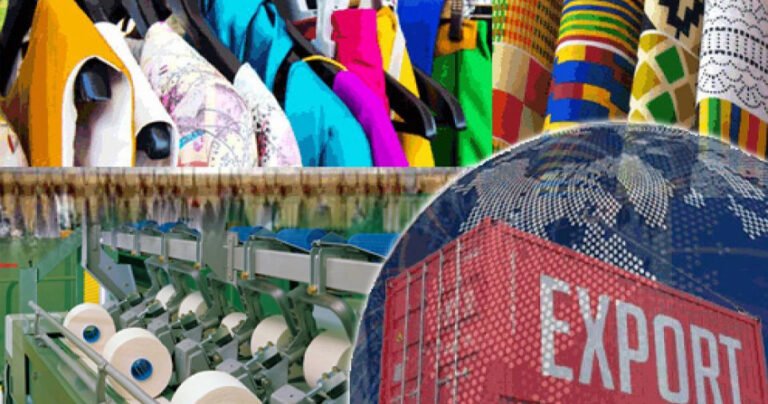
ISLAMABAD — Pakistan’s textile sector has shown a promising start to the financial year 2026-27, with exports increasing by 5.55% during the first two months compared to the same period last year. The Pakistan Bureau of Statistics (PBS) reported that textile exports reached $3.379 billion in July-August 2026, up from $3.202 billion in the corresponding months of 2025. What Happened The textile industry, a cornerstone of Pakistan’s economy, has experienced a notable increase in exports during the initial months of the current fiscal year. According to the latest data from the PBS, the sector’s exports amounted to $3.379 billion in July and August 2026, marking a 5.55% rise from $3.202 billion in the same period of the previous year. Several textile commodities contributed to this growth. Cotton yarn exports surged by 34.80% to $160.679 million, up from $119.195 million. Knitwear exports also increased by 4.79%, reaching $1,004 million compared to $958.634 million last year. Other commodities showing growth included towels, which saw a 6.74% rise to $191.135 million, and ready-made garments, which increased by 13.59% to $827.001 million. Made-up articles, excluding towels and bed wear, grew by 6.95% to $146.032 million, and other textile materials rose by 3.91% to $133.153 million. However, some segments experienced declines. Cotton cloth exports fell by 7.66%, from $299.180 million to $276.255 million. Similarly, yarn exports, excluding cotton yarn, decreased by 31.78% from $5.938 million to $4.051 million. Exports of bed wear slightly dropped by 0.31% to $563.545 million, while tents, canvas, and tarpaulin exports declined by 7.17% to $14.877 million. Additionally, art, silk, and synthetic textile exports decreased by 11.33% to $58.638 million. On a year-on-year basis, the textile exports for August 2026 increased by 2.77%, reaching $1,565.841 million compared to $1,523.635 million in August 2025. However, on a month-on-month basis, there was a 13.68% decline in exports from July 2026, when exports were recorded at $1,814.076 million. Background The textile industry is a vital component of Pakistan’s economy, contributing significantly to employment and foreign exchange earnings. Historically, the sector has faced challenges such as energy shortages, outdated technology, and fluctuating global demand. Despite these hurdles, the industry has shown resilience, supported by government policies aimed at boosting exports and modernizing infrastructure. In recent years, the government has implemented various initiatives to enhance the competitiveness of the textile sector, including subsidies on raw materials, tax incentives, and infrastructure development. These measures have been pivotal in maintaining the sector’s growth trajectory despite global economic uncertainties. Why It Matters The increase in textile exports is a positive indicator for Pakistan’s economy, which relies heavily on this sector for foreign exchange earnings. The growth in exports not only strengthens the country’s trade balance but also supports job creation and economic stability. As the textile industry employs a significant portion of the workforce, its performance directly impacts the livelihoods of millions of Pakistanis. Moreover, the increase in exports reflects the effectiveness of government policies aimed at enhancing the sector’s productivity and competitiveness. This growth can potentially attract foreign investment, further boosting economic development. Additionally, the diversification of export commodities within the textile sector indicates a strategic shift towards value-added products, which can lead to higher profit margins and reduced vulnerability to global price fluctuations. Internationally, Pakistan’s growing textile exports enhance its position in the global market, fostering stronger trade relations with key partners. This trend is crucial as the country seeks to expand its export base and reduce dependency on a limited range of commodities. Key Takeaways Textile exports increased by 5.55% to $3.379 billion during July-August 2026. Cotton yarn and knitwear were major contributors to the export growth. Some segments, like cotton cloth and yarn other than cotton, saw declines. The textile sector’s growth supports economic stability and job creation. Government policies and initiatives have played a crucial role in boosting exports. Source Attribution This article is based on official government statements, press releases, and public communications from relevant authorities. Author: NEN Editorial Desk | Editor: NEN Newsroom | Fact Checked By: NEN Editorial Team Author: NEN Editorial Desk  |  Editor: NEN Newsroom  |  Last Updated: September 18, 2026  |  Source: NEN Reporter This article was produced by the NEN Editorial Desk in accordance with NEN Agency’s Editorial Policy and Fact-Checking Policy.

Pakistan

Rupee Appreciates Marginally Against US Dollar in Interbank Market

ISLAMABAD — The Pakistani Rupee experienced a slight appreciation against the US Dollar in the interbank market on Friday, closing at Rs 277.25. This marks a marginal gain of 01 paisa from the previous day’s closing rate of Rs 277.26, according to data from the Forex Association of Pakistan (FAP). What Happened On September 18, 2023, the Pakistani Rupee showed a minor improvement in its value against the US Dollar, gaining 01 paisa in the interbank market. The Rupee closed at Rs 277.25 per US Dollar, compared to Rs 277.26 on the previous trading day. This change, although minimal, is part of a broader trend of slight fluctuations in the currency’s value observed over recent weeks. The Forex Association of Pakistan reported that the buying and selling rates of the US Dollar in the open market were recorded at different levels, indicating varied demand and supply dynamics. While the interbank market reflects official transactions, the open market rates often exhibit different trends due to retail and consumer-level transactions. Currency traders and analysts note that such minor fluctuations are common, influenced by multiple factors including international market trends, domestic economic indicators, and geopolitical developments. The Rupee’s performance is closely monitored by stakeholders, as it impacts import costs, inflation, and overall economic stability. Background The Pakistani Rupee has been under pressure for several years, influenced by a combination of domestic economic challenges and global financial trends. Historically, the Rupee’s value has been affected by Pakistan’s trade deficit, foreign exchange reserves, and external debt obligations. In recent months, the Rupee has experienced volatility due to changing global oil prices, fluctuations in foreign direct investment, and shifts in remittance inflows. The State Bank of Pakistan (SBP) has implemented various monetary policies to stabilize the currency, including adjusting interest rates and intervening in the foreign exchange market when necessary. Additionally, the Rupee’s exchange rate is influenced by international developments, such as the US Federal Reserve’s policy decisions and global economic conditions, which affect investor sentiment and capital flows. Why It Matters The Rupee’s exchange rate is a critical indicator of Pakistan’s economic health and has significant implications for the country’s economy. A stable or appreciating Rupee can reduce the cost of imports, which is crucial for a country that relies heavily on imported goods, including energy and raw materials. For consumers, a stronger Rupee can lead to lower prices for imported goods, potentially reducing inflationary pressures. This is particularly important in Pakistan, where inflation has been a persistent challenge, affecting the purchasing power of ordinary citizens. For businesses, especially those involved in import and export, currency stability is essential for planning and financial forecasting. A stable Rupee helps in managing costs and setting competitive pricing strategies in international markets. On a broader scale, the Rupee’s performance can influence investor confidence. A stable currency environment is more likely to attract foreign investment, which is vital for economic growth and development. Conversely, a depreciating Rupee can deter investment and lead to capital flight, exacerbating economic challenges. Key Takeaways The Pakistani Rupee appreciated by 01 paisa against the US Dollar in the interbank market, closing at Rs 277.25. Currency fluctuations are influenced by international market trends, domestic economic indicators, and geopolitical developments. A stable Rupee can reduce import costs, lower inflation, and improve consumer purchasing power. The Rupee’s performance is critical for business planning, investment confidence, and overall economic stability. The State Bank of Pakistan continues to monitor and manage currency stability through various monetary policies. Source Attribution This article is based on official government statements, press releases, and public communications from relevant authorities. Author: NEN Editorial Desk | Editor: NEN Newsroom | Fact Checked By: NEN Editorial Team Author: NEN Editorial Desk  |  Editor: NEN Newsroom  |  Last Updated: September 18, 2026  |  Source: NEN Reporter This article was produced by the NEN Editorial Desk in accordance with NEN Agency’s Editorial Policy and Fact-Checking Policy.
World

GCUF Student Wins 10-Kilometre Race on International Sports Day

FAISALABAD — A female student from Government College University Faisalabad (GCUF) emerged victorious in the 10-kilometre race held during the university’s International Sports Day celebrations. The event, which took place on the university campus, was part of a series of activities designed to promote physical fitness and international camaraderie among students. What Happened The International Sports Day at GCUF saw enthusiastic participation from students across various disciplines. Among the highlights was the 10-kilometre race, which attracted numerous competitors eager to showcase their athletic prowess. The female student, whose name has not been disclosed, crossed the finish line ahead of her peers, securing a commendable victory. Her achievement was met with applause from fellow students and faculty members present at the event. The race was part of a broader initiative by the university to encourage sports and physical activities among students. The event featured a variety of sports, including track and field events, team sports, and individual competitions. The university administration emphasized the importance of such events in fostering a spirit of healthy competition and teamwork among students from diverse backgrounds. Speaking at the event, a university spokesperson highlighted the significance of International Sports Day, stating, “This day is not just about competition; it’s about bringing students together and promoting a healthy lifestyle. We are proud of our students’ achievements and their enthusiasm for sports.” Background International Sports Day is celebrated worldwide to promote sports and physical education as a means to improve health and well-being. It aligns with the United Nations’ efforts to use sports as a tool for development and peace. Educational institutions like GCUF often organize events to mark this day, aiming to engage students in physical activities and highlight the benefits of an active lifestyle. GCUF has a history of encouraging sports and extracurricular activities as part of its educational framework. The university regularly hosts sports events and competitions, providing students with opportunities to excel outside the academic realm. These initiatives are in line with national policies that advocate for the inclusion of sports in educational curricula to enhance students’ physical and mental development. Why It Matters The success of the female student in the 10-kilometre race underscores the growing participation of women in sports within Pakistan, a trend that reflects broader societal changes. Women’s involvement in sports has been steadily increasing, supported by governmental and institutional efforts to provide equal opportunities and resources. Such events are crucial in challenging traditional gender roles and empowering women to pursue their interests in various fields, including athletics. The visibility of female athletes in competitive sports can inspire young girls across the country, promoting gender equality and encouraging them to engage in sports. Moreover, the emphasis on sports within educational institutions like GCUF contributes to the overall development of students. Physical activities are known to improve mental health, reduce stress, and enhance academic performance. By integrating sports into the educational experience, universities can produce well-rounded individuals equipped with the skills necessary for personal and professional success. On a broader scale, promoting sports and physical education aligns with Pakistan’s national health objectives. Encouraging an active lifestyle can help combat non-communicable diseases, which are on the rise due to sedentary lifestyles and poor dietary habits. Events like International Sports Day play a vital role in raising awareness and motivating individuals to adopt healthier lifestyles. Key Takeaways A female student from GCUF won the 10-kilometre race during International Sports Day. The event aimed to promote physical fitness and international camaraderie among students. International Sports Day aligns with global efforts to use sports for development and peace. The participation of women in sports is increasing, reflecting societal changes in Pakistan. Sports in education contribute to students’ physical, mental, and academic development. Source Attribution This article is based on official statements and public communications from Government College University Faisalabad. Author: NEN Editorial Desk | Editor: NEN Newsroom | Fact Checked By: NEN Editorial Team Author: NEN Editorial Desk  |  Editor: NEN Newsroom  |  Last Updated: September 18, 2026  |  Source: NEN Reporter This article was produced by the NEN Editorial Desk in accordance with NEN Agency’s Editorial Policy and Fact-Checking Policy.
Pakistan

SBP Infuses Rs 2.64 Trillion Into Market Via Open Market Operations

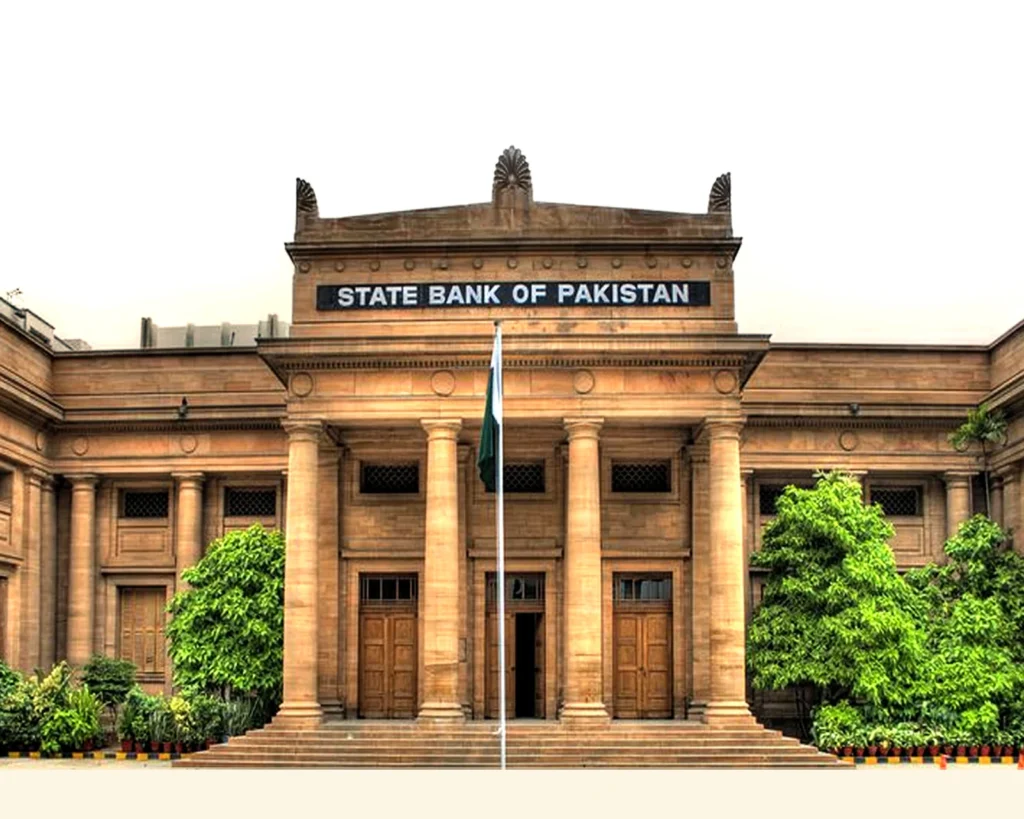
KARACHI — The State Bank of Pakistan (SBP) has injected Rs 2,640.45 billion into the financial system through its Open Market Operations (OMO) to maintain market liquidity. The operation, conducted on September 18, 2026, utilized Reverse Repo Purchase and Shariah Compliant Mudarabah mechanisms for 7 and 14-day tenors. What Happened The SBP’s recent liquidity injection was executed to ensure stability in the financial markets amid fluctuating economic conditions. The central bank conducted the Open Market Operation (OMO) on Friday, September 18, 2026, using Reverse Repo Purchase and Shariah Compliant Mudarabah contracts. This move aimed to address short-term liquidity shortages faced by financial institutions. According to the SBP, the operation included two tenors: a 7-day and a 14-day tenor, allowing banks to access funds at a pre-determined rate. The substantial injection of Rs 2,640.45 billion is part of the central bank’s ongoing efforts to stabilize the financial system and support economic activities. The SBP regularly uses such operations to manage liquidity levels and influence short-term interest rates. The decision to inject this significant amount was influenced by the current economic environment, which has seen varying demand for liquidity due to both domestic and international factors. The SBP’s actions are crucial in ensuring that banks have adequate funds to meet their day-to-day operations and lending requirements. Background The State Bank of Pakistan frequently engages in Open Market Operations as a tool for monetary policy implementation. These operations are essential for managing the money supply and maintaining interest rate stability. The use of Reverse Repo Purchase agreements allows the central bank to lend money to commercial banks, thereby increasing the money supply and encouraging lending and investment. Historically, the SBP has used OMOs to respond to liquidity crises or to adjust the monetary stance in line with economic objectives. The central bank’s role in managing liquidity became particularly prominent during the economic disruptions caused by the COVID-19 pandemic, when it took several measures to ensure financial stability. In recent years, Pakistan’s economy has faced challenges such as inflationary pressures, currency depreciation, and fiscal deficits, necessitating active monetary policy interventions by the SBP. The central bank’s actions are part of broader efforts to stabilize the economy and support growth. Why It Matters The SBP’s decision to inject over Rs 2.64 trillion into the market holds significant implications for Pakistan’s financial and economic landscape. By providing liquidity, the central bank aims to ensure that financial institutions can continue their operations smoothly, thus supporting economic activities. This liquidity injection is particularly important given the current economic challenges, including inflation and exchange rate volatility. By stabilizing the money supply, the SBP helps to prevent sudden spikes in interest rates, which could otherwise hinder borrowing and investment activities. This, in turn, supports businesses and consumers, fostering economic stability. Moreover, the central bank’s actions reflect its commitment to maintaining financial stability and confidence in the banking system. By ensuring that banks have access to necessary funds, the SBP helps to prevent liquidity shortages that could lead to financial distress. On an international level, the SBP’s proactive stance in managing liquidity is crucial for maintaining investor confidence in Pakistan’s financial markets. It signals to international stakeholders that the central bank is actively monitoring and responding to economic conditions, thereby enhancing the country’s economic credibility. Key Takeaways The State Bank of Pakistan injected Rs 2,640.45 billion into the market through Open Market Operations. The operation used Reverse Repo Purchase and Shariah Compliant Mudarabah contracts for 7 and 14-day tenors. This move aims to maintain liquidity and stabilize the financial system amid economic fluctuations. OMOs are a regular tool used by the SBP to manage money supply and interest rates. The injection supports economic activities by ensuring banks have sufficient funds for operations and lending. Source Attribution This article is based on official government statements, press releases, and public communications from relevant authorities. Author: NEN Editorial Desk | Editor: NEN Newsroom | Fact Checked By: NEN Editorial Team Author: NEN Editorial Desk  |  Editor: NEN Newsroom  |  Last Updated: September 18, 2026  |  Source: NEN Reporter This article was produced by the NEN Editorial Desk in accordance with NEN Agency’s Editorial Policy and Fact-Checking Policy.
Pakistan

Polio Virus in Rawalpindi Linked to Afghan Family, Official Confirms

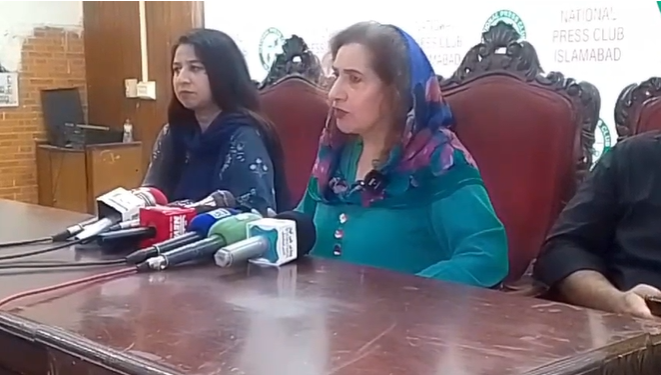
RAWALPINDI — The polio virus detected in Rawalpindi’s environmental sample in July has been traced back to a family that migrated from Afghanistan, according to Uzma Kardar, the Chief Minister Punjab’s Focal Person on Polio Eradication. The revelation underscores the ongoing challenge of cross-border transmission of the virus, which continues to pose a significant public health threat in Pakistan. What Happened The detection of the polio virus in Rawalpindi was confirmed through a detailed genetic analysis of environmental samples collected in July. Uzma Kardar disclosed that the strain was genetically linked to a family that had recently migrated from Afghanistan, highlighting the persistent issue of cross-border transmission. “All available resources are being utilized to address this challenge,” Kardar stated during a press briefing. The detection of the virus has prompted health authorities to intensify surveillance and immunization efforts in the region. The government has been working closely with international health organizations to ensure that polio vaccination campaigns are effectively reaching vulnerable populations, particularly those in areas with high mobility and migration. In response to the recent detection, emergency vaccination drives have been launched in Rawalpindi and surrounding areas to prevent any potential outbreak. Health workers have been deployed to administer oral polio vaccines to children under the age of five, aiming to curb the spread of the virus. Background Pakistan and Afghanistan are the only two countries in the world where polio remains endemic. Efforts to eradicate the virus have been ongoing for decades, with significant progress made in recent years. However, the movement of people across the porous border between Pakistan and Afghanistan presents a continuous challenge in the fight against polio. Polio, a highly infectious disease caused by the poliovirus, primarily affects children under the age of five. The virus is transmitted from person to person, mainly through the fecal-oral route. While there is no cure for polio, it can be prevented through vaccination, which is why immunization campaigns are critical in eradicating the disease. In Pakistan, the government has implemented a National Emergency Action Plan for Polio Eradication, which includes regular immunization campaigns and environmental surveillance to detect the presence of the virus. Despite these efforts, the country continues to face challenges due to vaccine hesitancy, logistical issues, and security concerns in certain regions. Why It Matters The detection of the polio virus in Rawalpindi is a stark reminder of the ongoing public health challenges faced by Pakistan. Cross-border transmission of the virus not only threatens the health of Pakistani children but also undermines global efforts to eradicate polio. The situation calls for enhanced cooperation between Pakistan and Afghanistan to address the root causes of transmission and ensure that vaccination efforts are effectively coordinated across borders. Economically, the presence of polio can have a detrimental impact on Pakistan’s healthcare system, diverting resources that could otherwise be used to address other pressing health issues. Moreover, the continued presence of polio can affect Pakistan’s international standing, as the country remains one of the few where the disease is still endemic. Socially, the persistence of polio poses a risk to the most vulnerable populations, particularly children in underprivileged communities who may have limited access to healthcare services. The government’s response to this latest detection will be crucial in determining the success of ongoing eradication efforts. Key Takeaways The polio virus detected in Rawalpindi was linked to a family that migrated from Afghanistan. Cross-border transmission remains a significant challenge in eradicating polio in Pakistan. Emergency vaccination drives have been launched to prevent potential outbreaks. Pakistan and Afghanistan are the only countries where polio remains endemic. Enhanced cross-border cooperation is essential for successful eradication efforts. Source Attribution This article is based on official government statements, press releases, and public communications from relevant authorities. Author: NEN Editorial Desk | Editor: NEN Newsroom | Fact Checked By: NEN Editorial Team Author: NEN Editorial Desk  |  Editor: NEN Newsroom  |  Last Updated: September 18, 2026  |  Source: NEN Reporter This article was produced by the NEN Editorial Desk in accordance with NEN Agency’s Editorial Policy and Fact-Checking Policy.
World

Pakistan’s Finance Minister Highlights Economic Transition at London Conference

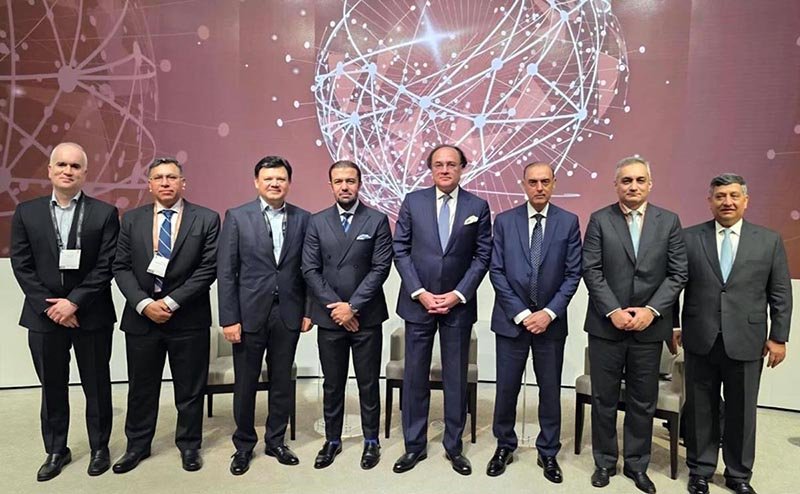
LONDON — Federal Minister for Finance and Revenue, Senator Muhammad Aurangzeb, and Governor State Bank of Pakistan, Jameel Ahmad, participated in the J.P. Morgan Emerging and Frontier Markets Opportunities Conference in London. The event, held on September 18, 2023, provided a platform for Pakistani officials to engage with international investors and discuss the country’s economic trajectory. What Happened During the conference, Senator Aurangzeb addressed a session titled “Fireside Chat: Pakistan: External Shocks Remain Manageable.” He emphasized Pakistan’s economic transition from stabilization to a focus on investment, capital formation, and private sector-led growth. The session was attended by key stakeholders from various global financial institutions, providing an opportunity for Pakistan to showcase its economic policies and future plans. Senator Aurangzeb highlighted the resilience of Pakistan’s economy in the face of external shocks, stating, “We have managed to stabilize our economy despite numerous challenges, and now we are moving towards a phase of sustainable growth driven by investments and private sector initiatives.” He further elaborated on the government’s efforts to create a conducive environment for foreign investment, underscoring the importance of regulatory reforms and infrastructure development. Governor Jameel Ahmad also contributed to the discussion by outlining the State Bank of Pakistan’s monetary policies aimed at supporting economic growth. He detailed measures taken to control inflation and stabilize the currency, which are crucial for maintaining investor confidence. “Our monetary policies are aligned with the government’s vision of economic growth, ensuring that we provide a stable macroeconomic environment for investors,” Ahmad stated. The conference served as a crucial networking opportunity, allowing the Pakistani delegation to engage directly with potential investors and financial experts. The discussions focused on the potential for growth in sectors such as technology, energy, and agriculture, which are seen as key drivers of Pakistan’s economic future. Background Pakistan’s economy has faced significant challenges in recent years, including political instability, security concerns, and external economic shocks. The government has been working on a series of economic reforms aimed at stabilizing the economy and attracting foreign investment. These reforms include improving the ease of doing business, enhancing regulatory frameworks, and investing in infrastructure projects. The J.P. Morgan Emerging and Frontier Markets Opportunities Conference is an annual event that brings together policymakers, investors, and financial experts to discuss opportunities in emerging markets. Pakistan’s participation in this conference is part of its broader strategy to engage with the international community and attract foreign direct investment. Why It Matters The participation of Pakistan’s top financial officials in the London conference is significant for several reasons. Economically, it signals Pakistan’s commitment to integrating with the global financial system and attracting foreign investment, which is crucial for economic growth and development. The government’s focus on transitioning from stabilization to growth reflects a strategic shift towards long-term economic planning. Socially, the emphasis on private sector-led growth and investment can lead to job creation and improved living standards for the Pakistani population. By fostering an environment conducive to business and investment, Pakistan aims to reduce unemployment and poverty levels, contributing to social stability. Politically, engaging with international investors and financial institutions helps strengthen Pakistan’s global standing and fosters bilateral relationships. This engagement is essential for securing international support and collaboration, which can aid in addressing domestic challenges. Internationally, Pakistan’s proactive approach in forums like the J.P. Morgan conference helps build confidence among investors, showcasing the country’s potential as a viable investment destination. It also reinforces the narrative that Pakistan is open for business and ready to participate actively in the global economy. Key Takeaways Pakistan’s finance minister and central bank governor participated in a major financial conference in London. The focus was on Pakistan’s economic transition from stabilization to investment and growth. Officials highlighted regulatory reforms and infrastructure development as key to attracting foreign investment. The conference provided a platform for networking with international investors and financial experts. Pakistan’s engagement in global financial forums aims to boost investor confidence and economic growth. Source Attribution This article is based on official government statements, press releases, and public communications from relevant authorities. Author: NEN Editorial Desk | Editor: NEN Newsroom | Fact Checked By: NEN Editorial Team Author: NEN Editorial Desk  |  Editor: NEN Newsroom  |  Last Updated: September 18, 2026  |  Source: Press Release from State Bank of Pakistan (SBP) This article was produced by the NEN Editorial Desk in accordance with NEN Agency’s Editorial Policy and Fact-Checking Policy.

World

Pakistan Releases New Foreign Exchange Rates for September 2026

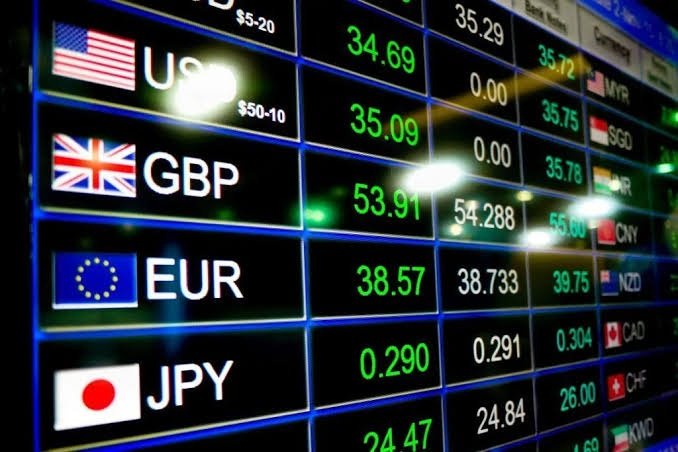
KARACHI — The Financial Markets Association of Pakistan’s Exchange Rates Committee has released the latest foreign exchange rates for September 18, 2026. These rates are essential for various financial transactions, including forward covers and deposits, excluding FE-25 deposits, with the State Bank of Pakistan’s settlement value date set for September 22, 2026. What Happened The Exchange Rates Committee issued a bulletin detailing the conversion rates for major foreign currencies against the Pakistani Rupee. As of September 18, 2026, the US Dollar is valued at PKR 277.2266. The British Pound, another significant currency, has also been listed, although the specific rate was not disclosed in the initial bulletin. This announcement is part of a routine update provided by the Financial Markets Association, which plays a crucial role in stabilizing and providing transparency in the foreign exchange market. The rates are determined based on current market conditions and are used by financial institutions and businesses to conduct international trade and investment activities. The release of these rates is a critical component for businesses engaged in import and export activities, as it directly influences the cost of goods and services traded across borders. The rates also impact the financial strategies of companies dealing with foreign currencies, affecting their profitability and market competitiveness. Background Pakistan’s foreign exchange market is regulated by the State Bank of Pakistan (SBP), which ensures that the exchange rates reflect the market dynamics while maintaining economic stability. The Exchange Rates Committee, under the Financial Markets Association, regularly updates these rates to align with international currency movements and domestic economic conditions. Historically, the Pakistani Rupee has experienced fluctuations due to various factors, including economic policies, political stability, and global market trends. The SBP occasionally intervenes in the foreign exchange market to curb excessive volatility and maintain investor confidence. In recent years, Pakistan has faced challenges in managing its foreign exchange reserves, necessitating careful monitoring and regulation of currency exchange rates. The release of updated exchange rates is part of ongoing efforts to enhance transparency and predictability in the financial sector. Why It Matters The announcement of new foreign exchange rates is significant for Pakistan’s economy, influencing both macroeconomic stability and individual financial decisions. Exchange rates affect inflation, purchasing power, and the overall economic growth of the country. For businesses, these rates determine the cost of importing raw materials and exporting finished goods, directly impacting profit margins. For the general public, exchange rates influence the cost of foreign travel, education, and remittances. A higher exchange rate for the US Dollar, for instance, means that it becomes more expensive for Pakistanis to travel abroad or send money to family members in other countries. On a broader scale, stable and predictable exchange rates are crucial for attracting foreign investment. Investors seek environments where currency risks are minimized, and exchange rates are a key factor in their decision-making process. A stable exchange rate regime can lead to increased foreign direct investment, contributing to economic growth and job creation. Moreover, the exchange rate is a critical tool for policymakers in managing the balance of payments and addressing trade deficits. By adjusting interest rates and influencing currency values, the SBP can steer the economy towards desired economic outcomes. Key Takeaways The Financial Markets Association of Pakistan has released new foreign exchange rates for September 18, 2026. The US Dollar is valued at PKR 277.2266, impacting international trade and investment. Exchange rates are crucial for businesses, influencing import and export costs. Stable exchange rates are essential for attracting foreign investment and ensuring economic stability. The State Bank of Pakistan plays a vital role in regulating and stabilizing the foreign exchange market. Source Attribution This article is based on official government statements, press releases, and public communications from relevant authorities. Author: NEN Editorial Desk | Editor: NEN Newsroom | Fact Checked By: NEN Editorial Team Author: NEN Editorial Desk  |  Editor: NEN Newsroom  |  Last Updated: September 18, 2026  |  Source: NEN Reporter This article was produced by the NEN Editorial Desk in accordance with NEN Agency’s Editorial Policy and Fact-Checking Policy.

Scroll to Top