2026

Pakistan

Pakistan Pursues Peace, Diplomacy Amid Middle East Escalation: FO

Pakistan’s Commitment to Diplomacy With tensions escalating in the Middle East, Pakistan highlights its unwavering dedication to peace and diplomacy. A Foreign Office spokesperson in Islamabad stressed the nation’s focus on non-escalation and diplomatic undertakings to foster regional harmony. The Pakistani government regards peaceful solutions as paramount for regional conflicts, viewing dialogue as the most effective conflict resolution strategy. Sustained Rescue Efforts for Pakistani Nationals Efforts continue to secure the release of Pakistani nationals held by Somali pirates for nearly 50 days. The Foreign Office confirmed active collaboration with Somali officials and the vessel’s owner to facilitate negotiations, showcasing Pakistan’s commitment to protecting its citizens through diplomacy. The Foreign Office in Islamabad remains vigilant, offering regular updates to affected families, thereby ensuring transparency and effective communication. Articulating Foreign Policy Objectives The Foreign Office recently re-emphasized Pakistan’s foreign policy objectives, which steer its diplomatic activities: Maintaining peace and stability in the Middle East Safeguarding Pakistani citizens through diplomatic channels Preventing conflicts from escalating amid increasing tensions Strengthening bilateral relations with regional allies Upholding Peaceful Conflict Resolution Officials consistently highlight Pakistan’s dedication to peaceful conflict resolution. The government’s approach aims to protect national interests while encouraging regional stability. Emphasizing multilateral engagement, conflict de-escalation, and prioritizing dialogue over confrontation, Pakistan remains true to its enduring policy of peaceful coexistence.

Pakistan

National Assembly Passes Pakistan Telecommunication Amendment Bill 2025

ISLAMABAD — On Thursday, the National Assembly approved the Pakistan Telecommunication (Re-organisation) (Amendment) Bill 2025. This crucial legislation comprises several amendments discussed extensively in recent parliamentary sessions. Introduction of the Telecom Bill Federal Minister for Information Technology and Telecommunication, Shaza Fatima Khawaja, presented the Pakistan Telecommunication Bill 2025. She detailed its primary provisions and proposed regulatory changes, emphasizing the need to modernize the framework to meet current industry demands. Legislative Objectives The approval of the Pakistan Telecommunication Bill 2025 is a significant step in regulatory reform. The legislation aims to update governance within Pakistan’s telecommunication sector. It addresses industry challenges through improved mechanisms, supporting the nation’s digital progress. Key Features of the Bill Revised regulatory framework for telecom governance Modern compliance mechanisms to tackle industry challenges Enhanced oversight of digital services Stakeholder protection and accountability measures Parliamentary Amendments During National Assembly debates, several amendments were proposed, showcasing a consensus-building approach among political parties. These changes ensure that the Pakistan Telecommunication Bill 2025 balances industry growth with regulatory oversight, addressing diverse stakeholder concerns. Senate Approval and Implementation Following revisions, the bill amends the Pakistan Telecommunication (Re-organisation) Act and now moves to the Senate for further evaluation. Its implementation requires Senate approval and presidential assent, signifying a pivotal shift in telecommunication governance in Pakistan.

Pakistan

Pakistan Launches First Public Sector Data Governance Council for Power Sector

ISLAMABAD — Pakistan has inaugurated its first institutional Data Governance Council in the public sector. This groundbreaking initiative aims to enhance transparency, improve decision-making, and attract global investment in the power sector. Ministry of Energy’s Role in Reform The Ministry of Energy (Power Division) has officially established the Pakistan Data Governance Council. Federal Minister Sardar Awais Ahmad Khan Leghari leads this effort, marking a critical step toward modernizing governance in Pakistan’s energy sector. This move highlights the federal government’s commitment to reforming national sectors and reinforces Islamabad’s status as a leader in public data management reform. Objectives of the Council The council aims to standardize data management practices across all power sector entities, providing a robust framework for stakeholders. Its goals include: Establishing uniform data collection and reporting standards Enhancing transparency in power sector operations Improving the accuracy of performance metrics Creating reliable data for strategic planning Key Beneficiaries The council’s framework offers benefits for several groups: Policymakers and Regulatory Bodies Policymakers gain access to reliable data essential for making strategic energy policy decisions. Regulatory bodies will receive standardized reports crucial for effective oversight of the power sector. International Investors Investors evaluating opportunities in Pakistan can access transparent and verifiable information, aiding informed investment decisions. Impact on Power Sector Growth The establishment of the council marks a significant milestone in institutional reform within Pakistan’s public sector. Enhanced data governance is expected to improve transparency and accountability in power sector operations. This initiative aligns with the federal government’s vision to attract foreign investment, supporting the modernization of essential infrastructure sectors and guiding Pakistan towards sustainable energy development.

Business

AGPR Sets June 12 Deadline for FY2025-26 Payment Claims

ISLAMABAD — The Accountant General Pakistan Revenues (AGPR) has set June 12, 2026, as the final deadline for submitting payment claims for the financial year 2025-26. No claims will be accepted after this date. Importance of Timely Submissions by Government Departments AGPR stresses the urgency for government departments to submit their claims before this strict deadline. Extensions will not be granted. An official statement highlights, “No fresh claim will be accepted after the deadline.” Fiscal Year Closure and Reconciliation Efforts This directive supports ongoing efforts by federal ministries and departments to finalize their accounts for FY2025-26. The June 12 deadline is crucial to resolving outstanding payments and ensuring a smooth transition into the next fiscal year. Timely financial reconciliation is essential for maintaining fiscal discipline. Steps for Government Offices to Ensure Compliance Government offices should expedite processing outstanding payment claims to avoid last-minute issues. Adhering to the payment claims deadline is critical for fiscal order. Review outstanding claims immediately Ensure all documentation is complete before June 12 Following these steps will ensure an efficient fiscal year closure and result in accurate revenue accounting in the federal budget.

Business

Finance Minister Aurangzeb Launches Pakistan Economic Survey 2025-26

ISLAMABAD — Finance Minister Senator Muhammad Aurangzeb formally launched the Pakistan Economic Survey 2025-26 on Monday. This comprehensive document reviews the nation’s economic performance ahead of the federal budget announcement. Purpose of the Pakistan Economic Survey The Pakistan Economic Survey, an annual publication by the Ministry of Finance, offers an extensive analysis of macroeconomic indicators and sectoral performances for the fiscal year. It serves as a critical resource for policymakers, economists, and investors, providing data-driven insights into Pakistan’s economic health and development. Key Economic Indicators The 2025-26 survey highlights developments in major economic sectors and examines critical areas affecting Pakistan’s financial landscape. Understanding these insights is crucial for grasping the country’s economic trajectory. Core Economic Metrics GDP growth and economic expansion metrics Inflation rates and stability measures Trade balance and export performance data Investment trends and financial sector indicators Revenue collection and fiscal performance analysis Budget Planning and Economic Strategy The survey forms the basis for fiscal decision-making in the upcoming budget, offering empirical support for economic policies and proposals. It aids in setting economic priorities and targets for the forthcoming fiscal year, based on current metrics and projected growth. Finance Minister Aurangzeb will utilize the survey’s findings to shape Pakistan’s economic strategy for 2025-26. The insights will guide policy decisions on investment, trade, and revenue generation.

Business

PML-N Lawmaker Pledges Relief-Oriented Budget for Low-Income Groups

ISLAMABAD — Syeda Nosheen Iftikhar, a Member of the National Assembly, has unveiled a federal budget plan to provide relief to low-income groups. This initiative aims to shield ordinary citizens from added financial hardships. Focus on Economic Vulnerability The Pakistan Muslim League-Nawaz legislator highlighted that this budget corresponds with Prime Minister Muhammad Shehbaz Sharif’s vision. It is designed to protect economically vulnerable sectors, particularly as rising costs impact low-income communities. Key Economic Pressures Challenges Affecting Households Persistent inflation diminishing purchasing power Increase in household expenses for essential items Stagnant income growth for vulnerable populations Balancing Fiscal Constraints with Social Protection Pakistan faces economic challenges due to high inflation, which increases fiscal constraints. It is essential for the government to meet revenue goals while minimizing impacts on lower-income households. This equilibrium is crucial, particularly under the IMF program. Budget Influenced by Economic Pressures Pakistan’s fiscal policy must juggle various demands, making revenue generation vital for economic stability and fulfilling international obligations. The budget strives to support vulnerable groups and adhere to global financial commitments. There is significant anticipation for measures that will offer relief to low-income communities.

Business

Pakistan, Kazakhstan Pledge to Deepen Trade and Industrial Ties

Pakistan and Kazakhstan have pledged to enhance industrial cooperation, economic development, and bilateral trade after high-level discussions in Islamabad on Thursday. Strengthening Economic Bonds A pivotal meeting advancing Pakistan’s economic diplomacy took place between Haroon Akhtar Khan, the Special Assistant to the Prime Minister on Industries and Production, and Yerzhan Kistafin, Kazakhstan’s Ambassador to Pakistan. The discussions focused on exploring new opportunities to expand bilateral relations and uncover untapped potential for economic cooperation across different sectors. Key Areas of Cooperation The two countries aim to deepen engagement in numerous sectors, benefiting both economies. Priority sectors for cooperation include: Industrial cooperation initiatives Economic development partnerships Expansion of bilateral trade Formalizing the Trade Framework While specific initiatives or formal agreements were not immediately disclosed, officials noted that technical details are being finalized. Further announcements are expected as both nations work to establish cooperation frameworks. This marks significant progress in strengthening Pakistan’s trade relationships in Central Asia. The agreement highlights Pakistan’s efforts to expand economic partnerships beyond traditional markets and diversify its trade portfolio.

Pakistan

National Assembly Suspends MNA Muhammad Iqbal Khan for Entire Session

ISLAMABAD — The National Assembly of Pakistan has suspended MNA Muhammad Iqbal Khan for the rest of the current parliamentary session. Representing the NA-27 constituency, Khan’s suspension comes after allegations of misconduct and disorderly conduct on the House floor. This decision is part of the Assembly’s concerted efforts to enforce parliamentary discipline in Islamabad. Parliament Approves the Suspension MNA Farah Naz Akbar introduced the motion to suspend Khan. The House voted in favor, effectively barring Khan from participating in assembly proceedings until the session ends. This move reflects the Assembly’s resolve to uphold decorum. Ensuring Parliamentary Discipline The suspension underscores the legislature’s dedication to order. In Pakistan, parliamentary rules permit actions against members who violate decorum. Key to this system are measures designed to address misconduct adequately. Enforcement Mechanisms The National Assembly employs several mechanisms to maintain discipline, including: Temporary or full-session suspensions for misconduct Voting procedures for enforcing disciplinary actions Formal submission of motions by fellow members Documenting violations in parliamentary records Maintaining Legislative Standards The Assembly regularly uses these tools to ensure decorum in sessions. They are vital for maintaining order during debates and proceedings, emphasizing the accountability of elected representatives. The federal parliament of Pakistan remains committed to upholding this system to preserve the House’s dignity.

Pakistan

PML-N, PPP Convene in Gilgit to Discuss Government Formation

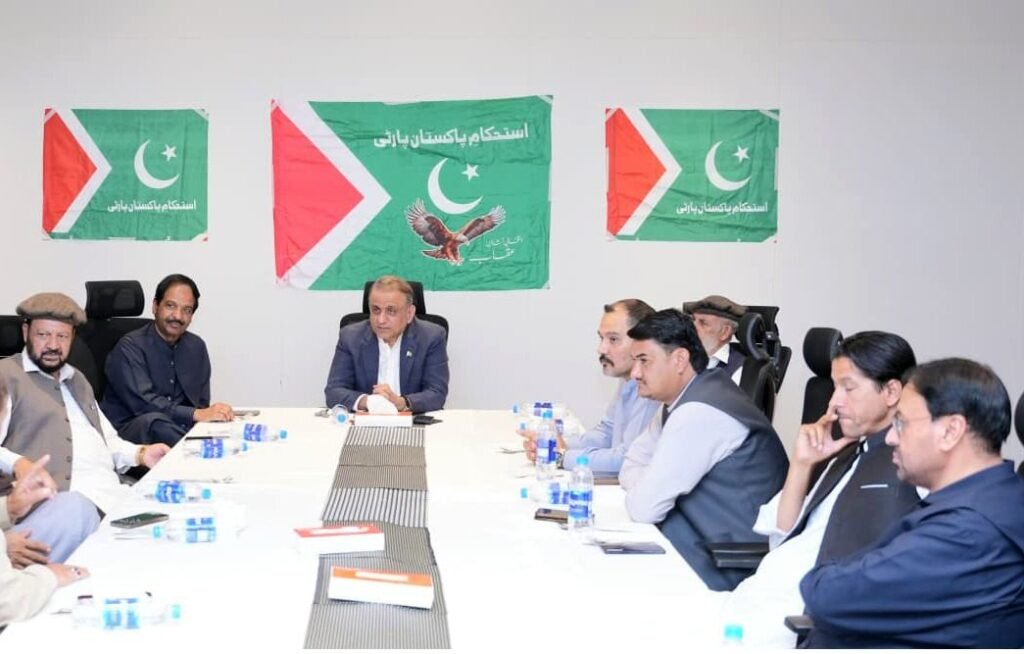
Senior delegations from the Pakistan Muslim League-Nawaz (PML-N) and the Pakistan Peoples Party (PPP) gathered in Gilgit on Wednesday. Their primary purpose was to discuss forming the next government in Gilgit-Baltistan, focusing on coalition strategies in this strategically important region. The recent elections in Gilgit-Baltistan have prompted both parties to explore potential coalition arrangements. The aim is to ensure a stable administration. Leadership of Delegations The PML-N delegation was led by the Federal Minister for Kashmir Affairs, Gilgit-Baltistan, and SAFRON, underscoring the priority placed on governance in the region. Meanwhile, senior PPP representatives actively participated, negotiating terms for a possible power-sharing deal. Key Negotiation Issues During the meeting, several critical topics related to the Gilgit-Baltistan government formation were addressed: Distribution of ministerial portfolios between PML-N and PPP Power-sharing mechanisms for regional governance Terms of cooperation to ensure stable administration Timeline for forming the government in Gilgit-Baltistan Ongoing Closed-Door Talks Discussions on Wednesday did not result in a formal agreement. However, sources indicate that negotiations between PML-N and PPP continue behind closed doors. Both parties aim to establish a power-sharing arrangement that aligns with their leaderships’ approvals. Further negotiations are expected in the coming days. As the region awaits clarity on its future administration, both parties are diligently working to finalize the coalition agreement. This outcome is crucial for governance in this strategically significant part of Pakistan.

Pakistan

Dar, Egyptian FM Back Mediation Efforts for Regional Peace

High-Level Diplomatic Exchange Deputy Prime Minister and Foreign Minister Senator Mohammad Ishaq Dar had a significant phone conversation with Egyptian Foreign Minister Badr Abdelatty. They focused on promoting regional peace while strengthening bilateral coordination. Both expressed optimism regarding ongoing mediation efforts in the Middle East. The dialogue underscored diplomatic strategies aimed at reducing tensions and fostering communication among conflicting parties. Key Outcomes of Diplomatic Dialogue During the discussion, several commitments were established to advance peace efforts: Joint support for regional mediation tracks Emphasis on multilateral engagement for conflict resolution A shared goal of achieving lasting peace and stability A preference for diplomatic over confrontational approaches Commitment to Regional Stability The foreign ministers expressed hope that coordinated mediation initiatives would enhance regional peace and stability. Pakistan’s foreign ministry emphasized a mutual dedication to diplomatic solutions, highlighting the importance of multilateral engagement in resolving conflicts. Egypt plays an active role in these diplomatic efforts to reduce tensions in neighboring areas. Strengthening Islamabad-Cairo Partnership This dialogue demonstrates the growing collaboration between Islamabad and Cairo in regional diplomacy. Many countries actively pursue mediation initiatives to ease tensions in the Middle East. The cooperation between Pakistan’s and Egypt’s foreign ministries underscores ongoing diplomatic endeavors. Both nations remain committed to addressing regional challenges through dialogue and negotiation rather than confrontation.

Scroll to Top