2026

Business

Pakistan Ambassador Inaugurates Joint Research Centre in Shenyang

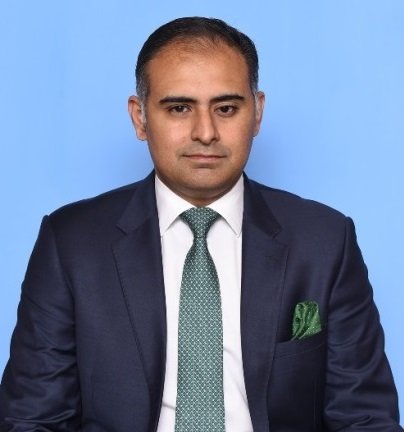
BEIJING — Between June 8 and 10, Khalil Hashmi, Pakistan’s Ambassador to China, made a strategic visit to Shenyang, the capital of Liaoning province in northeastern China. The visit aimed to strengthen educational and economic ties between Pakistan and China. Inauguration of the Joint Research Centre During his visit, Ambassador Hashmi inaugurated the Pakistan-China Joint Research Centre at Shenyang University of Chemical Technology. This newly established facility marks a significant milestone in academic collaboration between the two nations. The centre will support joint projects involving chemical technology, industrial research, and innovation. This initiative plays a crucial role in advancing the Pakistan-China trade partnership and enhancing knowledge exchange. Exploring Investment Opportunities Liaoning province, an industrial hub in China’s northeast, presents substantial opportunities for Pakistani businesses and institutions. These prospects align with Pakistan’s economic priorities in key sectors. Pakistani enterprises are encouraged to explore partnerships in various sectors, including: Manufacturing and industrial production Technology transfer and innovation Research and development collaboration Export-oriented joint ventures Enhancing Bilateral Trade The ambassador’s visit underscores the commitment to expanding economic collaboration between Pakistan and China. This effort strengthens the broader framework of bilateral trade relations and investment cooperation. The joint research centre is poised to serve as a platform for Pakistani students, researchers, and businesses. It grants access to Chinese expertise and market opportunities. This facility encourages technology partnerships that can boost Pakistan’s industrial growth, enhance export capabilities in manufacturing, and increase revenue through bilateral economic cooperation.

Business

NBP Issues Major Currency Buying and Selling Rates

KARACHI — The National Bank of Pakistan (NBP) has released the updated official buying and selling rates for major currencies. This update plays a crucial role in Pakistan’s foreign exchange market and banking sector. US Dollar Exchange Rate NBP’s daily currency bulletin sets the selling rate of the US dollar at 280.14 PKR. This rate is essential for transactions within Pakistan’s banking sector. Updated daily, these rates reflect market dynamics, establishing an official standard for forex operations. Purpose of NBP Currency Rates NBP provides these rates to support interbank and retail foreign exchange transactions nationwide. Key market players that rely on these official rates include: Commercial banks involved in forex operations Licensed money changers Businesses engaged in international trade Impact on the Foreign Exchange Market Daily rates from NBP are vital for maintaining transparency and standardizing currency exchange processes. Financial institutions and traders depend on these updates to stay in sync with global trends and market conditions. These official rates maintain stability in Pakistan’s foreign exchange market, serving as a reliable benchmark for international trade and financial transactions.

Pakistan

IRSA Releases 246,800 Cusecs Water From Rim Stations

ISLAMABAD — The Indus River System Authority (IRSA) has released 246,800 cusecs of water from various rim stations. This significant outflow follows an inflow of 229,000 cusecs into the system. The released water is crucial for meeting agricultural and domestic demands across Pakistan. Federal authorities ensure fair allocation among provinces while managing this distribution. Current Tarbela Dam Water Levels According to IRSA, the water level at Tarbela Dam on the River Indus stands at 1,450.03 feet. This is 50.03 feet above the dead level, ensuring a substantial storage capacity for the country’s needs. Tarbela Dam is a vital component of Pakistan’s water infrastructure. Federal authorities closely monitor the dam’s levels to maintain a steady water supply to provinces and support agricultural sectors. Management of Water Distribution The Indus River System Authority oversees water distribution from major dams and rim stations across Pakistan. As a federal entity, IRSA tracks daily inflows and outflows to ensure equitable distribution among provinces. Core Responsibilities of IRSA Monitoring reservoir levels daily at major dams Coordinating releases from rim stations Ensuring equitable water distribution among provinces Supporting agricultural irrigation needs Meeting domestic water supply requirements Provincial Water Allocation Efforts The recent water release from rim stations highlights ongoing distribution efforts. Federal water management officials observe reservoir levels closely to maintain seamless operations. These efforts address both agricultural and domestic needs nationwide. Through dedicated monitoring, IRSA ensures that provinces receive their designated water shares from the Indus River system. The authority collaborates with federal and provincial governments to ensure a uniform water supply across all regions.

Pakistan

Tarar Urges Social Media Push to Mainstream Climate Change Discourse

ISLAMABAD — Federal Minister for Information and Broadcasting, Attaullah Tarar, has urged a cultural transformation in how climate change is discussed publicly. He highlighted the need for environmental topics to gain prominence on social media alongside viral content. International Conference on Green Journalism Addressing the International Conference on Green Journalism, Media, and Climate in Islamabad, Tarar stressed the importance of public engagement in environmental dialogues. He noted that these discussions often remain within specialized forums, limiting their impact on awareness and policy-making in Pakistan. The federal government acknowledges that successful climate action requires widespread public involvement. Digital platforms can greatly influence policy support and drive necessary behavioral changes. Pakistan’s Climate Challenges Tarar raised alarms over Pakistan’s vulnerability to climate-related calamities. The nation confronts multiple environmental challenges that threaten its populace and economy: Devastating floods have displaced millions of people. Prolonged heatwaves affect both urban and rural regions. Extreme weather patterns interfere with agricultural production. Utilizing Digital Platforms for Awareness Despite pressing issues, climate change is seldom central in Pakistan’s media landscape, where trending topics often overshadow environmental discussions. Tarar emphasized the importance of integrating climate change dialogues into mainstream narratives. Digital platforms are vital for raising awareness and rallying national efforts toward environmental protection. They provide extensive outreach and can educate the public on conservation. The federal government aims to leverage these channels to foster behavioral change and strengthen support for national policies.

Business

National Assembly Repeals PIA Corporation Act After Privatisation

ISLAMABAD — The National Assembly has passed a decisive bill repealing the Pakistan International Airlines Corporation Act of 2026. This action completes the transition of Pakistan International Airlines (PIA) to private ownership after a competitive bidding process. Defence Minister’s Role in Privatisation Federal Defence Minister Khawaja Muhammad Asif presented the privatisation bill in parliament. This bill signifies the full transfer of PIA’s operational control to private entities. It marks a major policy shift, highlighting the government’s commitment to economic restructuring through the privatisation of state-owned enterprises. Economic Impact of PIA Privatisation PIA’s privatisation is a critical economic policy initiative in Pakistan’s aviation industry, aimed at enhancing operational efficiency and financial stability. Experts predict improvements in service delivery and increased competitiveness in the regional market. This shift is expected to alleviate the financial burden on Pakistan’s economy. Ownership Structure Changes The repeal represents the final legal step in the PIA privatisation process, ending the legislative framework that managed it as a public entity. Significant changes under private ownership include: Complete transfer of operational control to private management Conclusion of government ownership Elimination of statutory obligations from state ownership Implementation of a new corporate governance framework according to private sector standards Ongoing Aviation Sector Reforms Parliament has ended state ownership of Pakistan’s national airline, now fully under private management. This is part of the government’s broader strategy to enhance investment, increase efficiency, and boost competitiveness in Pakistan’s aviation sector.

Business

Government Targets Salaried Class Relief, Export Growth in Upcoming Budget

ISLAMABAD — The government plans to provide significant relief for salaried workers and enhance export incentives in the upcoming fiscal budget. Rana Ihsan Afzal Khan, the Prime Minister’s Coordinator on Commerce, announced these plans on Thursday. Economic Stability and Growth Focus The economy has stabilized, allowing the focus to shift towards sustainable growth through targeted fiscal measures. Following initial stabilization efforts, stakeholder feedback has been incorporated into the budget proposals, highlighting a policy evolution. Relief for Salaried Workers Specific tax relief details for the salaried class have yet to be disclosed. However, this group is a priority in pre-budget discussions due to ongoing financial challenges. The government is committed to developing comprehensive measures to alleviate these burdens. Key Proposed Relief Measures Reducing the tax burden on salaried employees Increasing disposable income for workers Addressing issues from rising living costs Export Incentives to Boost Trade and Revenue Although specific export incentives are still under discussion, both salaried workers and exporters remain central to the budget. Enhancing export growth is critical for increasing revenue. The government aims to strengthen Pakistan’s trade position with strategic fiscal measures in the forthcoming budget. The proposed budget outlines a dual strategy: providing domestic relief while promoting export-driven economic growth.

Pakistan

PML-N, PPP Delegates Meet in Gilgit to Discuss Government Formation

GILGIT — On Wednesday, senior delegates from the Pakistan Muslim League-Nawaz (PML-N) and the Pakistan Peoples Party (PPP) gathered at a local hotel in Gilgit. Their primary agenda was to discuss the formation of the forthcoming government in Gilgit-Baltistan. Exploring Coalition Possibilities The PML-N delegation was led by the Federal Minister for Kashmir Affairs, Gilgit-Baltistan, and SAFRON. The purpose of the meeting was to examine possible coalition arrangements following the recent regional elections, which emphasized governance and power-sharing. Detailed discussions were focused on the potential structure of the provincial administration. Critical Discussion Points The dialogue between PML-N and PPP centered on several key elements essential for establishing a coalition government in Gilgit-Baltistan: Power-sharing arrangements between PML-N and PPP Distribution of ministerial portfolios Governance framework for Gilgit-Baltistan Structure of the provincial administration Ongoing Negotiations A formal agreement has not yet been reached, highlighting the ongoing negotiations between the parties. These crucial discussions aim to create a stable government framework, which will significantly affect the political landscape of Gilgit-Baltistan.

Pakistan

Naqvi Urges Tech-Driven Policing at National Police Academy Visit

ISLAMABAD — Interior Minister Mohsin Naqvi emphasized the urgent need to modernize Pakistan’s police force through technology and professional excellence. He expressed these views during a visit to the National Police Academy in Islamabad. This federal government initiative aims to transform law enforcement practices nationwide, reinforcing a commitment to comprehensive police reforms across all provinces. Focus on Modern Policing Addressing probationary Assistant Superintendents of Police, Naqvi outlined key transformations necessary for the police force. He identified two main priorities: Enhancing public service and community engagement Improving technical proficiency and adopting advanced methods The government’s commitment to raising professional standards was highlighted, urging officers to blend traditional values with innovative strategies. Upgrading Police Academy Facilities Naqvi reviewed various development projects aimed at improving the training environment at the academy. These upgrades specifically target officers moving into supervisory roles. Improvements focus on expanding the academy’s capacity to offer top-tier police training. This includes enhanced classrooms, advanced equipment, and technology integration. Such efforts align with international standards and reflect the government’s continuous investment in training. Integrating Technology in Law Enforcement Naqvi’s visit underscores the federal government’s broader commitment to modernizing Pakistan’s police force. The initiative stresses raising professional standards and building public trust in law enforcement. Modernization efforts focus on integrating technology into traditional policing methods, such as: Implementing digital crime reporting systems Utilizing data analytics to improve law enforcement efficiency Developing community policing platforms These reforms aim to create a police force that is both modern and community-focused, highlighting the importance of public service alongside technological advancements.

Pakistan

Dar, Turkey’s Fidan Urge Dialogue and Restraint Amid Regional Tensions

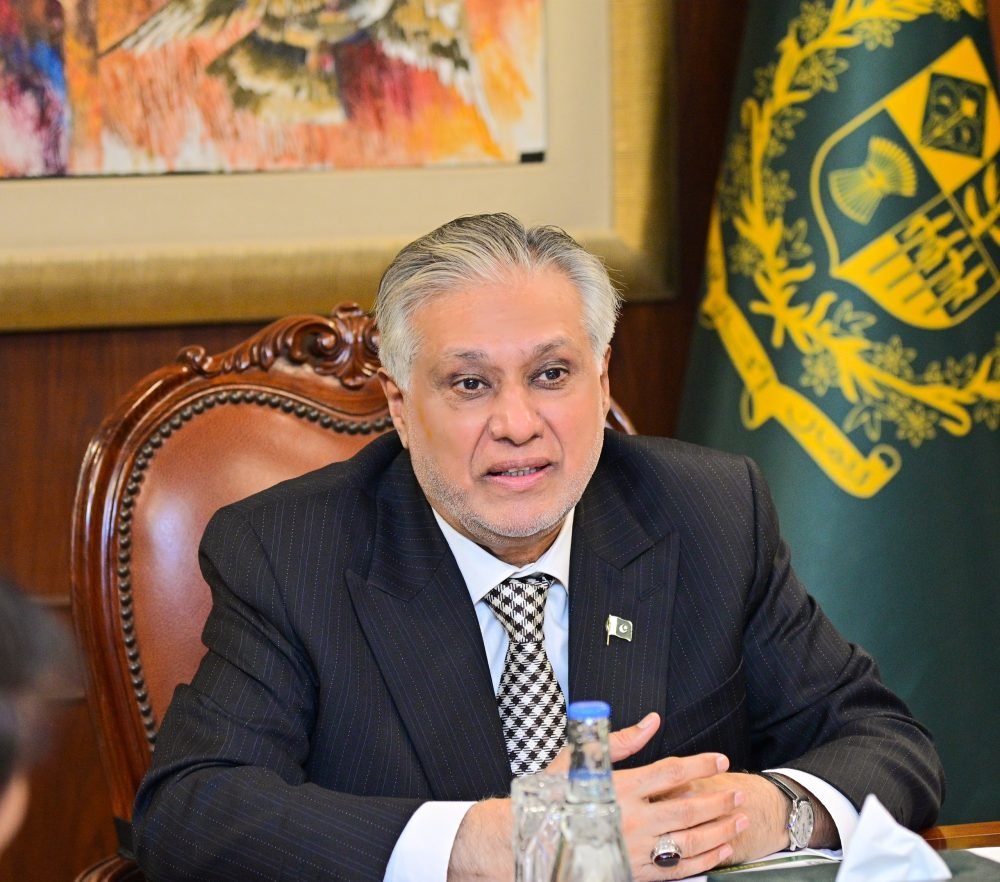
ISLAMABAD — Deputy Prime Minister and Foreign Minister Senator Mohammad Ishaq Dar engaged in a telephone conversation with Turkish Foreign Minister Hakan Fidan. They focused on the evolving regional situation, emphasizing dialogue and restraint to sustain peace and stability. Call for Regional De-escalation The ministers voiced optimism about reaching an early consensus among involved parties to alleviate regional tensions. Their discussions highlighted shared concerns over rising conflicts that threaten peace and security. Main Discussion Points Strategies for de-escalation in current regional challenges Diplomatic solutions to prevent further escalation Coordinated approaches for maintaining peace and security Strengthening multilateral dialogue mechanisms Growth in Pakistan-Turkey Diplomatic Relations This conversation marks an enhancement in diplomatic engagement between Pakistan and Turkey amidst changing regional dynamics. Both nations maintain strong bilateral ties, often aligning on significant geopolitical developments. Recently, their relations have deepened, reflecting consistent support for each other on international issues like Kashmir and Cyprus. Strategic Partnerships Among Muslim Nations This interaction underscores the strategic partnership between these two Muslim-majority countries. Foreign Minister Dar and Turkish Foreign Minister Fidan regularly consult on regional issues of mutual interest. Their diplomatic framework effectively addresses regional peace and security concerns. Unified stances on key matters help shape regional policies, promoting stability across the Muslim world.

Pakistan

Pakistan National Assembly Session Suspended Over Lack of Quorum

ISLAMABAD — On Thursday, the Pakistan National Assembly session faced an abrupt suspension due to a quorum issue during Question Hour. This incident underscores persistent problems with parliamentary attendance, affecting federal legislative operations. Quorum Challenge Details During the session, Speaker Sardar Ayaz Sadiq supervised the proceedings when MNA Iqbal Afridi highlighted insufficient member presence. The Speaker then called for an official count, which confirmed the lack of quorum, leading to the session’s suspension. Question Hour is pivotal as it allows members to discuss issues and question ministers regarding government policies and national affairs. If the requisite number of members is absent during this period, the session must be paused. Parliamentary Quorum Requirements The National Assembly, Pakistan’s lower house of parliament, mandates a minimum member count for proceedings to proceed. If this constitutional requirement is unmet, proceedings are paused until the quorum is reached. This rule is essential for ensuring the democratic legitimacy of parliamentary decisions and upholding federal governance standards. Legislative activities remain suspended until member attendance fulfills the necessary thresholds. Legislative Impact and Concerns Quorum issues often disrupt legislative business in the National Assembly. Sessions in Islamabad frequently face pauses due to these challenges. Experts cautioned that low attendance diminishes legislative oversight and lawmaking efficiency. This ongoing problem poses serious concerns for Pakistan’s democratic institutions and governance. The National Assembly secretariat has not yet announced when the suspended session will resume. Moreover, no measures have been proposed to address this recurring attendance issue.

Scroll to Top